Subscribe
Share
Share
Embed
Join us to discover how design thinking can revolutionize economics for the 21st century. Learn about the Institute for Economic Evolution's three tenets of design economics and meet the pioneering thinkers who are shaping this approach. From challenging economic orthodoxy to creating human-centered solutions, explore how design economics is evolving economics to better serve humanity and the environment.
The idea behind patents was to provide an incentive for for profit companies to invest in R and D and create new drugs. Fine. That's great. We need innovation. We need to spend money.
Eric Moyal:What is it? Every 10 drugs, you get one that works. Right? Fine. We need to do that.
Eric Moyal:But when that patent expires, if that price doesn't plummet to cost adjacent or cost whatever, that's when you've, like, betrayed the the contract. The the whole point of this patent system was so that we had a innovation followed by mass accessibility. And so that's where all of these organizations and nonprofits have come in is because of that that lack that lack of affordable and accessible medication.
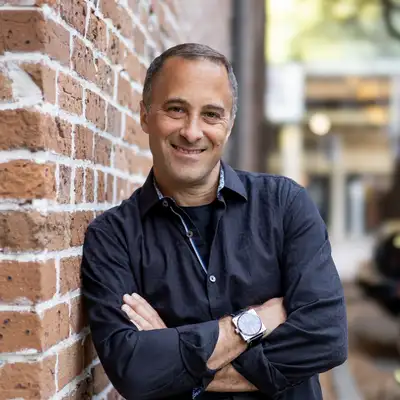
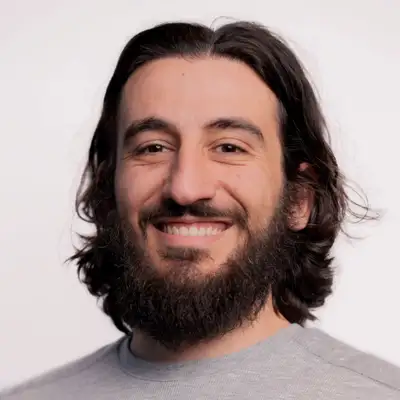
Vinny Tafuro:Hello, and welcome to episode 25 of the Design Economics Podcast, where we explore how design thinking driven by data is revolutionizing economics for the twenty first century. My name is Vinny Tafuro, a futurist, economist, and your host for this episode. My guest today is Eric Moyal, founder of Project Insulin, a nonprofit developing its own insulin to sell at cost. Each year, millions of people ration insulin, a drug whose patents expired years ago because prices continue to rise. Looking at the challenge, Eric saw a money problem, not a science problem, and is building Project Insulin as a global safety net.
Vinny Tafuro:Our conversation explores the social contract patents were meant to keep, why that contract broke, and what it takes build a drug company whose bottom line is people's health. Before we begin, if you find value in these conversations, please consider supporting the Design Economics Podcast through our Patreon at patreon.com/evolveeconomics. And with that, I hope you enjoy this conversation with Eric Moyal.
Eric Moyal:Vinny, no. Yeah. I appreciate it. Thanks so much for having me, and, cool way that we met. So, it's fun to bring it to fruition.
Vinny Tafuro:Same, I'm looking forward to this. So, a little bit timing wise, you know, these, most of our episodes have always been evergreen, and we remain that way, this conversation will be, but conveniently and serendipitously, this is coming out in November, and it is Diabetes Awareness Month, so really cool to have that there. And as the founder of Project Insulin, Eric, if you could tell a little bit about your background. What brought you to where you are today or where you where you decided this is the route I'm going?
Eric Moyal:Yeah, absolutely. It's not your typical life sciences startup founder journey. My background is in nonprofit fundraising. So I worked at a university before starting Project Insulin with zero life sciences experience. I took a intro to behavioral neuroscience class in college, so I guess, you know, that's as far as my higher education went, as far as life sciences goes.
Eric Moyal:But my background is in nonprofit fundraising, and I'd always had a passion for health care. You know, I saw my grandfather live with type two diabetes. My sister has a rare chronic illness. And then in 2020, I met my partner, and she has type one diabetes. So that's kinda where I learned about diabetes and insulin in a more intimate level, like, getting to see it.
Eric Moyal:And, you know, I learned about a few things. I learned about how expensive insulin was, which I was just assuming was because, you know, innovation r and d requires high cost. Like, that's just... That's the deal. But then, you know, my partner told me that, no.
Eric Moyal:These insulins have been around for a long time. There is still r and d going into it. Like, the prices are increasing even though the patents have expired, so there's that piece. And in addition, I read a a New Yorker article that talks about... You know, it kinda chronicled a a woman's issue with rationing insulin.
Eric Moyal:And so, you know, she wasn't eating enough food and, like, you know, all these terrible things. And I was like, wait a second. This thing's been around for so long. The patents on the current versions are expired. Like, how has no one done anything about this yet?
Eric Moyal:And that was where I kinda got the the idea as well. This isn't really a problem that requires research and development in the way that we know it. Right? Like, it's not innovation. It's if we could hire the right team, the people who know how to do this already, then we can make insulin, and we can make it affordable.
Eric Moyal:And so that's where Project Insulin started. It was this idea that if I could go raise money, we could find the right people to make generic insulin that we could then sell at cost directly to patients.
Vinny Tafuro:Gotcha. And I mean, and it's it's interesting the way I found you too, because I've been... I was a late adult onset type one diabetic. I was 36 years old, came out of nowhere, it was, you know, and it's funny because this medical healthcare industry doesn't seem to know where it really comes from. It doesn't run-in my family, it's no longer considered childhood diabetes, it's just type one diabetes and it can come on late in life, and I have a couple friends that were misdiagnosed because they were a little bit, I lost a lot of weight really fast, so when I went into the hospital at one hundred and nineteen pounds, they were like, you're not type two.
Vinny Tafuro:So the misdiagnosis, there's just so much mystery around it, and it was interesting for me because here I am 36, I've lived that much of my life, and now I've got this big change, and insulin has been a challenge at times depending on which insurance policy I have. Have. The other thing that I've noticed now is the influencers, and that's how I met you or came across Project Insulin, was TinyGirlBigShow, and I think We Are Diabatties are two Instagram accounts that have done quite a bit of education. We Are Diabatties actually, I I did a round the world trip this year to visit my brother in Jakarta, and her tips and tricks made that trip so much smoother for me in being able to bring an ice pack with me on any plane I went on.
Eric Moyal:So mean, seeing the stories that people share of being nervous getting through TSA and, well, your CGM or your your pump get... You have to take it off. All these different things that could go wrong and early boarding and bringing enough insulin with you, which would require a prior off for a vacation and all these different things that could really, you know, ruin what's supposed to be a good time. It... I do I do see a lot of those videos, and and I...
Eric Moyal:I'm like, wow. You know, it's very educational, not just for people with diabetes, but just for anyone to just learn about and understand a little bit better because, you know, this is one of those illnesses where you are kind of the, like, no one treats you. You kinda just do it yourself. And I found that to be like... It's a very unique, you know, problem to have.
Eric Moyal:It's like, oh, you're going low. Well, you have to figure out how much sugar to eat. Or you're going high, you need to figure out how much insulin to put into your body and there are repercussions if it doesn't go well. Right? Like, could go low, you could go back high, and it's a cycle, and, you know.
Vinny Tafuro:Yeah. It it it's definitely, it's a very invisible disease, and so I'm glad to see what you're doing, and I guess, could you give a little bit of now, like, is Project Insulin today before we kinda get into a a deeper conversation on it? Where are you guys at?
Eric Moyal:Yeah. Absolutely. So we started drug development in July. So that means that... So first and foremost, we're working on a long acting insulin glargine biosimilar.
Eric Moyal:And so what that means is it's a long acting insulin, and a biosimilar is just the, you know, industry term for generic because this is a drug made from a living organism. Whereas, like, know, your tile... Tylenol generics, it's a it's a pill. Right? So there's not...
Eric Moyal:Nothing living in there. And so this is the biosimilar. And so we started the drug development in July. And right now, we're, like, we're in the final stages of creating our sourdough starter. Right?
Eric Moyal:Like, you need a sourdough starter that will then, you know, you'd use, you take that, and you use it to make your sourdough, and the starter continues to grow. We're making the insulin equivalent of a sourdough starter right now, and we're trying to create the one that makes the most insulin. I guess, technically, the most pro insulin.
Vinny Tafuro:Gotcha.
Eric Moyal:And so that's the space we're in right now, and that will probably end around January, February 2027, and then we'll move into the scale up and, you know, purification and optimization of the actual strain that we're building.
Vinny Tafuro:Yeah. So, I guess, kinda going into that, the bias... The long acting versus fast acting, and I think you and I talked about this before, so this is like the target, you know, obviously the patents expired, it was released in a public domain a hundred years ago, like, we'll get into some of that later, but the choice to do a long acting insulin as opposed to a fast acting insulin, what went into that? What was the logic there?
Eric Moyal:Yeah. So these insulins are analog insulins, which were created in the nineties. So technically, their patents ended in the twenty tens. But the the rationale behind long acting is that the bare minimum version of care for anyone with diabetes, right, so this comes with type two who are insulin dependent, type two, and type one is a long acting. Right?
Eric Moyal:The the ability to bolus and short short acting insulin, it should be standard care, but in the world we live in, it's technically added. And so we wanted to make sure that we could get as many people as possible, just the bare basic, like, absolute minimum needed standard of care. And so that's how we started with long acting. And, also, because it affects type one and type two, it's a bigger market, which allows us to, you know, produce more, which would then allow us to make it cheaper over time, right, with economies of scale. And then So there's, you know,
Vinny Tafuro:there's a scale to it with
Eric Moyal:There's a scale to it. As well. Yeah. And then also global distribution starting with a long acting, again, gives you that flexibility of helping as many people as possible at the beginning rather than, you know, really doing a short acting that, you know, it... It's incredibly useful, of course, but just a smaller scale.
Vinny Tafuro:Yeah. So as we go into this, the the the the first segment that we kinda talk about is paradigm change, and this is, I wanna kinda level set and go, you you guys have, you've chosen a nonprofit, and I kinda, let's start with what models did you consider, why was nonprofit the model you decided to choose?
Eric Moyal:Yeah. We didn't consider anything else, and the reason is because I'm a nonprofit fundraiser. Right? Like, there had to be something that I knew well before starting a cup. Right?
Eric Moyal:Like, I had to know something
Vinny Tafuro:well. Know the science, but I know the fundraising.
Eric Moyal:Yeah. And so Yeah. You know, being a nonprofit kinda alleviates that. But on a more, like, broad and and larger scale, you can't promise at cost insulin as a for profit company that is receiving investment. And that's just like you have a fiduciary duty to your shareholders.
Eric Moyal:Vinny, if you invested $2,000,000 into Project Insulin as a for profit company, I owe you to make as much money as possible for that company or for you as my shareholder. Now you could be a public benefit corp where, like, you know, it's a smaller return, but it's still not the essence of what we wanna do, which is sell it at cost. And in order to protect the business from... You know, like, I won't be doing this forever. Right?
Eric Moyal:Like, someone will eventually take over and, like, you know, there will be other iterations of CEOs and board members, whatever. In order to protect the mission and what we're doing, a nonprofit, my fiduciary duty is to the communities, to the the patients that we serve. And so we have a legal obligation to do what we say we're doing, which is making insulin as cheap as we can while still working, you know, FDA approval and all that stuff, and get it to patients at the cheapest possible price point. And so to protect the mission and the vision, we want it to be a nonprofit. And then, you know, finally, I didn't learn this till later, but there's a lot of mistrust in the diabetes community.
Eric Moyal:And so, like, you don't get Leo or Lean's Tiny Tiny Girl Big Show. You don't get We Are Diabatties. You don't get all these other people in the community to care about what we're doing because there's... There'd be that inherent mistrust. Well, oh, well, yeah, you're trying to help us, but, like, are you really trying to help us?
Eric Moyal:Right? And so, anyway, like, that ended up being a perk. It wasn't a strategic choice, but, you know, it worked out in that way that this is... I mean, it makes fundraising a lot harder. I won't say that much.
Eric Moyal:As much as I I know how to do it and, you know, we've been successful till now, but, yeah, it does it does make it harder. But, again, it's it's for that long term vision in mind.
Vinny Tafuro:Yeah. And you know, it's one of those things that I imagine you've been told this is probably a crazy idea, because I, yeah, why nonprofit? And it's funny, because even me, I'm like, well, cause I've been involved with the B Corp movement and a lot of the work we're doing is figuring out how you can do for profit, but at a not as accelerated or exploitative fashion that we've been doing. But then I look at medical, and I don't think a lot of people really understand that nonprofit healthcare is kind of how The US healthcare system started. And so, you know, that's something, and you know, I've lived in Tampa for most of my adult life, moved here in high school, and you know, we've got this Ybor City Latin 0.25 that's a historic district where there's cigar factories and whatnot, but the unique thing in that area were these mutual aid societies, whether it was the Italian club, the Cuban club, the African American club, the German club, and it was, you know, they built buildings where you could get married, where you could have parties, where you could play dominoes in the cantina, but they also had healthcare.
Vinny Tafuro:And part of your membership dues was this kind of mutual aid and supportive community. And in researching this a little bit in preparing, and I've written on this before, it wasn't until World War II, where salaries were capped by the US government that all of a sudden health insurance became tied to your employment. And I think that's a key thing that people don't understand, so it's like, when I look at models like Project Insulin, I'm like, you're really actually returning us to our roots, is people care about diabetics, it's an important thing, so how do we get there? Which I think is a fascinating kind of way of reframing it, to do what you're doing. So with that leading to a question, what does the ecosystem right now look like in kind of the drug development and drug production?
Vinny Tafuro:And like I said, you know, I think people have heard like, you know, what is it about Mark Cuban's cost plus, like there's definitely even in the for profit realm of going, this is broken. So maybe a little bit of like what that ecosystem is, you know, like I said, you didn't make a choice, this is like, this is the direction we're going, but I'm assuming you've learned, like what else is out there right now that's kind of experimenting with this?
Eric Moyal:Yeah. I would say when it comes to drug development, so like creating a drug, that is definitely a for profit space that we're, you know, we're playing in. There is... There are other nonprofits. There's...
Eric Moyal:Excuse me. I don't know all their names, but there's one doing, like, breakthrough cancer medication. Like, they're coming up with a new drug. That is not our model. Right?
Eric Moyal:Our model is to take something that exists and then just, you know, redo it. Don't reinvent the wheel. But they they are making a new cancer drug, which is really cool. There's Civica Rx. They're probably the largest nonprofit generic drug manufacturer and distributor in the country.
Eric Moyal:They were kind of... You know, I started the org and was pretty quickly pushed to them. At the time, they weren't focusing on insulins. They... Basically, they they they buy generic drugs or create their own of drugs that are, you know, scarce in order to help with federal scarcity, and, you know, they they distribute them on cheaper prices.
Eric Moyal:We looked into partnering with them before they started making insulin, but, you know, about a year into us moving towards this, they started making their own insulins. So they're the organization working with California. CalRx, the insulin that CalRx is using is through Civica. In the short run, it's through licensing partnership with a Indian company. And in the long run, Civica itself will actually own their own, you know, insulin and and sell it through CalRx.
Eric Moyal:So they exist. Obviously, cost plus drugs, I see them more as a distributor than a a drug. Like, it's like a drug maker is technically the manufacturer, the the distributor, but, like like, the creator of new drugs, like our insulin itself. I don't see them doing as much of that. I think it's in the pipeline for them, and I know it's something they're trying to do.
Eric Moyal:I just don't know how far along they are in that process
Vinny Tafuro:Makes sense.
Eric Moyal:In in creating new drugs. But, yeah, I mean, you know, most generics are made by for profit companies. And and, again, you know, that's how you get stories like the EpiPen in 2014 or whenever it was when they, you know, they saw the... Nobody... There was one manufacturer, so they bought it.
Eric Moyal:And they're like, great. We can now sell EpiPens for however much we want to. And so that's kind of the stuff that Civica and Cost Plus and, you know, all of these organizations are trying to avoid is to ensure a a supply here in The US by creating competition because competition leads to lower prices. Right? Three companies own 90% of the insulin manufacturing around the world, and so there's not a lot of competition there.
Eric Moyal:Right? So prices don't have to go down. In fact, they've been going up. Not in the last two or three years, but until the early twenty twenties, insulin prices continue to rise after the patent expired, which is where... You know, to me, that's, like, the most frustrating part.
Eric Moyal:It's like the idea behind patents was to provide an incentive for for profit companies to invest in r and d and create new drugs. Fine. That's a... That's great. We need innovation.
Eric Moyal:We need to just, you know
Vinny Tafuro:There's risk.
Eric Moyal:Money. What is it? Every 10 drugs, you get one that works. Right? Like Yeah.
Eric Moyal:Fine. We we need to do that. But when that patent expires, if that price doesn't plummet to cost adjacent or cost whatever, that's when you've, like, betrayed the the contract. The the whole point of this patent system was so that we had a innovation followed by mass accessibility. And so that's where all of these organizations and nonprofits have come in is because of that that lack that lack of affordable and accessible medications.
Eric Moyal:And I tell this story pretty frequently. My friend's mom had cancer, and, you know, the chemo drug was available, but it was a shortage. And so they told her that she couldn't be prescribed the chemo drug because she was only stage one, whereas they had stage four patients. And it's like, do you imagine how terrible that must feel? She, you know, she was okay.
Eric Moyal:Everything was fine at the end, but, like, yeah, this isn't an insulin specific issue. Yeah. They're starting there, but, yeah, anyway. Yeah. Not to not to ramble on my high horse here.
Vinny Tafuro:No. No. I appreciate that. I mean, maybe, you know, let's... On on this question, the insulin side of it, what broke with insulin?
Vinny Tafuro:Was it just under the radar? Because I think, you know, you look at, like, during the Biden Trump administer... That that shift, that... That's when finally, like, insulin bubbled up to the surface enough and was like, We need to do something publicly for this. But what happened for the fifteen years before that?
Vinny Tafuro:Like like, why... Do you know why we're there?
Eric Moyal:I mean, part of it is, like I said, three companies make it. So Yeah. Prices can... Prices are chosen by the companies who make it, and they just kept going up over the course of the patent after the patent. I mean, if you look if you look it up, you will see that that the prices go up, and and they continue to go up over over that period of time.
Eric Moyal:I mean, you know, the government attempts to bring prices down have worked in certain capacities. Right? Like Medicare, Medicaid has this co pay cap. Right? And so that has helped.
Eric Moyal:The issue is that the data or the surveys that, you know, researchers across the country... And and I I I forget her last name, but,, a professor at Yale, she does insulin rationing study every few years, and the the percentages haven't gone down. So I don't know what's happening, like, what's the difference between what is being said by government officials and what's happening. But, you know, organizations talk about their rebate programs all the time, but those aren't long those aren't long lasting opportunity that's, like, supposed to cover you for a short period. So why it's happened until now?
Eric Moyal:I... You know, it's a lot of different things, and, you know, we've put a lot of talk into the manufacturing, but the distribution of insulin is... Or any drug is insane. Manufacturer to the wholesaler, from the wholesaler, to the pharmacy benefit manager, from the farm... And then the the the the pharmacy benefit manager to the pharmacy itself, and then finally, gets to the patients.
Eric Moyal:Each one of those organizations is a for profit company that needs to add to their bottom line, and each one of those organizations increase the price that the patient eventually pays. So, of course, it's gonna be expensive. And, like, you know, drugs have different spaces on the formulary of what your insurance will and won't take. And... Yeah.
Eric Moyal:So there's all these different pieces and, you know, why haven't generics made it in? There are generics that exist. They haven't been able to break into the market partly because it's like, you know, Vinny, if you're an insurance company, and I am a... And I am one of the big drug manufacturers and you find a cheaper drug, well, I'll say, well, insulin is part of our whole package of drugs, so if you don't take our insulin, you're not getting the rest of these drugs. And that, you know, that's really hard to
Vinny Tafuro:a lot of games.
Eric Moyal:There's a lot of games going on, and It's fine. Whatever. Like, do what you want, but that's just not what we're interested in. And that's part of the direct to patient model. And, you know, Amazon Pharmacy is doing it.
Eric Moyal:Cosplus Drugs does it. Civic Rx does it. Like, all of these are... The shift towards this mail order pharma... Pharmacy model that cuts out a lot of these middle organizations.
Eric Moyal:Again, we're not reinvent... We're not inventing anything. We're just taking what exists and trying to find a path for us in in what exists.
Vinny Tafuro:Yeah. So, in getting to that, and this is, know, like I said, our second tenet is creativity, and I have to say this is a very creative idea. So, how did you go from, you know, your fundraiser, but also developing a drug, like, you went through some accelerators, like, was the startup founder, because it's obviously gonna be a different story than, you know, a for profit entity, how'd you get the support to get this thing off the ground? Like, what was that?
Eric Moyal:It's... That's interesting. It's... It it was very slow. I mean, we just celebrated our fifth birthday at Prodigital Insulin.
Eric Moyal:I think it was last week. Well, whatever. At the time of recording Yeah. But, you know, it took five years to get... Yeah.
Eric Moyal:So it took five years to get to the starting line. Right? Like, we wanna we wanna sell an insulin, and it took five years just to start, you know, attempting to create one. And so, you know, that journey was really long. I mean, lots of...
Eric Moyal:You could look at our nine nineties, right, our tax forms. You could see the like growth over time. Our first three months, our first, you know, tax year, we made $50. It was... My my partner gave $25 to open the bank account because she had cash on her, and then a friend of ours gave 25 to test that the Venmo works properly.
Eric Moyal:On the second year, we raised 11,000, and that was all family and friends and crowdfunding campaigns. That's, like, what I... That's what I did for a living. It was these kinds of campaigns. And, you know, monetarily, it took a really long time to to build that, but that's because I didn't know anything.
Eric Moyal:You know? I'm like, Vinny, give me a million dollars. I'm just a dude who thinks that insulin should be affordable. Like, you would never give me a million. Right?
Eric Moyal:Like, that's not how it works. So I spent the first two years doing informational interviews. Like, I met with hundreds, and I I still have the the Google Doc with all the interviews I did at the time. It's like 200 pages or something of just interviews and notes and, you know, connecting and who you should talk to next. And it was, you know, conversation after conversation of saying, I don't know anything about this.
Eric Moyal:Please tell me your expert... Like, just your piece. Just tell me a little bit about your piece, and then who should I talk to next? And, you know, over time, I learned. We had potential...
Eric Moyal:You... People heard about us and, like, people were curious. There's a guy who was in his PhD at the time who ended up becoming my science translator. He would come to every science meeting that I had with someone someone new, and he would just, like... We would have the meeting, and then afterwards, we would spend thirty minutes him just explaining what just happened.
Eric Moyal:And Yeah. You you know, that's how it worked. Like, that's how it had to work because I... Again, I didn't know, and we weren't gonna raise real money until we figured it out. And so I'm very, very grateful that people took the calls.
Eric Moyal:I mean, I met with regulatory people, biochemists, you know, engineers, just like everybody. And and nobody should've given me the time of day, but I was honest. I said, hey. I'm trying to do this thing. Would you be willing to just, like, answer some questions?
Eric Moyal:And just tell me what, like... Is this impossible? Right? Because that's important to know. Like, is this actually possible?
Eric Moyal:And, like, what am I not thinking about yet? And so, you know, slowly but surely, we learn all the different pieces. And then about a year and a half ago, we hired our chief scientific officer who, by the way, like, in the interview process, I made all of the candidates, like, explain something to me even if I knew what it was because I needed someone to take that position who has the ability to teach because otherwise, I wouldn't know what's going on. And I need to know... Right?
Eric Moyal:Like, I need to be able to communicate, You know, the sourdough starter thing, right, like, at the very beginning, that was through conversations with our chief scientific officer. So, yeah, it take... Took a very long time, and, you know, fundraising has been slow but steadily creeping up over the last couple of years. And, yeah, I mean, accelerator incubators, they all help. I say they help as much as you're willing to let them.
Eric Moyal:And I'll say it like, in the early days, they were finance modules, and I never did them because our budget was $50 on Venmo. Right? Like Yeah. Think we're okay without, you know, a complicated financial model. But then later on when I was...
Eric Moyal:When we're getting closer to actually starting and we needed budgets and and quotes and all these other things, the financial models were the only ones I cared about because that's what I needed at the time. And so I think you you shouldn't try to take in everything because it's impossible, but really focus in on the things that you you need in that moment because that's what you're gonna... That's what's gonna help you the most. Right? I didn't need financial models in 2021 because we didn't even know how much it would cost or what what we'd be spending money on.
Eric Moyal:I needed to learn how to, you know, incorporate and legal and what does a board need to have. Those were the pieces I needed. So, yeah, I I think... Anyway. How...
Eric Moyal:I've been very involved with this.
Vinny Tafuro:Yeah. No. Well, and that and that's great. I mean, and that... Those are those conversations really in starting the institute.
Vinny Tafuro:Like, any big project that you're never gonna... It's the old saying, you don't want to be the smartest person in the room, you want be in a room full of smarter people. And I mean, that's the only way this gets done, you're bringing your expertise. I am curious on the Accelerate, like how those programs worked with you as a nonprofit, was that something they had done before, or was that kind of a tall ask? How did you
Eric Moyal:find that? It was... I was the first nonprofit in almost every accelerator I... I've done. I've done, you know, I've been invited to pitch contests where, you know, for small nonpro...
Eric Moyal:Or for small startups where a small startup goes from idea to million dollars in revenue, and it's like, we're gonna be 50,000,000 in debt before we even make a dollar. Waste. Yeah. Like, you know, that's why we should win. Right?
Eric Moyal:Like...
Vinny Tafuro:But, you know, it...
Eric Moyal:They didn't really change the formula for me. I was just like, when there were equity conversations, I just kinda like ignored
Vinny Tafuro:Gotcha. So it was really picking, like you said, picking and choosing what you needed out of them, and then giving you the space to learn from, because obviously, budgets, finance, there's certain things that do translate between the for profit and nonprofit sectors.
Eric Moyal:Absolutely, right. But a cap table, I don't need to know about.
Vinny Tafuro:Yeah. Gotcha.
Eric Moyal:And, you know, I did learn... Like, it was interesting. I I couldn't regurgitate any of it to you now, but, like, I remember learning about some of it and be like, oh, yeah. That is kinda interesting. But the ones that really helped were the ones that were social impact driven.
Eric Moyal:And even those, like, one of them was specifically for nonprofits in Rhode Island. There's a place called Social Enterprise Greenhouse, one of my favorite accelerators I've ever done. And then in Boston, there was a social a social impact one, but they were mostly... I I was still the first nonprofit even though it's a social impact accelerator. But, you know, in both of those, they they did make more of an effort to, like, help the nonprofit part of us.
Eric Moyal:And... Yeah. So, again, you you take what you what you need. Even when someone... An adviser gives you advice, you don't always take everything they say.
Eric Moyal:You take what you what you think is actually good advice for you. Not that the advice that they're giving is bad, but just for you, it might not be the right thing. Yeah.
Vinny Tafuro:Yeah. Now as we go into this, I kinda wanna go into our literacy segment, because a lot of this, learning how to learn, and you've talked about it a little bit, the rationing, and I personally, I've been fortunate enough to almost always have the insulin that I need, but there's always that time where the prescription doesn't get refilled in time, and all of a sudden I'm using more of my long acting than I usually do, or you know, I've rationed for a day or two at a time, but could you give a little bit of insight into what chronic rationing is and what it does to people because I think that really matters.
Eric Moyal:Yeah. It's... I mean, it's it's really... It's just heartbreaking. I mean, I I always get really emotional at this part because this is what led to the company was chronic rationing is every month or, you know, every few months, you're short.
Eric Moyal:You don't have enough insulin relative to the amount you need. You can't afford to buy some more, and so you take less than you're supposed to. And the way you balance that out is, you know, not eating enough or, you know, a lot of people will exercise more than they should be, like, more than a healthy amount in order to keep their blood sugars from from spiking. And, you know, it it... The the effects could be anything from heart disease to renal failure to amputation.
Eric Moyal:Like, these things... Like, diabetes costs one in four US healthcare dollars. And it's not because of insulin, it's because of all of the complications that happen with poor treatment. Again That's a new stat
Vinny Tafuro:to me. I did not... One in four healthcare dollars are related to diabetes. Now it's type type one and two, but the overall... Wow.
Vinny Tafuro:Wow. What... What's... Yeah. What's the number on...
Vinny Tafuro:How many people are rationing?
Eric Moyal:Yeah. So these numbers are, like, grain of salt here. I guess it's my... I think these are low. Yeah.
Eric Moyal:And I'll tell you why after I tell you, but it's one point three million Americans ration their monthly insulin supply. So it's about fifteen percent of the insulin dependent population. So about eight million people, eight and a half use insulin, about one point three million don't get enough of it. And I think that number is low because that only accounts for the people who literally don't get enough. It doesn't account for the people who sacrifice food or education or the opportunity to get a new job because they have really good insurance, and they're trapped in this job because because of that insurance.
Eric Moyal:And so, I mean, I think that number is higher. It's a more robust definition of
Vinny Tafuro:Yeah.
Eric Moyal:Rationing. Right? Like, it's a bit looser, but I think when you're talking about quality of life, it's a it's a... It's important to include stuff like that.
Vinny Tafuro:Yeah. Well, and that's something we talk about on this show a lot about care economy, and the social sector, and all of these things that traditional economics ignores as, oh, well that's nice if you have it, and you know, but those are the things that actually make life worth living, being able to have a job that you enjoy, not a job that covers the insulin. I think that is important, I think that's part of what our vision for design economics is, is that economics must count those things. Especially now that we have better data to understand the impacts of wellness on outcomes. So I think the more robust number is probably the one I'd go with too.
Vinny Tafuro:That's just still shocking on the one out of $4 though. I'm I'm I'm just kind of flabbergasted at that. So I guess where, you know, earlier we started with where Project Insulin is today in research. What what is... What what are you doing now?
Vinny Tafuro:Like, what's your primary, like, outreach, fundraising? Like, how can how can... What do you... What are you doing there? Is it is it what kind of fundraising are you doing?
Vinny Tafuro:Is it large, small, like, it institutional? Where is
Eric Moyal:It's everything. Every dollar... Someone... We had an event last Friday, which we talked about ahead of this call. Someone walked up to me after the event and looked me in the eyes and said, I only have $4, but every dollar counts.
Eric Moyal:Right? And I was like, yes. Absolutely. Like... And it's true.
Eric Moyal:Literally, like, it's cliche, but it... It's true. We're a small nonprofit trying to raise $50,000,000 over the next six years. And so, you know, it's now 49,996,000... Or $999,996.
Eric Moyal:Right? Yeah. It it all helps. And so the fundraising we do is is all all of it. I do small donors, you know, whether it's just $5 a year, $5 a month.
Eric Moyal:Like, monthly giving is one of our favorite things because you kinda can budget around that.
Vinny Tafuro:Budget on it. I understand.
Eric Moyal:Right. You know it's coming. But... Yeah. I mean, I make...
Eric Moyal:After this, I think I have a pretty light calendar today, so I'm gonna make a 100 phone calls to different family foundations that have given to diabetes causes in the past. I have, you know, people I ping on LinkedIn trying to see if we could raise money through them, and someone else is doing an event for... Or a fundraiser for us over the next month. So we do it all. I mean, any and every sort of fundraising is important, especially right now when, like, yeah, we're raising 50,000,000 total, but this next year, we're raising about $2,000,000.
Eric Moyal:Right. I was gonna say, so what's
Vinny Tafuro:what's the small what's the small part of that for the next fiscal year? Is it 2,000,000 Yeah. That's the case?
Eric Moyal:The next fiscal... 2027 is $2,000,000 to get us through the next phase of drug development. So like I was saying, scaling it up to about a 100 liters from like a a little flask, as well as purifying and testing the the drug and kinda getting more data on it. That's what the next twelve months will be about.
Vinny Tafuro:Yeah. Well, the thing about the small donors too is it's like friend raising as well, like having the advocates, you know, I guess every step of the way, you know, 500 small donors at $4, $5, $10, really makes it easier for the $500,000 donor to say, you know what, this group, this team, this organization has momentum to change something. So I think that's, you know, appreciate it all, right? I mean, you got it.
Eric Moyal:Yeah, it's proof of concept. You can't go asking someone for a million dollars if they're like, well, does anyone need this? I was like, well, here's 3,000 people giving a few bucks because they care about this, and this is important to them. Yeah. You know, that...
Eric Moyal:Again, this event we just did, that's not about raising big dollars. That's about building community and, like, showing that people care and that this is an important issue to lots of people. When you do our donation form, people, like, put in honor of my grandfather, in honor of my dad who died too young, or in honor of my sister who's struggling with affordable insulin. Like, the amount of comments we receive on that form is, you know, is kinda shocking. Like, you wouldn't ex...
Eric Moyal:Like... And everyone you talk... Everyone I talk to is like, oh, you know, my my my my grandma struggled with insulin. And I remember having to give her shots and my parents fighting over, like, we can't afford paying for grandma's insulin. Right?
Eric Moyal:Like, all these, you know, crushing stories, and and you hear it all the time.
Vinny Tafuro:So next question is, what does the... So you're starting with a long acting insulin, and how does that that go? You know, you talk about proof of concept. So is that, like, step one? What what's the long term vision for Project Insulin on this?
Eric Moyal:The long term vision is I'm very greedy. I want a long acting, I want a short acting, I want a fast acting insulin. And then, you know, every time you do this, you know who the funders are at that point. Right? Building the first one, have to build the base.
Eric Moyal:The second one, the third one, like you have the base already. It's not it's not as hard to go find the people to do that. And we actually make revenue once we're selling our product. Right? We are a sustainable nonprofit once we're selling the products.
Eric Moyal:R and D is a different story. Right? Like, new investment is different, but, you know, to keep the thing that we're doing alive, you just kinda keep going. But... Yeah.
Eric Moyal:I mean, we wanna build a manufacturing plant to help bring the cost down. We want to distribute our insulins globally. I mean, the the stats on low and middle income country that's like 88% don't have access to enough insulin. 88% of low and middle income countries don't have access to enough insulin, and about eighteen percent of them don't have access to any at all.
Vinny Tafuro:Yeah. It's it's... I I had a friend of the family that was diabetic, worked for a family business, and ended up because of some issues, it was probably fifteen years ago, so it's before the contemporary issues around, but he was deported to Jamaica, and unfortunately he was dead within six months, because he just did not have access to the medications that he did here.
Eric Moyal:He needed, yeah.
Vinny Tafuro:So yeah, so, I appreciate the work you're doing both on a national level to on a global scale, it's really important. So I guess, what's next? So 2,000,000 for 2027, how can people help and get involved? You know, we'll put links and all all in the show notes, but kinda give me give me give me the the pitch on on what people can do to get involved in.
Eric Moyal:I always struggle with this because it's it's so hard. There's so many things, but sharing what we do with people, you know, making a monthly donation even if it's $5, $4, going on our website and and filling out our volunteer form if you're interested in helping, hosting your own fundraiser, I think that's, like, one of the... That's one of the best things because it's not a whole lot of capital investment. It's more of a time investment where you're hosting an event somewhere, but we then get to introduce ourselves to a 100 new people, and that's amazing. Right?
Eric Moyal:That is an opportunity to really continue growing the base of people who know what we're doing, which then helps us increase the base of people who might be a millionaire or might have a connection to, you know, your local healthcare clinic or your local hospital system or whoever it might be that could partner with us. So, yeah, I think spreading the word, getting involved through events or volunteering, you know, corporate sponsorships, whatever it might be, and then donating. Yeah. I'd say those are the big three.
Vinny Tafuro:Another question I have is, are you... What what do you... How is Project Insulin working with, say, the other diabetes research foundations and organizations? Is there a camaraderie there? What what what's that look like?
Eric Moyal:Yeah. It's been a bit of you guys aren't real. Right? Like, I I get it. I get it.
Eric Moyal:Like, fair enough. Yeah. These are all multimillion dollar organizations, and I'm just like a guy in my my my home office. But, you know, once we started drug development and we made that announcement, it it shifted. It is more partnership.
Eric Moyal:Yeah. Like Yeah. T One International, which is a big policy org, advocacy and policy based organization, We work closely with them to figure out the the latest stats on insulin rationing, where the Mhmm. The holes are, how do you fill those holes. Right?
Eric Moyal:Because we're a safety net organization. We're not like a... We're not here to get everybody insulin because most people don't ration. We're here to be that for the the rationing population. We started working...
Eric Moyal:A lot of the sponsors of our most recent event were diabetes organizations, so we're getting there. We're slowly building, but, yeah, it's it's been slow. But as we... Again, same thing with millionaires. It's the same thing with large organizations.
Eric Moyal:As you get bigger and as you show proof of concept that this is actually happening and, you know, five years later, we're still here, Various stakeholders are more interested in getting invested in this because we're in it for the... Like, we've shown that we're in it. We've made it this far. We still have a long way to go, but it's almost... It's starting to become worth taking a chance on us.
Eric Moyal:Yeah.
Vinny Tafuro:Yeah. Well, that five year milestone is a big one, and the fact that you have revenue, you have a science officer, you have research being done now, like, that's... You're here.
Eric Moyal:We're here.
Vinny Tafuro:Yeah. You know, now it's a matter of, I guess it really is a funding, you know, as long as the funding keeps coming, this keeps moving forward.
Eric Moyal:No pressure, right?
Vinny Tafuro:No pressure. I mean, think it's the pressure's on, you know, the donor population and the supportive population go, do we want this to be successful? How can I donate, how can my donated dollars have the most impact? And I, you know, this is a pretty significant one, and I think, you know, from the design economics, and from our standpoint, looking at it is, you know, seeing successful nonprofit development of drugs is a huge win for changing the overall paradigm of how our economic system is running. So I'm
Eric Moyal:hopeful. Yeah. No. I I appreciate it. And I I will say before we get off here, I wanted to share that future impact.
Eric Moyal:What are those numbers? Our very base case, we get FDA approval, and we start distributing in The US. Our manufacturing capacity at the very beginning will be about 10,000 patients a month. That is the... And that is because of, you know, inefficiencies and over time, it'll...
Eric Moyal:It... Even in one reactor, it'll grow. But in that base case of 10,000 patients a month, we could save those patients up to a $100,000,000 a year every year for the rest of their lives. Right? That is that is impact that takes time.
Eric Moyal:It takes a long time. Right? Like, no no no one asks you for this much money for a very long time horizon. And then if we are at the same scale, but more efficient, we're able to get to 40,000 patients every year, and that would save them about $400,000,000 a year.
Vinny Tafuro:That's the economic impact of that. That is healthier people that are able to get their insulin and also able to participate in the society in a better, more fuller way.
Eric Moyal:And that doesn't include all the other pieces. Right? That doesn't include being able to afford other things. It doesn't include the boon to the economy because they're... People are able to spend money on other things.
Eric Moyal:They're able to change jobs freely. And then there's so much that that comes... And all the savings and future complications that don't happen. If we can bring down that one in four healthcare dollar stat, that's a big deal.
Vinny Tafuro:That's huge. That's huge. Well, Eric, thank you so much for taking the time today. I'm I'm really glad we got to have this conversation, and and I'm I'm hopeful.
Eric Moyal:Yeah. Thank you, Vinny, and thank you, everybody, for listening. And if you wanna learn more, projectinsulin.org.
Vinny Tafuro:We hope you enjoyed this episode of the Design Economics Podcast. If you value these conversations, please consider supporting us through our Patreon at patreon.com/evolveeconomics. Your support helps us continue bringing these important discussions to a wider audience. Don't forget to subscribe to the Design Economics Podcast on your favorite platform. The Design Economics Podcast is produced by the Institute for Economic Evolution, a five zero one c three charitable organization whose vision is economic systems that cultivate than restrict our human potential.
Vinny Tafuro:And I'm your host, Vinny Tafuro. Thank you for listening.