Subscribe
Share
Share
Embed
The Heartland Institute's podcast discussing notable new works with their authors. Hosted by Tim Benson.
What's the time? It's time to get ill. What's the time? It's time to get ill. So what's the time?
Beastie Boys:It's time to get ill.
Tim Benson:Hello, everybody, and welcome to the illiteracy podcast. I'm your host, Tim Benson, a senior policy analyst at the Heartland Institute. Thank you guys for tuning in. Once again, sorry for the the short little hiatus for the last few months. I know I haven't been recording anything, but very good reason for that is because I've been extremely busy with my actual job for Heartland, the one that they actually pay me to do.
Tim Benson:So just wanted so that's why the little hiatus were just a little busy with the all the legislative sessions around the states this this this season, this year. So, you know, I just didn't wanna have to reschedule stuff with people, book guests, reschedule them, book guests, reschedule them, etcetera, etcetera. So, decided just to take a little break for a couple months. But, anyway, should be back from now on with with some regular podcast once a week for you guys. So just a heads up on that.
Tim Benson:But thank you very much again for tuning in. And if you like this podcast, please consider giving illiteracy a five star review at Apple Podcast or wherever you listen to the show and also by sharing with your friends as the best way to support programming like this. And my guest today is mister David Zweig. And is it Zweig? Is that who you Zweig?
Tim Benson:It. Yeah. Zweig. Zweig. That's what I thought.
David Zweig:David Zweig. Yeah.
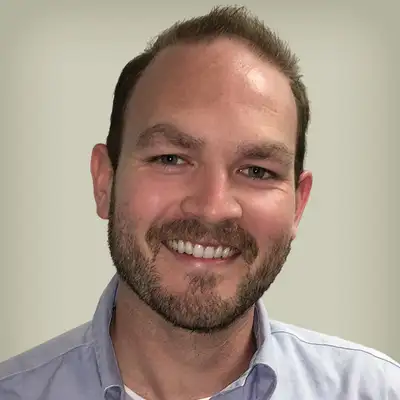
Tim Benson:So mister Zwag is a journalist and author based in New York. You may have seen his work in the New York Times, The Wall Street Journal, The Atlantic, The New Yorker, The Free Press, Wired, New York Magazine, and The Boston Globe among many others, as well as his substack newsletter, silent lunch. And he is the author of the novel swimming inside the sun, as well as the nonfiction work, Invisibles, the power of anonymous work in an age of relentless self promotion. And he is here to discuss his latest book, an abundance of caution, American schools, the virus, and a story of bad decisions, which was published back in April by the MIT press. So, mister Zweig, thank you so so much for coming on the podcast.
Tim Benson:I do appreciate it.
David Zweig:Thanks for having me.
Tim Benson:No problem. Now before we get to the heavy stuff in the book, I gotta ask you about this because I was on your your website, and it says at the very end of your website, it says years ago, as a singer, guitar player, and producers, Vijk released two albums, all now with Wings and Keep Going. Both albums chartered on college radio playlists and garnered accolades with the press calling you a, quote, symphonic pop prodigy. And then I'm a big music geek dude. You know, just not not too far removed from the the guys in high fidelity.
Tim Benson:If you've seen that movie, I'm sure you have. So I went and checked it out on Amazon just to see if, you know, the stuff was still available and there was any reviews and got people comparing you to, you know, Kevin's Shields of My Bloody Valentine. My Bloody Valentine, excuse me, and Billy Corgan and all this stuff. And, you know, someone said that they bought your CD, I guess, your first album at the same time that they bought Abbey Road and that they actually spent more time in the car listening listening to your album. Where this
David Zweig:where is this written?
Tim Benson:This is on Amazon. I'll read let me see. I bought the CD when I purchased Abbey Road, although I love Abbey Road, all now with wings remained in my CD carousel far longer.
David Zweig:I'm so glad that that payment I made to that person worked.
Tim Benson:That was the review from 02/2002. It's still up on Amazon. So if you check it out. Anyway, so I wanted to ask you about that. So symphonic pop, who are your who are your influences?
Tim Benson:Who are your you know, who do you sort of style yourself after? You know, is symphonic pop a an accurate description of the the type of music you were making on those two records?
David Zweig:I think, certainly, some of it is is symphonic pop for sure because it's, like, pop rock music with symphonic kind of arrangements with it, you know, with the string section, sometimes the horn sections, very big grandiose music. Although there's also short kind of rock songs mixed in. It's kind of I love those big I grew up loving, like, The Wall and and stuff like that where it was, like, where you're taken on a journey and other, like, prog rock bands.
Tim Benson:So you're a prog guy?
David Zweig:Yeah. Like, Yes and Rush where, you know, Rush, there's, like you know, the second half of the album is, you know, just like a one twenty minute song. I love that type of stuff. I love big, just epic things. So in my book now, you know, that just came out, An Abundance of Caution, it's, like, 450 pages, and I have hundreds of endnotes.
David Zweig:I'm I'm a bit of a maximalist. So, I guess, in music and writing and, you know, whatever else, I tend to kinda turn the dial to eleven. Yeah.
Tim Benson:Yeah. Alright. Well, I'm gonna have to check it out. I'm gonna have to search around I for
Beastie Boys:some for some copies of this of these albums and check them out. I mean, if someone's if someone likes it more than Abbey Road,
David Zweig:Spotify. Yeah.
Tim Benson:Are they on Spotify?
David Zweig:Yeah.
Tim Benson:Okay. Alright. Cool. I will look for that. Alright.
Tim Benson:Now to the book itself, and it's basically, your book is a story on the COVID pandemic and how basically everybody failed America's children in 2020 and 2021 going forward. I I mentioned to you on before we started recording that this book was one of the most aggravating books I'd ever read.
David Zweig:Yeah.
Tim Benson:Not not anything to do with how it was written or anything like that, but just the narrative of events and how things were decided, how things were agreed upon, how things were promoted, not promoted, how this whole COVID situation, pandemic, the school closures, and all that stuff came about. And I actually I actually called my grandfather earlier this afternoon because I was just finishing up the book. And I basically was like, I just need to, like, vent at you for about fifteen, twenty minutes because I wanna get all this out before I record the podcast because no one's gonna wanna listen to me just, you know, hurl invective at, you know, the teacher's units and the health officials and all these people for if, like, if I get going on this, I'm never gonna be able to stop. So I just need to get it all out now and get up with you. So I did that.
David Zweig:If anyone's looking to get angry, boy,
Tim Benson:do I
David Zweig:have the book for you? Right. Right. Yeah. But it's, you know, it's good to it's better to feel angry than to feel nothing or to be bored.
David Zweig:Sometimes it's important to be pissed off. Mhmm. And my book is you know, it's rare to have a book that can really infuriate you, you know, by what you learn in there. And and that is one of the things I yeah. I wouldn't say I aimed to do that, but it was but that that is an important, and I think natural reaction that someone
Tim Benson:Yeah.
David Zweig:I People reading my book should be enraged when they learn about the failures. You know? I mean, most people have an awareness of certain broad failures within the pandemic, but I actually show what happened behind the scenes. I I you know? And there are things that happen that that your listeners have no idea of how bad it was.
David Zweig:They they're like, there's no way people can actually know without getting into it. Yeah. I sort of go ahead.
Tim Benson:Yeah. Yeah. No. No. I was just saying, why don't we just start there before we get into that?
David Zweig:Yeah.
Tim Benson:Why don't you just tell everybody what, you know, what made you wanna write the book? You know, what was your what was the genesis of this whole thing? What was your your kid's experience with school and with COVID, and how did that lead you to this project?
David Zweig:What got me started, you know, before I was working on the book, I just as a parent and as an American citizen, the pandemic began in The US or at least the response to the pandemic in March. I live outside New York City. I was following along with with the rules and the guidelines like pretty much everyone else in my area. You know, we were told that, you know, New York City was, you know, facing a crisis. I had no particular reason to question what the public authorities were telling us.
David Zweig:I'm a skeptical person. I don't. I've always been that way. I don't just automatically, you know, believe what government officials are saying. Nevertheless, I wasn't I I I wasn't I didn't have something in me saying, oh my god.
David Zweig:You know, this might be untrue or they're lying or so. I just kind of went with it
Tim Benson:Mhmm.
David Zweig:In the beginning. But after a brief amount of time, I felt like given the gravity of the response, which in my view you know, and I'm 50. I I mean, never in fifty years, I've never observed or experienced this degree of of an infringement on the personal liberties of American citizens. I would challenge anyone to to name another event in America in the last fifty, you know, or more years of this scale where where we were not allowed as citizens to to to function and and do sort of normal things that we, you know, would do. We were lit it was against the law to to do you know, gather, and it was against the law that the schools were closed.
David Zweig:So this was an extraordinary circumstance, and it seemed to me that there was not a sufficiently correlative amount of explanation behind it. It was just, there's a virus. This is an emergency. This is what we have to do, which, again, you know, for a week or two seemed reasonable to me. Right.
David Zweig:But but then I I I started just asking questions in in in to myself, in my mind. And I spent many years as a as a journalist doing a lot of sort of science and tech journalism and and cultural and psychological type of topics that that have involved me reading. I'm really good at reading academic studies and journals. I'm used to it. I like corresponding with with scholars.
David Zweig:I'm used to that. So and I used to work before the profession, before the thing became politicized, I used to be a magazine fact checker a zillion years ago. And and it's part of my disposition just naturally. But in that role as a fact checker, you're really taught to to to have to go to the source for something that something is simply being, you know, written about in The New York Times or something, that that's not like that would never be a sufficient source of proof behind something or backup for a statement. We have to go deeper.
David Zweig:And, like, what's the actual source of this thing, not just a media account? So all of that coupled together, I'm like, here's this completely insane circumstance happening. Maybe it's justified. I don't know. But what I do know is I'm not getting enough information, at least to satisfy me.
David Zweig:So and while all this is happening, I'm also observing my kids who are the way I describe it in the book that I just saw them wilting away in the gray light of their Chromebooks in in their bedrooms. And I'm like, this is not going to work over a long period of time. It was very obvious. Now, again, someone
Tim Benson:How sorry. Excuse me. How long did it take, for your kids to go back to full time in person Oh god. Schooling?
David Zweig:At least a year, I think, before they were back in school full time. And even then, it was still bizarre. There was mask mandates for an entire year after that. You know?
Tim Benson:So how long until it was, like, back to normal?
David Zweig:I think it's, like, a good two years before you're, like, in school every day as a kid, like, with things being normal or at least close to normal. It's, like, two freaking years. So I'll just try to wrap up my my the initial thing. So I'm observing this. I start asking questions.
David Zweig:I was working on another book at the time. I couldn't couldn't work on it anymore because I was just, like, obsessed with trying to figure out what's going on, during this period of time. And I started, reaching out to to to, researchers and doctors and others mostly in Europe because you couldn't talk to anyone in The States. And it became apparent very, very quickly a few things that children were at basically close to zero risk, a risk on par not zero, but close to it. A risk on par generally with the flu or any or any number of other things that kids face in a given year.
Tim Benson:Sure.
David Zweig:Quite and then, actually, you know and I give some statistics in my book. I mean, look. More kids die drowning in a given year than they do from COVID Right. In a year. More kids die in, you know, in car accidents, multiples more, you know, in
Tim Benson:Probably more die in car accidents driving to school than Yeah.
David Zweig:Exactly. And, like, there's so many things. So kid the point is not that COVID is zero risk, but that kids just being a person in the world. You like, bad things happen sometimes, you know, and and and that and, you know, more kids more kids killed themselves than died of COVID given year. Like so so, anyway, there's all these things that, like it's not that it's no risk, but it's relative to other things.
David Zweig:Then the other argument, of course, was that, well, even if kids aren't at risk, that they're putting everyone else at risk. And we can get into it, Tim. But, like Yeah. So, anyway, all this got me started. I'm looking at stuff.
David Zweig:And then and I'll just kind of segue into this, which is the original sin in my mind or one of them, the main ones is
Tim Benson:I might sue you if you use that phrase.
David Zweig:Oh, is that oh, is that oh, his book. Right? Yeah. Yeah. Yeah.
David Zweig:Well, is that at the April and the May, schools began reopening in Europe. They're, like, at least they're lower schools, and we're talking about millions of kids. Okay? Not, you know, one school somewhere in in, you know, Denmark. We're talking about and millions of kids.
David Zweig:And in the May, the education ministers at the EU met, and 22 countries, 22 began reopening their schools, millions of children. And the official assessment was that they observed no negative consequences of the schools reopening. That, you know, there wasn't they didn't observe an increase in cases among teachers, among the community. And, like, this is the real kind of, like, record scratch moment on the soundtrack here. And one of the thing there's one of the things that's so important about this or perhaps the most important part about this is that this was virtually ignored.
David Zweig:It was on like, you would think this would be on the front page of every newspaper. This would be, you know, in every cable news. Everyone would be talking about it. This was essentially just completely nonexistent. I'm watching this video over and over again because I can't believe what I'm how can this be?
David Zweig:How can it be possible? Is this real? Is this actually the EU? Is this fake? How can it be that 22 countries reopen their schools, and we're being told that we can't reopen our schools?
David Zweig:Well, why? Why is that? So that is one of the things that set me on my path. I had already written an article in the very May for Wired magazine where I argued, you know, we need to reopen the schools. And I had a list of evidence why that would be the case.
David Zweig:And Europe agreed with me because they already had begun reopening their schools, so it wasn't like this was some outlandish conclusion to come to. This is the conclusion that 22, ministers of health, you know, in different countries, they came to the same conclusion. And I wanna be clear about something because this is really important, and this is, like, one of the main kind of bogus arguments that we heard and that people still make to this day, which is, well, that's Europe. That doesn't count. And then they would list any number of reasons why we're not supposed to believe that Europe reopening schools and there being a problem.
David Zweig:There's a whole long list of reasons about why that's supposed to, like, not matter, and we have to ignore that and wave that away. And what I do in the book is I show point by point how all these reasons were completely made up. This is just, if if I may, on the podcast, this was bullshit.
Tim Benson:Yeah. It was. Feel free.
David Zweig:It was bullshit. And and I wanna say, you know, I suspect your audience is generally leaning in a particular political direction. I came at this problem apolitically. I did not have any
Tim Benson:That was that you're not, like, you're not some winger. You know?
David Zweig:I'm not a right wing operative. I'm not like, I I used to be on the left. I'm just, you know, completely independent at this point. Although I was never, like, a knee jerk sort of left person. I was never, like, a, you know, like Yeah.
Tim Benson:You were just, like, a normal
David Zweig:Yeah. I was kinda like a normie democrat, but an independent
Tim Benson:There used to be a lot of you guys, but now
David Zweig:there's nothing. So my point being, I had no reason to want this to be true. I had no motivation for this other than I was observing something that seemed crazy to me, and, and I had to follow where the facts took me. And Yeah. That's what I did.
Tim Benson:Before we get to the rest
Speaker 4:of this podcast, I wanted to let you know about two fantastic live podcasts Heartland produces every week. We'd love for you to join us every Thursday at 1PM eastern, noon central live for the In the Tank podcast with host Linea Lucan. You can watch on the Heartland Institute's YouTube channel or on Rumble where you can participate in the show in the chat with other fans and also ask questions that we'll address on the air and put up on the screen. And on Fridays, also at 1PM eastern and noon central time, you can tune in live for the climate realism show. Heartland's climate team of Anthony Watts, Sterling Burnett, and Lynea Luken, along with host Jim Lakeley, cover the crazy climate news of the week, debunk mainstream media myths about the so called climate crisis, dig into energy policy, and much more.
Speaker 4:The show often features guests that are some of the leading climate scientists and energy policy experts anywhere in the world. There is no other show like it, so become regular live viewers of both of these programs if you are interested in smart, lively, fun, and interactive conversations. We hope to see you there every Thursday and Friday afternoons at 1PM eastern and noon central at the Heartland Institute's YouTube and Rumble channels.
Tim Benson:Well, even, to your point about, you know, what we knew from Europe in April and May Mhmm. We had even before then, February 24, you talked about JAMA, so the Journal of the American Medical Association's peer reviewed medical journal, probably one of the bigger medical journals of that type. They got the summary report from what was essentially the Chinese CDC, and, you know, it's China, so take it with a grain of salt. But and it was a big I don't know if it was a study or analysis that the Chinese did. Basically, they found even in late February.
Tim Benson:So before before we even started locking anything down really in in The United States, that only one percent of patients under of all the COVID cases, only one percent were children 10, another one percent were children ten to nineteen, and that, you know, that the disease and the the, quote, disease in children appears to be relatively rare and mild. And then they also say there is not one instance of transmission from a child to an adult. So we already had that study, and, again, it's, you know, people might not wanna you might wanna take it with a grain of salt because it is communist China that it's coming out of, the epicenter of this thing, and they've been lying about, you know, pretty much everything else. But but when you have that and then you have, you know, what comes out of Europe in, in all of Europe in April, May, and the fact that we even have, like, a country like Sweden that didn't close anything at all, period, the schools remained open the entire time. And, that showed what that showed.
Tim Benson:I mean, it was pretty it seemed like the evidence showed pretty clearly that we could get these kids back to school. And Again,
David Zweig:that's the con like, the people in Europe don't want to kill their kids or kill themselves. And the ministers of health in 22 different countries there came to the conclusion that it was not only reasonable but wise to start reopening their schools at the April, the May. They looked at the data from China and the data from from Europe. There is stuff out of Iceland, and I I go through all this stuff in my book, obviously. So one of the the the way I describe our initial closer closures was that they were both reasonable but wrong.
David Zweig:That, you know, you can understand to some extent that, you know, there's this new virus. People are trying to figure out what's going on. Mhmm. I I get it. And I think it's fair to have some degree of of latitude for Oh.
David Zweig:Some sort of action on that. I think argument could be made, and perhaps you disagree with me. That's like, that's never okay under
Tim Benson:No. No. No. I'm I mean
David Zweig:K.
Tim Benson:I was you know, at the time I mean, so sort of my thing so my son was born on 02/22/2020. And, basically, like, a week later, the the hospital where he was born, they stopped letting people in for, like, deliveries and all that sort of stuff. I remember when we first took into the pediatrician, the pediatrician was like, look. We don't know anything about this virus, really, but we do know that these type of things tend to impact children and old people more be just because their children because their immune system hasn't developed, especially with such a newborn. So they were like, basically, don't take your kid out of the house until or take him around anybody other than, like, immediate family until we give you, like, the green light.
Tim Benson:And I was just like, okay. Well, I mean, I don't know. I mean, again, this thing is
David Zweig:not all spoke person.
Tim Benson:Right. You Right. Yeah. Like So that seemed entirely reasonable to me because, like, I mean, I know the thing about kids not having a dissolved immune system. So, I mean, to a layman like me, I mean, just my first thought would be, no.
Tim Benson:Probably not gonna bring my kid out to Target or Yeah. You know, something like
Beastie Boys:that. Yeah.
Tim Benson:And so I, you know, I took everything that they were sort of telling us with the you know, I wasn't unduly suspicious. I thought, you know, they probably know better than anybody. These guys are all health professionals. I mean, that's why we have the freaking CDC in the first place and all these other places. So Right.
Tim Benson:You know?
David Zweig:What what's very clear and and what I you know, what people may already think this themselves, but what the book really kind of bakes in, you know, when someone reads it is the notion that we are told we were told and we are and the narrative continues that it's like, well, there was so much we didn't know. They did the best they could. Mhmm. Again, people need to ask themselves, well, why is it that all these other countries came to a different conclusion from The United States? How could that be?
David Zweig:How is that possible? One of the things that we were told repeatedly from public health officials, from these various pundits, you know, there's this emergency medicine physician who was at Brown at the time, I think. Now she's at Yale, who is in The New York Times constantly. She was on TV. No particular expertise.
David Zweig:Again, we're talking about an emergency emergency room doctor. Nevertheless, she turned herself into a COVID pundit. And so people like her and everyone else, one of the things we were told was, well, Europe controlled the virus, that they're allowed to they they earned the right to do this. I wanna be very clear that what I show in my book, and I do this analysis between different, different cities, different towns, in Europe, and sort of the equivalent in America where they had similar demographics or similar population size or density and that, no. On the contrary, they did not control the virus there, that, countries, cities, and towns throughout Europe had virus levels that were above that in The US, below that in The US, and around the same.
David Zweig:It was literally and and figuratively all over the map. There was absolutely untrue that, like, quote, Europe controlled it and we didn't. The United States is huge. So the idea that, like, the prevalence of the virus in, you know, Chicago should somehow influence what happens in Chattanooga does not make sense. Like, this is it's absurd.
David Zweig:But, nevertheless, they were just looking at the sort of, like, American rate or prevalence of certain things rather than looking at it on a more regional or local basis because the the the range between where you were was was massive. Yeah. The the viral prevalence was almost nonexistent in an enormous part of the country early on. Nevertheless, these people were still shut down. One of the things that, like, amongst many that I try to dispel is the idea of, like, quote, we didn't know.
David Zweig:And the other thing tied to that, and one of the reasons I call the book an abundance of caution, it's a bit tongue in cheek, is is caution for whom and caution in which direction. And and I spend a lot of time in the book. I interviewed this really interesting guy named Eric Winsberg, who's a philosopher.
Beastie Boys:Mhmm.
David Zweig:And he studies sort of the, bioethics in the philosophy of medicine and the ethics that go along with these different decisions with modeling and such.
Tim Benson:Right.
David Zweig:And we I I spent a lot of time talking about the precautionary principle. And because to many people, including me, you know, you think of the precautionary principle as this idea, well, like, look. I'm just playing it safe. You know? Like, this other thing is scary and crazy and, you know, let's this is the right thing to do.
David Zweig:But what I show is how that was really distorted and manipulated, the idea of what was cautionary and that the precautionary principle can be employed under certain circumstances for a very brief period of time. But once you continue to kind of say something is part of, well, we're just playing it safe. Once you continue to do that after empirical evidence shows what's going on on the other side. You know, the precautionary principle is about when you have an absence of evidence, when you don't know what's going to happen, you're playing it safe. But once you do know what's gonna happen, once you do have evidence, for you to continue to do that is dishonest and, in this instance, incredibly harmful.
David Zweig:So we had a circumstance where it wasn't the precautionary principle, and it wasn't even a cost benefit analysis because that was never performed either. But rather and and I don't use this word lightly, but it was a lie. And and it's hard for a lot of people to hear that. You know? Again, like like you were mentioning, you had no reason to, like, particularly distrust the public health experts in the country who were telling us things.
David Zweig:And and I'll say this. I I believe these people, almost all of them, you know, were trying to help everyone. There there was no one like, you know, mister Burns from The Simpsons or something, like, putting their fingers together. Like, oh, how can I harm the country?
Tim Benson:Oh, I might disagree with you on the unions, but, on the unions.
David Zweig:I haven't mentioned the unions yet. That's different. We can get to the teachers' unions. But when I'm talking about the public health, professionals, I don't these people were not trying to purposefully harm society. In their mind, they were doing the right thing.
David Zweig:And what I
Tim Benson:And they were doing sort of they were taking steps that were sort of to them justified their positions.
David Zweig:That's right.
Tim Benson:Their job is to do something in this situation.
David Zweig:That's right.
Tim Benson:So you're talking about If we do something, that means that there's no purpose to us.
David Zweig:Tim, you read my book, man. Yes. Exactly. So one thing I I love this section in the book where there's these fascinating studies where we know that public health people have have admitted to this, that they say even when they were shown evidence that some intervention didn't work, that they still wanted to continue with it because, quote, it feels good to feel like you're doing something. And this comes from a noble place.
David Zweig:Yeah. You want to feel like you're helping. But, unfortunate America has a has a uniquely aggressive medical culture and public health culture. There's you know? And you can think about, like, the gender affirming care stuff here relative to to Europe where Sure.
David Zweig:In The US, it's was, you know, deemed perfectly appropriate not only appropriate, but the moral incorrect thing to start giving little kids hormones and puberty blockers and, you know, even surgeries and such. Yeah. Whereas in Europe, they were far, far more hesitant, for that type of interaction. There's all sorts of stuff, and there are various reasons. Sometimes it's financial.
David Zweig:Sometimes it's, you know, just cultural. But we have an aggressive medical culture here, and that really came to the fore during the pandemic where the idea was like, the more you do, the better you are. The more, quote, afraid of COVID you are, the more you hunker down, the more masks you wear, the more virtuous you are.
Tim Benson:Yes. And since If you don't if you're one of these people that doesn't want a mask or anything
David Zweig:Then then you're
Tim Benson:big asshole. You're a you're
David Zweig:a Exactly.
Tim Benson:You're a grandma killer.
David Zweig:Exactly. But but but so I believe this came from a good place from from from for a lot of these people. However and what I talk about a lot in the book is I I I show how, like, there were many, many bad incentives for these people that led them down this harmful path that what scariest thing is a person who's a tyrant but who believes that tyranny is for your own good. That's the that's worse than someone who sorta knows they're doing harm for some other reason. It's worse when they believe they are really helping, that this infringement and this tyranny no.
David Zweig:No. No. This is the right thing. So it's easy to have these sort of, like, conspiracy theories and, you know, talk about everyone working in cahoots together with these ulterior motives and this, that, and the other thing, which, again, we can set the teachers' unions aside for a moment. But as far as the public health people, it's and and and combined with the legacy media, it's much more, to me, much more interesting about what happened where it's not like they got together in a backroom, but rather there are all sorts of social dynamics at play
Tim Benson:Oh, sure.
David Zweig:In America that relate to these people behaving in the manner that they did. And but what's the result? I people need to and I don't know, you know, who's listening to this, how many of them not that you need to be a parent, but it but it does kind of bring it into full relief further. But even if you're not a parent of of younger kids or or even if a parent of older kids now, but you can remember what it was like, we had healthy children in America, healthy kids, millions of them who were barred from entering school, some of them for more than a year or a year and a half even. Kids in California, Virginia, and other places, many of them were not allowed in school, while at the same time, bars were open, restaurants were open.
David Zweig:In California, could go Brothels
Tim Benson:were open.
David Zweig:You could what'd you say?
Tim Benson:Brothels were open.
David Zweig:Brothels were open. In California, you could go to the mall, but a healthy kid was locked in his his or her bedroom. And we're not talking about a few weeks. We're not even talking about a few months.
Tim Benson:Years.
David Zweig:We're talking about more than a year. This is a radical, radical circumstance. And to my mind, there is not nearly enough reckoning and and and analysis of what actually took place. People listening to this program right now might be annoyed about it. They might be like, yeah.
David Zweig:That was so dumb. But that that's not enough to just simply say that was stupid. We need and that's why I spent years writing this book and researching it and have and I sort of dig into the studies and dig into the absence of evidence from the things they told us about mask mandates and on and on Mhmm. Because it was really, really important to me for for there to be an official accounting, an official record of the decision making process behind something as completely batshit crazy as having millions of healthy kids who were imprisoned in their homes essentially while adults could go on kind of doing whatever they felt like to to one degree or another. That is insane, and we need to reckon with that.
David Zweig:And the harm to kids was extraordinary.
Tim Benson:Oh, sure. No. I mean, I'm I honestly like, I'm surprised that you guys weren't, you know, taken to the streets and out slitting throats over some stuff, man.
David Zweig:Mean my book is why why that didn't happen because that's also fascinating. Why is it that, you know, millions of people weren't, you know, with pitchforks? Why why were millions of college kids perfectly okay with school that they're paying, you know, 50 or a $100 for or their parents or at least, or taking out loans where it was just conducted online. And then later, they were told you have to get vaccinated or you're not you're you're not allowed back. Even after we knew that the vaccines didn't stop, infection, they didn't stop transmission, but you weren't you couldn't most universities did not allow students to go back to school without get like, these are the and, like but yet there were not you know, you got them all, you know, protesting Gaza, but they weren't protesting this, like, incredible, incredible infringement on bodily autonomy of someone.
David Zweig:They're forcing you to have a medical product injected into you that again, someone could make an argument that that's a reasonable infringement by the government. I'm not saying I do or don't agree with it. Someone can make the argument that it is reasonable if the vaccine stopped infection or transmission.
Tim Benson:I'm yeah. I'm generally
David Zweig:societal benefit at
Tim Benson:this point when
David Zweig:you do that.
Tim Benson:Pro mandating vaccines, like the ones that actually work and you know? Like, my kid's Catholic school, you have to have,
David Zweig:you know The sort of normal schedule
Tim Benson:Yeah. Yeah. Filed with the one I grew up with and everything else.
David Zweig:Right.
Tim Benson:So I miss my friend. But, yeah, but, I mean, it's just crazy. Like, you know, say you were a junior in high school in California in March 2020. The last day of school you had March 2020, that was the last day of high school for
Beastie Boys:you.
David Zweig:That's
Tim Benson:There was no I mean, no senior prom, no junior prom, no graduation, none of that stuff, and you probably
David Zweig:missed that. Season.
Tim Benson:No football season. No sports. Yep. No class trips to Disneyland or whatever the hell they do
David Zweig:in California. Out with your friends outside this you know, school school bell rings. You're, like, hanging out with your pals after and going to, you know, whatever, getting a slice of pizza or something in town or whatever it may be. Mhmm. They so one of the things that I talk about in the book is, you know, there's much attention rightfully so paid to learning loss, and there's an enormous amount of data on this that the more kids were out of school, like the districts that had excessive school closures or hybrid, you know, schedules and stuff where the kids were only in one or two days a week, that the whatever the the ratio the more kids were out of school, the worse they were performing academically.
David Zweig:Needless to say, there are all sorts of enormous long term consequences of of these academic Oh, it's families.
Tim Benson:Not even I mean, because I do education policy par not even, like, kids being out of school. Even if the teachers aren't there, it affects the students. I mean, the more often that the teacher is absent from school, the the more of an effect it has on the on the results of the kids in their class.
David Zweig:All of it. So for for multi for many reasons, this is incredibly harmful. And not to mention, there are many kids who just disappeared. They just Yeah. Stopped logging in online because it was a waste to them or they didn't care or maybe they had some other thing going on in their home life, you know, that that made this impossible to do it.
David Zweig:So there were many kids who just disappeared. So, anyway, my point is much attention has been paid to to to the learning loss, and I'm sure will continue to be paid to that because you can track it somewhat. You know, with with there there's a way of, you know, looking at the data. But as important as that is, what's so important and it's kind of, like, ineffable, it's like, you know, not all things that are quantifiable are important, and not all things that are important can be quantified. And, you know, you were mentioning about the prom and stuff like that, and, like, that's one of the things.
David Zweig:And, again, we're not talking about one school district. We're talking about millions and millions and millions of kids. Like, it's hard to even conceptualize how many kids and adolescents that is. The numbers are so massive that they were robbed of this experience. Childhood is brief, man.
David Zweig:You know? I mean, it's all fun all the time. But once you're an adult, that's it. Things begin to kinda slow down that those experiences of life you know, we all have this kind of montage film reel in our heads, you know, of of growing up.
Tim Benson:Childhood. Yeah. Sure.
David Zweig:And these kids, they the the public health authorities, along with the help of the legacy media and with the the prodding of the teachers' unions on top of it, these kids had this taken away from them. Yes. They were still alive, But what I talk about in the book, there's fascinating psychological research on this about we and, you know, and this is pretty well known that, like, we remember things that are new. You know, you don't remember kind of, like, something generic in your life. That's the way our brains work.
David Zweig:You we tend to remember things, and that's even and that's tied to physical location that when you enter a new space, like, physically enter a space, that triggers things in your mind where there's more memory formation happening. So when these you know, when they step into the school building each day or they step out of their home or you're getting into a friend's car or, you know, stepping onto the soccer field, whatever it may be, these things impact your brain differently from, I'm gonna wake up, maybe go down to the kitchen and grab a bowl of cereal, and then go back to my bedroom where I just spent the last, you know, eight or ten hours. Now I'm gonna go back in there, or I'm gonna sit at the dining table, and I'm gonna do that day after day after day, week after week, month after month. That creates essentially just a vacuum of of of memories because it's the the monotony. There's nothing worth remembering.
Tim Benson:Yeah. It's a void.
David Zweig:It's a void. So what what I talk about in the book is that, like, as important as the learning loss is, we took away a year and in some cases, a year and a half or more of memories from kids.
Tim Benson:Sure.
David Zweig:And we took those experiences. They will never have the prom. But even beyond the prom, they'll never have just those kind of special but yet completely mundane experiences of, like, just a random day in high school or, like, a little kid in third grade putting her arm around a friend, you know, at the playground. That was stolen from them. And and one of the things that's really important is that there was nothing gained from this.
David Zweig:And maybe your listeners, I don't know, maybe they would agree with that or not because our intuitions might tell us, well, closing schools, that's gotta have some effect. Right? Because there's you know, it's a bunch of snotty kids running around or, you know, mask mandates, putting something in front of you, you know, like a piece of cloth. That's gonna help something. Right?
David Zweig:Maybe it's not perfect. What I show in the book is that that is completely untrue, that other than an extremely short period of time in a very small number of select places where everything if everything's closed at once, not just schools, but all of society, men's school closures can have some effect. But that's not what happened. What happened was schools remained closed while the rest of society in America began reopening. And let's not forget that, also, plenty of people never locked down because they couldn't, because they were the ones running the country.
David Zweig:They were the ones keeping it moving from, you know, having the electricity on to fixing the the infrastructure to working as a cashier to working in the the warehouses, delivering the stuff to your home to a slaughterhouse, and so on. So all those people were out and about, and many of them have children. So their kids there was always going to be a virus circulating, and I talk about, there's mobile phone data that I mentioned this in the book. You can see that even before they began relaxing these restrictions, people began moving about. Why?
David Zweig:Not because they're assholes, but because they're human. And even the most introverted among us, as human beings, we it is not normal or tolerable to be sequestered at home for just some indefinite period of time. So what we know Yeah.
Tim Benson:I mean, that's why they I mean, a lot a lot of people consider solitary confinement in prison, you know Torture. Cruel and mutual punishment.
David Zweig:Right. Yeah. We had we had Netflix and whatever else, and, you know, people could a little kid could my kids I mean, I watched my son he he watching some other kids on a screen for a little while, that's not a substitute. Let's get real. You know?
David Zweig:I mean, there's a reason why we get on planes to visit relatives and see them in person even though we could FaceTime with them. It is not a substitute. This was a this was just a a ridiculous fantasy that that would somehow be an adequate substitute for children. Yeah. Can a white collar worker do a Zoom meeting and that's, like, enough?
David Zweig:Sure. But there
Tim Benson:Well, that was that's the other thing is too. Right? I mean, people that are making these recommendations and, like, the thick people think that are making these recommendations and saying, well, this seems reasonable or this is reasonable. All these people, for the most part, are of the class that is going to be least burdened by everything that they're recommending. You know?
Tim Benson:Oh, the schools are closed. Well, okay. Well, I can pay for a tutor. Or we're we work from home, so we can help, you know, little Billy or little Sally, you know, with their homework or with, you know, whatever bullshit they're doing on, you know, schoolwork remotely.
David Zweig:That's exactly right.
Beastie Boys:You
David Zweig:know? People, the sort of laptop class Mhmm. These are the people who who, you know, who are generally making 6 figure salaries and up and whatever that who who work in public health, who work Yeah. At universities, who work at the CDC. These are the people who are making the recommendations and the rules, not to mention the politicians who obviously do not live in the same type of atmosphere as a significant portion of the country.
David Zweig:The people who made the rules, of course, had a very different lifestyle than millions of of Americans, including a lot of really financially not well off families, you know, people who really were low income. Maybe you have a family jammed together in a small apartment in the Bronx somewhere. And I guarantee if the people making these rules and who made and we didn't you know, I see we're gonna run out of time soon, but I have a lot of talk in my book about the models that that the whole pandemic response was built upon, that the people who made the models, that if they were living in a cramped apartment in The Bronx with six other people and no air conditioning and maybe an abusive adult in the home, Somehow, I don't think they would be as as convinced that just keeping the schools closed for a year on end would be a reasonable trade off. Somehow that seems highly unlikely, but these people live in comfortable homes. Their kids, as you mentioned, they could hire a tutor.
David Zweig:Maybe they could go to private school. They could get you know, the parents oftentimes were home to help the children.
Tim Benson:Mhmm.
David Zweig:So this was one of the most class
Tim Benson:based space. You know? Lots of space. Space.
David Zweig:Yeah. This was one of the most classest events in recent American history.
Tim Benson:Oh, sure. Without a doubt.
David Zweig:The idea that that the wealthy were the virtuous because the wealthy could stay home, and the the lower income people, those were the the people who were who were intended to serve the virtuous wealthy people.
Tim Benson:You know, you never saw you never yeah. It was you never saw one of those in this house we believe signs on, like, any you know what I mean? On a you know, in someone's lower income neighborhood.
David Zweig:Right. In some, like, dilapidated house in Appalachia. You know, they didn't have in this house we believe in signs because they were fucking out working.
Tim Benson:Yeah.
David Zweig:Exactly. Were doing stuff, you know, in many instances, these people. They didn't get to just be in the relaxed home, you know, Netflixing and or whatever else. So, like, it's it's to me, one of the ironies and tragedies is that the left, which purports to care about lower income people and underprivileged people the most. Like, this is how they view themselves as champions of the poor, that the left caused the most harm that policies that they advocated for, including, and in particular, long term school closures, these very policies harmed the people who they purport to care about the most.
David Zweig:Mhmm. How ironic and how tragic that that, like, that you are the one causing that damage. And one of the reasons I my book is so important is that these people are the same ones. They're in the same sort of elite class in America who are part of the legacy media and other influencers in our country. Mhmm.
David Zweig:They are not inclined to admit that they made a horrible, horrible mistake. That's just, you know, human nature
Tim Benson:But they never will.
David Zweig:Most people are not inclined to there's a reason why there's been so much analysis of, like, the Iraq war, of Afghanistan, of Vietnam, if we wanna go back. Why? Because the villains are generally the right. If, you know, Colin Powell lied to us about weapons of mass destruction, you know, George Bush who launched us into this or whatever it may be. So it's easy to to have, you know, 500 books about Iraq War and how horrible a mistake this was and about Vietnam.
David Zweig:It's easy to have all these analyses because the villain is on the other team. Sure. It's highly unlikely that these people are are inclined to talk about the reality of what actually happened. Instead, we are fed a very conveniently exculpatory narrative that, well, we did the best we could, and Donald Trump's an asshole, and, you know, this was scary, and, you know, a million people died. And and so that's it.
David Zweig:You know, case closed. Mic drop. We're done. Mhmm. But that's one of the reasons why my book is important that it it exists as a record of why that's a lie.
David Zweig:And it's important for people listening. You know, the next time you're at, you know, a small party or you're with some relatives and you're met with that type of answer, which is, well, we did the best we could. Mhmm. Donald Trump's a piece of garbage. A million people died and so on.
David Zweig:You will have you will be armed with information to say, well, actually, what you're describing isn't true, and here's why. So if anyone listening wants to be able to confront that and not just, like, sort of say, no. That's not true or like, that my book arms you with just an absolute compendium of data and information, but you will remember it. At least the major bullet points, you will be able to destroy anyone in an argument who makes these claims. And I think it's really important for for as many people in our population to be able to do that.
Tim Benson:No. It's
David Zweig:funny. My pitch for buying my book. Be able to destroy some idiot in an argument who's making this claim.
Tim Benson:Yeah. No. So a couple months ago
David Zweig:satisfying.
Tim Benson:A couple months ago?
David Zweig:Of caution, how to destroy people in an argument.
Tim Benson:There you go.
David Zweig:There you have it.
Tim Benson:Yeah. So a couple months ago, I was having a conversation, with a friend of mine, although he hasn't talked he hasn't spoken to me since then, that I've known for, you know, pretty much since college or since, like, senior year of high school, basically. And he's a school teacher, union guy, has a PhD in neuroscience, has a master's. His wife has a couple master's. They're very liberal.
Tim Benson:And I've somehow the union thing we were talking about something not COVID related, but we were talking about unions or something. And I brought up the point that, like, how the unions totally fuck themselves by opposing tooth and claw every attempt to open the schools, you know, even well past the point that they knew these schools were safe. And he was like, no. That that's not true. I mean, they just they were just doing the best they could with the information they had, and, you know, you don't understand what it was like for the teachers, how scared everybody was.
Tim Benson:And I was just like, dude. And I knew some of this stuff in the book, like, going in because, like I said, I I I, you know, I do this for a living. So all all the stuff about Europe and everything in in the 2020 of, you know, what they knew from their schools, what they knew that, you know, teachers actually had a lower rate of infection than, you know, most professions, that sort of thing. That's right. I was like, dude, it's like, knew like, they knew this, like, again, in the 2020.
Tim Benson:Like, this was fucking known. Everybody knew this. And, you know, there's a reason that the school systems that stayed closed stayed closed when every other school system on Earth was going back was already in full time schooling or was going back to full time schooling. And that was because if the unions had enough political muscle to keep them closed until then and that I mean, there are literally studies. You point to them in the book.
Tim Benson:There's I think there's, like, three of them in the book. I know there's another one, I think, from Wisconsin Institute for Law and Liberty. I could be wrong about that, though. That's showing that basically, yeah, the re like, the determinant for when schools open and when some schools open and when some schools didn't had nothing to do with science at all or anything to do with the data at all. It all had to do with how powerful the union was in that and and how ideologically blue that district was.
David Zweig:Correct. There's no correlation between the viral prevalence. It was a 100% political. I have, like, maps and stuff in the book. It's it's you know, showing this.
David Zweig:It's it was a 100% political. The way I view the unions is they they were opportunistic. They they took advantage of the situation. They're the the and and yes.
Tim Benson:And that's why they're bad.
David Zweig:Right. No. No. I'm not I'm not no. That's in no way excusing it.
David Zweig:What I'm to me but what's important to understand is that, like, that quote, my book is really about the failure expert class and that the unions couldn't have done this without the public health, quote, experts feeding the country a bunch of BS and without the legacy media acting as an amplifier for this BS, and that the unions could not have had this sort of all these outlandish claims if they were never said by the public health experts to begin with. The I the whole thing about everyone now is saying and Randy Weingarten from the American Federation of Teachers, second largest teachers union in the country, she's repeatedly said, oh, I wanted schools open. Anthony Fauci Yeah. Anthony Fauci's you know, I never I never closed a school. Well, yeah, you didn't go there with, a padlock, you know, on the front door.
David Zweig:But by everyone saying, well, we want schools open, quote, when it's safe.
Tim Benson:Right.
David Zweig:Well so then they described a whole series
Tim Benson:of metric was an ever shifting goalpost.
David Zweig:It was ever shifting, and it was and it was never tied to science at all. One of the one of the things that's so crazy is that, like, mask mandates were not universal across Europe by any stretch. Indeed, the ECDC, that's Europe's version of the CDC, they did not recommend masks on kids in primary school at all. And even the World Health Organization didn't want, masks on kids, under six years old. But in America, two year olds were wearing masks all day long.
David Zweig:They were not doing six feet of distancing across the board in all these European countries in their schools. Many of them were doing one meter, which is, like, roughly three feet or no distancing requirement at all. They didn't have, HEPA filters in their schools that we were told we needed a HEPA filter. It's not because of windows that didn't open. Plenty of them at schools, the windows stayed you know, in in in the Nordic countries and Scandinavia, those windows were closed in the dead of winter when it was well below freezing, and they didn't have HEPA filters either.
David Zweig:And it's not because they controlled the virus. They didn't have mass test and trace in every single school district. All these things that we were told were necessary in order to reopen a school were not being done across the board in Europe, and nor were they being done once schools began reopening here in The States. And in and what we knew at the time was that this didn't matter regarding, you know, viral transmission, that these measures were just simply not effective. We knew at that time, and we know this now in retrospect as well, that, you know, Florida versus California, that the excess death rates, once you control for the difference in the age of the population between Florida and California, once you control for that, there's no advantage in California.
David Zweig:So the mask mandates, the the the gathering limits, the the six feet of distancing, all these closures of schools and businesses and all these things, none of that did anything. And the people who say, well, wait a minute. There's this, look, there's a study published in the Lancet, or there's this something in the New England Journal of Medicine. It doesn't matter. Those studies, this post hoc analysis where the researchers get to choose all the parameters themselves, We don't need those studies.
David Zweig:It's much better if we just look at empirical reality, and we can just simply look at the number of deaths and the number of cases overall between two states that functioned totally differently in how they handled the pandemic. And in the end, there was no advantage at all. Everyone got COVID anyway. It didn't matter that California had all these things put in place and that and children in California, you know, millions of them kept out of school, except Gavin Newsom. The governor, his kids could go to school in person, which he did.
David Zweig:Private school. Kids. So, like, it's it's just this whole thing was completely insane and harmful. And what's frustrating to me is, look, it's really easy to kinda pick on, like, QAnon or other stuff and be like, oh, you know, these people don't know what they're talking about. You know, look at these crazy people.
David Zweig:It's much harder and more important to call out the experts, to call out the people. And that you know, one of the things you might remember this, Tim, in the book is I talk about how you know, when we think of these models that showed, you know, where they project out how many cases and hospitalizations and such will happen based on, you know, if we follow you know, if if we do these special things and everything, then the case rate's gonna be this. But if you don't listen to the instructions, they'll be that. Three out of the four most accurate modelers that the CDC, you know, looked at their data, three out of the four most accurate modelers didn't even work in public health.
Tim Benson:Yeah. They were just like Dude.
David Zweig:It's a rando. Like, some guy out of Washington state who's a just pick this up. He's he's a software consultant. He performed better than teams that had people from Harvard, from Dartmouth, from Columbia, from the Los Alamos lab, you know, the famed brilliant people there, all this stuff that your friend who you talked about, Tim, who's you know, has a PhD and stuff like that, I'm sure he's really bright, but there's a difference between being smart and being a critical thinker. There's a difference between being able to memorize a lot of information and get your credentials and actually thinking through and understanding how to look at evidence and how to think critically.
David Zweig:And the fact that these public health professionals who've spent their entire professional life or decade or decades doing this work and a bunch of randos performed better than they did on, you know, on their models
Tim Benson:Yeah.
David Zweig:Is extremely devastating in my mind. I find it sad and upsetting because I want to trust these people, but they were not up to the task. And there's a number we I know we're we're I'm basically out of time here, but I explain all this in the book about why and how did this happen. So we know these things did happen, but what I'm interested in, what I think is so fascinating is, like, how did the gears turn in society, you know, both at a political level and also at, like, a social level? Like, how is it that these things happen?
David Zweig:And that's that's that's sort of what I try to show in the book is is, like, how these different pieces come together. How can something so crazy as this happen?
Tim Benson:Yeah. What do you think I mean, what do you think the repercussions of this are for the next pandemic? I mean, who knows when it'll be, you know, if it happened next, you know, next spring or something like that. I mean, everything is so fresh. Mhmm.
Tim Benson:Do you I mean, do you think that this is poison like, say, and that's even, like, an even worse pandemic. Do you think that the how the health officials, the media, the unions, all these people, politicians handled this, do you think they've made it basically impossible for for to get the public buy in on this ever again? Or do you think people are just gonna be like, well, everything you said before was bullshit about the masking and the HEPA filters and the social distancing and six feet apart and all that stuff. So I'm not taking anything that you say on face value.
David Zweig:So so here's what we know. People tend to not be stupid generally insofar as they react accordingly to a threat. Now there are some threats we can't see, so it's not like everything is based on just sort of like empirical observation, but generally people will react that if you see people just dropping dead in the street, you're not gonna send your kid to school. Right. You're not gonna go like, and people will react.
David Zweig:So if a pandemic is truly dangerous and life threatening for an enormous number of people, people will act accordingly. They'll see that their neighbors are dying or a a family member who you know, they'll see kids getting tremendously sick and dying. They no one no one I mean, it's just natural self preservation. What happened during the COVID pandemic was that COVID is, you know, a horrible, horrible virus for a very tiny percent of the population who are are particularly vulnerable. So these people, old people, and people with certain underlying conditions were and are vulnerable to to really bad effects from COVID in the same way they're vulnerable to bad effects from all sorts of things.
Tim Benson:Yes. Right.
David Zweig:That so it it's I'm in no way suggesting that COVID was not dangerous to to to some people. But what we saw was that people over time observed a disconnect from what the media kept telling them and what was actually happening. That, like, look. We have, like, 330,000,000 or so people in our country. And, you know, after I forgot what duration of time, there were one million deaths attributed to COVID.
David Zweig:We this is a whole other topic to get into, died with COVID versus from COVID. Right. Right. Let's set that aside. One million deaths attributed to COVID that, you know, not too many people are close with 330 people.
David Zweig:You know, it's one out of every three hundred and thirty people. And and most people just simply didn't know someone who were their real you might have known a friend of a friend or, like, oh, a relative. Oh, that oh, my your best friend tells you that their cousin died or whatever it may be. You know, you knew of someone, but that's different than, like, being really close to someone. That the likelihood just statistically of being super close to one, let alone multiple people who died from COVID was extraordinarily low.
David Zweig:And the guy who took over at CNN after so I think his name is Chris Licht. It's really interesting. And
Tim Benson:Oh, right.
David Zweig:Talk about this in the book. What he did an interview, which I think he regretted later, but he was talking about why CNN have lost the trust of a lot of people. And he said, look. He said, people looked out their window and saw that everything was okay, but yet they flipped on CNN and nothing had changed. It just was like, you know, a siren going off every day with, you know, death and destruction and fear.
David Zweig:And he's like, eventually, people just tune that out because there there was such a disconnect from their own experience from what they were being told was reality. It was quite Orwellian in that sense that you were told literal like, the opposite of what you were actually experiencing. So all this is a a long answer to your question, which is that, like, people act based on their empirical reality around them. And if something is terrible, people most likely will will act accordingly. But if we see over time that, you know, particularly if we're given information from outside the country, which sadly, as I show in my book, was largely kept from the American people unless you really dug for it.
David Zweig:But if you're given sufficient information that that you will then be able to make your own value judgments and decisions based on, oh, wow. So there's 22 countries in Europe reopen their schools and the kids are there and they said, you know, everything's fine? Oh, well, that's useful information for me to know, except no one freaking covered it in America. I ultimately wrote about it, in an article in Wired in in June. I mentioned the EU meeting.
David Zweig:You know? And this is just one data point. There are others. We had, you know, YMCAs that were open with tens of thousands of kids. Daycare.
David Zweig:Daycares. No mask mandates. They weren't doing as and they also found that there was no, you know, catastrophic sort of outbreaks happening. There were numerous things going on that were virtually absent from the public conversation, both from public health experts and from the legacy media. So this kept people in the dark, and this kept much of the population, not all, but much of the population, it kept them in compliance with the rules because they were frightened, understandably.
David Zweig:But, eventually, over time, people stop listening when their empirical reality is so divergent from what they are being told. And, ultimately, schools in America began to reopen in defiance of what the CDC's guidance said. Because so including, you know, in blue blue state America and blue regions that ultimately, even then, they were they turned into the bad people. Even blue state America turned into the into their just like their hated Mhmm. Republicans.
David Zweig:Yep. They began reopening their schools even though the, quote, experts had not given them permission to do so.
Tim Benson:Yeah. They did I think the tipping point for most normal people, I mean, not even, like, political people was, you know, like, they had these health professionals saying, like, you can't go to church. You can't go anywhere. But then the George Floyd murder happened. Yeah.
Tim Benson:And then they were like, well, you can go out and protest. That's fine because systemic racism is a bigger public health threat than Yeah. Than the COVID pandemic we're in right now. So going outside and and, you know, not social distancing, being
David Zweig:part breaking point for or the, quote, red pill.
Tim Benson:I think that's when most people were like, alright. This is entire this is all bullshit. I'm just gonna go live my life, and I don't care anymore.
David Zweig:Exactly. But, anyway That that was a turning point for for for many people. So Yeah. I gotta wrap.
Tim Benson:Yeah. Yeah. Yeah. But,
David Zweig:yeah, it was it's great to chat with you. I'm I'm thrilled that, you know, to have me on your program. And I do urge people, please go out and buy the book. It's available everywhere or it should be. You can order it online.
David Zweig:It's it's in it's I would describe it as both a enraging but necessary read.
Tim Benson:Yes.
David Zweig:It will arm you and it's really ultimately, in my view, Tim, the book's really not about the pandemic in the end. It's not that's the backdrop. It's really a case study pandemic. The book is really about how decisions are made in our society, how elite institutions and influential people come to the decisions, just, you know, conclusions that they come to and make the decisions they make, and how regular people make decisions, that's what it's really about. It's to have an understanding.
David Zweig:So for the next crisis and it doesn't need to be a public health crisis. It could be something else that and even not a crisis, but just the day to day narratives that are put forth in our culture that what I hope and what I believe happens is that through reading the book, it gives you a different understanding about how to view what's actually going on, and it helps arm you with the tools to be able to argue and articulate what these problems are.
Tim Benson:Yeah. No. I was gonna say, normally, you know, when we do this, I tell people that, you know, when when I was hey. You know, you should check this book out. With this book, I'm gonna say you need you need to check this book out.
Tim Benson:You need to read this book. It's a it's an indispensable book. Everybody like I said, it's very aggravating. You're gonna wanna, you know, throw the book, you know, against the wall, you know, a couple dozen times while you're reading it when you're finding the stuff out. And by the end of it, you know, you might be entirely radicalized to, you know, the the Jacobin slaughter of teachers, unions, and presidents and whatnot.
Tim Benson:But no. But it's it's a indispensable read. It's I highly, highly, highly, highly recommend it for everybody out there. The name of the book is An Abundance of Caution, American Schools, the Virus, and a Story of Bad Decisions, and the author, our guest today, David Zweig. So, David, thank you so so much for, you know, taking the time out of your life to come on this podcast, and thank you so so much for taking all the time out of your life to research this book and all, you know, all the sweat equity you put into this, you know, finding all this stuff out and and putting this stuff all together for us so that we, you know, we could benefit from the some of the fruit of your labors.
Tim Benson:We really, really appreciate it. Thank you so much.
David Zweig:Well, thank you, Tim. I I appreciate chatting with you about it and, you know, to be continued for sure.
Tim Benson:Yeah. Absolutely. Alright. Take care, everybody.