Subscribe
Share
Share
Embed
What happens when someone says the things everyone else is thinking—but nobody is willing to say out loud?
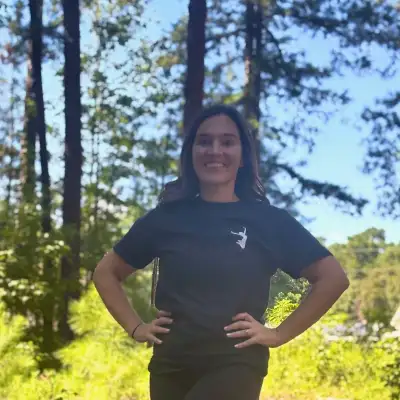
Nobody Listens to Chasta is a counterculture podcast hosted by entrepreneur, speaker, and author Chasta Hamilton. With humor, candor, and unapologetic honesty, Chasta tackles the uncomfortable topics shaping modern life—from youth sports trophies and toxic achievement culture to entrepreneurship, parenting, grief, addiction, and the pressure to conform.
Drawing from her experience building Stage Door Dance Productions, founding Girls Geared for Greatness, and writing books like Trash the Trophies and Handle the Horrible, Chasta challenges systems that no longer serve us and explores better ways to live, lead, and raise the next generation.
Expect bold conversations, unconventional perspectives, and thoughtful debate designed to inspire healthier, happier, and more intentional lives.
If you've ever questioned the status quo…
you might be someone who actually listens to Chasta.
03 - Nobody Listens To Chasta
===
Chasta: [00:00:00] I think it's important for parents to know that a lot of places are being acquired or there are mergers and acquisitions happening with private equity backing. Yep. That may still be branded as small and local.
Yep. But it is not small and local. Yes. And it is a very deceptive but standardized practice for them to leave the branding as local.
Sarah: Yes.
Chasta: So parents don't necessarily know.
Sarah: Yes. Or it's very difficult for them to find out. And that's one thing that we took seriously specifically when we were looking into music lessons, was that we wanted someplace that was gonna be local.
Um, and really get that more community feel. [00:01:00]
Chasta: welcome back to Nobody Listens to Shasta. Will you be the one that listens today? We have a great topic ahead because we are talking about what youth activities have become and why it is a problem. I have a really special guest on the show today.
This is a counselor, an advocate, an education enthusiast, an overall awesome person, and one of my dear friends, Sarah Thames.
Sarah: What an introduction. Thank you so much. Yes. I'm so excited to be here.
Chasta: Oh yeah. We're gonna go big today.
Sarah: Yes. Are you
Chasta: ready?
Sarah: I'm so ready.
Chasta: All right. We've known each other a really long time.
Yes. Do you wanna tell everyone about back in the day when I was your nanny?
Sarah: Yes. Well, nanny is a loose term. So you were originally my dance team coach actually in high school. Um, we
Chasta: met through youth activities.
Sarah: We did, we did meet through youth activities. Um, but then, you know, we just sort of connected really well.
My parents traveled a lot for work. Um. And so they said, who can we hire to come watch you while we're out of town? And the answer was [00:02:00] Chasta. Um, so we spent a lot of time together in high school, and I will, you have shaped who I am today and what I like to do, so,
Chasta: and you have shaped me. We've been on this journey together,
Sarah: we have
Chasta: for 20 plus years.
It
Sarah: has been quite a journey.
Chasta: It has been a journey. And thank you to your parents for believing in me. They listened to Chasta because I gave the dogs medicine. Yes, yes, yes. I
Sarah: kept you safe. You made sure I got to and from school
Chasta: we would get on a OL instant messenger. We would and safely.
Sarah: Yes,
Chasta: we would actually just talk to each other.
We what?
Sarah: From the rooms next to each other? Yes.
Chasta: We had a good time. We
Sarah: did.
Chasta: And youth activities brought us together and youth activities have kind of been a thread of our journey.
Sarah: Yes.
Chasta: Would you say?
Sarah: Yes, very much
Chasta: so. So we danced. We danced together. And then when I opened stage door dance, you said, yeah, put me in coach.
Sarah: I did.
Chasta: And I did. You did
Sarah: over, over and over from when I went to school in Ohio and I was still part of stage shore dance. And um, just having that place to come back to was just so meaningful. [00:03:00] And, you know, stage, stage
Chasta: shore dance has been a common thread.
Sarah: Yep.
Chasta: And you've also gone out and forged into the world at Wild.
Sarah: I have. Yes, I have been in the wild. Um, I was an elementary school counselor, dabbled in nonprofits, um, went into crisis counseling. So in the
Chasta: middle of the pandemic.
Sarah: In the middle of the pandemic. Yep. So I have been out in the wild and every time I just find my way back.
Chasta: And you're also a parent?
Sarah: I am a parent.
I have two kids, um, nine and six, so they're keeping me on my toes as well.
Chasta: So you have some really wide perspective in range, which is why I thought you would be a great voice for this conversation. Yes. One, you were with us through the studio's extraction from the competitive dance space.
Sarah: Yes.
Chasta: Sarah here actually wrote.
The prologue for trash, the trophies
Sarah: I did.
Chasta: So if you're reading that, this is who wrote it. She was there, she lived it. She was the competition team director.
Sarah: I was, and I was hesitant about pulling out of competitions at first as well. Um, just because I had grown up dancing and competing [00:04:00] and so I, it was all I had known, but everything worked.
Chasta: We did it.
Sarah: We did it.
Chasta: And it was, you know, the biggest of, a lot of crazy ideas that we've had
Sarah: over the
Chasta: years, probably for sure. But certainly one of the most. Worthwhile.
Sarah: Yes.
Chasta: So now you know, we have an institution that we work on together, Stagedoor Dance Productions. We have our children who we want to have a really happy, wonderful experience in their childhood.
Yes. Um, and we have a lot of varying things that play into that. Right. Yeah. So I wanna kind of talk about the systems at large. Okay. Because I have a feeling, don't you think there's a lot of parents that are like. What's going on? What do I do? Like I always say like, if I didn't have stage door dance, how would IN navigate youth activities?
Sarah: Yes, a hundred percent. And I felt that a lot with, um, my first child too. It was either you found out about it through daycare, through preschool, or through other parents. There wasn't, or it was what you did growing up as a child, there wasn't really a single, um, like there wasn't any direction as far as extracurriculars go.[00:05:00]
Um, so it was very difficult to figure out sort of the rhythm or
Chasta: education
Sarah: Yeah. Or education
Chasta: of like, you know, where am I going? What am I doing? What's the meaning of it?
Sarah: Yeah.
Chasta: I'll alway always ask my husband John, who's on the podcast frequently, like, what would he do if he hadn't known me? Like who, if he had a kid and was just like, yeah.
In the wild, like how would he pick? And he often says like he doesn't know. Yeah. And I think we have this really unique lens. Especially two decades worth because the world has changed a lot since 2009.
Sarah: Yes, a hundred percent.
Chasta: Um, that we have seen this evolution and I think we have a duty to educate parents.
Sarah: Yeah.
Chasta: On what it can be.
Sarah: Yes.
Chasta: So I feel there are some systems that are impacting
Sarah: Okay.
Chasta: Youth activities today. Do you feel that way too?
Sarah: Uh, yes. Absolutely.
Chasta: And do you wanna start with our list? Or do you want me to start?
Sarah: You can start.
Chasta: Okay. So one, I think the education system is impacting
these
Chasta: activities.
Yes. I was gonna say
Sarah: schools. Yep, for sure.
Chasta: Schools and education because it's, it's changed.
Sarah: It has,
Chasta: it has changed a lot. Um, what other [00:06:00] systems would you say?
Sarah: Um,
Chasta: parental bandwidth is another one I was thinking about.
Sarah: Yes. So just the burnout from the parents. Um, which I think does go hand in hand with schools as well.
Chasta: Yep, absolutely.
Sarah: Because, you know, schools give, it's the easy option.
Chasta: Yep. And also bandwidth, or we talked about Bandwidth Group Think.
Sarah: Yes.
Chasta: Group think is so powerful.
Sarah: Yes.
Chasta: Um, and I want to encourage parents to go beyond group think, yes, go beyond. This is what everyone else is doing. And say, well, like, why am I doing this?
Yes. Does it make sense for me and my family?
Sarah: Yes. And I would say like, just from my experience with my kids, like 95% of the reason why other parents say they get into activities is because a friend was doing it. Um, so I think that group think is a huge, huge thing.
Chasta: And if someone recommends something, that's huge, right?
Like, we love it when people recommend stage store dance, but when you get that recommendation, go deeper and explore
Sarah: Yes.
Chasta: Versus just taking it at surface value of this is gonna be [00:07:00] right for me and my family.
Sarah: Right. And also just considering the activity, so not just. Doing it because the friend's doing it, but is it something your kid's actually gonna enjoy?
Chasta: Right. And then I also think another system that we have to think about is what we've normalized and we talked in an episode about the trophy thing. Okay. Yep. Which, you know, I can talk a lot about.
Sarah: Yes.
Chasta: Um, but I wanna talk beyond that because I do think it all ties back to this toxic achievement culture.
Sarah: Yep.
Chasta: Which we know does not create. Critical thinkers. Mm-hmm. Creative thinkers. Yeah. And academically motivated individuals, right. That are intrinsically motivated because they need external validation. Yes. So how, how do we fix that?
Sarah: I mean, I feel like that's a really big question. Um, you know, there's, I feel like trophies and medals and awards and recognitions have just become so, like, it's just what happens, you know, you see, you go to a gymnastics.
Um, end of the year celebration, which isn't really end of the year. It happens like every eight weeks because [00:08:00] that's when the end of the session is. But the kids get a medal. Um, we did soccer for a season in when my oldest was in kindergarten, and at the end of the three months. He got a medal. Um, there's even music lessons.
We're doing music lessons right now in every three months we either get a bracelet, a medal, or a trophy. And so it's just become so normalized that I think there's a lot of education that needs to be done on, you know, why that might be more hurtful versus helpful. Yeah, I think that's a great point. And
Chasta: swim too, right?
Sarah: Yep. Oh, the swim with the ribbons.
Chasta: Yes. The swim ribbons.
Sarah: Yes. Yes, the ribbons.
Chasta: And it's just, I think what we have to say. Is we want this skill to be a lifelong celebration.
Sarah: Yes.
Chasta: Like did you get a trophy ribbon or a bracelet for entering the world to do your best today? No.
Sarah: And you never do,
Chasta: or very rarely.
Right? Right. Very rarely. Right. Um, so it's like, are what we're teaching on the backend, is it translating to adulthood? And I'm not sure that's the case.
Sarah: Right. Well, and then there's also the level of like, how do you explain [00:09:00] that to your, like 3-year-old, right? Right. So like your three-year-olds might be really excited about getting a medal in a ribbon as they should be.
Um, but how do you explain like, this is not why we're doing this. Like, it's cool that that's something that you got, but that's not the reason why. We're taking swim lessons,
Chasta: right? We're doing this for water safety. Yes. So that you can be a safe, proficient swimmer.
Sarah: Yes, exactly.
Chasta: And you know, and I think about it, and there is a lot of research, and you may know this from your counseling background, that kind of the antidote to this toxic achievement culture Yep. What the conversation is suggesting that it comes back to mattering and belonging Yep. And people being seen not as part of a system, but as an individual that has talents, truth, authenticity, vulnerability. Yep. To add to a conversation.
Sarah: Yep.
Chasta: So how do we, how do we, how do we as parents, how do we as an institution, like what are some of the ways, how do we make people feel seen? Because I think that really matters.
Sarah: It does, and I think, you know, when you're thinking a lot [00:10:00] specifically swim is what I'm thinking about with these ribbons too.
Like these are larger. Larger institutions that are pulling in like hundreds of kids every hour to go through some lessons. And so at that point you are just a number. And I think that that's sort of their way of saying like, oh, you're special is by compensating with these ribbons. So I think we really have to think about how else can we make the children and the families.
Feel seen and known whether, I know, like at the studio, we're very big about using first names and communicating and remembering week to week events, but really making them feel part of the community and not
Chasta: seeking those achievements and goals. When you say that about the swim schools, basically what I'm hearing is these ribbons are a corporate KPI.
Sarah: Yeah.
Chasta: Like that. It's a number and it's a Nu American. It's almost a gimmick.
Sarah: Yes.
Chasta: And parents need to be aware of that.
Sarah: Yes.
Chasta: Because in youth activity space, it has heavily shifted.
Sarah: It has,
Chasta: right? Like it used to be locally owned, you know, like YMCA, maybe with Miss Susie for your swim
Sarah: right.
Chasta: Or, [00:11:00] um, the dance school down the street.
And those places do still exist. But corporations, I don't, have you ever seen the movie? You've got mail.
Sarah: Uh, it's been a really long time.
Chasta: Okay. Well revisit it because I am really feeling like Meg Ryan these days.
Sarah: Okay.
Chasta: And you know, she has the cute little. Bookstore with the sharpened pencils in the fall.
Yep. The bouquet of sharpened pencils. And you know, the big box is opening down the street. And I feel like this is happening, especially we live in Raleigh in these metro areas, we're seeing all of these big box youth activity centers open. Yes. And it is not the same experience.
Sarah: It is not. Um, and I think part of the issue too with these bigger corporations pushing into youth activities is that they're able to say like, well, here's our success.
Here's our alumni. But it's because they're all over the nation, right? Yep. It's not just like they're tapping into the local community. They are finding these kids who. Essentially specialize in whatever they're working on. Yeah. And then saying, oh yeah, we've trained them
Chasta: like the [00:12:00] Hulk in California.
Sarah: Right? Yeah. Right. And so people are automatically just associating it with that brand and saying, oh, well, they're reputable. We should go here. Versus digging into who they are, how they're involved in the community, what they're giving back, and how they can help your child. And and to that same point where the parents' dollars are going Yes.
As a parent, like I am very mindful of like where my
Chasta: dollars are spent. Yes. And like how is this gonna help that child's future? Right. Not just when it's about the skill, because yes, we want them to come skill proficient, but in all those other things, the skill can teach the executive functioning, the leadership, the character, the community.
You know, the list goes on. Yes. And to that point of this like vast footprint that these corporations create. You know, another thing that that I'm thinking about is the social footprint.
Sarah: Mm-hmm.
Chasta: Right? Because if you have 150 locations,
Sarah: yes.
Chasta: You are gonna have a much wider social media footprint Correct.
Than your locally owned. You know, single storefront. Multi storefront.
Sarah: Yep.
Chasta: Business,
Sarah: correct. Yeah. It's
Chasta: just a fact.
Sarah: Yeah. And you have more [00:13:00] funds to push into marketing too. So you're gonna be the ones that they see in the algorithms and
Chasta: because you're gonna harbor a percentage of every single unit Yep.
Into that upper conglomerate.
Sarah: Exactly.
Chasta: And one thing that I also think about is how many of these big boxes are truly skill focused, and how many are. Kind of just cosplaying,
Sarah: right? Yeah, absolutely. Um, and I think, you know, as parents, it's our duty to go in and see what are the qualifications of who's working with our kids.
Um, so what
Chasta: are the safety checks?
Sarah: Yeah. And the safety checks too. So, I mean, we, we saw this a lot when we dabbled into gymnastics for a little bit. Um, you know, they were locally owned gyms. Sure. But the qualifications of the instructors working with the preschoolers were. Questionable. Um, and I don't know if that was because of the resources or, um.
You know, they had more students that they could handle with their more certified staff. But that's definitely a big one. And [00:14:00] you're seeing it like with these larger franchises too, you know, how are they staffing it?
Chasta: Right. And then we know there's gonna be a podcast about this coming soon, but it hasn't happened yet.
But we have the corporations and then we also have. The private equity.
Sarah: Yes.
Chasta: Which we do. You know, I think it's important for parents to know that a lot of places are being acquired or there are mergers and acquisitions happening with private equity backing. Yep. That may still be branded as small and local.
Yep. But it is not small and local. Yes. And it is a very deceptive but standardized practice for them to leave the branding as local.
Sarah: Yes.
Chasta: So parents don't necessarily know.
Sarah: Yes. Or it's very difficult for them to find out. And that's one thing that we took seriously specifically when we were looking into music lessons, was that we wanted someplace that was gonna be local.
Um, and really get that more community feel. So,
Chasta: and you know, the question is like, when local is gone and youth activities. What, what does the future look like?
Sarah: Right. Or why? Like why do they exist? Yeah.
Chasta: Right. Yeah. And when you go deeper and you're thinking about these [00:15:00] children and their childhood, like what are the healthy practices versus harmful practices?
Yes. What. What are the AI policies? Yes. Right? Like how are they using the information of the students and children? Yep. Like have these institutions placed an i an AI policy in place? Like we have a living and evolving AI policy at the studio.
Sarah: Yep.
Chasta: But when you put a child's information into an open source Yes.
Artificial intelligence platform, that information lives on that site and can be harvest, harvested in a variety of ways. Yes.
Sarah: By anyone really? Yeah.
Chasta: Images, text data.
Sarah: Yeah.
Chasta: Um.
Sarah: So many complicated things to think about truly. And I would say the other thing that I've noticed too, so, um, you know, I'm really big on inclusivity and, um, having two kids both experiencing very le various levels of neurodivergence, um, I have found that the more locally owned places are the ones that are going to be the more willing to accommodate, um, anything that we need.
Um, as well [00:16:00] as, you know, understanding. Um, that are, my children are gonna be in different places, um, than kids who might be there the same age. And how can we accommodate them together? So for example, um, my oldest son is very into dive. He's loved dive since he saw it in the Olympics when he was three. Um, when we were looking at places to dive, all we could find was like.
The more like collegiate style, um, that fed right into competitive. Like you couldn't just go and practice and learn the sport. You had to just go straight into meets. Um, finally I found a local club who said, yeah, like bring him in, let him just do his thing. It's a very individualized sport. Let him dive, let him figure out if he likes it.
And finally, three years later, he wants to try and meet now. And so just letting him grow versus pushing that on, I think has really just fostered his love for the sport in general. And I think that's important.
Chasta: Cultivating a passion. Yes. And I do think it's so important that parents look for places that can journey alongside their [00:17:00] child to so many of these places stop at like age seven or eight.
Yes. And so how can it be an environment where we can all learn and grow together?
Sarah: Yes.
Chasta: That's one of the most powerful things about the studio is that, you know, we're about to be in our 18th season and there are children that we have known. Since they were two.
Sarah: Yes.
Chasta: And they're now becoming adults.
Sarah: Yes.
Chasta: And entering the world. And it's kind of crazy.
Sarah: It is crazy.
Chasta: Um, but it is so rewarding.
Sarah: It is. And it's been fun to see these students like, you know, really get into dance, maybe stop, or not stop, but scale back for a year, come back because they discovered that they liked it. Like really just dive into who they are as people.
That's been really rewarding. And having something that allows them to do that I think is. It's, I mean, completely beneficial. Well, and there's some saying about a butterfly, right? Like, let it fly
Chasta: away and it comes back, or, I don't know. There's
Sarah: some, there's lots of things about butterflies,
Chasta: but it, it really is this idea of like, how can we build bridges instead of burning them?
Sarah: Yes.
Chasta: And creating these talks that cost all high pressure environments of like, if you are not [00:18:00] here and you're not competing, then you're not worthwhile to this ecosystem.
Sarah: Yeah, and I mean, I've always thought, you know, why? Like, why do we have that mindset? Like why, why is it go big or don't go at all?
Mm-hmm. Is, you know, the mindset of a lot and I just
Chasta: ownership. Yes. Why do we feel like we. And you know, and we kind of wrestled with that at one point too, because when we were in competition, that was the standard.
Sarah: Right? Absolutely.
Chasta: And I feel like we learned so much about ourselves through that process of like asking why are we doing this right?
And is this actually helping the mission and our vision? Yes. Or is it hurting it?
Sarah: Yes.
[00:19:00] we have that extreme hyper competitive side.
Sarah: Yes.
Chasta: Right. But then we also have the dabbling.
Sarah: Yes.
Chasta: The dabbling. So there's, there's like a, there's a middle ground, right? Yes. That it's because the dabbling can be detrimental too.
Sarah: Yes, absolutely. And I'm seeing more, um. You know, this, this is my favorite story when it comes to dabbling. So in first grade, I was at this parent social and um, you know, I was talking to other first grade parents and one of the parents said, um, asked what my child did and I said, well, you know, he's doing dance and he's doing dive and like those are the things that he really loves.
And, um, she said, oh, that's interesting, like our resume coach. Said to stay away from dance because it's a full season commitment. And I was like, okay, whoa. Like one your resume coach. Like
Chasta: what
Sarah: is that about? It shouldn't
Chasta: even
Sarah: be
Chasta: a career,
Sarah: obviously, right? For six year
olds.
Sarah: First grade, yeah. Two. [00:20:00] Like, what do you mean?
They said to stay away from dance. And so this parent actually shared that this resume coach, which can also, I have since learned, be called like activities coordinators or activities coaches, um, is helping them build their resume to maximize their potential of getting into a middle school or high school, or maybe even college.
Um, but they had recommended to try. Different activities in sessions. So instead of committing to a full year of dance saying Well just do like six weeks of soccer, six weeks of gymnastics, six weeks of this, so that your child can try everything, which I understand the purpose of trying different things, but at the same time, like you're not giving your child the chance to develop a love or a passion for something
Chasta: like youth activities aren't golden corral.
Sarah: No, not at all. And like I am. All for if your child is not interested in something. Yes. Figure out what their passion is, figure out what they, what they want to do. But having them on these rotations of just [00:21:00] trying things just for the sake of trying them to say they're experienced in it is wild to me.
Chasta: And then they also lose the community.
Sarah: Yes.
Chasta: The stability.
Sarah: Yes.
Chasta: Which, when I think back to my youth activities experience growing up, it was this. Dance is like a stabilizing factor in a really unsettling childhood, right? Yeah. With my parents passing away, dance gave me that stability. And if I was just rotating through in six to 10 week sessions, yes.
I never would've found that stability, that creativity. There's so much that could have been lost.
Sarah: Yes.
Chasta: Um. Why, like why do you think these 6-year-old resume builder coaches exist?
Sarah: Honestly, I, I don't know.
Chasta: Is it extreme capitalism? Like are we, are, it might be manipulating and taking advantage of parents
Sarah: maybe
Chasta: like, are, are parents not feeling confident enough in their decision making?
Because I want parents to have more. Confidence.
Sarah: Confidence. Yeah.
Chasta: Because they know their child better than anyone.
Sarah: Right. And [00:22:00] knowledge honestly,
Chasta: that we, we really don't need third party coaching and third party thought.
Sarah: No.
Chasta: In developing a child's extracurricular game plan.
Sarah: No. Well, and I mean, tied into that too, um, there was a parent that I was talking to at a field trip that was really talking about how her son loved gymnastics.
And I asked like, where does he take gymnastics? 'cause my kids were really into gymnastics and she responded with, I don't know. Um, I guess they had a nanny that came in and would take the child to and from gymnastics, and she genuinely did not know the gym that her child went to. And I think that's where like we need to pause and say like, let's figure out, hit
Chasta: the brakes.
Sarah: Yeah. Where you're going. Yeah. Why you're going there and how it's helping your child.
Chasta: Yes. And, and just from a safety perspective in general.
Sarah: Right. Also
Chasta: that also like, like what, what's, what is the transparency? Like if you don't know the name of a place? Then you can't begin to know the staff, the structure.
Sarah: Right.
Chasta: The pedagogy.
Sarah: The tuition.
Chasta: The tuition. All of these [00:23:00] outcomes that really do matter. Right. And you know, I think one thing we do really well is we try to look at clients as allies instead of adversaries. Yes. And I think that parents feeling like they're a part of the conversation is really important.
And helping them feel empowered too. Yes.
Sarah: Yes.
Chasta: And that doesn't mean things are always, you know, rainbows and butterflies. Sometimes it does require hard conversation.
Sarah: Right.
Chasta: But hard conversation is usually where we get to like a better outcome. Yes. A better result, a better product. Yes. What is that? Would you say that this 6-year-old resume coordinator is one of the wildest things you've heard, or do you feel like.
That's more of a standard.
Sarah: I mean, I do feel like it is, it is definitely one of the wildest things I've heard, but it's also like, I feel like it's just something that's becoming a norm, um, is seeking that, that extra coaching to determine extracurriculars for your kid. Um, now I will say that I think that this is something that happens more in like the private school sector versus the, um, public school sector.[00:24:00]
Um, but it is definitely something that is being workshopped.
Chasta: Yeah. And sold.
Sarah: Yeah. And sold
Chasta: commercialized.
Sarah: Yeah.
Chasta: And I wouldn't be surprised if they had extracurricular people coming into, like preschools to talk in the future. And, you know, I think that goes back to this concept of resume stacking. Yes. And, and know what age are we asking children to not be children and stack their resumes?
Yes. Like six year olds do not need a LinkedIn.
Sarah: Right?
Chasta: Correct. Like a 6-year-old deserves to be a 6-year-old. Yes. And there are ways that they can explore and grow and gain skill without having to almost practice. Adulthood
Sarah: right
Chasta: before they're adults.
Sarah: Right.
Chasta: And I'm almost wondering, your counselor background will help answer this question, but do you think that we are burning these children out to where they cannot be as happy and healthy and successful as adults as they could be if we were a little more mindful?
Sarah: I do. And I think that a lot of this burnout comes with, um. You know, that loss of [00:25:00] childhood and the loss of being able to just go outside and play and realize your interests and what you like to do. Um, and I think that this burnout is being seen a lot in high schools. Um, because, you know, ninth, 10th grade is really where that push comes in to, what does your resume look like?
What have you done, what are your experiences? Um, whereas you could just be sending it, turning it into a single passion that has an impact on something. Yeah.
Chasta: You know, I always say when people come to me and and say they wanna do something.
Sarah: Yeah.
Chasta: That's really important. Really significant. That's going to look great.
Well, one, I always say that it should be, they should be doing it because their heart is telling them to do it. Yes. Not because an outside force is saying you need this for your college resume.
Sarah: Yes.
Chasta: But I think purpose, passion, and impact are three things that you always wanna hit. Yes. When you're pursuing something.
For
Sarah: sure.
Chasta: And I also think this concept of resume stacking has become so generalized, right? Yeah. Like almost everyone is in an honor society.
Sarah: Yes.
Chasta: And that's not to take away from honor society, I believe in them too. [00:26:00] But that's a very generalized thing. Like that's not going to be a differentiator. Right,
Sarah: right, right.
Chasta: And same with like your beta club and
Sarah: Yes, yes, for sure.
Chasta: The box checking has become very, I.
Sarah: I mean, it's like,
Chasta: it's like, yes, it's like AP exams, like everyone takes an AP exam, everyone does all of these other things. So like, what is gonna set a person apart?
Sarah: Right. And it's like, it's a lot of it for the parents too is like checking the boxes.
So like, have we played soccer? Like are we doing all the things that all of the other parents are doing who we know have had successful kids? Um, whereas your child's journey could be completely
Chasta: different. Yeah. And what does that even mean? Successful kids. Right. Right. Because true. It's, it's so, but I, we always caution people about that.
Yes. You know, one thing that I love that we stand behind is we will not talk about, we'll only talk to people about their children. Yes. We will not talk about other children to a parent. Yes. I think that is so important because every child is on an incredibly unique journey. Yeah. [00:27:00] And what, you know, what is success?
What is failure when you're 5, 6, 7? Right, right, right. And you know, you, we've talked about this a lot and we try to educate on it a lot of, don't compare your child's journey to another child's journey.
Sarah: Yep.
Chasta: Because even if two children are training in the exact same classes, receiving the exact same instruction on the exact same time, the outcome, the output is going to look slightly different.
Sarah: It is. It is, and it's just, you know, it's the same with like your more unusual extracurriculars too, like just. Trust your child is what I would have to say. Trust your child and their interests and what they want to do. Like, you know, we have just gotten into the world of archery, which I know absolutely nothing about.
Um, but it's something that my child feels very passionately about. Are there, there are very, very few people his age that are into it, but you know, it's something that it fuels his fire and [00:28:00] finding that for your child is gonna be way more worthwhile than. Checking the boxes of what everyone else else is doing.
Yeah.
Chasta: And it's a great intergenerational experience for him. Right. Because truly,
Sarah: I think his first lesson we showed up and it was like, it was him and he was like eight with his bow and like a bunch of like 20 and 30 year olds.
Yeah.
Sarah: Like it just, he adapted.
Chasta: Yeah. And that's, you know, I, I've been reading this book called Hunt Gather Parent, which I recommend to everyone.
Yeah. But it's all about. Ancient practices. Yep. And how over the thousands, hundreds of years we've gotten away from just like really sensible things. Yep. Like we don't actually have to have toys. Like they can build things with sticks.
Sarah: Absolutely.
Chasta: And taking that back to your point about being outdoors, we do have another system that is really damaging youth activities.
Yes. Right?
Sarah: Yes.
Chasta: And it is the devices.
Sarah: Yes.
Chasta: And, and I think [00:29:00] now, like we all know, like, Hey, red flag devices really not great for kids.
Sarah: Yes. Well, and you know, the devices are pushing into extracurriculars too because they're, they're coming in as like coding, robotics. Yeah. Which, yes, you should absolutely have those skills if that's a passion.
But like, is, is it a passion or are you sending your child to play on a tablet because you want them to get out and do something and that's the only thing they want to do because maybe they're addicted.
Chasta: Yeah. And it's not their fault.
Sarah: Yes. And it's nothing against robotics or coding. Yes.
Chasta: I think they're
Sarah: great skills to have, but just being careful and aware of why you are doing the activity.
Yep.
Chasta: And what big tech could be funding.
Sarah: Right. I think that's
also
Chasta: important to question and say like, what is this ecosystem and how is it. What is it pouring into my child?
Sarah: Yep.
Chasta: And what is my child going to be able to give back because of the experience? Yes. Um, you know, we at the studios have tried to be very intentional about going completely device free.
Sarah: Yes.
Chasta: Now that, I mean, obviously we're [00:30:00] not like dragging the CDs out,
Sarah: right? We're not playing the piano in the corner.
Chasta: Yeah. We're not quite that device free, but we have. Been very intentional about devices are gonna be put away. Yes. We'll use devices for music, we'll use devices for attendance and obviously for administrative operations.
Right. But in terms of like the child experience, like let's put the devices away. Let's prioritize human connection. Yes. Human interaction.
Sarah: Yes.
Chasta: And you know, since the pandemic 2020, that has been a bit of a turnaround.
It
Sarah: has been.
Chasta: Um, just trying to say like, okay, we can put them down. Right. When you go to have your water break, you do not need to touch it.
Sarah: Yep. And just getting comfortable with that.
Chasta: Yeah.
Sarah: Um, like I know when we did our retreat over the summer with the kids and we had them put their phones away, it was silent for like the first few minutes and it was kind of awkward and then everyone just started talking. Yes. And it was great. The connection.
Chasta: Yeah. The joy. It's like how, how often in youth activities, or even just in this youth ecosystem [00:31:00] period, do we stifle joy?
Sarah: Right.
Chasta: Versus just letting it out.
Sarah: Yes.
Chasta: Like I wanna see more joy.
Sarah: Yes, for sure.
Chasta: And that's what we are committed to doing. Yes. And now I'm curious because you did mention, you know, this sense of being equitable.
Sarah: Mm-hmm.
Chasta: Being in equitable spaces and playing fields in the dance space, we're kind of on like a reverse equitable position. Right. Because we are saying like, how can we make sure that boys and girls feel comfortable Yes. In the system?
Sarah: Yes.
Chasta: And that's something that we've had to work very hard on. Mm-hmm.
Right? Like, what are our colors? What does the environment feel like? What does the costuming feel like? How does everyone feel included? How can we make sure that we can dig up? You know, photos of this one shirt that's only offered in 20 colors for boys to make them feel like they're part of the costuming.
Sarah: Yes.
Chasta: So kind of, you know, this realization of the systems that we have to work against just on that very basic level. Mm-hmm. But then also hairstyles for different races. Yes. Um, colors for different [00:32:00] skin tones. Yes. Like all of these different pieces when we have to sit down and ask ourselves, are we doing everything possible?
To make a child that walks into this space feel as though they belong.
Sarah: Yep.
Chasta: And then we have the neurodivergence, right? Yep. The training or allergies, right? Yes. Like in summer camps or all of these different things that aren't. Things that are wrong.
Sarah: Right.
Chasta: It's just things to know, knowledge to best serve the child.
Sarah: Yes.
Chasta: So if you're a parent and you have a child, they have allergies, they have, you know, a behavioral issue, they have a diagnosis, they have some type of accommodation that needs to be met. How, how do you go about feeling comfortable advocating for them?
Sarah: Yeah, and I think that. That it's, it's so hard. It's so hard because when you're reaching out to a new, a new place, you wanna make sure that it's gonna be safe and loving and accepting of your child.
But you also don't want a label slapped on them.
Chasta: Correct?
Sarah: Yes. As they're walking into the room
Chasta: because we know labels are toxic. Yes. Just like a trophy.
Sarah: Yes. And you know, [00:33:00] I find myself a lot in the position where I'm like, oh, um, you know, he has autism, but like. It follows up with, but here are all the things that he's capable of, just because I feel like there's such a stigma associated with the neuro divergence aspect of it.
Um, when it shouldn't be that way. It shouldn't be, right. It should just be, my child is interested in this. Here are some accommodations that we might need. Is that something that you can handle? And how have you found responses? Um, so the places that we've ended up are pretty great. Um, you know, sometimes if there is a free, if there's like a trial offered or an opportunity to do a private lesson, we'll do that first, just to sort of vibe, check and see.
Um, how it goes. But you know, most places that are more locally owned and not operating under a standard parent company, nationwide parent company here are policies and procedures have been very accepting and open to it.
Chasta: And there is this [00:34:00] trend happening in the youth activity space of almost like isolating accommodations.
Yes. Which we've had so many conversations about how this just doesn't quite. Feel right.
Sarah: It does not feel right at all.
Chasta: And I'm wondering if you've had any experiences in that regard.
Sarah: Um, so we personally haven't, however, we do know a lot of families who have specifically, you know, within the dance space who might not be within traveling distance to where we are.
Um, but having certain classes that are just for children with developmental or intellectual disabilities, um, instead of. Pushing them into the space, like as they would do in schools with the least restrictive environment is what they would call that. Um, putting them in their own class and marketing it as a opportunity for them to grow and learn.
But also a lot of places are marketing this as an opportunity for their other more neuro neurotypical peers. To be leaders and push in, which just feels really weird to me. Um, [00:35:00] because why can't we learn and grow together and learn to love the activities together?
Chasta: Right.
Sarah: It's, it's very, it's a very interesting divide that I think we're starting to see a little bit more now.
Chasta: And I think, you know, what we're always saying is, is this pro humanity,
Sarah: right?
Chasta: Like, is this pro what we would like to see happening? In the greater world at large. Right, right. And coexistence of all types. Yes. Is a, that is a priority for me.
Sarah: It is. And you know, we're seeing it, I, and I'm thinking about it because, you know, my son has picked the more individualized sports with like the dive and the archery and like things that you can do to develop like on an individual pace, just because that's what he loves.
But like, I'm thinking back to soccer. So like, we tried soccer for a season, it. I, it was not for any of us in the family.
Chasta: I know. I actually remember you texting me on those Saturday mornings and you were in pain.
Sarah: Yeah. I, it, it
Chasta: in like emotional turmoil.
Sarah: Yes. Because it was very much like a, all of the kids on the team, their parents had played soccer.
It was like the most [00:36:00] hardcore kindergarten soccer. You
Chasta: could experience, but you did not let your feelings interrupt his season.
Sarah: I did not. And you know what? He has great memories of it. He's like, I really loved soccer. And I'm like, oh, maybe we love the snacks. But you know, he has great memories of it. Um, but you're seeing it now.
There's. Soccer. And then there's soccer specifically for kids with neurodivergence. So it's a complete divide in that industry as well. And I think it's fascinating. You know it, what it seems to me is
Chasta: there's a learning gap. There is. 'cause Neurodivergence is truly a superpower.
Sarah: Yes.
Chasta: Like once, once you learn, once you understand once, and you know, we've started doing a lot more.
Behavioral understanding coaching in our ecosystem as well. Yep. And I think it's been incredibly powerful to see the result of that. Yep. And maybe one day all places Yes. Will kind of take the time to, to really understand the children because when children are coming into an activity, this is going to be a part of their childhood.
Sarah: Absolutely.
Chasta: And, and
Sarah: even like beyond Neurodivergence, like if you're looking at other [00:37:00] developmental dis delays disabilities, um, you know, we. A lot of children we're seeing the same thing happen with Down Syndrome. Um, you know, it's just, it's understanding the child is a child and how can we help them develop the sport that we love so much.
Chasta: Yep. How can this, you know, for us that's dance. Yep. Like how can dance change this person's life? Yes. In whatever capacity that person receives this skill in the art, let it lead them to something greater.
Sarah: Yes. And you know, they may come in and they may hate dance. Yes. And that's fine.
Chasta: Yes.
Sarah: But how can we give them the best experience that they can have And how can we as parents make sure that our children are getting the experiences that they want to have, not that we want them to have them
Chasta: to.
Right. Or
Sarah: that the group text.
Chasta: Yes. And
saying
Sarah: the children should
Chasta: have
Sarah: Yes. Group text Yes.
Chasta: Are right. Challenging.
Sarah: Yes.
Chasta: As we wrap up. What would be your top three takeaways? I think three takeaways that I'm hearing are be mindful of the system. [00:38:00] Yes. Really investigate and deep dive.
Sarah: Yes.
Chasta: Trust your child and advocate for them.
Sarah: Mm-hmm.
Chasta: Is there anything else you would like to add?
Sarah: I mean, I would say follow your child, like the lead that your child has, that interests that they have, what they want to try. Don't, don't knock it. See if you can figure out a way, but also make sure that they stay true to their commitment. Um, and
Chasta: show up and support them because it really does make a difference.
Sarah: It makes a huge difference.
Chasta: We have seen so many tearful children over the years whose parents, you know, couldn't be there or weren't there, that we actually had to start educating of, please, if you're unable to come, prepare your child.
Sarah: Yes.
Chasta: Just so they have an understanding, because it, it is like when youth activities are at their best, there is this circular feedback loop Yes.
Of the activity. The child and the parent all working together in the child's best interest.
Sarah: Yes. And I would also say too, like as a parent, if you don't know a sport or something that your child is interested in or an activity like [00:39:00] trust the place that you're paying to teach them. Yes. Um, so. I know nothing about dive.
I know nothing about how to code dives or what that looks like, but that's what his coach is here for. And so I don't have to, what I get to do as a parent is sit back and watch him thrive. Um, and so I think that that's something, there's joy as a parent in watching your child love what they're doing, and so just don't take that for granted.
Chasta: Yeah. It really is amazing and to have happy, healthy Yes. Bodies that are able to show up and participate in skill. Yes. You know, we, we talk about that a lot on the podcast as time as a resource. Mm-hmm. One of the most meaningful things we have. Let the children enjoy the activities. Yes. Um, and don't worry about stacking the resumes at a very young age.
No. No. And when you do start working on resumes, differentiate.
Sarah: Yes.
Chasta: Alright. Any final words? If the people have stayed and listened this long,
Sarah: I thank you. Thank you for listening.
Chasta: Hey, that's what I say too, because typically nobody listens to Chas. So today we have talked about youth activities in a very [00:40:00] broad capacity.
Yes, we are gonna be back with more detailed capacity about dance and the fields that we love in the future. But for now, we appreciate you jumping in, staying here till the end. We are so proud of you for staying and listening to this counterpoint. If you have experiences in youth activities, please tell us.
We would love to hear, remember to subscribe. Keep following us and keep listening as long as you will. We'll see you next time.