Subscribe
Share
Share
Embed
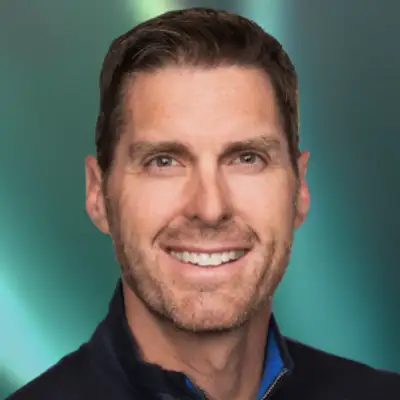
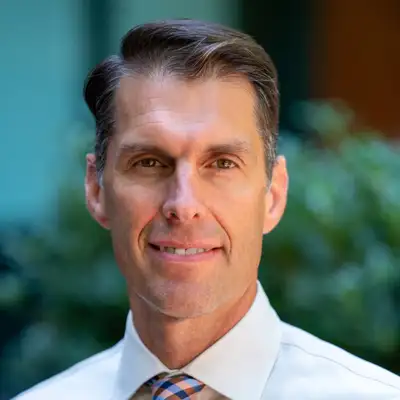
The U.S. healthcare system is at a breaking point—soaring costs, worsening outcomes, and widespread physician burnout. The Root Cause – Business of Medicine podcast, hosted by brothers Dr. Erik Lundquist and Dr. Davin Lundquist, charts a different path: one where healing, fulfillment, and business thrive together.
Each episode shares powerful stories of medical professionals who stepped away from the traditional grind to embrace integrative, functional, and alternative approaches to care. Through candid conversations with practitioners who have redefined success, listeners gain insight into navigating their own transitions, reclaiming a sense of purpose, and reshaping the way they practice medicine.
Erik: Welcome to the Root Cause Business of Medicine podcast, where we explore what's broken in healthcare and what we can do about it.
Erik: I'm Dr.
Erik: Erik Lundquist and I've been practicing functional medicine for the past 15 to 20 years.
Erik: I'm excited to co-host this podcast with my brother, Dr.
Davin: Davin Lundquist, who's just beginning his journey into functional medicine.
Davin: We come from different points on the path, but we do share a common goal.
Davin: We want to rethink how
Davin: Medicine is practiced and helped others do the same.
Erik: The U.
Erik: S.
Erik: healthcare system is in crisis, rising costs, declining outcomes, and physician burnout at an
Erik: All-time high.
Erik: But you know, we found a different way.
Erik: Another way.
Erik: A better way.
Davin: On this podcast, we dive into real stories from medical professionals who've stepped away from the traditional model.
Davin: Kinda like me
Davin: And have found a new purpose in integrative, functional, and alternative approaches to care.
Erik: These are authentic conversations with practitioners and friends who redefine success not just for themselves.
Erik: but for their patients and communities.
Erik: Whether you're a clinician feeling stuck, a student seeking direction, or just curious about what is possible,
Erik: You're in the right place.
Erik: This is the Root Cause Business of Medicine Podcast.
Erik: Welcome to a special episode of the Root Cause Business of Medicine podcast, where today we're kicking off season two and wrapping up season one.
Erik: And we thought we'd do this little interlude uh to help you kind of understand, if you didn't jump in at the beginning, kind of why we got started doing the podcast.
Erik: And
Erik: We thought in particular, since we're heading to UCI to talk to fellows this week on the business of medicine, that we would kind of jump in and
Erik: Kind of give you a a a in a look into where the journey is currently.
Erik: What are your thoughts, Davin?
Davin: Yeah, I think um
Davin: Because we were such novices at doing podcasts, you know, we didn't really know what we were doing when we when we launched this.
Davin: And we've been kind of figuring it out as we go.
Davin: And I think that topic alone is interesting, right?
Davin: And because I think in business sometimes there are aspects to what we do that we have a lot more confidence in or we've
Davin: You know, we have like an understanding of how it works, the the workflow, the details, the the operational uh logistics, right?
Davin: And then there's other things that you do that sometimes
Davin: You have to wing it a little bit, and that's okay as well.
Davin: So um we thought that um
Davin: it it might be good for us to rather than um be so perfect about having these beautifully edited podcasts from the get go or all channels are firing on all cylinders from from the start.
Davin: We've
Davin: Uh we we we got the audio off and and running and people and have been able to you know benefit from that and listen to those.
Davin: Um and now we'll have a little phase where we'll release the videos um from all of these
Davin: podcasts, which we fortunately did capture.
Davin: Um, and it will give people a chance to uh relive them if if they want, or maybe we'll attract some new listeners who can see this uh podcast now.
Davin: uh in uh live and in color.
Erik: Yep.
Erik: Yeah, exactly.
Erik: Um so w w one of the thoughts that we wanted to cover is just recapping a little bit of
Erik: what it was going on from before.
Erik: And m maybe we can go ahead and talk about what were some of the favorite moments of the first 20 episodes.
Davin: Yeah, I mean, um honestly, as I'm sure you would agree, Erik, uh almost every episode was um so enjoyable.
Davin: And I felt like um
Davin: I was learning a ton um pretty much from the start.
Davin: Um, and every episode uh brought a new perspective, a a different point of view, a different personality, a different story.
Davin: Um there were definitely themes uh that everyone sort of related to, it seemed like, but um uh but I think um it's hard for me to pick, you know, highlights.
Davin: I mean obviously having we we had some of the
Davin: uh sort of pioneers in in functional medicine on.
Davin: And so that was especially fun for me as kind of a newbie myself, um, getting to speak directly to some of these people that shaped
Davin: uh an entire uh specialty.
Erik: Yeah, I think there were just some moments in in some of the stories that were shared where
Erik: I was like, wow, like this is incredible what you are accomplishing.
Erik: You know, I think back to, you know, our first guest, Chris Magrida.
Erik: sharing what he's doing, particularly with his local uh Congress, um, local politicians, working through those avenues to generate
Erik: source funding for their feed feeding of their pediatric population, their underserved pediatric population.
Erik: And how that combined with the fact that they had this egalitarian mindset with their pediatric
Erik: uh practice where m a lot of the the pediatricians aren't necessarily functional or integrated medicine, but we're open to allowing Chris and a couple others to practice that way.
Erik: And in doing so
Erik: uh created an environment where they could do that.
Erik: I thought that was very ingenious and Chris didn't let some of those barriers slow him down in terms of
Erik: uh moving forward and and using his passion for helping uh families.
Erik: Uh and by helping families he could help his patients, which were the the kids
Erik: So that was I I felt like right off the bat we were we were going.
Erik: Um there was a few others where is there something that one of the the episodes that comes to your mind?
Erik: as sort of a maybe coming at it from a different perspective, right?
Davin: Dr.
Davin: Kamar and and, you know, how s he started out in like Pebble Beach, right?
Davin: Like the epitome of
Davin: sort of high-end concierge medicine, um, and then going sort of the other direction, right?
Davin: And coming up with a model
Davin: um that kind of meets people at a much more uh reasonable economic price point in the direct primary care
Davin: uh company that he built, right?
Davin: And kind of set the stage for a l a whole movement really in in that industry and in a lot of ways created um
Davin: a a whole energy around this idea of, you know, the membership model.
Davin: Um and and so I I think that has percolated throughout the um
Davin: sort of non-traditional or non-Western uh medicine, you know, model.
Erik: Yeah, and I I I think that just reminds me of
Erik: kind of a a a few concepts that we learned.
Erik: One is that the passion and journey are more important than the route.
Erik: Um and I know some people may say, well what do you mean the route and the journey may be the same, but what I mean is that the traditional route, right?
Erik: So typically
Erik: The expectation is that you go to this medical school, you do this residency, you go through this practice, you you do you do medicine this way.
Erik: And I think we we have seen from each one of our guests that nobody had that particular
Erik: route all the way through their journey.
Erik: There may have been aspects of that, but at some point along that route in their journey, they hopped out.
Erik: They they they moved over and went
Erik: um on a different path to allow them to really fulfill their passion, their motivation, their interest in trying to really help um from that standpoint.
Erik: What are your thoughts?
Erik: Yeah, I mean if you think about like um there were people like maybe, you know, a Christian Ozia or
Davin: um, you know, some others who um had a little bit more of a sense that they were gonna head into this space.
Davin: Um
Davin: um and you know came along at a time when it was a little more mature um compared to like you know hearing from Dr.
Davin: Bland or or you know Dr.
Davin: Lodog around
Davin: you know, like it was completely forging new territory, right?
Davin: And um and so yeah, I think it's it's been really interesting to see all the different to your point journeys
Davin: um where, you know, people have ended up in similar places, um, but very different, very different route uh to get there.
Davin: And in some cases, you know, blazing the trail.
Davin: Yeah, yeah.
Erik: Um and then I think other other things that stood out to me were just kind of some
Erik: one liners, you know, that I I have found myself kind of repeating, um, you know, one was from Aaron Rens Wentzel
Erik: when he talked about stakeholders.
Erik: Uh, you know, that there's only two stakeholders involved in a membership program and a cash paying program.
Erik: It's you and the patient.
Erik: uh versus multiple stakeho holders.
Erik: Uh the the phrase that was introduced to us from Jeff Glad, you know, ready, fire, aim, you know, instead of
Erik: Instead of waiting until you can, you know, get that target in precise view and you know exactly what you're shooting for, and then
Erik: firing.
Erik: He's like, no, just go for it.
Erik: Like you know the direction you're heading.
Erik: And as you're moving in that direction, you're already getting going, then refine it and and you know, aim into your your target
Erik: And and then the other one was just this, you know, the other one that what really kind of impacted me was that knee to knee.
Erik: Like when, you know, Dr.
Erik: Lodog talked about just really connecting spiritually with their patients by just
Erik: getting into their personal vulnerable space, but i creating a safe environment to do that and then really connecting with them.
Erik: All of those things are really important from a business standpoint because that connection is what allows people to really want to continue to come back.
Erik: And
Erik: be associated with that practitioner.
Erik: We we we provide a service, we're we're a service industry, right?
Erik: We
Erik: Medicine is uh where people seek out some kind of service that's provided.
Erik: And um
Erik: You know, so I think that's i uh that those were some impactful moments in terms of how to approach the business of medicine uh that were
Erik: were really interesting and had been impactful to me in those first kind of twenty episodes.
Davin: Yeah, and I think uh you know um
Davin: Another aspect that seemed to come out with almost every guest, but I think the one who really stands out for me is uh Dr.
Davin: Jill Carnahan in terms of just
Davin: the love and and that energy um from a healing standpoint, right?
Davin: You know, beyond just the science, but like just that human connection.
Davin: Um
Davin: um that she, you know, really uh epitomizes in in my mind.
Davin: And I I think everyone had a little bit of that, but you know, like
Davin: Dr.
Davin: Bland is definitely a scientist, you know, first and and um you can feel that he has great passion um for humankind and wanting to to do good, but it's um
Davin: It's definitely a little more grounded in sort of a scientific approach.
Davin: Um, and uh but pretty much everybody had a really nice balance, right?
Davin: Of
Davin: saying, hey, it's not just about the science.
Davin: Um it's not just about the medicine or the protocols or the data.
Davin: Um, but really um not only is the
Davin: philosophy hul holistic or whole person, but also the uh delivery in a way is very complementary of both heart and mind uh together
Erik: So I have the sun here um really kind of helping me out in making sure that uh visually this is uh appealing.
Erik: But um what would you say were the most
Erik: You know, if you to go back and say, okay, because I've listened to these podcasts, I have changed the way I am running my business of medicine.
Erik: Uh what what would be some of the ways that you've changed your practice since you started, you know, hosting these podcasts with me?
Davin: Well, you know, the I've I think I've taken a little bit of of everyone's advice, right?
Davin: And, you know, we had a functional lawyer.
Davin: Um we had um you know s uh uh his wife who um you know started kind of from scratch um and had this concept of like a foundational assessment.
Davin: Um, we've had, you know, different membership models.
Davin: Um, we've had people talk about um um
Davin: you know, finding your niche, right?
Davin: Like not necessarily trying to help everybody with everything, uh, but kind of finding your niche
Davin: And so um for me it's been a little bit of all that, right?
Davin: Like tightening up the the the regulatory and the compliance and the the the the logistics of my practice.
Davin: Um, feeling more comfortable charging um what I think I'm worth, um honing in on the model that made the most sense for me.
Davin: uh refining it, not you know, not being afraid to kind of evolve and and and have that change as as I learn.
Davin: Um so yeah, it's been it's been like for me, um every podcast has moved me
Davin: uh in a good direction a little bit incrementally along in in my own practice.
Davin: And uh, you know, i selfishly I I could I could say that the podcast was designed for me personally
Erik: Well, if uh if that's how you feel, then I think we are hitting the right target audience because that's really who it was designed for was individuals who were
Erik: kind of transitioning, wanted to move out of this space of more conventional, traditional type medicine offerings into a more um alternative, holistic um
Erik: even more spiritual place in terms of how they were were helping their patients.
Erik: I I think for me, I would say, you know, this idea of membership
Erik: and some of the legal legalities too.
Erik: I mean, since we started the podcast, we have now implemented a a membership.
Erik: We've continued to do insurance-based medicine, but we've
Erik: layered in the membership over the top, which has allowed us to continue to provide the quality of care that we have wanted
Erik: Um, but uh be able to keep up with the increase in cost.
Erik: Uh our overhead was continuing to rise with uh out us being able to get
Erik: higher reimbursements.
Erik: It's been completely flatlined for the last ten years from what we were getting from the insurance.
Erik: So there started to be an increased gap between
Erik: our overhead and our revenue.
Erik: And anybody that runs a business knows that your profits and loss statements are critical for you keeping the doors open.
Erik: Uh so adding that membership program in, I remember listening with Michelle Leary and really um understanding uh how they were doing this and layering this in with their naturopaths.
Erik: and their practitioners and realizing that this was going to be a good approach with us.
Erik: And I mean that's probably one of the biggest things that I've taken away in terms of implementing some of the things that we've learned from our providers.
Erik: And then
Erik: I think just the mindset of really getting this idea of refining the branding, um, figuring out exactly
Erik: what I'm passionate about and what kind of patient that I want to see and really starting to market towards that type of patient versus just opening the doors and saying, you know
Erik: Well, anyone who wants to come through, let's do it, you know.
Erik: And and I think that there's, you know, wisdom in that
Erik: Yeah, for sure.
Davin: Well, as as we shift gears here and and kind of wrap up season one as we'll call it, um
Davin: uh you know we'll look to the next uh set of of guests to hopefully continue to refine and
Davin: and answer questions that our audience might have.
Davin: Um, you know, we would welcome for any of you that actually send in comments or or thoughts or have our contact information.
Davin: and want to just send us an email of, you know, what would be interesting to you for the next next round.
Davin: Um, but again, just to
Davin: make it clear um for the next couple months.
Davin: Um we'll be releasing the videos from the first twenty episodes.
Davin: um at a pace of about two per week.
Davin: They will go uh onto uh my YouTube channel um just by way of uh you know housekeeping
Davin: Um and then obviously there'll be links to those from our normal podcast uh sites.
Davin: And um we'll work as we work our way through releasing all those, uh hopefully we'll have a nice
Davin: schedule uh for season two um in the works.
Erik: Yeah we you know we'd love the you know hopefully
Erik: We'll have this be our first video put up on the the channel and a place for you can put
Erik: comments.
Erik: We'd love to hear what kinds of things you've implemented uh from listening to the podcast, what kind of changes you've made because of what you heard on the podcast from one of our guests that really inspired you, helped you understand how you could change
Erik: the way you're doing business in your medicine practice.
Erik: And we'd love to hear those stories as well.
Erik: So please, please feel free to comment on that.
Erik: Davin and I will also, you know, if you want to put in what topics you're interested, we are going
Erik: going to do in season two, uh just some topic podcasts where he and I will just riff off of a particular topic like membership or um you know i insurance or
Erik: uh ancillary services or ROI off of um you know finding uh uh tools that can help you
Erik: um in your practice and how you can actually get a good return on investment.
Erik: So those are some things that we have been kind of thinking about, wanted to get this out there while we're kind of in this transition from season one to season two.
Erik: And we've got some great guests coming up for you in season two, so you should be getting excited.
Erik: Um, and we look forward to having you continue to follow us