Subscribe
Share
Share
Embed
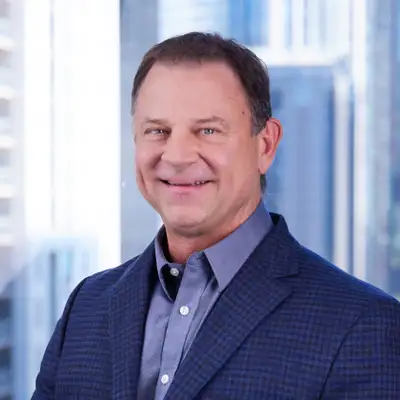
Some Goodness is hosted by Richard Ellis, a seasoned sales leader passionate about inviting top business minds to share their wisdom. Each episode is only 15-20 minutes, perfect for your commute or workout.
[00:00:00] Richard Ellis: Most B2B sites look identical. Take a demo, talk to sales. References get pulled in only when a deal is wobbling, usually in a panic. Yet the people most likely to move a buyer aren't in your sales org at all. They're your existing customers. Companies that figure out how to put customers in front of prospects earlier and at scale are winning deals their competitors are still trying to follow up on.
[00:00:23] Richard Ellis: Today, we get into how to operationalize social proof, why most companies don't actually know their own user base, and what it takes to make customer involvement a system instead of a scramble. Welcome to Some Goodness, where we engage seasoned business leaders and experts to share practical guidance and tips to help new and future leaders maximize their impact.
[00:00:43] Richard Ellis: My guest today is Braden Young, co-founder of Slash Experts and previously a co-founder of Sendoso, the gifting company that grew to roughly 1,000 people during his decade there. Braden's now on his third startup, building a platform that connects prospects directly with the [00:01:00] customers already using the product.
[00:01:01] Richard Ellis: We're gonna talk about why that matters and why most B2B companies are leaving their best sellers on the bench. Well, Braden, welcome.
[00:01:09] Braydan Young: Thanks, Richard. Yeah, good to be here. Thanks for the invite. Excited for the conversation we're gonna have today to solve all the world's problems.
[00:01:16] Richard Ellis: There you go. Let's do it together.
[00:01:18] Richard Ellis: I'm excited to talk about our customer being the best salesperson we're not using. You've talked a lot about this, uh, you've experienced a lot, so I'm looking forward to some insights, uh- Yeah ... from you. Absolutely. One of the things I thought we could start with is just one of the observations that I think that you've had is that just so many companies say they have thousands of customers, but they only really talk to a handful.
[00:01:39] Richard Ellis: Uh, tell me what's going on there.
[00:01:41] Braydan Young: You know, it's, it's funny, when you go to a lot of, whether it be competitors or software companies, websites, everyone has like the same, let's say, 40, 50 logos on there. Like, "Oh, we all work with Meta. We all work with Google." And it's like, wow, how's, how's everybody working with the exact same [00:02:00] companies?
[00:02:00] Braydan Young: And we noticed a lot of that at my previous startup where everyone had these amazing social proof logos, but you weren't really sure who was using like that, that tool or that software there. Nor you were like, "Hey, can I actually... Can they be a reference for me?" And it was never like, "No." Like, like that was never shared.
[00:02:19] Braydan Young: You always had like something different. And then internally at the companies, a lot of the time when someone would ask for a reference, you were just kind of a panic. It was like, "Okay, I gotta-" Send, like, my reference to the exact same person that I sent all my references to because no one really knew who would do references, and then the process of getting one took time, and is a very messy situation of what we've noticed in, internally at least, for sure.
[00:02:47] Richard Ellis: I- is it that the, the, the teams or the reps kind of have their favorite go-tos and they know that they can rely on them telling a sort of strong story? Or is it more about lack of a system and a process to go more [00:03:00] broadly beyond your faves?
[00:03:02] Braydan Young: I think it's both. I mean, I think, like, sales is... 'Cause typically most references are asked for at the end, right?
[00:03:08] Braydan Young: And sometimes for an RFP you get, like, the, "Hey," like, "can you throw a couple references in there for me I, if I just have to call them?" And I most don't put references there, especially in tech, 'cause you're like, "I don't wanna bother my customers." So typically it's a scramble at the end. It's like, "Hey, I need to talk to somebody 'cause I need a reference.
[00:03:24] Braydan Young: Can you give me one?" And so as a sales rep you're like, "Well, who's the fastest person that I could give to this person, and who will I know do a good job?" So you typically go to that same go-to person every time. And then your other option is you go to Slack and you s- ping your marketing team or customer success team and you're like, "Hey, can you give me a reference?"
[00:03:44] Braydan Young: And then it gets even crazier if you're trying to sell, let's say, a finance company, and f- that company is like, "Hey, I need to have a reference in finance." So all of a sudden it gets very particular, and then it takes time to find somebody to pre-vet them and then send them over. So [00:04:00] when it's end of quarter, sometimes it's, uh, it's like who's the fastest that I can get this person on the phone with so they can check that box?
[00:04:06] Richard Ellis: Well, and you make an observation there that it, it tends to happen late in the sales cycle. Yeah. It tends to be a scramble. "Oh, I need to get this done." I mean, we teach reps to understand the procurement process, right, early on, and, you know, what's it gonna take to get this deal done. And you should expose through that process that you need, you know, some references and be able to plan ahead.
[00:04:29] Richard Ellis: But I, I just see so many companies do get into that struggle.
[00:04:32] Braydan Young: Yeah. I mean, like, so my, my first job as a sales rep was, uh... First job in tech was, was transactional, and so, like, I was taught to avoid the reference. It was like, it was like, "Hey," like, "at all costs." 'Cause it wasn't enterprise sales where I think it's y- maybe a little more apparent.
[00:04:47] Braydan Young: But, like, mid-market SMB it was like avoid it. Like, "They're only paying us X, like, we can't take our customer's time. Send over a case study and, like, maybe that's good enough." Right. And so, like, that was always the goal. And so when [00:05:00] someone would ask us for it, we'd push back, which isn't the right, especially today, when, like, like social proof and things like that help, but sometimes it's having a good old conversation with somebody who's using a tool- Sure
[00:05:12] Braydan Young: helps the most. I think, uh, before I buy anything I'm typically having a conversation with, whether it be personal or for business, of, you can ask someone who's already using that thing or driving that car or whatever have you, being like Would you buy it again? Do you like it? Right.
[00:05:26] Richard Ellis: Right. Yeah. Well, I think there, yeah, there's some sensitivity into overusing, you know, our favorite customers and not appreciating that that takes time, right?
[00:05:35] Richard Ellis: And this is, uh, this is something that they're not paid to do, et cetera. But I think the other angle that, that I'm seeing in some of the teams that I work with and the reps I talk to is it's an uncontrolled variable, right? Yep. You don't know, you're not gonna be part of that conversation, and so there's some kind of uncertainty and risk with how, how that's gonna go, how frank are they gonna be.
[00:05:55] Richard Ellis: There's always hiccups and, and issues in, in delivery or things [00:06:00] like that. It's like, are they gonna focus on that or are they gonna say the good stuff?
[00:06:03] Braydan Young: Yeah, I mean, I, I, I think if, if you can apply it to, like, enterprise sales, it's like the same old sales method we've been doing for 50 plus years. I mean, when, like right now, where I am in the Bay Area, like, what's really popular right now are, like, these dinners that everyone's throwing.
[00:06:18] Braydan Young: And so you, you have a dinner. Or, like, the, uh, golf's always been popular where you go and you golf with, you know, a, a deal you might be looking to buy or close, and you always bring a customer with you who's at the table or who's golfing who can say really nice things about you. Yeah. So, like, and, like, that's always the way that it's been, and we do that very well in person.
[00:06:37] Braydan Young: And so one of the things we saw was like, why can't we apply that and just make it more, you know, make it easier for folks to be able to back channel you? And r- as a salesperson, like, using the reference really high up in the sales funnel if they're a perfect ICP fit. I mean, like, your competition who's also in the deal is not gonna do that.
[00:06:54] Braydan Young: And, like, that's gonna really make you stand out if you're like, "Hey, you should talk to somebody who bought us a year [00:07:00] ago who loves us." And, like, that, those kinds of things, like, make you just more consultative than I would say, uh, you know, the folks you're selling against.
[00:07:08] Richard Ellis: I like that. A- and it leads to a couple of words you said early on here, social proof.
[00:07:14] Richard Ellis: Yeah. Right? And so tell me a little bit about your perspective on, you know, is there a difference between a reference and social proof? Social proof sounds a little bit more- Holistic and strategic, uh, to me, but, uh, what do you mean when you say social proof? It's
[00:07:26] Braydan Young: a good,
[00:07:27] Richard Ellis: it's a good buzzword, right? Oh yeah, exactly.
[00:07:30] Braydan Young: The, so, like, social proof, it's simple things like, you know, you have, like, those, uh, some of them m- makes you feel warm and fuzzy that you're okay with buying this tool. And so, like, where- when any company launches, there's always, like, the logos they add on their page, like, "Here's all the great logos who work with us."
[00:07:45] Braydan Young: And then you have, like, case studies, people that, like, bought their tool or software or service, and what they did with it and what the outcome was. So these case studies are great, they're pretty, they're flashy. You can do videos there, too. Marketing feels really, really good when they create those. I don't know how [00:08:00] much viewership they get or reading they get.
[00:08:02] Braydan Young: I mean, like, it's, it's nice to send over a enterprise case study. You're like, "Ah, see? This is what a enterprise company did with our tool. Isn't that great?" I think it helps some. I think it's a nice thing to be able to have in your back pocket. Uh, and then you have things like testimonials, things like that.
[00:08:16] Braydan Young: Like, those are all social proofs, things that make you feel warm and fuzzy about buying a tool, that you're not the only one. I mean, the old school phrase of, "Hey, no one got fired for buying IBM." You know, there's- Yeah ... uh, that's basically all social proof is, is like, "Hey, I'm gonna, I'm buying a tool to solve a certain problem that I have, and my company is paying for it, and I'm gonna get a promotion here.
[00:08:38] Braydan Young: I'm gonna be thanked here for bringing this tool in. That's going to thank, you know, that's gonna change the way we do business here." I mean, everyone wants that. And so, like- Right ... if you have a case study where you can talk about getting someone a promotion because they bought your tool, like, those, like, that's the best social proof.
[00:08:52] Braydan Young: And so the things, like, all, all, that's, that's all it is, is, like, just making someone not feel alone, uh, for taking a risk on buying your service, [00:09:00] tool, platform, et cetera.
[00:09:01] Richard Ellis: I like that. I think that's a, a, a real opportunity for teams to look, um, into kind of broadening, you know, this idea of just a reference and a proof point.
[00:09:12] Richard Ellis: But just, uh, the broader context of social proof can come in many forms. Uh, and, you know, to your point, assets, conversations, right? Data, et cetera. Yeah. You were just talking about how companies kind of get trapped in the last minute scramble, or, or sales reps do. Uh, how can we kind of take this idea of social proof as more of a system and a process in your overall sales motion, and bring that forward or earlier in, in the sales cycle, versus waiting till the last minute, and it's like, "Oh, to get this deal done, you know, I need a reference call."
[00:09:47] Braydan Young: Yeah. There's a, uh, there's a stat, I forget what the number is now, but it's, like, let's say 80%. 80% of the deal cycle's done by the time they're actually hopping on the phone with sales. Like, they've done back channels. [00:10:00] They've read reviews about you. They know the problem you solve. Some friend told them about you.
[00:10:03] Braydan Young: So by the time you hop on the phone with them, uh- They're ki- like, so a demo's, of course, a necessary step of, "Hey, look at our tool. Isn't it great?" But a really good play, and I've only had this done a handful of times, is if a rep's like, "Hey, tell me about your business and, like, what you're trying to solve."
[00:10:20] Braydan Young: And then you walk through that as the, as the prospect. And then that sales rep's like, "You know what? You should talk to Richard. He bought us a while ago, and he's had success with it. Like, same kind of title as you, same kind of company. Have a call with that person." And so, like, and like whether you're using my tool or not, you can do that on your own.
[00:10:38] Braydan Young: I mean, you can loop in a customer that's already having success with your product, like, really early on, which changes the entire sales cycle, 'cause all of a sudden you've gone from trying to sell a product to being consultative, and you're helping that person expand their network. You're into the, you're introducing a case study that's real, and, like, that's changing [00:11:00] the entire game and, and that'll move your deal faster.
[00:11:03] Braydan Young: Like, sending the typical dale, like deal funnel flow that we're used to is you take a demo, you jump on, you have like a 30-minute phone call, and like, then you get a follow-up, and then a couple other follow-ups. And then, like, at some point you're trying to sell this thing internally if you really want it.
[00:11:19] Braydan Young: And then once you get the budget, then it's like, "Great. Hey, here, you know, go talk to procurement 'cause I want you," and like, let's agree on a price, which is fine. But imagine if, if, if you could like go into your boss's office and be like, "Hey, I did this demo of this tool, and also I talked to a, a use case, a customer who's using them, and they're similar to us and, like, here's the success they had."
[00:11:36] Braydan Young: Like, I think this changes how you sell internally, 'cause all you're trying to do is empower your champion to get the deal done.
[00:11:41] Richard Ellis: Right. So let's talk a little bit about, uh, how you guys at Slash Experts, uh, are solving this in a unique way, because I've seen companies struggle with, you know, "Hey, we're formalizing a reference program and-" Yep
[00:11:53] Richard Ellis: you know, "We need to get more, you know, intentional about our references or more careful about, [00:12:00] you know, not overusing certain customers as references." But I don't see anybody really nailing it. So what are you guys doing to kind of break, bring some uniqueness to, to solving this challenge?
[00:12:10] Braydan Young: Yeah. We built expert pages.
[00:12:12] Braydan Young: So basically what we do is if you're a prospect and you are looking at a tool, the sales rep can use one of our pages and be like, "Hey, like, here's four or five people that have raised their hand that are using our tool that are willing to have a phone conversation with you as you look at our, at, at our product."
[00:12:28] Braydan Young: So they can go... And, like, the big thing is, like, you can see exactly when they're available, kinda like a Calendly that we built, so we're like, "Hey, I know Richard's open right now. I'll book a time." And, like, the prospect can do that on their own. And, like, our AI can also recommend which, which person they should talk to based on who they are, based on their LinkedIn data.
[00:12:46] Braydan Young: And so that can happen anywhere in the funnel. Top of the funnel, mid-funnel. And then also, we're also using all the other social proof, case studies, reviews, things like that, to nudge that prospect along as they go through the buying cycle. So if they're a month [00:13:00] in, let's say, a typical buying cycle, they've talked to sales a few times, they might, they might get an email from our AI saying, "Hey, like, here's a case study that we thought was really relevant to your space."
[00:13:10] Braydan Young: And we can track which case studies are helping close deals, which ones aren't. Uh, we can do the same thing with reviews. And so we can recommend things, nudges along the way to keep that person involved and to continually share social proof through the buying journey, not just one time at the beginning or one time at the end.
[00:13:29] Braydan Young: And references become very easy to use 'cause it's just a booking link that anyone can click anytime.
[00:13:33] Richard Ellis: Oh, very nice. And it sounds like, you know, you've got it down to where if they are u- looking for a particular industry or use case or business- Oh, yeah ... workflow in that industry, then boom- Yep ... it can surface, you know, here's three people willing to talk.
[00:13:48] Braydan Young: Yeah, and then the best part is all the data that's talked about on that phone call is all given back to you as the customer. So you have all of a sudden transcripts of how your customers are actually talking about you. Okay. Very nice. And that might be totally, that might be [00:14:00] totally different than, so you're a fly on the wall in those conversations.
[00:14:03] Richard Ellis: Well, a- and that's one of the pieces that's typically missing, right? Is- Yeah ... you know, you, you, you, you do the matchmaking, you line up this reference call, and then you call your sponsor and say, "How did it go?" A- and they just kinda summarize in a few sentences. You don't get the full recording from the call.
[00:14:19] Braydan Young: Right. There was, there was the, that idea came from a dinner I was at, at a, at a previous startup where we had all these customers and prospects at, at a dinner. And the way that our customer was talking to a prospect as to how they used our system was totally different than the way we talk about it. We were like, "Oh."
[00:14:37] Braydan Young: We're like, "That's exactly what we should be using," rather than, like, all these weird buzzwords that we were trying to use at the time. It, it just made sense. We're like, that's the conversation that is gold versus, like, talking to somebody who's in sales and is incentivized to sell you a deal. Like, it's the, the consultative approach and the right lingo was we're like, "Okay, we gotta make it easier for these folks to connect."
[00:14:58] Richard Ellis: That's really good. In [00:15:00] terms of kind of recruiting customers and, you know, into this process to be willing to be put on those pages and called at a moment's notice or s- or scheduled through the system, do you guys help facilitate that? How does that process work?
[00:15:14] Braydan Young: We do. It's all automated. So basically we'll just, we'll look at your CRM, we'll look at your online reviews, and we'll say, "Hey, here's 50 people that we think would be great experts for you."
[00:15:23] Braydan Young: And you say, "Go recruit them into our system." Or it could also, like, and we're constantly recommending new experts every month. You can also give us a list of people that you think would be good, and we'll put them in the system. But it's, a lot of it is automated of like, "Hey, like, here's the 50 folks that we think are good based on your CRM."
[00:15:41] Braydan Young: And then they go live, they get an invite to join the expert program for ABC Company, and they become basically additional sales folks for you, is the best way to think about it.
[00:15:51] Richard Ellis: Do you include any kind of, uh, you know, benefits, motivations, uh-
[00:15:56] Braydan Young: Yeah, there's, yeah ... other than you're
[00:15:57] Richard Ellis: gonna be a good person for doing this?
[00:15:59] Braydan Young: Yeah, [00:16:00] please. Thank you so much for the time. Uh, there's, so there's two on, on both sides. So the, the customer is thanked, like there's a financial benefit there. Like it's t- that the cu- the, our customer decides what that is. It typically average like 200 bucks in e-gifts. Uh, physical sends are a big thing, like wine, things like that are, are sent a lot.
[00:16:17] Braydan Young: We can automate that for you. Uh, charity sends are really big if you're in finance. It's like, "Hey, like you do a call, and like we know that the SPCA of San Francisco is important to you, so we'll give you 200 bucks that you can donate to the SPCA." So like that, that's a big one. But then that worked, but it wasn't, like there's enough of those where like folks were like, "Okay, like I thanks so much for the call, but like I already do these reference calls, and I don't wanna do as many of them as I do."
[00:16:44] Braydan Young: So like- Right ... we gave control to the actual customer as to how often they'll take these calls. Okay. So it might be once a month or it might be once a quarter. And a lot of the time, a lot of our customers are looping that into their contract of [00:17:00] like, "Hey, like we'll give you a discount on the software if you're a reference for us, which has been like, that's been like old school sales 101 forever, right?
[00:17:07] Braydan Young: Sure. But like, the thing there is like, no one ever takes advantage of that. And so you're like, "Hey, I'll, I'll, I'll keep the discount for you. Be an expert for me." And like, that's been a cool thing to see grow.
[00:17:18] Richard Ellis: That's really good. Well, uh, I think you've previously mentioned to me that early on you, you rolled this out to sales first and the, the adoption was a bit rough, and you kind of had some, some lessons learned there.
[00:17:30] Richard Ellis: Tell me a little bit
[00:17:30] Braydan Young: about that. Yeah. I mean, I, I would say I'm guilty of this myself. I mean, like sales gets a lot of tools thrown at them. Right. And so it becomes one of those things where you're sort of like, "Uh, like I need to log in and go make sure that that tool is running properly." Like, sales is a tough group to sell 'cause they're like, I mean, they're at conferences, they're all over the space, and so like, so it's, it's a tough group to, to get to, you know, teach a new tool to.
[00:17:54] Braydan Young: I mean, like even like Salesforce is like what? 30 years old, and like updating Salesforce is like still- [00:18:00] Still ... probably a, a problem- Yeah ... for everybody today. And so like- And they don't want another thing to have to go- Yeah ... through or update, et cetera. But even with like automation. So what we do is like we built a, an AI, we, we called it Carly.
[00:18:11] Braydan Young: How it works is it'll do all of the outbound, like, "Hey, connect with a, with a expert," or, "Here's a case study. Here's a review." It does it all automatically. So you just approve it as a sales rep, like, "Hey," like, "Go for it." Or you can put it on autopilot if you want to. So it'll basically just kind of act as a, think of it as like a, another SDR type person for you who's just trying to move that deal along, uh, uh, once it gets into your pipeline.
[00:18:35] Richard Ellis: So just, you know, kind of automating the grunt work that so many times we're asking sales to have to do, uh, to get things done. Well, there's, there's,
[00:18:43] Braydan Young: yeah, there's so many SDR AI tools that are doing a great job of getting pipeline and like, "Hey, these are the 10 perfect ICPs you should reach out to." But once the demo happens, a lot of those tools disappear, and it's like, great.
[00:18:57] Braydan Young: Like now it's in your pipeline. Right. So all these [00:19:00] tools you bought can prove ROI of like- Now what do I need? Yeah. It's like, "Hey, hey, we brought you like 50, you know, shots at goal, and like you gotta sh- make sure you close one. If you don't, then it's your product's fault." And so the way I looked at it, I was like, okay, like what happens after that?
[00:19:13] Braydan Young: So after you take a demo, the follow-up still today is really bad. And so like, let's just make that more automated for people. And so that's where we live, is kind of after that first touch.
[00:19:22] Richard Ellis: Got
[00:19:23] Braydan Young: it. Got it. Yeah.
[00:19:24] Richard Ellis: In terms of leaders, let's kind of get into a practical level and just based on your experience and insights, I love to kind of give our audience some key takeaways that they could put into practice next week.
[00:19:35] Richard Ellis: So- Yeah ... you know, if, if, if you're a CRO or a CMO listening to this, what, what are some practical, "Hey, go do this this quarter," or look into this in terms of really, uh, this idea of your customer being your best salesperson you're not using, you know, kind of starting to move in that direction?
[00:19:51] Braydan Young: So if you're a CRO, you should try to get a reference today, like for your own company.
[00:19:56] Braydan Young: Like just go and go through the process that you gave to sales. And see what [00:20:00] that's like. So go to the channel and say, "Hey, I need a reference of somebody," insert industry, in finance, "and I need them to be in New York or, like, somewhere on the East Coast. And can I have a reference? I, I need it today." And see how long it takes.
[00:20:12] Richard Ellis: Hmm.
[00:20:12] Braydan Young: And I think that's a good experiment to see, like, how long- Like the three-fish
[00:20:16] Richard Ellis: supper approach.
[00:20:17] Braydan Young: Yeah. It's almost like how long... And, like, maybe you get lucky and your team is kickass and they're like, "Hey, here's, like, one right away." Awesome. Like, that's amazing. I think that, that, that's a very, very good spot to be in.
[00:20:28] Braydan Young: Uh, but I think you... And the- or, and then go talk to your team and say, "Hey, like, how's the reference process?" And I imagine the majority of them will say, "Ah, well, you know, like, we go to the Slack channel, but also I have these four people in my back pocket that I'm friends with who bought us that I usually go to."
[00:20:42] Braydan Young: And so every good salesperson usually has one or two people that they just can send every reference to if they get asked that question. And so, like, kinda, like, so that, that's a broken process 'cause, like, one, it's great that it's happening, and then the other question there is, like, tr- like, go to your sales force and look and see how you're tracking it.
[00:20:58] Braydan Young: See if, like, there's any [00:21:00] activity in there of, like, hey, like, Brayden, who's a customer of ours, has done 15 reference calls for us this month or this quarter. Like, and, like, I guarantee that won't be there either. And so there's no real tracking as to who's helping you close deals. And so, like, I think that something you could do as a CRO is test that out and then go talk to some of your sales folks, say, "Hey, like, let's take a reference," and, like, rather than the a- like, let's recommend it to a deal that's kinda stalled out, that's, like, taking us, like, kinda not, not moving as quick as it should, and let's say, "Hey," like, "you should connect to a customer who's a lot like you who bought us and loves us," and put it in there and see, and see if a call happens, and see if that deal all of a sudden moves.
[00:21:42] Braydan Young: I think, like, like those are a couple things you could test immediately- Yeah ... to see how it goes. The last piece is a bit different. So your references, like, let's say your salesperson mentions like, "Oh, I send all my references to Richard. He does a great job." Ask the sales rep the last time they thanked that person, or if they thanked them.
[00:21:58] Braydan Young: Mm. Right. Like, uh, [00:22:00] say like, "Hey, do you... Like, what does Richard like? Does he like scotch? Did you send scotch as a thank you last time he did a phone call for us and it closed a $90,000 deal?" And, like, just see, like, what that's like, 'cause I guarantee you maybe they sent something two years ago, the first call you did, but I imagine it's not every single phone call.
[00:22:17] Braydan Young: Right. Yeah. So I don't know, a couple things you could
[00:22:19] Richard Ellis: try. Love it. Yeah. Yeah. That's really good practical advice, and really just kinda getting a picture of your current state, your current situation- Yeah ... of, you know, how are we doing? How would I, you know, if I could give us a, a letter grade- Yeah. Exactly
[00:22:30] Richard Ellis: are we at a D or C, or are we failing, right?
[00:22:33] Braydan Young: It, it's, and it's not something that's, that's less looked into a ton. I mean, 'cause you... It's kinda like once the deal has asked for a reference, like, it's typically forecasted. And so you're like, "Okay, like, this deal's-" Probably closing for me. Right. But it might be, you might add a week or two or three weeks to your sales cycle because you're waiting for them to connect, and like you know that customer is not gonna sign until they have a conversation with somebody.
[00:22:55] Braydan Young: And it- it's usually not a bad conversation, 'cause I mean, references are usually like, you're like, "Oh, I know who, uh, this [00:23:00] person's talking to. I know what they're gonna say." You know it's gonna go well. Yeah. I mean, like, and so maybe like, maybe that's not always good. Like, maybe you should- Sure ... like have a reference where they talk about something that, that, that they messed up on and how they fixed the problem.
[00:23:12] Braydan Young: So then like m- maybe that's something you can start messing around with too.
[00:23:16] Richard Ellis: That's good. That's good. Yeah. And then one other thing I just wanted to a- ask is, you know, this idea of thinking beyond just a reference call and thinking about other forms of social proof might be- Yeah ... new to, to many people out there or just underutilized.
[00:23:31] Richard Ellis: Uh, is there any, uh, kinda elements or forms of social proof that you're like, "Hey, don't do this. Uh, we've tried it, it doesn't work well, uh, even though it seems like a good idea," or, "Do do this, not many people think about
[00:23:43] Braydan Young: it"? The ones that work the best on social proof who take references off the table are like video testimonials.
[00:23:49] Braydan Young: Okay. Like if, if you can send a video testimonial to somebody of like, it's a face of like talking about how much they love a certain tool, that's, that's gold. [00:24:00] I, I, I think written case studies are nice to have if you can have a logo front and center that someone recognizes. But in least B2B SaaS type tools, AI tools, like video, like quick three-minute videos just like why someone loves something and like why they bought that tool, would they buy it again, is gonna be really, really powerful.
[00:24:19] Richard Ellis: And these days, there's so many video capture tools. I mean, we're, we're capturing- Yeah ... video right now over a web call. So you don't have to have a production team and videographers or anything like that anymore, right? So it, it's surprising how, you know, companies don't lean into that more. A- and just to be clear- Yeah
[00:24:36] Richard Ellis: are you finding that, you know, these aren't long, these are s- 90 second, two minute videos- Yeah ... just
[00:24:42] Braydan Young: short and sweet? I think, I think two minutes. Two, three minutes max. Yeah. I mean, like you, you, you hit the highlights, you know, of like who the person is, why they bought the tool, problem is solved. That's like, that's like two minutes.
[00:24:52] Braydan Young: Yeah. Right. And like, and a lot of the time, you know, it's like, 'cause I mean, there's some... No one's gonna watch the whole thing. Like if you have like a 16-minute production video, and like maybe [00:25:00] if you're selling like, I don't know, oil refineries, like something complicated. Right. Yeah. But I think that like, like, like ones that are, you know, the short ones that can make this- Like the B-roll of it or- Yeah.
[00:25:08] Braydan Young: Exactly If you're selling nuclear reactors, maybe. But I think everything else is short and sweet.
[00:25:14] Richard Ellis: No, that's a great point. It just reminds me that, you know, my team needs to, we need to do a better job of, uh, capturing some of those. We got some great customers that would just love to talk about us and-
[00:25:23] Announcer: Yeah
[00:25:23] Richard Ellis: take the time to call them up and say, "Hey, can I..." You know, 15 minutes is all it'd take. I just wanna ask you a few questions, and we can turn that into a video.
[00:25:30] Braydan Young: I mean, there was like, if you look at Salesforce, like, they did this forever ago. Like, you know, when you go to, uh, like Dreamforce, they have, like, the big banner ads of, like, you know, like Richard, like a trailblazer customer of ours.
[00:25:42] Braydan Young: And like, if you're, if you're walking, you know, in Dreamforce and you see a big banner of yourself, you're like, "Oh man, I am, I am badass." So like, and like all it is, is like you're never gonna leave Salesforce for those 'cause you're just like, "Yeah," like, "They love me," and you're building the social proof of your customer.
[00:25:58] Braydan Young: I mean, like, as we, you know, as we talked about [00:26:00] a little bit ago, I mean, like that's the stuff, like, that promotions are made of. Like, and like if you're... So like- Yeah ... stuff like that is just huge. Like build, helping build someone's own social, you know, following is massive and, and, and videos can do that.
[00:26:11] Richard Ellis: Yeah, for sure. Love it. Well, thank you for your time today. We, uh- Yeah ... we're out of time, but, uh- Are we? Awesome. That's great. I know. Time flies by, right? Um, but just kind of geeking out a little bit on, you know, just the broader context of references into social proof and thinking a little bit about how technology now, uh, like you guys have built, can make it, you know, that much easier to go execute is really cool.
[00:26:35] Richard Ellis: Um, you've listened to my podcast before, so you know I like to close with some extra goodness outside of what we're talking about today. So, uh, either personally or professionally, uh, is there anything you would care to mention that brought you a little goodness lately?
[00:26:51] Braydan Young: So there's a, there's a book that I've continually read, uh, I feel like I read it every couple years.
[00:26:57] Braydan Young: It was written forever ago. But it was called "Let My People [00:27:00] Surf" by the, by the Patagonia founder. And, uh- Okay ... I love it just because it's one of those where, like, he talks all about how, like, he never really wanted to build these companies, but he kind of fell into it. And like, as he was building Patagonia, like- He had all these employees who'd be like, "Oh, like the surf's really good today.
[00:27:16] Braydan Young: I wanna go out in San Diego and hit the..." And he was like, "Then, then go." He was like, "I don't care where you are, as long as like you know the work you have to do, as we're all adults." And like with the world we live in now, people being all over the place, and offices being sometimes empty, sometimes full, and hybrid work environments, I just love that concept today of like just, just live your life.
[00:27:36] Braydan Young: And like we're very... There's no, I don't think there's a lot of separation between work and life anymore. Right. So when it, so when it's blended, it's kinda great. 'Cause like I think that, and I think that those are the companies everyone wants to work for, um, and that have a lot of success.
[00:27:48] Richard Ellis: Yeah, certainly, uh, certainly if you blend it well.
[00:27:51] Richard Ellis: Yeah. That can lead to a lot of great work-life balance that everybody's trying to strike, but. We do get book recommendations, uh, on this show, and, [00:28:00] but not, I don't think anybody's said that, "I've, I, I read this frequently," or, you know. I read a lot. That's awesome. Uh, well, I mean, I've, I've seen- Let my people surf
[00:28:09] Richard Ellis: so if you've read it more than once or more than two or three times, I'm like, "Okay, I gotta go buy that one. I'm gonna read
[00:28:14] Braydan Young: it." Yeah.
[00:28:14] Richard Ellis: Well, thank you for your time today and the insights you shared. Really a pleasure talking to you.
[00:28:18] Braydan Young: Thanks, Richard.
[00:28:22] Announcer: Some Goodness is a creation of Revenue Innovations. Visit us at revenueinnovations.com and subscribe to our
[00:28:29] newsletter.