Subscribe
Share
Share
Embed
The Dad Manual is a fatherhood podcast hosted by Tony Cooper, featuring honest conversations with dads about the real, unfiltered journey of parenthood. This parenting podcast for dads explores everything from the excitement of being a first time dad to navigating the teenage years. As one of the best podcasts for expecting dads and experienced fathers alike, we dive deep into what it actually means to be a modern dad—the struggles, the growth, the mistakes, and the moments that change you forever. Whether you're looking for a new dad podcast or seasoned parenting wisdom, this family podcast delivers the honest guidance you won't find in books.
Tony Cooper 00:00
If you don't care about your kids, being a dad is easy.
Lior Weinstein 00:03
That's very true. It's hard because you care. When you have a baby, they're not on a schedule, and certainly they're not on your schedule. They are on a schedule, just not one that meshes with your life.
Tony Cooper 00:15
I definitely remember sitting there and just like, please, God, like, just make this baby go to sleep.
Tony Cooper 00:29
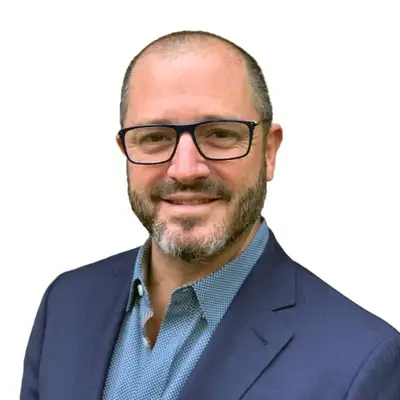
Hi, I'm Tony Cooper. This is the Dad Manual podcast, and I'm here today with one of my favorite dads. You are Eitan and Matan and Maya's dad. Will you please introduce yourself?
Lior Weinstein 00:41
My name is Lior Weinstein, and I'm a great dad, and I have some wisdom to share.
Tony Cooper 00:46
I'm really excited about our conversation. You and I haven't known each other very long, but I think we bonded really quickly. And you are a great dad by all measurements, everything I've seen. You deeply love your wife, you deeply love your family, and you make a huge impact in the world. I'm just interested in digging into where all that came from and your ideas about fatherhood, and what it's been like being a dad. So maybe just start by telling me about your kids.
Lior Weinstein 01:09
Yeah. I have three beautiful, amazing kids. My firstborn, Eitan, was born 10 years ago, and I just turned 30. And it was pretty interesting because when my wife and I started dating, so I was like 21, she was 22.
Tony Cooper 01:25
And you were both living in Israel.
Lior Weinstein 01:27
In Israel. And she always wanted to be a young mom, and she told me when we started, you know, maybe a few months in, that she wants to be a young mom. I told her, oh, you know, that's not going to happen. And in my mind, I always thought, I'm going to be a dad when I'm 30. And then two months after I turned 30, Eitan came in, unplanned, but somehow planned. And, you know, he's the kid that made me a dad, so he'll forever have that place in my heart. Beautiful kid. He's like a mini version of my wife.
Tony Cooper 02:11
Yeah, in male form.
Lior Weinstein 02:12
And a few years after that, Matan was born. He's seven now. And Matan was born in the car on the way to deliver him.
Tony Cooper 02:27
So on the side of the highway in Atlanta, every time we're in Atlanta, we're like, oh, that's the exit. No way. Tell me more about that.
Lior Weinstein 02:37
Yeah, he's, you know, so with Matan, it was a pretty long delivery, about 30 hours. So my wife got into labor and it was somewhere like at night. And then we kept in touch with the nurse. They told us when to come into the hospital. We came like in the morning. And then it went on for a very long time. We were there in the hospital for another full 24 hours. And so the second time, when she got into labor with Matan, it felt very similar, like nighttime, and I'm like, so we're relaxed, we're good, I'm taking a shower.
Tony Cooper 03:10
We're fine, we talk, she's timing her contractions. Don't you love the arrogance of, I know what's going on.
Lior Weinstein 03:16
I know, of course, of course. And had her two dogs at the time, and my sister, who lived at the time in Atlanta, came over. Eitan might have slept over at my mom's house or something. So we're getting through the process, and she's timing her contractions, still a few minutes apart. Great, we get into the car, and suddenly she's like, it's like 90 seconds or something. I'm like, oh, she probably hit the wrong, you know, timer button in the app, the reset. I'm like, okay, we're starting to drive. And then she tells me, you know, I really think we should stop. I'm like, well, 12 minutes away, right, you know, it's fine. And then she takes off her seat belt, and I'm like, no, no, no, put it back, we have to be safe.
4:00
Then she's like, no, no, no, no, stop. And I stop on the side on the highway, and suddenly we hear a cry. I'm like, okay. So I get out of the car, open her door, pull him out, put him on her chest, and he was beautiful, looked fine. And amazingly enough, like a month or two before, we were doing this kind of birth class training, and they had a flyer of what to do in case of a car birth, like have towels in the back. So my wife actually put stuff in the trunk.
Tony Cooper 04:36
No way.
Lior Weinstein 04:37
And so I call the midwife, and I tell her, it was like a birth center in Atlanta, and tell her what happened. She's like, well, technically, I'm supposed to tell you, call an ambulance or go to the nearest hospital. And I'm looking at her, I'm looking at him, they're great. He's just like, happy, not crying and everything. I'm like, I think we're just going to drive to you. And my wife is like, go to Emory, it's a big hospital in Atlanta, they give gifts. I'm like, I'm not going to go to Emory, I'm not going to go to the parking lot, the whole thing. So I'm like, I'm just going to drive to you. So we drove all the way there, and we met everybody in the parking lot, and our doula was there holding out an iPhone light. And I'm in the car cutting the cord.
Tony Cooper 05:18
Oh, man.
Lior Weinstein 05:19
I have a video of all this.
Tony Cooper 05:20
Of course you do.
Lior Weinstein 05:21
And we get inside, placenta comes out. So this was like 5:30 in the morning. By noon, we were back home.
Tony Cooper 05:29
Wow.
Lior Weinstein 05:30
And so Matan, just like he came out into the world, that's exactly how he is right now. Full of energy and full Zen, man. He's the most calm nervous system kid you would meet in your life.
Tony Cooper 05:42
I mean, I've never even heard of a birth that fast, like, that's, it was very fast.
Lior Weinstein 05:54
Yeah, very fast. And we constantly joke on it that Eitan is like a mini version of Sarit and Matan is like a mini version of me. And both of them, of course, have this beautiful mesh between us. And then lastly, Maya was born three years after Matan, sweetest, sweetest girl, also a mini version of Sarit. And what I notice also with all of them, very different personalities. So there's always the nature-nurture conversation. And once you have multiple kids, you realize the nature version of the conversation very much, same household, same parents, same ritual, same everything, same neighborhood, materially different behaviors. And that was one of the interesting things for me to see, that with Eitan, we were it, he learned everything from us. And then when Matan and Maya came, there were more programmers in the house, they started learning from the other kids. And I think that's probably one of the more beautiful surprises that you have when you have multiple kids, how the kids parent their siblings.
Tony Cooper 07:01
Yeah, and it's not even that big of an age difference between them, too. So that's the interesting thing, is sort of the natural order of stepping into that responsibility. And some kids do, some kids don't. And to your point, they are who they are.
Lior Weinstein 07:14
I mean, they are, which just tells you they're something before they get here. They're not becoming whoever they are when they arrive.
Tony Cooper 07:22
You know what's interesting, as you were talking about that, is that they each had sort of a different birth experience. And I wonder how much of the birth experience either was caused by who they are or caused who they are.
Lior Weinstein 07:36
Yeah. So Eitan, longest birth, but he was also like upside down, so you had mechanical challenges with his birth. And Matan, of course, slid right out.
Tony Cooper 07:51
Radio.
Lior Weinstein 07:52
Yeah. Maya was a water birth.
Tony Cooper 07:54
Okay.
Lior Weinstein 07:55
Maya was probably the most, you know, they say in birth, if you have a birth plan, throw it out the door, you just never know. Maya was probably the actually followed the birth plan, meaning we got on time, labor progressed well, she went into the tub, she got out in the water.
Tony Cooper 08:11
Oh, man, I was like, pristine.
Lior Weinstein 08:13
And really, one in a million, it's just rare, right? I think Matan is definitely, however he came out, that's who he is now. And also his baby mannerisms are very much his mannerisms now as a seven-year-old.
Tony Cooper 08:37
Oh, interesting.
Lior Weinstein 08:38
Even like nervous system stuff, like how he grabs and holds, his touch and smile and those kind of things. Eitan, as a firstborn, like most firstborns, a rule follower, kind of border collie, try to gather everybody, make sure everything is okay, make sure everybody's satisfied, happy kind of thing, super smart, very curious. But he has probably the biggest heart in terms of how he processes people around them.
Tony Cooper 09:06
Right, so the most empathetic.
Lior Weinstein 09:08
And that's his learning as a person, as a kid, how to know who he is and who are other people and have that separation. Matan doesn't have that problem. Matan is like, I know who I am. Has hardly any impact from other people.
Tony Cooper 09:20
Yeah, he's definitely mini you.
Lior Weinstein 09:22
Yeah, for sure, for sure. And then Maya, Maya is a great blend. She's smart, but she's a girl, so girls are always different. I don't know if their birth experience was a good predictor, but their baby behavior was definitely consistent all the way to their childhood.
Tony Cooper 09:52
Yeah, yeah. So walk me through you stepping into being a dad. It sounds like you always kind of knew you wanted to be a dad.
Lior Weinstein 09:57
Yeah, I always thought I'm going to have like two to four kids.
Tony Cooper 10:00
Do you remember a time when that started, or it was just always there?
Lior Weinstein 10:04
I don't remember when it started. Some people are like, I never want kids, right? I never had that.
Tony Cooper 10:09
Yeah.
Lior Weinstein 10:10
And I'm not a baby guy, I'm not a kid's guy, or I wasn't, rather. When Sarit and I started dating, we always said, like, you have them until age six, seven, I'll have them past the age of reason, and that's going to be a good separation of powers between us. That changed once I had kids. But I always thought I'm going to be a dad. I don't know that I always had a passion to being a dad, but I always thought I'm going to be a dad.
Tony Cooper 10:35
Great. So let's start with Eitan. Did anything change during the pregnancy, or was it different for you once he was born?
Lior Weinstein 10:49
During the pregnancy, to be honest, I was just anxious about my wife, the health side, like it's a big deal.
Tony Cooper 10:49
It is a big deal.
Lior Weinstein 10:50
A lot of things can go wrong. Even during, because he had a very long labor, I was just in the hospital room while she was sleeping. I was looking at both heart monitors, beep beep, until he came out, I was still kind of on edge for sure. So I think a lot of my focus was definitely her.
Tony Cooper 11:12
Right, and I wasn't minded for the visions around the baby yet.
Lior Weinstein 11:15
Of course, I was happy and excited and we did a lot of things, but I was really focusing on her being well and doing whatever her intuition said to make the baby feel great in her womb.
Tony Cooper 11:33
Yeah, we're definitely out of our depths on instinct in that area.
Lior Weinstein 11:35
Yeah, yeah, there's nothing, right? We're spectators.
Tony Cooper 11:38
Just witnesses.
Lior Weinstein 11:39
Once he came out, though, it was great. I loved holding him, I loved playing with him, I loved giving him attention, even though I didn't know what to do. And I certainly got better at it with the other kids after. And there's small stuff. So, for example, we did this training, this beautiful course I recommend anyone does. It's been around for decades. It's by a nonprofit called the Institute for the Achievement of Human Potential, IAHP.org, and I found them when my wife was pregnant with Matan, so when Eitan was like a year and a half. And in that training, they have training for parents of brain-injured kids, what they call brain injury, there's a lot, but they have training for parents of well kids that don't have any brain trauma. And that training was incredible because it's not so much about the things that you're teaching them, it's about the fact that they can learn as an infant, and you don't have to wait until they're four or five, you can really teach them from day one.
Tony Cooper 12:46
Yeah, I mean, we're born to learn.
Lior Weinstein 12:48
And what they show is the development pathway of how a small brain learns versus a fully formed brain learns. So it's small stuff. For example, a lot of people, they go to babies, go to infants, and they're like, what's your name, how are you, how are they, repeat. It takes a small brain, according to the training, 30 seconds plus to respond. So by you actually stacking the good morning, good morning, good morning, you're actually creating pattern interrupts, because if you notice this with a baby, young baby, you say good morning, now wait, wait, 30 seconds, wait for, they're going to suddenly respond.
Tony Cooper 13:32
And that shows you that they're communicating and responding even from that age.
Lior Weinstein 13:38
Got it, just a delayed processing.
Tony Cooper 13:40
Delayed processing.
Lior Weinstein 13:41
It's delayed processing for the motor pathways. So they get the input, but it takes them a while to activate the muscles to smile, say yes, say sound, whatever.
Tony Cooper 13:56
Makes total sense.
Lior Weinstein 13:57
Yeah, that was a huge game changer for me because I realized I can have an effect even when they're days old. So that was really dramatic with Matan and Maya. There's that entire attitude. And since Eitan was born, I still felt in the first couple years, until we had that training, that I'm like, well, there's not much for me to do, he's being breastfed, my wife did like being a mom and playing and doing all these things. So most of my role in my mind was really the husband, how can I support my wife in the best way possible.
Tony Cooper 14:30
Yeah, what did you find you were supporting your wife in that you hadn't previously?
Lior Weinstein 14:41
The biggest thing, I think, and certainly for me as an entrepreneur, I've been an entrepreneur for many years, and through that I had control of my time, I control my schedule, nobody tells me where to go, what to do. And when you have a baby, in any baby years, they're not on a schedule, and certainly they're not on your schedule.
Tony Cooper 14:59
They are on a schedule, just not one that meshes with your life. And for you it feels random.
Lior Weinstein 15:04
Yeah, and it's 24/7. When the baby needs something, she needs something, which means I'm there to help. So it's not just like the baby needs something and somebody's taking care of the baby, I'm taking care of the adult that's taking care of the baby.
Tony Cooper 15:13
What was that like for you?
Lior Weinstein 15:16
It was great. I didn't have a problem with it emotionally, meaning I wasn't frustrated by it, it changed how I needed to manage my things, my time, all of that.
Tony Cooper 15:25
So more like, oh, I need to reorient.
Lior Weinstein 15:27
But I wasn't frustrated by it, it was a lot, but I certainly am not the one that did the heavy lifting.
Tony Cooper 15:35
Right, so you're right, it's like the least we can do for everything that our wives have been through.
Lior Weinstein 15:41
And that was my big insight. Like six months in, people ask me, how's it like to be a dad? I'm like, I mean, it's really a different kind of husband, because until then, my wife didn't need me 10, 15 times a day.
Tony Cooper 15:55
Right, right, right.
Lior Weinstein 15:56
And now she needed me for the baby and for her stuff.
Tony Cooper 15:59
Yeah.
Lior Weinstein 16:00
And also for other stuff, let's say if we had a separation of tasks, you did certain things, the house, I did also for that stuff. So it was just a different kind of partner more than it was this big insight about being a dad, because in my mind at the time, certainly when Eitan was young, I was like, I can't speak yet, so it's not my skill set, my skill set really comes in well when you can speak.
Tony Cooper 16:23
Yeah, so that was my experience of that in the first couple years. The crazy part is the mother's body is designed to grow a life and then birth the life and then nourish the life for months. It's a really self-contained system, and so for us there's not a lot we can do. So I love that you're just putting it in terms of, I'm there to support her. But there was a moment, I think it was about six months or so after Olivia was born, and she looked at me one day differently than she'd looked at me, like with a recognition, with a smile on her face. She was recognizing that I was there in a way that I don't think she had noticed. Another way of saying it is, I think she thought I was like another piece of furniture in the house until that moment. And the moment is like a clear recognition, I was like, oh, there's something between us now. Do you remember with Eitan having any moments where it was like, now I'm the dad?
Lior Weinstein 17:24
Yeah, I had a few of those with Eitan. First of all, I was, even when he was an infant, I did the diapers and the bath, I didn't have a problem with any of those tasks. But it's exactly that smile, I remember that moment, I remember that moment where the smile was more than like, thank you for changing my diaper, meaning it wasn't about some physical need that just happened, it was about him enjoying my company.
Tony Cooper 17:48
Yeah.
Lior Weinstein 17:49
My energy and his smile. I mean, my kids' smiles are really incredible for us, and he was a happy kid, a smiling kid.
Tony Cooper 17:58
Yeah.
Lior Weinstein 17:59
And when he smiles, even now, I just see the baby smiling, and that's probably going to be all the way to his adulthood. And that was my frame of really that recognition of energy, and that wasn't about something I did for him. And I also think my wife was great at calming him down if he had anything, and then I became great at calming him down. And I think those moments as well, of just like either going to sleep or calming down, whatever it is, those were also super bonding moments, and I'm like, I'm the dad.
Tony Cooper 18:38
Yeah, and that was really beautiful.
Lior Weinstein 18:39
And I'm still, the nervous system calmed down for him.
Tony Cooper 18:44
It's funny, the image that came to mind when you were sharing, like, you Sarit was calming him down, you're like, oh wow, look at that, I remembered being in grade school and kids didn't know an answer on the test and they'd look over at someone else's and steal the answer. It's like that with dads, the moms have much more of a natural instinct toward these things, or at least maybe they have more time with the kid to kind of feel into it, or they're energetically connected in a way.
Lior Weinstein 19:11
Yeah, I was constantly cheating off of Sarit's test, you know, to pick up those tips on what does it mean when the kid's crying and why is this cry different than that cry, she had to educate me on all of that. And that's something, actually Sarit and I, even when we were like a young couple in the first couple of years, we used to love watching these nanny shows, like Super Nanny. I remember in the late 2000s there was this lady that created this method called the Dunstan Method, D-U-N-S-T-A-N, and it's still around, she's basically from Australia, she had perfect pitch hearing and she noticed the five sounds that babies make that each match a different need, like hunger, tiredness, fatigue, and so on. So even then we were watching it as just curious people, so when we had the babies, we used all those things, we had a lot of tools coming in because that curiosity was there.
Tony Cooper 20:08
But it's kind of like reading about riding a bicycle and riding a bicycle, right, materially different.
Lior Weinstein 20:16
And that's exactly that experience, to your point, like watching Sarit calm them down is like watching somebody be on a bike, and then when you're holding them, you can't feed them, so that already you're at the disadvantage.
Tony Cooper 20:29
Yeah, they don't know that though, right, they go.
Lior Weinstein 20:35
And you're different, more muscular, you don't have the mom energy, it's just from a kid's perspective, we are completely different creatures.
Tony Cooper 20:46
That's right. So then what was it like to go from one to two, because once you had, you had it down, you knew it.
Lior Weinstein 20:53
And then I had it down, and we also traveled, so we're a big travel family, and by the time Eitan was 18 months, he was on 17 flights, like traveler.
Tony Cooper 21:04
Yeah, great traveler.
Lior Weinstein 21:05
We took him everywhere. We took him to Israel, we took him on boats, we took him in RVs, we took him on planes, we took him everywhere. All of our kids, well traveled. So when we had Matan, we were like, okay, we have all the things, we have the equipment, we have the know-how. And then we just came off that training as well, so we had even more confidence about things to try and those kind of things. And, you know, with one baby you have four hands and one baby, and two babies you still have four hands and then you have two babies.
Tony Cooper 21:34
Yeah, it was good that Eitan was already three, so it wasn't in diapers.
Lior Weinstein 21:44
But still, that's a very young age, very very young age, he's still not making his own food, right, he doesn't have a job. And Matan was a really great baby, easier to raise. I mean, Eitan was great as well, easy generally as a kid to raise, but all of them, we never nailed down sleep really, like we tried, we tried different methods, we didn't quite nail it down. So that affected that, had a tone throughout the years for sure, still does. Maya is five and she still likes to come to our bed.
Tony Cooper 22:14
And I think my problem is I love it when the kids sleep with us.
Lior Weinstein 22:19
Yeah, I always loved it, like if it was my choice we would just have a big bed and all the kids would sleep with us.
Tony Cooper 22:24
That is not my wife's choice.
Lior Weinstein 22:26
Yeah, and it certainly creates the tiredness, I think that's probably the biggest factor for us, just running businesses, trying to be present parents, and having the physical energy to do it. Physical energy was probably my biggest surprise on the second kid, it didn't affect me as much with Eitan, it affected me a lot with Matan.
Tony Cooper 22:52
And how did it affect you?
Lior Weinstein 22:53
Just being tired, just like dealing with let's say business stuff, but then Eitan needs something as this three-year-old and then Matan is on the random schedule again as an infant. So suddenly there's this compounding of surprises, and that's very fatiguing. Like if you have a day or a week where most of your stuff is unplanned, you're constantly in response, and you're in response because you want to respond. If you don't care about your kids, being a dad is easy, easy.
Tony Cooper 23:27
That's very true. It's hard because you care, right, it's not hard because you don't care, it's hard because you care.
Lior Weinstein 23:34
So you want to do all these things, and you also need to do all these things, meaning some of their needs are physical, practical, especially in the first year or two. And you also don't want to miss the development opportunities as much as you can.
Tony Cooper 23:41
We could talk about those. So what changes did you have to make in your life in order to deal with all that?
Lior Weinstein 23:56
So what happened to me after Eitan was born, about a year and a half in, I joined a startup, and it was a fast-growing startup, fast-moving startup, we raised a lot of money over a short period of time, had a lot of users, and it was the first time I was a startup entrepreneur and a dad at the same time. And that was very challenging. I got back at 7pm from the office and I was spent, like my energy was nowhere to be found. But now it's bath time, and it's not the issue of bath time, oh my wife also had quite a day, right, like raising a baby, so it's not an issue of like now you need to do the bath, it's an issue of like now I want to do the bath, I want to be present, but my energy is just not there.
Tony Cooper 24:30
Such an interesting thing too for a dad, maybe a more traditional setting where the moms stay at home doing the work all day, she's spent by the time you get home.
Lior Weinstein 24:44
Spent, right.
Tony Cooper 24:45
And she's like, I just need you to help, and you're like, I'm spent from the day, but it's like the clock resets when you walk in the door and you have to go, okay, whatever, I had my day, that was yesterday, I have a brand new day starting right now, and where do you get the energy from is a great question.
Lior Weinstein 25:05
The reality is it was very difficult, I didn't have a great solution for it, it was like just rallying it up, enforcing it, and sometimes, great, sometimes I was like, man, I really wish you would go to sleep.
Tony Cooper 25:20
Geez, I definitely remember sitting there just like, please God, like anything, just make this baby go to sleep, let's go to sleep.
Lior Weinstein 25:33
Yeah, and I still, you know, the moments in the bath where he stares at me and smiles and we play and whatever, so with all of my fatigue, it was definitely like, I still, I don't remember how tired I was.
Tony Cooper 25:46
Yeah, well, it's also crazy when you go, like, I've never been this exhausted in my life and yet still doing things and still accomplishing things.
Lior Weinstein 25:53
Like, I didn't realize it would be possible to be this terminally exhausted and still can do things and make stuff happen. I mean, I'm definitely not at my peak performance, but I'm surprised at how well I was able to perform in that fog of exhaustion.
Tony Cooper 26:19
And for me it was different, I had a military career that was very physically demanding and also emotionally demanding, and so I was at that peak in terms of, let's say, load, but the stakes were different.
Lior Weinstein 26:32
Stakes were different, and this constant feeling that I had around scarring or not scarring the kid, and scarring or not scarring my wife, right, so like, what are those kind of record scratches that are going to have this long-term impact for all of our relationships.
Tony Cooper 26:52
Yeah, and I had a hard time.
Lior Weinstein 26:56
And then what happened, when Matan was born, I actually decided to just leave, leave my work. I remember that we were in a board meeting and the company wanted to go in a direction that I'm like, you know, with this direction, that's not as interesting to me as what's going to happen now with the second kid, and I don't want to repeat those mistakes. So actually took off, and I was like, we did a nine-month-ish, almost a year sabbatical.
Tony Cooper 27:15
Wow.
Lior Weinstein 27:16
And we traveled a ton in the RV with the two kids at the time and our two dogs, so I can be more present and figure things out. My answer was not doing both, at least for that period of time. You know, after that, I didn't stop and had more kids, and the kids were still, so I figured it out eventually.
Tony Cooper 27:38
That sounds either super fun or super challenging, or probably a combination of the two, being in an RV with two kids under the age of four or three and two dogs.
Lior Weinstein 27:47
And two dogs, yeah, because it's like 60-pound dogs, like 200 square feet or something.
Tony Cooper 27:53
Like something, well, when it's open, it's a big RV.
Lior Weinstein 27:56
When it's open, it's like 450 square feet, was the size of our apartment in San Francisco, by the way. But most of the time you're driving, and then it's not 450 square feet, right, we loved it.
Tony Cooper 28:04
Yeah, we loved it.
Lior Weinstein 28:05
We've done RV travel before we had kids, and then after, also with Eitan, so we loved it. There's something about a small space, kind of San Francisco, New York, like when you live in a small space for a long time, you realize you don't need as much, it's like gas fills the space, right, so if you go to a big house, suddenly you buy a lot of things. And so when you're in an RV, it's already very small, period, like a small apartment, but then it needs to be smaller and more organized because you close it, and then it needs to be even more organized because you're 60 miles an hour on the highway and things are moving. So it kind of forces you to a more focused living, which we really loved, and we have beautiful memories. I mean, I remember I taught Eitan how to ride a bike in Montana outside of Glacier National Park, and I remember that moment that suddenly he rode by himself with no balance, you know.
Tony Cooper 29:01
So beautiful, beautiful, and they have great memories from it too.
Lior Weinstein 29:04
They do, because they're really young, well, we've done a lot, they don't have a ton of, well, Eitan has some memories from, let's say, that trip when Matan was a baby, because he learned how to ride a bike, right. But yeah, we've done other trips, we started a little later than that, I think they were like 12, 13, and we spent a whole summer driving all over the country, and it's just, I cannot recommend that enough, it's definitely some of our favorite memories from them growing.
Tony Cooper 29:44
Easy. Yeah, so you mentioned not scarring your kids, it's definitely a focus of my interest in the conversation about being a dad, which is we all inherit a whole bunch of family trauma, family heirlooms, I like to refer to them as, right, things that aren't really ours but they were embedded in us, and it's just, there's a lineage, it just passes down. And there is this real opportunity for dads to stop that, to be the one who ends it before it passes on. What I notice is a lot of dads figure that out a little too late, kids become conscious beings, they're awake, they're alive, and they remember all that stuff. And so for you to have such attention on that, one, where did you realize that that was an important thing, because I don't even think that crosses people's minds, and then what have you done in order to stop some of those progressions?
Lior Weinstein 30:20
Yeah, Dr. Don Wood calls trauma emotional concussions, and it's a really good frame for that. And I joke all the time, like, however I screwed up, it's between them and their therapist, right, we never know. You know what we do, because I'm sure some of my memories that came up from my parents, I'm sure they didn't think twice about it, and when I now as an adult look at it objectively, that could have been nothing as much as it ended up being something big, right. So you never know how those events are going to metabolize and what's going to come in and stay. So first of all, generally I'm throughout my entire life very well aware of relationships and what binds people and what disconnects them, and I've researched human behavior, I've taught human behavior in my businesses. My big advantage is being able to vision product, which is really just my intuition around how humans behave around a value, meaning I'm mindful of it all the time. I was mindful of it before I had kids, and I'm certainly mindful of it now. And with the things that happened to me growing up as a kid, the things that ended up staying with me, still going through them, right, I didn't want my kids to have them. So the only thing I can do is make sure that their origin stories around their problems is not as tied into us as avatars.
Tony Cooper 32:24
Yeah.
Lior Weinstein 32:25
Because they'll have problems, of course, but ideally they're not going to see, because my dad did X, Y, and Z, or my mom did A, B, C. And at the same time, also make sure they have the right stories in terms of support, meaning not just, my dad was great, but rather, when they have a challenge, they know how to come to me. So to develop that trusted relationship, I always wanted to avoid a situation of the child is afraid to talk to you.
Tony Cooper 32:31
I'm sure that same for you, is like, your kid can do no wrong in principle, just tell you what's going on, right, so you can guide and help and whatever that is.
Lior Weinstein 32:33
So that was always my intent from there, like, how can I create a relationship with my kids so they feel trust enough to come to me, not necessarily how can I create a relationship with my kid that I'm going to be their perfect sherpa for anything in life, because I don't know all the things that they want, if they want to be artists, I'm not the guy, I'm not the teacher.
Tony Cooper 33:00
But I can help them regulate, you can't necessarily teach them how to be an artist, but you can support them to find the thing that they're passionate about.
Lior Weinstein 33:10
Correct, and that's something you're very good at, so you don't have to be qualified in their interest. Correct, and that's a big thing. So before we had kids, I read a lot of books on, again, just curiosity, right, because for me, raising children is just like any human relationship. When I moved to the US, I almost became a dog trainer, so like dog training also, it's such a puristic view on behavior, right, because you don't have that language option as much. So I read this book by this guy, his name is Laszlo Polgar, and he very famously raised his three daughters, and all of them became chess grandmasters by the time they were 14. His eldest daughter just had a Netflix show on her, her name is Judit Polgar. So he wrote a book about how he did it, and that's actually how I found the Institute for the Achievement of Human Potential, because he referenced it in a line, he referenced the founder in one of the lines, and I was just googling kind of, and the book was about genius education, and apparently this is like a piece of research in the world that disappeared, it used to be very active, people used to be obsessed about how to do genius education, how to educate into genius, and then it stopped for a whole variety of reasons we don't have time to unpack. But in the book, one of the most interesting principles is the reason why he chose chess was because it was like Hungary in the 70s, it was cheap and available, but he said it could have been anything, it could have been tennis, it could have been drawing, it doesn't matter. The reason why Judit's sisters chose chess is because oldest sister chose chess, so it was just, but it wasn't like chess was the thing, the mechanism was passion and mastery in one thing. If you can have mastery in one thing, you can have mastery in anything, and he really describes that process in the book, it's not a very complicated process. The reason he did it, he wanted to prove that he can do it. He and his wife basically homeschooled them, and as soon as I was exposed to that concept, I realized that it's just about giving them enough capability and certainty in an area of life, and once they have that, humans know how to translate, they know how to apply behavior from one area of life to another area of life. So if they know how to be kind with a dog, they know how to be kind with another person, if they know how to be creative in arts, they know how to be creative in science. For my kids, it ended up being, well, different things, there are some of them, they're still finding their passion, but Lego is a big thing in our house, yeah, we just had Father's Day, went out, went to Lego store, we bought five sets, we built four in one day, and my kids have been doing it since forever, so they can do very complex sets, and they can also build their own stuff, because I know once they have that confidence, meaning they know how to think about something and they know how to make it real, they can do that in any area of life, and I don't know, they still haven't found the surfing, chess, science, I don't know what's going to be their passion, they haven't tuned into that yet, but I know that once they do, to your point, I can make sure to triple down on it and flare it up.
Tony Cooper 36:05
And what you're saying is there's a real value in depth versus width, rather than expose them to a lot of things and create awareness of a lot of opportunities, just pick anything as long as there's an interest in it and dive deep enough that you can develop that sense of mastery, which just requires a lot of time, more than focus.
Lior Weinstein 36:24
Time, a lot of time. And there's something as we're talking about this, it's also fostering the idea of commitment.
Tony Cooper 36:50
That's right, commitment to something.
Lior Weinstein 36:51
Because to your point, if I can be committed to chess, I can be a committed person in the world, and we never accomplish anything without being committed to it.
Tony Cooper 37:00
So that really makes a lot of sense, I haven't heard it put all that way to tie it into the generational thing.
Lior Weinstein 37:07
My parents did the opposite, so when I was a kid, if I wanted to try something, I did it, meaning I wanted to learn magic, so I went to magic class, wanted to do computers, did computers, I wanted to try hockey, did hockey, whatever it is. On one hand, it was great that I had a very horizontal exposure to many things, and I still have it, I still have super horizontal approach to many things, I'm curious about many, many, many, many things. But to learn how to focus on one thing vertically, I had to do as an adult, way more difficult, it's like to do that as an adult, and I'm lucky that I had my military experience that forced me into it, because otherwise it doesn't work, it would have been very challenging. And I think that's where a lot of people say ADD, ADHD, in most cases it's not really that, it's more like the result of this kind of horizontal exposure of many things and actually just not getting a taste of what it means to pursue one thing for long periods of time.
Tony Cooper 38:13
Right, right.
Lior Weinstein 38:14
And I'm trying to give it to my kids, and the other thing that came from it that is very positive from my parents and I'm still giving that to my kids is this feeling of abundance, abundance mindset is very important, it's everything in today's world, it's so material for success. And the fact that I want to try something and I just got a yes, I didn't get a no, I got a yes.
Tony Cooper 38:40
It would have been nice.
Lior Weinstein 38:41
And everything happens for a reason, that it was a yes, and dive deep, right, and don't just quit or stop because something is inconvenient or boring, because boring is the signal, yeah, it's the signal that you need to stay, right. So I still give that to my kids, meaning if my kids want to try something, there's definitely a yes, it's not a no, and I want to make sure that it's a proper yes as much as I can. And I don't, like they just went on a motocross, go learn how to ride the dirt bike, it didn't work out well because of like technical, like sizes, whatever. So I'm not going to push it on, I'm not going to be like, you guys are going to be dirt bike experts, there's definitely a line that I'm looking for around what's worth pursuing, what's not. But as soon as somebody says, I want to try a dirt bike, I'm like, yeah, we're going to definitely try dirt bike, it's not going to be enough.
Tony Cooper 39:41
Well, man, I feel like you and I are just getting started, but we should probably wrap up this conversation, there's so many other things I want to talk to you about, I'm so interested in us exploring your take on AI and how that will impact being a dad and many other things, clearly you've taken that idea of commitment into being a dad and you do in everything in life, so we will do this again for sure. I do want to touch on that though, so one last thing, because it's going to be good.
Lior Weinstein 40:02
In my professional life, I am an AI expert, I do give big talks, give workshops, all these things professionally, not too long after ChatGPT came out, I ended up talking to a group of dads in Austin, and the request was, can you talk about AI and family, I'm like, yeah, and that was like a whole talk that I gave, so I want to share two insights from it, and then we'll come back later and go deep on it.
Tony Cooper 40:30
I love it, yeah, perfect.
Lior Weinstein 40:41
Philosophically, to me, we live in the world of atoms, but we communicate in the world of bits, and AI has incredible impact on the world of bits, it just collapses time, it saves us so much. It's not the end of work, it's the end of boring work, it's the end of busy work. But what do you do if you don't have the boring and busy, you do the passionate stuff and you get to spend more time in atoms, less bits and more atoms. And one of my favorite early use cases was doing bedtime stories with my kids, my grandfather was an incredible storyteller, incredible off the cuff, incredible, and I'm not like him, but then AI made me like him.
Tony Cooper 41:08
Huh.
Lior Weinstein 41:09
Because suddenly at night I would at the time be like, hey, give me a 10-minute bedtime story with Power Rangers, Minecraft, and my sons Eitan and Matan, and make sure it has three fart jokes.
Tony Cooper 41:29
Because, oh, it's funny, that's right.
Lior Weinstein 41:31
And it changed the entire dynamic of the night routine.
Tony Cooper 41:45
Oh man.
Lior Weinstein 41:46
Just for all the dads thinking about how can you use AI to make the relationships deeper, to make those moments better, and same thing, we're on a trip, we're in some place in the world, let's create a bedtime story, or let's create a story based on what we just did today.
Tony Cooper 42:01
That's so good, I really love the application of AI and parenting, so it's definitely a topic worth pursuing.
Lior Weinstein 42:08
That's amazing.
Tony Cooper 42:09
Wow, thank you Lior, appreciate you so much.
Lior Weinstein 42:10
I love you brother, this is amazing, and 100%, let's just get the next one scheduled because I feel like there's 50 more things I want to talk with you about.
Tony Cooper 42:20
So thank you for sharing yourself, for sharing your time, and for saying yes to this.
Lior Weinstein 42:21
Yeah, thank you for having me.
Tony Cooper 42:21
Absolutely. Okay, well until next time, I just want to thank you for listening to this episode of the Dad Manual podcast, and for supporting dads to become the best version of themselves as they strive to bring healing and inspiration to their families. I'm looking to grow a community of fathers who are ready to change the world, but I need your help. It's super valuable to the podcast when you like an episode, when you leave us a rating and subscribe to our YouTube channel, when you follow us on Instagram, the Dad Manual podcast, and maybe even the most important, when you share the podcast with the dad you love. Also, you can impact what we talk about here, if you've got questions or topics you want me to explore, email them to me at dadmanualpodcast@gmail.com, I would love to answer your question on our next episode. And until next time, I'm Tony Cooper, and this is the Dad Manual podcast.