Subscribe
Share
Share
Embed
Celebrate the joy of reading with the Book Love Foundation podcast. This is a show filled with information and inspiration from teachers and leaders across grade levels, states, and school systems. We interviewed authors and educators for the first five years and now turn our attention to leaders in public, private, and charter schools. Find out more at booklovefoundation.org or join our book-love-community.mn.co of 2500 educators from 28 countries. We sustain joy together, one kid and one book at a time.
Penny Kittle 00:00
The Book Love Foundation podcast is produced by the teacher learning sessions, connecting teachers with ideas, experts and each other.
Penny Kittle 00:16
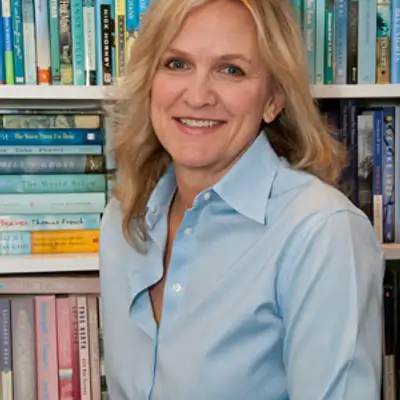
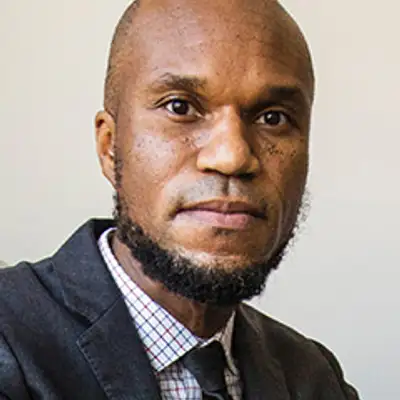
Welcome back to the book Love foundation podcast, we are doing our holiday reads connecting with teachers that I admire, that my board admires, and one of those is Cornelius Minor, who's working and this is what I love, draws not only on his years teaching middle school in the Bronx in Brooklyn, but also on his time spent skateboarding, shooting hoops and working with young people. I got to see Cornelius do the keynote address at Social Justice Saturday at Teachers College in September. I brought my daughter down to hear what I think is one of the most inspiring speakers to help her with her work in urban schools in Boston. So it was just such a pleasure. Cornelius, thanks for joining me.
Cornelius Minor 00:56
Oh, man, I'm so excited to be here. Like Penny, this is quite an exciting time to be thinking and talking about books.
Penny Kittle 01:03
It is, you know, people get gift cards this time of year. I'm hoping maybe we can help them.
Cornelius Minor 01:08
Oh, wow, oh, for certain. Then there, there's so many books that I think about like, I feel like I don't get enough gift cards. I mean, I hate to be greedy, but there's just so much good stuff to read out there that, like, you know, I could spend just this season alone reading, and I've got so many books that I've been reading lately that I would love to share with teachers
Penny Kittle 01:26
Perfect, go!
Cornelius Minor 01:29
All right. And so actually, much of my life recently has been spent like, being immersed in kid culture. I try to spend every December learning about, like, what are the hot new things on the horizon for kids. And so I asked kids, like, what are you into? Like, what's the thing that you do when you're not with me? Or, like, What's life like for you at home? And so I've actually been reading a series of video game manuals. And so that's kind of like the hot thing in my classroom right now, where so many new video games have come out. And at this point, the video games are, like, really complex. And so I discovered that a lot of my kids are going home and doing reading to figure these games out. And so normally, I'm not always a video game guy, but it's just when I picked up my first manual, I was like, this is the most compelling nonfiction that I've read this season. And so right now, I'm actually reading the Pokemon video game manual put out by Nintendo. And what they do is they release these companion books that go with video games. And so the new Pokemon game just came out, and a couple of the seventh graders are working through that game, and I saw them with a companion book, so I took it home one night and I read it, and I probably bound, you know, 200 pages in an evening the very next day, and I'm not even a Pokemon guy like that, but, like, I was just like, Alright, I need this. And I really love it for its structure, its ability to introduce, like, new information in really powerful and like, inviting ways. And then I love it as a reference tool that like, one of the things that I'm always trying to get kids to understand is that nonfiction is a thing that lives with you, so you have a book like this on your shelf and you can reference it, you know, time and time and time again. And of course, I don't want young people to always be referencing Pokemon, but that we can begin to live this kind of like literary life, where we have reference books living around us. And I think Pokemon the great gateway drug to that, I think. So, yeah, yeah. And so I started with the Pokemon manual. But then, of course, I'm a teacher, so that I need to learn everything, so I've been reading lots of other video game manuals. So then I graduated to The Legend of Zelda. I just got, like, the manual for the New Super Mario game. And again, these are companion books that are sold in video game shops that go along with the video games. So if a teacher just got a new gift card, one really powerful option, especially for independent reading, is to think about what video games your kids are playing, and then populate your classroom library with some of those companion books.
Penny Kittle 03:57
I love this. I'm going to ask my kids tomorrow in class, what are the video games that they're playing right now, and see which ones I can find.
Cornelius Minor 04:05
Awesome, awesome. Like, it's for me, like it's Super Mario Odyssey, it's the new Legend of Zelda game, it's the Pokemon game. And so those are a few that the kids have told me. And so I just went out after I wrote the Pokemon book. I got the other two. Now I speak the language, you know, and I think the beautiful part about being a teacher is that cultural literacy can take us so far. And so I am not a native Pokemon player, but after reading the companion book, I feel like I've got the language, you know, and I think that that's an important thing to demonstrate for kids that they saw me, someone who did not have any background information, someone who don't speak the language, I don't have any of the domain specific vocabulary, but then after a night with the companion book, I'm able to come back in with this new proficiency. And I think that's really important for kids to see that you cannot know a thing, and then books can be an invitation for you to now know.
Penny Kittle 04:57
Yeah, it's really cool, yeah. And I just. Love that you showed them that right in the world that they love.
Cornelius Minor 05:04
Yeah, yes, I've been doing a ton of that. Of course, that opened the floodgates to, like, all the Minecraft books. So then they just told me that there, like, are hundreds of Minecraft books out there. So I've got a lot of reading to do this break. And so that's one of the things that I've been thinking about. And I think for me, the my kind of flavor of the month has been, and it really shouldn't even be a flavor of the month, but it's been nonfiction. I've been doing a ton of nonfiction, and I worked in New York City. And one of the powerful things about New York City is like we are kind of the cultural epicenter of a lot that happens in the United States. And so when I think about anything from music to fashion to even play, a lot of the stuff that originates here, like, I'll travel across the country and three months from now, I hear kids in Tennessee using the same playing or I see kids in California wearing the same fashion. And so it's a really exciting thing to be here in New York. And so again, I'm always into asking kids like, well, what's the thing that you're into, and how can I learn as much as possible about that thing? And then how can I feed your soul by populating our classroom library with lots of texts that support your love for that thing. And so recently, kids have been talking to me a lot about music and some of the new music that's coming out for the holiday. And so I just reread Jeff Chang's book, Can't Stop, Won't Stop, which is a history of the hip hop generation. And so it is a history from the Bronx to now of hip hop. And it's, again, some of the most compelling stories you'll ever read. It reads like this story, but you can pull out sections. So if you want to kind of figure out what this 70 for, like in the Bronx, do that. Or if you want to think about how hip hop spread into the South in like the early 90s, you can do that. Or if you want to read kind of about, like, you know what, you know, what the Reagan administration and that economic policy did to hip hop, you can do that. And so it's this great narrative that you can pull out these little sections to really, kind of like inform your thinking about your music. And so I reread that, and it reminded me of all of the other kind of, like, rock biographies, Hollywood biographies, that we love. But I think it's been really, really great to support those biographies with a history book. And so I've gotten some kids hooked on to that, and I'm really looking forward to coming back in for the spring semester and really, like, digging deep into some of that stuff. So Jeff Chang's work is like, heavy, heavy, heavy, on my radar right now.
Penny Kittle 07:34
That is cool. Now, do you also know the Rap Yearbook? Oh, of course. Yeah. Yeah. Listen to you. Yeah, of course.
Cornelius Minor 07:44
And I love the Rap Yearbook and so. And because kids love the Rap Yearbook so much, I've been wanting to again, support them with some, like, deeper reading. And so I've been looking for, like, what are the things that kids love now, and what are the deep cuts that I can make sure are on the classroom library and Jeff Chang book definitely qualifies as that
Penny Kittle 08:01
Can't stop, Won't stop. Do you also like Hip Hop Raised Me? Yes, I got a whole collection I need because you were speaking to some of the kids I have right now.
Cornelius Minor 08:10
Yeah. And so all of those books I think are really, really important. And I think my number one teacher move is I've been really kind of like, if I find the kids that like a book, what I do is I find that book, and then I read the introduction and the acknowledgement, and I'm like, Who are all the other writers that this writer hang out with? Because I need all of those books in the library right now. And so when I read Hip Hop Raised Me, he kind of like pointed to Jeff Chang, yeah, and I've been selling, is that way? Well, that book that you love, when that person named their top five influences here, all five of them in the shelf right here, right? You know? And I think that's a really important teacher move.
Cornelius Minor 08:49
Another great book that I have been hoarding myself. Actually, a kid just tried it away from me, but I'm Shay Serrano's Basketball and Other Things. It's a collection of essays about basketball. And again, I think when kids hear words like essay or words like nonfiction, you know, they they kind of put out their their test prep tackles, because I think in many ways, we have assaulted them with really bad nonfiction. And so I have just loved nothing more this semester than to pull out like really cool nonfiction for kids. And Shea Serrano's new book is probably the coolest book out there this season. It's Basketball and Other Things. If you get the special edition, it comes with, like, these really random basketball cards. So it's just like a totally cool book, and it's got essays about really everything in life, but all of the essays are explained in total, through the lens of professional basketball.
Penny Kittle 09:41
You know, I am really trying to listen, but I'm also trying to order all these books that you're talking oh my gosh, this Basketball and Other Things is awesome. I cannot wait to have it in my classroom.
Cornelius Minor 09:53
Wow, if I only had this season, that would be it. It's been like that. Great. And. And one of the things that I love doing a lot is I love interacting with the authors on Twitter. At this point, you know, I talk to kids about what even social media has done for our discourse, and that, you know, five years ago, when I read a book, it was very much monolog. It was the author talking to me. But now, because of social media, when I read a book, it's a true dialog where I can talk back to the author in these asynchronous ways. And so I sent a tweet out to Shay Serrano when I bought the book, and he immediately tweeted back. And so just like, helping the kids to see that, like, Yeah, so like, you read this book and then it adds to your life. So yeah, I know a lot about basketball now. Yeah, I know a lot about, like, the culture surrounding basketball, but now I also know this person who moves in these circles, and that's really important.
Penny Kittle 10:47
It is, you know, we tweeted something to Sarah Kay the other day, and my poetry students were, you know, when I had it up on the screen, the tweet back the next time they were in class. They're just amazed that these people they idolize take an interest in them. I think it's, it's so smart to make that connection.
Cornelius Minor 11:04
Exactly, exactly. And so Basketball and Other Things is a great place to start, both in the digital world, and, you know, in the analog world of the book awesome. I think it's really, really powerful.
Cornelius Minor 11:15
And then, like, gosh, moving on to fiction. And I could talk to you for an hour about the fiction I, you know, right? I actually, and it's funny, because the way that my reading life works is it, it's very much personal. So every book I get is like a person that I'm getting to know. And sometimes when I get to know people too well and they leave, I have to, like, take a break and get myself together. And so I just read Dear Martin two weeks ago, and I had to, like, put fiction down for a moment, and I had to, like, walk into, like, all this nonfiction. But Dear Martin, like, if the teachers haven't read that, I think that is, you know, one of the essential books of the season. Oh, I loved it so much, yeah, and it's so necessary for children, and I think it interrupts a lot of discourses that don't serve children. You know, I think one of the things that has haunted me almost my entire life is that when people talk about, you know, progress for marginalized people, so we're looking at women like gay people, transgender people, African American people, people often frame progress in the language of respectability, that if only you would look like us, if only you would behave like a white man or like you know, talk like one, then these bad things would not happen to you. So those conversations are often blind of all of the systemic oppressions that people have to deal with. And I think one of the beautiful things about Dear Martin is, here's the kid who's doing the respectability thing, got the grades, he's, you know, he's following the rules and and he cannot escape, you know, this kind of the way that society operates to keep certain kids like behind and I think it's a really, really powerful book, and it was really great for me to read, not only just as a person, but as a teacher, you know, because I think teachers, we are most guilty of peddling respectability as a way for progress. And I really think that you know, to say to a kid that, if only you would change society would not be so harsh for you. You know, I think it really kind of sets kids up to not lead the best lives that they can lead. And I think, you know, that book helped me to have the language to begin to shift the conversation toward if, instead of, if you suggest, if we suggest, change the way that this society operates in this classroom, on this grade team, in this department, in this school, in this community. And so instead of kind of pointing the finger to the kids and saying, if you can just, and really having the Invitational language to say, if we can just, has been a really like powerful shift for me in my discourse and in my teaching. And so I think that that book is an essential goal for teachers and kids this evening.
Penny Kittle 14:03
So true. And you know, when I introduced it to my class, I read my seniors the section on affirmative action, and it's the debate that happens in that classroom, and then I had them write about it, and so many of them didn't even know what it was. And I think we forget that our kids have these gaps, and that books are such wonderful invitations to just inform them of where it came from and what it is and what it means, and that that's really important work, yeah.
Cornelius Minor 14:30
And it's been just cool to see them using the social experiences of these characters to kind of fill in for the social experiences that they haven't led yet, you know? And, and when I think about why I came to books, that's why you know that these characters were leading lives that I would never leave, because I could walk through the world with their experience after having read them.
Cornelius Minor 14:54
Yeah, so that's, like, exciting, another book that I've really been thinking a lot about, and I, and I just read the sequel as I'm going back. To be original now, but the Great Green Heist by Varian Johnson is a one that flew under my radar for a long time. This book was on my shelf, and I didn't really pick it up until a friend of mine reminded me that I had it, and again, it's the Great Green Heist by Varian Johnson and and I dare I say this, but it's first book that I've ever read about a normal black kid, normal in both the problematic and the kind of common use of the term. But like you know, so many books that you read specifically books with African American characters, they lead these lives that are hyperbole in some aspect. So, you know, I come from this extraordinarily hard situation, or I come from, you know, this situation that is incredibly violent or incredibly like, there's always this deficit thinking around like, African American characters. And, you know, and recently we have these, like, you know, really fully three dimensional characters. And that's been really cool to see. But this is the first character that picked up that he was like, Oh, here's like, a normal dude, like, who, there's almost very little superlative about the main character in this book, aside from the fact that he's, like, super smart, super nerdy, which, you know, felt a lot like me. And so when I read this book, I was like, oh. And what I love about the book is it was the first time that I've read a microaggression in YA lit, where he goes through all of these things because he's this nerdy black kid. He gets in a little bit of trouble here and there. And I found myself sitting in the corner when I was reading this book, and I was sitting in the corner of my subway car. I'll never forget it. And I'm like, Oh my gosh, this kid is going through, or like, the victim of a microaggression, and it's in this work of YA literature and and it was such a cool thing to read. I mean, microaggressions aren't cool things to experience, but it was a cool thing to read. And I'm like, wow. Varian Johnson's putting this in front of young people, yeah, read about, like, race and racism. When we read about class and read about gender, you know, people often want to set it up where they're like, Oh, the big problems in your life are going to be, you know, clan members. Or the big problems in your life are going to be like, the race is top. And actually, the big problem in your life is the teacher who says stuff come out the side of her mouth at you, and you're like, Wait, was that cool, you know? And so, or the big problem in your life is, you know, your best friend's mom who says these things, and you're like, Okay, that was kind of not okay. But I don't know how to address this. Yeah, you know, one of the things that I think a lot about when I think about oppression, oppression isn't somebody burning across in your yard. Oppression is like the everyday death by paper cuts that you get, you know, from like people like comments or people stares or people like the way they position their bodies when you walk into a room and that Varian Johnson captured that in a YA book, along with just the weirdness of being a student and the coolness of having a group of friends that you really love, and the excitement of like, trying to, like, you know, pull something over on your teachers, I just think, like that he really nailed it in the book, and that there's a sequel out just excited me to no end. So when the sequel came out, I ran and got the original just so I could enjoy it again.
Penny Kittle 18:17
So have you read to Catch a Sheet?
Cornelius Minor 18:19
It's one of those books that the kids steal from you before you finish it, yeah? So I'm waiting for it to come back, and because I praised the first one so highly, the second one hasn't made its way back into the classroom, which is a good thing, is it? Yeah? Like, I think Varian Johnson is the kind of author that won't stay in my classroom, and so I like to brag about those folks that I can't keep your book in my room.
Penny Kittle 18:39
No kidding, perfect.
Cornelius Minor 18:43
And so, like, those are few at the top, but I could again. I could talk forever. I've been reading a ton of comic books since, I think if teachers have any gift cards and they want to spend some of that money, like, one great way to spend it is on a lot of back issues. And so it's like, you know, that we can't forget, you know, I think people have done a really great job of integrating, like, graphic novels. And I always want, like, you know, there to be some comic book playing around in the room. And so I has been talking to a lot of kids and making sure that the room stays stocked. My favorite right now is Marvel Champions. I just think it represents everything that our current political moment is all about, and everything that, like, our current social moment is all about, you know, and it's embodied in these, like, you know, heroes that the kids have already grown to love. So on that champions team, you've got Kamala Khan, Miss Marvel, you've got Miles Morales, the SpiderMman. You've got this Vit Vision, and the X Men, Cyclops, and then Amadeus Child the Nicole character. And so you've got just a great lineup of characters, and they're really trying to figure out what it means to be young and to have power. And I think that that has been the story of this generation that, like, we've got a really great group of savvy kids all over the country. And the question right now in middle school, in high school, is, what is it to be young and to have this power. And I think the book deals with that question in a really powerful way every month. And so whenever I have spare change, I always, always, always get two or three copies of this month's Marvel Champion. That's a great book to buy in trade or in the cereal and just have those like laying around the classroom.
Penny Kittle 20:17
I would love to be in your classroom.
Cornelius Minor 20:20
We have a lot of fun. We have a lot of fun. And I think one of the things that I've appreciated, especially this year, is how much that I can learn from students. This has been the year of the greatest change in my personal career. I think that I'm doing a lot more nationally and internationally now, and so I felt pretty comfortable in my neighborhood, like I'm a new city teacher, and I'm like, Okay, I got the Brooklyn thing down. I got the new city thing down. But now to kind of like, be on the national scene, or on the international scene has really put me in this posture to learn a lot, and so in the classroom. Now, I think one of the things that really kind of characterizes my presence in the classroom is that, like, I've been reminded of how much I don't know because I have to take all of this work now to new context, and this has been really powerful allies in that journey where they've, you know, like that I'm a learner in front of them, and that I'm asking them to learn, and that we're engaged in this pursuit together. Really, when I think about how I want the rest of my life to be like this, is it like, where everyday kids introduce me to things and change my life, and then you know that like I this is the kind of dynamic stuff that, you know, lifetime for, and that I get it, you know, every day, five days a week, six periods a day in paradise.
Penny Kittle 21:45
No kidding. I was thinking so much about that statement you first said about there's so much to learn, and you have to learn this new context of who these kids are. And I'm just struck by that every September, I think I know, and then they walk in the room and you don't know, there's so much you don't know, and that excitement over learning who these people are and how I can possibly help them.
Cornelius Minor 22:06
yeah, yeah, you know. And I you know. Or you think, you know, I'm on Tuesday, and then you're walking on Wednesday, and you're just like, Okay, right now you're a new person has been really, really cool. And then, like, learning that, you know, as I travel, like, I've really discovered that there's so much in America that is different, but then there's so much that we have in common. You know, that as a New York City guy, when I first started leaving the city, I was like, Oh man, the rest of the country is going to be so different than Brooklyn. And, you know, you get to Pennsylvania, you get to Tennessee, you get to Florida, you get to Alabama, you get to California. And kids want the same things. They love the same thing they care about, the same thing. They have the same kinds of questions. And so that's been beautiful to experience, and just to kind of see that they're all willing to take time out of their lives to make sure that I understand them, that they're all willing to teach me, I think says a lot about where we are, you know, like, there's a lot of like, complaining that happens right now, but I really been thinking about, like, the things that I can celebrate, and just that there are kids who care enough about, you know, their own future to teach those of us who are in charge of ushering them into it how to be better for them. Really matters a lot.
Penny Kittle 23:28
Absolutely. Oh, thank you so much for your time tonight. Cornelius, those of you listening, if you want to see him live, you've got to go to the Student Directed Inquiry Institute offered behind Heinammen in Santa Fe, are you kind of excited about that in January?
Cornelius Minor 23:43
I am so excited about that. Like my thing coming up. I'm really I cannot wait now.
Penny Kittle 23:50
I would that is a beautiful place I went to. This is the Smokey Daniels Nancy Steiner King institute that I went to. It back, I think in 2008 that is a gorgeous place to be. You are going to have a wonderful time, and they are so lucky to have you. I appreciate your time. I know you're a busy father, teacher, staff, developer at TC, and I just thanks so much for helping us put a whole new bunch of stuff in our carts.
Cornelius Minor 24:15
Well, thank you, Penny like I love the work that you're doing. I love the work that the foundation is engaged in. So it just thank you for making sure that words are in front of kids. Front of kids. It matters a lot.
Penny Kittle 24:23
Absolutely. Happy holidays. All right. All the best to you. To you too.
Kevin Carlson 24:34
Hello. This is Kevin Carlson from the teacher learning sessions. Thank you for listening to this, the second of our special winter break reading episodes. If you missed Penny's book talks in the previous episode, you should check that out after we finish this series of mini episodes for the break, everybody on the teacher learning sessions email list will receive what we think will be a useful resource for you, a full list of all the titles people talk about in these episodes. Questions that will arrive in both email and PDF form for future reference, delivered directly to people's inbox. If you would like to receive that yourself, just go to teacherlearningsessions.com and join the email list. You can do it right now, and if you're among the 1000s of other like minded teachers, educators and book lovers who are already on the list. Thank you in our next episode, Tricia Ebarvia.
Tricia Ebarvia 25:26
I would describe it is, if you would like books that are kind of like about high class society and comedies of manners with Jane Austen Edith Wharton, this is like that, except in Singapore.
Kevin Carlson 25:38
And that will be in our next episode of this special series from the Book Love Foundation, celebrating your winter break, thanks for listening. We'll have more for you soon. Enjoy your winter break and happy reading. Support for the Book Love Foundation podcast comes from Booksource as a leading distributor of authentic literature for K 12 classrooms. Booksource makes it easy for educators to build, grow and organize classroom libraries that engage readers. Discover expertly curated collections designed to match your curriculum and support guided reading, reading and writing workshop, summer reading, STEM and more or work with a Booksource literacy expert to develop a customized list of titles based on level, genre, content area, topic, theme, whatever you need. Visit booksource.com to request a custom book list and grow a classroom library that engages readers today. The Book Love Foundation podcast is produced by the teacher learning sessions, connecting teachers with ideas, experts and each other. You.