Subscribe
Share
Share
Embed
This is Impactful Breakthroughs, the podcast where we highlight top leaders driving breakthroughs in clinical research and life sciences.
Each episode features candid and inspiring conversations with the people who have dedicated their lives to shaping the future of healthcare. You'll hear stories from the physicians who've run hundreds of clinical trials, biotech founders chasing the next cure, surgeons pioneering new techniques, and patient advocates who turned their own diagnoses into a mission to help others.
Hosted by Zach Gobst, who has spent his career working alongside clinical trial teams and patient communities, be sure to subscribe on Apple Podcasts, Spotify, or wherever else you listen.
Yeah. I mean, for me, like seeing the first couple of patients who responded well to the the drug, and they were really happy with it, I'm like, wow. You know, this is great. You know, I can actually now I can tell the next patient that, well, I've seen, you know, this kind of a result. So I think there's the reward that that for me, that's the feedback of the patient.
Dr. Mandeville:It's just the knowing that I'm helping out with things, pushing something forward. You You get sort of this cache or, you know, sort of you get a reputation for like, okay, well, some of my referring providers say, oh, look, I've got a patient with this disease. I know he's doing research on that. You know, maybe he could help my patient. So they you sort of get this referral and this reputation for being someone who's sort of on the cutting edge and, you know, I can possibly help these these patients.
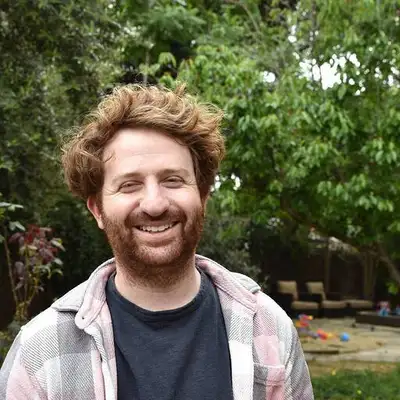
Zach:Hi. Zach Gobst here. I'm the host of the Leap Together Podcast where I speak with leaders in clinical trials advocacy to explore how medical breakthroughs come to life. Today, we're honored to have doctor John Mandeville on the call. Doctor John Mandeville is a leading oculoplastic surgeon at Ophthalmic Consultants of Boston where he specializes in cosmetic and reconstructive surgery around the eyes, decades of experience, delivering precision care.
Zach:Doctor. Mandeville has built a reputation for surgical excellence and deep patient trust. More recently, he stepped into the world of clinical research, bringing his commitment to innovation and outcomes into a new arena. In a short time, he's taken on multiple studies to show them what's possible when a high performing practice leans into research with intention and heart. Thrilled to have you here.
Zach:Thanks for joining us.
Dr. Mandeville:Thank you so much for inviting me, Zach.
Zach:So, yeah, I would first like to learn a little bit more about, you know, how how you got here, any inflection points that kind of drove you into, you know, I guess your your practice in general and then research.
Dr. Mandeville:Alright. So so I actually had assumed that, you know, I was in high school that I would be doing research. And then I kinda got off the path for a while. And then sort of like came home again sort of later in my career. So when I actually was in high school, I got my first summer job at the Armed Forces Institute of Pathology doing research on, cancer diagnosis.
Dr. Mandeville:And so that got me very excited and very interested in that. I did multiple, research projects in in college and in high school. I actually went on to do an MD PhD program at, Columbia University and got, my PhD in cell biology, doing research on on inflammation. And I was on this trajectory of doing sort of clinical clinical research. And at that point, my experience was really on the at the bench.
Dr. Mandeville:So I loved working in the laboratory and things like that, But sort of the experience, that I had doing my PhD was I worked with a lot of, postdoctoral fellows in their PhDs. And once you start looking at actually the mechanics of it, it's it's still a lot of stress. Like, you can get scooped on things. You're always worried about where your funding is gonna come from, especially relevant right now. And so, when I did my clinical clinical medicine, I really discovered I enjoyed treating patients.
Dr. Mandeville:And then when I did my fellowship, I got some private practice experience and and just discovered that I really loved the patient doctor relationship. So when I joined my first practice, which ended up being, you know, short of my last practice, I just got so swamped with taking care of patients, and we were so busy. My practice has 80 eye doctors in it, ophthalmologists and optometrists. So, it's just hard to keep up with the patient demands, the day to day demands. So research kind of fell off, you know, little bit by little bit.
Dr. Mandeville:And, so at at this point in my career, I kind of been looking for new things to to keep myself interested and excited, and you sort of see as you go along how certain diseases, in my case it was thyroid eye disease, you know, they don't have a lot of treatment options for these patients. And the surgeries aren't great surgeries. They can be effective, but they're sort of, you know, caveman kind of surgeries really. And, the development of some new drugs to treat thyroid disease, made it exciting in that in that field of research, so I decided to dip my toes in. So, this is sort of sort of coming back now to my my, original goal of doing research to sort of help develop new treatments for patients.
Zach:That's great. You know, your your early experience in research, you know, curious if there was like, is is it what you expected? Is it different than what you expected? You know, what's what's been the experience so far? It's been, what, a year year or so for you?
Dr. Mandeville:Yeah. It's it's pretty much the one year anniversary of my first patient getting enrolled in a study. So so I can tell you when so, yeah, it was it was definitely eye opening. So I think it's clinical research is very different from from bench research. So in terms of doing clinical trials, in a private practice setting, I had seen other doctors, successful in this area, recruiting patients, you know, being involved in a lot of studies.
Dr. Mandeville:In my practice in particular, we have a lot of retina research going on. So I was approached by a pharmaceutical company saying, hey. I've heard you did a great find. You have a lot of patients with this problem, and would you be interested? And in principle, I'm like, yeah.
Dr. Mandeville:Great. That sounds great. I can find patients. We can get them on these drugs. We can draw some blood and, you know, and and move on.
Dr. Mandeville:So that started this whole cascade of learning. So I went back and actually learned what all these different phase trials are. And, the regulatory work is very, intense. And, for for a lot of good reasons, it matured to really be about patient safety and efficacy and regulations and standardization. There's international rules and federal rules you have to abide by, so a lot of paperwork.
Dr. Mandeville:So getting started is not just the doctor saying, yeah, I want to do this. I got somebody who can help me do it. You know, a technician, you've got to have lawyers and, you know, administrators and regulatory people and clinical people and people that draw blood and people that, you know, do CAT scans and MRIs. And, yeah, it actually ends up being very, very complicated. But I do think that, coming from the private practice, we're sort of at an advantage, a little bit over some of the bigger institutions like universities and hospitals and even NIH, for doing trials in that we're sort of smaller, more nimble.
Dr. Mandeville:We don't have as much regulatory paperwork built into the system. So for example, university would have has something called an institutional review board It has to approve all studies and approve everything to move forward. And, and prior to actually being used sort of a standardized system that's more centralized, and it's it's, I think, a little a little faster to get started. So, yeah, it was a lot of work. So I think, I didn't appreciate the amount of time that would take to get up and running.
Dr. Mandeville:But now that we've, I think, got, from enrolling our first patient a year ago, we've had something like 20 something patients enrolled, and they're involved in my eighth or ninth clinical trial right now, in the last year. So we've got rapid, learning curve. So we're we're doing very well.
Zach:Yeah. From from first patient a year ago to eight or nine clinical trials now, and, you know, you you went through that the surprise regulatory paperwork, and you've kinda kept running with it.
Dr. Mandeville:To me, it's like, just spent all this time learning this stuff. I don't wanna waste it now.
Zach:Yeah.
Dr. Mandeville:Yeah. It does, I think, discourage some people. Yeah. But, but I think for those who are willing to stick with it, it can be very rewarding.
Zach:Yeah. Well, that that's great to hear. And, interested in, like, any, like, behavioral shifts or kind of like because, you know, for years and years, you just kind of run into practice. And I know there there's some, you know, complexities in that, but you kinda have a routine I'm I'm guessing down. And then, running clinical research, you know, it's beyond just the paperwork.
Zach:There are kind of structures. There is a way that you've kinda gotta walk in your mentality and interested in what that shift's been for you.
Dr. Mandeville:Yeah. That's a good question. So, yeah, I think, when you're doing clinical practice for twenty plus years, you sort of have it's true. You have your routine. You know how many patients you see per day and the types of patients and how long things take.
Dr. Mandeville:And, so, you know, integrating research into that, people do it different ways, I think. So the way we do it is we work the patients into our clinics. So research patients are really treated like VIPs. So when you have a research patient come in, like, move to the front of the line, it's all about, you know, you know, taking care of them, making them happy, make sure make sure we do everything by the book. So you have to be able to sort of multitask, go back and forth.
Dr. Mandeville:So, we find that it's you really have, one person sort of dedicated to take care of that patient. It's really their concierge that sort of escorts them through the process. So you have a separate area in the clinic where the research patients go, and the coordinator does paperwork and preliminary tests for the patient. And then when they're ready for a certain stage, the principal investigator, the PI, which would be me in my my case, would go over and do certain parts of the exam or certain, tests and then wait for the patient to be ready for the next part. And while that's happening, somebody's checking their EKG or checking the blood, and then I'll come back for the second part.
Dr. Mandeville:So, yeah, so it's a it's a, again, a learning curve there, because you don't want your regular clinic to be jammed up. The other way to do it is to have specific time slots just for for research. But there's a lot of back and forth, so it's not super efficient to to do that, at least in my world.
Zach:Yeah. I imagine, you know, as time goes on, it's that was you you just had your first year. You're figuring out how to flow with that prioritization. I'm sure there's a learning curve.
Dr. Mandeville:Very much. Yeah.
Zach:Yeah. Any anything that, kinda stood out to you that that was quite different than what you were expecting in that work regards?
Dr. Mandeville:Yeah. I'm I tend to be a hands on kind of person. I like to be very involved in in my patient, patient's care and, in communications and things. I just realized you can't I couldn't do everything. So I heavily rely on my study coordinators.
Dr. Mandeville:So it's very important to have, you know, good staff, to keep me on track. They're like I think with the research projects, get, like, thirty, forty emails a day just, about various things. Some of them I need to act on, some of them I don't, some of them are FYI. So my coordinator really just sort of comes in every few hours, like, sign this. Don't sign that.
Dr. Mandeville:Read this. Check up on that. Yes. So, yeah, I sort of know my place in the hierarchy a little better now. But, yeah, I I heavily rely on these, on these folks to to keep me on path.
Zach:Yeah. Yeah. That's that's great. Kind of a cool thing because it's it's it's a little bit of creating a unique kind of team dynamic. You know?
Zach:I I think
Dr. Mandeville:Very much.
Zach:If I were to reflect on my kind of, you know, scaling my company, you know, how it was early on where I, you know, was pretty hands on with most things that came our way to kind of how things have had to shift over the years. Yes. You know, when you were talking about, like, having people kind of read things and tell me what to pay attention to, you know, that that shift can be, in in some ways great because you're able kinda scale impact. You're able to do really interesting things. You're going beyond where you could have done before.
Zach:But, yeah, I think, but there's also, like, oh, like, the, you know, the way that I wanna do things or the way that, you know, the information form used to, that that shifts. And so you kinda have to yeah.
Dr. Mandeville:Right. And then you have to be able to swallow that, you know, you don't get to make all the decisions either. There's so many things that are sort of, you know, you have to write a date in a certain way. You have to initial, like, four times on one page. I'm like, well, why can't we just initial one time on at the bottom of the page?
Dr. Mandeville:They're like, no. The rules are, you know, you gotta be a real rule follower to be successful here. Yeah. So yeah. So and things have to be done in certain sequences, and, you know, they may not be the most efficient way, which, you know, if I were running the zoo, I would do certain some things a little more efficiently, but
Zach:Yeah.
Dr. Mandeville:You have to go with the flow.
Zach:Yeah. That's a bit of a shift that's different for me because, like, you're also working, yeah, whoever's collecting this is is working with a number of other sites, and has experience, you know, with different, you know, things that went well and didn't go well. And so all of a sudden you go from, like, leading a practice and, like, oh, yeah. This is logical to me. This is how we'll do it.
Zach:To, like, I don't understand that logic, but I've gotta kinda figure out how to kinda get on with this stuff. So
Dr. Mandeville:Yeah. That's another well, that's another layer of complexity too. It's just that I I was unaware of the number of entities I'd be interacting with. You know, you think, oh, well, there's the there's the pharmaceutical companies who are running the trial. There's the CRO, which is the the group that sort of, is in charge of the, mechanics of the trial and keeping everything, you know, regulated.
Dr. Mandeville:And there's all the affiliates, you know, people who pay for the transportation and people who find the patients, you know, like LeapCure. And people who, you know, coordinate the MRIs and do the studies and, you know, do the laboratories. It's like, oh my god. It's like, my inbox didn't get filled up so quickly. My, Rolodex, you know, couldn't get filled up so quickly.
Zach:Yeah. Yeah. And, you know, folks like we've been nagging you to join our podcast. You know? Like, it's the
Dr. Mandeville:That was fun.
Zach:Yeah. Great grateful that you kinda have the flexibility to do that because I think, like, you know, it it does kinda speak to your drive to research that you're kind of immersing yourself in these things. You come up the learning curve and you and you kinda push further, which is which is awesome. You know, actually going back to kind of the first question you when you spoke about kind of, having an interest in research from a young age, interested in kind of, like, what shaped your perspective to be interested in research. You know, curious where that might have come
Dr. Mandeville:from. Yeah. So I guess, I grew up in a family where I was just sort of, assumed that I would be a doctor. Like, there were no doctors in my family, we were not, you know, a a medical family. But, my grandfather had had his PhD and worked at the National Institute of National Institutes of Health, and I grew up in the Maryland area.
Dr. Mandeville:So I was sort of, like, had that kinda always in the in the background that, that sounded interesting. And then I was very into science fiction and things as a as a kid, and I just sort of assumed, you know, from Star Trek, it's like, oh, you've got a disease. Let's make a vaccine. We'll have it tomorrow. You know?
Dr. Mandeville:So I thought, you know, that was exciting. And I think a lot of it too was just sort of, you know, randomness. Like, what you ended up getting is like, my first job ended up being in, like, cancer research. If I had two job possibilities, one was with the corps of engineers working on bridges. You know, I could have been a civil engineer if I just, you know, picked this at that other job.
Dr. Mandeville:Who knows? So so yeah. And I always I always knew that I liked helping people. And, you know, to me, research is sort of the ultimate like, you can reach more people. Yeah.
Dr. Mandeville:By if I participate in developing this new treatment for this disease, I'm not just helping, like, you know, 20 people with that disease in my clinic. I'm, you know, contributing to to the care for for everyone in the country or the world, you know, eventually. So I think the the impact, you know, can be very great. And that's something I also learned just during my during my PhD. I was for, you know, four years, I was the world expert in neutrophil motility through three-dimensional matrices.
Dr. Mandeville:You know, it's just it's a great feeling to or it's just you know, it makes you feel good to know that you are the expert in this one field, and nobody knows more than I do for this amount of time in this in this very small little field. And then you don't know how that's gonna develop into, you know, treatment or or science down the road.
Zach:Yeah.
Dr. Mandeville:So, yeah, I've always I've always loved it. And, when you get something to work in research, when something actually does click, I think it's kinda like that same part of your brain that's like, the reward center with, like, gambling or, you know, slot machines kind of is kinda what they feel like. Like, I had some, initial projects that did not pan out. You know? Like, we got scooped on one thing when he published a paper that we were gonna publish a few months ahead of us, and it's kinda like you hadn't done any work for the last year.
Dr. Mandeville:So there's that, you know, depression when you don't when it doesn't work out, but when it does work, you kinda get this high from it. You know? It's like, oh, wow. That's great.
Zach:Yeah. Yeah. I I think that's what's the that's just kinda come across as like, you kind of have these kind of, like, experiences that are kind of shaping, and it seems like you're kind of reflecting. I'm like, oh, I, I like how it can make an impact here. And you're kind of, you're moving the direction based on the experiences more of like, Hey, this is the master plan and done with it.
Zach:There's an interest in research to come back to, but actually diving into it is, is kind of where you're figuring out, you know, how to how to work with it well. You know, I like that a lot. You know, anything you know, so so after eight or nine projects, you know, any any kind of trends that you're noticing as you become more proficient? You know, I I imagine some things are more familiar and getting easier, but, you know, anything else stand out to you?
Dr. Mandeville:Yeah. So just in, the space that I'm working right now, which is thyroid eye disease, you know, about five years ago, were there were no medical treatments for it, like only surgical treatments really, and no FDA approved treatments, I should say. And now I can see sort of how treatments get developed and that, like, if somebody comes up with something, with a treatment that works and it's successful, you can see how that generates a lot of interest of others to to jump into that field. And, I used to feel like I had so many patients with this disease, and now that I'm actually looking for them and trying to get them you know, discuss these clinical trials and things, it's it's, you know, in my mind, it's like, my god. Why wouldn't you wanna do this trial?
Dr. Mandeville:And not everybody wants to do a trial. It's not right for for for every patient. And and so you see a lot of these companies are starting to compete even within the same company. Know? You they may be running three different trials, being at three different aspects, but they all want the same patients.
Dr. Mandeville:And you can't you can only use it either for one one trial. Sometimes having the patient go through the trial, they cannot do any more trials, in that disease. So, I can sort of see, like, in a in a disease that really causes a high blood pressure or something like that, or glaucoma or macular degeneration, there's lots of patients, so there's lots of opportunity. But in these diseases that are a little more rare, you know, from the patient perspective, like, you're a very valuable resource. You know, we're looking for a treatment for these for these patients, but in order to find a treatment, we have to find the patients with that disease who are willing to participate.
Dr. Mandeville:So it's a there's a whole, like, psychological, socioeconomic, you know you know, learning, you know, curve, you know, to to recruit these patients. And, you know, I'm kind of a soft sell with surgeries and with clinical trials too. It's like I I I'm not I don't have that sort of old school paternalistic personality trait, I guess, that, that some people do. It's like I just like to give the patient all the information. Here's all the information.
Dr. Mandeville:Here's the pluses. Here's the minuses. And then I let people think about it and have them come back. You know, sometimes, you know, patients are are anxious. And especially I feel like since COVID, like, everybody's anxious about everything.
Dr. Mandeville:So I think that's that's another challenge. But in terms of trends, think, I'm sort of learning, you know, which patients may or may not be interested in, you know, participating in trials, sort of learning, you know, which patients are the, know, the really valuable ones that all the companies are looking for or all the, you know, researchers are looking for. I think that's the the main thing that I've learned.
Zach:Yeah. That's the behavioral side.
Dr. Mandeville:The behavioral side. Yeah.
Zach:That's that that was kind of the reason why, you know, I started Leapcure was, was a was that observation exactly when I when my role right before this was helping kind of find patients. Actually, just it was primarily for, like, phlebotomy, but they're doing early stage research. Why someone would even do that, you were there were all these kind of motivational factors. As I've worked more and more in clinical trials, what what I've been learning on that side is is like that behavioral understanding will continue to evolve. And so, yeah, from where you started to where you are, it's it's awesome that you're seeing that in in your way.
Zach:And you're also seeing that dynamic of like, Oh, all those other companies are like, there's a number of companies looking for this patient and now you kind of have to figure out not only is this patient gonna be a fit for a study, but how do I kind of give them the information to make, you know, a choice or, or put them in the right study depending on how, you know, the circumstances are. And, yeah, I've, I think like where my, you didn't ask this, but I'll share, where my behavioral understanding is kind of shifted is, you know, at least for week, it would play a role in helping advocate for patients. There's kind of like their starting point, how they're thinking about their condition. And, and oftentimes, you know, in the case of thyroid eye disease, you know, the path that they thought they'd have in life and their lifestyle feel feels like it's taken away from them and they're there there's a lot of grief involved in in that starting point. And Yes.
Zach:Helping them understand, hey. This is where you are. These are all the things around you. This is how you can kind of communicate with people around you about how to how to navigate this. And here's all the information.
Zach:There there's actually kind of, like, an art and a science to helping kind of advocate and educate the the patient. And it's at that stage where they can make a better decision around whether a clinical trial is a fit for them or not. Similar to you, like, big believer in soft sell and and helping people kind of make the best decision for themselves. And that's a, there's kind of a way to help them get there. And that's where we're kind of trying to get better and better.
Zach:At first we thought, you know, finding patients for clinical trials was a bit more formulaic. Hey, this many people have a condition. This is how we get in front of them. This is it. And then like send them over, they'll enroll right away.
Zach:And that's, that's really not the case. It's a lot more of kind of dealing with like, Oh, who should, you know, who should we be getting in front of? How should we speak with them? How do we help them get to the best outcome we can get them to? So
Dr. Mandeville:Right. I think, yeah, speaking to the what you brought about patient motivations or, you know, I think we all have different motivations. Right? The pharmaceutical probably has a motivation. You know?
Dr. Mandeville:I have a motivation. Patient has a motivation. Yeah. So so trying to figure out what that is for the patient, I think, you know, is something, know, I'm getting better at. Like, for me, for example, when I when I did clinical trials as a on the other side, so when I was in medical school, yeah, you're starving medical school and you have tons of debt.
Dr. Mandeville:To me, like, food was important. And there was a clinical trial that all the guys were, like, signing up for because, you know, you got free food for three months on this trial. And, yeah, you had take this experimental drug, but for me, that was like, okay. That's a small risk, but I get free food for, like, three months. And, so that was, you know, a big motivation for me.
Dr. Mandeville:Plus I get to, you know, help develop a new cholesterol pill or or whatever. I get to, you know, participate in that. So yeah. So just defend you know, defining, you know, what's important to the patients. So sometimes, you know, for example, money is an issue and, you know, they are afraid that, you know, they can't get on a certain drug because of insurance costs or whatever, and they see this as the way of getting, you know, something better where they, you know, know somebody who did a trial and they wanna support that.
Dr. Mandeville:Yeah.
Zach:Yeah. It's that's the reality of it is like, there's there's kind of like the impact versus the risk. And I know this is an area where you you not only want to kind of soft sell, but you also wanna make sure, like, ethically, we're not doing something that's kind of, But, you know, I I think the reality is, like, there are clinical trials where, you know, that's gonna offer a better path of care, better supervision, you know, better chance of getting to a better outcome. That's that's usually the gold standard. But then, yeah, like, covered in transportation, these other things do matter.
Zach:And
Dr. Mandeville:I do.
Zach:And so, yeah, it's all all those things kind of add up, and, you know, it it's what leads to you getting as many emails as you get. Know?
Dr. Mandeville:One of it too is sort of, like, not only talking not quote, quote, talking patients into research, but also talking people out of things. I do that in surgery a lot. Some people come in like, I wanna eye lift surgery. I'm like, no. You should not do that because of reason a, b, and c, you know, and, you know, you're not a good candidate for that procedure.
Dr. Mandeville:Same thing with the trials. I have patients who come in like, I'm here because I wanna do this trial. Well, there's a whole list of, you know, exclusion and exclusion criteria that they have to pass. And some people, you just you know, if they're not reliable, if they can't, you know, consistently come. Yes.
Dr. Mandeville:Yeah. Sometimes you have to talk people out of out of things as well. It's, like, the flip side.
Zach:That's fascinating. I I think that's where Leap Cures rolls a little bit more hands off than probably you as the authority. I'm like, hey, I know what this patient journey will be, and I know what I'm hearing from you and your your your perspective on these things might not have a level of depth that I can kind of bring the conversation. You know, when, when you're kind of dealing with, you know, patients that kind of have an idea for, for the path that they want. Yeah.
Zach:How, how do you kind of have that conversation to kind of, yeah, maybe talk? And it's not necessarily talking to people out of it, but like, yeah, you were educated this way. I have a different perspective. You know? How do you go about that?
Dr. Mandeville:Oh, I mean, you gotta sort of take the whole patient into so a lot of times you have to figure out why they feel a certain way. Like, for example, I have a a patient I'm thinking of who, you know, they knew somebody who knew somebody who had a problem with a research trial. And, it was a very different situation, didn't really apply them. It's sort of like but once that comes out, you can sort of address that, like, well, this is how your situation's different. And the the flip side is, you know, I have a a patient who just I'm thinking of that just wants to be on a trial, like different kinds of trials.
Dr. Mandeville:She's done like five or six trials in, like, different diseases and different things, And you can sort of this is almost like a hobby or a side thing for her. And you've got to sort of address, you know, why that's a good a good or bad thing, you know, about, you know, getting into the trial or their expectations may be unrealistic. I think this drug's gonna cure my whatever. I'll be able to see better and, you know, my kids will love me again or, you know, whatever whatever it is. You know, you gotta, like, be realistic about, you know, what their expectations are.
Dr. Mandeville:So I think it's very individual, and you don't really know until you actually meet the patient a few times. So some of these patients, they come in, and sometimes if they're referred from far away, they'll come in and I'll meet them once, and then we do a screening visit. If you don't have enough chair time or enough just general conversation time with the patient, you may not be picking up on those clues. Again, I have one example where somebody we he seemed pretty normal, and then halfway through the study, we found out they had a mental health issue that, you know, if we'd known about it, we never would have know, enrolled them. So some of these things just come out just by by talking with them.
Zach:Yeah. That makes sense. Yeah. In our our business, I I think I alluded to it lately. We used to find patients and then, like, almost immediately send them over to sites.
Zach:And, I I think, like, what helped our business become not just kind of more successful, but also more fulfilling was like, wait. Let's get to know who we're talking to. Why do we want you know, why? Well, first, like, you know, Leap is not a household name. Why are they giving all this personal information to Leacure to explore a clinical trial?
Zach:Like, there's something going on here. And, you know, how do we how do we kinda sit with that and then figure out what what we should do next? And so yeah. The failure that we would see, you know, you you mentioned, like, oh, someone might have had a mental health issue in the middle of study is we the number of emails you get would go up, and, it wouldn't be very useful. And, you know, people were, you know, less enthused about going from one study to, you know, eight or nine if they had to get cope through patients that weren't gonna be a fit.
Zach:So
Dr. Mandeville:That's I really appreciate by organizations like Leapcure. Like, again, at the beginning, I thought, oh, well, you just have to have this pool of patients you can just send us. But, you know, I I I now that I know the process and how many patients get screened to find, you know you know, realistic, you know, candidates, it's it's pretty incredible, like, how how many touch points there are, you know, along the way.
Zach:Yeah. We have a case study where we showed we had, like, 25, 30 touch points before a patient enrolled. And
Dr. Mandeville:Which in my mind, they just they clicked on a website, and now they're enrolled.
Zach:Big focus. Yeah. Yeah. So that way Yeah. You just have these patients with the condition in a registry, and you just send them over there on and it's Right.
Zach:And it looks like you you can take that approach, but, like, you have actually have to kind of speak with these patients along the way. But, it's great to see kind of on your end, there's kind of a parallel understanding of, oh, there's some fast fascinating stuff going on behaviorally, and there's a way that I can show up that leads to, you know, better research and better outcomes at the individual level. So, you know, one one thing we spoke about bef before we did this is kind of, kind of giving a glimpse to kind of, you know, if there's a physician on the fence of getting involved in research. I think you spoke to kind of your experience well, but, yeah, I think the last thing I'm, you know, curious if if there's anything that you'd like to kind of share, you know, to people that are considering trying research for the first time, you know, what what
Dr. Mandeville:Yeah. Yeah. So I think, my practice, you know, being a a big practice, we sort of have a sort of a culture of, like, teaching, education, you know, research in my in my practice, and that really helped because I felt like I had people I could, you know, rely on to to guide me and sort of help me along the way. And so that helped a lot. So I think if I were in a different place, sort of on my own being the first one to to hire or fire, it it would be difficult, but I I know, people who that I work with who are in that situation, they're in private practice.
Dr. Mandeville:And, then you can find resources or the resources available to you to help you with the research support, the, you know, regulatory support, those kind of things. So there are groups that are designed to to do this. And I think the other thing to to realize is sort of overhead in terms of, you know, how much it's going to cost you. So in my practice of 75 providers or so, we have about eight or 10 of us doing research. Most of them are not profitable, or you know losing losing money on it.
Dr. Mandeville:And so there's this also this, need to have this infrastructure, so you have to have all these people you're hiring. And then clinical trials can come and go, and depending on how hard it is to recruit for them, you your cash flow can can go up and down. So a lot of them, you know, do live in the the negative zone, so you have to be still motivated enough to do these things that you're willing to accept that. And I think that's another thing that, you know, I sort of was unaware of. So I think that I think the main thing is knowing that you have a support network, you have a referral network that will support you.
Dr. Mandeville:You have access to to patients who have problems in the area that you're trying to get involved in. Like, for example, I as an ophthalmologist, I wouldn't be looking for patients with, I don't know, hearing problems. So, you know, I did the right referral base. And then just having connections in the research world, either be in the pharmaceutical side or the CRO, clinical research organization side, that are willing to get you going. So I I depended heavily on these folks know, spending extra time with me at the beginning to help me get set up.
Dr. Mandeville:And if they hadn't been willing to put the time in there, I probably wouldn't have been successful. So, yeah, it takes a village for sure for these things.
Zach:Yeah. That's, yeah. And thanks for sharing that. It's a it's a shame that the the kind of cash flow profitability challenge comes up and that it takes so much kinda capacity and resourcing and support. You know?
Zach:But, you know, I think, you know, you've you've come out the other end curious. Does it get better? How quickly does it get better? Is that
Dr. Mandeville:It does. It does. Yeah. I think, I think to pick, depending on, you know, the commit level, I think. You know?
Dr. Mandeville:If you really wanna make it work, I think you can really make it work. But there are gonna be sacrifices, you know, on the time and either from your clinical practice or from your, you know, administrative life or your your personal life. You do have to put some initial, you know, effort into getting it going. But once it gets going, it's it's definitely gets easier each time.
Zach:Yeah. Would you say, like, if it if it's something that's kind of purpose driven for you, it's something that you kind of really wanna persevere through. That's that's what kind of is the signal to kind of pursue it?
Dr. Mandeville:Yeah. I mean, for me, like, seeing the first couple of patients who responded well to the the drug, and they were really happy with it, I'm like, wow. You know, this is great. You know, I can actually now I can tell the next patient that, well, I've seen, you know, this kind of a result. So I think there's the reward that that for me, that's the feedback of the patient.
Dr. Mandeville:It's just the knowing that I'm helping out with things, you know, pushing something forward. You you get sort of this cache or, you know, sort of you get a reputation for like, okay. Well, some of my referring pay my referring providers say, oh, look. I've got a patient with this disease. I know he's doing research on that.
Dr. Mandeville:You know, maybe he could help my patient. So they you you sort of get this referral and this reputation for being someone who's sort of on the cutting edge and, you know, can possibly help these these patients. And then, you know, eventually, least the publications and, you know, there's sort of that kind of world if you're into that. So I think it's all it's a it's a win win for for me.
Zach:Yeah. It sounds like a lot of, you know, meaningful doors open for for you in those Yeah. I think that's
Dr. Mandeville:the And new connections. You know?
Zach:Yeah.
Dr. Mandeville:And for me, at least in my career, you know, stage of my career, it's like it's it's it's good to learn things to keep you, you know, active. So this is like a whole new world. And I think the farther we get down the clinical path where a lot of those physicians is all all you see is doors closing. So when I started out, I was like, I could do anything. You know?
Dr. Mandeville:And now it's like, I can do anything in the world of ophthalmology. And it's like, okay. Now I can do anything in the world of oculoplastics, and now I can do anything on a Tuesday. You know? It's just, you know, you sort of get funneled down into this this grind.
Dr. Mandeville:And so now it's like, oh, now I have this this new thing I can learn. I can go to meetings. I can you know, it's this whole new it's like a whole new, upgrade.
Zach:Yeah. Which I imagine is is also important because, you know, treatment and, you know, re research does still move forward. And so what you're accustomed to in your practice, you would have to anticipate shifts over time to kinda get more ahead of that, I think, is important too. So, well, yeah, anything else that you wanna share before before we jump?
Dr. Mandeville:No. I think that's fine. That's great. Awesome. Well Appreciate the time.
Zach:Yeah. Likewise. Thanks thanks for being on the show. And, yeah, we'll we'll have to stay in touch, maybe reconnect in a year or so. And, you know, we were talking before the show started.
Zach:I just made my first home purchase. We can compare, my foray probably from a better perspective. I I'm just a few months in to to how you're
Dr. Mandeville:Yeah. Just like, like learning me learning about all the different, organizations you're gonna have to interact with. Now you're gonna have to learn about plumbers and
Zach:Oh, yeah.
Dr. Mandeville:You know, con roofers and Yeah. Exactly. All kinds of things. Yeah.
Zach:Thanks, doctor Mandeville.
Dr. Mandeville:Great. Nice to see you there.
Leapcure:That wraps up our conversation with doctor John Mandeville. His perspective as a longtime clinician stepping into clinical research is a powerful reminder that strong trials are built on rigor, teamwork, and deep respect for the patient experience. We're grateful for the practical insights he shared from building the right support network to integrating research into a busy practice with care and attention. Thanks for listening. And until next time, stay informed, stay engaged, and keep pushing for better health outcomes for all.