Subscribe
Share
Share
Embed
Inside America’s IPO Machine
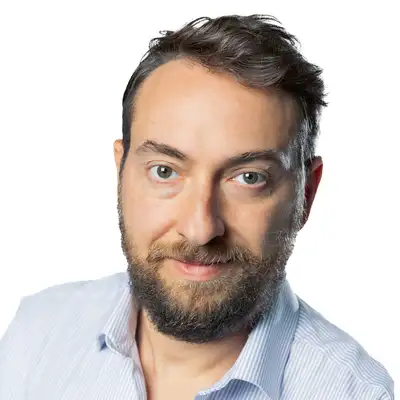
The Pop is a podcast examining the science and hidden machinery of how companies go public and how markets actually work in the United States. Hosted by Robert Leshner, a founder and operator building infrastructure for modern capital markets, the show breaks down IPOs and listings from the S-1 to the first trade – exploring how incentives are structured, where the system breaks down, and who it ultimately serves. Through high-signal, story-first conversations with founders, executives, investors, lawyers, and regulators, The Pop looks at the good, the bad, and the ugly of going public, and what the next era of capital formation could look like.
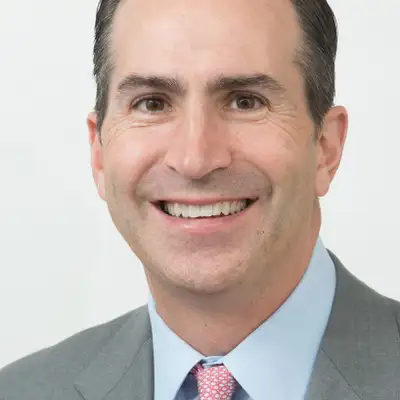
Welcome to episode one of the Pop Podcast. We are exploring America's IPO machine, trying to learn everything we can about how IPOs work from beginning to end, the players, the stories, the, you know, the knowledge that most people don't have yet, and trying to learn something new by going really deep on very important topic that forms the foundation of capital markets. I'm joined today with our first guest, Joe Gawronski, the CEO of Rosenblatt Securities. Joe, who is Rosenblatt Securities? What do you do?
Joe Gawronski:As you said I'm the CEO of Rosenblatt. So I've been with the firm twenty three years. When I joined the firm, it was a trading firm. That's all we did. We traded on the NYSE floor and also had an upstairs trading desk but it was restricted to trading.
Joe Gawronski:No proprietary trading on our own account, just on behalf of institutional customers. Over time, we've built out a research capital markets and investment banking business on top of that and I've had to sort of learn what an IPO is along the way too. Do have a background as a lawyer, I did get involved when I worked at Sullivan and Cromwell on IPOs, so I knew it from a legal perspective. But over time at Rosenblatt, as we've gotten involved in these offerings, I've had to really understand how they work and how an issuer or a company that's going public works with bankers.
Robert Leshner:Prior to a company hiring investment banks, prior to them, you know, actually going through the process of going public, you know, they decide to go public. Right. You know? Why do you think most companies go public in the first place?
Joe Gawronski:There's a couple of questions. Whether to go public and then how to go public. Because I think today there are more options maybe than there were in the past. We've all heard about the SPAC market. That was very vibrant in 2005.
Joe Gawronski:I was actually looking at figures just the other day, and I think there were more at least if you measure larger transactions, which by the definition I saw was 40,000,000 raised or above, there were more SPACs than there were IPOs. It was about 60%. It's a different type of IPO, by the way. It is an IPO.
Robert Leshner:Right. A company starts trading for the first time through a different mechanism.
Joe Gawronski:Right? Correct. So but more was raised in the traditional IPO process. But I guess the question before you get to the how, it's whether and why. Why why does someone go public?
Joe Gawronski:As we've seen companies, especially giant companies today, SpaceX or, you know, OpenAI, these companies can raise billions and billions of capital without going public. So the private market is very vibrant and that's the private equity folks, VC at first, then private equity, even some family offices, strategic investors. So originally, I think everyone thinks of IPO as access to capital, which it certainly is. But it's there are other mechanisms for raising capital and I think people or companies have availed themselves of that sort of more than historically in a way in The US markets. So that's access to capital is one reason.
Joe Gawronski:Another thing that people might say is a currency. Meaning, if I have stock, I can not only acquire another company by using cash, but I could use my own stock because private stock is hard to value. It's not liquid. If I have public company stock, I can use that. So those are two of the, I would say, primary reasons, access to capital, having a currency.
Joe Gawronski:There are other reasons. There's prestige. It it is something that can raise the profile of a company to be to be public. So there are a number of reasons. I do think that sometimes people get a little carried away with reason number three and think, oh, it would be great to go public.
Joe Gawronski:What we have to think about is, and I'm sure we'll get into, what it takes to go public. And there's a lot of work, there's a lot of distraction for management, and also there's no guarantee of success. You can go public and then be what I would call a zombie company where the company is not really growing. It doesn't have an easy access to raising more capital. It might have been better off staying private.
Joe Gawronski:So it's a you know, the whether to go public is a really tough question.
Robert Leshner:Yeah. I mean, the public markets, you know, it's kind of like a one way for the most part. I mean, companies get taken private after
Joe Gawronski:they Sometimes. Come But they many of them languish.
Robert Leshner:Right. It it actually closes a lot of doors once you're public
Joe Gawronski:I think that's right.
Robert Leshner:Avenues of financing.
Joe Gawronski:That's right. I think some of the financings that you see for some of these smaller public companies when they're public is not very attractive financing. They have to give out additional warrants as part of it. They take steep discounts. They might have in some instances been better off staying private.
Joe Gawronski:That decision is really important And the time and effort to go public you know, so forget about the aftermath. I mean, that's you know, you got to think about that. Do I have the growth profile? Will I be big enough in terms of capitalization? Will there be enough liquidity to make it make sense for me to be a public company?
Joe Gawronski:Because if I'm growing slowly and I don't need more access to capital, what's what's really the point? So I think that's an important consideration. And then, you know, as you think about there's direct fees to go public that you're going to pay your underwriters. There are big legal fees. The the lawyers are primarily going to help you write a prospectus.
Joe Gawronski:This offering document, that's expensive. Accounting, you I'm sure a company's already gonna have an accountant, but do they have a PCAOB company that has given them an audit? That's a requirement to be a public company.
Robert Leshner:Right. So years of audited financials?
Joe Gawronski:Yeah. You need two years of audited financials. So that's that's a really big commitment. It's a distraction of management time. Also, it's a think about as a we're a private company.
Joe Gawronski:I don't put out my financial information for everyone to see, all my competitors to see. So when you're public, your financials, your information, your discussion that you have on your earnings calls, anyone can listen to it. So your competitors hear it too. Now there is a mechanism called the confidential filing that was put in place back, I think it was 2012 in the JOBS Act, that provides a mechanism that at least allows you as you're considering going public and going down that road, maybe you change your mind later that you can file confidentially at first. So your financials and your company information isn't available for everyone, particularly your competitors to see right out of the gate.
Joe Gawronski:But that's that's an improvement and I think was a nice addition for people to who are afraid of going public because of the release of that information early, especially if they might change their minds later. But still, at the end of the day, if you go public, you're gonna have a lot of information out there for everyone to see.
Robert Leshner:Yep. I assume it was just an oversight, but I feel like one of the other reasons that companies go public, especially because they're staying private for longer, is just, you know, the ability to realize liquidity or an exit for
Joe Gawronski:Oh, sure. Sorry. That's that's fantastic point. Yeah. For for the PEs and venture funds, right, I I'd say the typical private equity firm people would say, oh, well, they're gonna be hold a portfolio company for four to seven years.
Joe Gawronski:So at some point, they need to get that liquidity so they can do the next fund. So certainly. And whether it's the private equity funds, etcetera, or it could be a company that maybe was mainly self funded. Still, the founders, employees may want liquidity.
Robert Leshner:The reason I bring that up is, you know, it sort of goes to the question of who's deciding to take a company public. Right? It's, I guess, a conversation between the management, the investors, you know, the board. But at a certain point, they make that decision that they wanna go public for all the reasons that you stated. So then let's break down what the process looks like once they've made that decision.
Robert Leshner:Right? They might be right or wrong. Right? But they've made the they've made the call or they want to go public. Right?
Robert Leshner:Not all of them will even after they've made the decision to try.
Joe Gawronski:Yep. The market may not be that receptive to that sector or that particular company. They may not tell a good enough story about their growth profile.
Robert Leshner:Yep. Yep. So what's what's the process look like once they've made the decision? Right? What's the first step?
Robert Leshner:Is it hiring, you know, a lead left investment bank? Is it, you know
Joe Gawronski:I think, you know, I think there may be conversations like that. I don't think that hiring piece has to happen first. I think first, as you're making that decision, you have to get your corporate structure in the right place. That's that's things like well, at first, it could literally mean corporate structure. You know, are you set up as a c corp?
Joe Gawronski:Most are. But, you know, is there anything? Do you have two classes of stock? And is that something that's going to fly or not fly? So I think cleaning up those types of things, the capital structure, etcetera, audited financials, which we talked about, making sure they're ready, making sure they are by an auditing firm that is PCA OB certified.
Joe Gawronski:You would also have to hire the lawyers. Right? So as you start to think about this tax consequences, things like that. And then I think you start to think about bankers and lawyers to write a prospectus and tell a story. The banker is going to be integral in that.
Joe Gawronski:And the banker is also going to be integral in determining whether your valuation expectations are realistic or they're not realistic, right? So now again, you have to be careful there because bankers may say one thing you're thinking about going public and they may say another thing the day that you're going public. Right? They they want to get the mandate. They want to represent
Robert Leshner:They want to win the deal.
Joe Gawronski:They want to win the deal. So there's a, incentive to be aggressive relative to let's say the banker next door. So but hiring a banker is is a is a you know, particularly as you said, the lead the lead left or the lead under sometimes there's multiple lead underwriters, one one to three, but there's always don't wanna say always. Sometimes there's a division of labor where one person, and we'll get into these terms later, might be in charge of the roadshow. Another might be allocating the stock.
Joe Gawronski:Another might we call booking and billing the physical physically allocating to the accounts. There's different elements. But but typically, there's one sort of lead horse, and you're going to you may have a long term relationship with one of those banks and have it may be a natural selection for you or it may be some type of bake off process with a number of banks. But then typically, would round out the underwriting group or syndicate with other banks. I would say most often that's when a firm like ours comes in who's not going to be competing for that lead left position, but might come in later in the process.
Robert Leshner:So does a company have, you know, a bake off to pick each, you know, service that's being offered by the banks in general? You mentioned that, like, one bank might be doing the allocation.
Joe Gawronski:Not really. I would think it would you know, more more in general Yeah. As, you know, who's who's going to do it. But they may just a little bit divide and conquer, and I I don't quite wanna say it this way, but give every you know, if they're selecting multiple leads, give everyone a little role. Give everyone a little, you know, involvement.
Joe Gawronski:Right. But generally, one, you kind of have to have one person in charge. Right? At the end of the day, there has to be a day chosen when you're going public, who's getting the shares, etcetera, and we'll get into this later. I think it's very important for CFOs and CEOs to stay involved in that process and not just outsource it all to the bank and say, oh, the bank knows how to do this.
Joe Gawronski:They've done it a million times. That is true, but they may have some incentives that are not the same as yours. Right. So let's try to identify all the different, you know, participants in this process. You know?
Robert Leshner:So Sure. We've locked down the banks. Yep. You know, the company has different service providers, you know, associated with it. We have law firms.
Robert Leshner:We have auditing firms. You know, we have a transfer agent to record who owns Sure. The shares. We have the SEC that's gonna review the prospectus. We have the exchange that they're gonna listen
Joe Gawronski:exchange. Sure.
Robert Leshner:You know, we have, you know, other broker dealers that are gonna participate in, you know, the going public process. We have the prospective investors who are going to be investing in this. We have all these different participants.
Joe Gawronski:Mhmm.
Robert Leshner:You know, when do they each come into the picture? You know, once the company has decided to go public, it's prepped itself, it's gotten its house in order, and it started hiring banks. Like, what what comes next?
Joe Gawronski:Yeah. So then I think, you you know, you hit the the regulator, the SEC. Documents are gonna have to be filed. So I I would say once the banks are selected and the and the lawyers are involved, a prospectus is being written, and it's going to be filed with the SEC. At some point around then, maybe a little later, excuse me, you're going to also have thought about what exchange you want to be on.
Joe Gawronski:And so you will have a conversation with the exchange at some point. The old we used to call them specialists. They're now called designated market makers, DMMs on on the New York. If you're going public via New York, you may you'll have a conversation with them. And you also will have an approval process by the listing exchange as well.
Joe Gawronski:You have to meet their standards. But generally, the information that you're providing to the SEC is the same information you'll be providing to the NYSE or NASDAQ, and but they will have to approve everything before you go public as well. And I guess at some point, once typically, I would say once you maybe confidentially file, could even generally, when you confidentially file, you may do a process called testing the waters where you are allowed to talk to qualified institutional buyers, accredited investors to talk to them about the story, see how it plays, start to start to see if your expectation and the banker's expectation about valuation makes sense because maybe you pull out. We don't think it's going to play well in the marketplace or we need to refine the story. But typically after you maybe have done your initial filing, you have to wait at least, I think thirty days the SEC has to review that initial filing.
Joe Gawronski:You go through this process of talking to some investors that will be able to give you some feedback, and it's an early look. And you need continue you're going to get comments back from the SEC. You're going to refile, go back and forth. And then at some point when you're close to that final document, will actually have a roadshow and then that will you will more broadly meet with institutional investors. You'll have a it's actually interesting, especially since COVID.
Joe Gawronski:I mean, technology was changing it before, but pre COVID there were still mostly live meetings.
Robert Leshner:Yep.
Joe Gawronski:Now you may see You almost certainly see a New York day where management and maybe even two days in New York where management meets with investors here, maybe Boston, but now so much of it is done remotely. There's a net, they call it a net roadshow. People can tune into that webinar, watch the management presentation. The management may get on phone calls with people in Kansas City, Chicago, etcetera. A lot less likely to travel than it used to.
Joe Gawronski:I mean, these road shows used to be unbelievably grueling when you added the travel to them. They're still pretty grueling because management is forced to tell the same story
Robert Leshner:Right. 10 times
Joe Gawronski:a a day. Right. Exactly. So it's quite grueling, a little less travel. You wake up still in the same city as opposed to being in a new city every day.
Joe Gawronski:So the roadshow is a and also that roadshow process I would say over the years has been truncated. It used to probably be two to three weeks on average I would say. Now and that's partly because of that travel and and and the lack lack of technology being used at the time. Now I would say you're talking a typical roadshow for a large deal, seven to ten days.
Robert Leshner:Yep. So it goes testing the waters while the, you know, S1 is being reviewed. Right. And then once the S1 is, you know, final, or we'll come up with the correct word for this, I'll let you describe it. But the S1 is finalized, and then the official roadshow begins.
Joe Gawronski:Yeah. It doesn't have to be final final.
Robert Leshner:Yep.
Joe Gawronski:Yeah. You you have to
Robert Leshner:Mostly final.
Joe Gawronski:Yeah. Because you will have a price range in that. So it's still a preliminary they call it a preliminary prospectus, but the formal term is an s one filing, as you said, that you made with the SEC. You have that preliminary prospectus. There may be minor changes to it as time goes on because there might be new developments that happen in that seven day, ten day period.
Joe Gawronski:There may have been small SEC comments that hadn't been revised yet, but pretty much when you go on the roadshow, that's the document. Yep. That's what you're talking about. And there may be a price range of 18 to $20 and you will not necessarily you you you're talking to investors to see what the appetite is at $18 What is it at $20 Because you can price it above the range. You can add shares up to 20% actually without refiling completely.
Joe Gawronski:So you have some leeway. So it's not the final final, but it's darn near close. You're not going to go out to that roadshow before you've gotten that document is close to final and you know the SEC is on board because if we think, we even think about space you're involved in blockchain where tokenization. Think about the SEC today versus five years ago. When you were doing, let's say, anything related to Bitcoin or a token, forget about it.
Joe Gawronski:You Right. It was gonna take you forever to get through the SEC if you could get through it at all.
Robert Leshner:Well, there was novel questions, novel Right. That nobody had seen before. Nobody knew how to disclose
Joe Gawronski:Right. The risks. And So so you wouldn't go out on a roadshow if you filed and just say, oh, well, I'm sure we'll be okay. Well, you you you wouldn't be sure. You'd be okay with the SEC on these topics.
Joe Gawronski:So so the types of companies also can sometimes the complexity and regulatory uncertainty can determine how quickly something get reviewed. But years ago, anything touching Bitcoin, tokens, blockchain was was gonna take a lot longer. Yep. So, you know, the investment bank during this process, or the investment banks, plural, you know, they're building, is it a qualitative picture in
Robert Leshner:their minds when they go out and test the waters where they're like, okay, there's a lot of demand, it fits into the market in this way, Here's the comps versus others. And they have like a big picture idea. And then when they start writing the S-one and there's a price range in there, by that point, that price range is set based on all of the testing of the waters and the investment bank's judgment? I mean Yeah.
Joe Gawronski:Well, the price range isn't really gonna put put in the document till a lot later in the They are in the testing the waters phase. They're gathering feedback, seeing how excited people are, seeing roughly what people are coming back in terms of valuation. Do they agree with there's usually public competitors that are publicly traded. Do they agree that that's a good comp? Do they think this company, because of its, say, higher growth profile deserves a premium over this other company that's already publicly traded.
Joe Gawronski:They're gathering that type of feedback. They're gathering the interest also. They're not taking orders at this point. They're not even taking indications of interest, but they're getting a sense of how excited people are in this valuation range. And then as you get much closer, you're going to have a range put on the document.
Joe Gawronski:And then you're going to be doing the roadshow, the actual roadshow, and there you're getting very specific feedback because after meeting the person, let's say it was an 18 to 20 range, the person may say, Yeah, we're interested for 5% of the deal up to $19 That's the type of feedback you're hoping for to get very specific feedback on pricing to know, okay. Well, if I priced it at 20, would I lose that order? Yep. And because ultimately what you're trying to do in all these deals, and you typically are if you go through with the IPO, you're looking to be multiple times oversubscribed. So if you're offering 3,000,000 shares, you're looking for 30,000,000 shares in demand.
Joe Gawronski:Because remember, after it's priced, then this thing is going to freely trade, and you want it to go up, not down. You don't want to go the reverse way. So you're looking for lot of demand, and then hopefully that latent demand that isn't fulfilled doesn't everyone doesn't get everything they want in the IPO allocation that they'll buy in the aftermarket.
Robert Leshner:Right. Leading to the namesake of our show, The Pop.
Joe Gawronski:Yep. There you go.
Robert Leshner:So okay. So there's a supply and demand element that's, you know, at the very heart of the IPO, right, that we're alluding to. And, you know, the underwriters are trying to ensure that there's more demand than supply of the company shares. Right. You know, a lot of IPOs today, you know, I've seen, you know, companies are selling 10% of their shares.
Robert Leshner:Has that always been the case? Have they, you know, historically sold the same percent of the company in the IPO? Has the relationship between primary issuance and secondary issuance evolved at all? Or does the way an IPO work today feel like the way it's been happening for thirty years?
Joe Gawronski:No. I think there's a lot of similarities. I I think you make a couple of important points, and and we didn't talk about this distinction. We did talk you did talk about liquidity for the holders of the stock. Right?
Joe Gawronski:One of the ways you can get liquidity is instantaneously because secondary shares. Right? When when a company does an IPO, most IPOs are all primary, meaning that it's sold to the public and that the money from the public goes straight to the company.
Robert Leshner:New shares are being sold.
Joe Gawronski:Correct. New shares are being sold. Secondary issuance, like it sounds, the the employees or the private equity firms are selling some of their shares. And that money is going to them, not to the company. That's not capital that the company can use.
Joe Gawronski:It's giving liquidity to those people who have held the stock either as employees or investors. And now of course, over time, there's always a lockup on shares. There may be formal secondary selling as part of the deal, but then you don't want, in connection with the IPO, all of the existing investors, employees, etcetera, to sell. So typically people are locked up for, I believe it's one hundred and eighty days. And after that and so people track that kind of stuff.
Joe Gawronski:When will the shares be free to trade and therefore maybe there's hit on the stock later on down the road. But in that initial period, you don't want a lot of selling pressure. All you want is from the roadshow excitement, and then we'll get to this later as research gets published on the stock, the excitement about the stock, you want the demand to outstrip the supply. And if you restrict the supply by limiting through lockup arrangements what people can sell, you've helped quite a bit. Right.
Joe Gawronski:So no new supply.
Robert Leshner:Right. So on the day of the IPO, the only shares that are trading are the portion of the that have been sold to IPO investors. Right?
Joe Gawronski:That's true. Except that once once that happens, obviously, they can trade they can change hands repeatedly. Right. Million times So sometimes you may see situations where where multiples of whatever was placed in the IPO was traded that very day. Yep.
Joe Gawronski:Because some people will you know, term we use, you know, pop's a good little short word. Flip's another one that people don't like as much. Right? The idea is to place the stock into the hands of investors that will hold it for the long term and hopefully add to their positions as opposed to saying, oh, okay, it priced at 20, it popped to 25, I'm going to take my $5 of profit. That's not the goal of the investment bank or the issuer, of course.
Robert Leshner:Yeah. Can we get specific? Let's imagine a new company that has, you know, a thousand shares prior to the IPO. Yeah. You know, they might have private equity or venture investors that, you know, want to sell a little bit secondary.
Robert Leshner:They want to sell new shares primary. They work with the investment banks, they decide they're going to sell in total, you know, 150 shares. Mhmm. Some of them already existing, some of them there. Maybe 50 already existing and 100.
Robert Leshner:Maybe the ratios, if we look at actual companies that have done
Joe Gawronski:this Typically, secondary aren't as big, typically. So
Robert Leshner:but for illustrative purposes, let's just say it's larger.
Joe Gawronski:And by the way, just to be clear, not to interrupt, but obviously, the reason secondary is not as big is the signal it shows. Right. Because it show oh It shows people want out. So, yeah, I want out. So so so most of the deals that we work on don't have any secondary component.
Joe Gawronski:It's somewhat more rare to see that. And if you do see it, as you said, it would be a much smaller percentage typically.
Robert Leshner:Yes. And so on day one, there's 150 shares that could trade hands multiple times.
Joe Gawronski:Mhmm.
Robert Leshner:Right? But the original shares, you know, excluding the 50 that we're still selling, there's nine fifty shares that are locked up for one hundred and eighty days. I've seen some cases where the lockups are, you know, a little bit different. I mean, this is contract law, not, you know, regulatory. You know, there's no legal requirement for shares to be locked It's just what ensures a successful IPO.
Robert Leshner:Sure. But the only shares that are trading, there's only 150 shares trading. And then a year and a half a year later, the float becomes much larger. Yes. And hopefully by that point, the company has a mature story.
Robert Leshner:Right. And it's a nonevent.
Joe Gawronski:And by the way, it's in many cases, that's a great thing to happen because larger institutions who want to hold big positions sometimes won't look at a stock that has a low float. So the float is that 150 shares. That's all that can trade. If they have a minimum requirement that I must and let's say that 150 shares equals $100,000,000 let's Well, my minimum position size is $100,000,000 Well, I can't buy the whole deal and I don't because I won't be allocated that much if in the let's say I was allocated $5,000,000 worth and I have another 95 to meet my position size. Well, I'm going to drive the price up when I buy it.
Joe Gawronski:If I want to exit, I'm going to have a big you know, because I changed my thesis. I don't think the stock's working and I want to get out. I'm going to beat the stock down. So there's quite a bit of advantage to that larger float. So it's not necessarily a bad thing in six months that stock gets freed up.
Joe Gawronski:I think it's sort of what you were hinting at, like if it's working, if the company is hitting its earnings, which really important, right? You're going to have projections. Research analysts are going to be talking about the story. And if you miss those numbers, you can quickly become you can become a broken IPO right out of the gate, you know, through bad allocation. That happens.
Joe Gawronski:And then you can become a broken IPO six months from when you went public when you miss numbers and don't do what you say you were going to do because institutions are like, all right, I made a mistake. I'm not going to increase my position in this thing. I'm going to sell it. I'm going to get out.
Robert Leshner:Yep. Well, let's go to, you know, what you mentioned, which is, you know, there's different types of buyers, right? Yeah. There's many different types of buyers with very different preferences. You know, when the banks are building the book Yeah.
Robert Leshner:And when they're making allocation decisions in conjunction with the company, you know, when they're doing the roadshow, you know, in parallel to the roadshow, like, who are the different investors in IPOs? Right? And how are they different? And what are companies looking for when they're actually going through the process of like making the allocations?
Joe Gawronski:Sure. Well, first of all, you see I think we tend to think mostly in terms of financial investors, but there are strategic investors. You will still sometimes see as part of a deal and even maybe in the prospectus, it announced that 10% of the deal is going to be brought know, let's think of a company that has made a lot of strategic investment, NVIDIA. NVIDIA is going to own 10% of this deal. So you can have strategic investors.
Joe Gawronski:That's not typically that's not what you're going be doing on the roadshow. You're not going be meeting strategists, but you might have had some type of anchor investor as as as part of bringing the deal to market to show confidence. Maybe it's a vendor that you have like, you know, or like an NVIDIA or something that that is going to impress people and give give more buzz. But typically, it's financial investors. You have what I think most people are most excited about, long only investors, meaning Mutual funds?
Joe Gawronski:Yeah. Mutual funds for sure and just asset managers of various types. You have hedge funds, which, you know, are net long, but are this isn't really it's oversimplification, but people think of it, oh, well, they're in and out and whatever.
Robert Leshner:They might dump it.
Joe Gawronski:They might in some cases. So might a long only. Right? Long only might take the stock and not be that serious about building a position. So that's the job in the roadshow is to get people excited to build positions and for the bank to really assess the situation and say, oh, we think this is a great long term holder.
Joe Gawronski:We're going to give them a really good allocation out of the gate. Let's say 25% of what they ultimately would take because our hope is by giving them that good allocation, they're incented to buy the additional 75% and buy the target stake that they have. But that's not always the case. Right? So divining who is the real long term holder, doesn't matter if it's a long only or it's a hedge fund, who is really going to hold the stock.
Joe Gawronski:But I would say you have long onlys, which again, mutual funds, various types of asset managers. You have hedge funds. You even have what I would call proprietary trading firms and high frequency trading firms that I'm starting to see more and more getting allocations. We can talk about that more later. That's a concern that I have at times in terms of how the book is allocated.
Joe Gawronski:And then we have retail, which we haven't really talked about.
Robert Leshner:Let's talk about
Joe Gawronski:it.
Robert Leshner:Yeah. How does retail get access right now?
Joe Gawronski:Yeah. So retail, I would say, gets access primarily in two ways. One is the underwriting group. Often the banks in the underwriting group We're strictly institutional, but a bunch of the bigger shops, Morgan Stanley for instance, has a big retail arm. JPMorgan, Citigroup, these firms have retail presence, both private wealth and broader retail.
Joe Gawronski:So in the underwriting group itself may have a retail presence, so they may put some of the stock in some of the retail accounts. But then you often see two other things. You have something called a DSP or a directed share program where the company, in particular, if have if it's a consumer product. For instance, I wear a Whoop. Whoop is a company it's still private.
Joe Gawronski:But if you saw a company like Whoop go public, they have loyal customers like me who wear the product, like it a lot, and so they may want a part of the offering allocated to their customer base. So that's something you see and that's often done in a directed share program, like five or 10% of the deal may be done that way. And then you have other retail firms that may come into the syndicate. Now that would be the type of people you'd think of Robinhood or Webull, someone like that, that has a big retail customer base. They will come into, say Goldman Sachs is leading an offering and say, hey, we have a lot of demand for this stock from our customers.
Joe Gawronski:Give us as much as you can and we'll place it. And I think historically, the viewpoint was retailer flippers. That was the perception.
Robert Leshner:Was that perception rooted in data or is a perception rooted in just like bias?
Joe Gawronski:I'm not sure. Not sure. I mean, we have to think about we've talked already about incentives, the way underwriting fees work. Generally on an IPO, the total part of the proceeds that goes to the underwriters is 7%. And 40% of that 7% goes towards management and underwriting fees that the underwriters all share.
Joe Gawronski:60% goes to what's called the selling concession, the person who actually sells the stock. Now, when you're part of the underwriting group, way it works today, I don't want to get into the way it used to work.
Robert Leshner:Let's just talk about today.
Joe Gawronski:Yeah. Let's talk about today. Pretty much if it's placed institutionally, a 100% of that 7% gets allocated among the underwriters based on their own economic agreement.
Robert Leshner:The selling concession goes to whoever sold the stock.
Joe Gawronski:Right. Now when the underwriters let allocate it to retail and it goes to a Webull or a Robinhood or Charles Schwab, 60% of the fee on those shares goes to them. So there's a little bit of a disincentive to give too much to retail.
Robert Leshner:There's multiple disincentives.
Joe Gawronski:Yeah. That's right.
Robert Leshner:The underwriters, a, want to reward their clients directly. Correct. And they want the fees. Correct. Yeah.
Joe Gawronski:Nailed it. So that's something to keep in mind. But I would say it's interesting, and I don't want to you know, we we all know about the meme stock craze and all that. I don't want to make that out to be a good thing, but I would say when we watch movies about GameStop or read the stories, well, we hear about diamond hands, people who won't sell. I talked about my WHOOP.
Joe Gawronski:Maybe if I'm a WHOOP customer and I believe in WHOOP, maybe I'm a lot less likely to sell even if the stock goes from $20 to $40 because I like WHOOP. I believe that other people
Robert Leshner:You like the company. Are gonna
Joe Gawronski:are gonna you know? Right? So so I don't think you should presume that retail is necessarily a bad thing. I think that, to your point, is it database? Now I've talked I was just I was just on the phone earlier today with someone from Webull, and they they were they were talking about how good their customers hold, how long they I won't quote statistics or anything, I think there's probably everyone has their own data they bring to the table.
Joe Gawronski:But I think it's something to think about. Ultimately, when you're thinking about the allocation and what hands the stock should be in, I don't think you should necessarily rule out retail. I think it depends on the situation. If it's a good consumer brand that has a lot of brand loyalty, well, retail may be a great place for it to be. You know, I I don't think you can presume it's not.
Robert Leshner:Yep. So who's making the call at the end of the day? Is it the company signing off on the allocations? Is it the, you know, lead left underwriter, like, making a suggestion? Yeah.
Robert Leshner:You know, how does this get allocated across the institutions, you know, the long only, the hedge funds, the retail?
Joe Gawronski:Sure. So again, typically, it's going to be the the lead book runners. So we're the co managers or the passive book runners, those are roles we would play, is not going to be in the room for that discussion. We're going to give orders. We're going to try to say, hey, this is a good long term holder.
Joe Gawronski:We're going to make the case, but we're not making the decision. So it's going to be the lead book runners. Yes, the company is going to be a part of that discussion for sure, but I would say, I think CFOs and CEOs need to be more a part of that discussion than maybe they have been. And they have to trust their own gut. This is their company.
Joe Gawronski:This is their stock. Yes, the underwriter, the lead bookrunners have lots of experience, but as you pointed out, there's incentives that maybe aren't wants a successful IPO. So I'm not at all implying that a lead book runner is going to do something deliberately to jeopardize the deal. That's not what I'm saying. But on the margin, if they've got two customers, one of whom pays them $100,000,000 a year and the other pays them barely at all, they may have a different preference.
Joe Gawronski:They had an error for that $100,000,000 customer last week. They owe them one. So I think it's very important for the CFOs and CEOs of the companies going public to be a part of that discussion. To say, Oh, we met with that investor. They really seem to like the story and they followed up with us, etcetera.
Joe Gawronski:Why are they getting zeroed out? They're not getting any stock or why are they getting such a small allocation? And who is this x y z on on the allocation sheet? We never met with them. Right.
Joe Gawronski:Why are they getting 5% of the deal? Because we will see that. And again, I'm not necessarily saying that it's always bad, but I just think that allocation process is so important because we want that pop. We're willing to leave even money on the table sometimes. Right?
Joe Gawronski:That's historically something that's happened. You price at 20. On average, the IPOs go up out of the gate. So in theory, you're leaving money on the table that you could have taken in and benefited your current shareholders, not the new ones. But why do we leave a little on the table?
Joe Gawronski:Because if that pop happens, it leaves a good taste in the mouth of the institutions and therefore they continue to buy. It it leads to long term success for that IPO in the aftermarket, so we're willing to do that. So let's be very careful with the allocations and get the right holders. So I think that's I part of the advice I would give to companies as they're thinking about selecting their underwriters. Make sure that they understand that you want to be in the room and want to really sign off and be intimately involved in those allocation decisions.
Joe Gawronski:Again, deferring to they have a lot more knowledge of the accounts than you do, but you know who you met with. You know who seemed excited. You know who you think got the story. Okay? That's that's very valuable as well.
Joe Gawronski:It's not just about, oh, well, we know the track record of this account. It's also, well, what was our relationship?
Robert Leshner:Yep. So the pricing occurs. Right? So they have all of the orders, they have all of the demand, and then there's a decision that's made, how many shares and what price. Right?
Robert Leshner:And I assume that's a decision that's made by the bank and also the company. I haven't been in the room, but I assume the night of the IPO, is there the board signing off on the final numbers? What's the process look like to finalize
Joe Gawronski:Yeah. That all has to happen. Obviously, there's formal process. There has to be sign off. But I think, yeah, there's active discussion happening between the company and of course, the company may be saying, again, their job, they're trying to protect their shareholders.
Joe Gawronski:So let's say back to the 18 to 20 price range. Hey, well, what would happen if we priced it at 21? Can we get an extra buck a share into our coffers? Like that's an interest they have. Again, properly so the bank may come back and say, well, we could do that, but we think we'd lose this order or we'd, you know, we'd like to see a bit of a pop because it it it'll it it will lead to eventually some of these institutions buying more.
Joe Gawronski:Like, you know, we don't we don't wanna risk it pricing it at 21 And then, you know, a day and a half later, it's at 20.
Robert Leshner:Right. How firm are the orders? Does an institution, let's say, you know, a long only investor that's a major institution, do they put in, you know, an order that has a quantity and a maximum price? Is it dynamic? Are they saying, oh, at 18, I'd buy $10,000,000 and at 20, I'd buy
Joe Gawronski:$6,000,000 of the above. Yep. All of the above. They they can do it. They're they're gonna give an indication of what they wanna do, and they could have price sensitivity.
Joe Gawronski:It could just be market.
Robert Leshner:Yep. Okay. So let's say the price is finalized, the number of shares are finalized. You know, the banks email everybody and say, congratulations. You know, we priced this at $20 a share.
Robert Leshner:It's a Wednesday night, and the shares are going to open tomorrow, Thursday morning, and begin trading.
Joe Gawronski:Right.
Robert Leshner:You know, what happens between the pricing of the IPO, where everyone gets told that they bought shares, and the commencement of trading? Like, mechanically, process wise, like, what are the things that happen up until, you know, the opening auction?
Joe Gawronski:Right. Well, first of all, so so let's just like regular stocks, it doesn't close until t plus one, trade date plus one day. So what does that mean? If we priced it at night, like you said, on a Wednesday night, it means it doesn't close the next day. It will trade the next day, but it won't close until the Friday.
Joe Gawronski:That's when the close will happen. Also, you said, Thursday morning it'll trade. I'll say maybe. Thursday. Yeah.
Joe Gawronski:It's now it used to be really Thursday morning. It would probably be like 10:00 or something. It wouldn't be right at the open usually, but it would be shortly after that. Now I'd say it's pretty typical for it to take until eleven, 12:00, possibly even later sometimes to get the trading going. So a lot of what's happening is in between is those aftermarket orders.
Joe Gawronski:If it's if DMM is involved because it's an NYSE listing, they're getting orders in from the public trying to understand what that opening price will be. Because the pricing that happened the night before, say again, 18 to 20 range priced at $20 it may open at 22. It could open whatever it opens. So I think that the bankers are actively monitoring the situation and in contact with the company. I'm sure the company is nervous.
Joe Gawronski:Where is it going to open? They're down there or on the floor. Maybe they rang the bell or they have another little ceremony sometimes if the bell ringing timing doesn't work out because they had someone else ringing the bell, maybe the closing bell, maybe they have a little bell now by the DMM that they can do after the opening. So they're going to be down there. And there's also the banker, we didn't really talk about it.
Joe Gawronski:I want to get into the intricacies, but there's typically what's called an over allotment option or a green shoe. That's 15% of the deal that might be exercised to help stabilize the stock. Because generally on a deal, if there your example you gave, if there were a thousand shares, you sell $11.50. You sell 15% more. You're short the stock.
Joe Gawronski:So you have a buying pressure that happens naturally that can, if the stock is coming down, if there's a lot of selling, you would step in and buy. And you can, you know, you can buy in the open market or you can use the option that you have to exercise. So is it just the lead underwriter who has
Robert Leshner:the green shoe? Is it split up across multiple underwriters? Like, how is that used?
Joe Gawronski:What what's that? The
Robert Leshner:How is the green show green show
Joe Gawronski:Yeah. They
Robert Leshner:across the different
Joe Gawronski:So so to your we talked about it before. Yeah. Sometimes if there's multiple lead book runners, they can have one the term for that function is called the stabilizing agent. Mhmm. So sometimes the lead guy is gonna be the stabilizing agent.
Joe Gawronski:He's gonna be booking and billing. He's gonna be in charge of allocations, all that. Sometimes they may split up the function. But typically well, not typically. One person is going to be in charge.
Joe Gawronski:There's going to be a stabilizing agent. Yep. And it's going to be you know, if there's just one lead, it's going to be them. If there's multiple leads, maybe they divvy it up and and a different one does one aspect and one does another. But there'll be one person in charge of stabilizing.
Robert Leshner:Yep. And the optionality of that over allotment Yeah. Option has a lot of value, right, to the bank that's performing that function. Right? Because they're basically, you know, are they every time trying to oversell shares and then, you know, cover it?
Robert Leshner:Like, what what's happening most of the time? Like, what's typical?
Joe Gawronski:Well, typical be I think either way, they wanna oversell because they have a short and then they have a buying pressure. Whether they buy it from the open market or they buy it from the option, which will profit them. So that is that is valuable to them. Either way, it's a way of supporting the stock. And, yes, it is a way that they're earning economics if they do exercise it.
Joe Gawronski:But if it doesn't, you know, if it doesn't go right and the stock is going down, they'll then buy in the open market. If if if it's going in the direction we all want up, they're gonna be able to buy at that $20 price even though the stock is now trading at 22.
Robert Leshner:And then when it opens up trading, are there differences between how it opens up on the NASDAQ versus NYSE that are significant? You're on the floor of NYSE. What's it look like when it opens up trading?
Joe Gawronski:Yeah. So, I mean, obviously, are actual humans involved in the NYSE case. I mean, I think both mechanisms work, right? There's whether the interest is being funneled in through a person or into a computer, you're still trying to find an an opening price in each case. Obviously, we're the largest NYSE broker, so we also trade a lot on Nasdaq, but we believe there's a value to that.
Joe Gawronski:So but we're not the ones that are doing it. It's the DMM is in charge of that process. But we think we think that flow brokers and DMMs do add value. So so we do like that mechanism, but they both work.
Robert Leshner:Yep. In the simplest way possible, can you summarize the difference between the floor broker and the DMM and their role on the first day of trading?
Joe Gawronski:Sure. The DMM is actually involved in taking all of the interest that's coming in and figuring out a clearing price to open the stock. And as the price moves, they're involved in some of the sometimes their computer is set, their algorithm is set, and they're not really doing that much, they're watching to make sure it's any stock, not just an IPO stock, is trading properly. And nothing if some big order comes in, they don't just let it big buy order comes in of a million shares. They don't just let the price run up.
Joe Gawronski:They try to find the contra side and try to slow things down so the price disruption isn't too much. So they have an ability to trade proprietarily and take the other side if there's a dislocation. In fact, they have obligations to do that. Whereas a floor broker, and there have been different types of floor brokers over the years, but most floor brokers don't trade on their own account. They're trading on behalf of customers.
Joe Gawronski:So for us, we would have a customer orders whether they participate in the IPO originally or not that to buy or sell stock. And we're just trying to execute what they're trying to achieve. What are their goals? They're trying to buy. They have a limit price.
Joe Gawronski:We're just trying to We call ourselves agents. We're just trying to reflect what they want to do in the marketplace. But they don't A buy side firm or many sell side firms don't have their own floor brokers as part of their organization, so they use floor brokers like us. We have certain advantages in the way we can trade. There are certain rules that allow us to different order types, I'd say, that are not available just electronically.
Joe Gawronski:So that's that's what we do. And then, of course, there's the human judgment element of it.
Robert Leshner:Yep. And then throughout the day, trades and, you know, at the end of trading, they ring the closing bell. At that point, you know, can you say that the IPO has concluded, you know, to
Joe Gawronski:Well, you still got settlement the next day. Okay. So so that has to happen. And depending on whether
Robert Leshner:Does settlement ever fail? And what's it look like when it does? Are there cases where people don't buy their IPO shares that they committed to? Like, what's that settlement process look like?
Joe Gawronski:It's it's funny you say that, and I'm I am not an expert in in in in the bowels of the operational clearing and settlement. But what I would say is the deals that we work on as underwriters in in The US typically are deals in which you're committed to buy the stock. Now there are there is an out if the deal looks like it's cratering and there's a problem, there's a way to get out without the underwriters being stuck with a bunch of illiquid stock and not go public. So I don't know if you remember I don't remember how many years ago it was now. It's probably less than ten years ago, more than five, I think, when BATS went public.
Joe Gawronski:They had a problem opening the stock. And so even though everything had been done, road should have been completed, we priced, everything looked hunky dory, they couldn't open the stock. They actually pulled the IPO at that point and said investors don't send in the money, you know, whatever, like or give it back or whatever whatever point it was at, and they didn't complete the IPO. Couple years later, they did they did go public again successfully. But there is a mechanism because the way it works is the underwriters, like the name implies, they're underwriting a deal.
Joe Gawronski:You're committed to buy the offering. But obviously, you're buying it on behalf of these investors over here if for whatever reason, let's say the mark and this did happen at one there was another deal before the BADS deal. I forgot what happened. But years and years ago where like the market went to hell in a handbasket. And the people over here said, you know, we don't really wanna buy anything anymore.
Joe Gawronski:Right. You know, like stocks are going down big time. So and I think in that case, the underwriters got stuck holding the bag. So then I think they changed And again, I may be getting this wrong. Sorry out there if if I have it wrong.
Joe Gawronski:But I I believe that's when underwriting agreements between the underwriters and the company started to change to allow it out in certain sort of, you know, extenuating circumstances.
Robert Leshner:Right. So it's like soft underwriting at this point.
Joe Gawronski:I would say that's the case because we know that that person's on the other side. Like, I don't we have to have a certain amount of net capital in order to satisfy FINRA and the SEC that we can handle it if something did go wrong. But generally speaking, my belief is that there is a way to pull back from the precipice if it looks like everything was going perfectly through pricing, but then something goes wrong that you may be able to exercise an out of some sort. I know the details of that, but I based on what happened in bats and my rudimentary knowledge, what I believe we have the lead underwriters would say, We're out. You've been on
Robert Leshner:the floor for a really long time. Yeah. You've probably seen a lot of IPOs. I don't know how many, but I'm sure it's a very large number. This is a qualitative question because maybe you have the data for this, maybe you don't.
Robert Leshner:But are you as an expert able to make an opinion based on how the IPO wraps up on the first day of trading, whether it's been a success or not? Is it too early to tell? You know, is there, you know, correlation that you've seen between how well something does, you know, at the IPO and its success as a company following it? Like, you know, you've seen so many of these. You know, what's your takeaway?
Joe Gawronski:Yeah. So it's a tough question because I think you can have initial success and then, you know, for a variety of reasons. Like last year, there were we were involved in a number
Robert Leshner:of
Joe Gawronski:fintech IPOs. I'd say they went, most of them went very, very well. Stocks ran, etcetera, but bitcoin prices got cut in half and a lot of these companies trade bitcoin or hold bitcoin. So at the end of the day, it's you know, fundamentals drive a company. Right?
Joe Gawronski:It doesn't but those initial allocation decisions are very important and not sort of setting the company off on the wrong foot. So I don't know that I have I know that it stinks for a company when it does break IPO price day one. It's tough. It's you know, it starts starts them off on the wrong foot. Can they recover?
Joe Gawronski:Of course, they can. They execute. They do what they say they're going to do. It's it's all fun. But it does affect you.
Joe Gawronski:It does take longer to prove to the institutional community that you're legit. When you have a hiccup like that, it just doesn't look great. And people, again, maybe don't build that position because they were embarrassed day one. They they said to you know, the analyst said, oh, to their PM, this is great. We should buy a lot of it.
Joe Gawronski:And day one, it looks crappy. You know, it doesn't make the analyst look good. Maybe the PM says, alright. I think we're gonna hold off here. So so I I don't know that there's that you wanna run a victory lap just because it's up five points, and I don't think you should throw in the towel because it's down a point.
Joe Gawronski:It's, you know, it's it's a long game. And I mean, I think that's, you know, thinking about long term, and you didn't ask this question, but think this this is a long term game. We're talking about a transaction in terms of an IPO. It is a transaction. But when you pick a bank, do you wanna be just transactional or you wanna think of a long term partner?
Joe Gawronski:Because and we didn't get to this yet, but after that IPO, whether successful or not, but whether deemed successful or not, it happened. Okay. Well, there's got to be research coverage. There's non deal road shows. There's a long game that goes on.
Joe Gawronski:In fact, there's an old phrase that says you date the banker and you marry the analyst because it's the research analyst that's going to cover the company for a long time and be publishing information about the company. So how you get along with that analyst and do they understand the story, do they appreciate it, is is a big a big part of it.
Robert Leshner:Right. One of the pieces of feedback I've heard from market participants is that the you know, one of the core advantages of IPOs over other approaches to going public, like SPACs or reverse mergers or whatever it is, is that it opens you up to the scrutiny of it, but it also brings analysts into the process who are evaluating the company and sticking around.
Joe Gawronski:That's a fantastic point. I think that's one of the challenges that SPACs have faced as they become very popular as mechanism to go public. You've seen, I think, sometimes they're under the management teams are under the mistaken impression that, oh, well, if I'm a public company, people will just cover me. Well, look at the research analysts that are covering the IPOs typically. They're the analysts who are on the cover.
Joe Gawronski:Now that doesn't mean you don't cover some stocks that you have no banking relationship with, but there's certainly incentive and an understanding. If you're going to put me on the on the cover and pay me a bunch of fees, you know, I sort of I don't have an obligation to rate you a buy or I don't even have an obligation to cover you legally, but you're a company that's done right by us. You've worked with us. We know the story. Our analysts like the story.
Joe Gawronski:We did the diligence. Therefore, we're going to pick up coverage. In a SPAC situation, you typically have like one adviser to the SPAC. That person may or may not have research. Some of the companies that do a lot of SPACs don't actually even have research.
Joe Gawronski:If they have research, they may have different there are some different rules around or internal rules for a lot of these banks about covering SPAC. Some of them wait one hundred and eighty days to cover SPAC. Typically in an IPO on the twenty sixth day, all the banks issue their research reports like clockwork pretty much. You have a twenty five day waiting period, at least that's the custom. Technically, rules say it could be less, but people follow the custom of waiting a full twenty five days before they publish on the twenty sixth.
Joe Gawronski:But yes, SPACs in particular, you can have it happen with a regular IPO, but SPACs are more likely to have a to be, let's call them orphaned. I think I called them zombie companies before. Same same principle that that there's no coverage. People don't even understand sometimes with these SPACs what the share count is. What's the outstanding shares?
Joe Gawronski:Because they had 17 series of preferred stocks and
Robert Leshner:Right. 92 different warrant structures.
Joe Gawronski:Right. And so someone's got to work through all that. And the buy side does a ton of their own work and has great research, but they do outsource some of it in a way to the sell side to do some work. And if there's no one covering the stock, it makes it extra challenge. So I think that is one of the advantages of going public the old fashioned way via an IPO where you're going to have a syndicate, a group of banks that is going to typically provide research coverage.
Robert Leshner:Yep. If you had one piece of closing advice to CEOs and CFOs who are thinking about going public, you know, from your role, you know, on the floor of NICE, you know, what do you think people miss, or what do you think they should know that they, you know, don't already know? You gave a few things, you know, throughout this episode, but if there's one summarization that you could provide.
Joe Gawronski:I think it's stay involved. Don't just say, oh, well, they're the experts and they'll take care of us. They're a big bank. They have a big brand name. That is true.
Joe Gawronski:They have lots of expertise. But we talked about it before. There are some conflicts and different incentives. So stay involved, particularly in the allocation process. Make sure you work with a bank that is very cooperative with you and accepts your involvement, wants the isn't going to shut out the other banks from information.
Joe Gawronski:It's one of the things we've I've noticed as a trend over the past fifteen years. There was much more information sharing from the lead bookrunners and the passive bookrunners and co managers back then than there is today. So for instance, a lot of times we don't get information about what's happening on the roadshow. All we're trying to do is to provide information to help the company so it's helpful to know if the same client that we're talking to met with management yesterday because we can have our analysts follow-up and say, oh, what'd you think, etcetera, because we only have so much time. We can't call everyone.
Joe Gawronski:So focusing our efforts is helpful if we have information. So I would say that in general, it's about making sure you're working with banks who are going to be long term partners that want to cooperate, that want you in the room, will listen to your advice because, again, in an allocation decision, it's ultimately your stock to your stock price. And just saying, oh, well, they can handle it, they're experts, I don't think is the right route to go.
Robert Leshner:Joe, this has been a great overview of IPOs from beginning to end. Thank you for joining us on episode one, and, you know, I'll see you on the floor.
Joe Gawronski:Thank you so much, and good luck with the rest of it. It's gonna be an interesting series. I can't wait to watch. Thank you.