Subscribe
Share
Share
Embed
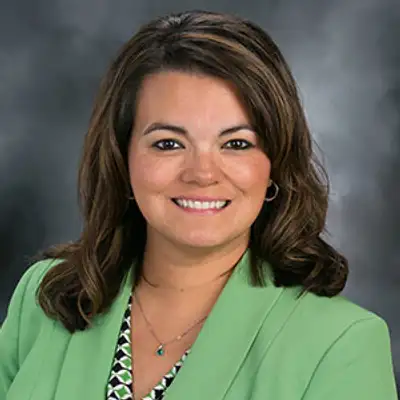
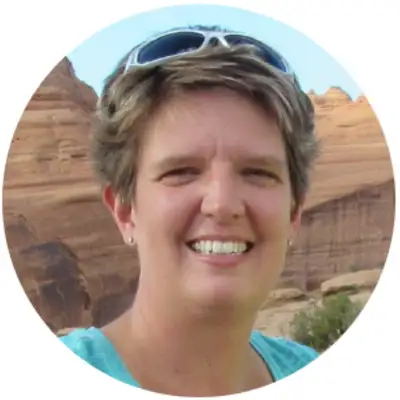
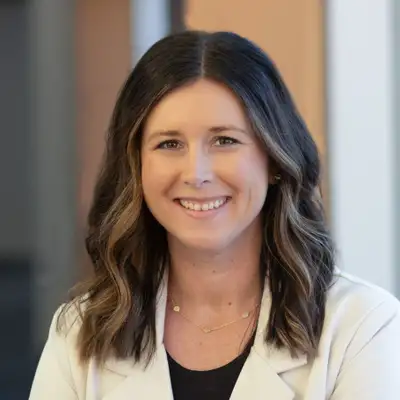
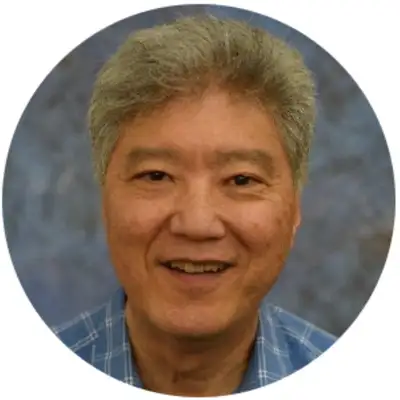
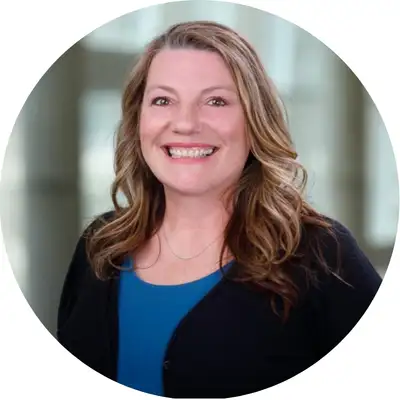
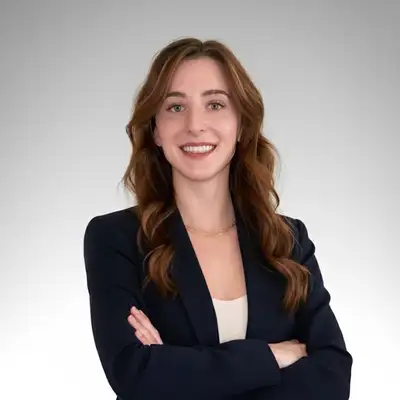
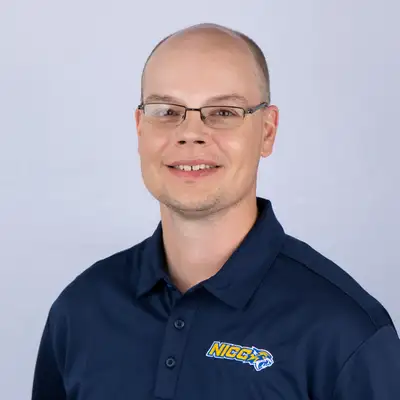
Explore the people, programs and partnerships that make Northeast Iowa Community College (NICC) more than a campus. From student success stories to behind-the-scenes of athletics, innovation and industry collaboration, each episode answers the question: What’s happening at NICC? Energetic, informative and always evolving, this is your inside look at the impact of community-driven education.
Welcome to The Catalyst, an exciting and insightful podcast produced by Northeast Iowa Community College. I'm your host, Lasack. Together, we'll explore the people, programs, and partnerships that make Northeast Iowa Community College unique. From student success stories to behind the scenes info about athletics, innovation and industry collaboration, each episode dives deeper into your community's college. Get ready for an inside look at the impact of community driven education at NICC.
Amy Lasack:Well, hello, and welcome to another episode of The Catalyst. Today, we're talking about the people who are often there on some of our hardest days, emergency responders. Each year NICC brings emergency professionals together for our Emergency Responders Conference, an opportunity for firefighters, EMS professionals, and other first responders to learn, train, connect, and sharpen the skills they rely on when our communities need them the most. This is NICC's sixteenth year of holding this conference and it will be held at the Diamond Joe Casino in Dubuque on October fifteenth and sixteenth this year. And we are so lucky to have three of our speakers here on the podcast.
Amy Lasack:I'm gonna do just quick bios here. First, we've got Deb Von Sagrin. Deb serves as the EMS coordinator at the University of Nebraska Medical Center in Omaha, over thirty years experience in emergency medical services. She's a nationally recognized educator, speaker, and leader. Deb's been actively involved in EMS education and American Heart Association programs at the local, state, and national levels.
Amy Lasack:Welcome Deb. And we also have Bob Matoba. Bob is a highly creative professional with a broad base of EMS education and management skills. He has over thirty seven years of experience spanning direct patient care, EMS education, adult education, and management. He's been a monthly columnist for ems1.com, a featured and contributing author for EMS World Magazine, and a contributing author for GEMS Magazine.
Amy Lasack:He served on several EMS agencies in Colorado and Nevada and is currently employed with the College of Southern Nevada as an EMS instructor. And last but not least we have Andrea Zichmann. Andrea has been working in EMS for twenty two years. She's worked at every level from EMT to flight paramedic. She's been teaching in EMS programs since 2007 and worked in the helicopter and fixed wing environment.
Amy Lasack:She's currently chief of training for Keener EMS and an expert content author for solutions building online learning courses. I want to welcome all of you to the podcast. Thanks for joining us.
Andrea Sjaardema Zickmund:Thank you.
Amy Lasack:Before we jump into the conference itself, I'd love to learn from each of you a little bit more about what your role is currently in emergency services and what got you interested in the field. So Deb, if you don't mind, we'll start with you.
Deb Von Seggern-Johnson:Sure. Currently, I am on the North Bend Fire Department, is which a volunteer service through Dodge Journey in Nebraska. The reason why I got into EMS was approximately thirty eight years ago. My son is 38 years old, so the ending of the story was well, well taken. Good job there.
Deb Von Seggern-Johnson:He had went into cardiac arrest due to a formatted aortic obstruction from hepatitis, I was in another state in a very remote rural area that didn't have EMS. And I did not know what I was doing. Thankfully, we got the occlusion removed and actually caused it to go down onto his right lung, ended up getting a chest tube, and but he is a father of two now, so that's a good thing. But it shared with me I had a I had an anger issue right after that because I was I found out what CPR was. I didn't even know.
Deb Von Seggern-Johnson:And as a new mom. And so I kind of dove back into it and was asked to join a local fire department when I moved back to Nebraska because that's where my home is at. And I'm like, well I learned CPR and they're like a little more than just that. And I ended up becoming a paramedic and got a really cool job up at UNMC and been there for almost twenty five years.
Amy Lasack:Oh, wow, Deb, thank you for sharing that. So glad your son is okay. Bob, how about you?
Deb Von Seggern-Johnson:Tell us a little bit about your background.
Bob Matoba:I witnessed a car accident that was in my teens. And, I remember standing around this woman, that was in a car accident and fell out of her car, that I was so helpless. And I remember telling myself if I had an opportunity to figure out what to do, I jump on it. And my wife's best friend at the time was gonna take an EMT class and asked me if I wanted to actually take the class with her. Had no idea what an EMT was.
Bob Matoba:But once she told me what it was about, I jumped on it, and here I am almost forty two years later.
Amy Lasack:Wow, isn't it amazing too that just from the two stories you've told, both have told so far is you didn't know what CPR, you didn't know what EMT is, and now look at the lives that you're saving. Thank you for sharing that story. Andrea, what about you?
Andrea Sjaardema Zickmund:Well, I've been in EMS now for a while. I'm the baby of the group. It sounds like just a little over twenty two years. And it's great to see you guys. I've seen you at different conferences, so nice to see you again.
Andrea Sjaardema Zickmund:And, I got into EMS. I live currently and I grew up in the same town, a very rural EMS service in Indiana. And, I always was intrigued with the sirens and the lights and stuff. And my uncles on my dad's side were firefighters. And so when we'd go out to Colorado, I'd go hang out at the fire station with them.
Andrea Sjaardema Zickmund:And, and I remember being 10 years old and my uncle said women will never be part of the fire service. They will never be able to pull me out of a fire. They'll never be able to take care of a guy should we get hurt in a fire and they will never be strong enough to do this job. So guess what that made me wanna do? And then I said, I'm going to prove you wrong, Uncle Mike, I'm going to show you what women can do.
Andrea Sjaardema Zickmund:And fast forward to graduate from high school, I was going to be an EMT and everybody talked me out of it. We didn't have resources around here to do it. And so I went to college to be an occupational therapist and I was graduated. I moved to Wisconsin. I did that for twelve years.
Andrea Sjaardema Zickmund:And when I first moved up to Wisconsin, I didn't know a soul. I didn't know anybody. And I thought how better to get to know people is then to go join a group, join something. And I happened to see a flyer for Gateway Technical College in the teacher's Lounge at the school where I was a special ed aide. And I thought, there we go.
Andrea Sjaardema Zickmund:There's an opportunity to learn what being an EMT is. I've waited since I graduated high school and I thought I'm not going to be 90 years old wondering if I should have been an EMT. And I thought I can either go and learn and love it and meet new people or I can go hate it and still meet new people. So, I went and that first day of school got me hooked and I've been moving forward ever since. So, and I was, I wish I was able to prove to my uncle Mike that I could do it but he ended up dying when I was in high school.
Andrea Sjaardema Zickmund:That's my senior year. He got killed in a farming accident and he never got to see me graduate from the Fire Academy or from paramedic school. So, I hope he's up there watching and knowing that women can do this job.
Amy Lasack:Great. Well, thank you all for sharing that. It's always so interesting to hear how somebody stumbled into whatever industry or career they're in and such an important area that all three of you are involved in and for many years. So I'd like to hear a little bit about how the world of emergency response has changed over the course of your careers. So Andrea, how about we start with you this time?
Andrea Sjaardema Zickmund:Oh, I was just having this conversation at work the other day. I don't, I think it's changed for the good. I also think it's changed kind of for the worse. When I first started, wasn't social media, wasn't texting, there wasn't all this stuff that you can independently do on your phone. When we went to work for twenty four hours, you were with your crew, you were with your family.
Andrea Sjaardema Zickmund:Right? You had to learn how to talk to people. You had to learn how to interact with your crew. We weren't allowed to go lay in our bedrooms and isolate yourself for the rest of the shift. You were, you were, your family, you worked together, you cooked together, you you went on calls obviously together, you talked through bad stuff, And that was amazing, right?
Andrea Sjaardema Zickmund:I mean, you have your work family, you leaned on, they understood you. And you knew you could count on them. And now I go back part time and I go back to the same services that I used to work at full time and everybody runs to their rooms and everybody's got their face buried in their phone. Nobody wants to interact and it's sad. That aspect being able, you know, not seeing that family, that teamwork, supporting each other, just you see each other when you go on a call.
Andrea Sjaardema Zickmund:And then you bounce back to your room. And so that part, that part I don't like on how it's changed. We've become very isolated, even at the at the fire station, at the EMS base. I think it's also changed for the good. When you see all the different education things you can do.
Andrea Sjaardema Zickmund:You know, there weren't podcasts back in the day. There wasn't online, avenues and resources and online schooling and training and being in it to interact with EMS people all over the country in the world. So I think that's changed for the better. We have much more availability for learning and for becoming better. I just hope we don't lose our ability to communicate with each other and with our patients, in the future.
Amy Lasack:Yeah, thank you for sharing that. And Bob, Andrea touched a little bit on kind of the collaboration and networking piece, but also the changing technology over the years. I know we at NICC are putting some investments into upgrading some of our facilities and labs because of that changing technology. Have you seen much of that over the course of your career?
Bob Matoba:Well, you know, from an educational perspective, absolutely. Just the availability of high fidelity manikins, alaputol, the training aids, has changed immensely, over the years. I think that the challenge for me as an educator today is I think about what I was taught, what I learned in paramedic school when I went to paramedic school, and I'm thinking about what I teach our students today and the amount and the magnitude of information that, I'm trying to deliver augment administer, and the classroom is significantly greater than what I have to go through, when I went through paramedic school. And I think trying to find that balance, between content and allowing the students to contextually learn the information and integrate it into their clinical practice, is a pretty large challenge for all of us as educators in the industry today.
Amy Lasack:Oh, sure. Information overload can be such a hindrance, not I'm sure just in general, but specifically with the areas that you all are in, just with the number of TV shows that are out there and things that are showing not quite the full picture, right, of what's happening in emergency services. Right. Deb, what about you? How have you seen things change over the course of your career?
Deb Von Seggern-Johnson:Oh my goodness. So when I first joined the department that was, I'm on the volunteer service, right? And we did not have pagers. We did not have we had what's called a fire phone. And so, you had that into your house and it was a constant ring that would come through and you actually spoke directly to the patient or the reporting party that was calling in.
Deb Von Seggern-Johnson:And so that was totally different than you were hoping other people would pick up their phones so that you could have communication. So when Andrew was talking about the communication, there was no cell phone, there was no, it was only that. And you had to write down the address because there was no dispatch. Such a different world that we have now with our CAD programs and all of our stuff on our cell phones and everything. In itself is a big change.
Deb Von Seggern-Johnson:And as an educator, the things that have changed with that as well. I remember Nebraska wasn't even a national registry state. And so there was 28 of us in our EMT class. Every one of them passed with 100% because they were teaching the state test to us and we didn't do any skills. And when we got out of class so many years ago, telling my age there, we didn't know what we were doing.
Deb Von Seggern-Johnson:You know, I still had that question in my mind, like, still don't know what CPR is. I still don't understand it. And so that was when I got thrown into becoming an educator and I didn't want my students to feel like that and better prepare them for what they may have to deal with out in the field.
Amy Lasack:Yeah, it's crazy to think about how quickly things have changed, not just with technology, but I'm sure some technical knowledge that you all have learned over the years. Bob, can you talk a little bit about the importance? Yes, you got your license, you went through the schooling, but I'm sure over the years you have felt that it was imperative to stay on top of skills and learn new things. Can you talk a little bit about that?
Bob Matoba:Yeah. I think that was probably the biggest surprise for me personally and professionally is once I graduated from
Andrea Sjaardema Zickmund:the Miles per school,
Bob Matoba:I thought that was going to be the pinnacle of my efforts and things that I would need to learn. And to probably everybody's surprise, you realize that once you get out there, what you learned in school is just the tip of the iceberg in relation to what you need to learn to be able to become a good, effective, and practical clinical practitioner. But as Andrew mentioned, the nice thing is that today there's access to a lot of information. But with that challenge, having access to all that information, it's kind of incumbent upon us to make sure that that information is correct because there is a lot of information out there that isn't necessarily correct. But I I think in many aspects, it's easier to be able to fine tune those areas of knowledge that are weak and difficult at the same time if that kind of makes sense.
Amy Lasack:Absolutely. And you hit on a really important piece of today's society is sifting through what's correct and what's not and how important it is to be able to participate in things like the Emergency Services Conference that we have coming up because you'll actually be connecting and collaborating with other practitioners. Deb, I think you mentioned it earlier about the importance of being able to connect with others within the emergency services. Can you talk a little bit about that collaboration and the importance of that?
Deb Von Seggern-Johnson:The importance of that is is oh, it's huge. I mean, if you sit in and I always talk about this. If you sit in your silo, you will not learn anything other than what you already know, And you've got to get out of those silos. And it's not just even with EMS practitioners, it's with nursing, it's with physicians. We spend a lot of time in my day job at UNMC talking about that silo effect that we have in education and preparing physicians and nurses and working together as a team for the betterment of the patient, not for the betterment of your team, but for everybody that's included is such a huge thing.
Deb Von Seggern-Johnson:And even physician medicine, that has now been embraced as well. So that is a big change that I have seen in my career. Even with your mutual aides and talking to your next door neighbors that have their fire departments with them and talking to them and getting out of their silos and doing education together is the whole reason is the betterment of the patient.
Amy Lasack:Yeah, that is such a good point and Andrea I'd be curious about your perspective on that as well about the different pockets of EMS services and the importance of that collaboration and communication between all the different entities that are involved. Can you talk a little bit about that?
Andrea Sjaardema Zickmund:You know, around here in Northwest Indiana, we have so many fire EMS services, but we also are all under various medical directions, different hospitals, and those change in some of the protocols we have and some of the medications you use and how you approach patient and we do do mutual aid for several counties around here and it's different when you get on a call in one county or one area of your county versus when you're in your own response service. You see the differences, but you also do notice the lack of communication between the services and kind of operating more as one. So we have that challenge over here a little bit more in our protocols differ from service to service and trying to collaborate with the services to get together. I know for our service, being the chief of training and doing the all of the in person trainings during the month. I've talked with our director and stuff on, hey, how can we incorporate our other services that are only fifteen, twenty minutes from us into doing trainings and together.
Andrea Sjaardema Zickmund:So we're kind of all on the same page. And it's a challenge. There's some personality conflicts and there's different opinions and attitudes of we stay at our own silo, as Deb says, or, you know, we only do it this way here. And we don't do it that way there, or we don't want to, because this is what we're used to. So here, it's a little bit of a challenge.
Andrea Sjaardema Zickmund:I think it would be great to be able to collaborate with surrounding areas and kind of all be on the same page and have that teamwork and know how each other operates on the big calls that we have to work together on. It's a challenge here. And someday I hope we can bridge that gap a little bit.
Amy Lasack:Yeah, I don't think you're alone in those challenges, at least from the individuals I've talked to, which makes it so much more important that people attend opportunities like this so you can interact with other local folks as well. I had a chance to look through this year's agenda, which we are moving the conference this year to a Thursday, Friday, which was the feedback that we had received from past attendees. So hopefully that'll work really well with people's schedules. But we do have all of the agenda sessions listed at our website, nicc.edu/terc. And Deb, I was really intrigued about one of your sessions called Happy Birthday and how it really focuses on the geriatric piece of the work that you do and providing dignity to the patients that you serve.
Amy Lasack:Can you talk a little bit about that?
Deb Von Seggern-Johnson:So it's very interesting. Mark Twain actually says something about that not everybody has the privilege to live old, and so we shouldn't complain. And with that being said, we have almost half of our population is what our call volume is.
Andrea Sjaardema Zickmund:And
Deb Von Seggern-Johnson:there is a study out right now that shows that we actually under triage our patients at the elderly level and that they actually are dying because we are taking our time. We're on a call that might have a respiratory issue, a pediatric, where our heart is going, we're told to take our own pulse first because pediatrics. But then when you get to a geriatric, you might be taking a little more time or you think, they're just old. They're just acting like this because they're of their age. And we need to get out of that stigmatism and thinking about what their mobility was before, what it is after.
Deb Von Seggern-Johnson:Maybe take a little time to listen to them a little bit more actively listening, communicating with them, knowing the signs, I mean, like sepsis. So many of us miss that constantly on our calls, and we know that our patients are dying because of it and we're not catching it and we just aren't getting full histories on it. There is research out there that shows that we are not doing our due diligence in our assessments of our geriatric patients and just some things that we need to just take the time. Maybe they need a walker. Don't just drag them out of the vehicle or out of their recliner and expect them
Bob Matoba:to come back.
Deb Von Seggern-Johnson:Maybe they could walk a half an hour before that, but we didn't ask. Maybe they need their hearing aid put in, maybe they need to have their glasses put on. You also being in a small town where I live, we are called a lot to those little calls, you know, and they're like 03:00 in the morning when they can't get off the toilet or something along that line. We also then have to get involved with the family shows up and says, what can we do to help?
Bob Matoba:And a
Deb Von Seggern-Johnson:lot of times we're in, we're helping with them with the preventive care. Where should they go next? Have we been getting called to them a lot? Are they safe? We need to be looking at their houses, you know, and their environment as well.
Deb Von Seggern-Johnson:And, you know, that's 50% of our calls within the six, seven year span. That's what it's going to be and so we need to be on top of that.
Amy Lasack:Yeah, what a great session.
Deb Von Seggern-Johnson:That's why I call it happy birthday. Should celebrate every day of our birth and if we are lucky enough to live longer than most, that's awesome.
Amy Lasack:Yeah, I just love the premise of that session. It creates a pause to break some of the assumptions that someone might make right away before they go in there. I think that's going be a great session for folks to attend. Bob, you had a session too that really spoke to me. It's not about the trauma and that one jumped out at me in particular because from what I read it really is more about some of those common conditions that maybe are overlooked and, EMS personnel have an opportunity to make a real impact.
Amy Lasack:Can you talk a little bit about that?
Bob Matoba:Yeah. So, this presentation is one of three presentations that, I just recently created. I'm referring to them as a clinical series. And, I'm excited, but I'm also apprehensive, about the nerve in this presentation just because I believe I may be covering 10 separate disease processes in about forty five to sixty minute time period. And how do you cover that many diseases and have the audience or students walk away with information that they can actually integrate into the clinical practice?
Bob Matoba:So I've been kind of toying with the the process and the concept with my paramedic students at the college. And I used this presentation as a capstone just to kind of highlight everything, and the students said it's a great way to reinforce that information. So, yeah, I'm excited to kinda get some feedback from the participants in relation to whether or not it was too much or it was enough and that they actually are able to walk away with information that they can actually apply into the clinical practice, because that's one of the things that I try to strive for is not just to entertain or deliver information, but provide information that's relevant that people can use when they get out there into the shelter wherever they're practicing. So, yeah, this is one of the first times I'm gonna be presenting this at a conference, and I'm excited as well as apprehensive to see how it goes.
Amy Lasack:And it's great. I know in the description you actually named several of those very common or more common diseases and afflictions. And so it's very applicable for what our folks are seeing every day.
Bob Matoba:Hope so.
Amy Lasack:So then also Deb, I'm sorry, Andrea, new this year, this one really jumped out at me is your session, Bizarre and Unusual Case Studies. You Can't Make This Stuff Up. So the name of your session, that one jumped out at me because I think every EMS personnel person I've ever met likes to talk specific stories or things that they've seen and the outcomes of that. So can you talk a little bit about that session?
Andrea Sjaardema Zickmund:I will. I'm not going to give it away though on what the calls are,
Amy Lasack:but yeah, it tells the stories.
Andrea Sjaardema Zickmund:I'm not going to tell you the stories. You're going to have to come to the session here. But yeah, it goes through a few case studies of calls that I've been on, that I've yet to be on ever again. And it's, I try to focus it on that tunnel vision. So like Deb was saying, when it comes to our older population, we often walk into a geriatric call when they're complaining of abdominal pain or whatever at two in the morning.
Andrea Sjaardema Zickmund:It's the hundredth time you've been there for that call. And you go into that tunnel vision of, know what it is. I know what to expect. I know what the outcome's gonna be. And then we have those moments where, oh no, that is not the outcome.
Andrea Sjaardema Zickmund:That is not what's going on. I know I'm 10 steps behind the ballgame. I'm trying to catch up with what's going on with this patient. So, yeah, I go through a few case studies on how going in with that tunnel vision could have potentially screwed that patient up. How we messed up on some of them, because we're not perfect, right?
Andrea Sjaardema Zickmund:We're all trying to do this job. And no matter how long you've been in this job, you're not going to be a perfect EMT. You're not going to be a perfect paramedic. And I think what comes with that is being humble enough to look back at your calls and go, what could I do better? What could I change?
Andrea Sjaardema Zickmund:How did we do well on it? And, the one call it was a very, very, call I don't ever want to go through again. And, but I learned a lot from it. And even from our dispatch information, how often do we get full dispatch information on a call and being able to go in with an open mind to those calls and work through them and have plan A in your front pocket, plan B in your back pocket. And then oftentimes we have to reach for Plan C on how to treat these patients.
Andrea Sjaardema Zickmund:So yeah, it's usually an interesting topic to go through and try to make it a learning experience as well as not just a storytelling experience. You, know, your folks are paying to come learn. So try to make that happen as well throughout the whole conference.
Amy Lasack:Oh, that's fantastic. And those are just three of the sessions that are offered. Each of you are speaking multiple times at the conference. I would really encourage folks to go out to the website and check some of those other sessions. You're bound to leave very, appreciative of what you've learned over the last two days.
Amy Lasack:So thank you all for sharing just a little sneak peek of one of your sessions. One of the things that we like to do on this podcast is a segment called fact or fiction where I will read a statement and you can let us know if that is fact or fiction based off of the area that you are an expert in. And so if you don't mind we'd love to play that with all three of you. Andrea, we'll start with you. How about once a responder finishes their initial certification, additional formal training is mostly optional.
Amy Lasack:Is that fact or fiction?
Andrea Sjaardema Zickmund:Oh fiction all the way. Fiction all the way.
Amy Lasack:Yeah I think we heard that from all three of you. Keep learning. There's lots to learn. Never done. About Deb?
Amy Lasack:How about you for first responders and rural communities are mostly full time paid staff members? Is that fact or fiction?
Deb Von Seggern-Johnson:Oh my gosh, that is fiction.
Andrea Sjaardema Zickmund:I thought you'd get a
Bob Matoba:kick out of that one.
Andrea Sjaardema Zickmund:I did.
Amy Lasack:Bob, what about Hollywood's version of CPR in response to emergency situations is 100% spot on? Is that fact or fiction?
Bob Matoba:That is absolutely fiction.
Amy Lasack:I am sure you all have seen certain things on TV shows and movies where you're like, that's not the way it works.
Andrea Sjaardema Zickmund:I wish I looked that good going on a call. Holy cow man if that's what we actually really look like I wouldn't mind waking up and looking in the mirror in the morning.
Amy Lasack:How about Andrea? Networking within the industry is extremely valuable.
Andrea Sjaardema Zickmund:Oh, that's fact all the way around. That's why I like to stress these in person conferences because it's so easy these days to get on, get online and do a conference online, which was great during COVID. But man, going in person and talking to people and face to face. And as Deb says, I like that whole thing getting out of your silo and talking and hearing new things is, is so important.
Amy Lasack:Great. Deb, what about one of the most dangerous parts of being an emergency responder is actually driving to the emergency? Is that fact or fiction? Well, that could be a fact. That could actually be a fact.
Amy Lasack:That is you need to do
Deb Von Seggern-Johnson:a self check and if you have what we call looky lures hanging out on the road and you're trying to get to the scene, it's very dangerous. It's actually one of the most dangerous places to be is on a road, whether you are an EMS person, police officer, firefighter, or construction workers, actually.
Amy Lasack:Oh, I'm sure. Yeah, thank you. And Bob, last one here. What about mental preparation can be just as important as physical preparation for an emergency responder?
Bob Matoba:That is absolutely a fact. In many aspects, that's probably more important to be psychologically, emotionally prepared than physically.
Amy Lasack:Yeah. I'm sure all three of you have seen and participated in things that have been very difficult and taking care of yourself is probably just as important in your profession as it is all the other things we've talked about today. Well, believe it or not, we have hit the end of the podcast. I want to thank all three of you really for participating and actually for all your service as well. There are hundreds of people out there who are very thankful for the work and service that you have provided them and their family members.
Amy Lasack:So thank you so much for joining us.
Andrea Sjaardema Zickmund:Thank you.
Amy Lasack:Thank you. So today's conversation is a great reminder that when an emergency happens most of us are focused on one thing and that's getting help. We don't always stop to think about the hours of training preparation and commitment that happened long before that call ever comes in. So I want to thank all of the emergency responders who serve all of our communities. You for the work that you do and continuing to learn and prepare for the moments when we need you the most.
Amy Lasack:And if you're an emergency responder and you're listening to this and you're interested in learning more about the Emergency Responder Conference, we encourage you to check out Northeast Iowa Community College for more information. You can see all the details including all of the sessions at w w w dot nicc dot edu slash terc. Thank you all for tuning in and we'll see you next time on The Catalyst.
Deb Von Seggern-Johnson:Thank you.
Amy Lasack:Thanks for joining us on this episode of The Catalyst. If you enjoyed the conversation, make sure to follow or subscribe on your favorite podcast platform so you never miss an episode. Want to learn more about NICC and the many ways we support our students, partners, and community? Visit nicc.edu for more resources and upcoming opportunities. This podcast is produced by Northeast Iowa Community College and hosted by me, Amy Lasack, with executive producer Tessa Hill, producer Travis Hunt, and graphic designer Ashley Konzen.