Subscribe
Share
Share
Embed
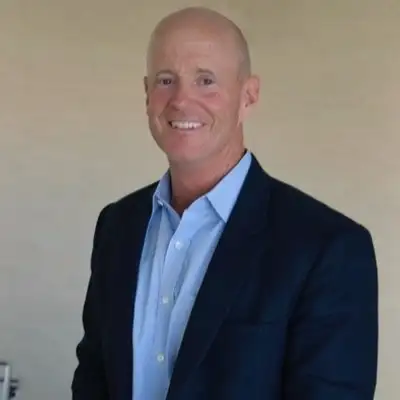
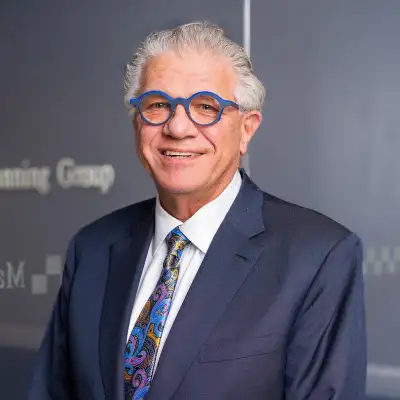
Hot Takes with Jim Baker is where real-world business experience meets honest conversation with Host, Bill LuMaye.
Hosted by entrepreneur, advisor, investor, and CEO Jim Baker, this podcast explores the challenges leaders face every day—from raising capital and managing growth to hiring, firing, sales, culture, leadership, acquisitions, and long-term value creation.
Through the Hot Takes series, Jim sits down with business owners, executives, investors, and industry leaders to discuss timely issues shaping today’s business landscape. These candid conversations offer practical insights, hard-earned lessons, and perspectives you won’t find in a textbook.
The podcast also features the Wisdom Series, in which Jim and Bill interview accomplished guests whose decades of experience offer timeless lessons on business, leadership, success, failure, and life.
Whether you’re a CEO, entrepreneur, business owner, executive, or aspiring leader, Hot Takes with Jim Baker delivers actionable insights to help you build stronger organizations, create greater value, and lead with confidence.
Presented by Sumus Development Group, LLC. Helping organizations enhance value, strengthen leadership, and prepare for what’s next.
24 - 50 Cups Baker
===
[00:00:00]
Bill: Hello everyone. I'm Bill Lame and it's time for another 50 Cups Tea Hot Takes podcast.
And with me as always, the owner of a tea company, by the way, which we'll get into, is Mr. Jim Baker and a wonderful guest which he'll tell you all about. Hey, Jim.
Jim Baker: Yeah, yeah. I'm excited to be here today. Yeah. And, um, have a little Arnold Palmer, a little lemonade.
I didn't spike it too much with lemonade, so it's not super sweet. So it's delicious and it's 95 degree day. I thought it might be a little refreshing for us. That's fine. And as always, 50 cups tea.com. If you need to make an order. [00:01:00] But today we do have a special guest. Yeah, we do. We are honored to have Gary Schwartz with us today.
He is the founder and president of Madison Planning a financial services company outta White Plains, New York. And once Gary gets speaking, you'll know that he's born and bred in the New York area, mainly in the city. But Gary, how are you today?
Gary Schwartz: I'm terrific. Glad to be here.
Jim Baker: Thanks for coming.
Yeah. So, um, as always we're gonna talk about some of your primary hot takes towards the end of the show today. But why don't you just tell the audience a little bit about your background.
Gary Schwartz: Let's see. I'm in recovered 36 years from drugs and alcohol. I'm BC not before Christ, before crack. But grew up in the Bronx, moved to west Rockland father at a butcher shop.
Went to [00:02:00] Scooter, be an accountant. Hated accounting. So I bought a butcher shop. Survived in the Bronx in a retail butcher shop for a long time. Went into commercial real estate, then into financial planning.
Bill: How, how do you go from financial and accounting into a butcher shop? I'm just curious what, what,
Gary Schwartz: I'm a people person, so I really did not like accounting.
I did that to make my mother happy. Yeah. You know, she wanted me to become a. Professional, so go to school, things like that. We always
Bill: wanna make
Gary Schwartz: our mothers happy. We do. Yes. And then, um, my father had a butcher shop and I bought this little butcher shop. It was eight feet wide, 65 feet deep meat. Came on a hook.
It's a long time ago.
Bill: Yeah.
Gary Schwartz: Not in a plastic bag, in a box. And used to be in the market at three o'clock in the morning.
Bill: Then you make [00:03:00] another jump,
Gary Schwartz: then I made another. Completely unpredictable.
Bill: I mean, if you were to predict your path, it seems like an unlikely place to be.
Gary Schwartz: Yeah. And I actually started, um, in the business after I got clean, I had to get a you know, a job.
And the only people hiring in the seventies were insurance companies. So I went to work for MetLife didn't like. I liked part of the business, but I didn't like calling people up, telling 'em I had better stuff than everybody else. And then I went on the security side. That wasn't crazy about that. I wasn't a transactional person.
And and then I found planning, started my own business with a, you know, I had a mentor who a guy I met through somebody who believed in me when I didn't. About five years in clean.
Jim Baker: Mm-hmm. So let's go back, [00:04:00] um, 'cause you, there's a lot of stuff there. And what are you like in high school growing up? Oh.
Um, are you one of many siblings? Are you a, you the one of three. Okay.
Gary Schwartz: I was the oldest. Um, I was a mama's boy. Like, you know, when I met my wife. Yelled at my mother for getting me a soda, you know, so, you know, like whatever I, I wanted, I used to lisp real bad growing up, so I was always in that little class taken out by class, you know, which made me feel insecure.
Um, and this is, you know, I probably started to self-medicate and that's how I, you know, fell into, you know, drugs and alcohol. I was a workaholic, so it gave me the ability to have money, you know, in high school, even though I played sports, you know, and then in high school I stopped playing [00:05:00] sports and I used to, you know, work like a man, man.
Mm-hmm. You know, had a little landscape business, um, and just did a, you know, work was easy. So you know.
Jim Baker: And when as a kid though, when you're growing up, I always want to ask this question just to mm-hmm. In case there's anybody out there listening as kids. Mm-hmm. How do you self-medicate when you're 14, 15 years old?
Gary Schwartz: You know, you smoke pot to take the edge off. You start drinking with your friends. Um, so there's always a way to get it, I guess, is what I'm getting. Yeah. Drugs and alcohol are illegal or illegal, there's always gonna be a percentage of the population that, um, have an issue. Mm-hmm. And self-medicate.
And, and, and usually after somebody gets clean, 90, 120 days, they're not [00:06:00] physically addicted to anything. They're just left with themselves. And the only way they know how to deal with that, you know, in everybody's situation. How they perceive their home life or whatever, you know? One of the issues I have is today they put everybody on Ritalin.
Everybody's got a diagnosis. Everybody's unt, you know, everybody. And I'm really, I just think it's overused and overused. Sure. And then
Jim Baker: going through this time, did your parents know about this or is
Gary Schwartz: it denial's a big thing. Mm-hmm. You know? Mm-hmm. My mother used to say it was the beer talking.
Like when I would lose, it was really me talking with the help of the beer,
Jim Baker: you know. And when you went into the butcher shop, was your dad looking to get out at that point in time? No, he had
Gary Schwartz: his own butcher shop. Oh,
Jim Baker: he did?
Gary Schwartz: Okay. Yes. And I was on the other side of town and [00:07:00] he had a retired friend who this guy, I used to call him Uncle Louie, and he opened the store with me.
I bought it from this guy and I built it up. Um, I was big into service and being a high end in that business and all that other stuff, and we used to deliver all over the city. And it was you know, in the early seventies I was making a lot of money. I thought I knew everything. Then I realized I knew nothing.
So,
Jim Baker: yeah, I was gonna say were margins pretty high in the, in that business back then?
Gary Schwartz: I don't know if the margins were so high, but it, there was a lot of cash. Mm-hmm. I was bank, you know, I was probably making, you know, around a hundred grand cash. Mm-hmm. Driving a sports car. Yeah. Nice. Living large. Yeah.
You know, people telling me, you know, Gary, maybe he should slow down some money away, [00:08:00] and I just thought I'd make more money next week. Yeah. And that went the way to Buffalo.
Bill: How long were you self-medicating throughout this period? How many years? Yeah. I got
Gary Schwartz: clean when I was 34.
Bill: 34? Okay. Mm-hmm. Was that some, did you have a family and all of that at that point?
Gary Schwartz: I had, I've tried all the things. Yeah. I met my wife. I was married six years before I got clean. Two adopted kids. Yeah. And I got cleaned six months after the adoptions. I went through home studies. Oh, been there, done by, I was, I was a very good actor. Yes. Yeah. So he thought I was wonderful.
Bill: Yeah. So you, you could, you could be under the influence, but you knew how to, to work you a functioning addict, if I use that word. Don't Yeah. That's
Gary Schwartz: not like a. I'm crazy about, but I used to show up,
Bill: [00:09:00] right?
Gary Schwartz: Like I didn't roll, you know, old people on the street. I, which just worked harder, right. You know what I mean?
You know, and, um, you know, and always kind of did the right thing. Like like even in my business now you know, we like the high end of the middle market, the mass affluent, and, I tell people 60% of my job is therapy, 20% is social work and 20% is, you know, math and the other stuff.
Bill: Sure. Yeah. Did you, um, can I ask what, what was the point where you went, this is it, you know, again, because I mean, I, I, because it's always up to you as an individual, right.
You can, it's, yeah. When did that happen? Tired of
Gary Schwartz: being sick and tired. Yeah. Um. It was the last time I used I, [00:10:00] um, was out for about three days, you know? Mm-hmm. My mother and, um, my mother and my wife Pat was sitting in the kitchen and I own two co-ops. You know, like, it's not like, you know, I was homeless, right?
I always had cash. So I was out for like three days and I was avoiding everybody, where everybody was. I was someplace else, you know, as they looked for me and I was in and out of meetings, you know? Mm-hmm. Talking to people, but it's just seemed to me that these people really had issues and I didn't have those issues.
You know, I didn't beat my wife. I, I didn't rob a store yet. I didn't, you know, and so I just didn't feel as sick as them. Right. And, um, I came home and I had two kids in the other room, and I called this guy that was my temporary sponsor. Mm-hmm. And he said to me [00:11:00] I'll never forget this as long as I live.
This was, you know my higher powers gift to me was he said to me Gary, how you doing? I said okay. He said to me, um, I got you into rehab. Said rehab. And he goes, 28 days. I said, 28 days. I got two little kids. I got I, you know me, I can't really do that. Um, and then finally I looked at my wife and my mother and I said, okay, you know, maybe I'll do that.
Yeah. Then he said, first we're gonna go to detox for seven. I said seven days in detox, 28 35. I could still add. Yes, yes. I said, an important guy like me, I can't do that. Right. And he said, I'll tell you what you do, Gary. If you're still alive next week, I'll see if I could get you in. And that was the last time I used, I don't know what about that, but it, [00:12:00] um, it just, it just, that was it.
And, before I could go away 'cause my wife would not take off from work. So I had to have my mother drive me to detox in upstate New York in Ellenville. And I had to have my in-laws come over and tell them that. I was a drug addict and I was going away. Oh, it had to be hard. Eid Eid. Eid was humbling.
Yeah. And, um, I didn't know the reaction. And my mother-in-law was the type that she would rearrange your cabinets in the kitchen and stuff and check out your, you know, she was a little much, she was a director, so, um. I didn't know whether they would say, pack up the kids, we gotta go, you know, you know, you can't stay here anymore.[00:13:00]
But they came over. I told them and my father-in-law was a pretty stoic guy and he, he, and they were terrific actually. They were really terrific about it. And then from that day forward, I. Shut my mouth and put up with my mother-in-law. Yeah. Probably a
Bill: wise decision anyway, regardless.
Gary Schwartz: She was, she was who she was, you know?
Yeah. And, and you know, so, you know, that's where that went. But yeah, and then my mother drove me up the next day. To, to a detox.
Jim Baker: Wow, that's amazing. And what was it like going through detox? Yeah. And then having to be gone for another 28 days after that.
Gary Schwartz: Yeah. I spent my first Father's Day in, in rehab.
Um, well, I got the detox and they made me put on pajamas and slippers, and I told them I wasn't gonna do that because I wasn't sick. [00:14:00] They pointed out to me, you're in a hospital, how do you think you ended up here? So, you know, so I did that. Yeah. Um, it, it was long. I thought I'd rest up. I thought I, you know, learned how, you know, maybe I just got carried away.
You know, maybe I just, you know, but there's a time when one day you're telling it what to do and the next day it's telling you what to do. And, you know, I, and um, I went through that and then I went from there to a rehab. Um, my wife was a little annoyed because at this rehab it was the cheapest rehab in the state of New York.
And we, and I had a bottle of money for that, and they had shorts like, like this week you're working in the kitchen next week you're, you know, and. You only had the paint box, [00:15:00] which is the phone. You can only use it a certain time. And, um, I'm on the phone with her and I said, I, I have to go because I'm working in the kitchen.
She said, we're paying all that money and you're working in the kitchen. So yeah. Yeah. Wow. Yeah. So it was yeah, nice. And I went home.
Bill: Never looked
Gary Schwartz: back. Never looked back. Wow. Actually learned to speak in meetings. 'cause I would never speak publicly 'cause I used to lisp so bad. So I would, you know, I learned how, you know, not to talk.
Bill: So your family obviously very important going through that time. Right. But in just reading a little bit on you, you're, you're very much a people person. I mean, it's what, I love it though. I mean, you genuinely care about. People in general. Yes. Which kind of drives everything, doesn't it?
Gary Schwartz: Yes. The entire business.
How did
Bill: you get there?
Gary Schwartz: I think I was [00:16:00] always like that. You know, I, I like people. I mean, my main goal even in my business is not to make the most money, not to be the most efficient. To give back. Like it's, it's funny, when you go through something like this, the people you think are gonna help you don't, and strangers, people you never thought in a million years show up Oh.
And are there for you. In many ways, and there's always been those people. Um, you know, the guy that said, don't worry, Gary, whenever you need anything, you call me. Yeah.
Bill: I got your back. Call me. Yeah. And then do, and he's always busy.
Gary Schwartz: Always busy. Yeah. Yes. We'll help you move. Yeah. You know what I mean? Yep.
You need a few bucks, let me know. Right. But they never do. And then there's somebody you never met before writes a check for $9,500, you know?
Bill: Yeah. [00:17:00] Wow.
Gary Schwartz: So those are the things that, you know, make a difference. So it's a lot of, it's giving back. Even in, in the business. Um, so, you know, I've done a bunch of management training and stuff and I used to think some of what I do is part of my business plan and he pointed out to me that it's not So if I wanna work with people who have no money or very little money, or won't have money.
Would be no different than me going to the hospital and working with the sick. So I, so he made me start calling it my charity work. So if I do charity work two days a week, I do charity work. He's okay with that. Just don't call it part of my business plan. He was very, he didn't, he was really adamant about not being part of my business plan that someday one of these people are gonna pop up and be worth a [00:18:00] billion dollars.
So,
Bill: but
Gary Schwartz: if they did, they'd probably remember you. They would. Yeah. Yeah. They, you seem like you're a
Bill: genuine, caring individual.
Gary Schwartz: Yes. Authentic and most, and most alcoholics and addicts are.
Jim Baker: Yeah. You know? Wow. So, so on the money side of the business mm-hmm. How did you break in, how'd you get your first client?
Did you, was there a certain specific area or target clientele you were looking at? You know, just talk a little bit about your strategy. Yeah.
Gary Schwartz: When I first started, I just wanted to pay bills. And one of the mistakes I made, I started to do okay too soon. And then I kind of wanted to make up for being a knucklehead.
So I kind of bought a house I couldn't really afford. I sent my kids to travel camp. I couldn't really afford. And was able to get [00:19:00] credit. You know, I was a middle class Jewish white kid, you know, grew up in the suburbs, so I knew enough to how to make money, you know, that, um, I, I didn't have any bridges left, so I just started calling people code call.
Um, in fact my third client in the business. Who was my CFO for a long time before he retired. This guy Dean, not only became my client, he was an engineer and ended up working for me, and I owe a lot of the success of the business to him. Was he let me 25 grand to buy my house, which is now illegal.
I can't, I, you can't borrow money from a client. So, um, he so, [00:20:00] you know, I, you know, I built a business. I started to do okay. Um, and then I kind of buried myself and, and that's when I found, a mentor in the business, you know, 'cause I was drowning. I couldn't do enough and the pressure and I didn't use and I owed a lot of money.
So 'cause I was able to borrow money from people, friends. Mm-hmm. You know, people were willing to help, but they weren't really helping. You know, I was just digging a bigger hole. Mm-hmm. And at that point, um, I raised my hand again and. Found somebody who was willing to help me just like in the, in the program.
Um, and I started to realize in the business that, you know, he had this really big house and a driver.
Jim Baker: A driver.
Gary Schwartz: Yeah. And I said, yeah. 'cause I would go into the office with him in the city. He was retired already, but he had a [00:21:00] driver. And I couldn't afford to get into the city. So I would drive to his house and then his driver would drive us in.
And maybe he knows something. I don't know. You know, maybe he, maybe he could, you know, I was always getting ready to get ready. So I would take this course and that course and, um, you know, I have to learn this software and that's, and I had to know this and that. And he used to tell me, you gotta stop getting ready to get ready.
You could hire smart and stick 'em in the corner. Just go find somebody to talk to. Mm-hmm. You could be the world's greatest brain surgeon, but if nobody's sending your patients to operate on, you're gonna be hungry. So that was everything he told me came true, ev absolutely everything. And I just got to the point clean [00:22:00] that I was willing to listen.
You know, I got, you know, now I, you know, now I'm happy. I don't know much. 'cause
Bill: I was gonna ask you that because listening is. Is the hardest thing to do sometimes.
Gary Schwartz: It's very hard. Yeah. Yeah. And um, that's why I see a lot, like I'm not a big Zoom guy. Mm-hmm. I like seeing people because when you're in somebody's house or at their office or with their spouse you learn a a lot about them.
It's not transactional. You get to see. How they look at money or how they look at their kids or how they want to help their kids. And, um, and it's not, my values are not so important as their values because I'm planning around their life, not what I think they should do. You know, so, right. How do you, you, you don't [00:23:00] know that from a screen and you, so you, you know, I know the people that are never gonna run outta money.
I know people that run outta money spending 200 grand a month. You know what I mean? Right. Know, right. I'd like to try that just once though. Just once. No, I had a guy, you know. Yeah. He bought a $40 million apartment in the city. Wow. And now he's broke. Right. So.
Jim Baker: And the purpose of the business, obviously, is to set people up, right?
So when they do wanna retire, they have choices, they have money, et cetera, et cetera. Mm-hmm. Mm-hmm. And then is it also to have this big, um, distribution upon death to the, their kids? Or is it, or is it probably, you probably gonna customize it based on what the client wants to do, is probably a fair assessment.
Gary Schwartz: Yes. Oh, for the client? Yeah. Yeah. It's, we do a lot of estate planning or. [00:24:00] A lot of elder care planning. Um, it's very interesting. You know, we do a lot of work. Um, I fell into, worked hard at getting into a particular niche like I do the court system in the state of New York. So we supplied financial education and planning to judges and court employees, um, and.
It's always funny. They always think they're gonna run outta money. You know, the biggest question is, am I gonna have enough? And they could be 88 years old with money. And the, the fear is always the same, regardless of how much money they're gonna have and what's gonna go wrong. It's especially where they came from.
But I tell 'em, there's no cat food in your future. Even. You can't mess this up, judge. That's what I say. Even you can't mess this up. And they go to me. No, Gary. But what happens, you know? And um, [00:25:00] it's interesting, like, I don't think I'll ever stop working, you know, because I'm down to just doing the two things I like to do, which is seeing clients and speaking.
Mm-hmm. You know?
Jim Baker: Was it hard with the judges? 'cause I kind of view them as doctors sometimes where they've been educated. They seem to know a lot. But you're coming in as the expert, you know, in terms of long term, you know, planning and wealth management, et cetera, and they're great at legal. Um, but how'd you penetrate that market and get them to trust you?
Gary Schwartz: When I first started with my mentor, I would go to, um, let's say I would see an attorney and I'd come back and he'd debrief me and say. Did they have a will? And I said, I didn't ask him. They would, he would say to me, well, why didn't you ask him? I'd go, 'cause he is a lawyer and I'm a moron. Why would I ask a lawyer if he has a will and don't leave?
And then he would make me go back and then he would ask, you know, like, even [00:26:00] Crescent, does his parents have a will? He is what? They're gonna leave him gonna make their problem even worse? So that maybe, you know, find out, really do a good fact find and, so just to find out that only about 30, 35% of them have wills.
And that's the same with judges. Really? Yes. And you would think, 'cause I had, and I still have a group of engineers and I really believe there's not a lot of clients worse than an engineer. 'cause they wanna notify the content of the paper. They just don't take, that's paper. You know, you gotta prove to them that that's paper.
So I thought judges would read everything. Um, and they don't, they read almost nothing. They either trust you or they don't. They sign almost anything, and that's how they went. I asked the judge like, why do you, you know, [00:27:00] like I was shocked, especially at the beginning, and they said, because that's how we run our business.
We have a court attorney or two court attorneys we trust, we tell 'em what we want. They point out the two paragraph that I asked them to put in there. Um, I read those and I sign 'cause I trust them so they're not micro managing. And I found that fascinating, you know, so. Wow. Yeah, it was interesting. I think people just wanna know they're gonna be okay.
I, I stay away from, you know, I used to think I had to prove to people how smart I was and they don't care. They just wanna know if, are they gonna be okay and can I get 'em to that point? You know what I mean? Like, and that they don't wanna, yeah, they don't really wanna know about standard deviation [00:28:00] and charts and all kinds of other, you know, things that.
We think that they wanna know. They just wanna know, am I gonna be okay?
Jim Baker: What are some of the barriers to your business? Is it the, if they're working with a, a wealth management firm, is that a barrier of the accountant? Is the accountant the barrier? Um, you have all these people with some people that have money, right?
They have a team of people. Mm-hmm. And then suddenly you're coming in 'cause they're not handling what you potentially could do for them. Everybody wants the business. So how do you, what are some of the speed bumps, I guess is probably a better word? I speak
Gary Schwartz: about planning as an art, not a science. Um, and that stuff happens in life.
And the difference between a wealth manager and a risk manager, somebody who's doing insurance or long-term care, healthcare planning is, how do you, those are tools. So I [00:29:00] say those are tools I use. It's more important, how do you put it all together and how do you manage the taxes between that and, and what are we trying to do?
And you're more worried about it looking good today or 20 years from now. Um, but it's really about planning. And I try to separate myself and I'm also a team player, so I'll include. Everybody. I wanna make the, you know, when everybody comes from a different education, like lawyers are trained to protect, accountants are, how much money could I save you today?
Not how much money I'm gonna save your family. Um, so if I could get you a bigger return today, you know, then later, um. So I really tried, I gotta start, stop saying. Um, but, um, it's really [00:30:00] about, you know, planning as an aunt. Mm-hmm. You know what I mean? Much more than coming in with, you know, if you're the insurance guy.
The lawyer might have an insurance guy, right. If, if you're the accountant, he, he might have a wealth manager. Um, ev and more and more, even like Schwab on tv, you know, everybody's got a plan in that. Right. Even Fisher. Right. They're doing planning all of a sudden, you know? Yeah. And I, and even with that, like I hate that commercial.
Because, because they always say we are different. We are fiduciaries, but so is every lawyer in the world and I wouldn't trust every lawyer. So it's really about finding honest and people that care. I'm a fiduciary, but
Jim Baker: you know [00:31:00] how big's your firm today?
Gary Schwartz: We're about $600 million on the management. We do quite a bit of insurance work life and disability, and we are about 14 people.
Jim Baker: You have a couple of different locations too, correct?
Gary Schwartz: Right. We have the main offices in White Plains. We [00:32:00] have an office in Florida, small satellite office in Syracuse, New York.
Jim Baker: Mm-hmm. In term terms of a ideal client for you, are you getting them in their forties?
Fifties. Married, not married. Family, no. Family. Um,
Gary Schwartz: ideal client for profitability is really right before retirement.
Jim Baker: Okay.
Gary Schwartz: People have like a tendency to consolidate. Okay. Um, I always pay attention to the wife because most stockbrokers and wealth managers ignore a wife. And then when they die, they move the money.
There's two times that, you know, a couple times that money moves, it's usually a retirement 'cause they're looking for somebody to manage the whole thing at divorce and at death. Those are the big times and the money gets distributed to the [00:33:00] kids. So we work very hard in developing relationship for the, to the client's kids.
I open up a $2,000 Roth 'cause I want the kid to call me when they're $3 million. Goes to the kid. Mm-hmm. You know, that's how I look at it as business continuation. Yeah.
Jim Baker: So tell us about your family.
Gary Schwartz: Me and my wife and my two adopted boys, they're six weeks apart. One's from San Diego, Chile, and one's Irish been from Long Island.
She was my mother's curse. She should only have one like you. And I did they're learned a lot about kids in the sense that everybody's kind of born with a personality and they are who they are. You know, Ben was 65 years old at birth and Andrew [00:34:00] was me. You know it's been a great journey.
The good news is that they never saw the money issues, really the drug issues because they were so young, the, the insanity as much. And we grew up together. 'cause they're 30, almost 37 and I'm clean a little over 36 years. So the three of us became adults together. Um, and that's been a process. Um.
And I like the idea that, um, both of them have be, because I put us in a position, I was, my workaholic really got bad. And so I was running around trying to, you know, pay the bills mm-hmm. For them to have a life. Um, and they both [00:35:00] take time to, be present in the family, you know, both of them. So that's, I'm actually okay with that.
You know what I mean? Like I would think I wouldn't be, but you know, I'm okay with that because I think there needs to be a balance, you know? And I haven't done well with balance. You've gotten better over the years. A little bit at a time. Yeah. Is your wife
Jim Baker: still working on you?
Gary Schwartz: Yeah. Slow down. Yeah. I, I yeah, I get a lot of that, but it's, um, I all, I feel very, since I built it not to, and um, I'm very attached to clients.
We've got a lot of clients and. I would say a third of the clients have been with me more than 30 years. That [00:36:00] it's, you know, you get to see their kids get married, you get, you know, you, you know, people. Thank you for helping them, you know, people thank you and say, you know, without you, we went to retire.
You know, this, everything's working out. Yeah. And that's very rewarding. So I get a lot more from the business. Than money. Mm-hmm. And I make more money than I ever thought. I, you know, I never dreamt about making this kind of money. So,
Jim Baker: so I gotta ask you a question. Since you talked about judges not reading and just signing you and your business, I assume you've set everything up so your family's taken care of down the road.
Gary Schwartz: Yes. For, you know, for instance, um, people will, only do things they're emotionally involved in? I believe so. My father was a typical self-employed butcher who was on the books for 12,000 a year and who thought he was [00:37:00] much smarter and didn't believe in the government. He wasn't gonna pay into social Security and he thought he'd never die.
So he got sick in the fifties and the guy running the store was a gambler and. So then he had no money died young.
Bill: Oh man.
Gary Schwartz: And I've been supporting my mother, you know, even in the assisted living. Mm-hmm. So that fear that I didn't want that to happen. I always owned a lot more life insurance than I could afford always.
So, um, so that she would never be in that position. And, um. You know, you know, paying to the max, you know, so that, you know, I believe social security will be here. There's gonna be a lot of people unhappy. Almost 80 million people when the checks don't come. That's true. That is so true. [00:38:00] That'll never happen.
It'll never happen. People hate the government till they need the government. Right? Right. Anything you know?
Jim Baker: You know, Billy will just print the money if they have to. Oh yes. Whoever
Gary Schwartz: for the money. It'll only be worth a few pennies,
Bill: but you'll get a check. That's common, right? Mm-hmm. Well, what advice would you have for somebody who, who's watching that?
You know, most of us believe we're not gonna die, especially the younger you are. What should they be doing at this point in their life? When it comes to that, is it purely driven by having kids? A mom in a nursing home, or at what point should they be thinking this is going to happen? It's inevitable.
Gary Schwartz: You know, planning is important. Um, like even saving money. Some people are better at it than others. It's kind of like playing piano, but if you don't practice, you never get really good at it. And so people really have to learn to do that, [00:39:00] even me and, and. Saving money. Like when I was in the business making cash in the seventies, I thought that was gonna go on forever.
I thought I was gonna retire at 35. You know, I, you know, it's, yeah. And then life shows up, right? So, so, um, yeah, it's a plan and to take advice and to you know. Especially younger people. Um, and the, and there's a balance to it, right? There's like, you want to have a life and you want to save for the future,
Bill: right?
Gary Schwartz: And so how do you work that balance? And it's different for everybody. Um, you know, most of my clients, you know, they. Maybe their net worth is, you [00:40:00] know, in New York is kind of hard. 'cause if you own a shack it's a million dollars. So, sure. You know, they have net worth of two to four, five, and, you know, mm-hmm.
You know, liquid assets at three, four, I have clients worth 20 million with very little liquid assets, you know, so it's, it's really. Interesting people are fascinating. I
Bill: get that
Gary Schwartz: from you.
Bill: Yeah. I think that's, think that's probably the most fun you have is that that relationship you develop in reading people.
Gary Schwartz: Yeah,
Bill: yeah, yeah. It's, it's, it's fascinating. It's,
Gary Schwartz: it is, it is. People are you know, just how to go about things and how to view things and. It's, we could be looking at the same glass and see three different things. Yeah. The three of us. It's,
Bill: and that's probably from your life experience, all the good and bad times.
[00:41:00] Yeah. Have yeah. Taught you. That's why it's given you some. I don't know. I, it's, I don't want call It is a passion, but it's almost like com a compassion sometimes for people to, to listen, really listen and wanna do what's best for them. Right. You know, not many people do that.
Gary Schwartz: No, I, I think like when I look for employees now, which is not easy 'cause nobody wants to work, but, um, that's true.
But I only, I'm concerned about two things. They gotta care and have a work ethic.
Bill: Right.
Gary Schwartz: I could teach almost anything else and find the right spot for them, but they gotta care and they have to have a work ethic and they have to have some loyalty. I think loyalty is long gone. Yeah, people come to, it's like, you haven't done anything for me for a while, so I'm gonna go to Barry's place 'cause I'm gonna get another dollar.
That is so true. Yeah.
Jim Baker: Yeah. I agree with that to, to a certain extent. But I also think, you know, these big corporations where my father for example, worked [00:42:00] at IBM for 30 years. Um, took an early retirement package, but then 10 years later, the same IBMers got less and less of a package. Now some don't get health benefits going forward.
I mean, the corporations over time mm-hmm. Have eroded that lifelong loyalty. Right. It's a two-way street. Yes. And, um, so I think, and then, you know, you're growing up, you're seeing what your parents are going through and you're like, well, I gotta take care of myself, so I gotta make sure I, I'm gonna work every, I'm gonna work hard, but every three years I'm leaving so I can maximize, so I can take care of myself.
So I don't wanna be in a situation where. 30 years with one company, suddenly I get two week severance and I'm gone. Right. So I think that whole dynamic had changed, you know, back in the eighties and nineties too, which I think perpetuates a little bit about what you see now. Yeah. Not saying it's totally responsible for it, but I'm just simply saying that you, it's kind of a situation that is a reality.
There's no question. [00:43:00] But
Gary Schwartz: that's capitalism and that's what's, you know, pure. Anything I don't think works. So pure capitalism is my only obligation is to the stockholders. I don't care about the employees or the people we serve even, it's only to the point for me to get 'em in the door, you know what I mean for me.
So when it's all about the bottom line, I think that that's what's gone wrong with medicine. You know, the group I'm involved with was bought by Optum, which is owned by United Healthcare. Mm-hmm. And it's run by MBAs. It's not run by doctors, you know, to to to get to a doctor, to talk to. Forget about it.
You know what I mean? It's, if I didn't respond to you, and it takes some days to get back to me, you know, if I responded to my clients like that, oh, right. I wouldn't have any. Right, right. [00:44:00]
Jim Baker: Yeah. Yeah. That could be a giant hot take. Yeah, yeah, yeah. It's a, it's a mess. Yeah. It was supposed to get better and it didn't.
Nope. It got
Gary Schwartz: worse. It's all about money. It's all about money. Even, you know, when they talk about, medicare fraud. It's not Medicaid. That's waste of money. Medicare, that's waste of money. It's all the insurance companies that have learned how to steal the money. Exactly. The private companies who have learned how to get paid on things 'cause they've learned the codes, you know, it's, it's, it's, yeah, it's a problem.
Jim Baker: Yeah. And I think the problem, the biggest problem is that. Unlike your business and every other business in the country, the consumer or the client who's paying has ultimate control. Mm-hmm. To some extent, in the healthcare world, the patient has no control. No control under the system 'cause somebody else is paying [00:45:00] and that's the problem.
Bill: Buys
Jim Baker: resign all that by design.
Bill: Yeah.
Jim Baker: Yep. Properly, could you get a knee replacement surgery for about a thousand dollars? If you shop it around in the country, if you pay out of pocket, but if you go through your insurance, it's 10, $20,000.
Gary Schwartz: But that's why I think, um, compared to the private insurance carriers, me government healthcare is much better.
Nobody ever complains about regular Medicare. They do complain about the talk to my mom. Well, regular Medicare, most people, you know, if you get in Medicare, not Medicare advantage. Where everything's included. That's managed care. But it's probably more efficient than, it does a better job than we give it credit for.
For the amount of people you're gonna have abuse in anything. Sure. Yeah. So it's just, but it's, they do, it's probably better than some of the care most people are [00:46:00] not getting. 'cause healthcare is a fortune. I know I'm paying, I pay a hundred percent of employees healthcare. And individuals are like 1300 a month and not the best care.
Jim Baker: Right.
Gary Schwartz: Right, right, right. And you know, it's a lot of money.
Jim Baker: So I think getting back to the right loyalty situation, I think every good company has to have a way to engage their employees. Mm-hmm. You know, the secret sauce. Mm-hmm. You know, why do they wake up every single morning and come to Madison? From your perspective, what do you think that is with your company?
Gary Schwartz: It was always important to me to have a big family and I never did. And my employees became my family. So, um, I, I, you know, I have employees with me 22 years, 23 years at 15 mo I don't, we don't have a lot of turnover. Um, and that's 'cause I treat 'em [00:47:00] as if they were family. And you know, and, and, and help them too.
Mm-hmm. Um, and I have a tendency to believe in people and give people a chance, you know? Um, but my employees have been with me a long time, and that's very important to me. 'cause if, if, if I sold my business to a a roll up or a. An investment firm, I could probably double what I could sell it internally for, because there's a lot of going on.
But they would just treat it like a business, lay off half the employees, get rid of the clients that don't make money, um, and suck the money out of the business. Mm-hmm. And, and. I don't want that. So it's important for me that that doesn't happen. I don't want [00:48:00] Nina, who's been with me 22 years and started when she was 18, now has two kids, you know, going to high, you know, junior high school to have to look for a job at 50, you know, and she gets paid very well.
She gets paid six figures in a job someplace else she might get. 60 grand. Mm-hmm. So I don't want that. So it's imp it's, they're very important to me. It's just not about squeezing the last nickel out. Mm-hmm. So, and I think that's why they stay. And I think loyalty's a thing you earn, you know, it's not a thing that, you know, why aren't these people loyal to me?
Jim Baker: Sure. You know, from your business perspective. Five years from now. Mm-hmm. Where do you see that industry going? Is it staying the same? Are there changes coming? Artificial intelligence? I don't know in your industry, like what do you, what do you think is the, the fax [00:49:00] machine that gets rid of the courier kind of moment?
Gary Schwartz: You know, everybody thought the robo managers, you know, the wealth managers who are gonna be the end to the business. I think people need help and they want advice. It's not just about a half a percent better return or less expenses. You pretty much get what you paid for. So, because if you could save 4% in taxes and you the other guy's only getting a half a percent better.
Y you're behind that curve, right? So I, I think being in the advice business will always be there. They're always gonna be do it yourself. There's always gonna be people that change your own oil. There's always, you know, gonna be those type of people. Um, or people who say, well, Barbie's, you know, two basis points or less, you know, and you gotta, you know.
[00:50:00] So go to Bobby. I mean, you gotta learn to get there. Mm-hmm. To find value in what you do. You know, we're not the most expensive, we're not the cheapest. But you, you, you gotta believe, I have to believe that they're getting value for their money.
Bill: If I was gonna give somebody my wallet. I would want to trust them.
Yeah. I don't know if AI will ever get to that point. It might. Yeah. But, um, it seems like yeah. That's key in your business. Yeah. Especially for someone like me who doesn't have 20 million in the bank. Yeah. Got any job openings. Yeah. Sound like a great place to work.
Gary Schwartz: We, we are. Yeah. We are a good place to work.
Yeah. It's, it's been a, it's, it's really been a hoot, you know, because it. I really didn't have a plan. So, um, the plan was built over time as things changed because I was just [00:51:00] trying to pay the bills, you know, and, and I just ran. My mentor told me, Gary, you burnt all your bridges. You have to run faster and harder than everybody else.
Jim Baker: Good advice. Yeah. I think you need to spin it to hot takes now. Okay. Alright. Hot takes. You see Gary has any hot takes. Okay.
Bill: All right. We talked about a lot of things. What do you, what's your takeaways?
Gary Schwartz: I like paying taxes 'cause I remember the days I used to get more money back than I paid in. Ah, and life wasn't so pretty.
Bill: I
Gary Schwartz: felt it's much better now. You know, I remember the first time I wife said to me. How come we don't get money back anymore? And I said we could go back to living like that. You know what I mean? Waiting for the tax return so I could pay a bill. Right. You know? So this quarterly thing is fine, right? Um, I don't want to get ripped off, but I'm more than happy to pay taxes.
I, I believe that, um, one of the things that [00:52:00] make me crazy is the lack of respect for institutions. Whether it be religious organizations or the courts, you know, I see people show up in a courthouse in pajamas, you know? Oh
Bill: yeah.
Gary Schwartz: It makes me crazy. You know, go buy a $12 pair of pants at Kohl's and khakis.
I mean, like, whether you like the person on the bench or not, they have control over your life. Mm-hmm. Makes me crazy when I go to a baptism and people are in flip flops and shorts and,
Bill: yep.
Gary Schwartz: The pastor is just happy that the guy showed up. So they're, they're like tolerating the behavior. Yeah. You know, there's just a lack of I dress for me, like I wear a suit and tie my son.
They think I'm a little nuts, but I don't know who I'm gonna see that day. And I'm not going to the courthouse and a button down in a pair of khakis. I'm gonna [00:53:00] go in a suit and a tie.
Bill: Yeah,
Gary Schwartz: so it's kind of like my, my arm. Somebody once said that to me.
Bill: Well, I think you get some respect for that as well, don't you?
When I see somebody in a suit versus flip flops, it's a whole different impression. So yeah, and you can never be. Penalized for Overdressing? I don't think so. Right. We used Packer game, they'd wear suits
Gary Schwartz: and I'm serious. Well, that's a little insane, but that's to stay warm.
Bill: Well, but I you, it's not the first time I've heard that about even coaches.
Jim Baker: Coaching basketball used to always wear suits and after COVID, they'd wear sweatpants. Now it's like suits right times. Even boss of the names, you're the boss of the team.
Gary Schwartz: They make suits with, you know, sweatpants, pants. Right. For a suit. Now I'm like, right. What, are you kidding me?
Jim Baker: Like I will say phenomenal dresser.
Yeah. Style galore. I like,
Gary Schwartz: I like dressing. It's an issue.
Jim Baker: That's, I issue with that too, especially when you're getting on an airline. I wear a, like, nobody wears clothes [00:54:00] when they come on the plane anymore. Oh no, I don't. You know, you're nuzzled up next to the guy with the hairy arms and everything else.
Tank top on Hasn't paged either. I mean, it's, it's rough fire, a tank top,
Gary Schwartz: you know, it's not even like a colleague Polo, you know, it's, it's yeah. Really cheap shorts and a tank top. Yes. The guy could be worth 20 million. It's like, it has nothing to do with. You know, I always wear a jacket because one, it's a place to put all my stuff, my wallet and stuff, and going through security, right.
That, um, I think that the other thing that's important to me is like, I think government does a better job than we give a credit for. Um, um, and, and that's a combination of tearing down institutions like no matter who the president is. I, I, I, I would never be nasty or rude. You, you know what I mean?
Right. I, I just have [00:55:00] respect for institutions and I think we've lost a lot of that. I don't think we teach, you know? When I'm in the supermarket and I hear a mother say to a kid, if you don't behave, I'm gonna have that policeman arrest you. You know? I'm like, no, that's the guy you go to. It's to, it's not only to protect, it's to serve.
Right. So you go to that person should you get lost or need help. Right. And you know, that's how I was brought up. It was not. The guide of fear. Right. You know, it wasn't like the fear of God in you.
Bill: Absolutely.
Gary Schwartz: So I, I think the government does a lot better job than we really give it credit to, especially a lot of the people that are actually doing the work.
So not the senators or Congress people or creditors, except maybe at the
Bill: DMV,
Gary Schwartz: except
Bill: maybe at the DMV. Here's what I
Gary Schwartz: did learn by working with the courts. [00:56:00] I was a typical off the street, no political context. And my view was that 300 pound DMV woman who wouldn't get up behind her desk while the line was growing longer and longer.
Okay. And what I learned were it's no different than in the private sector. People care and work hard. Care and work hard. And people who take advantage and are looking for the easy way out, are looking for the easy way out. And. It's the same wherever you go, it
Bill: has more reflection on the the management of the boss trying to find the guy with the work ethic and the That's right.
And
Gary Schwartz: I've seen abuse in the courts, right? Sure. And I've seen, but most of 'em, 95%. I believe in the 95, 5%, like 95% of people are good. 5%. We could live without [00:57:00] 95% work, hard 5% don't. But we always pick on the, the 5% is what's really been highlighted. Mm-hmm. In, in our society over the last 20 years. Yeah.
Jim Baker: Well to your point, I think all of 'em work at every DMV in every state in the country.
Yeah. There's something else, I think, but anyhow.
Gary Schwartz: Yeah.
Jim Baker: That's a tough one. I mean, that's one thing you could think about privatizing, I think, well, certainly in this state, but everyone I've ever had to
Bill: visit, you can't get a real ID right now. No, no. I, I
Gary Schwartz: know. Yeah. And that's a problem for flying,
Jim Baker: right?
Gary Schwartz: So unless you have a passport.
Yeah. You know, and we, and some of that is, you know, what you're really willing to pay for, I think certain states. Do better at that because they have the revenue in certain states. Cut back on it. Cut, cut back on it. And where you're cutting back on. [00:58:00] Um, it's, it's, you know, just Americans, you know, I think like they think Starbucks is fast food.
They get upset when the coffee's not ready, when they pre-order it. You know, it's like, it's like, I, like we were talking about it yesterday. You know, door Dash, you know, they don't wanna go downstairs. And I've seen people in Manhattan, the Starbucks is in the building and they have it delivered. And I'm shaking my head, yeah, well that's I going, they're paying more money for cold coffee because they, whoa.
It's a 50 floor elevator. Get in the elevator, hit the
Bill: button and go down.
Gary Schwartz: Yeah.
Bill: That is a true statement of our. S of our society today. I think everything is immediate. Immediate. If not, I'm bored.
Gary Schwartz: I'm bored.
Bill: Yep. Mm-hmm. Well, this certainly has been boring. Yeah. I've learned an awful lot.
Jim Baker: [00:59:00] words of advice through your years of experience you'd like to partake on the audience?
Gary Schwartz: Yeah, I think everything is showing up. 80 to 90% of success is just showing up, and it's about not giving up. It's about learning to listen, take advice. Maybe that older guy isn't as dumb as you think.
Jim Baker: That's why we're doing these podcasts now. Yeah. I love it. Yeah. That's great. Yeah. Well, thank you very much.
It was great to have you today. It's interesting, which is always great. And nothing but the best success for you. Thank you. Thank you for your time. Thank you guys. Cheer. This is wonderful tea by the way.
Bill: Where do you get this? What is that? 50
Jim Baker: cups?
Bill: 50 cups.
Jim Baker: 50 cups tea.com. [01:00:00]