Subscribe
Share
Share
Embed
They’ve swum oceans, scaled mountains, launched empires, and shattered expectations. But before they did any of it, someone, maybe even themselves, thought: “You can’t do that.”
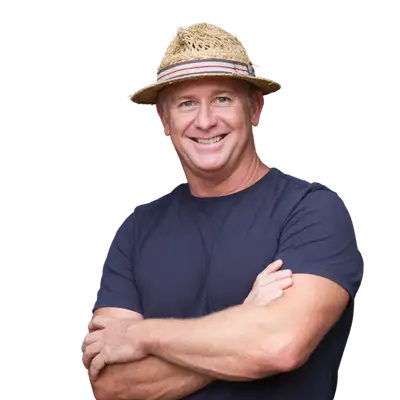
Hosted by Sam Penny, Why’d You Think You Could Do That? dives into the minds of people who said “screw it” and went for it anyway. From adventurers and elite athletes to wildcard entrepreneurs and creative renegades, each episode unpacks the one question they all have in common:
“Why'd you think you could do that?”
If you’re wired for more, haunted by big ideas, or just sick of playing it safe, this is your show.
Sam Penny (00:00)
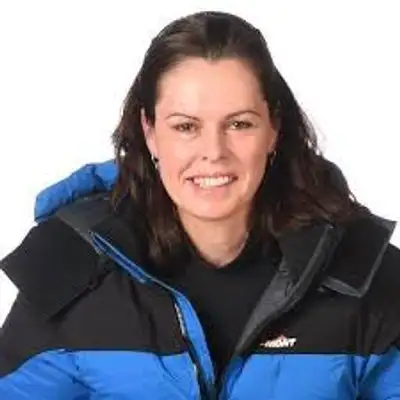
100,000 kilometres every continent. There's no podiums. There's no finish lines, just a bike, a purpose and a trail of change stretching across the globe. Dr. Kate Leeming isn't chasing records. She's building bridges between worlds, between people and between what we think is possible.
and what we dare to do. She's cycled through Siberian swamps and across the spine of Africa. She's conquered deserts so remote they barely have names and taught students on the other side of the world why they matter. She's lit up Himalayan villages with solar power, sat with elders in Australia's outback and brought classrooms into conversation with the most extreme places on earth. Her pedals turn not just for exploration, but for education, for equity, for hope.
This is not just adventure. This is what it looks like when you compass points, not to the summit, but to service. This is, why do you think you could do that? I'm Sam Penny, and this is Dr. Kate Leeming. Kate, welcome to the show.
Kate Leeming (01:04)
Thanks Sam, that's a nice intro. Thank you.
Sam Penny (01:07)
Quite all right. In all my research, like I was saying to you, whilst we're chatting before the show, there are so many great explorations that you have undertaken. it's just been, you're an energizer bunny. Explore, explore, explore, explore. And it just doesn't seem to stop. But I want to go back right to the beginning because everybody starts off as an ordinary person. Before you started peddling, you're a girl.
growing up in the wheat belt in Western Australia, what did your childhood look like growing up in Northam?
Kate Leeming (01:41)
Yeah, well actually I grew up on a farm which is about 30 kilometers from Northam And so our nearest neighbor was five kilometers away. So had lots of space and you know, I used to love the farm as well. But at primary school and then I went away to boarding school. And you know, I was known as sort of the best all round athlete. And so I was always, that was a part of who I was just, just, you know, achieving highly in athletics, in squash, in hockey, in cricket.
and all these other sports. So that kind of was a big part of...
my life as well. ⁓ But I always just had this view of myself as just a kid from the bush. You know, I didn't have someone training me. I just had to do it myself. And so I'd, you know, work out my running route or my had my javelin, my discuses and things out in the paddock. So I, you know, that was kind of ⁓ loved my sport, loved watching, you know, footy and AFL that is of course, WA and cricket and so on.
Sam Penny (02:31)
Ha
Kate Leeming (02:44)
I had my friends and so it was kind of achieved at school, went to university, UWA, University of Western Australia, ⁓ I still did phys ed ⁓ and geography. So they've always been my interests, you see. And stories certainly from my family, they're sort of mostly ⁓ many generations in Western Australia, but on my mother's side, my grandfather, her father.
He went away and fought in the First World War in the trenches in France and he had lots of stories and lots of those stories really, not just of the war, but of his travels really sort of was very interesting to me. We always had a map on the wall, big world map on the wall in the kitchen, so I'd always be asking questions about all these different places. It was just naturally interesting.
Sam Penny (03:35)
So this curiosity of the wider world, was this really ingrained throughout your childhood?
Kate Leeming (03:42)
think so. I also had a great great uncle on my father's mother's side who became the second person to cycle across Australia in 1897.
And I remember my grandmother sort of telling me this story about Uncle Willie. And then so he was quite a character. I mean, he was gone before I was born. But, you know, he used to round up, he used to be a pastoralist at times. you know, he used to round up his sheep and his cattle on a bicycle rather than a horse. And he reconditioned two thirds of the Canning stock route, which is, you know, when I did cycle the Canning stock route, that was, you know, I was following in his tracks.
So, yeah, all of those things had a great effect and there weren't really opportunities to travel as a kid. Not, you know, family holidays was just a caravan holiday down in the southwest of WA or, you know, that kind of thing. ⁓ So it's not really till after I left school that I had a chance to do more. that's kind of, yeah, that's kind how it is.
Sam Penny (04:42)
So this intersection
then, you studied geography and also physical education. How did that academic path really shape your worldview?
Kate Leeming (04:52)
Well, I was just naturally interested in those things. So when you're really interested in those subjects, you know, any news that comes on any films, you know, Lawrence of Arabia or whatever it is, they're really interesting to me. And, but little did I know that I could actually do all this stuff. I didn't know that at all and didn't have that kind of confidence because obviously, you know, when you're in country Western Australia at that time, you know, you're
you your parents sort of thought you'd be on the path to go through university and, you know, become a teacher or whatever and have a normal life. And they didn't, they always let me do my things. They didn't stop me, but you sort of knew, you know, I knew that was their expectation, that that's kind of how things go. And they would have been happy with that, I'm sure, rather than worrying about me when I'm sort of halfway through Siberia. So, yeah, it was kind of like,
Sam Penny (05:40)
Hahaha.
Kate Leeming (05:47)
definitely a part that's ingrained naturally, but then ⁓ I guess I didn't have the opportunity to travel until I went to the UK playing hockey with my university. We organised this big tour and I always dreamed about cycling in France or Italy.
I'd read articles about that but I didn't have the confidence to do that and didn't know how to do it. And then when I was away from home, I started with a friend, we did a little journey in Ireland, just five days, and then with other hockey friends I started a tour in France and I planned that. Then halfway through that they decided they wanted to go off and do something else but I'd done the planning and I already wanted to finish off what I was doing and then that's sort of what
really discovered what I could do. yeah. ⁓
Sam Penny (06:44)
So discovering
what you could actually do turned into a 15,000 kilometre bike ride. Tell me about that.
Kate Leeming (06:51)
Yes,
yeah well it wasn't all at once actually I kind of totaled that up so there was the first two that I mentioned then I unfortunately had to go home because my dad was really sick luckily he survived but I came back the next year and by then I'd planned this big journey through Europe which was 9 000 kilometers so it's basically from western Spain right through the Mediterranean to Turkey and then that was when the Balkans war was on so I had to fly to Vienna and then I continued through central Europe back.
And then on another trip I went up to the Nordkapp in Norway, which was one of my favorites actually. So 22, 23? That's right. Yeah. Something like that.
Sam Penny (07:26)
How old were you at this stage?
Wow.
It's remarkable,
Kate. yeah, I've got, my oldest is 17. He's just about to finish year 12. And I would love for him to go off and do these kinds of adventures. But when you think about a 21, 22 year old going off to do something like that, it just seems absolutely ridiculous. At the time, were people just going, Kate, that's just crazy.
Kate Leeming (07:59)
Well, I knew my family would worry, but I knew people would do this. You know, I've done the research by then, you know, I knew people did these things, so it must be possible. ⁓ you know, yeah, yes, they were worried, especially they didn't worry so much when I was with other people. But when I was suddenly in the centre of France and didn't speak the language and really started testing what I could do and I didn't have the others with me.
But then when my family heard that, were particularly worried. But I wasn't because I realized, hey, this is actually pretty cool. This is really possible. It's not some dream. It's actually amazing. And I still remember that even though it was over 30 years ago, I can still remember so much of that because everything...
it just became my passion because, you know, traveling, really helps to sort of understand how the world fits together. I really love bringing, you know, a line on a map to life. And it just gives us just a brilliant connection with the people and the land. So for all those reasons to start with. And then of course, you know, I'm an athlete as well. So I'd like to test myself a little bit to see what I could do.
So I wasn't just exploring. I was actually also doing reasonable distances and working out what I could do day after day. And I think that has ended up being one of my skills is to work out how to do that day after day after day and knowing my body. Yes, I do need a rest day here and there. I plan for all of that. ⁓ So it's kind of, I guess I worked out my style of traveling and traveling by bike, that is. ⁓
and of course you can eat a lot you know you can enjoy the food there's no worries about those kind of things
Sam Penny (09:45)
There's perks to riding thousands of kilometres. Back then, did you
draw inspiration from anyone in particular?
Kate Leeming (09:55)
Well, I think my great great uncle, Willie Snell, in 1897 when he cycled across Australia, that was a story in the back of my mind. And certainly his story overall was one that I've drawn a lot of inspiration from. And then...
I guess out of when I sort of was working in London and after my main cycle expeditions or trips really through Europe, I met Robert Swan, who's the first person to have walked both the North and South Poles, ⁓ a British polar explorer. And I just met him at a health club where I was working. And he really inspired me and taught me that there was much more value to what I was doing than simply riding a bike and doing it for me. And so that's where things really changed.
And I've upheld that ever since, to be honest. from there, that's when I was planning to cycle across Russia. So this was just when the Soviet Union was changing. So it changed from the Soviet Union to the CIS. And then finally, it just become possible to cycle across. There were no closed areas anymore.
And I just wanted to stay within Russia. And it was Robert who backed me on that. And he was the UN ambassador for youth and the environment. So I kind of suddenly had this great connection and it just, he didn't have to do that that much, but just a letter of support and just, just, just that, that support from someone with that experience just really fired me up a little bit more to make sure, you know, it's the first time I had to find sponsors.
I found a British guy, Greg Yeoman, to come with me and then he introduced me to his fellow ⁓ Russian polar explorer, Dr. Misha Malakhov, and I met Misha before I went and it was his company that's based a bit south of Moscow that I worked with. ⁓
So I always wanted to have Russian cyclists with us to sort of help with, it was unsupported, but we had Russian cyclists at least one to help with language, to help with just getting through, because obviously we didn't speak Russian or anything like that.
And so I found some myself, but that was fairly difficult when they're spread right across ⁓ this massive country. So Misha helped with all of that. His company helped with all of that. So we had a base there. And that's why one of the reasons it just works so well when it shouldn't have. ⁓
Sam Penny (12:15)
But Kate,
Kate cycling across Russia is no small undertaking. And you're doing this so young, you've already, you know, cycled up into the Arctic through right through Europe. And it takes a lot of bravery, I would believe it takes a lot of bravery to undertake so many parts of this. How did you face the bravery day to day of firstly, undertaking something so big?
Kate Leeming (12:22)
No.
Sam Penny (12:45)
but also those daily moments where you are genuinely scared.
Kate Leeming (12:52)
Yeah, I think once you're in it when you're cycling, you're moving through, mean, the biggest danger is probably being hit by a car. That would be the biggest danger. And that can happen anywhere on earth, apart from Antarctica. So it's kind of like...
I don't know, it's, think having the right motivation to start with, you this time I was aiding children affected by the Chernobyl disaster, which had happened seven years before, having this incredible challenge, know, no woman had completed this journey before, from St. Petersburg to Vladivostok. ⁓ And so having all of that right motivation, whether you call it bravery and courage, which there is courage to step off and do something like this.
but you've got to have the why sorted out first and something that is so exciting because it's like, it's a whole brave new world out there. ⁓ No one basically, you know, basically.
We didn't have any information much about Siberia and Russia at that time because that formally was the Soviet enemy and we were told stories about them just as they were told stories about us and there was lots of propaganda on both sides. So to be able to go through and think about that map I had on the kitchen wall with this big massive Soviet Union at that point.
And to actually cross that was just, that was really exciting. I don't know. Yeah, so was incredible.
Sam Penny (14:20)
You mentioned having your why and across all of your adventures and it's very clear that you have a why for every single adventure that you do. How important is that why for you and would you be able to undertake these if you didn't have that?
Kate Leeming (14:39)
I think, yes, I could slog it out probably, but when the times get really, really tough, it's really important to have that, to have that why and have the support. Like usually I've got kids following what I'm doing. I've had to work really hard to find some sponsors and some supporters and I'm connected with organizations and I've never let any of those people down.
And as far as the safety goes, you know, I want to make sure that if I'm, by the time I'm telling my parents that I'm doing this, I've actually mitigated the risks as in I've thought about how I'm going to put it together. you know, like Russia having a cyclist with us who spoke the language and could steer us away from trouble was one of the ways we mitigated a lot of the risks so that we could avoid some of the most difficult situations.
Sam Penny (15:30)
So then the first idea
to ride across Russia, how did that pop into your head?
Kate Leeming (15:35)
I was planning to arrive home actually, was thinking, okay, from the UK, how do I ride back to Australia? Because people do that, but, but actually to go across Russia is a whole different thing because previously it wasn't possible. So.
to be able to do that, to actually learn about something that we only had, we had very limited knowledge about Siberia. So it evolved into, and Robert Swan actually helped shape that idea a little bit too, to go to Vladivostok. So it's kind of like going from the Baltic Sea to the Pacific Ocean, and there's 1500 kilometers of swamp there, where there were no roads, connections through there, there was just the railway line.
and there was like little winter tracks that you know heavy vehicles could get over in the winter but in the summer they were just mud puddles and big rivers so we had to follow the railway line and push our bikes along the railway line and get off when you could feel it shuddering when the train was coming and just get off off the railway line so it wasn't a huge maybe about 80 kilometers that I pushed actually on the railway line the rest was just on off on off
getting full of mud and yeah, was tough but I was loving it, it was such an adventure.
Sam Penny (16:53)
There
must have been some pretty scary moments in that adventure.
Kate Leeming (16:59)
Ah, it's a long time ago you tend to forget the scary things. A couple of times if there's sort of drunken people around and you're trying to find somewhere to stay and you know there's no lock on the door or something like that.
Russian people were really friendly, some of the most friendly people you could possibly imagine, incredible and couldn't do enough for you. So they weren't really this big enemy, they were just incredibly friendly people who, ⁓ they were very well educated usually, they had quite a good education, but their existence was pretty hard.
For a lot of the year it was extremely cold. I just think the more remote the place, the friendlier the people and that goes for anywhere probably in the world. So as far as being scared, yeah bears, bears could have been an issue. We saw bears at Prince ⁓ in the swamp where we were a little, mostly we didn't camp. found little villages or a couple of houses here and there along the railway tracks. So we'd stay there.
⁓ but when we did camp we sort of put the food up a tree further away from us that kind of thing so we we tried to avoid that but yes bears were a little issue to worry about there I would have thought yeah.
Sam Penny (18:24)
⁓ I recently
interviewed Sasha Dench, the human swan. She flew a paramotor from right up into the Arctic, the Arctic, 8,000 kilometres from Siberia back into the UK following the swans. And her why was all about ⁓ the conservation of the white swans ⁓ across that path. And she said exactly the same thing, that the Russian people are such a wonderful, ⁓ wonderful group of people.
Kate Leeming (18:38)
Hmm.
Please.
Hmm.
Sam Penny (18:53)
And the outside world, it's not how they're portrayed through, you know, particularly propaganda. And you must see this across a lot of your journeys that the worldview of a region of a people or something like that is very contorted to what is actual.
Kate Leeming (19:16)
Completely. I mean, just think about Africa as a continent and it's tied with this idea that Africa is a dangerous place. And it's not necessarily, you also get amazing people all the way through in every country. ⁓ And yes, there are places where there are war zones and to get through some of those, it involved a fair bit of planning and having the right people with us. ⁓
But by and large Africa, even where I've just been in Central Asia, you know, they're saying, oh, you've just been to Afghanistan. You've just been to, know, but hey, there are ways through these places and do the research first and then find a situation where you, do have the connections if you need them. Um, and, and so I put a plan together so that I have, you know, safety is a part of what I do. Um,
might not always look like it, but it is. I think I've got it generally under control. And if something did happen, then I'm unlucky. I've done everything that I can to mitigate those risks.
Sam Penny (20:22)
So let's talk about the
preparation then. How much preparation goes into each one of these adventures?
Kate Leeming (20:28)
Well, it varies. got more and more and more. So I think after Russia happened very fast, actually, because...
It's weather dependent, had to do that in the summer. And by the time I started organizing it and met Robert and that, you know, I did it, organized it within four months and that was crazy. That was crazy. Just, it just had to happen. Otherwise I'd have to wait another year. Australia took about six months or so to plan. That was a 25,000 kilometer journey through Australia. And that was just the best way to understand how my country fit together. And that was about education for sustainable development.
UNESCO involved in that one and ⁓ yeah there was an education program so that could have been done a little better the education side but I was the first time I tried to put something together so that went really well and then Africa took eight, hang on, about 18 months in total from when I
You talk about courage, that's because I had a lot of, you know, it was massively complex. There were many countries, especially the route that I'd chosen, which was, you I'm the first person to have cycled across Africa's, from west to east, from its most westly tip in Senegal to its most eastly tip in Somalia in a continuous line.
and that was about exploring the causes and effects of extreme poverty and specifically what's been done to give a leg up rather than a hand out. So to organise that and to make that work, you know, I had 11 different organisations, I visited 15 different projects during that journey.
that I had to work out where the trickier places were. One of the incredible plans I had that worked, systems that I had that worked really well was connecting with a whole group of Australian resource companies with interests in Africa. And that worked because I had sort of like a base and I had advice and I had, you in the difficult parts, you know, I had security. You you can't just sort of show up and go through
land and get to the finish. You know, I had connections with the government and they protected me. And, you know, they got all the way through. There were places like the tricky places in the Republican Congo. ⁓ Yeah, so that worked. So putting that together was was crazy. It nearly killed me putting it together. Then it was a 10 month journey and then another four years to produce a film and a book. I mean, that's a huge commitment.
⁓ Then you go on to.
Sam Penny (23:07)
So give me an understanding,
Kate, of just, because I really want to dive deep into this Africa ride, because it was huge. 20 countries, 10 months, pretty much one unbroken line across Africa. How far was this journey?
Kate Leeming (23:21)
It was when I broke
the Sorry. So it's 22,040 Ks through 20 countries, as you say. And my rules for all of my expeditions are that there must be a connected line.
Sam Penny (23:26)
Have fun with this journey.
Kate Leeming (23:38)
So I can't miss anything out. The only time, you know, like in Australia, there was a bushfire. I just had to miss a tiny little bit because I just had to. But basically, unless it's something I can control, ⁓ in recent times, was like going around the Aral Sea, crossing a border ⁓ on the west side. There was just no choice. had to. We were stopped by the military on either side. We had to go around and come back.
But basically other than that, my journeys have to be a continuous line and Africa certainly was. ⁓ So that's just really important. It's important for my motivation, my psyche, and that's just what I do. It's like, you can't just stop a bit and miss it out because you don't want to do it. It's kind of like, no, you have to take the good with the bad and just...
tough it out, don't just, you know, when I've done supported expeditions, I don't just jump in the car, but I use the car. I mean, obviously the car's there because we're filming it. And yes, it's a different type of journey then, but still I don't miss anything. And if I do say jump in the car to go and get some accommodation, I come back to the exact spot that I stopped cycling so that it's always connected. It's really important.
Sam Penny (25:00)
There's no shortcuts to success, is there?
Kate Leeming (25:03)
That's right, that's right.
it's the story. The story is the most important thing. And to miss out a bit, just not on for my expeditions. Everyone's different, but that's certainly, know, or you can't claim something's the first if you've missed a bit out. So, yeah, so each of those has to be connected.
Sam Penny (25:22)
Yeah.
So then what were some of the hardest and probably most human parts of this journey?
Kate Leeming (25:32)
Well, there's human parts all through it. ⁓ The hardest part, there are quite a few hard parts. I think the hardest part was actually working with my team at times because...
I couldn't pay a filmmaker. didn't have funds for a 10-month journey to pay a filmmaker for 10 months. so therefore, like the first guy was just out of college and he wasn't built for the job. And having to deal with that while you're in Mauritania and Mali and try to find a replacement and try to keep the footage that you've already got and just all that kind of thing. So managing the team, was a couple of rogues in there at different times.
⁓ It was terrible when you're out on the bike and you're in the tropics and you've got a driver who's just replaced the main driver for a couple of months and he's just poisoned to the team, you know, and I can't do much about it. I've just got to keep going and try to jolly things along. ⁓ So that was probably the hardest thing. ⁓ But look, within Africa, it was such a massive journey. ⁓
I'm trying to think of the heart. I mean, yes, I was in the Sahara desert. Yes, was, went through the mud. ⁓
out into the Afar region in Ethiopia where it's 48 degrees and same in Somaliland, really hot. So I don't know how to judge. When I'm in it, I just work out how I can get through. There's a shooting incident in the Congo where the former ninja rebels were still there trying to protect their patch of land and they really wanted, and I had soldiers with us ⁓ and in the middle of the jungle, suddenly there's gunshots coming out of the jungle and I'm on
my own on a little track in the jungle the the soldiers were ahead of me and support vehicle was somewhere way back behind me what do you do it's like well you can't you just got to be in the moment you can't you can't panic you just stood still I tried to move towards a little pile of dirt that's all there was and then basically the soldiers jumped off the vehicle and chased the
bandits into the bush and fired a couple of shots and then said, come through. Like they'd fixed it. It's like, So I had to cycle past into the jungle.
Sam Penny (27:57)
So Katie, you petrified in these moments.
Kate Leeming (28:00)
No, well, yes, like the heart rate's going. But petrified as in I didn't, you I just you get into that fight or flight situation. So I've just got to trust the people that you're with. And certainly in that case, trust what their soldiers I couldn't say no, I'm not cycling. They've they know the area they know their opposition. The opposition were actually shooting at them. They weren't shooting at me. They just wanted money from us, I think. So
And there was other times crossing into Somali from Somaliland to Puntland as well, where I certainly wasn't going to get separated from the vehicle. So I don't petrified. I'm not petrified. ⁓ I'm kind of, if I'm backed into a corner, I'll stand up. I'll stand and I'll look at, look them straight in the eye. ⁓ And like you, if you start running from something like that, it's like, they're like, imagine what a wild animal do that'll chase you. But actually if you then.
you realize you can't do anything more, you've done everything that you can, then I just stand up and look, yeah, there's nothing else you can do, but that's my way of protecting in that case.
Sam Penny (29:09)
Do these moments shape the next few days?
Kate Leeming (29:15)
Well I think you know when you have depends which moment we're talking about but ⁓ if it was to do with like the Congo one well look we'd got through the worst of it then we were basically coming into into Brazzaville after that.
So it was kind of like this weird thing, whereas one moment you're getting shot out in the jungle, then you hit this Chinese-made bitumen road, and then 135 kilometres later you're in Brazzaville, and there was like a... whole city stopped. There was a ⁓ military escort through the city. People were stopping, waving, and I'm going, this is weird. And we're looked after by the government because... ⁓
Sam Penny (29:51)
well.
Kate Leeming (29:57)
once we got in, want to use me as a goodwill story to show women in the Republic of Congo what women can do. So I don't mind being a part of that. So it's kind of like one thing to another. You never know what's going to happen next. So I mean, that shapes things, but that was just, we knew we had to get through that area. We had also a plain clothed inspector with us as well. So we had a lot of security with us to get through that bit.
Otherwise we probably couldn't have done it. With Somalia, going from Somaliland to Puntland, we had the governments on both sides working together, but still they couldn't cut through this 135km of no man's land.
And so on the Somali side, they don't get on, strangely enough. On the Somaliland side, there were all these checkpoints and we just had to have a civilian vehicle ⁓ and my filmmaker and my sister who was there at that time in this civilian car and then put land soldiers came through the no man's land bit to escort us through. ⁓
And then the civilian car went home and then we had another person from Portland coming through, someone from the university. And then we had that situation where we were stopped ⁓ and the soldiers were allowed through, but we weren't. then the soldiers came back and argued and then they still put the barriers up for us. So in the end, they just reversed over the bollards and said, you go through. And I had to go through on my own for three, 400 meters and wait for them to get my sister and their car through.
and then they wanted to go back and shoot these guys it's like no we're through we're okay it's okay they were trying to protect us but you don't have to shoot the others to protect us you know we're in the middle of like the Nullarbor and you know three or four kilometers later
Sam Penny (31:40)
Ha
Wow.
Kate Leeming (31:53)
all these government ministers came from Portland to greet us. So there was like a convoy of five, so there's ministers and all of their, like they each had a military escort with, you know, rocket launchers and soldiers. And I'm just cycling in front of this escort. It's like, that is surreal. How does that happen? And it's, yeah. So, and then we'd stop in this little village and the women would go and make us tea and there'll be a warlord and...
⁓ It's unbelievable story and that's what happens when you start the ball rolling. They all believed in it because this was near the end of the journey. They wanted to have a positive news story come out of, in this case, Portland and Somaliland. And I'm willing to do it because I put my trust in them and from the president down, they protected us like family. So you bring out the best in people when you're doing things like this.
Sam Penny (32:50)
I think one of the interesting things, Kate, is that these rides, it's easy for someone to say, it's all about you, but it's actually not, it? Because they really highlight grassroots solutions. Can you share some of the ways of the journeys that you've done and how you've seen development or even resistance in the areas that you're going through?
Kate Leeming (33:15)
In development, all of the countries that I'm traveling through in Africa, for example, and not only, are developing countries. And, you know, I was trying to get a closer look at that because obviously riding on a bike, you know, you're very connected and grounded.
with the local people and you know when people are begging you know have holding babies out at you it's really confronting ⁓ and then you know visiting ⁓ different I I met I I visited 15 different projects during that journey and they're incredible things like ⁓
One of the ones that's getting a lot of ⁓ air right now is farmer managed natural regeneration, which began by this guy from Melbourne, Tony Ronaldo. And he was working with ⁓ World Vision and Serving and Mission in Niger. And he discovered a way, a very simple way of pruning trees, because the trees are just taken out and they're getting drought after drought after drought. There's no resilience. Incredibly poor, poorest nation on earth, just about.
and just by pruning these trees and taking some of the stumps so the stumps would be the trees would have been cut down and the roots are still alive and then little shoots would come up.
and pruning those down and letting the tree grow into something substantial stops the wind blasting, increases productivity. They have extra wood that they can use because they can cut down some of the branches. If they leave four branches, they can cut them down and they extra wood. It doubled their income. It was an incredible ⁓ thing that's actually moved right across the whole Sahara region in Africa, but also in other parts of the world. It's even being adopted here in Australia, but also like in Timor-Leste.
and other parts of the world. So that's very simple, low cost. was all about what they discovered, it's all about educating the community and why they should leave their trees and how they should prune them and what the benefits would be because...
the community didn't trust that. thought that, they had to cut down the trees. And that was how they got to get their firewood. But then they'd have to walk further and further and the women would always have to do all the work carrying the wood back. And so that was one incredible, it's more than it was, it's a movement really. So right across, especially that area, right across Ethiopia and Somaliland and so on.
Lots of grassroots, lots of grassroots, you know, it's really about supporting the people and empowering them to look after themselves. It's not about just giving, you know, it's giving a leg up rather than a handout, as I'd always say. ⁓
And look, there are lots of great organizations that I want to support when my foundation is up and ready because they're still working, they're working hard, they're developing, they're doing great work. And by improving education right the way through, ⁓ improving just microloans, that kind of thing is really important. World Bicycle Relief is another one. I visited and saw what they were doing, incredible work. ⁓
⁓ So many of them, one of the most interesting ones I diverted out into the desert in Ethiopia, the Afar Desert, to meet Valerie Browning, ⁓ who was an Australian nurse. went there in 1974 during the droughts then and basically stayed. And she's married to an Afar clan leader. She's a very strong ⁓ Anglican Christian and he's a Muslim. They brings out the best in both of them.
They do incredible work. She's built a hospital. ⁓ She's looking after the women, it's vaccinations, it's looking after the Afar people who are nomadic. ⁓ I learnt so much from her and we got on well. So well, I asked her to write the foreword for my book. ⁓ She's an incredible person. And just learning from her, learning about what poverty really is.
and what people really need. And ⁓ yeah, that was really important. So I could go on.
Sam Penny (37:32)
Your expeditions
often have quite an educational element to them. So why is teaching such a vital part of what you do?
Kate Leeming (37:40)
Yes.
I think, look, it's a great privilege to what I'm doing and each journey may have a different cause, but by being able to improve and share and promote understanding about the world and how it fits together, it's going to help, especially with some of the work, know, just really helping develop tomorrow's leaders and, you know, hopefully they'll be able to make better decisions about the world if they're more aware of the world around them.
And if they're inspired to go out and explore and see the world for themselves, then we're going to have better decisions and decisions being made, not just for maybe to support one small area, understanding how the world around them fits together. Then that comes into the future, I hope. So education is just so important. can't do...
massive amounts but at different times I've created programs and it's all about learning. I work with the ⁓ Duke of Edinburgh's International Award in Australia. I've done a little bit with Scouts before and then just different schools and also international organizations such as Beluga, ⁓
Yeah, and different ones, another one called Exploring by the Seat of Your Pants. And recently also with the school section of the Royal Geographical Society in the UK. So it's just, you know, it's so hard to put an expedition together to find the funding just to make it happen. And then I put just as much work into trying to make some sort of educational contribution.
And it's also really important to film and write because if I can create the story, if I can share the story ⁓ as a film, as a TV series, whatever way I can, then that's going to inspire and promote learning and understanding as well. So it's just as important as doing the expedition itself.
Sam Penny (39:59)
across so many countries, so many continents, Namibia, the Andes, India, how do you build relationships in these remote communities that you're going into where you are such an outsider, you're so out of place? How do you build those relationships when you go in?
Kate Leeming (40:16)
⁓ Each journey is different. So if you're looking at India, for example, I had a connection with Global Himalayan Expeditions who bring light and education to the Himalayan area. The Indian Himalayas, place called Ladakh and other places now too. And we'd connected and so I actually joined them on one of their projects as well as did my cycling. So they helped me make those connections.
I've with Namibia with the Skeleton Coast, I connected with, I found a local tour operator who was specialized in the Skeleton Coast in the north of Namibia and then put this idea to him. know, once you get this, a great idea, so all of these are, they're not just the average cycle journey. There's something really special about each of them. You pick up support, people really like it they just want to get involved.
So that was, know, they provided the vehicle support for that journey. mean, there's 500 kilometres between water sources there at one point. So it's not possible to do that unsupported at all. And we're filming it, of course. So with the Andes, again, I've made different connections in different ways. So it's by doing a lot of research first and then asking questions. And I have a lot of connections these days as well. And
one way another, I find out the best way. all of my expeditions are basically finished on time and not all the recent ones on budget, but basically they've always, I've always landed them. So, they have to be within a certain time zone, time scale that I...
work out what it should take. So it's kind of, they're all kind of compact and it's not just like, I'll have a rest here for a month. I've got to come back to work here, you know, I've got everything's limited. So yeah, each journey is special. When I went down to Antarctica, I'd already developed a connection with White Desert who are based in Cape Town.
and they got on the bandwagon as to, I'm planning to cycle across Antarctica. This was going to be a great training run down there. they made it, we planned something special down there at the end of their season when they were all packing up, they had a support vehicle that was free. And so we planned a route, we planned all that together. ⁓ So it's sometimes seizing opportunities. mean, the reason I've done all these journeys is, as I said, I'm planning to
cycle across Antarctica and I'm not very good at the cold. I have no experience with the extreme cold. I'm good at the heat, but being coming from where I come from, but the cold, no. So firstly, I had to upskill and found, you know, developed a bike. That bike needed to be tested and all the skills. I took Australia's most, you've probably interviewed Eric Phillips. I don't know, but if you haven't yet, you should do. He's just...
Sam Penny (43:08)
You
Kate Leeming (43:28)
been into outer space as well. But Eric's like Australia's best polar explorer and guide. So Eric came with us on our first trip to Svalbard to educate us to get, know, to because I realized I'm out of my depth here. I can't just go there. ⁓
So Eric came, I got one of the best filmmakers possible, Claudio von Planter and another guy as well. And we went up to Svalbard and tested the first bike. Then that required more testing. So when I could find enough money again, the next one was with Claudio in Northeast Greenland and I had a different group of people. then Arctic Canada after that and so on and so forth. So by the time I got to Antarctica, that was the final of the training series.
So what I did, I tried to put all this together, wasn't able to find the funding. So I thought, well, why don't I do a preparatory expedition for Antarctica on every continent on earth? And that was to develop the education side of what I do. So after doing the polar journeys, that's basically what I did. So they were either in sand, at altitude. ⁓ The first one down the Baja Divide was just getting back into sort of bike packing and sort of hadn't done the expeditions for a few years.
I was just getting back into it and the rest, Australia's Finke River, Larapintas, like the oldest river in the world. ⁓ Sightseeing on the sand bed, that's a pretty, yeah, that's probably the roughest little expedition I've ever done and hard. That sand was really, really soft and you're going through where the gorges are, it's just big stones. So I'm sightseeing just on beds of stones.
Sam Penny (44:51)
wow.
Kate Leeming (45:08)
with a fat bike. that's why I embarked on all of that. the altitudes in the Andes and Ladakh, the sand in Namibia and Australia. Yeah, and then Iceland was another one as well. So that's Europe.
Sam Penny (45:27)
So all
these adventures, Kate, seem to be building to this expedition of cycling across Antarctica. Am I right in saying that?
Kate Leeming (45:36)
Yes, but realising that that's such a difficult thing to find the funding for, I also wanted to make each of these expeditions that I've done ⁓ really worthwhile and special in their own right. So they were kind of like not just training, they were keeping me sharp and creating these powerful stories, like, you know, and out of that also learning.
how to make TV series and that kind of thing. So I've got a lot more skills now having done that. And yes, I've got to go to Antarctica. ⁓ Next year, look, I've got, I'm probably in the best situation I've ever been as I'll know in a few months. ⁓ Yes, so this time next year, pretty much. So from mid November, December, January is the only time it can be done.
Sam Penny (46:16)
So are we talking the 26-27 season.
Kate Leeming (46:26)
I don't have that yet, but I'm in a better situation right now. I can't announce anything because there's nothing to announce yet, but it's more likely.
Sam Penny (46:38)
Now, tell me,
riding across Antarctica, I interviewed Aaron Linsdau who skied to the South Pole. Took him 82 days. He's not the first person to have skied to the South Pole, but he's the longest person on the ice. And we talked through a lot of the absolute hardships. For example, his whole calorie, calorie source, his food source went rancid because he didn't realize.
that the sun was going to be so harsh. Even though it's minus 10, minus 15, the sun going through his packs made all of his butter go rancid. Now, in terms of how epic this adventure is of cycling across Antarctica, how many people have done this?
Kate Leeming (47:23)
No one.
Sam Penny (47:24)
Exactly. But so where does where does that spark come from Kate of saying, I want to be the first person to cycle across Antarctica.
Kate Leeming (47:25)
What?
⁓
I got the idea when I was cycling up the Canning Stock Route and we're out there going across Lake Disappointment and it was like 45 degrees. I'm looking out there and it's like this salt lake, this incredible salt lake expanse and we're going, wouldn't that be cool to be in Antarctica, right? And then, you know, the stock route itself is like a thousand sand dunes ⁓ and cycling on sand is very similar to cycling in snow. I'm the last person to cycle on the stock route with a regular bike. ⁓
mountain bike, everyone's know fat bikes changed the game and so I also knew that at that time when I started to get the idea I kind of knew that ⁓ fat bikes were the only way to go obviously the bigger the flotation the better ⁓
And I knew that people, especially in North America and Russia and so on, were using fat bikes on the snow. So then obviously the technology's improved a little bit and maybe this is possible. Is it possible? It's right on the edge of what is, it definitely is right on the edge of what is possible. ⁓ So firstly, I had to work out.
is it realistic? so by going to Svalbard, or doing all those polar expeditions, and I discovered also there was a ⁓ fellow in the US who ⁓ made bikes with an all-wheel drive system.
that was built internally into the frame. And it's the only one of these sort of types of systems that looked like it might be robust enough to really work in such extreme conditions. You don't want to have something that's going to break down. There's just, know, obviously for obvious reasons. ⁓ So I contacted Steve, Cristini, and he just made them into a ⁓ normal mountain bike. So.
to design a fat bike with this in, he had to start from scratch and design everything. So I got him back into making bikes, he made bikes for a few years. And then he made the first one, which I trialed in Svalbard. It didn't have a wide enough back tie, he hadn't built the technology around that at that point.
But it was definitely worth a go. was definitely, there was something in it. It's not a magic bullet. It's the hardest thing you can possibly do cycling in, in soft, know, in snow and in extreme cold. And it just gives a little bit better grip. That's what it is. So it works. So basically when the back wheel slips, the front wheel instantaneously engages. It's very, very efficient. You don't push it all the time.
Sam Penny (50:12)
now. ⁓
Kate Leeming (50:13)
only when it's required. So then you're pushing the front wheel essentially until the back wheel works again. See, so it just switches between the two when it's on. It works like a normal bike other than that. So you can switch it on or off. So it's not something that's a, I don't see it as being risky because you can just, it just works as a normal bike and you can switch it on, which in the snow tend to keep it on. But
But a of the time, a lot of these other journeys when I use it in the sand, I don't need it all the time in the sand, know, just switch it off. So then I made, so he made one for the Northeast Greenland that had sort of 4.8 inch wide tires and that bike was so much better.
And I still use that as my sand bike now. So I've done all the sand expeditions and my house is full of bikes. Then Arctic Canada, the fat bike number three. And then I thought I could improve it a bit more. So the one I used in Iceland and then recently in Antarctica is like the Rolls Royce. That one's really amazing. So I'm just keeping that one in the back room there.
Sam Penny (51:18)
special
moment. When you first came up with this idea was it something that you kept to yourself and just ruminated on it in your mind?
Kate Leeming (51:27)
Yeah, definitely for quite a long time because it's so out there and I'm not like, like I'm, I'm a normal person. It's like, can, I can, I can imagine what people will think of, you know, she's mad, this, that's particularly, you know, telling my parents and my dad just went, ⁓ God, you he was really, no, no, I had to make, the system work first. Like,
Sam Penny (51:48)
Were they the first people you told?
Kate Leeming (51:55)
understand how it's going to work. ⁓ Testing the bikes going up and I had a plan to upskill first, you know, to understand. So, yes, they knew what I was planning training for when I went up there, but they know that I'm not foolhardy either. I'm not just going to go and do something stupid and unreal, they always worry. So. ⁓
Yeah, so I thought about it for quite a while then I asked a few other explorers and people, mean people had attempted to cycle to the South Pole before and all failed, ⁓ but I thought their efforts were not great in terms of the bikes, the technology wasn't right.
So I was not going to do it that way, but I'd learned from from those and they're all brave and there's a big thing, but difference between traveling supported and unsupported on this is like it's just even traveling just with a bike. It's hit or miss whether you can cycle or not. And you've got to be able to cycle least, you know, a good chunk of it. And sometimes you might have to push, but
It's a very fine line between cycling and not cycling. So when you have to carry a load as well, you're going to sink down more into the soft stuff. It doesn't matter on the ice or firmer stuff. it's not really, it is realistic just to get to the South Pole. And in 2013, three people got to the South Pole. Two of them were unsupported. One of them did it as a cyclist. One of them did it as a bike ski.
And then the third one, was, she was the first, actually, she used a recumbent trike and she followed the South Pole Overland Traverse, which is the American's route between McMurdo based on the coast and the South Pole. So she, she used that, which I intend to use. And so she, having a recumbent trike is good on that because the surface is better. And I guess going into the wind, because you're always going into the wind as you go to the pole.
Um, staying lower was a good idea. Um, and the balance is a good idea, but there's other things that are not like if, if the, if the snow is rougher and you've got South streaky and that kind of thing, you wouldn't be able to use that, that kind of bike. So, um, so I'll let you learn from those. there's another fellow as well, Keith, toughly, he did another sort of 600 K route. Um, so when you go to the shortest route just across the land is about, um,
17 to 18, 1750 to 1800 kilometers. And that's, these guys were doing like 600 or 6500 or 1100. So this is much further and to do it unsupported is not realistic. There was an Italian guy who tried twice. He's a very, very good cyclist. He tried twice. And he was initially he wanted to cross and then he failed after 10 days. The next year he came back.
And he made about 700 Ks and that was unsupported. it's not realistic and for me to do that unsupported. that's where the expense comes in. It needs to be supported. If that makes sense.
Sam Penny (55:17)
I
love the idea of this, Kate. It's exciting. It's what the show, it's batshit crazy. ⁓ It's you saying yes to what pretty much everybody says is impossible. When you first said it out loud, what was that feeling?
Kate Leeming (55:22)
What is it to you?
Well, firstly, I was talking probably with Eric Phillips, people who really knew about it. So I knew that when I said it out loud to him, he'd be taking seriously and he realized I was a serious explorer. ⁓ It actually felt good because I was thinking, okay, now I'm on the edge of maybe finding a new system that's going to work. And now I can't wait to test myself against that. When I say against it, don't like to say I've...
⁓ I battle against the odds. I'm more like I'm working with the environment rather than against it. You know, I'm trying to work out what that environment's like and work out. love working out a system and what I need to do to get through that. that's, that's, that's, guess that's the essence of exploration really, isn't it? And it's in us all. It's in us all. You just got to find it.
Sam Penny (56:33)
If
this ⁓ expedition isn't successful, how would that make you feel?
Kate Leeming (56:42)
⁓ well, I think that the most important thing is that I've done everything that I can to deal with it. So things can happen. It could be just weather that stops us, you know, it could be just something like the conditions are especially bad that year or whatever. So it could be things beyond my control, which is, but, at the same time, I'm only starting this. think I can, I'm, I'm pretty sure it's possible. I like, I can see it's just.
You know, I've experienced what it's like to cycle in Antarctica. sort of, was only up to about 1800 meters. I wasn't quite as high as I'll be going down there, but I got a taste of a lot of the conditions. I think the one that scares me the most is when it's white out or close to where there's no contrast between sky and ground. And it's different if you're skiing, you've got this big sort of platform skis that you're on. So you don't have to spend so much energy balancing. It's kind of, you just slow down.
whatever but on a bike if you can't you spend all this energy just trying to balance that's the main thing you're trying to spend all this energy so if you can't see the difference between the sky and the ground
there's no point of reference and I can't even feel when I'm falling. So I'd fall a lot, you know, and you can't see, you can't see where there might be a divot in the snow. And obviously when you're cycling, you need to know what you're focusing and just in front of you so you can find out, you know, when it's so rough, you know where the divots are and when the little mounds are and all that sort of thing. And if there's whiteout, you can't. So I think that's probably the worst thing for a cyclist that's different from a skier. It's just that much.
Sam Penny (58:22)
Yeah, Aaron Linsdau
when I interviewed him, ⁓ he also spoke of these whiteouts. And the first moment he realized that he'd fallen over was when his head hit the ground.
Kate Leeming (58:29)
Good.
Yes, yeah, yeah. So that's the same thing. But I think, I don't know, just because you've only got a small contact patch on the snow, think that's even scared. It was pretty scary for me just thinking, okay, I hope I don't get too much of that because that's going to really slow the exposition down a lot. I could walk through it because at least I know my feet are on the ground and I've got the bike there to actually balance.
Sam Penny (58:57)
you
Kate Leeming (59:03)
So yeah there's that sort of side of things. The ice was pretty scary but I did have little studs and now I realize that they weren't big enough so next time around I've learnt that I'm going to have these bigger gnarlier studs on my tyres. So there's little things I've learnt. ⁓
Yeah, it just tests you one thing after another down there. so everything that I've done, keeping those expeditions going just keeps me stronger mentally. And I got a little taste of the challenge down there where there's less visually to see, that fewer points of reference you're just pushing. So the mind strength is the biggest thing. As long as I can keep warm and manage my...
sweating because you end up sweating on a bike much easier than skiing. Skiing you just slow down and you can do that but on a bike you can't slow down you just fall off if you slow down. So there's all those little things that are a little different that makes it more of a challenge so for me it definitely has to be supported and if I can do that, if I can have that then I think I'm realistic in terms of what I'm aiming to achieve.
Sam Penny (1:00:15)
In 2019, I was the first person on the planet to ever attempt to swim the English Channel in winter. And leading up to it, every single time I thought about it and it was all consuming, it was just bloody exciting. When you think about this expedition, does it just excite you?
Kate Leeming (1:00:23)
Mmm.
Hmm.
Yeah, of course.
That's what I do. It's like, this is like a pinnacle because, yeah, you just test, you're testing everything. You're testing yourself. How does the body survive in so many days of just extreme cold? Like that's what I don't know. That's the unknown for me is yes, I can do, you know.
two weeks or even that was just a week down before. So how do you go for six weeks of that or two months of that ⁓ where it's such a harsh, you look like an old woman down there, really do. It messes up your skin, it's out. ⁓
Yeah, so that's the unknown, but I kind of like that challenge of seeing, how do I get through this bit? How do I get through? And if you always work out and you always ask the question of how do you get through, how do I get through, then that's the way to do it, as you will know. How do I do?
Sam Penny (1:01:41)
You speak about your North Star, and obviously this next expedition is just something that drives you day to day. You often see people who, know, fear loss. They're going out, going through the motions, but don't have something to aim for. What do you say to those people who really haven't worked out what their spark is?
Kate Leeming (1:02:06)
try as many things as you can and find out what it is. That's what I tell kids, you we're all adventurers in a different way. You've just got to be able to unlock that. So two ways to discover what your passion is. That's what I was able to do. ⁓ Changed from, you know, had an interest in geography. I was a very high level sports person, but here I wasn't competing out there when I was doing the adventuring. I was learning new things and I was still getting from A to B under a good time and that kind of thing.
So I think for other people it's just really, yeah, you got to find out what you can do and if not just try lots of different things until you do. You'll feel better just having tried something. ⁓ And if it's cycling or going for a hike or whatever it is, just start small. It doesn't have to be much.
and just plan it and think about it and do a little bit of research about it. And then off you go. If it's a business that you're setting up, same thing. It's just the same approach. doesn't make much difference whether it's, every time I set up a new expedition, it's basically setting up a new business. It's starting from an idea, a vision and going right through to doing all the research, finding out the best techniques, what's new, what's special about this, why would people buy it or how are you going to sell it?
All of my expeditions have marketing points, there's no two ways about it, whether it's a first, whether it's the story about something in particular, like the most recent one following a story about water by following the two greatest rivers in Central Asia from basically source to the Aral Sea and then back to the source of the other one and actually discovering a new source, that was pretty exciting.
⁓ so, so they're all, everything that I do, I'm very, like, it's got to challenge me. It's got to be interesting. It's got to be, I wouldn't put my energy into something that's doesn't 100 % inspire me in the first place. So for other people, it's, I would think it's the same thing, you know, whether you're trying to be an athlete, a particular, get to a certain, achieve a certain thing, it's just the same. You map out how you're going to get there.
⁓ But if you don't know what that is to start with, you've got to keep trying until you do. And then you'll reveal another layer of that vision once you go, and you keep being open to adapt and change.
Sam Penny (1:04:34)
received an Order
of Australia medal, you've written books, you've made films. What is it that you really hope people will feel after hearing your stories?
Kate Leeming (1:04:46)
look, the thing that really I love the most is actually when I've, they've heard my stories, whether I've been speaking or whatever it is, and they actually go out and try something and they do something, you know, even if they're just going out to do a ride or just like they've got it and they've gone out and they're actually taking action. And that's, that's what makes me feel, feel the best actually is when people really get it they go out and they do something.
whatever that is. So that's good. I'm actually setting up my own foundation ⁓ that's kind of pulling everything together what I do. So it's supporting some of those grassroots organizations that I've started talking about in Africa but also in other parts of the world. And it's also ⁓ the education side is developing tomorrow's leaders at the same time. So that's being set up and so I think that
pulls my motivation like everything together. So Antarctica would be raising funds to kickstart that. And if I can get it done next year. ⁓ So that sort of really is inspiring for me in the future to actually make more of what I'm doing and pull that together. And that's exciting to me.
Sam Penny (1:06:10)
Your education work, Kate, your
work uses your journeys to teach everything from what I can see, from geography to ethics. Why is that learning so powerful for people?
Kate Leeming (1:06:23)
I think that learning by experience is how we best learn, ⁓ certainly how I learn, and it's not just one discipline, it's usually ⁓ a combination of a lot of different disciplines as you mentioned, like yes it's geography but it's also human biology ⁓ or as you say ethics or there's so many parts to it.
So, and that's how life is, it's not just one thing, it's all in. the interrelationships between all of those things is important to understand that you can't really have one without the other anyway. I guess my journeys require a lot of different skills and they, you know, it's important. ⁓
whether it's on the physical side, the mental side, I'm just trying to draw out the benefits of what I'm doing because that inspires me to be able to make a difference to other people. Just a huge...
Sam Penny (1:07:22)
So what is really
then your personal North Star?
Kate Leeming (1:07:26)
I just want to be like, I'm very fortunate to have done these things. Like it doesn't, I'm not lost or reflected. I'm fortunate to do this stuff and I just want to not take that for granted. And I don't know where I'm going to end up. mean, foundation is a great way to go.
Just making it making a difference is the big thing really and and using my skills to the absolute maximum so I couldn't you know I'm taking my long suits and making them longer really and and pulling up some of the other things that I'm not so good at along the way like I didn't used to be a good speaker but now I'm fine you know ⁓ so yeah I don't know how else to to answer that really
What's guiding me? It's just to use my skills to the best and you know I'll get older but I still seem to find ways that I can achieve these goals so I keep going.
Sam Penny (1:08:36)
You've spoken a couple of times about getting older. Are you afraid of getting older and that perhaps some of these adventures will have to be back from where they once were?
Kate Leeming (1:08:40)
Mm.
Well, think by keeping more current, by now I've been much more productive, I've got a situation with my work where I can get out as well, so I can be much more productive. That's keeping me sharp and able to understand what my body can do. I don't think there are many more years when the Antarctic dream is ⁓ realistic, but it
you know, I have a knee issue that I've had to manage since 1997. So I just have to keep working out what I can do and then taking that to what, you know, then that's what I do. I adapt a little bit. The motivation is still there. Why the motivation is there? Why not? I've got a few.
A few other journeys that I think are epic, a like the Central Asian one, that I think are really worth doing and are really special, not just Antarctica. So yeah, I can keep doing this stuff, but my body will tell me when I can't. I've certainly managed it fine this year. So I just, as I said, that keeps me sharp. So I know that...
the things that I'm choosing to do are realistic. ⁓ Yeah, simple as that.
Sam Penny (1:10:20)
You're
clearly great at being able to break down such a massive epic adventures into small, manageable goals. How does that show up in your day-to-day life?
Kate Leeming (1:10:36)
So it's quite difficult now. Now I've just come off an expedition because I'm a bit all over the place. I do have goals, but my body, sort of want to, half of me wants to relax, but then I can't leave it too long or I might lose what I have. You know, my work, I work as a real tennis professional. I'm a real tennis pro.
And that's not regular, it's three days a week, but it's different days each week. I don't have the same. So around that, I'm just working, doing what needs to be done to work towards the next expedition and to create the films or whatever it is. So I think it's, you know, come back, I still have goals to work towards. whether, so whether that's... ⁓
filmmaking, finding, developing relationships for what I'm doing. And so I have to be still disciplined in keeping at that all the time. It doesn't really stop. Because it's a very multidisciplinary, if I can say this now, multidisciplinary, very multidisciplinary thing that I do. It takes so many
Sam Penny (1:11:50)
Hahaha
Kate Leeming (1:11:58)
There's connections all over the place, all over the world. I'm working with a cycling app, the world's biggest cycling, virtual cycling app right now, and I'm helping them with stuff. ⁓ There's so many things. So there isn't the same routine as I might have actually on an expedition. these expeditions are very different from what I imagine Antarctica to be, which is going to be much, much different to...
because there's no people there, you've just got to go and the weather to deal with and the conditions. Whereas in Central Asia, borders to cross and filmmakers to fly in and fly out and it's very complex.
So there wasn't so much routine apart from when I was on the bike and I had to, you know, this is my goal for the day and I had to get there and break it into smaller goals, as you say. And that's how I deal with journeys mentally as well, you know, to break it into small goals if it's really tough. Yeah, so it's a good question, but I wish my life had more structure than it does. It would have been easier to work to, but...
I keep my exercise up, at least doing something. I don't go really hard all the time. My body would just be exhausted and my mind would be exhausted with that too. So I keep myself fit. I don't lose it too much. I do sort of interval training, that kind of thing, as you would know about, keep sort of, don't have much time, but I can do this much and that works really well. Only even for Antarctica, it really is about...
upskilling and then closer to the time getting used to the cold and making sure in the last two or three months or so that I up that make sure my strength is there. I mean I keep pilates going all of that sort of stuff so I have my ways and I think those ways are also that I have to know myself.
I that, you know, I go out and I have some parties too, I have a good time, and then I have to pull myself together and do the next thing.
Sam Penny (1:14:14)
So, Kate, if we
took all the adventure stuff out, what I'm hearing is that you're a normal person who has the, sometimes everything could be a little bit chaotic, out having fun, having some parties, keeping fit. What would you say to someone who just thinks that they're too ordinary to pursue some big, goals?
Kate Leeming (1:14:40)
I don't think anyone's too ordinary. think we're all explorers. It's a matter of them to discover their voice in adventure and exploration really, if that's what they want to do or depending on what their goals are. I don't think they're too, no one's too ordinary. Everyone's different. Everyone's special in some way. So it's finding out what your strengths are, what the things that you like doing and what you really care about and bringing those together.
and that's when you're going to create something extra good I think.
Sam Penny (1:15:12)
Now, Kate, before I finish every interview, I'd to finish with the Brave Five. It's rapid fire five questions. Don't expect each question to lead on to the other. Are you ready? What's the most unexpected thing you've learned about yourself through these expeditions?
Kate Leeming (1:15:18)
Yeah.
Okay.
⁓ You say they've got to be fast with this unexpected thing. that's not that hard.
Sam Penny (1:15:33)
Ha
Kate Leeming (1:15:36)
my ability to adapt to any situation would be like how adaptable I'm really good at pivoting and I didn't know I'd be that good at pivoting to get to a point at the end you get curveballs all the time and I still seem to manage to get there by pivoting and changing but still keeping the integrity of what I'm doing so that would be something.
Sam Penny (1:15:57)
That's a good one. Alright, a
moment on the bike when you felt truly at peace.
Kate Leeming (1:16:02)
I always feel at peace on the bike.
I just love, I guess the moments that I really love, especially in the late afternoon when you're just cruising along, you've done all most of the hard work of the day, you don't have much for it to go, it's not too difficult or even if it is, it's just that time of the day. Yeah, just that sort of sunset sort of dusk kind of time. I love that when you've just achieved, you're just about to arrive at a place under your own steam.
and it's sort of like, yep, done that. I feel very relaxed and ⁓ usually pretty inspired. So that's a good time.
Sam Penny (1:16:37)
Yeah, beautiful. One thing you wish you had known before you started exploring.
Kate Leeming (1:16:43)
I wish I'd started much earlier. I guess a lot of people will say, you can't do that or that more. didn't say you can't do stuff. It's more, it's not expected in society to do that. So I was always wanting to conform to the norm and I wish I'd understood all that earlier and, and, and started, you know, exploring even more as a kid. mean, on the farm, guess we were exploring, we're doing things, we're allowed to build things or do whatever.
and work hard, but yeah, I wish I'd started earlier or understood things earlier. I've had to learn the hard way, ⁓ especially as a woman on that side, because it was less expected, mostly, especially when I was at the start, I wasn't trying to get funding either at the start, but...
Men tend to get most of the most of the bikis and over the time I think now the situation's changed quite a lot. There's much more ⁓ market and desire for women to get out there and it's more socially accepted but earlier, 30 years ago, it wasn't so that was sort of something I think, you know, it was much harder ⁓ but I just ended up doing these things and
Just that's because that's me. So, yeah.
Sam Penny (1:18:05)
All right, what's
a mindset or a habit that's changed your life?
Kate Leeming (1:18:10)
I was just learning to be more open to.
to all cultures, I guess by being exposed to lots of different cultures around the world and just really understanding that everyone is just people. And I think at the start, it's very enclosed sort of living in country, Western Australia, it's very closed, but by the time, traveling and meeting and putting your trust in all sorts of cultures all over the world.
and understanding how good everyone is, basically. That's a really important mindset to have, that you put your trust in people and to understand people of all different cultures and how people are essentially good. And you can always bring out the best in people rather than the other way around. So that's something really important to understand.
Sam Penny (1:19:08)
Fantastic. Okay, last question. Best piece of advice from someone you admire.
Kate Leeming (1:19:16)
I think it would have to have been from Robert Swan, know, just getting out there. I'm trying to think of a piece of advice that he gave, but it was more this belief in, because obviously cycling across Russia, back in 1993,
There wasn't any, there's no internet then there was no, it's just fax machines. That's it. So it was kind of like getting information about it and just having, said, no, you can do it. You you've already done all this, these journeys through Europe, you can do it. So it was just more, the confidence that he instilled in me ⁓ made a huge difference. And just having someone like that believe in you. ⁓
That was the trigger that really changed my life. I wouldn't have think about it a bit more, but certainly just having someone believe in you and the confidence it gives, ⁓ the fact that you really can do this stuff, that was very affirming for me.
Sam Penny (1:20:29)
Kate, listening to your story today and understanding, I have the benefit of doing quite a deep research into everything that you've done. You sound so brave and nothing really seems to phase you. So what does bravery mean to you?
Kate Leeming (1:20:50)
I don't have courage in everything.
I guess it's trying something that you haven't done before or haven't going to places that you haven't been before. You know, know, there might be issues, but it's, it's that step that you take when suddenly you say, well, I'm in it now. It's just up to me to control this. ⁓ and it's just taking that, that first step, whatever it is. ⁓
that's where the courage comes in or you know, know this day is going to be particularly tricky, you know there might be some difficulties up the road. So it's like taking that step to do that. Like for example, in Namibia we had to pass, go past where there was a female lioness and cubs and I had to cycle because my journey has to be a connected line and we had this fellow who is the lion expert with us and he
He had them all collared so he knew there was this lioness there. And it was like, he went down to check she was there. And first he said, I got to get in the vehicle. I said, ⁓ do you think is it possible? You know, we could just wait for her to go, you know, got him thinking about is it really possible? You know, my line has to be in the connected journey. In the end, you know, he went down there and he parked his vehicle to block the view of me going through on my bike. And yes, I had, I was sheltered by the support vehicles.
But going past there, taking that step is like, whoa, or going through a couple of places where there could be lions. Yeah, you just have to think, okay, this is not my time. I'm just going to go past this. The moment you exude fear, it's probably going to attract fear. So you've just got to take that step. And for me, I step back, think of the...
Sam Penny (1:22:22)
you
Kate Leeming (1:22:46)
try to look at the big picture and then like it's you know back into it and just yeah taking that first step is the hardest thing sometimes.
Sam Penny (1:22:56)
Wow.
Kate Leaming doesn't ride to break records. She rides to break cycles of poverty, of ignorance, of what we think is possible. Her wheels have carved through jungle and tundra, ice and sand, but the tracks she leaves behind aren't just physical. They're mental maps for others to follow. She's lit up Himalayan villages with solar power. She's told stories from the Somali deserts and African classrooms, and she's shown the world that one person, a bike.
and a mission can make a difference. Not everyone will pedal to the South Pole, but everyone has a summit, a moment where they choose courage over comfort. So the question isn't, could you do what Kate did? It's what will you do when your road stretches cold and uphill? Will you keep pedaling? Now, Kate, where can people follow your journey and get involved in your work?
Kate Leeming (1:23:53)
The best thing is to go to my website, kateleeming.com
and also breakingthecycle.education. It's two URLs go to the same place, but there you can have a look at my, you can check out my books, Njinga and Out There and Back. ⁓ There's lots of videos and you can go, you can actually use that as a link to watch a couple of them. ⁓ So yeah, go to that or obviously you can find me on the socials. So ⁓ Facebook, Instagram.
Sam Penny (1:24:27)
Fantastic, and I'll make sure I put all of those links into the show notes. And if this episode reminded you that your North Star might be one brave decision away, share it with someone who's ready to find theirs. I'm Sam Penny, and this is Why Do Think You Could Do That? Until next time, keep choosing the uphill route.