Subscribe
Share
Share
Embed

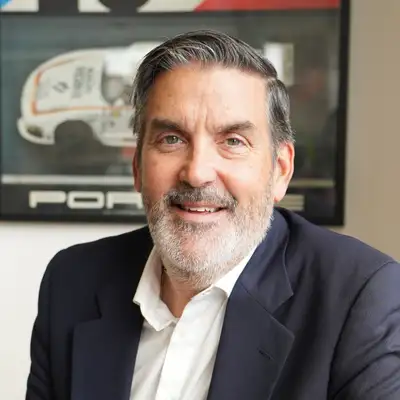
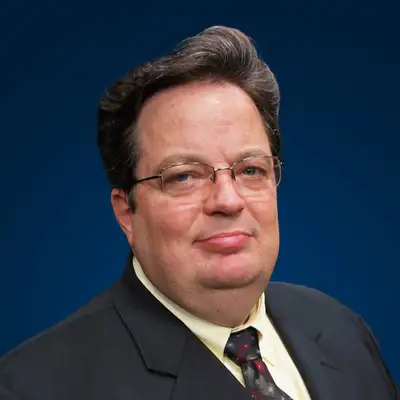
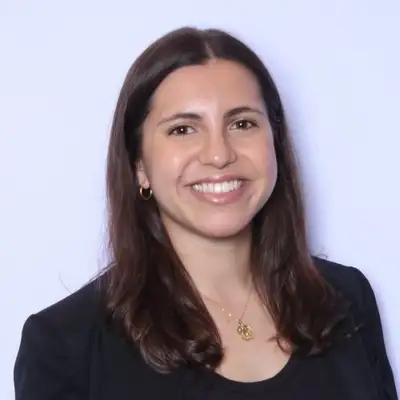
The Auto Market Brief, powered by Cox Automotive, breaks down the latest trends and forecasts shaping the automotive industry. The show is hosted by Cox Automotive Executive Analyst Erin Keating, coupling years of experience translating data and trends with the data and industry insights of the largest automotive services and technology provider.
Joined by other Cox Automotive experts and outside guests, you’ll get data-driven insights and industry outlooks from some of the industry’s leading voices.
Welcome to The Auto Market Brief from Cox Automotive. Each episode, our experts and special guests break down the latest trends, insights, and news shaping the automotive market. We'll give you the information that truly matters so you can make smarter decisions and drive your business forward. Well, hello, everybody, and welcome to The Auto Market Brief. I am Erin Keating, your executive analyst at Cox Automotive, and I am so excited today to be doing something a little unusual for our podcast.
Erin Keating:I am borrowing our partner, Automotive News, their stage and set here at the Automotive News Congress. So this is an annual event that happens that I certainly attend every year to hear what's going on. And I've got three of my favorite people. No offense to everybody else at Automotive News, but I wanted to cover the bases exactly, joining me today. And so this is a little bit of surprise, but it's a...
Erin Keating:It's... We're just talking shop because we just wanted to make sure we caught up. So I've got Dan Shine sitting here to the left of me, primarily focusing on retail dealers. I've got Larry Vellequette who... We get to go out on the road a lot to see each other, primarily overseeing Toyota, Subi Yeah.
Erin Keating:And Okay. So... But the OEM space. And then Molly Boigon, who I've done plenty of some conferences with and even had some conversations with who primarily focus on technology. Yep?
Molly Boigon:Yes. That's right.
Erin Keating:So I feel like we are circling the wagon on all three of those things, obviously, as we would be at Congress. I'm curious, just based on the content that you all typically put out and what's been on the stage so far, just to start the conversation like something that's been interesting or that you're looking forward to hearing because we're only even halfway through it.
Dan Shine:Well, I'll start. Most interesting was that panel at this guy, Dan Shine
Erin Keating:Yeah. But he was an amazing moderator.
Dan Shine:I like that. I like the... It was a creative affordability panel, which is another concern of of the deal.
Erin Keating:Larry, why don't you tell us something you've been listening to or paying attention to? What's what's on the OEM's minds?
Larry Vellequette:So what's on the OEM's mind is what's on everybody's mind right now. It's tariffs, it's regulation, and it's the unpredictability of the current administration, and trying to map out where they are in one month or one year or really tomorrow Right. As things change and how they're going to survive the next, you know, five years. Sure. And until we get straightened back out.
Erin Keating:Yeah. I mean, Claudia really spoke to that when she was speaking from Hyundai's perspective on affordability, but also just the instability of knowing what's gonna happen next, the regulatory environment. And then we even heard a little bit of that on the panel about China, for sure, of just how do you keep up with what the response is gonna be tomorrow versus next week and needing a clean sheet, right, of just clean sheet of paper every day.
Larry Vellequette:And you had on top of that the the trade talks between what Oh, yeah. A free market and now is anything but. And how do you respond when you've made investments for four decades based on one idea, and now we're moving in an entirely different direction?
Erin Keating:Now over in Molly's world, of course, technology is moving at that pace of however fast you can get moving. So what's your take on that and how are you thinking about it?
Molly Boigon:Yeah. I was interested to hear in the last panel about AI, which was a Cox panel. Just so many interesting sort of areas of tension with AI. AI is a, you know, transformative technology that everyone needs to be on top of. And also there are areas of, you know, skepticism, issues with security, with hallucinations.
Molly Boigon:And I really think that companies all up and down the ecosystem are just trying to decide where's the hype and where's the reality. And also how to make this worth it. I mean, it's... AI is getting increasingly expensive and, you know, companies are spending untold millions, in some cases billions on tokens. And no one is really sure because of the speed of the innovation where the return on investment is.
Molly Boigon:Right. So that's... That... I'll I'll be listening for more of that from the rest of Congress too.
Erin Keating:Or where will the guardrails will come into play? Right? I mean, if we're seeing guardrails come into play a hundred years into the making of the automobile in different areas, whether it's through electrification or other modifications that we've had to make, we're like in the first year of AI. So where is something gonna stop and need to be evaluated and paused, pushed back, regulated, etcetera, so which is only gonna cause more and more headaches, and that's cross saved
Dan Shine:because it's Make it more personal. Yeah. You know, if, you know, people are using AI all the time, if consumers are, and and they go, you know, you as a manufacturers will recognize that, but it's like where do we insert the human element into this process, so it's not all just agents selling cars and how do we get those touch points, so they'll come to a dealership to get their car that they bought online, serviced, and there's another, there's a touch point, and we'll try and retain that, you know, customer they like, they did a great job of service, maybe they're gonna come back, and maybe they're buy them the second car from the store, inside Right. In the brick and mortar location.
Erin Keating:Right, exactly. I mean, so Larry, I'm curious, with agentic shopping and and buying, have you heard anything in the OEM ecosphere of just what are the callouts? What are what are people a little bit worried for? Because I certainly have considered, you know, even just the relationship that OEMs have with brokers when they come into dealerships. Right?
Erin Keating:They don't like them. Why incentivize a purchase you don't need to on some level? What happens with agentic shopping and buying when that happens? I mean, it's already here. But again, talking about like we're moving so fast that when do we come back in and sort of sweep the change and require rethinking all over again?
Erin Keating:But have you heard anything innovative or, you know, especially with the brands that you cover that are covering all of this?
Larry Vellequette:You know, I think it's on everybody's radar. I've I've got a story coming. As Erin knows, pretty quickly, it'll probably be out by the time this podcast airs about how Toyota is having to rewrite its marketing playbook.
Erin Keating:Right.
Larry Vellequette:Because it is... It now, instead of, you know, as it has for the first seventy years, instead of trying to attract human eyes, it now has to attract robots. Right. To try and get past the robots to get to the human eyes because of generative AI. Right.
Larry Vellequette:You know, AI is really... It's misnamed. Because of where we are. Sure. It it it feels to me like the the folks that trust test this self driving, you know, who Right.
Larry Vellequette:Software. That's where we all are. Right? Right. We're in the car.
Larry Vellequette:We're curling. We have no idea if we're gonna crash. But boy, this is fun. He's here. And It all reminds me of LSD.
Larry Vellequette:Like the early days of LSD.
Molly Boigon:Another another acronym. And and, you know, as Larry is saying, there... There's so much that's unknown. I wrote a story for Automotive News a couple of weeks ago about some research out of King's College London, where researchers basically tweaked only demographic details of pedestrians attempting to cross on a crosswalk. And the agent responded differently in terms of deciding whether or not to yield to the pedestrian based on that demographic information.
Molly Boigon:Need... Those types of things are happening and we don't even know about it. I heard that.
Erin Keating:You were talking about that story. I remember listening to that about how bias, of course, can come into play. And with AI, it comes into play at scale. Yes. Which is...
Erin Keating:Can be scary. Yes. Right? Because it can really impact a lot of different ways that we leverage AI. So even just the panel that MJ and Oliver and Jeff were talking about was just the need for that governance, that security.
Erin Keating:That feels like every new innovation you bring, you bring a whole host of expenses from an administration and compliance perspective, which lord knows we all don't need more cost coming into the system right now. But, yeah, Dan, you looked like you were chomping at the bet. What do you have?
Dan Shine:Well, it's just things that, you know, again, that with AI and the agents and the and who owes, like we talked about earlier this morning too, who owes that customer journey, is it the manufacturer, is the platform, is it the dealer? And again, as Larry said, we're hurdling down the freeway, I mean, nobody kinda is quite sure, It's I think that part of the more important question that is like, no, no, who owes it, but how do you own it?
Larry Vellequette:Sure.
Dan Shine:If I'm a do, I wanna own it. How do I get in there and all that and all that journey as a customer? So I'm then see with some kind of loyalty or retention down the road.
Erin Keating:Right. I mean, so given retail, we do have a few big players out there in retail that aren't your traditional franchise dealers, although we have one, Carvana, that's sort of playing in that space. What are you seeing as far as the new competitive pressures that sit in retail when it's maybe either a hybrid, you know, Carvana that's doing some franchise work, some used vehicle work versus like a CarMax, etcetera? Are you seeing anything that you're kinda keeping your ear to the ground on?
Dan Shine:I think, for sure, Carvana's is I think the one that everyone is paying attention to.
Erin Keating:Yeah.
Dan Shine:And because the dealer interest, dealers love to steal any good idea, and then Carvana's having success in the new vehicle space. So dealers are like, know, what are they doing and how can we replicate that success? And so I think there's a lot of interest in Carvana and I've been a little bit briefed from there and talked to dealers and they're interested in caravan, and they, you know, they were wired down at Jeff Weiler Automotive Panel, he's like, I find them fascinating. Sure. They're not like, oh they're a threat, it's, I find them fascinating and I wanna learn more, how are they doing this?
Dan Shine:And so I think there's, yeah, there's, you know, the sales are compressed a little bit for new vehicles, and so then it's used and out of service, happen I, and how do we get the most out of those sections to kinda carry us until maybe the next year that the new vehicle sales rebound a little bit.
Larry Vellequette:Right. Right. I think, I gotta tell you, jump on this Carvana thing, I know we talked about on our podcast, on the Weekend Drive podcast, who predicted what our top stories were going to be this coming year, know. Carvana was number one for me. And what's interesting to me is not so much just the volumes, which are, you know, interesting enough.
Larry Vellequette:It's who's gonna be the second brand that jumps in. Sure. That to me is the big is the big tell. Right? If I'm Volkswagen or I'm Nissan, and I'm seeing what these guys are...
Larry Vellequette:The numbers that these guys are putting up, that that might be somebody I wanna, you know, I wanna jump in bed with, you know, from a from a business standpoint. Well, Larry, Glenn, I slipped. Can't help it. Anyway, from a business standpoint, just because you're in the position that they are. Right?
Larry Vellequette:Those two brands with their blue skies and their, you know, their throughputs, and if if Carvana can turn that around, and to me, the whole thing is fascinating. I thought from the beginning, Carvana's big advantage that we don't really talk about is its logistics. The logistics that they can offer that other dealers, you know, even somebody like AutoNation or Lithia, can't really duplicate that they have, and that, you know, that is, to me, we don't really talk about.
Erin Keating:You see that as their advantage. Yeah. Yeah. What about you? Do you see the same
Dan Shine:that and the frictionless experience.
Erin Keating:I was gonna say, yeah.
Dan Shine:Young young people, oof, co pilot spend half a day in the dealership or... Who's out?
Erin Keating:Well, nor do subprime buyers.
Larry Vellequette:Right.
Erin Keating:There... You know, there's a big piece of friction for for candidates to go purchase a car who aren't either in a decent financial position or in a decent financial score that we found even when we were starting ecommerce. So that was a real interesting trick there is that individuals, a lot of the folks that were shopping online were those that didn't want to have to go through the process of going to a dealership and having to say, I don't have great credit or I don't have really a lot of money. I mean, it's... You know, then we come back to the human.
Erin Keating:Like, that's embarrassing. Or maybe you feel, I don't wanna go through that. And so they're getting people to pay more who are even more price sensitive because they've removed that piece of friction.
Dan Shine:We're gonna use it to what the door shakes earlier on the first panel talked about how everything from the dealership perspective, and even though we have a... Is thinking that everyone's like, you know, a seven fifty credit score or a share. And so there's not really the thoughts and the tactics and how do we get to, you know, both who are not perfect credit score, and how do we bring them into the process as well? They're kind of a little bit of suddenly gotten customer.
Erin Keating:Right. Although we know that credit is opening up and that is providing this opportunity, which frankly has helped with demand. I mean, this is one of the key reasons we've continued to see sales grow. I'm interested actually in speaking about growth of sales. You know, as Jeremy, our chief economist on stage, mentioned today that we are seeing an older population.
Erin Keating:Now being a Gen Xer that's constantly feeling like everyone has forgotten about us, I'm like, finally, it's our time. We are your key audience right now. We're the buying population. Right? Well, if you look at over time, that age range has always been the key buying audience because that's who's earning.
Erin Keating:But baby boomers are certainly expanding and yet technology. And those two things seem to be... You almost think they're counter to each other. Older individuals buying into more technologically advanced systems or wanting to purchase through more technologically advanced ways. Like, have you seen a contradiction there at all in researching technology?
Erin Keating:People want technology that they can't see
Molly Boigon:and that they don't notice. Yeah. And and the type of thing that Carvana... You know, Dan called it frictionless. I think that's a perfect word for it.
Molly Boigon:Yeah. Any of these features that people... Yeah. That are basically in invisible or have become invisible. Things like automatic climate control.
Molly Boigon:People really like that stuff. It's it's just... And it's and it's seamless. It's it's frictionless. And the things where people really chafe is where you have to navigate through six pages of menus on your central infotainment display.
Molly Boigon:What they... What people want is to be able to navigate infotainment via voice command, which is natural. I mean, it's how it's how we navigate the world interpersonally. So I think... I do think that the auto industry is just sort of coming around to this fact.
Molly Boigon:And and this also came up on one of the panels. It's not just about throwing everything at the wall and seeing what sticks. It's really figuring out what what improves people's lives, what makes people's lives better. And as we learn from consumer electronics, those types of things are really actually invisible. And then and then that also creates a problem for what people are willing to pay for.
Molly Boigon:If I can't see it, am I gonna shell out for it?
Erin Keating:Right. But you're included in that price. Yes.
Larry Vellequette:Or or for a subscription or we'll Right?
Erin Keating:Yes. Yeah. You'll sign up for their subscription and then you might miss it and forget about it. And then you'll wanna cancel later. Yes.
Erin Keating:Yeah. Exactly.
Molly Boigon:I do think that there's gonna be more building of the... Those additional features into the overall sticker price. Although, how much more room do we have in in what, you know, what people are going to pay for and and where... When they're gonna back away from the sticker shock, as Jeremy said, into the used vehicle market. Sure.
Molly Boigon:Right. Exactly.
Larry Vellequette:So Erin, I wanna ask you a question. Yeah. Uh-oh. Because we've got... Turn the tables.
Larry Vellequette:We... Yeah. Sir, we suggested something on our editorial page, and I wanna hear your thoughts about it, which is, as vehicles have gotten better and loans have lengthened out, should the standard warranty also...
Erin Keating:Should the standard warranty also
Larry Vellequette:push out? Also push out to perhaps four years, four forty eight.
Erin Keating:Right. Because in theory, you've got better products, you've got better lasting products, etcetera.
Larry Vellequette:The one thing that has stopped, that has remained is the E36. Stubbornly. And you now know, we're asking consumers to go six, seven, maybe eight years alone, and we're telling them that the products are good, should the automakers move out to a longer base wart?
Erin Keating:So I'm gonna speak like a automaker that's watching my bottom line and say, Larry, let's not inform consumers about something we don't want them asking about. Okay? Because it's hard to change the consumer behavior. And right now, they don't... They're not asking for that.
Erin Keating:So let's not remind them that they should be. No. I don't... It's a good question, I think, because it is an expense to the automakers. And I do think that this continues to be my impression of automakers, and even dealers, is that in order to remain in business and be profitable, they do have to consider where are they getting killed by, you know, a thousand paper cuts.
Erin Keating:And where is the consumer going to come up against that process and say, you can't charge me more for that? So I think that, yes, in theory, you should be willing to warranty that car longer because it is improved technologically. I don't know that the business model nor the price of the vehicle, as you were saying, Molly, will warrant that increase right now. Because it would just... It would add cost to the vehicle.
Erin Keating:And I think there's so many other more important things that the industry has to nail right now and still sustain a price level that people will purchase. So I'd be hard pressed to put it on the automakers to make that happen. Not to say that it wouldn't be fair for consumers, but I'd find it hard pressed to see a dealer or an automaker who's gonna like, yes, I would love to add more cost to my bottom line just to make the consumer. And I don't I don't know that I've heard consumers railing against this just yet.
Dan Shine:I think service providers will love it. Yeah. They're there because that now, after three years,
Larry Vellequette:70%,
Dan Shine:are gone, the warranty is now four years, five years, that's a couple more years maybe as you get that customer coming in, get it used to you getting warranty work done, because you gotta find a chance to get in Sure. Live and keep them, So when the warranty does finally expire, they say, well, I really like Fred, my service advisor or Sure. Jill who works on my car. I'm gonna go back.
Erin Keating:Sure. Yeah. No. I mean, that's fair. However, of course, customer pay work is always better for a dealer's bottom line.
Erin Keating:Well, I know that we're we're getting like a... We're getting a lot of feedback here because it's lunchtime, which I wish should have probably said. And so we got music blasting. We got people staring. So I wanna wrap this up really quickly....
Larry Vellequette:The speaker.
Erin Keating:I know. Right? I know. But I don't wanna hold you guys too long either because it's our one minute to go and break for lunch and come back to this exciting show. But maybe just one final thing that you guys are looking forward to hearing for the rest of the show.
Erin Keating:And just, you know, if that's not something you wanna talk about, tell me like, what is like... If you could interview one person for your next article, like, what is it that's really on your mind? Molly, I'll start with you. I'm always...
Molly Boigon:As you know, we've we've spoken about this before. I'm always obsessed with this smartphone mirroring versus native infotainment issue. In other words, CarPlay and Android Auto versus native infotainment. And, people listening to this will know that GM just made a bit of a pivot on this. And, I'm really curious long term where this is gonna go because because the financial incentive for automakers to push users into the native infotainment is so strong, but the consumer desire for smartphone mirroring and that experience is just so good and and the desire is so strong.
Molly Boigon:I really think it's it's it's a kind of a... It's an intractable problem. I'm gonna be I'm gonna be listening for that at congress and beyond.
Erin Keating:Good. Good. Larry, what about you?
Larry Vellequette:I'm waiting here patiently and I will probably end waiting patiently without an answer for an automaker to stand up and say this tariff regime is wrong. Yes. That doing what we're doing to Canada is wrong, and that the investments that we made for forty years ought to be worth something. And I think until I see that bravery, I will hang my head in chains. Yes.
Larry Vellequette:Yes.
Erin Keating:Preach it. And Dan?
Dan Shine:Well, I'm curious to to probably speaking later. I don't know if he'll talk about that, will be now. Maybe Casey will ask him that. Know, Ford is a great early adopter of mobile service, which is a great dipping through here for dealerships. I don't know if we'll talk a little bit about that.
Dan Shine:These are also very big, the technicians are pretty and developing technicians. There's maybe a little thing here that. And I see John Furchstrom wandering around the crowd. I'm gonna interview him tomorrow morning, so I'm really excited about it to hear his whole Shine. Wide journey through the out of...
Dan Shine:On motorbikes.
Erin Keating:Oh, he's one of the greatest. Right? Don Anton, the Bergshoms, if you don't know him, check him out. Well, gentlemen and lady, it was wonderful. I liked sharing the tables on you guys for once.
Erin Keating:This was kind of nice. I'm usually the one getting interviewed. You'll be back in a little hot place. Yeah, I'm sure. Yeah, don't worry.
Erin Keating:Well, I really appreciate you all being here. And for all of our listeners, really appreciate you tuning into the Auto Market Brief. If you like what you heard today, please subscribe, like, share the podcast, and tune back in to coxautoinc.com for any of our insights and to the Auto Market Brief for whatever comes next, highlights of the economy and what's going on in our industry. So thank you, everyone,
Larry Vellequette:very much. Erin to go to autonews.com.
Erin Keating:And, of course, autonews.com. Alright. Alright. Take care, everyone. Thanks for joining us on this episode of The Auto Market Brief.
Erin Keating:To stay up to date with all the latest news and perspectives from our team of experts, be sure to visit our insights hub at coxautoinc.com.