Subscribe
Share
Share
Embed
The O.H.I.O. Fund Report℠ — a podcast dedicated to elevating Ohio’s collective ambition by highlighting the most compelling stories of innovation and growth throughout the state. Each episode carries the industrious DNA of Ohio, exploring the state’s economic renaissance across advanced manufacturing, digital infrastructure, biotech, healthcare, energy, data centers & AI, consumer goods, and logistics advancements.
Jill Meyer [00:00:00]:
Stop apologizing for being in the Midwest, for being in Ohio, for being in Cincinnati. Like, what is happening here on a, on a across-the-board basis, the businesses that are being built, the talent that is finding their way here or staying here is world-class. There are global leaders in our community. There are cutting-edge ideas. There are things happening. We just talked about 1872. That's not happening anywhere else. It's happening here.
Jill Meyer [00:00:25]:
So people need to step it up and be really proud and maybe dig in a little bit to see some of the innovation that's happening.
Jeffrey Stern [00:00:34]:
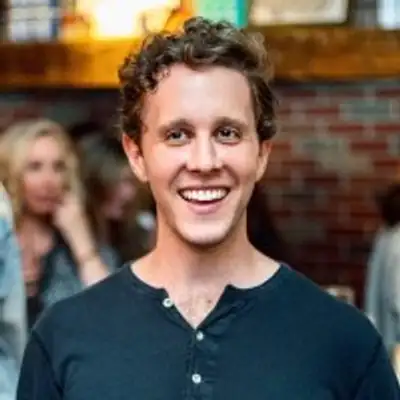
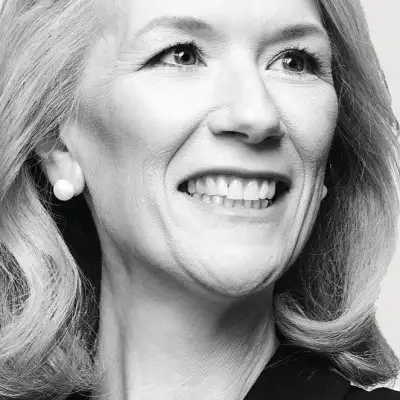
What does it mean to actually bet on Ohio, not purely as an act of civic pride, but as an investment thesis? In this conversation originally published on The Working Lunch with Jack Crumley, Ohio Fund founding partner Jill Meyer explores why the economic activity happening across the state, from advanced manufacturing and reshoring to AI and a new generation of founders, represents a much bigger opportunity than many Ohioans realize. She talks about the idea behind The Ohio Fund, why investing ultimately comes down to people, the importance of connecting capital and talent across the state, and why Ohio needs to stop apologizing for being in the Midwest and start recognizing what is actually being built here. Please enjoy this inspiring conversation with Jill Meyer.
Jill Meyer [00:01:24]:
Hello everyone, and welcome to The Ohio Fund Report, a show dedicated to raising the collective ambition of Ohio. Before we dive in, just a quick note: this podcast is for informational purposes only. Nothing you hear today should be taken as investment advice, a recommendation, or an offer to buy or sell any securities. Please note that The Ohio Fund and its affiliates may maintain investments in the companies discussed. Any forward-looking statements you hear today are based on current expectations and may change. Please do your own research and consult with your advisors before making any investment decisions. For more information on The Ohio Fund, please visit theohiofund.com.
Jack Crumley [00:01:57]:
Joined now by the Chief Operating and Relations Officer— Relationships Officer with The Ohio Fund that we alluded to before we went to break, Jill Meyer, former president and CEO of the Cincinnati Regional Chamber. And, you know, Jill, I gotta just address this right away and get this out of the way. You were actually the one who went tumbling down the hill and I just came following after. You were the one that innovated that move, and I appreciate that.
Jeffrey Stern [00:02:21]:
But we've known each other a long while.
Jill Meyer [00:02:24]:
a long time either way, Jack. So we've cleared that— the air is clear.
Jack Crumley [00:02:28]:
I appreciate it. So, you know, we started off by talking about innovation that comes out of this area specifically, and I thought that would be an interesting table setter for what you guys do with the Ohio Fund. If you can explain to people, what is the Ohio Fund?
Jill Meyer [00:02:42]:
Yeah, sure. Happy to do that. The Ohio Fund is a unique approach to private fundraising and private investing. And the short story is I and my 3 partners launched this private fund advisor to raise private capital. So private investors putting capital together for us to invest in Ohio companies that are growing and real estate and infrastructure projects. So it's really looking at all of the enormous amount of economic activity that's happening in Ohio and saying, hey, can we match Ohio investor money with Ohio growth economic projects so that we both can help these companies grow and stay here, but also the returns from that growth is going back to Ohioans.
Jack Crumley [00:03:27]:
Yeah, that's— it's investing in the area, it's betting on Ohio, betting on the ability for this state to be a growth and a springboard for all these different company ideas. Where did this idea come from?
Jill Meyer [00:03:41]:
The idea— I'll give you 2 different answers, but they're one and the same. So my partner, Mark Kwame, who is up in the Central Ohio area. It's really his, his idea, but he was inspired by a fund in Singapore called the Temasek Fund.
Jeffrey Stern [00:03:56]:
Okay.
Jill Meyer [00:03:57]:
And if you and I talk about Singapore and what that is today, we can picture it, right? It's glitzy, it's tall towers, it's a very orderly, very wealthy country. Singapore was a third world country about 50 years ago, and their government did something interesting, and they started a sovereign wealth fund. and investing in themselves. And they get a lot of credit for what Singapore has become. A little point of fun fact is that the portfolio that they pulled together at the Temasek Fund in the mid-'70s was worth $180 million. That fund today is worth almost $500 billion.
Jeffrey Stern [00:04:35]:
Good grief.
Jill Meyer [00:04:36]:
And so there's a model. This works. And if we can replicate even a part of that in Ohio, which we think we can, what a neat story and a neat inspiration to repeat here in Ohio.
Jack Crumley [00:04:50]:
Yeah, no, that's tremendous. A big difference with what Singapore did versus what you guys are doing, it sounds like the Singaporean idea was a— was that public funding? Was that— that was tax dollars or whatever versus you guys, this is a private investment.
Jill Meyer [00:05:03]:
Yeah, this is a very big distinction because a sovereign wealth fund is in fact what you say, it's the government. We've gone the opposite direction. We have great government, great government resources, and a lot of good partners. But what we know to be true is that there is a lot of wealth, a lot of investor appetite, and a lot of really innovative things happening across the state. And so if you look at what Ohio is doing right now, we're just closing in on having a $1 trillion economy.
Jack Crumley [00:05:32]:
Yeah.
Jill Meyer [00:05:32]:
That's a lot happening. We have a diverse economy. That's always been the case across the state because we have 3 major metros. and a number of second-tier metros and then some. So just a lot of different business activity happening that organically is already growing. And so we're betting on what has made Ohio a powerhouse in the past will also make it an even bigger powerhouse heading into the future. And doing that with Ohioans' investments on the private sector is just icing on the cake.
Jack Crumley [00:06:01]:
Yeah, I know every state sort of has their own pros and cons, and look how diverse we are. But in terms of Ohio, just from a zoomed-out look, You know, we've talked a lot on this show about Cincinnati and the role that the river played in this area geographically. You've got Columbus as another major metro area that's very centrally located, a lot of farmland around there, and then all the industry that built up along Lake Erie in the Cleveland area. Those are 3 different sort of categories of here's what can grow.
Jill Meyer [00:06:26]:
Very different economies, very different cultures in those 3 cities. And what we also know to be true, one of my partners is in Cleveland, one's in Central Ohio, and then 2 of us are down here, Mike Venerable and myself. What we know to be true is if we can get more private investors and private developers and private business people connecting with folks in other cities, that we can make those economics grow maybe bigger, faster.
Jack Crumley [00:06:51]:
So, yeah, so much of this is going to be intros and relationships, right? Finding somebody that you never would have known about had this then not existed.
Jill Meyer [00:06:58]:
Yeah. Building that network out so that we're strategically placing, you know, folks who like to invest in real estate. with some great real estate developers or people who really love fintech companies with some great engineers who are building fintech. So there are all different varieties and there are a lot of— there are 12 million people in Ohio. And so that's a lot of introductions that can be made and a lot of good to come from that. But first and foremost, we're betting on— we like to say we're bullish on Ohio. I always follow that with we're not doing this because we love Ohio.
Jack Crumley [00:07:29]:
Mm-hmm.
Jill Meyer [00:07:29]:
We're doing it because we see what's happening economically and we know it's a really good investment.
Jack Crumley [00:07:33]:
Yeah. And in terms of, you know, this is a statewide operation that you guys are doing, but in terms of some local funds that have really been noteworthy recently, you got 1872, which is the metal manufacturing outfit that just announced recently in Camp Washington. There's a picture there about some of that operation. That is a robotic metal fabricating company from some SpaceX engineers.
Jill Meyer [00:07:58]:
Yeah, it's a, it's a great Cincinnati story, actually. It's It's robotic welding from start to finish, which— think of automation from the very beginning until you have finished product. That's not happening anywhere. And that takes vision for sure. It takes things going in that direction. But then to have the phenomenal leadership of our founder and CEO is a SpaceX alum. And he reached out and brought along the other 2 founders who are also SpaceX alums. And then they've recruited some phenomenal talent across the board.
Jill Meyer [00:08:33]:
That happening in Ohio, in Cincinnati, is a phenomenal story because it plays on what we've always done well, manufacturing. We've always done that here. But it's taking a page, frankly writing a page of the future book with Dan, who loves to tell the story that—
Jack Crumley [00:08:50]:
Dan Summers.
Jill Meyer [00:08:51]:
Dan Summers, the CEO. He married another engineer, another SpaceX engineer from Cincinnati. And when they had their second kid, he said, apparently that's what you do is you move back home to Cincinnati. So it's a great Cincinnati story and we're very proud of it. really excited about what they're building over there and great things to come.
Jack Crumley [00:09:07]:
One other Cincinnati company that the Ohio Fund was a part of was Remote Vans, is Remote Vans. This is an outfit that was born out of COVID I remember reading they wanted to— these are adventure-based vans. That's part of their announcement of being part of the Inc. 5000, which is one of the fastest-growing private companies. I think they increased— what's my notes on that say? More than 1,000% in 3 years. These are like smaller RVs, right? To have nice vans that you take out for adventures.
Jill Meyer [00:09:40]:
Absolutely. They're the Sprinter vans. They get them in and they outfit them top-notch. A lot of chat. In fact, earlier today I saw somebody posted on LinkedIn, somebody in the industry, that the remote vans are easily the best vans on the market right now. They're on a tear. They're growing. The quality is phenomenal, and they're being rewarded for that, taking the time and the foresight to do it right and to make sure that they're highly connected anywhere you take them and just a comfortable place for people who like to do that adventure vanning.
Jack Crumley [00:10:15]:
And those are 2 companies that The Ohio Fund invested in early on. What, outside of the relationship and introduction element of what we just talked about, what is the process? Is there a nomination time? Is there a certain window? Do you guys have a busy season? How exactly does the process work?
Jill Meyer [00:10:31]:
So we made our first investment a little over 2 years ago, and I would tell you, yes, it's a busy season since then. So we don't really have a season, but we have a— happily, we have a very full continuous flow of deals that we're looking at constantly. And regardless, you know, where are they in the state, what industry are they in, colleagues are driving all over the state to meet folks. It's different every time. We don't have a standard, you know, here's our process, you have to do 1, 2, and 3.
Jack Crumley [00:11:01]:
Yeah.
Jill Meyer [00:11:02]:
But it's like any other process. You learn about it, you meet them. At the end of the day, you're really investing in the founders, right? The leaders of the company. It can be a great idea, but you have to couple that with folks who can pull this off.
Jack Crumley [00:11:14]:
Sure.
Jill Meyer [00:11:15]:
And so spending time with the humans and knowing them, understanding what makes them tick, and then figuring out where are the opportunities for growth and how we can come in then and, and provide that, not just with capital, but with expertise or with connections into the network or, um, any other variety of ways that you can help a company grow.
Jack Crumley [00:11:34]:
And is it the kind of thing where, like, the members, you and the other members of the fund, like, take a vote, or is this just individual, hey, I like what you have to do, let me, uh, let's talk?
Jill Meyer [00:11:43]:
Yeah, we do have a process on, on, uh, on the backside that once, you know, as we're filtering through, we have a whole investment process that they, they go through on the diligence front, and then when they get to a certain point, they come to an investment committee. And that investment committee has to agree altogether that company A, B, and C are going to be ones that we would invest in.
Jack Crumley [00:12:03]:
Okay. So you being involved in this fund and being the Chief Operating and Relationships Officer, what is it— I mean, are there certain criteria or elements that you're looking for when you're meeting these people and learning about different ideas?
Jill Meyer [00:12:16]:
Yeah. I mean, I would say we are unique in that we have a much wider berth of what we'll look at. We're multi-asset. So some groups will only invest in venture. Some will only invest in real estate. Some will only invest in private equity. We do a little bit of everything, and that's by design, because we know what's growing in Ohio. We know how to make this work.
Jill Meyer [00:12:36]:
And so that's a little bit of a different filter. And when we're looking through that filter, you know, if we're looking at companies that are earlier stage, so more venture, although in the growth mode, we look at them frankly and say, can this be a billion-dollar company? And if we believe it can be, then that moves on to the next round of investing. which is very exciting. If you look at some of the more mature companies, maybe they've been around for 20, 30, 50 or more years, it's really looking at the market, where the market's going, what's the technology, how are they implementing to get from where they are now to where they think they can be. And that's one where I'll come back to what I said about betting on the people.
Jeffrey Stern [00:13:17]:
Yeah.
Jill Meyer [00:13:17]:
Really believing in leadership and they know their industry, they know what they can do and where their soft spots are.
Jack Crumley [00:13:23]:
Yeah. And where the soft spots are and being able to try to see headwinds and clouds on the horizon. Because, I mean, at the end of the day, we are talking about an investment fund. There is— you've got inherent risk going on with this, which, you know, that can be always trying to be aware of what could happen and taking a chance. This is a, you know, you're dealing with risk all the time.
Jill Meyer [00:13:42]:
Yeah. And any time you're investing, it's, it's, it's risk. It's high risk. And so that's part of, of every equation for us.
Jack Crumley [00:13:51]:
In terms of the idea, though, that something, you know, we were talking on the phone yesterday about what something can be good without lasting forever and tying the idea in with risk and what that means and learning from things and moving on. That's all sort of part of the process.
Jill Meyer [00:14:07]:
Yeah. I mean, yeah, thanks for the reminder on that. You know, every, every company shouldn't be a 100-year company, frankly. companies have, for some of them, a life cycle. Maybe they master what they were intended to do very well, but something else catches their eye, or there's an extension, an extension business that makes more sense into the future. And so, yeah, I mean, we've looked at lots of those opportunities and have frankly invested in some of those opportunities where what we did 10 years ago is not what we're going to be doing in 10 years in the future, and we're part of helping to make that transition happen.
Jack Crumley [00:14:47]:
How often do you see that where people that either own a company or have an idea for a product are able to see that far down the line for themselves that this— what we're doing now may not even be what we're looking to do in 10 years? Is that a rarity?
Jill Meyer [00:14:58]:
You know, I would say it's no secret that a lot of founders are serial founders. So there are a lot of men and women out there who their brains are just wired to know what they can do right now, but to know that there's a horizon not very far off and they can do something else there. So I would say it's, you know, finding those people is fun. We like those people. Those are people who have big ideas, but, and generally know how to activate, build a successful, whether it's long-term business or the successful, I don't wanna call it a wedge business, but a business for a moment in time, and then they move on to their next idea, whether it's morphing the existing into the next or whether it's setting that one to sale and starting from scratch again.
Jack Crumley [00:15:41]:
Yeah. Speaking of horizons, a lot of times you'll see the billboard of something on the horizon. You guys had— you were involved in an Ohio 4.0 billboard idea.
Jill Meyer [00:15:51]:
I was.
Jack Crumley [00:15:51]:
We're gonna talk about that though when we come back from break. I've got Jill Meyer here who is the Chief Operating and Relationships Officer for The Ohio Fund. More from Jill when we come back. Jill Meyer, who is the Chief Operating and Relationships Officer for The Ohio Fund, a private fund of about, what, $500 million or so that invests in companies and ideas that are here in Ohio.
Jill Meyer [00:16:15]:
Yeah, we're a private fund advisor and we've raised north of $600 million to invest in Ohio companies and projects.
Jack Crumley [00:16:21]:
Congratulations, that's really wonderful. We were teasing out just before we went to break about the Ohio 4.0 campaign. What is that exactly?
Jill Meyer [00:16:28]:
The Ohio 4.0, I'm so glad you brought this up. This is a— in the month of July, hopefully some folks saw the billboards that said Ohio 4.0 has just dropped or something like that. And when you scanned a QR code, it took you to a video, which is still there at Ohio4-0.com. But this was our— it sprung from a conversation we were having internally where we were just thinking out loud about all of the cool things we're learning about Ohio and how well things are going. And how do you get more people in Ohio understanding how much is actually happening in Ohio?
Jack Crumley [00:17:06]:
Mm-hmm.
Jill Meyer [00:17:07]:
Because if it's not happening in their front yard, they probably aren't paying too much attention to it. And so that evolved into this video where the essence of it is to capture Ohio's history and future. So 4.0 means, 1.0 was farming.
Jack Crumley [00:17:23]:
Gotcha.
Jill Meyer [00:17:23]:
2.0 was factories. 3.0, which is when a lot of the manufacturing left, was us figuring it out.
Jack Crumley [00:17:31]:
Okay.
Jill Meyer [00:17:31]:
And now we're, our take is we've moved on to 4.0, which is the future. And so the, the real tease of it all was getting people understanding that mindset, understanding how much is actually happening here right now from a business build perspective, but then putting the question to people to say, what are you going to do? So we're all Ohioans. It's not one group of people over here making cool stuff happen. Like, if we're going to move into 4.0 and really be the Ohio of the future, which is booming economically, this requires everybody to lean in.
Jack Crumley [00:18:02]:
Yeah.
Jill Meyer [00:18:03]:
So it ended with the question of, what are you going to do? And I would tell you we're still playing with what we might do with that going forward, but something that we had fun with and I think we will keep having fun because it, you know, it's not us out there fundraising or looking for companies. It's us trying to get the rest of the state to understand there are some really great things happening and everybody needs to lean in in some way to make it reality.
Jack Crumley [00:18:25]:
Yeah, I gotta tell you, that means a lot to me too. That's a founding principle of what this show really is, is to let people know about things that companies and nonprofits are doing in this city that they may not know about, really cool ideas, innovation, growth, and there's a lot of that going on here. There's a lot of that going on in Ohio, and just trying to let people know about that sometimes can be a real struggle. And the idea of wanting to empower people into being a part of it and betting on this state and keeping talent here.
Jill Meyer [00:18:52]:
Yes, yes, and it goes along with any idea is a good idea. So if you're in Cincinnati, we've said this all the time, if you're in Cincinnati and you have an idea, you're going to figure out a way to get it done because guess what? I'm going to be introduced to you over a cup of coffee and And if I think it's a great idea, I'm going to go tell somebody and they're going to tell somebody. So that, that's true actually around the state. So we're trying to get more people to lean in and have some ideas and try them out.
Jack Crumley [00:19:16]:
Yeah, absolutely. You started out in law, right? Did you go to the College of Mount Saint Joe? In terms of being local and keeping talent here?
Jill Meyer [00:19:25]:
I'm as local a girl as you're going to get, Jack. I went to Mount Saint Joe for undergrad and then I went to Chase Law School for, for my law degree.
Jack Crumley [00:19:34]:
So you initially were looking to be a lawyer?
Jill Meyer [00:19:39]:
I was a lawyer.
Jack Crumley [00:19:39]:
Yeah, well, like growing up and this is what I'm going to school for, this is what I'm gonna do.
Jill Meyer [00:19:42]:
Yes, when I was a kid, I was gonna be a lawyer. I thought when I started law school that I would become an FBI agent. I got distracted by other things that I enjoyed in the law, like being a litigator. So yeah, I graduated from law school and joined what was then called Frost Jacobs, which is now— then became Frost Brown Todd and is now FBT Gibbons. as the world changes, right? But I practiced law for 20 years before I left and went to run the chamber.
Jack Crumley [00:20:12]:
And then you went to the chamber. What was the— I'm so interested when people make changes in their life like this, talking about being a lawyer and working actively with a law firm as long as you were, and then what was the motivation to go over and become the president and CEO of the regional chamber for a while?
Jill Meyer [00:20:29]:
The motivation was— so in my role when I was at the firm, I was the managing partner of the Cincinnati office. So from that lens, I was widely engaged in business building, all of the different organizations to make certain that we have a thriving business community.
Jack Crumley [00:20:44]:
Yeah.
Jill Meyer [00:20:45]:
We were at a moment in time, it was middle of 2015, where it was time for Cincinnati to step up a little bit differently. And after conversations with a number of CEOs in town, It was put to me this way, which was probably the hook that got me. A CEO said to me, Cincinnati's done— has done fine without real strategy or collaboration on the economic and business build front.
Jack Crumley [00:21:11]:
Okay.
Jill Meyer [00:21:12]:
We're not going to continue to grow and be okay if we don't get a hold of this. So we need somebody to come in, build a strategy, figure out how to collaborate, and really map out and execute on how are we going to grow our economics going forward. And that kind of an opportunity for a Cincinnati girl who loves the place and was always looking for ways to sell it and to make it grow, it became almost a conscious thing. Like, I can't not do this. It's an opportunity. It was a real honor. But to step into that role to see if we could look at things a little bit differently and make some things go.
Jack Crumley [00:21:45]:
What an interesting challenge, because if you're talking around 2015, that would have been, you know, once we had seen the transformation of Over-the-Rhine really take root, the Banks Project, was, I think, the phase 1 of all that was largely done. There's been a lot of talk now with the new bank's work that's being proposed of having a more clear vision. So I'm not sure if that time you're talking about was born out of phase 1 of the banks, but what a time to— you know, we've accomplished all this and now we need somebody to take us to the next level, take us to the next chapter. That's an interesting time to get into the driver's seat.
Jill Meyer [00:22:16]:
I have to— I tell people all the time that that job, the CEO of the Cincinnati Chamber is the best job on the planet, and I sometimes pinch myself that I got to do it for as long as I did. This community has been built by business people. That defines our culture. That defines everything that we have here and the way that we go about things. And so it's really critically important to make sure we're being thoughtful about how we're going to build that as a community going forward, because as a bunch of business people, you also have the tendency that you have lots of people who have really good ideas and ways to get them done. And so finding a way to pull together maybe competing ideas or not perfectly aligned ideas to get to a single, what are we aiming for here? Yeah, was an absolute treat. We referred to it as the future city. How do we, how do we build our future city? And so that really defined, I think, the way that when I was there, the way that I and our team looked at what we were trying to make happen.
Jack Crumley [00:23:12]:
Boy, what an interesting challenge, too, because if you're the head of the chamber, this is the unifying, let's all, we're all together. together in a group. This is all Team Cincinnati, so to speak. And then being able to— I mean, talk about relationship building, handling different personalities and different ideas. And if you're at the helm of that, what a wild challenge that must have been sometimes.
Jill Meyer [00:23:32]:
We have a few personalities in town, Jack. Yeah, I mean, again, the beauty of Cincinnati is that the folks who are here care about Cincinnati. And so I'll tell you one quick story that I think personifies it. When COVID happened and we all thought it was going to be a couple of months that we were home, we very quickly sprung into action and said, well, okay, we need to figure out a way to keep the smaller businesses going. And so I think it was a Thursday when the word came down from the State House that— or from the governor that we couldn't go back to the offices maybe the following Monday.
Jack Crumley [00:24:12]:
It—
Jill Meyer [00:24:13]:
in less than a week, we were able to pull together a task force that we called the Restart Task Force that was made up of the most prominent CEOs across the city who, in the midst of COVID and trying to keep their companies on board, raised their hands to say, we will come to the table to help just craft and troubleshoot to make certain that the rest of the community can get through this crisis. Our colleagues in other cities CEOs were aghast. Like, how did, how did you get— David Taylor was then the CEO of P&G. How did you get David Taylor to do this? Like, we asked him and he said yes. And that happened over and over again with lots of CEOs. And that's just how this town works.
Jack Crumley [00:24:52]:
Yeah. And you're in touch at that time with other maybe chamber leaders or business leaders in other cities that are trying to make sure that people here understand how unique the city is when it comes to those relationships. That doesn't happen in other places.
Jill Meyer [00:25:03]:
Well, it didn't. happen in other places. And the fact that we pulled it off in less than a week after the announcements, I mean, our phones rang for months. Like, we need to come back to figure out how you guys did that. But I told them all, you can't unless you have the culture that we have here. And we're blessed.
Jack Crumley [00:25:18]:
So you ran the chamber until what, 2020?
Jill Meyer [00:25:21]:
May of '23.
Jack Crumley [00:25:23]:
'23. So then that was then when things pivoted into the Ohio Fund?
Jill Meyer [00:25:28]:
Well, and I had announced a bit earlier that I was going to step away from the chamber and told everybody then I'm taking 6 months to figure out what I want to be when I grow up. But I knew I wanted to get back into private business.
Jeffrey Stern [00:25:38]:
Yeah.
Jill Meyer [00:25:40]:
And so I left in May and spent some time kicking around a variety of different options and opportunities and landed on partnering with these guys really because it brings together something I learned that I loved at the Chamber, which is placemaking and the economics you can drive if you focus on place. It's creating private business and then some. strategy. I could wrap my brain around that. But at the end of the day, I also wanted to learn something new. And so expanding around the state, I've never worked for a private fund advisor, so I've been drinking from a fire hose from the get-go and happily so.
Jack Crumley [00:26:19]:
Yeah, I bet. Are you just— when people find out what you do or you just— is your inbox full up all the time from people trying to pitch you on ideas?
Jill Meyer [00:26:28]:
At the Ohio Fund?
Jeffrey Stern [00:26:29]:
Yeah.
Jill Meyer [00:26:29]:
Oh, absolutely. Yes, it did not take long for companies and founders to find out that there was a source of growth capital in Ohio focused on Ohio. And what's been really kind of cool is the number of founders or business leaders who came to us and said, we really want Ohio investors in our company because we've gone, you know, maybe they're here in their growth, maybe they're here, but their growth capital has largely come from the coast.
Jeffrey Stern [00:26:58]:
Yeah, right.
Jill Meyer [00:26:59]:
And money's money, but it makes them happier too to know that their investors are their neighbors and the returns are going to stay in the state.
Jack Crumley [00:27:08]:
What do you think, because you are such a local gal and you've been so involved in the bones of the economy of this area and getting more familiar with your colleagues around the state, what's something that people, you think, miss about Cincinnati or Ohio writ large?
Jill Meyer [00:27:25]:
Oh gosh. I would— I'm going to sum up a lot of opinions into one, which is stop apologizing for being in the Midwest, for being in Ohio, for being in Cincinnati. Like, what is happening here on a, on a across-the-board basis, the businesses that are being built, the talent that is finding their way here or staying here, is world-class. There are global leaders in our community. There are cutting-edge ideas. There are things happening. We just talked about 1872. That's not happening anywhere else.
Jill Meyer [00:27:56]:
It's happening here. So people need to step it up and be really proud and maybe dig in a little bit to see some of the innovation that's happening.
Jack Crumley [00:28:04]:
Yeah. Do you think cynicism plays a role in a lot of that? You know, feeling like, oh, it's not big elite coastal stuff and just wanting to have a knee-jerk reaction of being down on things?
Jill Meyer [00:28:14]:
Sure. Or because that's the narrative that has been told, or because for the last X number of years, a lot of manufacturing has left the country. And that has defined Cincinnati and frankly Ohio for a long time. But it's a new day. And I think if, you know, what we're seeing it every day, but it's because we're out there in it and looking for it. So people who are not out there seeing it and looking for it, I hope that they do.
Jack Crumley [00:28:38]:
Yeah, for sure. And that's a huge part of what you guys are doing. So in terms of thinking down the road, what is maybe next? Are there, is there an industry, is there a sector, is there a company that's on the horizon for you that you're excited about?
Jill Meyer [00:28:51]:
I'll tell you 2 answers to that. So what we're excited about because of what we're seeing and because of what we know is the amount of either reshoring or onshoring. So companies moving from abroad to the United States.
Jack Crumley [00:29:04]:
Mm-hmm.
Jill Meyer [00:29:05]:
Ohio is getting its more than its fair share of looks by those companies. And that's going to be very good for everybody. We've already, we've already invested in some of those types of companies and we are continuing to see more. So that is a lot of manufacturing and advanced manufacturing. It's what we know. It's what we're good at. We have the built environment, we have the talent. So that's a really happy win.
Jill Meyer [00:29:26]:
We have the space. We have the space for it. The other thing that I would say is AI. We are embracing all things AI and the impacts that that can have on businesses, but also on the first and foremost, on the humans who are building those businesses. So we look at the AI opportunity as not coming in to replace Ohioans. It's how can we make Ohioans the most productive, successful people regardless of what their role is on the planet? And so seeing a lot of the AI adjacencies in implementation in real time as it's really starting to grow right now is pretty exciting.
Jack Crumley [00:30:03]:
Yeah. Okay. So that's what you've got on the horizon.
Jill Meyer [00:30:05]:
Yeah.
Jack Crumley [00:30:05]:
Jill, I really want to appreciate you coming on the show. It's been a real pleasure talking to you.
Jill Meyer [00:30:09]:
Thank you for having me, Jack.
Jack Crumley [00:30:10]:
Jill Meyer is the chief operating and relationship Chief partnerships officer for The Ohio Fund, private investment, building companies, businesses, ideas, products that are here, and betting on the future here. I think it's a really wonderful, like, public-facing message you guys are doing.
Jeffrey Stern [00:30:32]:
Thank you for tuning in to The Ohio Fund Report. If you enjoyed this podcast, we'd love for you to leave a review on your favorite platform and subscribe to stay updated on all future episodes. You can subscribe via Apple Podcasts, Spotify, YouTube, or directly on our website at theohiofund.com. The information shared on this podcast is for informational purposes only and does not constitute investment advice, an offer to sell, or a solicitation of an offer to buy any security. Past performance is not indicative of future results. The views and opinions expressed by our guests are solely their own and do not necessarily represent those of The Ohio Fund. A guest's participation in this podcast does not imply an endorsement or an investment recommendation by The Ohio Fund. This podcast may include conversations with leadership of a company in which The Ohio Fund or its affiliated funds have an investment, and as such, financial interest in the success of this company, and there may be a conflict of interest in presenting information about the company and its performance.
Jeffrey Stern [00:31:37]:
Any forward-looking statements or projections discussed during this episode are based on current expectations, assumptions, and estimates. Actual outcomes may differ materially due to a variety of risks, uncertainties, and other factors. Listeners should consult their own legal, tax, and financial advisors before making any investment decisions. For more information about The Ohio Fund, including our Form ADV, other regulatory filings, and additional conversations, please visit theohiofund.com.