Subscribe
Share
Share
Embed
The POWER Pack Podcast is a space for every woman — whether you're navigating the corporate ladder, building something of your own, or simply finding your footing through one of life's unexpected turns. Here, Professional, Outstanding Women Engaging in Resilience share the real, unfiltered truth of their journeys — naming the unique challenges women face and finding the beauty and wisdom in moments we didn't always choose. We bring together the stories of women from all walks of life to normalize the hard, honor the non-linear path of resilience, and remind you that your struggles and your strength are two sides of the same coin. Because when one woman tells her story honestly, every woman listening is given permission to step more fully into her own power and value. This is your invitation to listen, be inspired, and show up more unapologetically yourself.
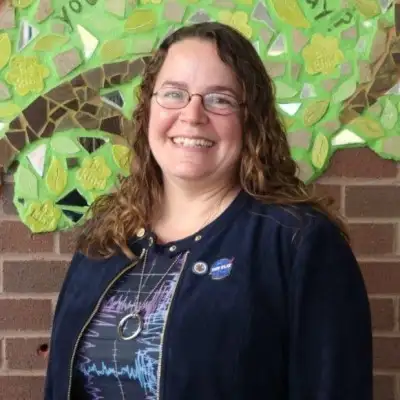
Hi, I'm Alison Smith.
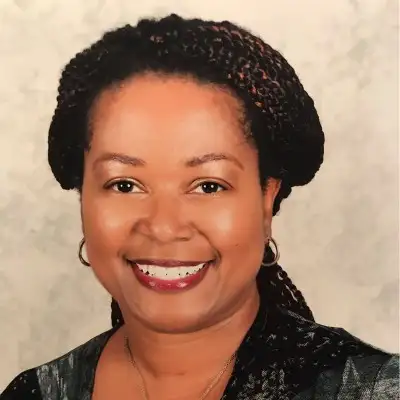
Kisha:And I'm Kisha Davis Caldwell. And you're listening to the POWER Pack Podcast, Powerful, Outstanding Women Engaging in Resilience. Each POWER Pack podcast episode will feature a powerful outstanding woman who will share a story of resilience and invite others to engage in resilience using what she's learned along the way. Alison, tell us a little bit about yourself and how you came to join the POWER Pack.
Alison:I'm honored to. So I am Alison Smith again, and I am actually an executive coach. I've worked with powerful outstanding women for the last eleven years. Getting to have a real front row seat to how they engage in resilience. And some of the conversations I've had with them as well as the conversations I've had with my community, which includes the two of you who are on this call today, and those of us who have started this podcast, really are around how we engage in our resilience, how we come back to ourselves in the midst of our trials and triumphs of life.
Alison:And so I'm just so excited to be part of this project. I do believe that resilience is amplified when we draw strength from each other. So Keisha, tell us about you.
Kisha:So I'm Kisha Davis-Caldwell, as I said. I really spend my days in leadership development, really helping organizations and individuals answer the question, what should leaders know and be able to do? And so for me, resilience is a big part of that. Right? If you're going to lead in any capacity, whether it's leading self or leading countries, I need you to be resilient.
Kisha:And I need you to know how to tap into that resilience, especially during challenging time. I came to this work because I was having really powerful conversations around challenges and not giving up, conversations that we've had one on one, but that I've had in small groups of women probably since high school. So I really felt the need of, are we just gonna be challenged or are we really going to activate something? Are we gonna step into our power and our agency and decide to help one another and not keep our resilience, you know, or our anger sometimes to ourselves. So I'm excited to see where this goes and who this impacts and actually, you know, how I'm changed in the process.
Kisha:With that, are you ready to meet our first guest?
Alison:So ready.
Kisha:So our first guest is, both a friend of Alison and mine, DaNel Hogan. Yeah. Tell us a little bit about DaNel from your perspective, Alison.
Alison:Well, is such an honor because, I mean, DaNel is really, I think, the ringleader of this podcast, even though we get the chance to sit in the host seat, today. She is such a beautiful soul who has helped my personal resilience, who has helped usher and like doula other people's resilience in our friend group and throughout the world, frankly, like there's such a big ripple effect. So our guest today, let me give you her formal introduction, Danelle Hogan. She is a lifelong STEM educator and professional learning specialist who has spent decades engaging and empowering students, teachers, and professionals around the world to make sense of and improve the complex world around them. From federal policy work in Washington DC to facilitating professional learning on multiple continents, she has built a career around helping others ask better questions and find better answers.
Alison:DaNel believes courageous curiosity is one of the most powerful forces for change, and her mission is helping people discover just how much impact they're capable of having. So welcome, DaNel.
DaNel:DaNel, welcome to the POWER Pack. I'm so excited to be here with you and we're finally getting this started, which has been a big journey.
Alison:It has. What would you like the listener to know about who you are as we start, DaNel?
DaNel:Yeah. I mean, I think, there's so much to a person, but I think some, some of the angles that I bring in terms of perspective are, I was born and raised on a ranch that my family's owned for over one hundred and twenty years in Southern Oregon. And that's a big part of who I am. I always say that my soul resides there and I get to go visit it every now and again. I left home to go to college after I graduated from high school, 2,000 miles away in Iowa, because I wanted to see something new.
DaNel:And so I hopped on a plane for the very first time and went to go explore and see a different part of the country and learn something new. And I was the first member of my family to go to college. I usually say that I'm trained as a physicist. I chose to become a physics teacher. And then I've chosen in the last decade plus to broaden my impact by working with teachers and professionals and still with students, but like again, really looking at how do I broaden my impact?
DaNel:And so that's some of what I'm bringing with me today.
Kisha:That's awesome, DaNel. We'll learn more about you as we continue to talk. I don't wanna assume that we all have the same definition of resilience. So I'm gonna ask you to, you know, how do you personally define resilience? And what what do you see and hear when you think of the word resilience?
DaNel:I mean, is an interesting one for me because at first I think like it's about toughness. It's about being tough. And I like to think that I'm tough and I hate thinking that I'm vulnerable, but I think it is a lot about vulnerability too. Cause I think that's one of the things that's led to the creation of this group and this podcast is recognizing that the vulnerability that you lend and grace yourself when you have these people around you that can listen and you can learn with together and grow stronger together to me is like, that is the foundation of my resilience. And so I think when I think of resilience, I think of toughness, but also that that toughness includes a vulnerability that's really important, which is why I think we're here together.
Alison:That is such an important point that resilience is not exclusive or mutually exclusive with connection, That we need connection to others to engage in resilience. We need connection to ourselves to engage with resilience and be resilient in our lives. So I'm so glad you brought that up. I'm curious, DaNel, like, when you think about your story and you think about where you came from and you think about how that shaped who you are, what part of your essence or like the you, the soul that has always been, right? What part of your essence has played a role in your resilience?
DaNel:I think I got a really strong work ethic from growing up on a ranch and all the things that come along with that. And so that's definitely a huge part of it. And then I'm just internally so driven and committed to have a big impact. And I feel like when I get in those moments where I'm like, this is so hard and I want to quit, or I want to do something where there's not so much responsibility and not so much, weight of also carrying other people's experiences and what they're going through with me, then I think no, heck no. Like if I want to have this impact, this comes along with that, the listening and growing and living through stuff with others, right?
DaNel:Because when you're sharing those experiences with others, you're living it with them. You're crying with them. You're growing with them and you're all, you're all coming out stronger, but it is not always easy. So I think the essence that really helps me is just like, I'm not going to quit. Like, I'm not like, this is important work.
DaNel:I love doing it with all of you. And again, we also want to have that bigger impact, which is why we're showing this vulnerability and sharing these stories with a much broader audience now.
Kisha:DaNel, thanks for that. So much about resilience too, is balancing challenges with joy, right? So being able to get through the challenging times with laughter, laughing at ourselves, at each other, and and sometimes, you know, quite frankly, the crazy world as it is. DaNel, talk to us a little bit about this POWER Pack journey and specifically this launch because Alison and I are hosting, but you had an idea. And like the fools and supporters that we are, we said, sure.
Alison:We'll do that with you.
Kisha:We don't know how. So talk to us about, you know, why POWER, what that means, and just the auspices that led up to this, the first episode.
DaNel:POWER Dinner was a thing that kind of started informally when we were Einstein Fellows in DC, Kisha, during that time, or just meeting a lot of really cool women, but they didn't really, and I didn't really get time with them or they didn't get time with each other. And so I started just like occasionally having a dinner where some of these cool women would get together and I never even called it POWER Dinner when it was in DC. Was just like, oh, let's get some cool gals together and have some good conversations without ruling in a formal agenda of any kind. When I came to Tucson after our fellowship, I started this amazing project and started to make really big connections within the community again in Tucson, where I had started my teaching career. And I thought, no, maybe I'll do this thing.
DaNel:I said, oh, should I do this thing to some of my friends? And I'm like, yeah, yeah, you should definitely do that. So it started small. POWER originally stood for professional outstanding women eating and reminiscing. That's what the acronym was originally.
DaNel:Oh my gosh. In the before times, before the pandemic, I hosted over 75 dinners in a row. Every month I would have a dinner and I do it just add women to the list and it was, and I would say to people, they'd go, what is POWER Dinner? Oh, it's just a dinner I host once a month with really awesome women that I know. And it's, know, a little education and nerdy heavy because that's my world, but every woman's welcome and there's no agenda.
DaNel:You just introduce yourselves. What's your question that I make up on the spot and then have cool conversations with other women. Well, over the years, like so many cool collaborations and connections have come out of that, not just for me, but for all the other women that were there kind of randomly. I was just the one thing that was always there because I was hosting them. But it owes the group, the mix, the change it's shifted over time.
DaNel:And then of course we had the pandemic and we did some of those virtually. Then after the pandemic, I thought, no, maybe I'll just stop this. I like, I wasn't feeling it. And the restaurant that we used to host our POWER dinner at didn't stay open for dinner service anymore. So we lost our place, which was, we had been there for so many months in a row and that was hard.
DaNel:But then after some time and meeting with some other women again and starting to reconnect, It it was like, no, I think I do want to do this thing. And it took a little while to find our new home, but we have now, and I'm still hosting these dinners once a month. And it's great to have that in person time, but then, you know, life happened to us. Alison and Kisha and me and like all of us, you know? And, as we were sharing things and I think it was Alison, you and I right chatting a bit.
DaNel:And then I said, you know what? Fit like, I'm so tired of hearing like all these women that are having similar experiences. We'd all been through some really tough professional and personal things, but really some professional things that were super challenging for us. And it was like, we keep, I keep telling friends, it's not you, it's not you. It's not you.
DaNel:I promise you it's not you. And then Kisha, you said once, well, maybe it is you a little bit, but like, again, there's some that we were dealing with together and it was like, gosh, I think I want to rename POWER, Powerful Outstanding Women Engaging in Resilience. And let's turn this thing into a podcast. What do you all think? And then we gathered a few more women in my network and we have six in this core group that are kind of starting this off and then it's going to expand and grow, but that's kind of how we got here and how, I mean, how do you remember getting looped in?
Kisha:Oh, I do remember, kind of the first POWER Dinners, here in the DC area. For our listeners who don't know, as DaNel said, she's out in Arizona, out in Tucson, and Alison's just outside of of Tucson, and I'm still in the DC area. The the thought of a podcast for me was really about spreading the feel of the POWER Dinners, this opportunity to broaden the community, but also to do it around a specific topic. As Danelle was saying, POWER Dinners are designed not to have an agenda. Right?
Kisha:Just come as you are. Bring your full self. Bring whatever's going on, whatever you're grappling with, rumbling with, or whatever maybe you just wanna be. Right? You just wanna be with other powerful women so that you can glean that level of kinda stick to itiveness that we all need to not just make it through the day, but to do it and do it well.
Kisha:So the thought of a podcast for me really put us in Tucson together. It put us wherever we needed to be together. I'm hoping that as we invite additional guests, that what we'll see is that the power of community is an essential tool for resilience. Right? It's an essential tool for resilience.
Kisha:Alison, what about you?
Alison:I mean, very specifically, I called DaNel. I actually texted her one day and I was like, I'm falling apart and I need to talk to someone. And she was in Oman. Right? Weren't you in Oman?
DaNel:Kazakhstan. Kazakhstan.
Alison:She was in Kazakhstan, and she made time. And she was like, yeah. This is great. Good timing. And she hopped on the phone with me for like, I don't know, an hour or so.
Alison:And, oh, you were walking home. I remember you were walking home because I was like worried. Okay. Make sure you keep your head on a swivel. And, But also I was so grateful because I was sitting in the shame of what had happened to me.
Alison:And I was, and I'm going to share a little bit of my story in a different episode, but I remember that moment. And I remember thinking if I don't reach out to someone, this shame is going to eat me alive. And I knew enough that like, I knew it wasn't true enough that I knew I needed help getting out of it because I couldn't get out of it on my own, but I knew it wasn't true. And so, like, you know, just this the the beating ourselves up and the judgment that we lay on ourselves when we experience adversity or when something happens to us and we go like, how did I get here? And it's my fault that I didn't set expectations or I didn't do blah, blah, blah.
Alison:Right. And we sort of lay it all on our shoulders and that's so wrong. And even when we know that I don't deserve to take this all on, it's really hard to do the work of pulling ourselves out and coming back to what's true on our own. And so Danelle, I knew. I was like, I need to reach out to someone who can remind me who I am.
Alison:And so I reached out to DaNel and she did. And she was like, look, we cannot be having any more of these conversations behind closed doors. We need to be having these conversations out in the open because if me reaching out to DaNel created, you know, an immediate relief from the shame that I was carrying unfairly, and the the judgment I was laying on myself, then imagine what will be possible for other women to hear this who may not have a Danelle in their life, although now everyone has DaNel in their life because I'm listening to this.
DaNel:That's a good thing.
Alison:It's a real gift to have Danelle in your life, let me tell you. But if we don't always feel like we can call a friend or have a person who can remind us who we are, sometimes it can be just as powerful to hear another woman remembering who she is because that reminds us kind of to your point, Kisha, of like what skills and capacities do we need in order to thrive? That's one of them. We need to remember who we are. But in the moment, sometimes we can't.
Alison:And so hearing someone else model that is so powerful. And so that's what brought me to this. And I never got to go to a POWER Dinner. I'm, you know, I am outside of Tucson. I'm pretty way outside of Tucson because I'm like an hour and a half away up in Phoenix.
Alison:But now I really like the idea, Kisha, that, Phoenix is just a suburb of Tucson. I'm going go with that. But anyway, so I never got to go to any of them. And I'm just so privileged and excited that I get to like engage in these same ways that you guys had created in person. The image that was coming to mind was like, what if this really was like sitting around a campfire, you know, or like you guys had created sitting around a table?
Alison:And so, like, I don't know if the the listener needs to, like, get a s'more or get a coffee or like a glass of wine or something that they're, like, holding and engaging with as they listen to this podcast. But, I have my coffee here. And I just I do think that's like, this is an intimate conversation and opportunity for us to just being together and to learn from each other's stories.
DaNel:Well, I was just going to say, Alison, I mean, you know, I just think too, part of what brought this group initial group of six together is kind of the ping pong support that's been provided, right? Like you've provided me support in professional moments when I desperately needed help and advice and a different voice in my head. And Kisha has given me advice for many, many years and provided that voice and a perspective that has really helped me and changed my thinking and, you know, been such a positive influence on me. And I think that's, again, what's drawing us all together, is that it's reciprocal. I guess that's the, it's, that's a really important part of it.
Alison:Yeah, agreed. Agreed. That's the network, right? It's like we create with all of our connections to each other, a net underneath us all that helps support us all. Even if I'm not directly connected to one person, I'm still benefiting from the support they're giving to someone else in my network.
Alison:And so it does connect us all. I am curious from those POWER dinners and from these conversations you've had, Danelle, like what are some of the things that you hear often or experience yourself that become the challenges or the barriers to resilience?
DaNel:Well, I think it's these moments that we've all lived through and relied on each other to get through, no matter what it was. So I think, I think it's some things that are like uniquely, felt and experienced by women, which is also why this is very deliberately a podcast in a group aimed at looking at what's uniquely experienced as you're a woman, in both your personal and professional life. And so it's everything from feeling the ego and the, damage that others can do when they put you in a box because you're a woman, when they think that you're less able to do things, when you feel the mansplaining that happens at times, when you feel people not believing in what you know that you can do better than somebody else, you know, and just feeling that. And so, I mean, for me personally, and I think I've so many women that I know have been going through professional, massive professional changes over these last five ish years for so many reasons that are so similar at their foundation. It is being discounted and disrespected and in ways that you just can't take anymore.
DaNel:So you go, you know what, this is no longer the place for me. And even though I've given so much to this work and I believe in the work and I've built something here, I'm going to put a pin in this. I'm going to move this aside. I'm going to move on to the thing that I think is where I belong next. Motivated by what's better for my own well-being.
DaNel:What's better for me professionally. And to broaden that impact, always looking at like, how am I going to broaden and change my impact? I'll move on to that next professional thing. And then you might, as I did find yourself again in a professional situation where you're like, this was good. And I got some great things out of this, but now it's time to shift again and look for another new professional home and then see like, all right, is this, is this where I'm going to belong for a while and doing, you know, shifting the range of what you're doing.
DaNel:So now, you know, like I have a full time job working at a children's museum and having an impact there in informal education, which is a totally new space for me. But then now I also still have graded STEM and on the side, I'm doing all of this amazing stuff, still with systems thinking, which is near and dear to my heart and always will be, and wanting to impact the world using that. And so many other things, but I think ultimately the challenges I've faced are the challenges that I've heard so many other women facing in similar ways, but different situations. Right. And so that's also why we're here to call that out and go, it's not you, it's not you, it's not you.
DaNel:And here's the systems that are really working against women in so many ways. Let's try to work together also to constructively disrupt some of those systems that need to change too.
Kisha:So DaNel, and I know just from our friendship and the ways you have been vulnerable and shown your toughness from situation to situation, whether it was back in Oregon, in your international experiences and endeavors, but also in the workplace. Talk to us a little bit about what you've learned about yourself through those experiences. And I and I ask you that question because Alison specifically named when the lie and the truth are kinda at battle and we're telling ourselves stories of blame and shame and inadequacy, and we know the truth is whispering. Right? It's there, but it's whispering.
Kisha:And we need someone, a good friend, a sister, a woman warrior to help us amplify that and tap into that. But there had to be something that she knew to even make her say, I need to call someone who can help me remind me of who I am. So I'm gonna ask you, again, tell us what you've learned about yourself. And if you could thread in with that kind of who you're becoming or who you have become as a result of of this very thing that may have been meant to break you.
DaNel:Kisha, you're so good at framing that, that these requests and getting to the heart of it. And so I think ultimately, you know, a good, a good friend of mine who you all know, Sara Torres, got me hooked on the one word resolution. And I hate new year's resolutions, but having one frame that then becomes your email salutation for the whole year and focusing on it is like, it's cool. More on that later, but like a couple of years ago, my one word, well turned to for the salutation was better together. And I just think we're all tough women, Back to that toughness.
DaNel:We're all tough and independent. And like, I can do this by myself. I don't need anyone else. I don't want anyone else. And I think for me, and, and again, inherently why we're here and Alison's intuition about, I feel like I need to call someone and you calling out occasional, just recognizing I need another woman lawyer in this with me.
DaNel:That is it. That's why we're here. That's why we're sharing these stories. And that is ultimately the biggest thing I've learned about myself is as much as I want to be tough and independent and do it all on my own. It's so much easier and so much better and so much quicker to walk through the things and change your mindset and let the truth voice get louder and the live voice go away or get at least a lot, a lot quieter when we're together and sharing those experiences and letting somebody else process what you already know with you, right?
DaNel:Call it out time and time again. Again, I don't know how many times I was like, this isn't you, this is not you Alison. It's not. And Kisha, you've done that same thing for me. No, this isn't you.
DaNel:And Alison you've been coaching me professionally and personally have done that so many times. So it's what you've just done, Keisha. It's the questions and the curiosity that you provide others and knowing them really well, like we all know each other so well and being able to say, you know, that's not right. Come on, let's get over this. You have to stop that way of thinking, but it does not take just a single time of saying it, and then your brain snaps out of it and you're good to go.
DaNel:It does take hearing that message over and over again. So I guess, you know, again, who I've become stronger because I know that it's re it is not only just okay to rely on others, but gosh, it just makes life so much more palatable and easier and times are really tough and strenuous and anxious right now. I mean, I think the world is just, there's so much that we're carrying with us because of everything that's going on that any little thing that we can do that makes it better and easier, we should take advantage of. And we are most definitely better together. And I am so grateful to both of you for being such amazing, amazing friends and mentors and coaches and beautiful people on my journey.
DaNel:And I just want to share that also with others. And if they don't have Kisha and Alison in their lives, then now they have Keisha and Alison in their lives too. And we can all kind of contribute while others need to see that and use us if they need to, but also hopefully then bottom that box when they're thinking about who are the people that I'm going to reach out to, that'll help me along my journey.
Alison:That's so wisely said, Danelle. And a thread that I'm pulling together of all of this is that the thing you learned was something you already knew. It was not a learning. It was a remembering. A remembering your power, remembering who you are, a remembering what you knew to be true but had become a little voice and had been, you know, maybe gaslit or maybe oppressed or maybe tossed aside or discounted through some of the systemic dynamics that you faced and that we all face.
Alison:And that's such a relatable truth. Maybe the thing about resilience and the thing about having powerful women to sit around the campfire with or sit around the table with is to help us take off all of the systemic pieces that cloud our vision and remember what we know and remember who we are.
Kisha:I heard that too, Alison. I also heard an expansion of learning, right? Like DaNel is a Oregon, this girl's a farmer. She's been chopping wood since before she could walk. So toughness does matter.
Kisha:But I think that there is also this bold and tenderheartedness that she taps into even with this year's mantra, right, of better together. And the thought that we have to do it on our own, that that's the definition of strong, it sounds like she's learning that, you know what? I can disrupt that. I can still be tough and tenderhearted. I can still be tough and vulnerable.
Kisha:I can still be tough and let others in. And when I do, I'm stronger. I'm stronger together. I'm stronger because of who I align myself with and who I connect with. And then I can really be more of myself even even when others in the world say, no, shrink, shrink, get smaller.
Kisha:So, I could hear that, and I've had the gift of watching pieces of the journey and really becoming together. Yeah, resilience looks good on you, girl. It looks darn good on you.
DaNel:And both of you as well.
DaNel:A little worse for the wear. It reminds me of the, the Velveteen rabbit quote about being real and that like, by the time you're real, all your hair has been loved off and, you know, you're looking pretty snappy. It's like but resilience makes us real. Right? And by the time we go through a few things that that engage our resilience, we're looking a little, you know, worse for the wear, but the inside is what really transforms.
Alison:Right? And and our beauty and our resilience in terms of what we've been through shines through.
Kisha:DaNel, we're we're gonna start to finish up here at least for now. But if you had to leave our listeners, with some words of encouragement, maybe words that you would have even given yourself previously on this journey, what would that be?
DaNel:I think it's pretty simple for me. I would say reach out sooner rather than later. I still find myself trying to, trying to do too much of it on my own without reaching out sooner. And so I think it's still the tough girl. I still want to handle stuff on my own, but then time and time again, I realized once I reach out and start talking about it with others and sharing my experiences, letting others share their experiences, how they're similar, how we can learn from each other and become more resilient together.
DaNel:I go, gosh, why don't we do that sooner? And so I guess that's my advice is take advantage of the resources you have. Hopefully this podcast becomes a resource for women who have and don't have others to rely on, but also that it inspires women to take advantage of the resources they have around them, where you can pick up the phone and call someone, even if they're in Kazakhstan walking back from dinner and they'll go, yeah, I'm going to answer that call. Cause I don't know. I'm going to see what's going on.
DaNel:And I've got some time right now. I guess that would be my biggest bit of advice is we are knowing that we are better together, just reach out a little bit sooner.
Alison:Thank you for answering that call.
DaNel:You're welcome.
Alison:Thank you for answering that call. Thank you for being a powerful, outstanding woman. Thank you for the role you have played in my life, in Kisha's life, and in so many lives of other powerful, outstanding women. You are a convener. You are a connector, and that made you the absolute perfect person to bring us all together to put this podcast together and for us to highlight for this first episode.
Alison:So thank you.
Kisha:Yeah, I think we're off to a great start. Listeners, we invite you to grab another woman and bring her to the POWER Pack Podcast for the next episode. Once again, I'm Kisha Davis-Caldwell.
Alison:And I'm Alison Smith, we'll see you back here next time.