Subscribe
Share
Share
Embed
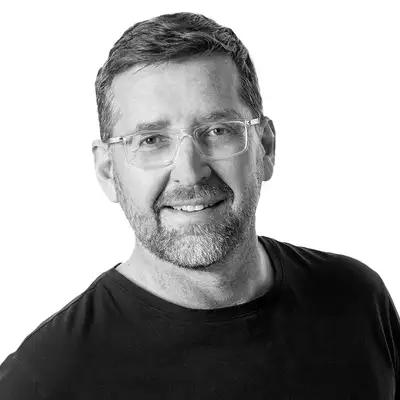


Hosted by Heath Fletcher, The Healthy Enterprise explores how innovation, technology, and leadership are reshaping the life sciences industry—from discovery and development to commercialization and care delivery. Each episode features candid, heart-centered conversations with founders, scientists, executives, and investors, sharing real-world experiences and insights for building resilient, future-ready organizations.
Created and Produced by Bullzeye Global Growth Partners — Let’s build it together!
Hey, everybody. Welcome to the Healthy Enterprise Podcast. If you're, back for another episode, thank you for joining me again. I really appreciate it. And if you're here for the first time, welcome.
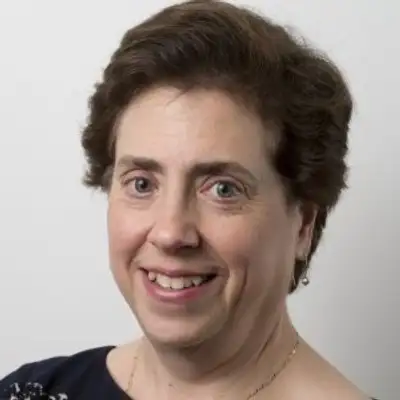
Heath Fletcher:Today, I'm joined by Patti Aha. She's a seasoned leader in the biotech and diagnostic space, known for her expertise in product management and strategic partnerships. Patty has worked across startups and large enterprises, bringing deep insight into how to scale innovation in complex regulated environments. Environments. She's also passionate about mentoring future leaders and helping teams turn technical breakthroughs into real world solutions.
Heath Fletcher:So we're gonna dive into her journey and her approach to innovation and get her perspective on the evolving biotech landscape. Let's meet Patti. Hi, Patti. Thank you for joining me today for this episode. It's a pleasure to have you here.
Patti Aha:It's great to be here. Thank you.
Heath Fletcher:Yeah. Yeah. And so why don't you just introduce yourself and and tell us about your company?
Patti Aha:Sure. So I'm Patti Aha. I basically have had a long career in industry and biotech and academics. I started out at the bench as a research scientist, I spent twenty five years doing biochemistry. Back in 2009, I developed an interest in project management and I moved to the Broad Institute, and at the Broad Institute, I managed a huge portfolio of projects for them for the Molecular Library's Probe Centers Network.
Heath Fletcher:Oh,
Patti Aha:wow. That's a big acronym. It's a big big name. MLPCN. You gotta you gotta love the government and their acronyms.
Patti Aha:We did over a 112 projects for the MLPCN over five and a half years that I was there.
Heath Fletcher:Oh, wow.
Patti Aha:Yeah. And then from there, I was recruited by my boss's boss and we started the Tri Institutional Therapeutics Discovery Institute in Manhattan.
Heath Fletcher:There's another mouthful.
Patti Aha:Another mouthful, another another name chosen by committee. It's a great TDI was a great concept. TDI was started through the vision of a philanthropist who was on the board of the Rockefeller University, Weill Cornell's Medical College and Weill Sloan Kettering cancer center and he basically said, well, you guys all share a corner on the Upper East Side Of Manhattan and you all have teaching hospitals and you all wanna make new drugs and you don't collaborate? Well, that's crazy. I mean, if you have a question, now you're gonna start an institute and collaborate.
Patti Aha:So TDI was born from that. Wow. Yeah. It was it was What a good point. It was a fantastic idea, but the the best thing that they did was that they brought in an industrial collaborator.
Patti Aha:So at the very beginning, we had Takeda Pharmaceuticals as one of our key collaborators and one of our key financial supporters to the point where they even embedded their chemists in New York City because they wanted their chemists to become entrepreneurial and to actually learn the biotech culture. Interesting. Yeah. It it was great. And they wanted them to to work more closely with the academic research scientists.
Patti Aha:So their chemists were good chemists, but they weren't really chemical biologists. So they understood the chemistry, but they didn't understand the systems that they were working on. So actually embedding them closely with the PIs and their postdocs and their graduate students really gave them more insight into, well, you know, why is this why is this biology important, and how do your molecules actually perturb the biology? So it made them think a little a lot more deeply about what they were doing instead of just like, I'm gonna move this methyl around the ring, and that'll change things.
Heath Fletcher:Right.
Patti Aha:So so it it it really grew them as chemists. It grew them because they learned more about the business of science. It wasn't just about the science. So it was a it was a real opportunity for them to kinda step out of the lab a little bit and put on a different hat. So it was it was good for it was good for TDI because we had all these wonderful chemists, you know, working with us.
Patti Aha:It was great for the institutions because they had all the support. And then within a year after we started the company, the board came to us and said, how do you like to do biologics too?
Heath Fletcher:Wow.
Patti Aha:So we grew biologics and we had hoped that we would find somebody to partner with and Takeda was eventually our partner for biologics. But at the same time that they were partnering with us, they were closing things down in their California locations for biologics. So we basically took on all the work that we hadn't anticipated doing and we grew a really good group with some good people that actually, like, work on biologics projects. I was at TDI for ten years and we we executed over 200 projects. And, you know, we would take anything from, I have an idea.
Patti Aha:I think this is a target, but I'm not sure how to ask you for it. I'm not sure it is a target. We would help people with their target validation, we would help them develop their assays, we would show them know, and basically what we were there for was that really it was kinda subtle. Not only were we there to help accelerate the drug discovery pipeline, we were there to help teach the PIs how drugs were made. It's not it's it's, you know, that's not that's not really their expertise.
Patti Aha:It's not really especially doing things like your assay development. Assay development is a tool. You know, you develop your assay, you move on. People in industry know that assay development is more than just a tool, it's almost an art. And you have to actually really delve think deeply about your assays and think about what exactly you're looking at, how exactly you're trying to find your answer, and then do you have all the right controls that tell you that this is the answer you're actually getting?
Patti Aha:Or, you know, have you left out a couple of controls and now your answer is a little, maybe, not so solid. So we we we taught a lot of asset development to a lot of people who are willing to learn it. We helped a lot of post docs actually develop their skills and get really really good jobs after they left their their trading situations.
Heath Fletcher:I bet. Yeah. Can I clarify? Were you saying asset development?
Patti Aha:Essay. Essay. Essay. Essay. Like a like a test?
Patti Aha:Like an essay?
Heath Fletcher:Yep. Okay. Essay development. Okay.
Patti Aha:Sorry. Sorry.
Heath Fletcher:And and there 's just a couple of terms I wanna just for people who are listening who aren't aren't as familiar. Yeah. You mentioned target
Patti Aha:Yes.
Heath Fletcher:And and and the essay. Just explain those two things for me a little bit and the context.
Patti Aha:Sure. So when you're going to develop a drug, it's usually good if you actually understand a specific protein that you're targeting. So that would be your protein target. So for for example, I think a lot of people may have heard of HER two, h e r dash two, which is a which is a protein in breast cancer. That's that's very very
Heath Fletcher:Right.
Patti Aha:It basically is a it's it's very hot target in breast cancer, and the idea is to actually, you know, find molecules that can actually bind to that. So what what you're doing is in in our situation is we were looking for either molecules, which are small molecules, really tiny ones, which is what basically comes in a pill form when you take it at the end of
Heath Fletcher:the Right.
Patti Aha:Big development cycle, that bind to your target and basically change the biology so that now you're no longer ill. Or you're looking for a a larger thing which is an antibody, which is which is a protein in and of itself, which also bind could bind to your target and could could basically turn it off and say, well, you know, help take it out of your system so that it's no longer being a problem. So that's I hope that's more.
Heath Fletcher:Yeah. That's perfect. Yeah. That makes perfect sense. Yeah.
Heath Fletcher:And then in the assay
Patti Aha:assay In the assay aspect, basically, what you do is you wanna figure out if your protein and your protein target and your molecules that you're looking at actually interact with each other, and there's a a myriad of different ways to do that. And the ways that we do that are basically called assays, and you could do that by, you know, binding something to a plate and seeing if they stick together. You know, you could do it by interacting things in a tube and running them through a machine and see if you could see a difference in the mass because all of sudden now they're bound together. So there's lots of different ways to do it, but it's very, very important when you're developing that technique to think about what would a negative look like, what should a positive look like, what could an inconclusive look like, and how could I tell one from the other. You know, I've I've looked at a lot of a lot of results that have come out of academic labs where it's it's really hard to tell the negatives and the positives.
Patti Aha:So they're just everything. Because yeah. Because every every every technique that you develop has has what we call in the lab noise. So it's not really signal. It's just kinda like the fuzzy stuff at the bottom.
Patti Aha:It's it's like when you're old fashioned tuning a radio and you hear this Yeah. Yeah. You know, it it it that it it it kind of exists in that area and it where it should be a nice high ping. You know, tone. It's kinda like a sizzle at the bottom and it doesn't really tell you that you actually have a hit.
Patti Aha:So it's Right. You know, learning how to develop the skills to actually build and it's and there are so many different types of assays depending on what you wanna look at, depending on if you actually wanna put a tag on your protein or not put a tag on your protein. There's so many different ways to approach it. That would be like you could have three different podcasts on that.
Heath Fletcher:No kidding. Probably like Yeah. Three series.
Patti Aha:Definitely. That's
Heath Fletcher:very interesting. I well, it's really interesting to hear too that that, you know, you're taking these, you know, basically scientists and saying, okay. You know this.
Patti Aha:That would
Heath Fletcher:Now we want you understand basically the business of what you're doing, what you said, where they actually see the whole picture.
Patti Aha:That would
Heath Fletcher:be But they're understanding what what their role as a scientist, as a chemist, or who or a biologist or whoever is in there, what their role is in in in the bigger picture so that they have a a bigger understanding, which is actually smart because then you're actually developing people who actually understand the project from start to finish Yeah. Rather than just knowing and owning the part that they know of that they are experts on. Right?
Patti Aha:Yeah. Yeah. And then what's what's what's great about the model is that, you know, academic science is really where the creativity and the innovation is. You know, there are a lot of great ideas. There are a lot of people who are willing to push the edges of the envelope, think outside the box, really do some amazing stuff, and that's where all the discovery usually is.
Patti Aha:Mhmm. And then you go to industry, and people in academics always talk about industry people. It's like, oh, they're so boring, and they just see the same things over and over again. But that's where the rigor is. I can't I I I worked in this I've worked in several academics locations, and I I I still remember one day somebody telling me was standing in the dark and said, I would never go to industry.
Patti Aha:They're just so dull. They just said, like, okay. Okay. We are. We're dull.
Patti Aha:But
Heath Fletcher:Wait till you see us at a conference.
Patti Aha:Oh, yes. Knock your socks off, baby. Yeah. So
Heath Fletcher:What part of that so as a project manager, what was the part what part of that role did you that really sort of sunk for you? Like, really kind of aligned with who you are as a character and and as and from your education and everything.
Patti Aha:Well, I really I really like I like creative pursuits and I like innovation, but I like to see them go someplace. So the whole the whole confluence of, you know, the creative the creative and innovative work that our PIs were doing, but the fact that we brought the rigor to it that actually turned it into something that was really applied science. Mhmm. You kinda went from like knowledge to knowledge sake to, oh, look, we could actually do something with this to really help people. Right.
Patti Aha:So that and actually get curious to patients faster. That I that I really liked and that really resonated with me.
Heath Fletcher:Yeah. And you said this is early stage. Yeah. So what stage what what is this what stage are you actually at? Is it We're
Patti Aha:at we've worked from I have an idea.
Heath Fletcher:Okay. Like really early like ping.
Patti Aha:I have I have yeah. Ping. I have an idea. I think this could be a good a good target to pursue to address this disease. How do I do it?
Patti Aha:Right. So we started there. Not all projects started there, some projects did. Most of our projects are more mature pipeline. We had two pipelines, a very young, give your idea what will help you figure out if it's real or not.
Patti Aha:And then the more the more mature pipeline is, okay. You've actually done some work on this. You have some assays. You have some ideas. Let us help you push it forward.
Patti Aha:Those were really full fledged projects. Those we would spend a lot of time and money on, and those were ones we would actually like, we would actually have a a finished product at the end, but our products still stopped before IND. So, you know, we there was still work to do to get to an IND stage. So again, very early stage projects.
Heath Fletcher:Just explain IND, what the acronym means again.
Patti Aha:Yeah. Okay. So the investigational new drug is a very, very large document that one has to write to convince the FDA that you can safely begin testing your molecule or compound in humans. And the very, very first thing you need to do is test for safety. So they wanna they wanna make sure that you've done some pre safety studies to make sure that when you put it into people for the first time, you're not gonna cause terrible effects or kill somebody.
Heath Fletcher:Right. So it's gone through trials, but but not through human trials Right. At this How what's what's the what's the movement rate? What percentage go through do you think past that stage, I n d? Is is there is is it steep?
Heath Fletcher:Is it a steep
Patti Aha:No. No. No. The the well, us, I don't know if you're asking about attrition rate, really.
Heath Fletcher:No. I mean, to getting getting approved to go to human trials. Is it is it is it a is it a common place where projects stop there and and don't go any further? Or because is that a is that a is that a really critical point in the process?
Patti Aha:It's a really critical point in the process and it's a really critical point in the process that needs further resources than we could have provided it at TDI Right. Because we weren't resource for that. So basically, was time to look for another partner and Right. And that and that was basically a licensing point. We would basically take the take whatever product that we had and usually a large write up of everything that we did and all the data, and then give it back to the originating institution and give it to their technology development department and say, okay, guys, you know, go and see if you can find an industrial home for this.
Patti Aha:And, you know, because Takeda was supporting us, they had the right of first negotiation and they would look at things and see if they wanted them or not. And then they would negotiate for it and if they didn't want it, the institution go out and try to partner with someone else.
Heath Fletcher:Someone else. Right. Yeah.
Patti Aha:So we we had we developed about 38 assets that were ready for that. I think we licensed 19 of them.
Heath Fletcher:Wow.
Patti Aha:So
Heath Fletcher:Wow.
Patti Aha:Yeah.
Heath Fletcher:Any that we would know of?
Patti Aha:No. Nothing's become a drug yet. Things are still in the pipeline. We did we did It's
Heath Fletcher:a long process.
Patti Aha:It's very long process. It takes a good ten to fifteen years. Yeah. It's it's a really long process that costs a ton of money. Yeah.
Patti Aha:And and and I know that there were some people on our board that were a little frustrated that we hadn't developed the drug yet. Was like, dude, guys are not even I'm not the company's not even 10 years old.
Heath Fletcher:Yeah. Yeah. Yeah. I mean, in in that in that in that experience of yours, did you see things that were that could have been moved faster? Where there where there did you see areas where there could have been some improvements?
Patti Aha:There's always ways to move things faster, but, know, I tell you, I'm I'm still waiting for AI to really kick in for us. You know, there is because we were and actually, we I didn't say this at the first question. We were a not for profit biotech, which is like a unicorn which is like a unicorn. Right? I mean, I'm
Heath Fletcher:just
Patti Aha:Who's heard of not for profit biotech? But because we were owned by three non for nonprofit research institutions, we kinda had to be a not for profit biotech. So, you know, we weren't resourced by venture capital, so it wasn't like we could Right. Aggressively go after the AI, but boy, did we want it to work. And we tried numerous times.
Patti Aha:You know, we tried all kinds of different, you know we've tried we've tried different AI platforms. We tried, you know, DNA encoded libraries. We tried all different kinds of technology to see if we could push the discovery phase along faster because when you're just when you're just like, okay, we'll make some compounds, we'll run some assays, and we sit down and look at the data. That's a long slow process when you're doing that over and over and over and over again. So I could see someday somebody's gonna get the AI part right, and that's really gonna pick things up and zoom them along.
Patti Aha:And I it's it's overdue.
Heath Fletcher:Yeah. No kidding. Because it's I mean, it's come a long way in a lot of the other areas along the along that along that trajectory. But Yeah. Yeah.
Heath Fletcher:So, yeah, someone's gonna come up with that, and it's gonna it's gonna really stir it up. That's that's that'll be an interesting day to see that happen. So you now you've gone now you now you've gone you're no you're no longer there. You're now running your own consultancy now?
Patti Aha:Yeah. Yeah.
Heath Fletcher:And what area did you decide to focus on? What's what's kinda your area? What's your sweet spot? What are you what are you doing now?
Patti Aha:Mostly, I'm focusing on operations and project management. So I I stay with both both things. I've been in a number of biotechs. I've I've I've seen the good, the bad, and the ugly. I I and actually and actually, I love biotech.
Patti Aha:I love startups. I love I love the the fire and the energy that's part of, like, getting getting your thing going and and getting it running. And I love to be able to be in there and advising at at the early level because I have a lot to offer as far as what to do and where the pitfalls are. There's a lot of yeah. I I think we we expect a lot of our scientists when we throw them into managerial positions and give them no training for managerial positions.
Heath Fletcher:Yep.
Patti Aha:So, you know, I've worked with some really brilliant brilliant people who were fantastic with the science and you just didn't wanna managing other people because it wasn't their thing, you know. And then and that's fine. But you have to be able to determine that when you're
Heath Fletcher:Identify
Patti Aha:that set or even it And and and if you make a mistake, you have to be able to fix it. You know, I've I've worked for one company that was really, really good at saying, okay, this isn't working out. Let's let's take a step back. Let's figure out how we can position everybody so they can work in a happier way because this isn't working. And I think that's the right thing to do.
Patti Aha:I mean, you have to really you want your teams to be happy. You want your teams to be productive. And too often, I think when people move from academics to industry, what happens is that they were trained as as they were trained as a postdoc. They were they were trained as a graduate student. Everything was about them because you had to be.
Patti Aha:You were on your own and you had to figure it out and it's a tough world. And then you get out there and you have people assigned to you and you treat them like they're your graduate student or your postdoc because that's what you're used to and they're not. They're your team now. But I've seen this happen over and over and over again. And And it's and it's and it's unfortunate because I think if we had if we took some of our of our our brighter scientists and and, you know, basically train them a little bit in how to help their people, be a team, how to understand that you have to help them.
Patti Aha:It's not like, Well, go figure it out. Is it isn't a good enough answer, you know, because
Heath Fletcher:you Well, those have skills aren't innate. I mean
Patti Aha:No. Of course not.
Heath Fletcher:All of us all of us have to learn that at some point in time. But you can't just take somebody and go, okay. Yeah. You're doing that. Now you gotta do this.
Heath Fletcher:Mean, that's.
Patti Aha:Right. Now you gotta do this and that and you both and you're building it both and and you've had training in this, but you haven't had training in that. Good luck. And you know, and some people, some people are people people and they can do it.
Heath Fletcher:They can do it.
Patti Aha:But but but frankly, most of us who are scientists, we're not.
Heath Fletcher:Okay. Where do you fit in there then?
Patti Aha:I I'm definitely not a
Heath Fletcher:people You're a people people?
Patti Aha:No. No. Wow. Okay. A technical
Heath Fletcher:I would have said you were, but I don't know.
Patti Aha:I'm I'm a very and I'm a very technical person. I I that's why that's how I was at the bench for so long. I really, really loved being at the bench. I loved being I loved being in the techniques. I I like being technical.
Patti Aha:I got into project management because I had been in so many companies that folded one after the other after the other. It's like, okay. My last company that I was in before I moved into project management that I loved loved loved loved so much Mhmm. I could see the problems coming and it's like, I've seen these problems before. How do I move myself into more of a managerial situation where I can be more helpful with the no, don't do that.
Patti Aha:And somebody will actually listen to me.
Heath Fletcher:How you can you could deflect some of these
Patti Aha:Yes. Calls Yes.
Heath Fletcher:In advance.
Patti Aha:Yes. Yeah. Yeah. It was it was
Heath Fletcher:So that's what you kinda bring to the table then. So when someone's what at what point would somebody be go, okay. I need, I need a patty. At what point in the in the project do they go, we're missing a patty here. Let's go get one.
Heath Fletcher:Where would they where where where do you fit in when someone comes to you and says, okay, Patty. This is what we're doing. What is that point in time in the process?
Patti Aha:I can fit in a number of points. I mean, when we started TDI, my boss's boss in the Broad Institute said, I'm starting this company. Why don't you come? And I said, not sure I wanna move to New York City. He said, okay.
Patti Aha:You don't have to move. I said, okay. Well, it's mostly because my family was settled here in Massachusetts and uprooting everybody would have been just
Heath Fletcher:Yeah.
Patti Aha:Exactly. Just just traumatic. So but, yeah, I started from the ground up and basically built the company from from square one and put all the processes in place, you know, figured out how we were gonna do everything as far as, you know, how we were gonna interact with Will Cornell about HR, how we were gonna, you know, do finance. It was just a build these pieces, you know, kind of build the bridge as you walk over it kind of situation. And we and we were fine.
Patti Aha:We did we did and then we and then we grew because, you know, what she build in year one is not gonna be extensible to year five unless you don't grow at all. Right? Right? So when you when you when grow, you have to start, you know, okay. Well, this works great for five people, but how does it work for 20 people?
Patti Aha:Right? So so you have to constantly be in that sort of like Kaizen, always continuous improvements, always looking at your processes. What are you doing? How are you doing? Why are doing this?
Patti Aha:Does it still make sense, you know, just because you've always done it that way?
Heath Fletcher:Right.
Patti Aha:It's not a good reason to continue. So, you know, and I've worked in a number of places where, you know, my my personal philosophy of project management is it serves the work. It helps people communicate. It brings people together. Everyone knows what they're supposed to be doing, when they're supposed to be doing it.
Patti Aha:You know, there are no surprises. But when it becomes the work, it's not project management anymore, it's not serving anybody. So it's it's sort of a, you know, just enough process to make things work, but not so much process that it's an extra job because nobody wants that.
Heath Fletcher:It's such a good point because there is and there is a fine line. Right?
Patti Aha:You can
Heath Fletcher:you can over process.
Patti Aha:Yes.
Heath Fletcher:Yes. And then and you can almost do it to a point where you're over processing, and then it's almost like, we've over processed for too long. It's, you know, and then and then it's like coming back is is painful. Yeah. Right?
Patti Aha:Yeah. And this and then and what what happens is, in my experience, some people really love that, so they cling on to it because it's, you know, it's especially in early research because it's it's in early research, you know, it's you don't know what's gonna happen. You don't really know how long it's gonna take.
Heath Fletcher:Things It's the wild west.
Patti Aha:It is the wild west. Things fall apart all the time. So you have a process and you cling to the process because it's a known. I know this. It's like, yeah, but you have to let it go now.
Patti Aha:You can't you can't hang on to this. You know? Yes. We scheduled the meeting, but no one has any data. We're gonna cancel the meeting.
Patti Aha:But we have a meeting, but it's pointless. We're gonna cancel the meeting. It's okay. So some of my younger project managers have been very uptight about that. It's like, let's see.
Patti Aha:It's fine. It's fine.
Heath Fletcher:Right. And project manager I mean, being a you know, what what do you find? What do you feel are the are the qualities of project manager that are that are really required to be to be good at it?
Patti Aha:Well, first, you have to be a good communicator. And you have to be a good communicator on a lot of different levels. You just can't use one channel and you have to think about it all the time. So planning out your communication, thinking about your communication, and then commit realizing that communication is a two way street. You need to be listening and not just talking and spewing data at people.
Patti Aha:And then you have to be incredibly organized because you're gonna have to herd a lot of cats that don't wanna be herded. So in order to do that, you have to have your organizational head on and figure out, well, what what do the cats need for me to get them into this space? What what happens? Yeah. They did.
Patti Aha:And a lot of treats, baby. A lot of treats. Many. You know, when I was at the Broad, I, I used to set up a meeting once a week for all my managers, all my line managers, and just we would talk through the whole portfolio and every what what projects and know what timelines and because the the program that we were actually working for with the NIH actually had specific milestones we had to meet, which is unusual for a grant. Right.
Patti Aha:So we had to make sure that we stayed on top of those milestones. We met them for every every reporting period. And then I would have a I would have breakout meetings, and I would have breakout meetings, especially people who are doing the assays that are at breakout meetings, just the chemists. I have a breakout meeting with the automation team, and I would include the the software team. And we would sit down and say, do you guys realize that these things are going on next week?
Patti Aha:And I'll go, no. It's like, okay. That's why we're here. You are cranky about this meeting. So, you know, it
Heath Fletcher:because things do get siloed in organizations. And sometimes if they don't if they aren't, you know, looking over the fence to see what the other people are doing Yeah. Yeah. Maybe somebody someone's gotta be a little bit nosy Yeah. Then you you end up just sort of, like, working in that silo, and then the outcomes aren't always aligned.
Patti Aha:Exact exactly. And we, you know, and people are just they're doing their jobs, but they forget that part of their jobs is talking to somebody else. But no, I'm doing this because this is what has to get done. And I I know when I started the when I started the meeting with this automation people, they're kinda huffy with me. It's like, But you kinda need to know you guys need to know what's going on.
Patti Aha:It's like, oh, we didn't know that. It's like, don't know. So I you know, it's it's
Heath Fletcher:That's why I'm here.
Patti Aha:That's why I'm here. I'm taking care of you. See? It's all good. So it was a yeah.
Patti Aha:So, you know, communication, organization, emotional intelligence. When I was at the Broad, I used to have a very tiny little office, and it had one extra chair in it, and we used to call it the crying chair Because people would come in, especially when they were getting close to a big deadline, stressed and angry, and there would be tears, and it'd be like, I would have to talk them down to the ledge and then figure out how I was going to go and deal with the other side of the story, which was causing them all their stress and how I was gonna take that off their plate because they needed to focus on their work. I actually kept a big bag of chocolate in my office and rolled out chocolate to people. Sounds so foolish. It won't.
Patti Aha:You know, it got it got us through.
Heath Fletcher:I mean, this sounds a little more HR at this point. You know, like you I mean, where did you acquire these skills along along the way? It's just a trial and error or?
Patti Aha:I'm a real it's it's interesting. I'm an only child but I'm a real big believer in teams and I'm a real big believer in, you know, building your team up and getting them working together and and getting them aligned well aligned with each other. So, you know, to me, you know, being able to get in there and create the relationships, that's one of the key one of the one of the cornerstones of project management is the relationships. If you don't have those relationships with people, even if it's just a walking into the building from the parking lot relationship or, you know, if you're working from home, you set time up on your calendar for virtual coffee with somebody and just, you know, hang out and shoot the breeze for a little while just to get to know them a little better. Mhmm.
Patti Aha:Those relationships when you build them like that can really serve you well because you understand what makes people tick, you understand what their motivations are a little bit better, and then you can help figure out how to get your disparate pieces of the puzzle together a little bit more. So, you know, if Joe was understanding what Jane's going through, you can kinda bring them together if you actually understand what's going. If it's just two roaring factions, you know, resolving conflict is gonna be really, really impossible if unless you have some sort of relationship with both parties. And sometimes getting in there and resolving conflict as a project manager is what you have to do. So it seems always have conflict.
Patti Aha:There's always somebody who's unhappy what you're doing.
Heath Fletcher:Well, it's any businesses in the human business. Right. And humans just tend to have conflict.
Patti Aha:Yes. I don't know what
Heath Fletcher:it is.
Patti Aha:What's wrong with us?
Heath Fletcher:I I don't I don't know. I'm kinda not buying that I'm a technical person anymore because you seem to be dealing a lot of people stuff. There's even some psychology going on in there.
Patti Aha:Well, know, anytime anytime you're doing any kind of business, there's always some kind of psychology. I mean,
Heath Fletcher:it's Yeah.
Patti Aha:It's, you know, even even if you're you're sitting down thinking about your strategy, your business strategy, it's it's you have to kinda think, right, you you you do the whole pest or pestle sort of analysis of your environment, and that includes things like, oh, look, the what what's going on politically? What's going on in what's going on in the environment? You know, what's going on in the community? And that that all is sort of, you know, psychology based. You know, you kinda have you kinda have to think about what is this faction gonna do?
Patti Aha:And how are they gonna affect my business? And if I if I make this move today, does that make any sense for my business ten years from now or even two years from Right?
Heath Fletcher:Right.
Patti Aha:So that's, you know, the basic stuff that they teach at business school.
Heath Fletcher:And it all filters into your whole culture.
Patti Aha:Right? Absolutely. Absolutely.
Heath Fletcher:Absolutely. The foundation of of everything,
Patti Aha:really. Yeah. It is. It is. And and I, you know, my one of one of my one of my best experiences was actually when I was in the lab and I started a lab.
Patti Aha:I I actually was hired by a small company. They were doing directed evolution, so which is very, very cool. They were actually like taking little pieces of protein and tweaking them so that they work in a different way just by, you know, pushing them, you know, biologically. And I started a pro I I started a protein production group and there were there were eight people in the group. Three or four of them I had worked with before as a as a peer.
Patti Aha:So actually, one of them I shared a bench with in my previous job, who is he now reported to me. So that really taught me a lot about, how to work with people, how to stay humble enough so that you can still be friends with people that you are are are overseeing. Right. You know, it it could have been a real disaster for me and I knew it was a really sticky situation that I was going to because all of a sudden here, I had some friends that I was hiring. Yeah.
Patti Aha:And I was gonna have to be their boss.
Heath Fletcher:Yeah.
Patti Aha:And I'm I'm really happy to say that after working together for a few years, we are still friends today. They're still
Heath Fletcher:That's great.
Patti Aha:Yeah. They're they're they're we still get together for coffee and stuff because we just enjoy each other's company. But it could've gone really poorly.
Heath Fletcher:Yeah. And the and the position you're putting in that point is that now you've gotta have really uncomfortable conversations, really difficult situations. And
Patti Aha:Yeah.
Heath Fletcher:And, yeah, you're you're managing people's emotions in the process.
Patti Aha:Yes.
Heath Fletcher:Yeah. It's not a it's not a it's not a job for the for the faint of heart.
Patti Aha:Yeah. That's for sure. No. But, know, when we were it was a it was a good team and we did some really cool science together and that made a lot of it worthwhile.
Heath Fletcher:Yeah.
Patti Aha:Yeah.
Heath Fletcher:Yeah. And, you know, I you you you bring that back a couple you've said this a few times that everyone's sort of like common denominator or the thread in there is that at some point, whatever it is you're doing, it's may it the idea is that it's supposed to help somebody at some point Yeah. At the end at the end of the line. It's gonna make someone else's life better
Patti Aha:Yes.
Heath Fletcher:Or some sort of improved outcome for someone's health situation or or whatever it is. So Mhmm. It seems to be that that's what is always in the back of people's minds. Yeah. Yeah.
Heath Fletcher:And why they do what they do.
Patti Aha:Yeah. Yeah. It's it's, you know, it's it's especially yeah. Most of the all companies that I've worked for, I mean, basically, what we wanna try to do is improve human health. Right?
Patti Aha:And we basically, you know, we wanna get cures to people who don't have them. You know, there are still so many diseases out there where the cures are either nonexistent or they're okay. They'll they'll they'll they'll buy you a little time, but it's not really a cure. You know? And and some of them are just, you know, so toxic that it's the cure is almost as bad as a disease.
Patti Aha:So Right. There there are so many ways and so much that we can do to basically help improve human health and so much of that innovation comes from academics and what happens in the academic labs. So it's a very exciting very exciting when it works well. Very exciting when you see it happen, you know.
Heath Fletcher:I bet. And so how how's been the transition for you from, you know, working in an organization, you know, with lots of people and being a a project manager for lots of people. And now you're kind of you're a solopreneur. Mhmm. How's that?
Heath Fletcher:How was that how was that transition for you?
Patti Aha:It's been it's been a little it's been a little rocky for me only because I've had family issues that have dragged my attention away from what I've been trying to build for myself. So it's been it's been a little bit of a tough first half of the year, but hoping that the second half of the year is gonna be a lot more focused for me. So I can start, you know, really building the business a little bit more, talking to more people. I I I know that there are some people out there who are waiting for me to be ready, Patty.
Heath Fletcher:You know one one specific person?
Patti Aha:Almost there. Sorry.
Heath Fletcher:And the name of your company is Robin Hill Group. Right?
Patti Aha:Yes. Yes. It is.
Heath Fletcher:Yep. So what's gonna be okay. Now we need to hear your your elevator pitch.
Patti Aha:My elevator pitch. So the Robin Hill Group was formed to help young emerging companies overcome their very first road bumps and speed bumps on the road to being alive and successful. So we can help with operations, we can help with processes, and we can certainly help with project managing those first processes to get them working in together. Can we can we can we can launch it, baby.
Heath Fletcher:There. There's the tagline.
Patti Aha:We can launch it.
Heath Fletcher:The moment.
Patti Aha:Yes. Is. Here it is. Yeah. There it is.
Heath Fletcher:Oh, that's cool. And so are you well, other than you had a bit of a delayed start, are you finding how are you how are you adjusting to this atmosphere? Because, I mean, working on working from home, working you were even working remotely anyway, so that's not nothing new. Yeah. But the the transition from from, you know, what do you call it?
Heath Fletcher:You know, it's not corporate work, but you were you were working in Yeah. Corporate work. Medical center. Corporate work. Yeah.
Heath Fletcher:You know, have you adjusted to the being on your own yet, or you feel like you're just kinda getting your feet on the ground now?
Patti Aha:Oh, I feel like I'm just kinda getting my feet on the ground now. I mean, I Yeah. While I was while I've worked at home for the last ten years, I was always a Zoom call away from somebody, you know. I I would I I I click a button and somebody was there or somebody be calling me. So there was a lot more interaction than what I'm having now.
Patti Aha:Now I have to really think about and be very very intentional about my interactions and make sure that they're actually happening because it's easy to you know, my husband needs me. Okay. I'll go. I Sounds out. Oh, look.
Patti Aha:No. Look. It's nice outside. Now now now now it's really more of a it's it's more of a me driven process, but, know, I'm I'm pretty I'm pretty I'm pretty driven.
Heath Fletcher:Yeah. Is it nice to feel like you're in the position now to pick and choose what what projects you're gonna work on?
Patti Aha:Yeah. It it it is. Not not incredibly cheesy, but, you know, I I you know, it's it's good to have that little bit of input to know that, you know, this is something I'm sure I can handle, and this is something maybe maybe maybe maybe a friend of mine would be better for that. You know? So
Heath Fletcher:Right. Right. Yeah. And and at this point too, it's nice to be able to have the freedom to work when you want
Patti Aha:Yeah. As well. Yes.
Heath Fletcher:And work as much or as little as you want and when and when you want. So there's some flexibility around that as well, which I'm sure you're going to appreciate and adjust to.
Patti Aha:Yeah. Yeah. Yeah.
Heath Fletcher:So for for other other PMs who, you know, maybe in ten years ago or, you know, they're ten they're where you were at ten years ago. What what kind of advice would you give to them? What direction would you suggest they take, you know, understanding that you know the future of health care or biotech and and what would you kinda throw at them to say, you know, you go this way or do this way. What do you think?
Patti Aha:I'm a big believer in continuous education and there are some great conferences out there for people for project managers in biotech. I would highly recommend connecting with those organizations. I know there's gonna be a conference in Boston, I believe, in October. They're great for getting together with other project managers who are in the same situation that you're in. And and it's it's it's funny.
Patti Aha:I remember when I was getting my when I was getting my PMP and I was doing my training and I was going to classes about project management and there were small these small group classes and we'd all sit in the classroom and the and the professor would talk to us about something and for somebody saying, you know, I I was talking about, you know, coming from my own personal experience that, you know, I work in early research, not all my projects work. And my classmates all just looked at me and, like, absolute horror. How could your projects not work? It's like, yeah. Well, I'm not building software.
Patti Aha:I'm not building a bridge. I'm I'm I'm trying to make a new drug. Sometimes this doesn't work. And, you know, and for for for project managers in my situation, a win is knowing when to stop.
Heath Fletcher:Right.
Patti Aha:When do you say, okay, we've poured enough resources down this hole, we don't know enough and we have to stop now. And that's that's one of the biggest and hardest lessons any project manager needs to learn is to when do you go to your stakeholder and say, I don't think we can make this project work because the science just isn't working. And that's difficult, you know.
Heath Fletcher:Yeah. I bet.
Patti Aha:That's really, really difficult. And I tell you something in the academic world that I've been working in, that's been very difficult because, you know, professors' projects don't stop. They just keep pivoting and they change. And but, you know, at TDI, our projects had to begin to get our projects had an end because of our projects. And, you know, learning how to define success.
Patti Aha:What does success look like? Define it at the beginning of your project. Make sure Right. Make sure you know what success looks like. Make sure you know what you're shooting for.
Patti Aha:Write a project charter even if it's just two pages that describes what you're trying to do. Write it down. Give it to your project team and make sure they all agree. You know, make sure that everyone's on the same page because if you don't do those very simple first steps, then you're gonna wind up in a quagmire at the end where five people wanna do more, three people wanna stop the project and everyone is unhappy and fighting with each other. But, you know, try to get
Heath Fletcher:There's gotta be a finish line.
Patti Aha:There's gotta be a finish line.
Heath Fletcher:How do you know where?
Patti Aha:How do you know what it is? And, you know, and maybe you don't know where it is when you start, but you can define the first milestone and say if we don't get there, we stop. You know? And and we had and we definitely had to work that way for our projects because our projects were so early stage. It's like if we can't at least do this, oh, then we're done.
Heath Fletcher:Yeah. That would be a tough and that's a tough call to make to your to the stakeholder. Yeah.
Patti Aha:Oh, yeah.
Heath Fletcher:Could see that for sure.
Patti Aha:Yeah. Yeah. It's not it's certainly not what they wanna hear. You you mean it's done. It's like, yeah.
Patti Aha:Unfortunately, it's not it's not.
Heath Fletcher:No. Yeah. No. Okay. So dream your dream dream project, what what's your dream project coming up that's gonna come your way?
Patti Aha:My dream project that's gonna come my way is somebody who wants to start a really cool small molecule AI oh, oh, small company. But it has to have wet labs too. So I think I think that I think the thing is gonna I think the thing that's gonna really really bring the whole AI thing into focus is you have both. You have the AI, you have the wet lab, you can do the you you you can validate on the fly. But that that would be that would be a cool thing.
Heath Fletcher:That's your sweet spot. Yeah. Cool. Sweet spot. Well, that person is probably listening.
Heath Fletcher:So they'll be calling they'll be calling you.
Patti Aha:That'd good. I'm on I'm on LinkedIn. Call me up. K. That's
Heath Fletcher:good. Do you have a website yet?
Patti Aha:Don't have a website yet. It might still operating off of LinkedIn.
Heath Fletcher:Okay. So LinkedIn is the way is the place to find you.
Patti Aha:LinkedIn.
Heath Fletcher:Patty, a h a.
Patti Aha:Not Not Not Not
Heath Fletcher:Well, Patti, I really enjoyed hearing about your career and and and getting to know you, and I really appreciate your time today on this episode. Any final thoughts or comments? Did we cover all the things you wanted to cover?
Patti Aha:We covered everything, and it's been delightful. Thank you, Keith. Thank you, Keith. I appreciate it.
Heath Fletcher:You're very welcome. We'll we'll stay in touch, and and thanks for listening, everybody. And we'll see you later. Okay. I really liked meeting Patty.
Heath Fletcher:That was a lot of fun learning about project management in biotech space. Man, you just never know what you're gonna learn. Hey. So, yeah, I liked her. She shared her, you know, quote, unquote, just enough process mindset, which is a powerful reminder that great project management is about clarity, not red tape.
Heath Fletcher:And and that golden insight she shared about knowing when to stop can be just as big a win as pushing forward. So good advice for people in that in that space. So hope you enjoyed today's episode. Thank you for being here. Don't forget to subscribe and share it with a friend.
Heath Fletcher:And if you know somebody that could use Patti's help, make sure you send her send them her way. Anyways, we'll we'll catch you guys next time, we got more stories to share. Stay healthy, and we'll talk again soon.