Subscribe
Share
Share
Embed
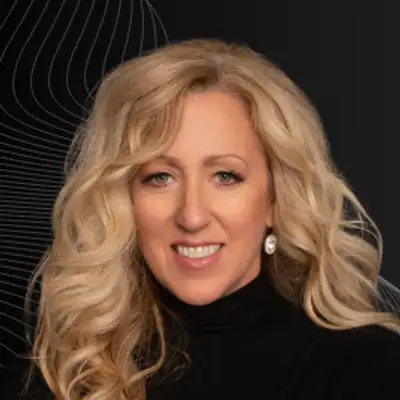
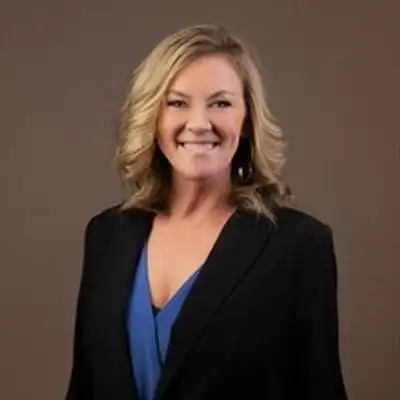
Hosted by longtime BNI leader and CliftonStrengths Coach Tammy Zurak, this podcast is your weekly boost of insight, inspiration, and action. Whether you're brand new to BNI or a seasoned member, these conversations will help you take your chapter engagement — and your business — to the next level.
Hello and welcome back to The Perfect 100.
I'm your host, Tammy Zurak, and I hold the business coach seat in the East Memphis
chapter.
Today's conversation is a very special one.
My guest, Kelly Day, and I go back to her early days of building a business.
When we first started working together, she was transitioning out of a corporate
leadership position and stepping into full entrepreneurship a little bit earlier than
planned.
What followed was a season of reinvention.
from corporate sales leadership to full-time photographer to commercial real estate and
now building a residential real estate brand while recruiting agents under her leadership.
And through that evolution, BNI has been part of the structure.
So if you're a BNI member, you're working towards getting those CEUs up, listen closely.
There are a lot of good lessons coming up about timing, discipline, reinvention and how
consistency compounds over time.
Let's jump in.
Hey, Kelly.
Hello, how are you?
I am doing wonderful.
I'm so glad to have you here.
Okay, so before we get started, let's do what we always do here is give us your quick
commercial BNI 45 seconds.
Let's go.
Perfect.
My name is Kelly Day.
I'm with Simply Home and I am a residential real estate agent here in the Memphis metro
area.
uh My best clients are those that have inherited homes.
So if you know anybody that has inherited a home or have a loved one that has passed away,
I would love to speak to them because right now they're feeling uh nervous, they're
confused, they're overwhelmed, they're fighting with their siblings and there's so much
going on and I can help make that process simple for them.
So if you hear things like
My parents just moved into hospice or I just lost a loved one and I don't know what to do
with their belongings.
I can help them come up with a plan to not only take care of all the items inside the
house, also sell the house.
I'm Kelly Day with Simply Home where we make buying and selling a home simple.
All right, so before we get into all the fun business stuff, can you take me back, tell me
a little bit about your childhood, what environment did you grow up in, a little bit maybe
about your parents, tell me more.
Yeah, sure.
I wasn't expecting that question.
But yeah, so I grew up in a small town called McMinnville, Tennessee.
It's right between Nashville and Chattanooga.
My dad was a golf pro at the local country club.
I was a country club brat.
You know, I used to ride around in the golf carts and do stupid things and played golf and
did dance and all kinds of things.
I left McMinnville for Memphis in 1991.
I did dance growing up.
So
That was kind of my main thing and I got an opportunity to dance for the University of
Memphis, which was Memphis State back then by the way.
ah And so that's how I got to Memphis and I have not left since.
So here I am.
What kind of dance?
uh Palm, people compare it to cheerleading, but it's very different.
If you ask any cheerleader or palm, they're gonna tell you it's not the same, but people
compare them, so yeah.
Okay, awesome.
did that, were you naturally competitive, independent, or was that something else?
Tell me more about that, your own personal self.
Yes.
Okay.
So I'm a middle child and I fit that to a T.
I'm one of those that is always trying to keep the peace in the family, but I'm also very
competitive because I had an older and a younger.
And so, you know, always trying to get the attention.
So yeah, definitely competitive.
And funny enough, I actually married a coach.
you know, between the two of us, are hyper competitive.
Yes, we're going to talk more about the whole scene at your house a little bit later.
um when you were kind of coming up through the, you growing up, were you feeling like, I'm
going to go work a corporate career?
Or did you always have kind of you feel like that little entrepreneurial but in the
background?
I think I always had it the background, but when I went to school, I went to school for
interior design and I loved it.
I thought it was great and you know all that, but I just didn't think there was enough
money in it.
And so all my friends were like, go into sales.
That's where the money is.
So that's what I did.
And that's how I got into the corporate world.
And I enjoyed it.
I made a lot of great connections, a lot of friends.
I learned a lot.
uh And so I think what I learned there helped me in what I'm doing today.
So I'm grateful for it.
Yeah, it's always you and I know each other.
So, you know, I was corporate, obviously, um and I've said that here many times on the
podcast, but I think it's a it's a great way to.
work within when you're trying to build your own thing, it's good to see somebody else's
very intricate big thing that you're a cog, you feel like a cog in the machine, but being
that cog gives you different insight that you understand.
Several of the companies, well, I work for some ones that have been around for a very long
time.
Excuse me, but.
I've also worked for ones that were small and then got much bigger.
So kind of seeing that evolution lets you understand kind of where you want to take it,
you know, from the inside out, which is kind of a different, different side of eyeballs,
which is interesting, right?
Exactly, exactly.
So when you look back to your childhood, what shaped you most do you think about how you
hold yourself today and the responsibilities that you carry?
Oh wow, ah I guess probably with my it started with my dad.
He is I don't want to say a perfectionist, but he was very strict on you know us doing
what we're supposed to do and doing the right things and holding ourselves accountable.
So ah I think I probably got most of that from him.
He was very competitive growing up too.
ah He played basketball and golf and some other things, so I think I got that from him and
just you know having coaches throughout the middle school and high school age.
when you're really developing who you are, having them that would help you strive for the
best.
Even in high school, our dance team was number one in the nation.
And so we just were always super competitive and always had to be the best and creative
and innovative in our ideas.
And so I think between my dad and my coaches, that really uh stirred that part up in me.
Nice and you've carried that on.
So you have two boys that are in competitive baseball and your husband is a coach.
So what feels familiar about watching them now grow up in sort of that same environment?
Does that kind of tie back to your upbringing or is that a completely different experience
now?
No, it ties right in.
And it's so funny to watch them because I can feel what they're feeling because I've been
there.
And so it's just really cool to watch them, you know, do the things outside of practice
and go the extra mile and, know, all the things that they have to do to be the best.
And it makes me really proud one, but it's funny because that's exactly how I am in my
business world now.
And so it's just, it's really cool to watch.
It's like seeing, seeing a mirror.
Yes, absolutely.
I don't know.
How old are they now?
Yeah, so Chandler is my oldest.
He's 19.
He's at the University of Tennessee.
And then Cannon is my youngest and he's 16 and he's a sophomore at Houston High School.
Okay, awesome.
All right, so you, if you look back, I'm telling everybody about your corporate
background.
So you spent nearly a decade at Icon and Ricoh in a bunch of several states and both in
leadership roles.
including national accounts and managing reps.
What did those corporate sales structures teach you about, you know, moving forward in
performance?
I think the biggest thing that I learned, I was there for 17 years and the biggest thing
that I learned I think is how to network.
When I was doing national accounts, I only had a handful of accounts and so being able to
network within each of those organizations really taught me that it's not just about what
you know, but it's about who you know and you could meet one person in the accounts
payable department, well they know someone over in legal and so it's just a way to um
branch out into all areas of that company.
I think that really taught me a lot about networking and I didn't realize it at the time
until I became an entrepreneur that that's what it was.
But looking back, I can see that that was a huge piece of helping me be successful today.
Yeah, building your brand is all about, you know, who knows who you are, right?
So no matter what you're doing, whether it's an internal, if you work for a company or
you're building your own business and it's all the same, it's just, you know, who knows
you and who you know at the end of the day.
So, all right.
And you move from individual contributor to managing a team.
When, what was, what did you feel shift between one to the other?
You know, it's hard because when you're a manager, you're trying to influence the way
somebody works on a daily basis and you want to help them remove any obstacles so that
they can perform at their best ability.
And I don't think I had the skill set back then to um really be my best as a manager.
It was a really short time that I managed a group and I learned early on that I needed to
develop my skills to be a better manager.
But I think now that I've grown as an entrepreneur and I've done so many coaching and
learning even with you, you you've taught me a lot, Tammy.
You know, going through all of that has made me a better manager now that I'm in a
managerial role at Simply Home.
So.
Yeah, love that.
It's, you you never quite, you know, when you look back, I think it's, you and I both been
photographers and it's a very, it's akin to when you look back at your very first work and
you know, if you, after years you go back and you're like, woo, and I'm learning.
Yeah, and I'm learning to paint now and I look at what I was doing when I first, you know,
it's been a year and a half, but I look back at the beginning, I was showing a new
student, comparisons of the exercise she was working on because people start all the time
and we do all, we kind of set progression of things and I went and pulled the same thing
she was working on of mine and I was like, wow.
I'm like, look how bad I was compared to, you know, where I am now.
So, and it's management's like that.
know, dealing with people is a process that you have
to unfortunately a lot of it's trial and error, you know, until you figure out what works
for you, right?
Right.
Yep.
Yep.
Exactly.
I love that.
So you said we work together.
So you actually came to me when we were both photographers.
So I was a mentor in a big group that Kelly was a part of.
And she came to me.
We live in the same city.
She came to me and we talked about the mentoring.
it's funny because we live in a similar, we're not very far from each other.
And I remember at that time people were coming to me going, why would you mentor someone
in your own city?
Isn't that your competition?
And I'm like, I mean, at the end,
of the day there's a million people here so even if I live for you know a really long time
could I really photograph all those people where I can't afford to have someone else
that's good in my city.
Right, right.
Well, was just leveling up the brand of the style of photography that we were doing at the
time.
Just leveling that up and getting more exposure, I think, helped both of us.
Yes, for sure.
Well, and it ties a little bit to BNI because I know there are people, you we have one
seat per chapter.
you know, but somebody will come in and they do what you do.
you know, some people get their feathers ruffled.
Like you can't invite somebody that does what I do.
And I, you know, we have to kind of take a step back and go really, cause you know, first
of all, if you've built relationships here, do you think that them coming in for one
meeting and giving one, you know, 35 second, 40 second commercial is going to make them
come
away from you.
And if it does, maybe we need to look in the mirror and say, maybe we need to change some
things.
Yep, exactly, exactly.
The reason I bring that up though is you came to me initially wanting to transition out of
corporate, which is a lot of people that I've worked with.
They were working in a corporate job or a job for someone else and deciding I would really
love to work for myself.
And you were wanting to make that a slower transition, but hello, uh somebody got a note
one day saying, guess what?
You're gonna do this a little bit faster.
So how did that feel at that moment?
Well, it's funny because I talk about with my kids and my husband too about I don't think
I can ever go back and work for someone again.
You know, once you become an entrepreneur, it's either in your blood or it's not.
And so for me, it was 100 % in my blood and I can I can never go back.
But at the time, it was really scary because I had an opportunity to either take a
different position in the company, which really competed with what I was doing before.
Before we were all about process improvement and reducing labor and paper and all that to
going to
you know, selling people to do these processes.
was a complete opposite mindset and I just, I don't know, I didn't feel good about selling
that.
So I was able to take a severance instead and use that to launch my photography business.
during that moment, it felt like, okay, this is the universe telling me, Kelly, it's time.
Like you've been wanting to do this a long time and so just go, go do it now.
And I'm so glad I did, even though I didn't stay in it as long as I had planned
originally.
I think it taught me so much about uh entrepreneurship that now that I'm in real estate,
it has just really helped a ton.
Yeah, and that journey is never a straight line.
don't think for anybody.
Excuse me.
I think that we gather the experiences we're supposed to gather in order to be on the road
to where we're supposed to go, right?
And I've made a similar journey.
Although I was coaching, half my business was coaching while I was doing photography and I
just rolled into that full time.
But I feel like that set of skills that you learn, no matter what it is you're doing,
you're picking up new things that are molding what the future's gonna look like, right?
So without it, for me, it was just one more tool in the toolkit.
Yeah.
So.
gosh, the amount of hours that you would actually work.
You know, I felt like I had to be out all the time and always in front of people and
talking to people to, you know, continue to bring business to the studio.
So that was hard.
And then finding time to also edit.
just, you know, it taught me that entrepreneurs don't sleep.
We work 24 seven, it seems like, and it's not like you can go to work and then turn it off
when you come home.
It's pretty much 24 seven, so.
Yeah, well, and you, when we were working together, one of the things I recommended was to
join BNI, right?
So how did you feel about, once you joined, kind of having that structured networking
process?
Yeah, for me, the biggest thing that BNI did for me in the very beginning was made me
accountable every day to work on my business instead of just being in it and, you know,
editing and doing the shoots and all that.
But I had to think about, who is my client avatar?
Who am I looking for?
What is a good referral for me?
And, uh you know, just being accountable to think about that every week before I showed
up, because before it was just like, OK, who do I know?
Who do I know?
And, you know, just trying to talk to everybody I could.
This was a way for me to think about, OK, who do I really want to photograph?
and um how can I get them?
Were there any big surprises when you first joined?
If you can remember back to those first, you know, early days.
Yeah, I'll never forget the first time I missed I had like 17 phone calls.
I was like, my gosh, I just missed one meeting like.
But later I realized, you know, if you don't tell anyone you're not coming and you just
don't show up like these are people that care about you and they're your friends and so
they're genuinely like, are you OK?
Like what happened?
Yeah.
Yeah, that's hilarious.
Suddenly now people want your, so it's a level of accountability, right?
So, which is, I'm sure they cared, you know, make sure nothing bad happened to you, but
it's also an accountability thing.
So how did that weekly accountability affect your business, do you think?
I know if I refer someone in my chapter that they are going to give the best service that
they can because they have to look at me every single week.
And if they do a bad job or something goes sideways or you know, things happen in
business, we can't please everyone.
And I just know that
have to look at me every week and vice versa.
So I'm going to do my best for my BNI people.
I mean, I do my best all the time anyway, but I know that I'm going to follow up and let
them know how it's going and, you know, just make sure that everything is up to my
standards, especially if it's a BNI referral.
Right, yeah, I love that.
uh
there when we're going to give people to someone that we value, guess is the best way to
put that is we want to make sure that they're worthy of the value.
So it goes both directions, as you've said.
So, you know, it's important that when somebody sends me something, I try to do my best to
make sure that, you know, not that I wouldn't anyways, like you said, but there's like
that extra little thing in the back of your head going.
These people, you know, or I'm going to see these people every single week that
That's an accountability that matters.
Again, not that it wouldn't matter otherwise, but it's just a little more um in front of
you.
So you were building your business while your kids were in competitive baseball and you
were traveling all around.
uh So how did you manage those two things together?
gosh, you know, I live by my calendar.
I always have, even when I was doing corporate work, I live by my calendar and just, you
know, keeping time, uh time blocks on my calendar to make sure that I had time to get
everything done that needed to get done.
Like back in the photography days, it was the editing, you know, that was just a big part
of making sure that you stay on your deliverables and that, you know, clients are not
waiting three and four weeks to get their pictures back.
And so I'm just doing the time blocking and then taking my computer on the road, you know,
Travel baseball is not for the faint of heart.
And so ah it was a lot.
So I would try to cram all the shoots in, you know, within a two or three days and then I
could edit while I was on the road.
Just a lot of planning really.
Yeah, you had to be em on top of your game and, you know, make sure you're, did you
portion out time for growth or was that just simply being I was kind of the focus there or
how did that work?
Yeah, BNI was really my biggest growth engine.
And I tell people all the time, like new members that are thinking about joining.
When I first started, BNI made up probably that first year about 30 % of my business.
Then it grew to about 50%.
And then it leveled off around 30 after because then once you have more clients, they're
going to refer you to.
So you can attribute that back to BNI.
But I'm talking about direct BNI referrals.
So it made up a huge part of my business all the way up, you know, until COVID.
Yeah, well, and I think I did a once upon a time, I went back and looked at, those
tributaries, you know, you get one and it's for no matter what you do in BNI, right?
But I looked at the original setup when I very first started referrals that I was getting,
and then they branch out and they branch out and so on.
And literally, like almost everybody was started, it had the roots in the ground from BNI,
you know, and it just kind of spawns out from there.
So
pretty cool when you look back over 10 years and you're like, wow, that's amazing how that
goes.
later you decided to move into commercial real estate.
So tell us a little bit about that.
Yeah, so there were some uh life changes that happened and then COVID.
So in 2020 when COVID happened and you're photographing people, it's really hard to keep
that business going.
So I did a lot of things that weren't my normal business model.
And I think a little bit of it, I devalued the brand because I was just trying to get,
whatever business I could.
And so once, uh you know, you could start being around people again, it was really hard to
get that value back.
um And I had some other things that happened.
I was diagnosed with breast cancer and I knew that I was going to need time to go to
procedures and do all of those things.
And you know, if I'm hustling so hard at photography and you know, really chasing every
deal, it would be hard to do that and make enough money to pay for the medical bills and
all that.
So I had a friend reach out.
Well, my brother's been telling me forever.
He always thought I should do real estate.
And I just didn't want to do nights and weekends because that's when the kids are playing
and I don't want to miss their games.
So I went to commercial because that's more eight to five, you you can take days off and
you know, all of that.
And so I did that and I learned a ton about the real estate business, just, you know, how
deals process, you know, what information is needed, how to look at properties from an
investment perspective.
And I loved it.
Like I had a really amazing time and I love the partners that I worked with, Brian and
David, I almost forgot his name.
But Brian and David were my two partners.
so we just we had a really good time.
It was just right at that point when I started the interest rates started rising.
And from an investment perspective, it got really hard for investors to find deals that
worked for them.
And so the market just dictated a change for me again.
And that's I got to residential.
And I don't know why I didn't start in residential.
I mean, I know why.
But I wish now going back, I would have started in residential.
But I guess I learned things in commercial that I needed to know.
to be successful here.
You know, it's one of those, I learned a lesson somewhere, so.
yes.
again, having been someone in multiple different industries, I get it, right, is that it
used to be when you were growing up, you know, my parents' age, they would go to work for
one company and stay there for 30 years and retire.
And that's gone by the wayside um for, you know, it's been probably 15 or so, maybe more
years where it kind of got to be about seven was the average.
And now with millennials, that's even shifted.
They're not happy.
They're just moving on.
it feels at least for someone my age, it feels like, oh man, here I go again, reinventing
myself, you know?
But it's, you know, and I think if you go through a major life, you know, if you have
cancer, it's a pretty life altering moment.
I can only imagine, you and I, know each other and we've talked about this before, and I
haven't shared this here, but I guess I will, is I have had a lump and I know at the
moment, they were like, you need to go and have surgery and get that out and we're gonna
wait and see what happens.
that your whole, it just impacts your whole life, because you can't think of anything but,
and then I was fortunate it was benign, but you had to go through that yourself.
So that's a whole level, a whole nother level of, you know, I'm imagining that changes
you, you know, more so than other things just changing jobs does when you have a health
scenario like that.
absolutely.
Absolutely.
It's pretty scary, but at the same time, it's one of those things that uh kind of launches
you into a different mindset that, ah you know, it's all going to work out and it's not
life or death, you know, it's business and it's part of what we do, but it's not, it's not
the end of the world.
It's not life or death, you know, so.
sure.
Yeah, it gives you a little, a lot of positives, I guess, from that.
It changes things for the better when things get better.
So that's a good thing.
um So during that transition, somewhere in there, you joined my chapter.
um So what did you learn from being in your previous one to being in mine?
subsequently, we'll talk about that in a minute, but tell me about that.
Yes, I say, well, let me get back up.
One of the things that didn't work with your chapter was just the time of day, you know,
in the business that I'm in, it's really hard to break away during the lunch hour because
there's not a lot happening in the mornings in real estate.
That's when all my research is being done, you know, all the kind of computer work.
But like once the day starts after 10, you know, you're in front of people all the time
and it was just really hard to get away.
But I loved that chapter.
You guys are amazing.
But coming from a chapter and then going to a different one,
You've built all these relationships in the original one.
And so it was really hard to, you know, I'm a big B and I are.
So if you're in my chapter, you're getting referred.
That's just who I am.
That's how I operate.
And so uh even though I had relationships in the other chapter, you know, it was just
hard.
So,
we definitely have had, I don't know how many people have changed chapters, you know, come
and go.
People, there's an endless amount of, know, let's go to this one or that one for various
reasons.
know, life happens.
That's just the way it goes sometimes.
um But it was curious because, you know, it's real, it's people do it.
And now you've gone back.
they, one of the reasons you left that one is you wanted, you were switching to
residential and they didn't have a residential seat open.
So then they did.
And so then you were able to come back to where you had originally sewed the ground, so to
speak.
You're back to your original people.
Yes.
Yes.
So I think that's completely normal.
uh Was there, was there any.
strategy involved in kind of moving into residential and then kind of tapping back into
your original group that you brought to life.
I don't know about strategy.
Really what worked for me the most is our chapter meets earlier in the day.
And so that was really the biggest thing for me was being able to, you know, start my day
with BNI and then I can move into, you know, work activities or whatever.
So that was really the biggest thing.
But, you know, I did have relationships with the people that are in the chapter.
And so going back, it was really easy to refer them because I already know, like, and
trust them, which is one of the big things that we learn in BNI.
So.
Yeah.
Well, and you've since become the president uh of said chapter.
All right.
So we're going to roll over to your uh power of one now and your poem report.
So let's see how Kelly's doing as the president.
wait.
She has a perfect 100.
uh She's doing great.
So I don't need to read all the numbers because they're all 20 in the green, which equal
100.
So good job to you.
I do wanna go over your poems report and Kelly sent me her whole year's report.
I just kinda snippeted it a little bit down just because it went off it on the screen if
people are watching.
So the numbers are 41 weeks worth of numbers.
Absences, none, because she's had subs for, there's a few subs in there, but otherwise
present.
So no absences.
Referrals given inside, let's see if I can see this, 26.
Referrals received outside 76.
Referrals received, oh sorry, referrals given inside 26, referrals given outside 76.
Referrals received inside three.
Referrals received outside 21.
Visitors seven.
One-to-ones 158.
.
here is you have, there were a couple of weeks where you had double digit, like almost
triple digits.
One to one, it's not triple digits, that's exaggerating, but you had like 19, one week and
30 and other.
Tell me about that.
Okay, yeah, so when I became chapter president, I felt like the relationships between
members were, you know, just like, I would go to the same person all the time.
Like they were just doing one-to-ones with individuals that they could refer business back
and forth.
And so what I wanted to change was for us to become friends and all of us to like each
other and hang out more.
So I developed, we did walk and talk on Tuesdays.
We would do a coffee meeting once a month.
We would do a lunch meeting, a happy hour, an after hours or family event.
there was five opportunities every month for people to get out and do one-to-ones with
their BNI peers.
And the way that we would count one-to-ones is they had to have a conversation about
business back and forth.
It couldn't be just everyone at the table if 30 people were there.
but yeah, so just having those events and of course being the president and really
launching that this year, I had to go to all of them.
So I did get a lot of one-to-one.
in that way.
yeah.
And then I also did, you know, as a residential real estate agent, open houses.
And there are lot of people in home services in our chapter that would sponsor these open
houses for other agents to come and look at the houses.
So as a way for me to introduce them to new agents.
And then also we would get one-to-ones in while we were there too.
So there's just a lot of different ways, more creative, I guess, than just the standard
one-on-one.
Yeah.
So thinking outside the box is always a good thing.
And the one-to-one doesn't always have to be the, you know, very this, that, or the other
that can happen in different ways, which often we found in my chapter that if you can give
people activities, like we were trying to grow.
So we did.
different types of visitor events and we let the people who are in the chapter decide what
they would be.
So, you it's not just, okay, everybody's getting to mail out 30 letters, you know, like
kill me.
uh It's going to be like, I did speed networking because that was all about that, right?
So we created events together that individually work for ourselves.
So if you create five different things, you're going to grab different people for
different things that appeal to them.
So I love that.
Exactly.
when you see the Perfect 100, what does that mean to you?
What does it represent?
um Well, again, being competitive, I always want to do my best.
And sometimes it's hard, you know, it's hard.
But when I became the president, I made my mind up that I was going to lead by example.
And so I do try to do all the right things, BNI.
And sometimes it's hard, know, getting visitors is not easy.
That's probably my biggest struggle.
um And so, but I just, you know, I just wanted to set the example and do the things that
I'm asking everybody else to do.
Yeah, yeah, I love that.
Any particular habits that protect you from, you know, keep you out so you know you're
going to have that outcome?
Pretty much everything else.
I'm not worried about any of the numbers because they're just going to happen naturally
based on the business that I'm in and the people that are in my group.
But the visitor one, you know, I started keeping a spreadsheet of everybody that I had
invited before and I just re-invite them over and over and over.
And then this year was our 30th birthday for our chapter.
So we did have this big birthday party where we invited all the past members and anybody
that had ever visited before.
And so we had a really big turnout for that.
And we ended up with so far two new members and we have two applications that came in
since then too.
total of four.
Love that.
So it's like being in business when somebody says no to you once, does that mean they're
no forever?
No.
For those of you that were listening, she mouthed no.
Yeah, somebody said that in my chapter recently that if you invite somebody once and they
don't show up,
and then you just stop calling them.
They're probably never gonna show up again.
But I keep after people because things happen.
I had two people invited last week and neither one of them came.
Right after the meeting, one of them was like, I have the flu, I'm sorry.
I don't wanna come, I'm thank you.
I don't wanna be sick either.
And the other one was like, a last minute meeting popped up that he had to go to.
But I'm on it this week, so are you coming this week?
Yay.
That's all right.
do.
Yeah.
So um how is BNI contributed specifically to your real estate growth?
It has been amazing.
know, when I switched to residential and came back to the BNI Germantown chapter, I have
received, ah gosh, I wish I knew the number, but I would say out of all the transactions I
did last year, it made up about a third of those transactions.
And even this year, I've gotten so many already.
It's just amazing.
Like I have one that I got just yesterday.
This lady has four different houses, one that she lives in in three uh investment
properties.
And so that's four transactions that I'll get uh just from that one referral.
Awesome, love that.
All right, and so let's roll over to your CliftonStrengths, because you have said several
things that are particularly close to your strengths.
So for the folks at home, I will read these that are not seen on the screen.
uh Your number one is Relator.
You enjoy close relationships.
You find deep satisfaction in working hard with friends to achieve a goal.
And number two is Command.
You have presence.
You can take control of a situation and make decisions.
Number three, positivity.
You have contagious enthusiasm.
You are naturally upbeat and can energize others.
Number four is futuristic.
You vividly imagine the future.
You inspire and energize others with your vision of what could be.
And number five is activator.
You can make things happen by turning thoughts into action.
You want to do things now rather than simply talk about them.
And because you've done your full 34, we'll show those as well.
So the remaining top 10.
are number six is responsibility, number seven is learner, number eight is competition,
number nine is focus and number 10 is achiever.
And I also wanted to point out here that had Kelly only done her top five, she had two
things that were tied.
So there's the theme, which is on the right hand side.
It says you lead with influencing, but you have two blue, which is the relationship
building.
You have a
Okay.
one strategic one, which is in the green.
So you would be tied, you wouldn't know which one of them you lean more towards, but
because you did your full 34, you can see that several more popped up in the rest of them.
So you went out as your overarching theme is influencing, but you have a very nice balance
of all the things.
So that's a great thing.
So what did you think when you first got your report back?
Well, there were two that I was like, I don't know if that's me or not.
The command in, what was the fifth one?
can't even remember now.
um Yeah, I don't know.
I I don't see myself as being
like commanding the room or influencing people.
just, mean, I do like to help people.
Like that's my biggest thing is, um you know, I just love to help people grow and like
achieve things that they want to achieve in life.
And so I guess that kind of ties together, but the word command just, I don't know.
I'm not one of those like go do this, you know.
So to me, that's what command is.
So I don't know, that one felt weird.
yeah, and I have high command also and that's why I know it sounds, it feels bad when you
say it like I'm the and some people would say I am the and that's okay.
But command to me, you know, and I was just pulling up your report because you've got so
for everybody that's not looking at the screen um inside your assessment, you get a what
it means for you.
So your command reads differently than my command and
your command isn't, none of this says you're a dictator, right?
It just, it says that you're, you know, you're someone that's gonna lead the way, you
know, at the end of the day.
And that's what that, that's a good thing, right?
Is we need somebody to lead the way.
And if it's gonna be you, that's great because, you know, somebody, not everybody wants to
do that, um you know?
So that's a good skill to have.
Let's see here.
um How does Relator, so Relator is the, you know, it sounds like everything you've said so
far.
That one rings true, right?
um How does that show up in your referral strategy?
Oh, I guess just, you know, when I sit down and do one to ones with people, I am very
intentional about understanding what they need and explaining to them what I'm looking
forward to so that we can both give referrals back and forth to each other.
So I am looking out for their best interests, but also making sure that they understand
what I'm looking for.
And I think one of the things that you asked me earlier, what shocked me the most
There was a couple of things like to look out for and some of the things were like, people
might find you intimidating or feel like they can't get to know you really well.
And so I was like, well, I hope they don't think that, you know, so some of the things to
look out for, was like, oh, okay, I need to check myself.
Yeah.
they give you a little heads up for blind spots that you may or may not know.
And again, I feel like, cause we were talking earlier about the management, know, when
you, when you manage people early, you learn what not to do often as much as you learn
what to do.
Um, and sometimes that hard charging for me was, you know, take the Hill, which is
somewhat, some command can be that can also be like, whoops, you gotta wait and make sure
everybody's with you.
Right.
If they're not, if they're not following you, it doesn't really matter.
Cause you're just on your own.
So.
Right.
Relator loves typically, my number two is Relator.
So Relator likes to get to know a smaller group of people really well.
So it seems to play out well with BNI as we have our inner circle, right?
As these are the people, I actually got something an email sent to me the other day about
this is a special thing for your, you can send this just to your inner circle.
And I was like, oh, okay, let me just ask my group, right?
Because they're the people that would benefit.
was just like a...
Oh, what are the Tennessee license for the real ID?
couldn't think of what it's called.
But they're doing it where you can show up to a certain place.
won't say where because it's not public yet, but and have it done without having to go to
our friends at the DMV.
they're like, oh, yeah, several people jumped on that one.
Show up and have it done in a half an hour.
It's better than waiting for gosh knows how long we're going to wait with our friends.
But I digress.
So
Does command show up for you in negotiating contracts?
Because that's potentially a spot where somebody again needs to kind of challenge things
and you know get their way so.
Yeah, I would say that and also just pre-planning for how the house is going to look and
feel going before the listing actually happens, you know, in the staging and decluttering
and moving furniture around like all those things, you know, it makes a difference and not
everybody thinks about that.
So I would say, yeah, definitely on the negotiation on the contract side, but even prior
to that, getting the house ready and even on the buyer side, you know,
making sure that they have their must have list and their want list because 90 % of the
time you're not gonna get everything but you might be able to fix things to get your want
list.
So ah yeah, for sure.
All right, and futuristic looks forward out a way.
So how far ahead do you look?
are you thinking about what does that look like?
it listings?
Is it pipeline building?
Is it how far out are we?
Oh yes, I am a planner and so I have a 10 year plan, a five year plan and then I have my
like year by year plan and then I even do the 12 week year.
So I don't know if you're familiar with that book, but I can't remember who wrote it.
But anyway, it's a book called the 12 week year where you take your goals for the year and
you break them.
You take it back, you know, to the 12 weeks and then you reach those goals.
Cause sometimes you make big lofty goals for the full year and you know, you get through
quarter one and you're like, Oh, well I've already missed that one.
So you stop focusing on it.
But if you just break it down to the first 12 weeks and then the next 12, then you've got
smaller things to, um smaller goals to reach.
So they're a little more attainable.
Okay, that makes sense.
And positivity kind of plays out all over the place.
So how do you feel like that impacts because you are the president, how do feel like that
impacts the culture of your chapter?
You know, that's one of my biggest ah pet peeves is negativity.
I don't like any negativity at all.
And if there's a reason behind it, then let's find out the reason and the source and then
let's solve that.
But just negativity to be negative is just not something that I'm willing to even, we
won't even have that conversation.
So just move on.
ah But yeah, I just think that, you know, if you focus on the positive, what you think
about.
grows and builds.
And so if you think about positive things and you think about growth and you think about
all the things that can be the futuristic side, then those things are more likely to
happen.
So don't think about negative because it's just going to attract more of it.
Yeah, it sounds like a particular friend of ours that, that, that, so Kelly and I are both
from the Super Rice School of Mindset, that yeah, you, what you focus on grows.
And if you want to focus on all the things that you're losing, then you're going to lose
more things like money.
Yeah.
How much money I don't have does not make more money grow.
So yeah, and it works.
It does work.
It's worked for me.
All right.
So now you are recruiting agents under your
brands, how has your background influenced how you're building your team?
think the biggest thing for me is being an entrepreneur and seeing how starting the
photography business, going through hardship with, you know, not just health, but the
COVID and all the things that happened, you know, between 2020 and 2024 for me, taught me
about entrepreneurship and how to keep going and how to just, you know, reframe and pivot
and do things a different way.
And so I just love helping people do that as well, and especially in real estate.
You know, there's a lot of lead sources that you can pay for and you know, there's all
different ways for realtors to get leads or people to work with.
And so my biggest thing is being able to teach them how to attract their clients instead
of having to chase them.
And to me, that's been the biggest aha moment.
And same thing with BNI.
Like we want to attract people to BNI that are good fit that we can refer to and not go
chasing everybody to be in BNI because that's just not, not everybody's meant for it.
So.
Yeah, what's the secret sauce that you've found so far?
as far as.
attracting people to you, sorry.
um it's not one thing.
It's a lot of things.
But for me, it's about people getting to know me.
And the only way that I know to do that is by creating videos.
So I do a ton of videos.
If you follow me on social media, you've seen them.
But it's a way for people to know me before they actually meet me in person.
And so when they meet me, they're like, she's real.
That's exactly who she is on camera.
So it's just a way to educate them.
And hopefully they come to me when it's time.
And have you, looks as though you might have embraced AI.
Is that a true story?
I have.
Yes, I have embraced AI, um but I use it as a tool and not as, uh you know, the golden
rule.
You know, I tell it what I'm looking to do, what I'm looking to accomplish, and it gives
me back ways to do that.
So, and then I pick and choose what I think would work best for me.
And yeah, so I do a lot of chat, GPT chats, my friend.
and even just the video stuff looks like it's got a little enhancement that is a little
next level, I guess, in great way.
you're welcome.
only thing I do there is the virtual backgrounds and the yeah.
But what I'm what I'm saying in the scripts comes from AI.
Yeah.
And I'm a full embracer of AI myself.
I think that there's no reason not to use tools.
In fact, it's kind of like if we harken back to, I only remember when it started, but the
internet, social media.
When we look at the beginning days of social media, people were very like, I don't, I'm
not in, and now obviously it's crazy because we're, and I was selling .com before the
internet actually started.
m
It's been around for longer than me, but it's where it started to get where everybody
needed to put their stuff on it.
So, every new transition of thing, new tools is, oh, I don't know.
certain people gravitate towards it, start using it, like it, make it work for them.
Others kind of come like, it's the bell curve and then some never do and they get left
behind.
There are still people that don't use social media for marketing their business, which to
me is crazy, but it's...
you've got to be doing some of the things that keep you in the ones that are innovating.
know, we have one of our the core values is innovation, right?
And BNI and that applies, I think you've got to innovate in your business as well.
So I again, I want to move myself back.
All right.
So what does bringing somebody in look like for you?
What is that?
um How is that?
process work for you?
Like how do you decide who's going to be on the team?
You know, I just look for people that want to grow and want to succeed.
You know, I don't want someone that's just gonna waste time and not try to sell anything.
um I mean, they can come to Simply Home, but they're not gonna be on my team, I guess is
probably the best way to say it.
I want people that are gonna work hard.
I don't care if you're doing it full-time or part-time, but just that you're in it and
that you're willing to
do the things it takes to be successful and to meet your goals.
It's not my goals, it's their goals because every real estate agent is their own
entrepreneur.
And I do want to guide and help and mentor people that are agents that are either new or
maybe they've been in the industry for a long time and they're just not seeing the growth
that they want.
I just want to teach them how to attract clients instead of uh paying for leads or hoping
that their brokerage is going to provide those leads because at the end of the day,
You might change brokerages that broker might leave and you need to be self-sufficient and
be able to attract clients to you and not necessarily just to the brand.
And one of the things about Simply Home that I love the most is our CEO.
He is all about people first always.
So it's always about the people and it's always about the agents and giving them the tools
and the resources they need to be successful instead of saying, you're going to fit this
model and here's the way we do things.
It's you're an entrepreneur.
Go run your business.
We're going to give you everything you need to do it.
that you're responsible for your business.
And that's what I love about it.
yeah, that's awesome.
And that can be challenging for some people because some people need kind of more
structure and not the, know, not the structure piece, but it's, it's the reason that
there's so many realtors and not so many successful ones is because they're on their own,
right?
So they don't have that kind of boundaries to like, here's how to work this.
So it works well for you.
um So getting help sometimes is a good thing.
um
And that kind of ties a little bit to your chapter because you don't care.
The way you said that was, they don't have to be full time and they're, but they still
have to do things.
that's kind of like what we were running a chapter.
can't all, it can't just be you running it.
There's other people that have bought into, we all need to work together, right?
Exactly.
takes a village.
How have you found that since you've taken over that there's been more, cause that's part
of your personality.
Activator is somebody that sees what people, sees who could do what well and gets them
doing it.
eh Have you felt that you've been able to inspire a little bit more of that since you've
taken over?
hope so.
mean, they would have to tell you if they've been inspired or not, but I do feel like we
are all on the same train.
We're all moving in the same direction.
I haven't really felt any pushback or, you know, anybody that's not uh in the same mindset
of, you know, being positive and, um you know, continuing to invite visitors and um
getting to know the chapter members better.
I haven't seen any pushback on that at all.
So we have a great group.
I love my group.
All right, awesome.
And so looking ahead, because we like to do that, I also have high futuristic.
Five years from now, what does success look like?
Wow, in five years, I really want to have a team underneath me.
We're about to grow into Mississippi as well.
ah just, everything got approved actually on Thursday last week.
So we're about to jump into Mississippi.
So we're looking for growth there.
I just opened up West Tennessee.
So I'm just looking for more agents in those areas so that we can ramp up and get the name
of Simply Home out there so that more people can be their own entrepreneurs and build
their own businesses and be successful.
So.
And if memory serves, simply home offers a better pay structure than most of the other
competing kinds of folks, right?
We do our paycheck structure is really amazing, but it's more than that.
It's just it's all the tools that you get all the support um and all the education for you
to be able to run your own business.
So that's the biggest thing.
So talk to Kelly if you are a real estate agent and you want to know more.
And what kind of culture do you hope that you build with your team?
What do you want to be known for?
You know, in real estate, there's a lot of competition, just like in photography.
And so I want our brokerage to be known, especially, you know, the ones that I manage,
that we are all here to support each other.
We're all here rooting for each other.
And there is no competition.
You know, if there's any conflict at all, we resolve it immediately.
And we're grown adults and we're going to have tough conversations sometimes.
But at end of the day, I'm rooting for them.
They're rooting for me.
And we're just a big team of people that want everyone to succeed.
All right, and what are you looking forward to most in the upcoming near future?
Oh wow, I don't know.
just, know, one day at a time, I'm looking forward to getting my kids through school and,
you know, just selling real estate and having a good life.
Yeah.
That's right.
That's right.
we're gonna go to the quick fire.
So these are just fun, quick questions, quick answers.
So is it harder to land a listing or land a portrait client?
Ooh, a listing.
Okay.
Takes a little more, a little more to it, huh?
Alright.
Negotiation or networking, which energizes you more?
Travel baseball or listing weekend, which is more stressful?
travel baseball.
Yes, no brainer.
uh One BNI habit everyone should master.
Being on time.
yes, that's an easy one.
All right, one thing sellers misunderstand about today's market.
that what sold six months ago is not the same price it would sell for today.
oh Interesting.
Yeah, I think that goes universally, right?
That's always ever-changing.
Best referral you've ever received.
wow, this one was actually back when I was in my photography days.
I hired a visitor.
So that was amazing.
Yeah.
Okay, awesome and finish this consistency works because
wow, it builds character and it builds a mindset and structure and all the things that,
you know, if you line out your processes and ah you know, everything has its place in
time, then things just work.
Awesome.
All right.
Well, Kelly, it was so good to have you here.
Thank you so much for coming on.
It's been fun.
Yeah, it's been fun watching your journey grow from, you know, when we worked together
till now.
like, you know, I always I love that's one of the things that one of my strengths plays
out to is I love being a part of other people's journeys and seeing kind of where they go
and where they grow.
So.
I was glad to have met you along the way and still have you around now.
and for our listeners, especially my BNI member fellow listeners, um if this conversation
helps you grow or think about things in a different way, I encourage you to subscribe
because there's going to be more um and do share it with somebody in your chapter or a
different chapter because that's how more people get to hear it.
and be sure to do all the things like comments and so on and so forth.
But appreciate you all being here and um we will see you next time on The Perfect 100.