Subscribe
Share
Share
Embed
The official podcast of The Chartered Institute of Marketing.
We spotlight actionable strategies, highlight best practices, and source expert opinions to help you elevate your marketing game. Whether you're focused on digital marketing, content creation, SEO, strategy, or something else entirely, we’ve got you covered.
Get the latest news, trends, and insights from across the industry. Hosted by Ben Walker, this podcast offers accessible, relevant discussions on the big issues impacting marketing today.
This podcast is your essential resource for staying ahead of the curve.
Pete Markey 0:00
We invented ibuprofen years ago, but who cares? I mean, you buy ibuprofen. They
Ben Walker 0:04
invented it.
Pete Markey 0:05
We invented Boots, invented it. It was a great story, but that's not going to get you to shop in Boots this afternoon because you can buy that down the road for ninetyp. But stories about what we're now doing, reasons to come in, new beauty, new gifting. So I think the challenge of those heritage brands is you could end up wallowing in your own past, in your own success story, when you've got to tell a story about now into the future.
Ben Walker 0:39
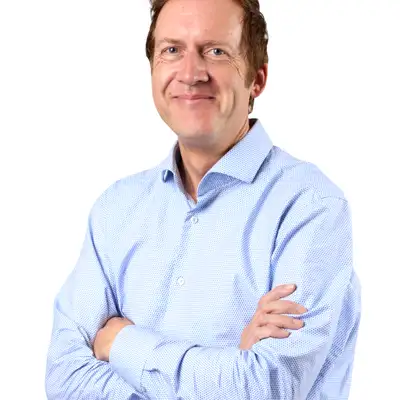
Hello, everybody, and welcome to a brand new series of the CIM Marketing Podcast. And what a way to kick off the new season! We have with us today one of the UK's biggest name marketeers, mr. Pete Markey. And many of you will know the name because, of course, Pete has been CMO at some major brands: Boots, Aviva, TSB. And you'll know a little bit about Boots' history. There's a connection now to where he is today. Boots, of course, founded in Nottingham. He now is CMO and Chief Comms Officer of none other than the Russell Group and world-famous university, the University of Nottingham. Now, Pete's had an amazing career. He has been the five times marketeer of the year, and he's got an exciting new project with a couple of celebrity names actually coming forward in the next year or so. That I think we'll hear a little bit more about later. But first, let's welcome to the show, Pete.
Pete Markey 1:36
Great to be. Good to be here. Thank you.
Ben Walker 1:37
Great to be here. Big brands, big names keep changing. You do. You go to places. You do a great job. You move on to another big brand. What keeps driving you? I
Pete Markey 1:48
love making a difference. I love a really knotty, complex challenge, and go in with with a really clear plan of going. Well, can I take it from situation today to better situation tomorrow? So what drives me is a sense of leaving something better than I found it, making something better. In these big marketing jobs, you're very much a steward of a brand, and you need to take good care of it, and certainly leave that brand in a much stronger place. So, what drives me is a chance to do that again and reinvent another brand.
Ben Walker 2:15
And back in Nottingham, my home city of all places. Yeah,
Pete Markey 2:18
incredible. Home of Robin Hood and Renegades and and great education and obviously Boots as you mentioned, but beautiful city and Nottingham University as you reference was the land was donated by the Boot family. The Boot family behind Boots donated the land as University Park, and at the heart of the university is this sense of making a difference, making a wider impact. So it's brilliant being back in the city, but a chance to work in an institution that really matters, that makes a difference in the city, that matters to the city, but also matters on a on a national and international stage as well.
Ben Walker 2:50
We'll come to about your work at Nottingham University in a little bit later. We'll dig into that a little bit later. But first, what we like to do on the show, we've got a sort of tradition that's been going for a while now. Is we always ask these big name marketeers, you know, about their favourite ever campaigns. The gentleman we had on the end last season who came with a great example from British Rail. Do look it up on the podcasts if you haven't seen that show yet. What about you? What's your favourite and why?
Pete Markey 3:20
So my all-time favourite was probably the most difficult campaign I've ever worked on. So I, it was a funny reason to remember it. But I worked for TSB, the bank. I ran marketing there for a number of years, and as context, the campaign came off the back of a catastrophic issue within the business. So we did a failed IT migration. We should have moved the data and all of our capability from Lloyd's to a new system with our Spanish parent bank-it all went wrong. We end up on the front cover of the Daily Mail with the headline "Totally Shambolic Bank. Our net promoter score went from plus 50 to minus 50 in 24 hours. A number of executives had to exit, and my job was to basically-I got then promoted into CMO with the job of fixing the reputation.
Ben Walker 4:02
You were the firefighter.
Pete Markey 4:02
I was the firefighter. Yeah. So we worked a number of weekends. We had to run what called a customer war room, putting things right for customers. But it was a really scary time because we were only finding out about the problems affecting customers by looking at what was then called Twitter, now X, and it was scary. Think, God, is that wrong? And we had systematic failures. We we people couldn't see their bank accounts. People could see other people's bank accounts. People's mortgage payments were failing. Just wasn't good. So that was the basis for a bit of rework to go. We've got to relaunch this brand. We've got to take it in a direction that that builds on that. That that's where the campaign started.
Ben Walker 4:37
Particularly in banking, because banking is a sector which basically your customers. I'm not being mean to TSB. I don't think when I say this, but most banks to most consumers do the same thing. Yeah, they're very similar at what they offer, and the thing that keeps customers with them is the feeling they can trust them.
Pete Markey 4:54
Yeah, yeah,
Ben Walker 4:54
and they can rely on them, and that presumably TSB had lost it in the middle.
Pete Markey 4:58
Exactly. When you lose that, it is a challenge. But but it's um but you're right. It created a moment to say how do we create something really distinctive and different, and we went right into the insight of what people valued about being with TSP, what they trusted, and the difference we'd make, and that the insight was really clear that that and we can all identify with this is money is stressful, right? So managing budget, managing finances is tough when you're on top of that. When you're managing your money well, when you're really looking to the future, then you can make more of life. You can start to look at those and fulfil those goals you've always wanted fulfilled. So we came up with this phraseology around life made more. If your finances were well managed, then you could be liberated to enjoy life. In fact, I think that insight is powering quite a lot of the Monzo campaign that's launched recently. That same insight that money's taken care of, life is liberating, and that really resonated with TSB. We put a whole range of things in place to give customers money confidence, launch a new spend and save account that help people keep better control of their budget and move it more freely between savings pots. And we were the first to do that. So it was a brand repositioning, but also proposition development and service enhancement too. It is
Ben Walker 6:08
an interesting campaign, isn't it? It's the David Schwimmer ad. That's right. Yeah, remember it. Where where it sort of the thing I liked about the campaign is that it it it sort of almost makes money can be ancillary once you're on top of it,
Pete Markey 6:20
absolutely.
Ben Walker 6:21
Your life is the main thing. Yeah, I think it's with a bit of a pioneer that other banks have kind of caught up with that. You know, they've abandoned sort of you know the the grand black horses and the merry widows and all you know the sort of saving for saving's sake, and actually make realise that what customers want is a bank that they can help them run their money so they can live their lives. And in that way, it's pioneer, isn't
Pete Markey 6:41
it? Yeah, no, thank you. It definitely felt like that at the time. Yeah, it was really different from ads that were around at that moment. David was David Schmidt was amazing to work with. The campaign started out was was actually David Tennant, and I am a big Doctor Who fan, which I can proudly say I got quite excited about it. But he dropped out quite late in proceedings. Oh, wow! So we got to a point where the scripts were left him over Christmas, and we got a call back after Christmas saying, you know, he doesn't really want to do that. So we're like, and then the first name that came up was David Schwimmer. Fantastic! Actually, could we even get him? He'd only done one ad in the US, never done a UK campaign, but he was amazing to work with. He co-wrote the scripts. He got very invested and involved with the whole project, and yeah, I can't say enough good things about David Trimmer. Amazing guy to work with, and he brought a gravitas and a humour and a fun to it that only I think he could bring. Scary for our compliance team because anyone working financial services, you clearly need to record the script as as as written. Yeah, he would do so many ad libs. So the number of times I was on the phone to our compliance manager, he's just said this. He was never really saying anything bad. It was he said it this way, and then he cracked this joke at the end of it. Can we do that? And they were amazing. But I guess the reflection of David Schwimmer as a character is he he did a a signed photo personalised to everyone involved in the campaign, right? And this was in lockdown. We were trying to film this as we were coming out, so a lot of people couldn't make the shoot and be there. And he took time to understand something personal about them, so he he made every message personal. He didn't need to do that, but I know a number of my team treasure those photos because a picture of him and a souvenir from the campaign was something uniquely only written to them, and that for me is a standout moment from an all-round great guy to work with.
Ben Walker 8:26
Yeah, fantastic! Our listeners will be loving this. They're loving the celebrity insights and the sort of backstory, and they'll all be also be screaming the classic question: "But did it work?
Pete Markey 8:36
It did work. Yes, yeah, great question. So when it went out, customers were four times more likely to choose TSB and consider us. The sales through the spend and save account were through the roof and record levels of where we we needed to be. You know, and that campaign continued for a couple of years and outlasted me. So it was a it was a very big success, but quite a brave move because TSB had not changed creative for about five or six years at that point. It was only seven years at that point, so quite a move to change it, but the right thing to do, and it really did pay off.
Ben Walker 9:05
Interesting. People will look at your career and they'll say, you know, Boots, Aviva, TSB. You know, these are sort of high street. These are sort of high street brand. They all have a retail presence, or at least Boots and TSB do. But Aviva is such a big name, and you've gone into a completely different sector, the world of academia, and people think this is a this is this is an extraordinary switch.
Karen Barnett 9:30
Why do you do it?
Pete Markey 9:31
What I love about that, in fact, every job I've done, pretty much I didn't know the sector before I came into it.
Ben Walker 9:36
Right.
Pete Markey 9:37
One of the things I'm hugely passionate about is often I feel as marketers we get pigeonholed, you know, and and you can only apply for certain jobs if you've got deep experience of that sector. I fundamentally disagree with that. I think if you're a good marketer and you've got the skill set, you can apply that to any sector. And in fact, you can probably bring something different and unique to it too. I know part of the reason I was chosen for the job at the University of Nottingham was I was bringing. And I am bringing something outside in, which a sector like education I think benefits from. But I was the wild card in boots. I was the guy that never done retail before. This 100 plus year old retailer hiring a guy from a bank was quite radical at the time. And then he, you know, even when I was in my post office days, I'd not done most of what post office does. Aviva's the only outlier I had done insurance before, but was doing quite a different mix of insurance, and so I love I love learning new sectors, but I guess I've got this sort of bit between my teeth of wanting to prove that you can do really good marketing in any type of industry, regardless of whether you know it or not. If you can apply the craft of marketing well, you can see success, even if you knew nothing before you walked in the door, is the
Ben Walker 10:42
barrier in marketeers' heads? Is it in the marketer's head rather than in the industries?
Pete Markey 10:48
I think it's it's a great question. I think a bit of both. I think yes, I do think we can limit ourselves sometimes. I also think it can become very comfortable when you know a sector to say I'm all right. So I know banking. I understand banking, but I also think I do think sometimes you know job ads limit it as well. I do think, and I'm very conscious when I look at ads now. What are we asking for? Because it almost became this default standard of oh two to three years or whatever experience, and I've tried to take that out of ads I run now to go. I don't really need that. What I want is great hands-on marketing experience. I'm more interested in the results you've driven, and the campaigns you've worked on, and the and the the quality of the work you've done than the fact that you know retail whatever inside out. It is a bizarre. It is
Ben Walker 11:30
a bizarre tick, isn't it, of recruiters? And I mean that whether they're AI recruiters or humans or just or platforms like LinkedIn, where you sort of think, why are you reducing your talent pool? You're looking for you're looking for a marketeer in beauty, for example, and you're demanding that he or she has two or three years of beauty marketing experience. Yeah, they may have done fantastic campaigns in another sector that you could benefit from.
Pete Markey 11:55
Yeah, yeah.
Ben Walker 11:55
Your advice, then, presumably to marketers is ignore it.
Pete Markey 11:58
I agree. I would completely ignore it. Yeah, I would. But I would build your CV in such a way that it doesn't just read like you're an expert and say banking or insurance. I think again we are our own worst enemy a little bit here. I do think I've seen CVs written this way, which almost implies that I am a die-in-the-wall banking expert. Now write it that you're a growth expert. Yeah. Regardless of where you work, the top bit of your CV should say I am an expert in growth, and I've driven this, this, and this, which is how my CV reads. So write the story, craft the story about your skills, expertise, and what you've achieved. Yeah, and don't wear a badge of honour that you might have worked in insurance for 13 years. No, wear a badge of honour that you've driven growth, and you can drive growth regardless of industry or sector.
Ben Walker 12:37
Yeah, what you've done rather than who you've done it for. Yeah, absolutely.
Pete Markey 12:40
Yeah, that's what matters. Yeah,
Ben Walker 12:41
interesting. But nevertheless, a colourful and varied career. You've talked about the TSB campaign, of course. Any other standout moments for the show that you'll?
Pete Markey 12:50
I think probably the first Christmas ad I did for Boots is a real standout because we, you know, we're synonymous now with Christmas. But when I first came in, Boots had done a series of ads that had underwhelmed, and I remember talking to the CEO at the time. The first Christmas boom. This was Christmas 2021. We were still thinking: Are we going to end up in some form of lockdown? Where are we going to end up? And the the CEO at the time was was not convinced initially that doing a TV campaign or using a celebrity was the right idea, and he hadn't been a fan of previous campaigns where we tried to do that. So I love that campaign because we convinced him that there was another way forward. So TV, particularly, would really help us unlock a bigger audience, but also using a celebrity would give us, in that instance, a really good shortcut to what boots is like as a brand and about gifting. And we use the amazing actress Jenna Coleman, who spookily has also been on Doctor Who. There's a theme. Yes, yes, there is a theme. But she was great to work with, and it was called Bags of Joy, and it was about this amazing character Joy, who had a magical bag gifted by her grandmother, and it was filmed with an amazing movie director who directed a guy that directed The King's Speech. Great director. So I remember the the filming of it being wonderful with a great director. We recorded the soundtrack to it in Abbey Road with Anne Dudley. Just the whole thing was beautifully crafted, but I remember it being brilliant to almost win that argument of going. You know, there could be another world where we were pushed into just spending more on paid search. It just wouldn't have worked. And the reason I love that campaign is I set the template for the next, you know, four years, the four campaigns I did did over Christmas with Boots, and it got us back on the map. And actually, the first year, when you're being talked about alongside John Lewis and Master Spence and Tesco in the same breath, I said to my team, "Job done, because that's who you want to be in the conversation with. So we never set out to make the best Christmas ad of all Christmas ads. We set out to make the best Christmas ad we could make, and if we're talked about the same breath as the others, and the results are good, and they were, we delivered over five pound 50 for every pound spent on the back of Christmas. It really delivered. Then you're onto something, and we had a winning formula that I know boots are continuing even today.
Ben Walker 14:56
It's interesting when you talk about a formula. So with the first ad or the first year. In a campaign, shall we say, when it's Christmas, of course, because it is an it is by very its very definition an annual appearance. You're trying presumably to boil down the essence of what's great about the brand, and you can then segue from that in in in successive years. So when you're talking about that bags of joy, you think, well, hang on a second, it's not just a place that people come to buy their cow poll and ibuprofen? Far from it. You know, this is a place that people go to buy treats for themselves, and more to the point, for others.
Pete Markey 15:26
It's a really good point because Boots wasn't that synonymous with gifting. So, 40% of the people that shop at Boots only shop at Boots once a year at Christmas, which is amazing stuff. Right. So you've got a whole audience you need to keep bringing back in, and a bunch of people that wouldn't immediately at the time, I thought I'll go to Boots. So, the campaign importantly showed it wasn't just the theory of a magical bag. You saw what was in the bag: these amazing gifts, the amazing array of what we offered. And again, that set a really clear template for the next few years of we'll always show product, we'll always show what we do, we'll always show the gifts, we'll always showcase the brands, and therefore it became incredibly real. It wasn't sort of the theory of gifting; it was the reality of wow, these are really amazing things you can actually get in your local boots. But it did set the template of great storytelling around what boots really does, and the magical role boots can play in people's lives at Christmas to literally give joy at each moment.
Ben Walker 16:20
It's interesting brand, isn't it? Boots, because you alluded to it earlier. It's been around for yonks, isn't it? Nobody's alive today who can remember it being formed. Is that is that right?
Pete Markey 16:32
It's true. Yeah, yeah. It was over 175 years ago. I mean, it's incredible brand. But it, but it, you know, we've all seen brands that we've loved that have disappeared off the high street, though. And I think one of the things that struck me when I came into Boots was people said to me, you know, it was great. Congratulations, you're joining good old Boots, and they kept saying that. It really got to point of actually annoying me.
Ben Walker 16:54
The good old, the good old Boots thing. Yeah, because Good
Pete Markey 16:57
Old Boots is recessive. It's like, oh, I remember that. I had so many people. I remember when I worked on the photography camera. I remember this yet, but actually, what about boots today? Yeah. So I set a mantra with my team to move from good old boots to oh my god, wow boots. So every time you saw us communicate and what we did, you'd sit up and go, oh, it's boots, but but wow, boots are doing this, and then back to things like Christmas, surprising, delighting, telling new stories about boots. The danger always with an established brand is you tell backwards-looking stories.
Ben Walker 17:25
Right.
Pete Markey 17:25
You know, you you gaze naval gaze at your own amazing history. And actually, when we had the 175th birthday for boots in 2024, I deliberately did activity with a team that was about rewarding customers and recognising what we do today. We did nothing that looked backwards. It was we're 175 years old, therefore we're giving all our advantage card holders, you know, 175, you know, points for free, and this sort. So we're rewarding you today, and we're offering this service and doing that. You know, we invented ibuprofen years ago, but who cares? I mean, you buy iprofit. They
Ben Walker 17:57
invented it.
Pete Markey 17:58
We invented Boots, invented it. It was a great story, but that's not going to get you to shop in boots this afternoon because you can buy that down the road for ninetyp. But stories about what we're now doing, reasons to come in, new beauty, new gifting. So I think the challenge of those heritage brands is you could end up wallowing in your own past and your own success story when you've got to tell a story about now into the future.
Ben Walker 18:17
It's as much as an internal challenge for marketers, though, isn't it? Sometimes as it is an external one, is that if you walk into a heritage brand, you have to want to balance respect for that heritage with the truth of the matter, which is that somebody who was born today or 10 years ago has never heard of you and never will unless you tell them why it's relevant to them.
Pete Markey 18:36
Well, this is a really good point, but this is why you've got to build from a brand truth. You've got to build from a point of going. What's true always been true in this brand, but still true today, and that's where we landed on the brand purpose to be with you for life. Because going back to the history, the Boot family were incredible family, and they they basically flew in the face of the establishment. Historically, at that time, only really wealthy people could afford healthcare and beauty, and the Boot family went. Well, stuff that we're going to make it accessible and available to everyone. People tried to shut them down, put them out of business. Florence Boot, amazing pioneering female leader. People kept trying to stop her, and thanks to her resilience and Jessie Boot's resilience, they basically kept going. And the high street is, is I think, always going to be grateful for what what they they delivered and how they democratised healthcare, particularly, that's in our DNA. And actually, what Boots also recognises they could be a brand that's with you in good moments in life and bad moments. And I see too many brands that focus on yeah with you for sunnier tomorrows, you know. And I think not enough focus on actually. There are some days for all of us that are not great. And for Boots, when you were dealing with people who have got you coming in for for pharmacy needs, or we do amazing work with Mamilon Cancer Research, and they they basically yeah helped us train our beauty advisors. So if someone comes in go through chemotherapy, we can give people beauty tips and advice. Yeah, Boots work with the hygiene bank to help people go through high. Poverty; those are difficult life moments. So, as a brand, actually being able to say we're with you for life was a great statement. Say we get it, we get this thing called life. We get it's complex, it's messy, it's difficult, it's wonderful, but sometimes it's tough. That really resonated both within the organisation but outside it. For us to just be a bit more real and tell real stories about what life's like. We focused on topics like the menopause, you know, real topics that people are grappling with. We've got a right then to tell that story because we're talking about about every aspect of those topics. That was actually liberating because it was true in our DNA of where the brand started. We just sort of lost our way and polished ourselves a bit too much, but going back to the rawness of that promise was was liberating. To go right now, we can tell really real stories that are really going to connect with people.
Ben Walker 20:48
It's interesting, isn't it? I mean, is it a success at Boots capturing its history, but reinventing it and making it relevant for a new generation of Boots customer? There's this great there's this great quote from you in, admittedly one of our arrivals, Marketing Week, but still in August magazine, where you you told a Marketing Week, you said I'm constantly having to, I'm continually having to reinvent myself, and people will look at your career and think, well that's very true, you know that's that's a that's a that's a good example of self-assessment. You're reinventing yourself now. You're going from health and beauty and banking to, as we said earlier, the education sector, which people think, goodness me, that's a huge departure. What does a CMO do for an August, world-renowned organisation like the University of Nottingham? What is it that a CMO does when he comes into that job and thinks this is what we need to do.
Pete Markey 21:44
It's a fair amount. I think on your reinvent yourself bit, when I said that, I really feel we at the heart is we've got to keep learning and growing. I worry whatever stage we reach in life or in our career, there's a danger to plateau and think I know everything. I wake up every morning knowing I don't clearly don't know everything. I haven't experienced everything. I don't understand everything, so I go up with a real hungry appetite to learn, a thirst for knowledge, and I hope that never disappears because I don't know everything. I don't know every sector. I don't know every aspect of marketing. I I want to know. I don't know everything about where AI could take us next. I don't, but I want to learn. I want to be hungry to learn, and hopefully be at the forefront of thinking as a result. So coming to a new sector is part of that. That almost like you know, built up energy to go. Wow, okay, this is new. This is a new challenge, and it is a it is a big challenge. The education sector, you know, actually is is in a really interesting pivot point where there are lots of choices for education. There are choices alternative to coming to higher education, but yet universities, in my view, still do an amazing good. And being part of the Russell Group at Nottingham, we do amazing good in terms of research and wider world output as well. So there's lots to do. I want us to sharpen our positioning and differentiation. So we've got a new positioning, which is to change what's next. So we're making that really, really sharp enough that it has ambition behind it and really shapes what we do with our go-forward strategy. But also, the team covers things like student recruitment. We work with alumni and philanthropic giving, global partnerships. We partner with people around the world. So there's a lot to do commercially. I guess there's the reputation of the organisation, but my team alone have got to bring in over 450 million pounds of income every year. So it's very commercial side of what we do as well. We're ultimately a, in my view, a business has to deliver a positive return for the good of that organisation, so there's lots to do, and I'm nearly five, six months in, and I can already see even more to do, which is great. That's where the challenge lies.
Ben Walker 23:49
You enjoying
Pete Markey 23:50
it? I'm absolutely loving it, and some of that's made up of just being with brilliant people. And when you're in an organisation like the University of Nottingham, people are really passionate about what we do, really believe in what we do, and I'm loving learning. I'm loving learning from the team-a mix of people who've been in higher education a fair while, some that are quite new, working with slightly different agency partners, and also for the first time I'm doing marketing in China, India, and Turkey, and other international markets. I did a lot of international insurance, but never in China, India, and Turkey or the Middle East. Fascinating learning about those markets, particularly China. How do we attract students? What process do we go through? What channels do we use? So, I'm loving that that way of learning as well.
Ben Walker 24:30
One of the least favourite questions on this show, but but but not just for the guests, but probably for the audience. But I feel duty bound to ask it anyway. Is how the hell do you measure it? You know, I suppose if you're working for Bootsy and you're doing an ad campaign at Christmas, you could measure it by increasing lipstick sales. Well, people will say, "How on earth do you? What's what's the equivalent of lipstick sales in higher education? I mean, what what are your metrics?
Pete Markey 24:53
Well, it's interesting. There are. It's a really good question. That there are some good measures. I mean, ultimately, you end up in a student outcome,
Ben Walker 24:58
right?
Pete Markey 24:58
So you end up with. A certain group of students choosing you, and that we've just gone through confirmation and clearing. So either through overall confirmation, we were their original choice, or through a clearing process, we end up with a group of new students on undergraduate courses. And so that outcome is measured by: have we got the the volume of students we wanted from the markets we wanted them from, and on the courses we wanted them from, that makeup is really important, and profitability-wise is really important. And there's a series of measures before that of how did those students find out about us? What and that that bit we can measure. It's a little bit siloed at the moment, so a lot of the job for me and the team in the next year, big project on CRM is how do we join more of that up, create more of an end-to-end connected measurement for that experience? But there's enough at different points in that journey we can measure that gives us hope around how things are working or things we might need to course adjust. But ultimately, and we're not far off this. I want to get to point to almost talk about cost per acquisition. How much did it cost us to attract and bring a student in, and then there's a whole series of measures around, in effect, student as in customer satisfaction, and then the journey they're on into alumni. Because we want students to have an amazing three, four year plus, whatever length their courses experience, so they come out the other side very positive about us and wanting to to be involved with us in the future. So that bit and how we measure that is another topic on my list in terms of with the team. So yes, there's lots to measure, lots to go after. The
Ben Walker 26:26
dread word incrementality, which is what what increase in the one of that uplift can be apportioned to the marketing activity that wouldn't otherwise have occurred.
Pete Markey 26:35
Yeah, I think we're getting there. I think the close I've got at the moment is looking at leads generated, even even the brand awareness campaign that we've just run in China, India, and Turkey. I can at least see the the seeds of what that's done, the level of engagement, interaction, and and and leads that that's generated. The bit, as I say, we need to fix is how does that bit the funnel join up with the other bit, and then can we flow all of that through with retargeting to see almost what did the leads cost, then what happened next, and how do we go through that? We'll get there in the next year. I won't let up till we can measure everything we possibly can, because as I say, it's a commercial return. The other bit that gets exciting is if you improve the return on something properly, it opens up investment conversations to say actually, if we want to to do get more students from a certain in a certain subject or a certain geographical area, here's the cost of doing that. Therefore, if we want to shift or move things around, this is the cost to university. It's an investment. So that that data is really powerful to do that when you're shaping, particularly your plans for the year ahead.
Ben Walker 27:35
We get people of all ages watching the show, listening to this show. Skews a little bit younger, I would say, than certainly me and the people who were perhaps later in their career, and a lot of our younger listeners have a priority in their mind at much time. Is you know how do I progress in this sector, particularly when? And I apologise to everyone for mentioning it, AI is automating some of the lower, lower rung, or at least more junior, shall we say, tasks or tasks that are traditionally associated with more junior marketers. What should advice for them?
Pete Markey 28:19
I think, particularly if you start with people in education, I would say if you're studying and you want a career in marketing, find whatever opportunity you can to get experience, whatever that looks like. So, give a good example. I worked before the job at the University of Nottingham. I did a few months working to drive growth in an agency in Leeds called Fusion Unlimited. There's a girl wrote to us who's a student at Leeds University saying, "I'd love to do some paid work experience. I could do one or two days a week. We hired her because she's the only student that wrote to us, and we had an opportunity. weren't great. And I just use that example. If you just don't know, you know, a lot of universities now have marketing teams you can get involved with. We we employ students as influencers for us at the university. So there are a number of ways you can get some marketing experience. It might be even as local agencies or businesses where you just say, "Can I help you with some marketing? The worst is they don't write back to you or they say no. Yeah. So I think this, for me, what sets out people apart now is is hunger. How hungry are you to go out and get real experience? Write to brands. Write to me. Be cheeky. Great. I'll remember you. You know those things. I think set you apart and hopefully cut through any AI noise to go. Wow, there's someone really good here. I could do something with. So I, I think, and I say this because my my daughter might listen to this. She's at university in Canterbury, second about to go to second year doing communications and media production. Saying to her, build your portfolio apps. When you leave university, you've got a story to tell. It isn't just I've got these tools and I've got this X degree. Here's all the experience I've got. Then it's way more powerful. So I think for me, experience and education together, hand in hand, are wonderful things. But go even if you can't see the opportunities, make the opportunities.
Ben Walker 29:56
It's this is fascinating because this is this is this is sort of. Almost counter to you think you think the danger if one thinks of education as a sort of linear progression. You know, you do GSSEs, you do your A levels, you go to university, then you're out on the you know, whatever it is. The first of September, the second of September, immediately after universe, after graduating, you're in the job market. Your advice is a little bit different. Your advice is, you're already in the job market when you're at university.
Pete Markey 30:23
I agree. That's that's a really good way of expressing it. You've got to think that way, which is really competitive market. I need to be able to. It's classic marketing problem. I need to be able to market myself. What's my story? What's my angle? Why am I different from other other potential candidates? Well, I'm different because I did this experience. I did this. I got a real-world experience here. I've got this reference from this company here. Also, you never know where some of those things could lead into a future opportunity for you as well. So, push every door open, bash every door down, knock on every door. And I still think a marketing qualification is really important. You know, I think I did the CIM diploma as it was at the time, and that that made a real difference for me because actually it unlocked my mind and the full potential what marketing could do because I actually only at that point had done marketing as as a couple of modules, so actually the full in depth of this is the discipline of the craft. I think all of that helps. So I for me it's this sort of balance of higher education, yeah, things like the CIM qualification and real experience together, you've got this lovely sort of cocktail and a much richer CV.
Ben Walker 31:27
You have, and from an employer's perspective, is that actually you know having people who can do a few minutes or a few hours a week influencing or or whatnot, and some sort of some sort of almost short form actual marketing, you know, it's very useful for employers to have that because most people, once they get out of university, they want a full-time job or nothing, which is fair enough.
Pete Markey 31:45
And for an employer as well, you're sort of you're trying each other out a little bit, aren't you? You are. For the person who's doing the job, going, do I like this company? Do I like this sort of role? Because marketing is multifaceted. For the business to go, well, actually, I'm I'm trying out you know what this person's like in the team and whether they fit and whether there's a future there, so yeah, it's it's a no regrets but positive thing. But again, all the time you're doing is building that CV up. So for me, the ideal, particularly the student leaving university one to get into marketing, is you've already got a LinkedIn profile that already says the work you've got. I did this. I worked for this company. I did this in my summer holiday. I had this placement. I did this project. I did that. Amazing. You're putting yourself
Ben Walker 32:20
ahead of, you know, if you get it, come out, you come out of university like I do with a two-two, but you've got the you've got the real world experience. You're probably ahead in the employer's mind than someone who's got a two-one but doesn't have the real world. And it
Pete Markey 32:33
automatically says this person is tenacious, has ambition, is driven. You you want to see that in a candidate, you really do.
Ben Walker 32:39
Yeah, Interesting. Not everyone's going to take your advice, unfortunately, Peter. Some people take your advice and won't find the opportunities. They'll have been lucky, but not everyone's going to hear this or see this show and take that advice. And the evidence is that people coming in at the end; those opportunities are there are fewer jobs. There are fewer jobs at the bottom rung. There's no evidence of that in the middle rungs, and we'll come to the middle rungs a little bit later on. But do you think we risk as an industry, and I'm asking you now to look at the industry as a whole, we are gonna we are gonna hit very soon an experience gap? Is we're trying to we're trying to fill people into middle ranking roles, and there just aren't enough.
Pete Markey 33:21
I think so. I don't. I don't know how soon that will be, but we were in danger of getting there if we keep chasing the direction we're in. I think. I guess I put though that problem back on myself and other marketing leaders of why should we sleepwalk into something when actually we should be able to design teams and how we work very intentionally, understanding that problem, so I look at teams I'm running now and our use of technology. I'm just I hope designing teams in a way that says I need to have a succession plan. I need to work through how people's careers work, but importantly, not to lose the great craft of what we do and turn it into a situation where all we're doing is having people pressing buttons, I still want to fight for the craft of marketing and all this. And even even in some of the most amazing AI platforms I've seen, where where you can almost do the thing end to end, I still think you need what I'd call like an amazing air traffic controller across the top of that to work out is the brief any good? Is the data correct? Is the creative work any good? Is the creative work work that I can definitely use and is copyright free and is unique? And to test that and measure that and then refine it and A/B test one again. So, so I think you need amazingly bright people to do all that still. So I think there's a there's a get the experience I've talked about, but I do think for marketing leaders, we have a responsibility-a massive one-to shape that future, and to not just buy technology, but to look at how our work is organised and what we do, such that we build it that there's still a way to get on and build your career in marketing.
Ben Walker 34:57
Are your colleagues, CMOs? As a rule, alive to that risk. Do you think there is a little bit too much sleepwalking going on still? Yeah,
Pete Markey 35:06
I think there's a bit too much of that at the moment. But I'm not sure anyone. Just to give them a slight get out of jail. I've not met anyone who feels like they've really cracked what we should do. I see people testing and doing bits and pieces. I see amazing technology solutions, but I've I've yet to meet another CMO that goes. I got this cracked. Absolutely, got it cracked. This tool in we've done this. It's all great. Everyone I think is still grappling with quite what the right solution or the end product is. So I I I I hope we'll see some really positive at some point case studies coming out. Brands going. Look, we did this with the tech, did this with our people, and it did this. I've yet to see that, and yet to see anyone, I guess, role model in that way. But you know, I think we need we need to sort that.
Ben Walker 35:51
I mean, there's certainly two stages to it, aren't there? The first, the first stage is the awareness. You've got to be alive to the risk of this happening. The second stage is the job design, the execution. Okay, we know this is going to happen. How do we redesign the jobs of the future so it doesn't happen? And you say we're sort of we're getting a bit better on the awareness thing, but in terms of the execution, we need some real-world case studies. Yeah,
Pete Markey 36:12
we need that, and also I think it's where the CIM is playing and can play a fantastic role. I think we've never needed trade organisations or membership organisations more than ever before, because we need thought leadership. We need stuff to really make us stop and think and go. Oh, hang on, I hadn't thought about it from this angle. The CMOs are under incredible pressure now. You know, you've got CFOs, finance directors reading the Financial Times and other publicating that they're all reading about AI. The pressure is coming on the CMO to cut costs and do stuff. So, I think you need help, you know. And some of that might come from your agency network, but some of that should come from membership organisations. Where can I get some thought leadership? Where can I get some help to shape my thinking? Particularly in this world where, say, there aren't many workable case studies of going, all right, someone's done that before. Let me do some of that.
Ben Walker 36:58
Yeah, interesting. What's less spoken about is the next rung. Actually, now the evidence is now coming that there is there is a second chasm appearing where junior people who are in junior roles are struggling to get to middle high roles or in the middle middle roles, if you like, or upper middle rows are struggling to get to you know the C-suite, the Pete Barkers of this world. What's causing that divide? Do you think? Yeah,
Pete Markey 37:23
I think some of that's caused by. I mean, I certainly see lots of restructuring businesses. It feels like there are less what I call bigger CMO jobs to go for, and so I think I see businesses consolidate. You see lots of chief customer officers, chief growth officers. So I worry in that. What's actually quite like the title, chief growth officer. I worry that marketing is being sort of collapsed in and made part of other things. So there are less easy routes through to get a top job in marketing. And actually, I'd almost argue that some CMO jobs as advertised aren't really CMO jobs. They're sort of marketing director jobs. So also, I think we're doing a disservice to some of the role types, so I think it's a bit where this all needs sorting out in some way because I don't want to lose the craft of marketing. I think marketing in the C-suite really matters. Marketing have a voice around the table, being seen as a growth driver matters. So, so I hope organisations go back through a cycle of going, hang on, actually, we really need to focus on the craft of marketing again. So, in short, what I'm saying is, we need to keep creating opportunities. I also think the onus is on current C-suite CMOs to build a world where that's also true. We need to be constantly reminding the organisation of the value of what we do. That is an investment, not a cost. So, the stories you tell the organisation, the things you do, should outlast and outlive you. Ultimately, you're a steward of the brand you've worked on. You need to leave it, as I've said, in a better place. That also includes the marketing function. The business should be continuing to see it as a strong investment long after you've left, if you set it up successfully and in the right way.
Ben Walker 38:56
It's interesting. You're teaching the business. You're teaching the industry. Well, you're teaching business as a whole. Really, that marketing is an important function. It's an investment, and that's a teaching that should last outlast you while you're at the organisation. Yeah, and
Pete Markey 39:08
marketing should be seen as therefore vital, and not just something you can diminish and tuck away and say, "Well, that's the team that do like SEO and PPC and stuff. No, this is the team that's driving growth, that knows the customer and the audience, and and can demonstrate value and understands the brand, you know, and then you easily lose cohesion if you don't have that.
Ben Walker 39:25
With all the stuff you do, Pete, people are going to find this pretty extraordinary. That you're, you know, you're going to top line CIO. You've been a top line CMO for all sorts of iStreet brands. You're now at one of the world's best renowned universities. You're teaching the world about the value of marketing, you come on shows like this. You're you're a you're a great champion of marketing. You're now starting your own brand.
Pete Markey 39:50
Yeah, this is an interesting story. There, so I a few years ago when I worked for TSB, I had a meeting with an amazing guy called Ash, and. It was a really good meeting, but it didn't come. You know, even agencies didn't turn into anything. When I left Boots, Ash phoned me up and said, "Pete, look, just heard you left Boots. Are you up for having a chat about something new we're developing? And he, with an amazing guy called Russ and a celebrity called Ben Shepard, have set up a business called Sweets.
Ben Walker 40:16
This is the this is the this morning guy. Yeah, yeah. Ben's show's on this
Pete Markey 40:19
morning. He does a great show called Tipping Point, and Ben's brilliant. I'd worked with Ben when I was back at TSB. Did the Pride of Sports Awards for us. Amazing, amazing guy, lovely bloke. And they basically we got this business, and we worked with celebrities, and we we worked with their fan base to launch a new brand. And they've done it successfully with Gemma Atkinson. They've launched Gem and Tonic. They've launched something called Club Sunday with Farmer Will and Jess, who were big on Love Island, great influencers, so that there's a model there that works. Said, look, Ben is wants to launch a new male skincare brand with his friend Joel Domit, who's obviously on the Master Singer, also an amazing guy, very creative, wonderfully sparky guy. Joel said, do you want to be in on this? Do you want to help us launch this brand? And it's been an amazing journey over the last pretty 12 months now, we're heading towards a launch in January. It's a new male skincare brand. It has a very cheeky name
Ben Walker 41:07
because it
Pete Markey 41:08
has to be memorable. It's called Foreskin, and it does what it says on the tin because it is a brand for people's skin.
Ben Walker 41:17
Good,
Pete Markey 41:17
but exactly the reaction you give. It's memorable. It gets talked about, and I'm really. I think
Ben Walker 41:23
how risky is one allowed to be with brand names. I
Pete Markey 41:25
think you you can be if you're. I mean, golly, we have liquid death as a as a brand for water. It's
Ben Walker 41:30
water, isn't it? Yeah,
Pete Markey 41:31
great water brand. But um, but I think you can be a bit bit cheeky and on the nose if you've got. First of all, you've got to have a great product, which which our range is, but also you're in. I think a tough male skincare is a tough category.
Ben Walker 41:44
I was going to ask you about that. Men
Pete Markey 41:45
don't men don't think as much about their skincare as women do, to their detriment. And actually, men should be using all sorts of products to to to help with their skin day to day. And so, there's definitely an opportunity space there, and the market size is there. You need to be disruptive and cut through. So the name is clever, but it's a name backed up with a great proposition. So we've been on a credible journey. We've had this podcast called The Businessmen with Sony that's been very successful. That's charted their journey from being celebrities to becoming businessmen, and then we're now at the point where there's packaging, naming done, developing the final product through testing. We did a live product testing at a comedy club, which was great. Comedy stand-up routine from Joel with Bits of Ben, and then we tried the products in in the in the meeting. It was amazing. It was it was a credibly credible comedy venue in London, and then we're heading towards that launch in January, and then we should be in retail at some point. You know, sort of q2 q3 next year, but it's been a lovely process and quite an interesting juxtaposition with the brands I've worked on before because it's it's edgy and startup and using influencers with limited marketing budget, but using audiences and using audiences to build your sense of brand. But it's also just been fun because Ben and Joel are wonderful people to work with. Russ and Ash in Sweet Spot the business are great, so the whole journey has been an absolute delight to work on. It really has. So, and it's lovely because I'm keeping that going as well as working for the university. So I have two very different hats I wear, and that's fun too. Sometimes you understand the difference between those worlds. And back to yeah, I always need to reinvent who I am. What better way than to do do basically concurrently do two very different jobs. It
Ben Walker 43:23
sounds like another marquee pioneering marketing campaign because I just think, but as you've been speaking, I've just been thinking about you know it's a difficult segment. We know it's a difficult segment. You know, my wife struggles to get me to use use any skincare stuff. Most blokes don't think about it that much, but the the the products that exist have all gone down the same route, haven't they? We'll ditch anything feminine to do with our brand. We'll make it really tough, dark colours, masculine, super super tough. Guys use this stuff. You're on a complete different route. You've gone down the human route. You've got a project. You've got a product to back it up, but you've gone down the humour route to capture the audience. Yeah,
Pete Markey 44:00
it's it's that, and it just being a great product. But you're right; I don't think those products need to feel macho. I think just need to be hardworking. And one of the biggest things we also set out to do is is I can speak myself here, but most blokes don't want to spend a long time, you know, rubbing creams in and stuff. They actually want to actually just have a very simple regime and routine, the morning and evening. So we've built that in as well, knowing that it's low interest, but knowing that if we can engage men in this, it's a really simple couple of steps process, and you'll be looking and feeling you know much better as a result of it as well. Is
Ben Walker 44:31
a product is it any different to a lady's skincare product, or is there some?
Pete Markey 44:36
I mean, the nuances to it. I mean, the the the moisturiser working on is a slight tint to it, so so if you're using it, actually it gives you even more of a glow. That's unique for men, and that's that's I think one of the real positives. Yeah, the the cleanser's just just lovely, and the the we had a number of tests. I had to I'd use my kids with this to help me with the different smell tests and stuff. But but the the yeah the moisturiser. The cleanser, the moisture is great, but the cleanser's got a lovely smell to it as well. So it will feel different as a range, and the packaging is very smart, very distinctive, and yeah, it has just broad appeal to it. Yeah, it's great, really good,
Ben Walker 45:11
amazing career, amazing ideas, and it sounds like we've got a very interesting brand coming forward next next year, early next year. People will be looking at this show, listening to this show, and we're thinking, "God, I want, I want a career like this guy. As I say, some of them are quite early in their careers; they're under 30. Not all, but we've all got chances, as you say, to improve and learn. If you got one piece of advice for people who want to succeed in marketing, what would it be?
Pete Markey 45:39
Give you 222,
Ben Walker 45:41
even better.
Pete Markey 45:42
I think stay curious. Always be curious. Like that, the hunger to learn. Always remember, you don't know everything. Enter each day curious to find out more about the business you're in or the business you could be in. What what the industry's like. What's going the industry? And be a pioneer. Whatever stage you're at in your career, keep being, you know, I think I think a pioneer in what you're doing. The other advice I think would just it links to that is I think just just stay relevant. I think, you know, just in all you're doing with the, you know, in order to tell a story about yourself as a brand. So, what are the things you're doing not just in the job you're in, but outside the job or in the industry, what you're doing, what events are you going to with with the likes of CIM? What things are you engaging with? Involve? How are you, you know, keeping yourself fresh in that? So be curious, but use that in a way to stay fresh and relevant, so that whatever brand you end up in front of, you've got something to offer. You're an asset. You're a valuable thing. So, so I was saying. I guess the answer is invest in yourself.
Ben Walker 46:44
Investing. So, of course, doing that also gives you an extra thing. Would you talk to? It gives you an extra automation, which allows you to look at the industry as a whole. Yeah, yeah. You get a bigger breadth of view. And to that point, what's marketing getting wrong? Do you think at the moment?
Pete Markey 47:00
I think for me, I I worry that we're focusing too much on the bottom of the funnel, probably. Right, and it's interesting having left boots and seen a number of briefs for for jobs I was talking about at the time before joining the university, and and so many focused on come and help us sort out performance marketing, the bottom of the funnel, and brand wasn't this brand thing not very interesting. I worry about that. I worry that we're selling ourselves short. That too many marketing jobs are too focused on performance and just that, and we're losing the craft of building great brands. I worry about that, and I do look at some executions of work I see and just just could be better and more distinctive. I think we've got too much safe work, slightly boring work. Banking's a really good example. Is yeah, most bank ads are deathly boring. Yeah, yeah. I remember the nationwide ones because they're distinctive. You know, and I think they're really clever. But most bank ads, I'd argue, and I watch a lot of cinema. Go at the cinema. I probably see two or three banking ads when I've walked out. I can't remember which one's which bank. It's too vanilla, too general. So I think we we we we need more inspiring, amazing work again. We need more distinctiveness, and we we need to fight for the true craft of marketing. Yes, you've got to be great understanding the lower end of the funnel, but let's fight for believing and building on the top of the funnel, the full end-to-end craft, the value of what we do. Let's not get stuck here. Let's look at marketing as a full end-to-end growth, and I think we're getting bits of that wrong.
Ben Walker 48:25
Interesting. More as much an art as it is a science.
Pete Markey 48:27
100% Yeah, it's got to be both. Yeah, now more than ever.
Ben Walker 48:30
Yeah. Finally, then, where are you going to reinvent yourself next?
Pete Markey 48:36
Oh, that's a lovely question, isn't it? I so I've been learning improvised comedy since about 2018, 2019, and so I've been gradually reinventing myself as a comedy performer. So I have just recently taken part only for a short section of a big improvised comedy festival in Nottingham, thanks to Robin Hood Improv, who are doing an amazing amazing job in Nottingham, and I have lessons and do do shows up there, and I've loved taking the craft of improv comedy into work. So, to answer your question, I want to go deeper into the craft of creating not stand up but improvised, fully made up comedy, and that also extends into improvised music, improvised hip hop, which I've done before. Wow! The ultimate aim is I would love to go to Edinburgh to the Fringe. I'd love to do a show, and some friends of mine have just come back with amazing stories of what they did. So the reinventing myself would be to put myself in in a a different context and a different environment, perhaps a more scary one, being on the stage at the Edinburgh Fringe, where frankly people don't care what job you've done before, nor should they. All they're looking at is is a comedy performance you're delivering. So yes, that would be the next stage of reinvention, alongside what I'm doing already.
Ben Walker 49:43
So, as a possible future here for Pete, you get to you get to use his new skincare brand for skin. The brands are available, but probably not as good as this one in January, and then see him on the fringe in Edinburgh next summer. Absolutely, look
Pete Markey 49:57
forward to it.
Ben Walker 49:58
Big market.
Pete Markey 49:59
Yeah, pleasure. Thank you.
Ben Walker 50:01
That's episode one done, and what a great start to the season! What a great guy, Pete Markey. What an amazing career! Some great tips there as well. We've got even more from Pete Markey in Catalyst, which is CIM's exclusive membership magazine. So do get the latest issue. You'll find Pete in there, profiled with an interview with him. There are also many insights from across the industry and all over the world to help you with marketing and in your marketing careers. That's CIM's Catalyst Magazine, exclusive only to CIM members. And here on the CIM Marketing Podcast, we are back every fortnight with a new edition. So keep tuning in every two weeks to find a new episode of the podcast with great guests from across the industry. Finally, thanks for listening. I hope you enjoyed the episode, and we'll see you in a couple of weeks for the next episode of the CIM Marketing Podcast.
Karen Barnett 51:06
Sign up to CIM's regular newsletters, CIM Insights, CIM Newsroom, and CIM Connect. Get the latest industry news, exclusive offers, and expert insights delivered directly to your inbox. Sign up now at cim.co.uk/newsletters. The contents and views expressed by individuals in this podcast are their own and do not necessarily represent the views of the Chartered Institute of Marketing or the companies they work for.