Subscribe
Share
Share
Embed
What happens when a VC and a CEO come together?
– They nerd out about all things revenue. And they don’t always agree.
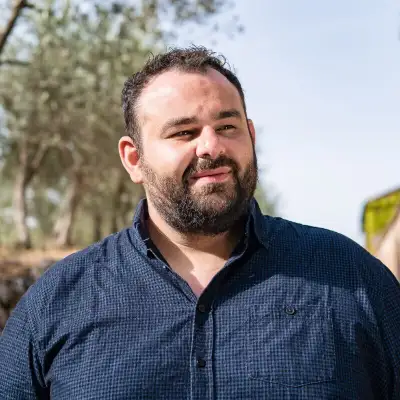
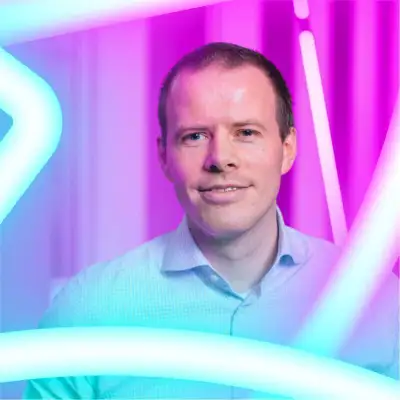
Raul Porojan of Project A Ventures and Toni Hohlbein of Growblocks are the Super Revenue Brothers. In every episode they dissect and debate current issues in B2B SaaS, and offer solutions on how to solve them
No matter if you’re an early-stage startup or a scaling unicorn – you’ll always learn something new.
Ep 11 Hybrid work in sales
===
Introduction
---
[00:00:00]
Toni: Hi everyone, this is Tony Holbein
Toni: and you're listening to the Super Revenue Brothers with Raoul and Toni. In today's episode, we're talking about hybrid work in sales. Is that a scam or can it actually work? For once, Raoul and I actually are on the same side, but maybe not on the one you might think.
Toni: Enjoy.
Raul: Toni, are you looking forward to Christmas? Are you, are you a Christmas kind of guy? Are you like a New Year's Eve? How is
Toni: You know what? Good question. Yeah, I think I'm looking forward to Christmas. I had like this conversation with my wife recently. , actually yesterday, actually. , and we were discussing, you know, Christmas tree and dressing it and, , driving back home to Potsdam actually for first of Advent because it's kind of a family kind of tradition now.
Toni: So, I mean, you know, some people might know of two small kids and it's kind of a nice time is number one. Number two, it's also from a work perspective, , besides some scrambling sales reps, and I'm sorry for you guys and ladies, Christmas and New Year's is really kind of an [00:01:00] offline kind of time.
Toni: You know, a lot of people around the globe are taking off around this time and no one is sending emails, slacks and stuff like that. So there's like a. It's a bit of a, you know, uh, armistice. It's kind of a peace time, uh, you know, for, for B2B and
Raul: calling nobody.
Toni: For that period. So I liked that a lot.
Toni: And this was my comment to my wife was like, shit. Is it already Christmas? Is it already one more year gone? We haven't, and this was me reflecting as a startup CEO, we haven't gotten to this yet. This is still missing. You know, I thought we would be further with this.
Toni: It's like time is running so fast, right? And you put in like week by week, you put it in all the hours and, you know, pushing in every direction. , and you're like super conscious of time and you basically you, time is the enemy in most of the cases. And then suddenly Christmas is such a. you know, time milestone that you're like reminded of, shit, it's already, you know, it's already been a year now again.
Toni: , so that was my emotion when we realized Christmas is coming up.
Raul: Yeah, you get all the pressure of course when you [00:02:00] build a business like that. I get it. I have to say I really like Christmas though. I'm a big fan. Um, especially the time before. So I'm a huge sucker for Christmas markets. And, um, even though I, I hate Glühwein. So what is that in, mulled wine, I think it's in English.
Raul: Um, terrible, terrible. Terrible thing, like an experiment gone wrong for the, for humanity. Um, but I really just really like the vibe around it. And if it actually snows, which it never really does in Berlin, , that's also a nice thing.
Toni: You should come to Copenhagen, one, you know, day or two or so. , because what they do in Copenhagen is they really dress up almost the whole city really nicely. Kind of the main streets are dressed up. And then, you know, we are sitting here downtown. , it's actually really nice. And then there's also at least two Christmas markets and like walking distance from the office.
Toni: So I think you'll like it. I think, by the way, lots of Germans, , operating those Christmas markets.
Raul: Yeah, it's kind of our forte, right?
Toni: you always have bratwurst and sauerkraut and Wienerschnitzel and, you know, all of that stuff everywhere, but it's perfect.
Hybrid work in Sales: Scam or scheme?
---
Raul: Yeah. We will do a Christmas [00:03:00] special episode. We'll have to think about that. But today, what are we talking about today, Toni?
Toni: We're talking about, . Hybrid work in sales, is this a scam or is it an actual scheme that works out? Right. And, but maybe you give an intro to hybrid work and sales. What do we talk about?
Raul: I think this relates, to me at least, to two parts of it, which is number one, , hybrid work in general, so what do you offer your sales people, , do they have to come to the office, on a very simple level, do they have to travel, like, a lot of sales in the past, especially used to be, really, the traveling salesperson, , in the car with a briefcase with the product driving around, whatever it is, Germany, Sweden, Denmark, whatever.
Raul: Or at least coming to the office, sort of sitting in a telephone booth or a phone den. And so that's one aspect of it, like how do you get the teams together. But then the other aspect of it is, moving to a world where facing the customer, you're also using more channels and also more ways of connecting to the customer.
Raul: And so, on both sides, in a nutshell, hybrid sales, I understand as in, Uh, for the work [00:04:00] mode of your company, but also for the customer facing, uh, acquisition, uh, you're utilizing just a broader, , range, um, of, of work modes. And very specifically, most of the time, this just means remote work , and hybrids or as in like, uh, internet telephony or like conferences.
Toni: And really where this is coming from, to be honest, right. It's coming from COVID. Uh, that's, I mean, I can, at least this is my perspective leading up to COVID. There was like not a single question in my head, whether or not this could work. It's like, nope, can't work. , and then he had COVID there and it's like, Oh, it kind of does work actually.
Toni: And now , the jury's a little bit out. Um, but you know, let's kind of get this out of the way right now. Where are you on the scam or scheme spectrum?
Raul: Yeah. So I'm going to make myself very unpopular right now, but I guess that's fine. But I'm this boomer saying it's a scam. In one more sentence, yeah, it sort of works, right? It's sort of like, yeah, yeah, I get you, like, yeah, it, it, people are still doing their thing, companies are still not all dying, but it is not the same, and it definitely doesn't work as well as I've seen [00:05:00] it work when, when, when people are actually doing their thing, doing, being at the office, at least on that end.
Feeding off outbound energy
---
Toni: So this is one of those unfortunate times where we totally agree. I wouldn't say I'm at a hundred percent on the scheme side, um, but at least in 95,
Raul: Yeah.
Toni: I'm very, very close to the scheme side. And it's like, um, you know, we'll, we'll peel the onion in a second. And there are a couple of overlapping reasons I'm actually starting, well, staying there, I would say.
Toni: Um, let's start out with the, maybe the very simple one and the first one, and this doesn't matter if it's, you know, full cycle or SDR, BDR kind of role, if you have an outbound part to your job, , and it, involves the phone and so forth, I do believe it's for a lot of people, especially junior people, pretty important to, you know, feed off the energy that's in the room.
Toni: I think that's important. I think if you, and I've, I've seen this, I was kind of the CEO during, during [00:06:00] COVID. , some of my folks were sitting in New York City, kind of, you know, an SDR in New York City, you don't make much money and it's a pretty expensive city. , they were sitting in their shared flat with two other SDRs working for two other companies.
Toni: All of them were sitting, you know, on their bed. Styling from there. , and I can tell you, this was not a great time for them. , and I just simply believe and have seen how these teams work and how those people work when they're, uh, you know, remote, uh, you know, in their, whether that's their own home office or if they're sitting on their bed versus they're part of a team that's grinding it out.
Toni: That's, you know, motivating each other just because of them sitting there. And pushing, I think there's a massive difference between those two things. , and honestly, , and I can say this from the perspective, , and the data we're seeing on the customer side. Those remote SDR teams, most, if not all of our customers are struggling with that idea.
Toni: I think they're, they're like very few teams that have been able to make this work. And, you know, one is, , I think GitLab, , [00:07:00] you know, did a good job. , might be, you know, a few others, but then it stops. , basically everyone else is extremely , struggling with this, by the way, but.
Toni: So it's much bigger than just kind of the SDR side and the motivation. But that's, for me, at least one topic where I'm like, I think this is really difficult. And I, therefore I'm kind of, you know, for that one, I'm leaning almost like, yeah, I think pretty close to a hundred percent on, on scam.
Raul: And just to not be the boomers here maybe, because I think there is some fault behind what my assessment of scam, and by the way, I'm not talking about once, one day a week, or one day every two weeks, you do a couple calls from home, like, whatever, who cares. That's, that to me is not really what I call a hybrid work mode.
Raul: It's more about some flexibility. Like, I'm all for that, right? You're working from some place for a day once a year because you're visiting people in Potsdam, who cares, like, whatever. That's not what I mean about it. I'm talking about really most of your time spending at home, sitting there doing your sales calls, or whatever it is you're doing, or your demos.
Raul: And let's go away from maybe the esoterics a bit because I, while I [00:08:00] 100 percent agree. That the energy is maybe the most important thing. That's where a lot of people catch you and say, Ah, you're that boomer guy who comes from the old smoke rooms and like the, that's sort of what you want to enforce on us.
Raul: , and this is not how the world works nowadays, right? Well, okay, let's be a bit more concrete. There's a lot of things that you just went there already. An office does more than just that. And, and very concrete terms, for example, the infrastructure of an office.
Raul: Having a place where you can call without your kids screaming, without your shitty acoustics in the way, without your internet breaking down, without your roommate barging in or like sort of hearing their phone call at the same time. And while everyone claims that they can make it work, it's not that easy.
Raul: I've seen it a lot of times, just from working with colleagues in general, that when people are abroad, the internet quality almost always drops. When people are working from home, calls break down. Uh, I didn't catch that. Can we connect again? Let me call you on the phone. , let's shut off the picture.
Raul: Like, that's all friction. Now, that doesn't mean [00:09:00] that it's impossible to do that, but we cannot ignore that these things exist. And so just, again, not esoteric. Just the technical aspect of it. There's a reason that we have offices as well. , so that's one thing.
The work that can be done at home
---
Raul: And the second thing for me is, uh, maybe it's two points, but I understand that a lot of jobs can be done on in the office.
Raul: A lot of jobs can also not be done in the office. So we're talking again about a very privileged and small, , number of people here. If you're working a bakery or you scrub cars or you do all that kind of stuff, there's no remote work for you, unfortunately. But, , if we talk about it in sales, let's, let's talk about in sort of the digital environment, in office environment.
Raul: , even here, there are some jobs that lean themselves more to that. And I think the easiest jobs to do remote are the ones that don't require as much communication internally. Unfortunately, sales is not that right. So if you're a designer who gets a job to do and you work on it for two weeks and you sort of can do that on your, on your own, , or if you're maybe a programmer who really does two weeks.
Raul: Sitting down [00:10:00] alone and sort of having one meeting once a week for a sprint thing. Okay. I don't know that that's how you should work nowadays, but that's what happens. But if you're a salesperson, especially someone who's really maybe getting into a new company or maybe even getting to the job in the first place.
Raul: Every single bit of information, every, every, every hook, every, everything a person says next to you, every way that people fail, every learning, every frustration is going to bring you forward and make you better. You're missing out on all of that. Now, of course, you're maybe becoming a bit more productive because you're going to have less chitchat in between.
Raul: Yeah, I agree with that. But the, the juice of what makes really good salespeople after a while is having had all these lives and all these experiences that they lived through. You have no chance of catching up on that.
Toni: And, and this is not even. an opinion at this point anymore. This has actually been proven by, a couple of research pieces. I don't know the sources. So if you want to kind of push me on that, I don't know. Basic kind of junior employees and the learning curve massively impacted by, , not being around other people, more senior people.
Toni: , the same research also suggests that more senior people actually, you [00:11:00] know, sometimes might have a better time working from home, by the way. So there's kind of that balance and then. I think, , one really interesting bit is, and again, right, so I'm working extremely closely with the design team and no, they can't be sitting somewhere for two weeks.
Toni: Same with the development team either. And, and actually one really cool, you know, way some people have been starting to split it is like at In the office, you figure out what to do because that means tons of collaboration and at home you get it done, right? I think that split kind of works out, can you do one day only focused on what to do and then the rest of the days of, you know, doing, doing it actually, no, I don't think so either, it's kind of, there's an overlap there, , but I think that kind of helped me , to sift through this a little bit, , but really, especially for sales, I just think it's very, very, very difficult to pull off. And in addition to that, maybe a side tangent here, , there's very militant forces out there, you know, remote work's the only thing. And if you don't do it, you're going to fail as a company, yada, yada. , one of the things that they even kind of shoot down is this flexible work that I'm [00:12:00] a really big fan of.
Toni: I have a family, I've like all kinds of shit to do. if the plumber's coming and I need to be at home. I'm not going to take a day off. I'm sorry. I'm going to work from home, going to take care of the plumber, the half hour that he comes in this 24 hour window that he gives me. Then I'm, you know, going to jump back and then do my work, right?
Toni: And I think that flexibility is super important for everyone. Same for picking up kids. Sure. 3 PM, go home, pick up kids. And then, and this is what many folks in this office are doing, then they're starting to work again 8pm to 10pm or something like this, right? Um, totally fine. But hey, for the militants, that's not good enough, because that still requires you to live in that expensive city, it still requires you to sometimes sit in the traffic jam, it still requires you, you know, it's not the freedom that they ultimately want, right?
Toni: But I think that's just it. That's just, you know, straight up silly. Tangent over, the point that I actually wanted to make is, and this is really talking to, Jaco from Winning by Design and Sam Jacobs from Pavilion, , these guys, I mean, [00:13:00] they're kind of also brain and mind melting, so they're basically saying the same things by now, but, , these guys are basically saying that, AI is going to make everything content super cheap, is going to make reach out super cheap. And at some point they're going to be able to make phone calls as well. We have seen one or two examples already kind of on LinkedIn. Um, and, and basically what they're saying is if you want to stand out, if you want to, Uh, you know, what cannot be copied by AI is your, you showing up in person, you know, yet at least, right?
Toni: So they are actually advocating for, Hey, we should actually go , and both of them are boomers, like full on boomers, , not the late stage boomer, but the early stage boomer, I would say. Um, and, they basically say, Hey, we need to go back to traveling salesmen. You know, we need to go back. If you have a sales job, you never see your family.
Toni: I mean, and that's kind of stuff where I'm like, I'm not sure if I want to do that either, right. But to a degree it's hybrid if you will, but hybrid with the client kind of, you know, [00:14:00] sitting with the client, talking to the client, and spending time with them, which almost translates also into, again, a bit of more of a.
Toni: you know, remote setup, I guess, or not. I don't know. Maybe, maybe we're mixing up themes here now, but I think it's, it's another thing that's starting to happen.
Raul: yeah, and I think, I don't know by the way if we qualify as boomers, I think the two of us don't Maybe, but we have a boomer opinion maybe on that one. So that's fine We're sort of the the old teenager who has like grandpa opinions,
Toni: No, no, I think, I think, uh, so you and I are millennials. , and I think a lot of millennials, , aren't by now grownups and they're not like Gen X, Gen Y, whatever the fuck. , and , they realize that some of that stuff is just not a good idea, I think,
Raul: Yeah, yeah
Toni: I think it's fair.
Devloping a sensible approach for the company
---
Raul: here's where I would like to to make it to make it more nuanced because The example you gave before, so just this week, I mean, I'm a little bit, no actually, I'm actually very lucky because I live very, very close to the office. So like within [00:15:00] four or five minutes walking distance. So what I can do, and sometimes I do it, is , I have a lot of communication I need to do.
Raul: Like I have a, obviously I have a team of 20 people, we sit all close together, like all the time there is something dragging my attention, which is normal for a lot of people. But what I can do at least is say, okay. , now I need to focus on doing something for four or five hours. This happens. Sometimes I need to build a slide deck.
Raul: I need to prepare a project or something like this. And it is even in the office. It's very hard for me to shut off and, and say, okay, even if I put my headphones in, even if I say how I'm in the, I'm going on the last desk, like, it's gonna be very hard for me to actually do the thing so I can just go home, uh, do the thing for four hours, come back in the afternoon, right?
Raul: And this is what I did actually the last two days, or actually two days for this week now. Here's what I want to get with, right? Not everyone obviously has that luck that they can live that close to the office. I think the future that is actually going to be good for both companies and the people is where you just use a sensible approach.
Raul: And I know I used the word just there as if it was that easy, but you sort of start [00:16:00] understanding and developing more and more the strength of both approaches. And understanding, okay, hey, look, , it's not about like, I get the, I get the argument of not trusting people, right? Okay. You have to trust your people.
Raul: Otherwise, who are you hiring? Yeah, I'm totally with that. But. I also know what I need as a company and just the view alone from those people on LinkedIn posting that you're wrong if you think it doesn't work. A lot of times those are people just looking and judging at it from their own view, right?
Raul: They say, yeah, but I'm a 45 year old stay at home dad with, with two kids and it's been working great for me and my life is so much better. I was like, yeah, that's you, right? What about the company? Is the company making more money because of it? And even the best company in the world, at the end of the day, as much as they love you and your kids and all that freedom, they still need to make money.
Raul: So, what I'm trying to say here is... The sensible approach is for both employees and companies to come together and find ways to make it work for both. Where companies get the strength of the office and the strength of collaboration the way that they need to actually have the performance that they need and employees get the strength of [00:17:00] the, I would say, freedom And what they need from that.
Raul: And this can be beautifully done, and I'm actually seeing a lot more movement towards this, and a lot more movement away from the extremism. Unfortunately, as is always the case, the extremists are the ones posting on LinkedIn and getting 5, 000 comments and views, but I think the reality doesn't really look like that.
Raul: In real life, people are finding good ways to marry both together and be conscious about work and still produce outcomes.
Toni: no. And I mean, to your point in terms of it works for some and doesn't work for others. So my wife worked for a fully remote company for a year or so, and. She just simply didn't enjoy it. , I'm sorry. It's kind of, uh, you sit there in this room, you feel extremely, I mean, she's talking to people all day long, right?
Toni: Kind of, she's, you know, chief of staff, kind of revenue operations. She's been talking to people all day long, back to back to back. , but you feel isolated and you feel almost lonely. And then on top of that, because this was then starting to be a thing and they realized, Hey, the communication, the management team isn't good enough.
Toni: So we need to kind of spend more time together. [00:18:00] Which then resulted in every month they did a trip as a management team somewhere that it was like three or four days traveling. And is it, can you still call it remote? If that's kind of the, the, you know, how you would then want to operate.
Toni: And I think there's so many organizations struggling with that, but it's, such a great thing to kind of say out loud. And I think many. Many people themselves, you know, number one, don't like it. I think they like the idea. I think it sells extremely well, but living in it and, you know, doing it when it's not required, when it's not a societal thing that's required from you, where it was with COVID, right?
Toni: Everyone was like, fuck, the world is going to end. I think, I think I'm okay here. But you know, now that that is over, I think a lot of people are also like, you know, I actually don't like it. I don't, I don't like sitting alone in my room all day long. I don't, I want to go to an office. I want to, you know, I want to touch people and I totally, I totally get that.
Toni: So I think some of these things can be also achieved in different ways. I mean, you can have a, maybe a hub kind of approach instead of having like one [00:19:00] HQ where everyone sits, you can have multiple hubs in different cities and so forth. And I think for sales reps to get the sales. I don't want to say boiler room, but the sales room feeling, I think it starts with.
Toni: four or five people in the same room or in the same area or something like this. , and it doesn't need to be all SDRs. It could be two SDRs, one or two AEs, maybe a CSM support person or some, but some people that kind of sharing the same thing and you're not alone and you have someone to kind of chat with.
Toni: I think that already there goes a really long way. Right. Um, and there are options in terms of, you know, office setups to achieve that, right? So WeWork or, you know, the versions of. You just have a little bit of a pop up office and you say, Hey, everyone can be here all the time if they want to, but.
Toni: at least on Tuesday through Thursday, we're kind of agreeing that we're going to be here. Monday and Friday are kind of the, the super flex days. Right. And I think there are ways to achieve both worlds. I've given up on this 100 percent super remote. [00:20:00] I think if there's one caveat, if there's one caveat, it's like, If you started as a remote company from day one, and if you built your whole culture around remote, if everything is remote, if you only hired people that are experienced in remote, and if, you know, the way of working asynchronous and Slack, and everyone is documenting a lot, and you know, writing a lot of stuff that people can, you know, maybe then it can work.
Toni: But going to a company that has been successful pre corona and then expecting them to like, hey, just flip the switch and now become a different culture tomorrow, which is remote first. I think that's pretty silly to expect and it's probably not going to happen. And I think that backlash is now starting to kind of pour in and people have been changing their minds on this.
Toni: If there's one annoying thing, It's all of those militants on Twitter or X and on LinkedIn. And I stopped doing this by the way, but if you just gently push back, you get a whole mob of people, you know, shooting you down. It's like, Oh, you're such a terrible [00:21:00] CEO. You know, why would anyone work for you?
Toni: You're going to fail. I mean, that might be true for so many other reasons, by the way, but not on this, not on this remote topic, you know. , so I think that's actually pretty annoying kind of, you're almost disallowed from having a good conversation around this. , and I think this is generally speaking a problem.
Raul: Ah, that's why we wanted to have this topic today. It's the trauma of dealing with the internet, LinkedIn Mob.
Toni: Yeah. I'm working, I'm working through it. I'm working through it. You know, this is, this is audio only, but I'm actually crying right now.
Raul: Actually, that's sort of a mission we can achieve. Like, one of us breaks down and cries. Let's see who does it first.
Do customers even need Sales?
---
Raul: So, just one more dimension to it and then maybe we can... Sort of wrap this up as well. , we didn't talk so much about the customer facing side. Um, and I think this is sort of another Mix between scam and and scheme, but I think a lot of scam in there as well So what's obviously good is just having more channels to reach people based on the strength of those channels what I think is an absolute [00:22:00] scam is is really pushing these on top of all the customers and Unfortunately, this is an area where there has been a lot of And I'm quoting, I'm doing in parentheses motion right now, research done, , and I've seen all these numbers like oh, yeah 83 percent of buyers would like to not interact with a salesperson And if so, they would like to do so online 95 percent of buyers don't need to see a face to buy something, whatever Yeah, yeah, that's what they say, maybe Maybe if those studies are even accurate, , what they do and what they end up buying, like that's a, it's a very classic example of people don't really say what they do.
Raul: And even if that's the case, the question is what does your company need? So like you don't have to reach 85 percent of a market. Like if you reach a couple of percent, you're already a great company. So, this is sort of an argument people are throwing around a lot. Buyer behavior has changed.
Raul: People want to do this. No, we won't do that. And like, yeah, okay, but maybe those are not my customers, right? And that's, it seems like a very simplified point, but that really is the point at the end of the [00:23:00] day. It's not that relevant what 85 percent of the market are maybe saying according to a study.
Raul: What's relevant is which channels are converting well for you, and you can measure that, and which channels have which strength.
Toni: sorry, your point is basically, Hey, because buyer behavior has changed, therefore you actually don't need salespeople. And therefore the whole salespeople hybrid work question is kind of a, kind of a mood point. Is that almost the point?
Raul: No, no, the point is, no, no, not at all. The point is, if you look at those numbers and this buyer behavior has changed narrative, which is being thrown around a little bit, then we need very few sales people, and if so, they should never really touch a customer or look them in the eyes and just do everything pre recorded and put it in a nice library on Seismic and then make sure that the customers have access to it and be at their beck and call at every moment and the customer is the king, right?
Raul: That is not how sales works because, again, if you ask the buyers, how do you want to buy it, the buyers are going to say all the stuff that is buyer centric, right? If you look at how companies actually grow and make money, they [00:24:00] sell by having control over their funnel, um, to as much an extent as they can.
Toni: So, and this is my opinion. If you really want to break down sales, , it's really a change management process. That's actually what sales is about. And, and yes, it comes with, you know, being persuasive and all of these tactics, but really what sales is achieving is a change management in the customer's organization and guess what?
Toni: You know, not doing change management is going to not selling. So, so yeah, you need someone or something that does that change management for you. Um, and, uh, if it's not a salesperson, I'm not sure what it's going to be.
Wrapping up
---
Raul: Yeah, let's wrap it at that. I think this is a topic that could be explored definitely a lot more like the sort of what is happening today with buyers and sellers. , Toni, let's give us a quick rundown.
Toni: So we talked about hybrid work in sales. Is that a scam or is it a scheme? , both of us are leaning very much on the scam side. And really, yes, it's been started around [00:25:00] COVID. , it worked a little bit there. So this is where this possibility really opened up. , but there are a couple of reasons, you know, the energy in the room, just the logistics of having the equipment and the internet connection and so forth.
Toni: , then there are, you know, things that have to do with learning. So junior reps being maybe more affected than others. And then there are things around, you know, way of working where, if you need to collaborate, if you need to interact. , in office simply is much better than doing it remotely.
Toni: Right. Yes. Some of that stuff can work and many cases it does work a little bit, but is it the most optimal, , role? And I are saying, no, it's not the most optimal. Try and get those people back to the office. And if you are fully distributed already, there are other ways, they're kind of a hub kind of system that you can maybe use in order to get similar effects, , while still having a distributed workforce.
Toni: Thank you so much, Raoul, for today and thank everyone else for listening.