Subscribe
Share
Share
Embed
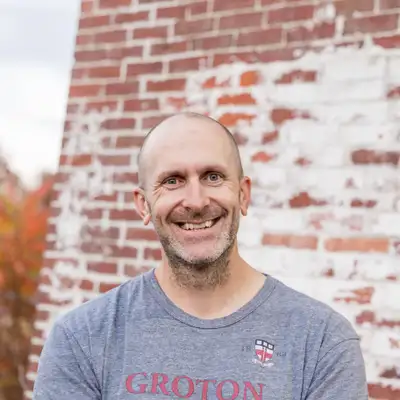
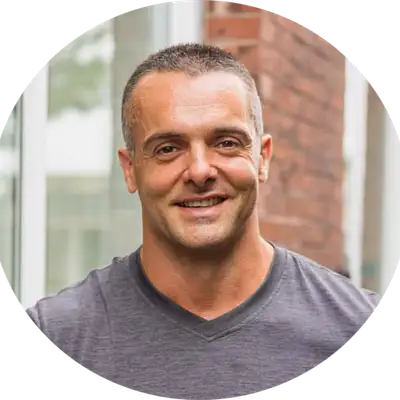
Most people don’t need more motivation. They need a different approach. Hosted by Gary Donia and Peter Brouillard, Different Life draws on years of experience helping people navigate pain, movement, recovery, and performance — but the conversation goes far beyond health alone.
We talk about:
• Strength training as a life skill
• Back pain, mobility, and injury recovery
• Pelvic floor health and durability
• Sleep, stress, hormones, and energy
• Performance and longevity over 40
• Discipline, habits, and identity shifts
• Parenting and modeling health
• Relationship-based healthcare
We discuss these not as isolated topics, but as part of a bigger question: What does it look like to live differently, not just try to live better?
If you feel stuck in patterns that no longer fit who you want to become, this show is for you. Because better often keeps you in the same cycles. Different changes your trajectory.
Gary (00:01.092)
So we still don't have a good intro. That's okay. That's yeah, we should have started talking. That's correct. Yeah. Should we have done the thing that you wanted to do? Yeah. What's the worst thing that happened to you today? It's the worst thing that happened to me. I don't know. I haven't really had anything bad happen today. Did you have any? Yeah. got up at four. That's good. These days are tough. don't know. I'm still trying to transition. So does that make you extra tired today? Yes. Cause that's what we're going to talk about. So like as I sat down.
I was like, kind of heavy behind the eyes. I was like, shit, I'm not in like a super. Like you're heavy right now? A little bit. You're gonna take a nap during that. I can't believe how much, this isn't even like an act. No, I actually feel this way. Yeah, we didn't I can tell because my eyes are watering a little bit. Yeah. When they're watering like at noon when we're filming. I like when you do like the two hands to the face, like for people watching on YouTube. What do do?
Oh yeah. It's very aggressive yet. It's like shoving my eyeballs. If you want to see what Peter looks like when he gets tired. It's actually very, it's like super dramatic. It's cause the eyes are watering. This isn't coffee by the way. is hot chocolate. Oh hot chocolate.
Gary (01:16.538)
You're drinking hot chocolate? Yeah. We put it out for one day and you already went out for it. Oh, shit. I put it into my macro stacks so I can do it. So you can do it. How many calories in the hot? It's a dark chocolate, hot chocolate. It's very small. It's like 50. Yeah. Is it good? Yeah. I mean, it's fine. Is there caffeine in hot chocolate? Not this. Not that one? It said there was zero. Yeah. I mean, if there's chocolate that has a lot of caffeine, I guess so. Yeah. But yeah, I'm just going for flavor. Yeah. I quit coffee. So you're going with hot chocolate instead?
No, it's usually tea. That's like, I stopped drinking diet coke, but I'm doing heroin instead. It's fine. least I'm not drinking a quick caffeine, but now like main landing sugar. I don't, I don't know if that's a great. Okay. I'm just kidding. We should probably talk about that more. Yeah. Um, what's your, well, so let's, well, let's talk about it in general. Cause that's what today's episode is about. intro actually was
actually not plan that wasn't planned at all, but it worked out perfectly. And since we don't have any scheduled intros. So today's episode, aptly tighter title, this will be something like why are we also tired? A lot of people most so literally every day. Like no matter who I talk to, I'm so tired. Yeah, everyone's so tired. Including me. Like I feel tired a lot during the day. Yeah, just in general. Well, we'll kind of talk about it more. But like kind of if I stopped like at any given point, like if I were to stop,
Like right now, if I were late, like lean back in this chair, you just closed my eyes and we weren't talking. I could fall asleep in three minutes. Your body would quit. Just done. I'm out. Like I'm totally out. And I, and I'm not alone. Like I know, I know my wife, for instance, like we've started like we're both, I'm 49. She's 48. Right. Old babies. And we've started like napping as like almost like a regular thing. Although the last couple of weeks we haven't really.
But like before that we were doing pretty regular naps and it was great and I love a good nap. I immediately was like, my God, like I'm just like, am I an old person? What is happening? But as I bring it up to other people, I find out I'm not alone and people younger than me are napping and people younger than me feel tired all the time. people younger than me are like just generally exhausted. Like they have trouble getting through the day. And so then that made me think, well, what the hell?
Gary (03:36.602)
Why is everyone so tired? And it seems like it's becoming more and more and more and more that people are just feeling exhausted all of the time. So I thought, well, this would be something good to talk about. And even you, the mighty Peter, who is like, does most things, right? You eat well, you know, all the things, right? You do all the things, right? And even you are tired, you know, and just literally, okay, you woke up at four. That's like one hour. You went to bed at nine, right? Ish. You slept at four.
So that's seven hours of sleep, which by the rule of law is like, okay. But like you shouldn't be exhausted at. mean, I guess I'm not exhausted, I'm below my baseline. So that's like one hour sleep. let's talk about that. Like what, how much sleep should someone get and does one hour really make a freaking difference? It can, if you're used to the other thing. Yeah. I mean, you should, you should get.
about eight hours of sleep if you can manage it, especially if like you're an active like person, your mind needs to rest and needs to flesh itself out. Your body needs repair if you get a lot of exercise and so on and so forth. Some people do need less, some people do need more, but like that's why it's like seven to nine is like the the metric and then if you can get eight on average, but it doesn't mean that like eight means you go to bed at nine and then wake up at five. It means you like get in bed at eight thirty, maybe fall asleep by nine and then get eight hours of sleep.
And then hopefully you only got up to pee once. based on that standard, I'm getting probably close to six hours. Yeah, totally. Can I get it before most days because I have to get to work for And they don't usually get into bed until like 9 15, 9 30, which means I'm probably not asleep until 10. You're under slept. So and that's most people. That's most of our clients. And so think that's that's good feedback though. Right. So I think most people think like I go to bed at
this time, therefore I'm getting this much sleep and they don't factor in the time it takes to fall asleep. It's actually about an hour. Yeah. It's about an hour that you get less of active sleep than the total time in which you like landed in bed and when you woke up. Yeah. If you look in and we know this because you can look at like sleep trackers that people, have tons of data on. Yeah. It's about 45 minutes to an hour generally speaking. To get to the base basic level of sleep.
Gary (05:51.466)
No, get into the including how long it takes you to get to sleep. Yeah. And how many times like you're waking at night. And all that stuff. So like on average between like all of those times that aren't actually involved in sleep, whether it's light deep REM or whatever. Yeah. It's about 45 minutes to an hour of extra sleep that you don't get. How many times do you get up during the night? Depends. I do. On average. Yeah. So one to two to pee to pee. Yeah. Me too. Yeah. And I try not to drink water at end of the night because of this because I want to get sleep.
Do you know that actually when it happens, I'm like excited because I know I'm going to weigh less the next morning. So the more I pee during the night, because I like to drink a lot of water, the more I pee, I'm like, yes. was like, on the nights I don't pee, like if I don't wake up at all, means I was probably not hydrated well the day before. And I know I'm going to weigh more. Because you didn't pee? Because I didn't pee at this? Yes, this is what happens. You wake up, you're oh yes. I do. go to the bathroom and I'm like, yes. And then I go like last night, I pee twice. And I waited.
like less this morning. was like, that's the key. Don't sleep, pee a lot and I'll weigh less in the morning. That's how I'm going to attack my weight loss. You love these lazy strategies. I'm trying to find the most efficient way to get it done. Always. But I do. I think about that in the middle of the night. I'm like, this is nice. Like I'm peeing. I guess. But is it good to pee at night? I mean, you're waking up. So shouldn't ideally you stop peeing before you like, you know what I mean? I ideally your hydration in early enough in the day so that you're not. Yeah, sure. I mean,
Do most people pee in the middle of I see most people pee like one time a night. Yeah. I think that's normal. It's weird. Like why weren't we designed to not pee in the middle of the night? Cause we weren't designed. I'm just, why didn't we evolve to not pee? Yeah. I don't know. Maybe, maybe evolutionarily it's good for us to have woken up in the middle of the night to make sure that no predators are creeping up on us in our camp. Maybe. Wasn't there a theory too, along the way that like we were actually
you know, meant to sleep, like only sleep a couple hours at night and then wake up and then have like, think and go back. You've talked about that. I've heard that before. Yeah. I don't know how true that is, but maybe that's part of it. We got up to pee and you're supposed to just stay up, you know, and then go, but I mean, yeah, so we're, also tired because life is so busy. Plus we do so much. Plus I think general, like we tend to not shut our brains off during the day. Yeah. And then you have that like stress upon the brain and just generally overworked, overloaded, not getting enough sleep.
Gary (08:17.849)
not getting enough exercise. Like there's so many factors that involve that involve like your fatigue level and your tiredness. So what do you think is like the ones for you? Like I think for me, like my brain is busy all day long. Yeah. Right. That's me too. So I tend to, I tend to always feel the need to be productive.
So even if I'm like lately, like if I'm just sitting on the couch, and maybe we're watching a show, like I find myself reaching for the computer to be like, Oh, I can do this thing. have a thought and then you like to it. I go to do it and I find and I almost feel bad when I'm not doing it. I just feel like I should be productive. I'm like, should I'm sitting here. I should just be watching. Yeah, like, I like, I like to be lazy. But I also like to be productive. You know, I mean, like, I like to get things done, or I have a million things to get done, because we're always working on things around here. So about a year ago, I identified that the
the business, the on-goings of the business was too much from a mental load perspective. How often I got to let... Because I feel like there's two modes. When you relax, it's real different than when you're engaged and focused. That's most of the time. If I do that at home too, I never actually allow my mind to relax and to shut down and just chill a little bit. I look at it seriously like exercise. If I just exercise all the time,
Well, there's going to be a point at which it's too much and I have to fricking stop or I'm going to get hurt. So we intentionally rest and I, it feels to me that the brain is the same. If it's too much in one direction, too much churn churn churn, then you get overworked, you get burnt out, you get chronically stressed. And so about a year ago, was like, okay, I have to actually like intentionally build in like, you know, I watch TV with Evan now and Stacy, I do this on purpose. And I intentionally did that because I was like, I need to stop. Like I need to actually
totally shut down the mind. But during that time, do you actually watch TV the whole time? Is your phone like somewhere else? Yeah, when I'm doing those intentional activities, my phone is like on silent away from me physically in a different room. Yeah. So even if I have a business thought, I can't reach for the thing and do it because it's not physically possible. And I'm with my son or my wife. Yeah. So I've designed those moments on purpose to be able to shut the brain down from the thing it's doing all day long. that and then intentionally at night to
Gary (10:25.465)
I try very hard, I fail often, but I try very hard to not do work so that my mind isn't racing prior to bed because there's a difference again between problem solving and relaxation. If I'm problem solving before bed, I'm just kind of wired a little bit. So it takes longer or I lay in bed for an hour and I'm like, know. Right. We're still like ruminating on the thing that you were thinking about. So those are the, so those are some of the strategies I've been working on, including quitting caffeine just as an experiment because
Again, it didn't do anything for me in the morning. Like I would drink it out of habit and I drank maybe two or three mugs a day. Didn't feel anything, but it was like, it was a ritual. And then when I quit, like when I decided to stop two weeks ago, last, I don't know if you know, last week was really difficult for me. Like I had essentially headaches all day and I was tired all day long. And I couldn't tell if it was the caffeine or if it was just general stress, but because like the next week was way better.
I was like, okay, clearly. I was dependent upon caffeine. I like to generally think that you're just mentally weak. Yeah, I know you do. I'm aware. That's exactly what you think. I mean, just tough it out. were just like, you're missing the caffeine. I must have an headache now. I didn't talk about it today. You did not actually. Yeah, I dealt with it. I actually didn't even notice. So you did good. Thank you. That's good. That's rare for you because usually it's like a whole thing. It's like a big to do. Going back to like the work culture, I think that's
Like with people, know we get a lot of our clients work in tech and their clients are all over the world. And so they, or even if they're not just in tech, just any, in general, many businesses and companies now they have clients all over the world. And so they don't really have working hours. Yeah. just, it's kind of whenever they kind of work all of the time, like, know, 10 at night, they have to jump on a call or some nonsense. And so that's a little foreign to us. Like we don't do that to that extreme, but yeah, like we have people that are literally yet two in the morning. have a call with Tokyo or something, right.
That's just the expectation for their job. Yeah. You're essentially working all the time and you don't really get downtime. Yeah. They don't have like you work nine to five, you know, 40 hours a week or whatever they work. Like it's just a job. These are the expectations. This is the role, like the role of the job and you just do it whenever it needs to be done. And if the person, if the client needs you at this time, that's when you're available and then you can do whatever you want from 10 to 12. But like at 12 you have, you know, whatever. So what the hell? think that's a hard, I think our culture continues to move.
Gary (12:42.391)
more and more towards that expectation. the work from home. Yeah, don't get to leave the office. Yeah, you're not going to a building, leaving the building, that kind of thing. So I think that line has been like, grayed so much that now it's just the norm. This is just what people do. And so they're out there, kids like, game and they're working. I hate it so much. I feel like I'm a bit of a slave to... So look, our business is mostly run off of the phone in a sense. We use our computers, but when you're like, not on a computer, you can do everything on the phone.
So it feels to me like I'm someone of a slave to it, meaning like there are so many things that happen that tell me that like, hey, you have to respond to X, and Z. And if my phone is on me, I will, regardless of setting. So like I must decide, like I cannot have my phone on me or I'm just not present. And then I'm not actually doing the thing that I want to be doing. And the brain is going all the time. It just makes us feel more tired more of the time because we're not getting like the appropriate rest that we need. So yeah, you're never letting that mode shut off. You're using one side of the brain.
You're just using it all of the time and like you just, yeah, it gets overloaded and fatigued. I'm curious about the caffeine thing a little bit too. Like, isn't the expectation of caffeine that it wakes you up? So why would I be more tired? Like why it doesn't make sense to me. Like why would I be more tired if I'm drinking caffeine? Like you stopped caffeine. Yeah. You know, and of course now it's 12 o'clock in the afternoon. You're exhausted. So maybe you should get back on it. I mean, you're like rubbing the eyes. mean, you're doing that. Yeah. So we feel good now though, right? So what is the mechanism? I guess.
I guess for me and probably lot of people like what not fully understanding what it is that caffeine actually does and why being on a cycle of caffeine would actually make us more tired. Yeah. You know what I mean? Like, could you understand that better than me? think so. So I think I, well, it's similar to, it's similar to blood sugar. But if we talk about caffeine first, I understand the blood sugar piece a little bit better, but the, the caffeine molecule blocks the receptor. The receptor is an adenosine receptor.
Right. It's like in our brain. Yeah. so when you, when you block that receptor, then it'll, doesn't allow your body to come down a little bit. So it's, it's not that the caffeine is giving you like, making you more awake. It says blocking the thing that's making you tired, like in your brain naturally. Yeah. So like when we wake up, my understanding of a dentist, I understand like a little bit now that you like bring that word up is that when we wake up in the morning, like we have flushed all of the identity and like out of off of the receptors. that accurate?
Gary (15:09.975)
I think so. They bind to the receptor and makes us tired. sleep in the morning that has all been like as part of our brain reflush overnight. Yeah. Those are, now the receptors are now clear. So we're like awake caffeine, if timed correctly, we'll bind to the same receptors and block the adenosine. It's essentially, it's a similar molecule to the adenosine. Right. So we'll bind to the receptor.
which then essentially keeps you awake because you have less of the adenosine. Exactly. Let's say the adenosine not binding. So then it screws with a natural circadian rhythm. Yeah, so you're artificially keeping yourself awake by blocking these receptors in a sense. I think a mistake a lot of people make, again, I'm kind of recalling a book that I read about sleep. It said like they drink coffee like first thing in the morning. It actually doesn't do anything at that point because the adenosine at that point hasn't rebuilt in your body's system.
And so it's not even interested in binding with a receptor yet. So you're putting caffeine on these receptors with the adenosine. So you're not really making yourself more awake or getting yourself awake. It doesn't have that effect. Because the adenosine is not ready to bind anyway, because you just woke up and it just got flush. So I think if you're going to drink coffee, like for the purpose of staying awake, you would do it kind of right around now in our day, which is around noon lunchtime or a little bit before that, because that's when the adenosine starts to like go back towards the receptors. It builds up over the course of the day. And then by the time you get to like,
night like sleep per the normal rhythm. Now you're fully ready for sleep. And I think if you were trying to have the effect of blocking it, it would be like drinking the coffee later. it also has a general, I it creates a bad cycle of like screwing with a normal rhythm of like your body. Yeah, because then eventually because you can't be on it all day. Yeah. And then so if you go off of it, all of a sudden there's like a super compensation effect. And then you know, then you get like that lull that tiredness, which is similar to what happens if you're eating like simple sugars all day.
and your body is like cycling through this insulin response and you're driving those sugars into your blood and you're going below baseline and you get that like sugar level, it's the same as getting the cut like the energy level. Yeah, those are the worst. Both of those will put you to sleep. That's like my eyes can't even stay open. If I eat something super sugary and then have that like crash afterwards, I go through that spike. I like can't, like if I'm driving home or something from somewhere.
Gary (17:20.685)
That's like one of those where you got to pull over. Like your eyes like literally can't stay. So the caffeine too will give you a focused effect. So which is different than the awakening effect in the sense that like, like, people will take amphetamines like for the purpose of like being focused, like Adderall for instance, right? They'll take that for like to have a focused effect. So a lot of people in media and work and so on and so forth who need that students, they'll take Adderall.
of caffeine has a very mild version of that. So it's like it has a cognitive enhancing focus like benefits where people will use it in the morning because they feel like they're more productive at work because of that as well. Right. It's not just a wake up thing. It's not just a wake up thing. But also like what happens is like what I find the reason why I feel like didn't like quit coffee. But what I did is I wanted to I wanted to take away the dependence that my brain had on coffee. So like meaning like I had a coffee on Saturday, I have noticed you're abandoned.
Thanks. A little slower. I had to really like, really, I was like, let's go. Make some decisions. Slow to the slow to the goal. You know, I drink coffee most of the day. I know. Like all day. Yeah. And we talked like a while ago about you stopping after 12. And I'm definitely noticing you like before work, you're like, fill her up a two. Why don't you just mind your own business and just pay attention to your own coffee here.
I even get it like after I go to the gym, I'll go get an iced coffee. It's like the way it tastes. Yeah, it's a ritual. of my ritual. I often say it has nothing to do with like keeping me awake like in my mind, like in my mind, I don't do it for that reason. I don't say like, oh, I'm feeling tired. I'm gonna have some coffee. I probably maybe do it more for the cognitive enhancement stuff. It's also a little bit of guilt free like pleasure. No, I'm not even.
I'm not even gonna. Would you agree that my coffee drinking makes me significantly more brilliant? I don't think so. Why don't you try next week? Why don't you take it away? That sounds really bad. What if I have headaches? That'd be fine. You already got me on the Lose It app and I'm fatter. I literally got fatter. That's your fault, dude. I'm coming in under calories or at calories. It's only been two weeks. You gotta give it some time. Yeah. One thing at a time. We'll worry about the coffee later. See if I can handle this. Going...
Gary (19:35.322)
to another area that I just was thinking about was, remember yesterday, like we were talking about something to do with the business, we came up with this like new idea. Right. And we were talking about like different kind of expansion, new service, like all this thing. And like, we were so excited. I went home and I was buzzing. Yeah, it was a gory buzzin for like hours. I went home and told Jess, I hardly ever talk when I go home. Like, I just don't like I saw it. I'm pretty quiet. I just do my thing. Like, you know, I'll talk to Jess a little bit, but not I don't often talk about
my day. It's not one of those kind of things like tell me about your day. But when I'm when something is really exciting, we had a breakthrough. Yes, like we had a breakthrough. We're doing this thing. We're doing this, we're doing this. And when you say it all out, they get kept reinvigorating me. And that idea like I felt like more energy during that part of the day than I normally would feel. And so I that made me think some more like this is an important part of having energy or feeling energetic and in any given day is this this meaning this idea of like purpose or meaning or
excitement around what you're doing. If you get up and you're excited to go to work because you genuinely love where work. It's way better versus if you really just dread work and then getting out of bed becomes like so difficult. That's like an existential thing for most people's lives. Work sucks and they like just drag into work. get anxiety on Sunday night. Purpose is a big deal when it comes to work, Yeah. And I think when it comes to energy and feeling tired, I think if you can find things in your life that give you like
Even if it can't be your job, right? Not everybody can have like a job. Are you flexing your pecs? I didn't mean to. You're like, pecs are literally on the camera. People are going to watch you flex. I'm not cutting that out either. I'm just, I think if people can find, do they just move by themselves? That's so weird. My pecs don't move at all. Like my pecs don't move. Maybe you should train with me on Monday mornings. Why? So my pecs can randomly move when people are talking to me. It's so strange.
wrong with you. Going back to what I would say is I think if even if it can't be work, not everybody unfortunately can like have a job that they genuinely love to go to. But they can have things in their life that maybe give them the most joy. And if you can manufacture that into more days and something that you really genuinely look forward to, I bet you you'll have more energy on those like given days. Yeah, it's usually connection and belonging. It's usually being a part of something bigger than
Gary (21:56.73)
It's usually that. It's it's the opposite of being selfish, the opposite of like, you know, looking internally. It's what can I do for others or what is their unity and this cause or this purpose that I can work towards. And it gives you a sense of like something to do and go for, which I think most people seek. There's a reason why that religion is in every culture. know, it's just in everybody, whether you're an atheist or not, you seek some form of
Doctrine that is bigger than you that will give you purpose in your life, which then to speak to what you said Gives you energy excitement so on and so forth. Yeah, and I honestly think it could be anything, right? It doesn't have to be it I know you're not saying that needs it doesn't have to be religion But it can be something as simply being part of like a bowling league. Mm-hmm Yeah, you know like that you look forward to like what like Wednesday is my bowling night So I guarantee you for people who love to bowl and say Wednesday night is the bowling league night I bet you their energy on Wednesday
is significantly higher. know something for me, for instance, like I love to watch my kids play sports. The days that they have games, like I wake up with like an excitement. Like I can feel it right away because I know I get to go watch them play later that day. And I look forward to it. So I'm like right out of bed. I'm getting ready. I go to work and blah, blah, blah. I do the whole thing. But all day long, I'm super excited about the opportunity to go watch them play. And on the days that they don't have something, it's not that I, I mean, I still love coming to work and doing all that.
But like, I don't have the same level of excitement for what's going to happen like next, like later in the day, especially during that time of the day where people feel like the wall. I think if you can design things in that part of your day that are that are worth looking forward to after work, instance, either psychologically and or physically active. think both of those things will help a lot. Like if you are really looking forward to something. Yeah. And there's also also goes into that next piece of like, I know you were talking, you want to talk about being being physically active. If you just go home.
You go sit down on the couch, you go to bed. It's weird, being sedentary seems like it should make you more rested. It doesn't at all. It makes you so much more tired. Yeah, instantly you feel like more your physical battery isn't trained, it feels to me like we have a requirement every day that our bodies need to move. If you don't use that in some form, it seems like you get more tired because you didn't. For people who are very unfit or in a lot of pain,
Gary (24:20.031)
Yeah, it sucks and physical activity is hard and it probably makes you not want to do it. But if you're fit enough that you can go for a longer walk or brisk walk or like do some cardio, do some exercise, you get a mental boost from that. Like you physically feel less tired.
because you worked out. there like a chemical and hormonal effect of that too that you're aware of? and I don't know. don't have to get into this. There is some sort of chemical part of that. Well, that is what it is. So that's what's causing it. you the feeling of You're literally creating an endogenous chemical release to waken up the brain for sure. I don't even know what endogenous means. It means from the body. Sounds great though. I you that's important. Yeah, it's from the body. talking to you about the other day. Like you occasionally come up with these like really big words.
I'm always super impressed by because like you shouldn't be. It's just part of my vocabulary. Yeah, but like your general like like up until trying to call me dumb up until like say college. You didn't have the most formalized of education zero education, right? So your vocabulary is actually quite impressive for somebody. I don't know why I didn't have that. Yeah, my brain attaches to words that.
then I can then access them in context. I often will question your use of a word and you're almost always right. Remember I'm like, I'm I think that's the wrong word. You're like, I don't think it is. And it could be a word that I haven't used for a decade and I was some choo-shoe. it goes. Yeah. endogenous was a good one. Yeah. From within. Thank you for like the word of the day. I would agree. Like I noticed. So I've been trying to ever since starting the Lose It app again, that also motivates me to exercise more.
Yeah, to me, they kind of go ahead and like when I'm eating better, I want to exercise. I'm trying to like compound the effects of like the one thing on the other. And I'm like, well, I might as well, you know, also do this other thing. And, I've also noticed, so I leave here, I go right to the gym, more like more, yeah, I'm gaining muscle more consistently. Right. So like I'm going there, but I have better energy when I get home from the gym. sure. Yeah. That then allows me because I do go, typically go home from here and I do more work at home. Like for
Gary (26:17.187)
like on the computer type stuff. find that I'm more productive, more efficient, and I get it done quicker. So going back to like my lazy episode about being lazy, I'm actually finding that by being less lazy, by going to the gym, I'm able to get back to being lazy quicker because I can get the stuff done and I get it done earlier in the evening. So then I can be lazy later at night. So working out is making me more lazy. It's great. Connect the dots.
as your boss, command you to work out every day. You can't do that. think I can sue you. pretty sure. I'm pretty sure. Yeah. Unless, unless like my job was actually something that required that kind of is right. think it probably is. think you probably get away with it. Yeah. Yeah. So anyway, so I think, so what, if you had to give people, you know, take home from this, like what's, you know, our messaging is around.
not being better every day, but doing something different, right? To make an effect on their life. So the people out there who are listening to this, who are super exhausted, which is pretty much everybody, if you could give them one, I'll allow a couple. If you could give a few things that you would say, like simple changes that they can make in their life to allow themselves to have a little bit more energy and feel a little less exhausted on a day-to-day basis. Even if it sounds counter, I think some of this stuff might sound counterintuitive. I know it does to me sometimes. Like for instance, drinking less coffee or whatever.
I'd love to hear it. What would you say? Yeah, so I always want to focus on the big ticket items first. mean, there's so many things. We listed so many things in the beginning that we're all doing incorrectly as a society. That's like the 80-20 principle thing, right? What's the 20 %? you most of the way there. Yeah, the big changes that don't require a ton, but will get you most of the way there. Yeah, and they always kind of fall back to these huge lifestyle changes. It's like, we'll get more sleep, move more often, and eat less bullshit.
Like in the like in stress is a big part of that too, right? That that's a little bit more complicated because it requires lots of internal like setting your intentions and really setting lots of strategies around when you allow your brain to be in certain states. And that can be challenging for people. like, generally speaking, from like a sleep like a sleep perspective, it's the easiest one to do, because it's kind of you just have to set it and forget it, which means you have to plan the hour before bed.
Gary (28:38.679)
you plan your bed and then when you're waking up and if you can have a routine, if you're lucky enough to have a routine where you can get to bed and wake up at the same time, you can just curate that. Like what does that look like? How do I get a good amount of sleep that my body needs and then just like repeat that every day and if you can manage that, like that's the biggest lever to pull is just like get more high quality sleep. Right. I would say sleep is one of the things that's most contingent upon routine.
Like if you can create a good routine around going to not like food where you have to eat every day and you have to make choices every f & day to not eat some bullshit. It's like sleep is just like, well, you have to set these parameters in place and then do those things. Design it in such a way. So I find, I find strategically the sleep, the easiest one. That's a huge one. And then like we had talked about regular physical activity, like when you're more fit, you literally just have more energy throughout the day because it's not as hard for your body to move around because you have more strength, right? And stamina. Right.
And so it's like, maybe the set of stairs isn't exhausting and you feel like totally fine. So being have a regular exercise routine will of course like make you have more energy as well, just as being a more fit and more active, more like more endurance type person. then I guess outside of that, you know, the food thing is something to leverage as well. Because if you're eating a lot of like simple sugars,
All day long, you're crashing your hormone system. All day long, you're causing your insulin to spike, which then causes your blood glucose to drop below level, which then causes you to feel tired, which means then you need to eat again, and then you do this cycle. It's actually similar to caffeine. And so both of those things, if you can cut both of those down to not be dependent upon them, then you will definitely be less tired throughout the day for sure. Yeah, I would say, think for me,
The one, the one thing I would tell people I would say is the move more one, because just from talking to my own clients, the ones who start here who haven't, that's not been a normal part of their life until they've started here. Even if they just came here for like physical therapy, right? Like they're coming to see us because they have an injury. But the way we do physical therapy always involves some form of exercise. And it might be the first time they've done that in a long time. They almost inevitably tell me the next visit, I had so much energy the rest of the day.
Gary (30:54.295)
Right? Like that one little effect of like moving their body and having that endogenous release of hormones and chemicals. Had an effect on them the rest of the day that they noted. And then that was like something that they enjoyed. And then of course we were like, okay, well then, you know, we use that to bridge the gap between, okay, well how do we then get you to go from physical therapy to somebody who also exercises normally to so that you always feel that way. Right? And so I would say simple things. It doesn't have to be going to somebody like us, but it could be,
like just going for a walk after dinner or after like lunch. think lunchtime is a big one. think if people, instead of getting like the Dunkin donuts after lunchtime, yeah, that crashes you on the floor. Yeah. Like most people have the after lunch crash and a combination of sort of whatever they're eating, right? So if they're eating better food, they'll probably have less of that crash, but regardless they're eating. The body tends to have a little bit of that, wanting to digest the food, feel like the tired, and digest. So I think if people were to
it just to build in a little bit of movement of some sort after lunch. would correct some of the things that you just talked about in terms of the blood sugar, but it would also just give them that little boost of energy for like the rest of the day. And I think that's probably the one thing I would say is maybe that mid afternoon, go for a walk, do some like air squats, I don't know, find something that you can do if you can't make it to it. To put some parameters around it, like literally if it's like a 15 minute walk after lunch, like if you have like maybe let's say you have an hour lunch, let's say you do
whatever, 45 minutes to do whatever and eat and then go for a 15 minute walk. That actually, it's a big deal in terms of getting some of that blood sugar out of your blood into the tissues without the insulin response. So then it's a bit more baseline as opposed to dropping below, which makes you tired. Right. I always joke because after we take the kids out to dinner, like when we're on vacation or whatever, like if we're on a beach vacation, we go out to dinner.
I was like, okay, we got to walk back to the house. Dad's got to burn off his glycogen. I've been saying that since like, there were like little kids. And so now they say it to me like, okay, we're going to go burn off the glycogen. Dad wants to burn off his glycogen. That's funny. Yeah. So it's a running joke in the Doanier household. Nice. Okay. Perfect. I think that's like good, useful information. I agree. Perfect. Good talk. I'll see you buddy. All right. See you. Bye.