Subscribe
Share
Share
Embed
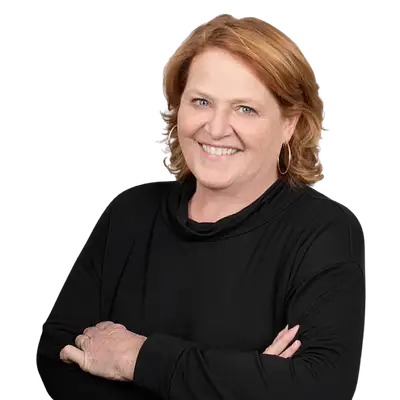
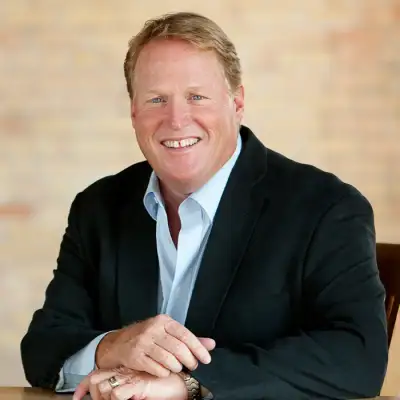
Former U.S. Senator Heidi Heitkamp and her brother, KFGO radio talk show host Joel Heitkamp, engage in animated discussions with newsmakers, elected leaders, and policymakers who are creating new opportunities for rural Americans and finding practical solutions to their challenges. Punctuated with entertaining conversations and a healthy dose of sibling rivalry, The Hot Dish, from the One Country Project, is informative, enlightening, and downright fun.
Joel (00:04)
I'm Joel Heitkamp. Welcome to the hot dish comfort food for rural America. Heid had to go to it. It's not like she's doing community service or anything like that. Heidi, she had to go to a meeting. So, you know, I get the keys. I get the keys all to myself, which has got me pretty pumped because I've been anxious ⁓ to to meet and to visit with our guests today.
You've asked us for a couple of things here on the hot dish. You want to know those swing districts. You want to know who we're going to have from our side of the aisle on the Democratic side of the aisle in those swing districts. It's going to bring Democrats to Congress. Well, you're about to find one of them. So a couple of goals. Number one, so that you you meet Jamie here. Number two, at the end you grab yourself a pen and you find a way to make sure you go to his website and donate to him. That's a goal of mine.
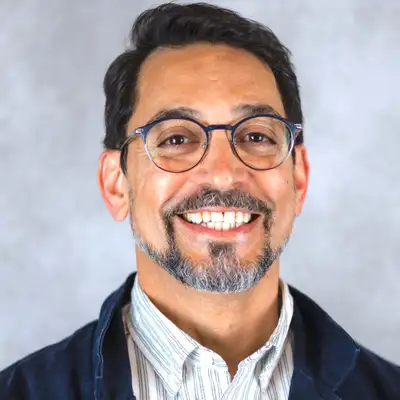
Because it seems to me if individuals like him are gonna win, it's gonna take money to do it. And so with that, Jamie Ager is, well, he's a businessman. He's a farmer. He's running for Congress in the 11th district of North Carolina. And let's bring him in. Jamie, good to have you on the hot dish. Thanks for doing this.
Jamie Ager (01:17)
Thanks for having me Joel, excited to speak to your audience today.
Joel (01:21)
Now I went through and it looks like there's a little history in your family from from grandpa to dad to you. Give us a little background in your family.
Jamie Ager (01:31)
Sure thing, yeah. So I'm fourth generation here at Hickory Nut Gap Farm. My kids are fifth generation. My family's been here since 1916, so a pretty good while here in Western North Carolina. My great grandparents moved here. My great grandfather was a Presbyterian minister who came down to Western North Carolina and ⁓ basically started a farmers cooperative here called the Farmers Federation.
And, ⁓ you know, it's kind of a neat history because in 1916, Western North Carolina was still sort of an economic doldrums of the post-Civil War South. And so ⁓ they started a farmers' co-op to really sort of bring economic opportunity to the region. And it was very successful. They had ⁓ feed and seeds all over the region. They were sort of trying to develop markets. That was the early era here in Western North Carolina. Tobacco, Burley tobacco.
was an important part of the agricultural economy around here, ⁓ as well as small scale dairies and stuff like that. so ⁓ my family has a history in agriculture here in the region and really sort of service and leadership as well. So ⁓ I tell people I'm ⁓ idealistic about making the future a better place. And I come by it honestly, because I come from a family of people that believe the future can be better than the way it is right now.
Joel (02:57)
Yeah, but you truly do know what it's like to have family serve in the United States Congress and you knew and know what it's like to have family serve in the legislature, which means, you know what, nobody gets rich doing that. It means they're not on the farm doing that. know, so it isn't like you don't know what you're getting into, I guess is what I'm building up to.
Jamie Ager (03:12)
No. That's right.
Yeah, my family's been involved in public service for a long time. I also have two brothers that served in the military for a couple of years. And so for a number of years, my brother Eric retired from the Navy. And so to serve things bigger than yourselves has certainly been a big part of it. My grandfather was in the US House back in the 80s. And so as a child, sort of was, you know, witnessed all that activity and dealt with all that.
And so yeah, we definitely have some family legacy around service to a bigger cause than ourselves.
Joel (03:56)
So before we get into what you're going to do with the job after you get it, I want to make sure that people know that that foundation. I want to make sure they know about the farm. And most importantly to me, when I was reading some of your background about the people that rely on you. I mean, you've got you've got 25 people, which means 50 families, which means even more people if you start adding in kids. mean, this farm matters to a lot of people, Jamie.
Jamie Ager (04:23)
Yeah, yeah, we, you know, the farm here at our home farm here in Fairview, ⁓ we had a dairy, we grew some Burley tobacco. We were a pretty typical small farm for Western North Carolina with Burley tobacco, with, you know, we had about a 50 cow dairy that was really sort of an economic opportunity for so much rural America, as well as Western North Carolina, you know, through the post-Civil, post-World War II up till about the 80s. And then in the
In the late 80s, we sold the dairy here and most of the farm here was, ⁓ the function of it was to keep me and my brothers out of trouble. ⁓ And then, then that sort of worked. ⁓ But, you know, I went to college and got some ideas about, you know, pasture-based agriculture, direct marketing, that type of thing. And so my wife and I, our senior year of college,
Well, I was dating her at the time, but now my wife of almost 25 years, we put a business plan together to come back to the farm and direct market grass-fed beef and pasture-raised ⁓ poultry and pigs. And so I always sort of joke, we were young and idealistic about coming back to the family farm. now it's been 25 years and we've raised three boys right here on the farm and built a little...
not only a farming operation, but we've got a little farm store that we sell out of, as well as a wholesale meat company. You know, I realized pretty quick that if you're in agriculture and you're selling calves, you know, it's a lot easier just to sell a big potload of calves and get them off the farm and get a big check. But if you're in the meat business, you got to have meat flowing all the time. Restaurants and retailers can't just have one load at a time. They need to be consistently providing that meat to their customers.
And so I realized that we needed to start putting together a little program. And I took some ag leadership classes through NC State. ⁓ And so I met a bunch of other farmers and kind of put together a support. We've been, you know, for 25 years, we basically in putting together a little supply chain for pasture based, you know, regenerative grass fed beef and pasture raised pork, cetera. So it's been a real journey. And, and for me, it's been a journey from, you know, farming all the time myself.
to really ⁓ learning how to build a team of people to go execute a vision around our mission. What we call our mission at Hickory Nut Gap is to build community through agriculture. And that's been going for many, many years. And really at the core of that mission is sort of this corporate language around stakeholder model, stakeholder engagement, or conscious capitalism, where we wanna really build a great company and a great brand that
⁓ does what ⁓ we think is valuable to people, which is to help farmers make a living and to help customers get a good product, to take good care of our employees, and ultimately build an agriculture that's good for the environment on the farm as well. So it's good for the animals, good for the land, and good for the people involved, and really sort of build a brand with that value proposition that goes all the way through. And you know, it's an imperfect...
Joel (07:36)
Well.
Jamie Ager (07:43)
⁓ but we work at it hard every day and we've got a good group of about 25 employees dedicated to that activity.
Joel (07:50)
Yeah, well, I'm not going to lie to you. You got me thinking about an inch and a quarter of ribeye. About 16 ounces of it. Yeah. So I want to I want to talk a little bit about, what, you know, what brought you to that? Once you started, I mean, you could have stayed home. I mean, you could have stayed home. There was plenty of work to do there, you know, but you chose to go off and study ⁓ environmental studies with a concentration on.
Jamie Ager (07:56)
There you go, me too. I'm hungry.
Joel (08:17)
⁓ agriculture. A lot of those worlds came together. I mean you and your family, you fought through and went through a hurricane. And I think it's important that people know, you know, how you pulled your boots up and how you worked with your neighbors and speak to me about Hurricane Haleem.
Jamie Ager (08:35)
Yeah, we, September 27th, 2024, we got hit with a Hurricane Helene right here in Western North Carolina. And I, we, you know, we've had a few hurricanes come through Western North Carolina, maybe every 10 years or so, but Helene was different. And it ripped so much of the infrastructure all over Western North Carolina, roads, bridges. ⁓ People ask me,
If you'd asked me two years ago, if we have mudslides here in Western North Carolina, I'd said, no, not really. And we have five of them right here on the farm right now. And so, big ones. And so ⁓ that weather event really ⁓ shook this region to the core in a way that in some ways we all lost power for about three weeks. There was no internet service ⁓ and
the communities all over Western North Carolina, because the geographic region that was affected was pretty big, you know, all the way from basically, you know, Haywood County, Jackson County a little bit, all the way up into Avery County and up into Watauga County, and all the way east, all the way to really Burke County in that way. And, you know, the effect of that storm was that
So many people in our communities came together. We had to rely on one another and ⁓ start rebuilding. And not only did we lose a lot of infrastructure and a lot of roads and bridges and fence lines here at the farm, but we lost our friends and neighbors, which was devastating on sort of this emotional level. so, yeah, it's been, this was one of the reasons that I kind of decided to run for Congress was because we...
We had some politicians come into Western North Carolina and to Swannanoa and make big pronouncements about the fact that we were going to get built back right and there was going to be plenty of funding and a big hoopla about that. And here we are a year and a half later and we've still got folks living in campers, all kinds of funds that we were promised haven't come. We've got a lot of families still waiting on money to get their life rebuilt. And not only that,
But we have ⁓ a situation where ⁓ so many small businesses that, the storm hit us in September and Western North Carolina is basically a service driven economy here with Asheville and the mountains. And October, November, December is just the strongest revenue for so many businesses all over Western North Carolina. And, you know, we basically didn't have any business for several months while we got our feet back under us.
And folks are still, you know, revenues down 23 % year over year, even still as folks are scared to come back to the region and that type of thing. ⁓ we're hurting. Western North Carolina is in rough shape. My brother has a solar company. He lost about a million dollars of solar panels down the Swannanoa River. And, you know, there's been very little support for him through that whole process. ⁓ I just, you know, a lot of folks here in Western will kind of feel frustrated in our current Congressman Chuck Edwards.
has failed us in getting the money, because they have all the political clout he should need to go get the money. But he's not advocating for the people. I think he's scared of the administration to go ask for too much. And then emotionally speaking, part of good leadership is being available for people on the ground and showing up in communities and having empathy and trying to be helpful in those ways. And he just has been tone deaf. ⁓
and unhelpful for folks in so many ways. And so there's just a lot of frustration around here. And I don't consider myself a super partisan person. I've never really, ⁓ you know, in business and in farming operations and all that, I stay focused on what we're up to, but this sort of level of ⁓ frustration kind of caused me to feel like we needed to get in here and do something about it. And if there's anything I know about business and building a business and entrepreneurship is you got to go find the person.
who makes the decision and you gotta go to let him know that you need to get the business or in this scenario, he needs to be over at Kristi Noem's desk every day and being like, where's the money? Where's the money? Go sign this, we gotta get this done. And he just hasn't been very aggressive in making all that happen. So it gets frustrating.
Joel (13:08)
Mm-hmm.
Well,
you know, we're still sitting here without a farm bill. I mean, even before the hurricane, we're sitting here without the game plan, the rules that you have to live by and your brother has to live by and others have to live by. So trust me, ⁓ even though we didn't get hit with a hurricane, our people are ripping their hair out, too, when it comes to.
what ag policy is for this nation because nobody wants to take the lead. And it's just so frustrating with this majority. ⁓ Do people get it? I've seen some of the poll numbers that show me things that make me very happy. you know, that isn't necessarily the poll numbers don't mean what you're hearing in the parking lot at church or what you're hearing at the Seneca store. I mean, are people getting the fact that
Jamie Ager (13:54)
Mm-hmm.
Joel (14:01)
People on the federal government threw on some jeans, came out and talked to you, but didn't do anything.
Jamie Ager (14:08)
Yeah, I hear about it quite a bit. mean, especially specific people that are affected by this are are annoyed and it's holding up, you know, the ricochet effects throughout everything ⁓ get felt. And so I definitely hear about this on a very regular basis. And it's almost like a loss of trust in the entire system, right? Because FEMA is the organization that kind of manages a lot of this activity. And was FEMA
equipped to manage this disaster well. I think we can all agree that they didn't do a great job coming in here and helping us out and fixing things up. And so it creates a lot of mistrust in the ability for the government to do things. And ⁓ that's an understandable frustration because they didn't, they failed us. And when you look at why they've cut so many positions up there now over the past year, and there's essentially no one to even talk to about it.
And so so many folks feel very frustrated about the whole process and discouraged that the government can execute any kind of help, which I think is ⁓ generally frustrating. As a father of three boys, I want to see ⁓ these kids grow up in a country that does hard things, can do things like solve healthcare and solve immigration reform, et cetera. And right now our government just isn't functioning well.
Joel (15:34)
Well, and that's the next place I was going to go. You know, obviously that's a mountain to climb and a commitment that was made that that you as a congressman are are going to focus on making sure that they do what they said they're going to do. But I want to go a little bit to where we're at just in general. ⁓ The exchange health insurance, where this country is at when it comes to it. I don't know.
in Western North Carolina in District 11, Congressional District 11. I know this. My buddies use the exchange.
They use it in many ways. You know, they might just have five farm employees, whatever, but that exchange has been very, very important to them. You know, on your website, you talk about that. You talk about the need for healthcare in the rural areas. You talk about the need for housing in rural areas. How you shouldn't be 40 when you get your first house. ⁓ You know, do you think people understand that if we want
people living off the land. The folks in DC get the fact that you need healthcare. You need need housing.
Jamie Ager (16:43)
Yeah, I mean, there's a lot of ⁓ frustration around our healthcare system and the tearing down of the system, but not replacing it with anything. with the recent, big, what I call the big, beautiful bill for billionaires really sort of took a lot of Medicaid funding away from a lot of rural areas. Western North Carolina, we've got 16 counties in Western North Carolina.
Joel (17:02)
You
Jamie Ager (17:12)
And I was talking to some folks recently over in Macon County. And you you'd think that adding work requirements to the language around folks that receive Medicaid is good news just because it creates some rigor around it. But the reality is that it forces, it doesn't fund anybody to administer and ensure that's happening. So it forces these rural counties to have to figure out these work requirements, which put a huge bureaucratic burden.
and financial burden on these rural places and essentially makes it so that people don't end up getting Medicaid when they actually should. And so we've got situations here where the health care, sick care model that we have in this country is just dysfunctional to the max and we don't see any hope in the future. And we really need a healthcare system. When I think about healthcare, like what does winning look like in healthcare? We need a good primary care system.
where people know and trust their doctor and they're willing to go to their doctor and they can have honest conversations there. We need to have the reality be that ⁓ the number one cause of bankruptcy in the United States isn't healthcare bills, that people can get their prescription drugs without breaking the bank, and that rural hospitals aren't going out of business, which a lot of this activity from that same bill is creating that outcome.
We're seeing a situation where healthcare is going in the absolutely wrong direction in so many examples. And to me, ⁓ know, we've got to, I don't feel like the subsidies for the, you know, for people was a very successful scenario and that insurance companies were getting, making a ton of money on it, but we've got to have some type of relief. So we need to extend those subsidies, at least for a period of time.
until we can get our act together and actually pass meaningful healthcare reform in this country that covers people in a way that we described earlier. And we've got to have support for all these rural hospitals so they don't go out of business. And we end up with folks feeling abandoned out here in rural America.
Joel (19:24)
Yeah, in the four or five towns around me, I'm talking about, you know, 2000 person towns, know, small towns, places like you and I grew up around. The largest employer is the nursing home. You know, it's folks that, you know, you want them to live out the rest of their life close to their family. And and we're lucky to have them. And, you know, the big, beautiful bill for billionaires, as you call it, and I think rightfully so.
Jamie Ager (19:30)
Mm-hmm.
Joel (19:51)
blows it up. I mean we're gonna lose our real nursing homes unless people like you ended up putting on those suits and ties and fix it. And so I wonder if people get that because they put all of that out. They didn't have the guts to just show it in the beginning. ⁓ You know the pain's gonna come. It's gonna come in just a little bit here but they don't want to take the blame for it.
Jamie Ager (20:00)
Yeah, yeah.
Joel (20:18)
And I don't know if your folks are as nervous about that as mine are.
Jamie Ager (20:23)
I hear about it every single day, especially since January when these subsidies expired and it really hits people's wallets. It's pretty demoralizing. And housing's another issue. You mentioned it and the ability to afford a home for a starter family is just getting harder and harder and out of reach. And that's as a father of boys who are, I've got a 21 year old.
an 18 year old and a 16 year old. And I would love for them to be able to come back home and live in this community with us. And I want some grandkids around, you know? And I just worry that the inability to afford your home on ⁓ a salary of a young person is discouraging on so many levels. think I heard recently that... ⁓
a starter home in Jackson County, which is two counties over from us. You'd have to be making close to $150,000 a year to afford a starter home in these rural counties. And that's just terrifically expensive and discouraging. And I feel like, you know, with healthcare going crazy and out the roof and people having to pay all their paycheck for healthcare and they pay it all for housing. And then we're seeing groceries climb. We're seeing...
Utilities go up 40 % over the last five years. I mean, we've got some real ⁓ structural problems with our economic system. And I think when we see that all the sort of like stock market looks good and all these kinds of economic metrics look good, but people can't afford to buy the things they need to do to get ahead, like we've got some structural problems in our economic system and how the money gets into the communities that we all live in. so, ⁓ and then whenever you start
feeling like you can't get ahead because you're working 40 hours and you're playing by the rules and you just can't get ahead. Then you start feeling like the system's rigged a little bit. And to me, that's where we have work to do to fix the whole system. It's a lot of work. It's ambitious. But I think I'm a patriot. I care about our country. And I think in America, we do big things. We have to do great things. And to me, that's something that I think.
is on us to help solve. And I'm not partisan with any of that. I'm just practical and want to just be helpful.
Joel (22:52)
No, you sound like that the guy that that uses the word I'm about to give you because if you go, you know, on your website and I did and read up about you and your family, which, by the way, Cyrus, Nolan and Levi, they're not going to have a hard time finding somebody to have those grandkids with. My assistant was like, boy, those are handsome young men. Anyway, you know, but you use the word on your website that jumped out at me because I've read a lot and seen a lot of different candidates. And this word
Jamie Ager (23:12)
Haha
Joel (23:22)
that you use doesn't get used a lot, but you use the word curious. That what you're going to bring to DC when you head there is curiosity. Explain to the people that are listening and watching here on the podcast what you meant by that.
Jamie Ager (23:42)
Well, ⁓ I tell a story. You know, there's a, he's almost 90 now. One of my best friends is Bass Hyatt down in Clay County, North Carolina. And Bass helped me sort of introduce me to some farmers we worked with over the years and we'd ride around and go to visit farms. And one thing I always enjoyed about spending time with my friend Bass is that he was just always so curious.
even as an older man and asking questions and just had such a boyish way about him. And I just really admired that trait and it was more fun to live life when you don't know all the answers and you're just always trying to learn stuff. And man, he was just always learning all the time. And to me, that inspired me to really face problems.
because I feel like the reality is that the ability to solve hard problems is the ability to ask good questions as opposed to have all the answers. And so, and to me, that's just kind of become a way that I approach a lot of problems on the farm here, a lot of problems in business. And know, at Hickory Nut Gap, we're ambitious about sort of rethinking how agriculture works. You know, I feel like in capitalism,
So often what you see is businesses win when they externalize costs onto others, whether that's the land, whether that's poor treatment of animals, whether that's poor treatment of employees, et cetera. And so our job here is not to do that. But then trying to sort of change things at that level does require a lot of curiosity and learning. And I don't feel like curiosity
is something that is very ideological. And I don't think anybody has all the good ideas out there. And I see a big difference between, I think one of the ⁓ challenges I have for my fellow party Democrats is I see a lot of idealism, but the ability to execute the idealism is a lot different than just having a big idea. And so to me, ⁓ that takes a lot of curiosity, that takes a lot of learning.
That takes a lot of relationship building with people you might disagree with to learn their perspective and make sure you fully understand their perspective so that you can incorporate good ideas that might be out there. so, ⁓ yeah, that curiosity is something that I think is a, my wife says when we were trying to decide whether or not to run for Congress or not, we deliberated on it quite a bit. And ⁓ at the end, she looked at me and she said, you're just too curious not to want to go do this.
And I said, I think you're right. And so here I am.
Joel (26:34)
Well, the word jumps out and great explanation because in a great tie in to people on our side of the aisle, who I think that the comment that you made about you can have all the bold ideas, but unless you know how to implement them, unless you can work through that and be curious enough to do that, doesn't matter diddly. And so I couldn't agree more.
If and when you win and you head to DC and you're one of those, you're going to be somebody that's got to push a button to fund DHS, ⁓ to fund ICE. I don't think it would be fair to you to have people listen to this without being able to comment on what you've seen in my home area. I live three hours from downtown Minneapolis and ⁓ you know, I want to know
what you think about what you've seen.
Jamie Ager (27:36)
we haven't seen ICE as much. They've been in North Carolina a little bit, but certainly not to the degree that they have up in, you know, the Midwest up there. And, ⁓ you know, to me, this, this latest episode over the past weekend, really, ⁓ made me terribly sad for our country that we don't have better leadership that brings people together.
as opposed to just trying to do whatever they can to tear us apart. And to me, that's terrible leadership and inexcusable and unconstitutional besides all that, right? Which we know is terrible. ⁓ And I think that as we look at that and look at the role of the leaders in the administration who are accountable to this, we need to have some level of accountability like Kristi Noem's got to go. we do need, mean, I'm...
I'm in favor of law and order. We need a good law and order in this country. We were a nation of laws. ⁓ To think we can't enforce those laws is not going to work. But to have ⁓ masked, unmarked cars, et cetera, ⁓ is over the top and unacceptable. And now that we're seeing folks die due to incompetence is inexcusable. And we got to have some accountability here.
Joel (29:00)
So ⁓ how do they get in touch? How do they donate? How do they do all the things? Because I'll guarantee you there's some people that have watched this that think that's the kind of candidate we need in these swing districts. So where can they find out more about you?
Jamie Ager (29:16)
So the website is agerforcongress.com. You can check that out. We have a Facebook and Instagram. All the social media stuff is going as well. So you can check all that out. Ager for, I can't remember all the different handles, but I'm sure if you Google it all or go to the website and then click on the little Instagram link or whatever, you'll find all that stuff. But yeah, no, I really appreciate it, Joel. We're super excited about going and getting this campaign. I'm a hard worker.
I got a farm background, so I know how to work hard. And I'm not scared to have hard conversations with people and ⁓ dig in and learn. Because I think that ⁓ we have a lot, we have a great country. I love our country and I want to see our country do great things. And so my hope is that as a member of the United States House of Representatives, I can ⁓ help make our country a better place and ultimately ⁓ make my kids' lives better.
Joel (30:14)
Well, we need you. Thanks for running ⁓ as somebody who's gone door to door a lot in his life, both for myself and for Heidi. Just remember, it's the little dogs that bite. The big ones got the bark, but it's the little ones that bite. So, Jamie, thanks. Thanks for coming on the hot dish, man. Appreciate it.
Jamie Ager (30:29)
I like that. Yep.
Thanks, Joel. Thanks for your time. Yep. Thank you.
Joel (30:34)
You bet. Good luck. Stay safe.
Joel (30:39)
I want to talk about Alex Pretti and I'm not trying to avoid talking about Renee Goode because both of those two individuals are heroes. They really are. Maybe it's because in Alex's case, I connect with it a little bit more just simply because I own guns and they use guns as the excuse to kill him. Alex went to be seen, maybe seen is the wrong word to use, to just basically
be there with three things. He did. He went with three things. He went with a phone, which is the most dangerous thing to ICE because they hate being recorded and shown to be exactly who they are and what they do. ⁓ He went with a gun, which is his legal right to go. And he was licensed to do it. He had a concealed permit. So, yeah, he went with a gun. ⁓ The other thing he went with that I think is the one that got him killed was compassion.
And I want to explain that. First off, I don't know how if you live down there and you're the type of person that Alex clearly was, you stay away. So I don't want to hear the crap from people saying, well, you should have never been there. Yeah, OK, it's his street. It's his town. It's his community. It's his people. He can be anywhere he wants to be. So don't give me that crap. Also, he carried a gun.
my God, what did he take a gun to a protest for? We heard a treasury secretary say that. We heard our Homeland Security say, we heard the head of the FBI say that as they tried to turn him into and actually used words like domestic terrorists. Shame on them. Shame on them. You know, to take his life and then blame him for it and then have his family see that splattered all over media. Shame on them for doing that.
But you know what? Alex got involved not just by videotaping, Alex got videotaping, it shows you how old I am, but Alex got involved because of compassion. A woman got thrown to the ground by ICE and he went over to help her up and see if she was okay. And that's when ICE kicked in on him. That's when ICE kicked in on him. He didn't pull his gun, ladies and gentlemen. Let's be clear about that.
And so the people that normally are out there screaming Second Amendment, Second Amendment, and people like me who own guns say, you know what, we don't just sit there and wear it on our sleeve and say, my God, we're gun owners. You know, people like us are the ones who I think truly support the Second Amendment. And so the administration, they lost the moral higher ground.
in so many ways, not just in how they're treating Americans through ICE, but you know what? None of them and anybody who supports them better talk to me about the Second Amendment again. Thanks folks, thanks for hearing at least my side of it out. And I want to thank you for joining us today on The Hot Dish brought to you by One Country Project, making sure the voices of us are heard in Washington. Learn more.
at onecountryproject.org. That's onecountryproject.org. Follow us on Substack, YouTube, Facebook, and Blue Sky. We'll be back next week with more hot dish comfort food for rural America.