Subscribe
Share
Share
Embed
The Secret Life of TK Dutes is the story of what it means to become when the system won’t let you be. One woman sets out into the world, looking for ways to get ahead as an Artist. Producer. Daughter, Sister. Partner.
Together with those who bear witness, TK throws away the scripts and looks for answers, in airports, dentists offices, across borders.
Each episode is a new world, pioneering the art of loose autobiography to build the picture of a life in a community of voices.
What happens when you stop doing what is expected of you and start doing YOU?
A better life can be a hustle. It doesn’t have to be a secret.
It's after midnight and the line to get through immigration is non existent. I walk right through, hit the restroom and wait for my broken bags to come off the conveyor belt. After a quick x-ray, I catch eyes with the taxi lady and shake my head, no gracias, I'm gonna get a Uber. I'm in the Uber now. No small talk this time, just smiles and a confirmation of who I am and who he is.
TK Dutes:We zip down the highway and my shoulders relax, like they do every time I come here. But it always feels like the first time recognizing streets, landmarks, and stores to the late night Metrobus, OXO, and my favorite Tiendas. Tienda 3B makes me smile the most. I'm back and I almost feel like
TK Dutes:I know where I'm going.
TK Dutes:The driver switches radio stations and low key misses
Ron J. Dutes:a turn.
TK Dutes:He does a kind of dangerous backup but no one's here so it's cool. At the next light, the cops are in front of us with lights on, but I know they're not for me, so I'm cool. Eleven minutes till my destination. Tomorrow is a brand new day. I'm back and it feels good.
TK Dutes:Why does it feel good? Earlier this year, February 2026, I went to Mexico City. But that's not new. I've been going back. Over and over since twenty twenty one ish.
TK Dutes:It started with a trip to the dentist, but things got existential real quick. And I started thinking and making voice diaries, exploring, making friends, wondering if maybe I should even move there. Would I miss home? Would I be missed? Am I that free?
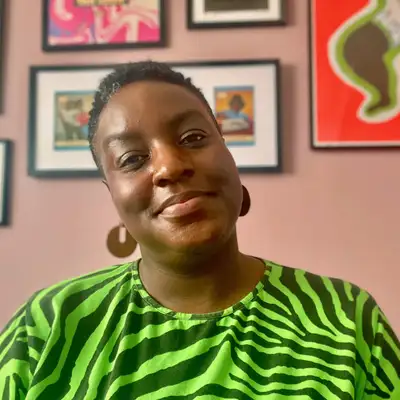
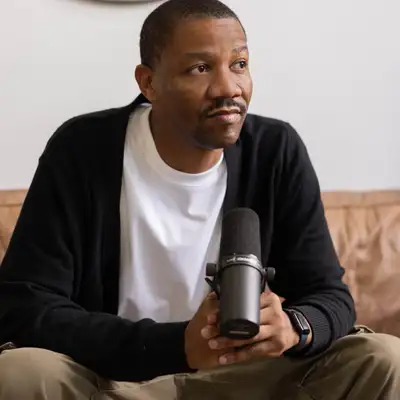
TK Dutes:So I finally said, let me stop talking to myself and talk to some other people. I got a group of black creatives together, people that I consider mirrors of me, living full time in Mexico City to talk about their migration, reinvention, and what it means to wave goodbye to the American flag. This episode, We in the Mix, live from Mexico City, is produced by my good friend, Brown, a multi talented super creative out of Houston, Texas by way of the world and host of The Art of Letting Go podcast. You'll meet Mike for our producer chat after all this. Now in this very special episode, you'll hear voice diaries from my past visits to Mexico City, a conversation recorded there, and this conversation recorded in front of a live audience with guests Vivian Njoku, a multimedia artist and educator rooted in community, creativity, and love.
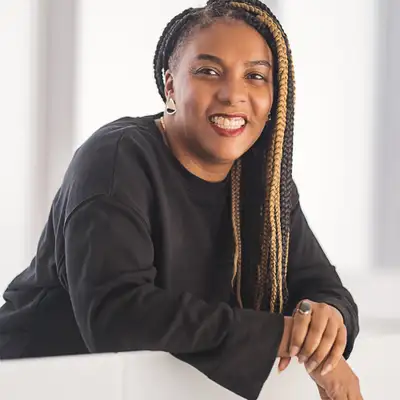
TK Dutes:She offers trainings and workshops focused on equity and justice as shift. And she supports Black and Brown creatives through cultural exchange and international residency programs as the co founder of The Urban X. Next, we have Ayinde. From painting to music to DJing, Ayinde is a multidisciplinary artist, healer, guide, and also former educator from Philadelphia, Pennsylvania. Go birds.
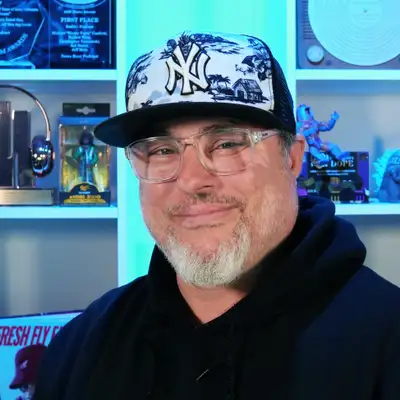
TK Dutes:Last but not least, my brother, my literal brother from the same mother, Ron Dutes. He's a New York trained chef based in Mexico City and the founder of Lazy Bear Experiences, a chef driven private dining and events company. We in the mix, y'all. Live from Mexico City. Let's go.
TK Dutes:I'm exhausted because it feels like on this particular trip, I'm doing a lot more work work and less self care stuff than I did last time I came to Mexico City. So I have a feeling that I'm just feels like I'm doing something wrong. Right? You can be in a different location but still be doing the same shit. So excuse me.
TK Dutes:I gotta figure this out. Right?
TK Dutes:Like, how do I get back to myself? Thank
TK Dutes:you
TK Dutes:so much for coming, y'all. Thank you for being here. You know? This is crazy. Like, I just like, it's alive.
TK Dutes:Like, the fact that you're here in it means it's breathing. And I wanted you to meet the people that helped me to breathe. And before we go any further, I wanna put a prompt in your head. And that prompt is, who were you before Mexico, Mexico City, wherever you landed? And who are you now?
TK Dutes:Whoever wants to start.
Iye Yin Dae:I moved here from Philadelphia. I've been here six years. But when I was in Philly, I was a educator. I'm a retired teacher, educator. I worked in the Philadelphia public school systems for fifteen years, specifically with black and brown children.
Iye Yin Dae:You know what mean? Like the school that I taught at, it was the first K to 12 freedom school. It's called San Culture Freedom Academy Charter School. Changed my life. You know what I mean?
Iye Yin Dae:Best one of the best experiences I had in my life. So I was I was educating and working with black children every day just in love with these these genius. You know what mean? I was a fiance. I was in a relationship.
Iye Yin Dae:A son. Both of my parents are still alive. So I've you know, I spent time with my family, uncle, but always an artist, I was always an artist. So that's what transitioned me here.
TK Dutes:So were you looking for more?
Iye Yin Dae:Yeah. Hell, yeah. That's always been my mindset. You know what mean? But luckily, my ex fiance, Lou, was the reason I even found out about Mexico.
Iye Yin Dae:So I just was following them and it was one of the best decisions I made. You know I mean?
TK Dutes:Beautiful. Well, I'm glad you're here. What about you,
Vivianne Njoku:We have a very similar story that came into education in 2008, working with film, working with music, mostly working with Black and Brown youth as well. I entered education through the radical lens. I entered education looking at art as the only way that you can actually talk without talking. Right? So when I say art, also said music and film, but visual art media.
Vivianne Njoku:And I really was blessed to be mentored by a lot of really like seasoned like radical educators starting in DC. So I grew up in the suburbs of DC. My family's Nigerian originally. That's where I was born. So I grew up in The United States with an immigrant identity.
Vivianne Njoku:And that is key. That is key. That's such a critical part of my identity as a human being. I never claimed being an American. I've always taken offense with that term being solely applied to people from The United States when we know that the Americas are vast.
Vivianne Njoku:So without getting too deep into the weeds, was really, yeah, an educator who was fortunate enough to be in spaces where people like called me in to be in their spaces because they knew what my politic was. They knew that I was using art to talk about issues of gender justice. I was using art to talk about issues of racial justice. I was using art to talk about issues of economic justice where those things intersect. So I came from a graduate program at NYU that's called art education, art plus education and with a lot of amazing mentorship.
Vivianne Njoku:But when I got to the institution and that's not mistake, it was an institution, right? I knew where I was, I knew what it was about. So just before coming here, was actually teaching with them. And it had been a long time coming, y'all, a long time coming when I talk about having an immigrant identity because you don't forget, you're not allowed to forget that your people aren't from The United States, especially when you're coming from Africa, especially when you come from Africa. In the early '80s, there was no multiculturalism.
Vivianne Njoku:It wasn't cute. So I say that because over the years also becoming more like radicalized and becoming more like conscious about what the systems really were, it just started wearing me down. And so I was really fortunate to begin to travel at a young age in my 20s. I first went to Cuba and I was like, this smells like home, this smells like Lagos, you know, and I was like, where else can I go? And then I got here because a friend was like, check out Mexico City.
Vivianne Njoku:I think this is your city. At that point, was living in New York. I've been there for ten years. That's when we connected also. And so, I got here and you know, that friend knew me well.
Vivianne Njoku:He was like, this is your city is, giving New York energy, but it's the pace is slower, it's more peaceful, it's greener, it just it feels like you can just access more. And when I got here just for a visit in 2018, I was really moved. I was really moved by so much that I saw in alignment with the culture of my family, like family values, you know, being part of the cultural value here, seeing like multigenerational families, everyone's got an abuela, Everyone's got a tia tio. Everyone's got a primo prima. Everyone's got a little bit.
Vivianne Njoku:I mean, that's us.
TK Dutes:The we know each other through people. But we became apartment cousins. Because I I subletted her apartment when she moved to Mexico City. But it was like you were coming back. That was the idea.
TK Dutes:A month in, you were like, girl, it's your place now. Sell the chair. Sell all the shit. I was like, okay, I guess I live here forever. So thank you.
Vivianne Njoku:Now, I was definitely not coming back, but I was maybe thinking about being a landlord. Do you know what mean? From afar and I was like, nah, like that shit.
TK Dutes:You let it go. You let it go. What a blessing. But also, like, that's also how I got here. Right?
TK Dutes:Because then you were rooted and then I was like, well, I got friends now. I figured I had one. One means you got more than one eventually when you get there. And then, Ron, we were talking about doing medical tourism and dental stuff. So Mexico City came up, and he and I both came for that.
TK Dutes:So it was like kinda like a weird triangle that has like kinda developed. But Ron, what's your story?
Ron J. Dutes:I used to work in New York City restaurants and a bunch of high volume restaurants on the East Coast. And I don't know if you know anything about that, but it takes a lot of your life. It really like demands a lot of them if you're running them and the culture is such where you don't feel comfortable taking time off. It could be your friend's wedding. It could be anything.
Ron J. Dutes:And you're just like, no, I can't do it. I can't do it. And you don't even think twice about it. And you don't think twice about other important things like your health, right? So I wasn't to the point where I was like four zero seven pounds.
Ron J. Dutes:I was like maxed out at four zero seven pounds, and I was like not taking care of my mental health or any part of my health. I wasn't even thinking about it. I was just like, this is what we got to do. I got to, like, hone my craft, and that's what's important right now. So then I started to try to get out of the restaurant industry and, like, try other things.
Ron J. Dutes:Like, I got my real estate license. I did some real estate deals, but nothing felt quite right. But that gave me the opportunity to, like, take some time off. And I was ending a relationship, and Keisha was like, go to Mexico City. It's beautiful.
Ron J. Dutes:You know? It was crazy. I was like, whatever. So I came to Mexico City, though, and just for, like by myself for, like, two weeks, and I just was, like, exploring the city. It was so beautiful.
Ron J. Dutes:And one day, I was just walking. I didn't even know any like, anything about Dia de los Muertos, and I'm just, turning the corner, and it was, the parade of the Cartarina. So I was like, wow. You know? This is fucking beautiful.
Ron J. Dutes:This is this is what this is like all all the time. This is crazy. So So then I was like, fuck it, I'm moving here. Know? That's literally what happened.
Ron J. Dutes:And then I went back and, yeah, just like organized my life. And I moved back here like a month later, and that's how I came here. But, you know, everything has changed. I had a lot of different limiting beliefs that stopped me from doing a lot of different things. And now it's like, you know, I'm sure a lot of you live here now, and I know that you probably know the feeling of that feeling that you could do anything.
Ron J. Dutes:Like, always thought I could, but I still had these limiting beliefs. Right? But, like and I was always kinda like a courageous person, but now it's like, fuck. I could really do anything. You know what I mean?
Ron J. Dutes:Like, whatever. Whatever. I'm like, I started a YouTube channel. I'm doing I'm doing everything. I'm just throwing throwing things at the wall with all my might.
Ron J. Dutes:Yeah. So I'm really grateful for the opportunity that Mexico City gave me and the feeling that I can accomplish whatever I wanna do and just, like, have ultimate control over my life. So that's really good.
TK Dutes:Thank you. Thank you, Ron. I remember that phone call like seriously on his second day or third day here. He called me. Yeah.
TK Dutes:And I was in back in Brooklyn and he's like, yeah, run the numbers because not he's that he's that bro. Right? He you want to know some shit? That bro, I'll be like, sell it, buy it. He ran the numbers and he was like, yeah.
TK Dutes:So if I get rid of my house and pack my shit and he did it in that was October you called me. He did it by like mid December. All packed up.
Vivianne Njoku:I also just want to say when we first met also through TK, you had invited me to like one of your first Lazy Bear events in the old space. And he had just gotten here. I don't know, like, I want to say it was a month. And I walked in and it was like, he had the whole like LED, like, with the bear logo. And I was like, this nigga just got here?
Ron J. Dutes:Yo. I found Sentro, and I just went crazy. You know what
Vivianne Njoku:I'm saying?
Ron J. Dutes:I was like like, what? A $100? This is crazy.
TK Dutes:This is a weird trip. It's less relaxing than it's ever been, but also giving me a lot of things, giving me a lot of results, me a lot in the way of resource. So I'm unsure how to feel about it because I don't feel relaxed. I know when I get back to New York, people are gonna be like, how was your vacation? How was Mexico City?
TK Dutes:I'm so jealous or whatever. I'm like, I don't know how to explain how a lot of this is not a vacation. You know, like explaining shit to people that don't live like this, like freelance y, transient, remote work y. Everybody's like, would love to be you. And I'm like, you could.
TK Dutes:You could. So but like the the line between relaxation and work gets blurred. This is kind of like a lifestyle thing. And I now have to learn how to find balance inside of this lifestyle that I've chosen, that I'm for the first time in my life marginally privileged to have, right? Because I'm hustling and I'll hear I'm hustling still, but I'm blessed and I never wanna lose sight of that.
TK Dutes:So y'all are all here and I feel like I think we all have something in common in that. Like we found our non traditional path. And I think a lot of people, it takes a lot of folks time to let go of those limiting beliefs. What is the thing that let you explore that?
Iye Yin Dae:I mean, I'm gonna say being black, honestly. You know what mean? Like, coming out here, I never I felt like because black people have been here since the beginning. Yeah. So we've already had a culture here.
Iye Yin Dae:And when I came here, I was like, Yo, these like my cousins. Like they do the same we on the same vibe. Like, I like to party. I like Mexico. I smoke weed.
Iye Yin Dae:You know what I mean? Like, I like to feel good about myself dressing and shit like that. Know I mean? So, yeah, it wasn't really like crazy. It was I really felt more at home and comfortable being myself here than I did in being in Philly.
Iye Yin Dae:So yeah. But I feel like, yeah, just being black, just like loving myself and knowing who I knowing my history and like, I belong here just as much as everybody else because I we helped build this country. You know what mean?
Vivianne Njoku:I really, you know, got the it's time. Like I had been thinking about it for like most of my life. If I'm not if I'm being serious, like this is not my long term home. This is not like where my people are from. So where am I where am I gonna go?
Vivianne Njoku:And 2016 happened. We know what 2016 was. And so it was it was accelerated. I was like, gotta go, gotta go. But something that started to happen in me living in New York, I'm like, everyone here can't be this liberal looking out for black and brown looking out for queer like, it's just not possible.
Vivianne Njoku:So then I started to feel not like despair, but I started to get angry, you know, for lack of a better word, and specifically at the white folks, specifically, and I start to generate something in me that just wasn't natural to me. Like, so I start to feel like my essence, my person was shifting. And I was like, and I was just talking with Ron, I'm a daily meditator. So also have like a high sensibility to like what I'm feeling and how I'm feeling. So I'm like, yo, this this is not me and my system, not just my nervous system, like my energetic system, everything was just shifting.
Vivianne Njoku:And I was like, nah, it's time to go. And so getting here, I also feel like this is spiritual vortex. I think the ancestors have been leading us here. Did my astro cartography, my North Star pass through Mexico City, Lagos, New York City, this is like where I was born where so like all the major places. And so I also feel very much like a lot of us are also like feeling that vibrational, like call to be here because of some ancestral metaphysical spiritual energy.
Vivianne Njoku:Funny when you were speaking earlier about like shedding those limiting beliefs and like doing things that you're like, I maybe thought about this, but now I'm doing it. Like for me, I feel like it manifests a lot through my lifestyle. Like, I swim now and I swim really well. And I paint now and I paint really well, you know, and these are things that like, were always in my like, my personal like worldview of self. It was like one day in the future, you know, and then I got here and just like, my shoulders drop.
Vivianne Njoku:So I think, yeah, that getting here realizing, oh, the shoulders drop a little bit. And then like, the consciousness can expand in a way when you're not like tensed up by some like false, you know, anger or false sense of paranoid.
TK Dutes:Ron, can you share like one or two of those like limiting beliefs and like what shook you out of it?
Ron J. Dutes:I think the move here was like the main catalyst. Before that I had started making some changes and like taking therapy more seriously And but then when I moved here, it's just like it's like a domino effect. You know? I I don't know about the rest of you, but when I first moved here, like, even the the phone number and the money exchange was giving me a headache. Like, I was just so then I was like, damn.
Ron J. Dutes:This should I go back? And then I stayed, and, like, I got a handle on that. I started making like, meeting more people, making more connections. And then, you know, once that, like, domino fell, then I was like, alright. Fuck.
Ron J. Dutes:That was good. What was I worried about? Next thing. You know what I mean? Supper club.
Ron J. Dutes:Then I started the supper club, Lazy Bear supper club. And then I was like, damn. Who's gonna come? And I had friends, you know, back in The States that are you know, they don't see the same way that you that I see things or that we probably see things. And I'm like, yeah, I'm gonna move to Mexico and start a supper club in my apartment.
Ron J. Dutes:And they're like, what the fuck? What do you mean? Supposed to have like three kids right now. And then, you know, I was like, let me just do this anyway, whatever. Like, maybe they got a point, but let me just do it.
Ron J. Dutes:And then I did and then it worked out and I was like okay, next thing. What's the next thing? Fuck it, next thing. That's it, I just think it's like they say success is or confidence is like a stack of proof that you are who you say you are, so I started building that proof and really being cognizant of it, you know? And I think I always had that proof, know?
Ron J. Dutes:I was always doing some shit, but I started really being aware of it.
TK Dutes:So Mexico City kinda brought you more more in touch with your awareness of your stack of proof. You always that nigga. I'm not gonna lie.
Ron J. Dutes:Yeah. Yeah. Yeah. Yeah. I just started being being aware of it.
Ron J. Dutes:Yeah. I had no idea. I was like, oh.
TK Dutes:Alright. Here we go. Diary time. Wednesday, February 7. I should have been dating all these, but alright.
TK Dutes:Here we are. It's art week here in Mexico City, so I've been going to events and just like seeing what they got and I really want to be I want to be here next year. I want to be part of art week next year. So a cool thing that's been happening is I brought some of my earrings which I call wearable art because they are literally one of one pieces. And I posted them online and a couple people have been purchasing and I met a guy last night from LA.
TK Dutes:He walked right up to me, said hello. And he was like, your earrings are cute. And I was like, thank you. He was like, did you make them? I said, yes.
TK Dutes:And he was like, do you have any? I said, I do in my book bag. It was so surreal. He was like, whip them
TK Dutes:out then. And I kid you not, I took them out
TK Dutes:and I'm holding them because I don't have any of my stuff. I'm holding them in a takeout container that I'm reusing from having had a salad. So he just started shopping my little takeout container and he bought some earrings and now we're going to lunch on Monday. So out here making friends.
TK Dutes:So I want to go back to something you were saying, Ayinde, and then I think, you know, like, Black. That's it. That's the sentence. That's the question and the sentence. Yo.
TK Dutes:Like, yo, the first time I came here, I went to a party. I think you told me to come to a party. I walk in the party. Hi. My name is TK.
TK Dutes:You, TK?
TK Dutes:From Brooklyn? The podcaster?
TK Dutes:And I was like, what the fuck? What vortex did I walk into? So what is this black vortex that we've stepped into and and why? We're all we're all just migrating here, and we are all building community. And it feels like for me, I'm from Brooklyn and I'm from Brooklyn in a very special time.
TK Dutes:And my first time in Mexico City walking into these rooms and meeting all y'all in different spaces, I was like, oh, I'm back. It was like I went back in time, but it was present. So what is that vortex about?
Vivianne Njoku:Yeah. You know, I I touched on it earlier. I do think that there is an energetic pull here. I think that also, you know, once we come and there's like a little bit of a concentration and like the the call gets louder and louder. And I think that there is a bit of a reckoning back to what I ended with saying like we are first peoples all across the globe, you know, like no matter what land you're talking about, we've always been there.
Vivianne Njoku:And I think that there is absolutely a moment I feel very privileged to be in this moment also in Mexico City where there's a reckoning and a recognition that like, yeah, just because a few folks are coming from like The US and from Europe, doesn't mean this is the first and only time black people have been here. So I feel like, feel like, you know, folks like Yin, Yin has two children that were born here. I know other folks, you know, I have a goddaughter whose mother is Jamaican, whose father is Mexican. Like, feel like we are part of a really important and also the Haitian migrants who came a few years ago, the caravan that came from, you know, Central America, saw a lot of black and brown folks from other countries. And, you know, Mexico City specifically got real shook.
Vivianne Njoku:Like, oh, no. Like, it was cute when y'all were bringing cultural capital in like 2016. There was a few of y'all but now it's like, damn, you're gonna come for our resources. And for me, again, it's part of a reckoning. It's like, just to be clear, we have always been here.
Vivianne Njoku:There are black Mexicans that exists up and down the coast and not only up and down the coast, but also here in the city. And so I just think it's really special to be like part of a wave that's like forcing the culture here also to just see blackness and to recognize and reintegrate us.
Iye Yin Dae:I wanted to add, outside of me being black, I think the other thing that gave me like the confidence is I'm an artist. You know what mean? And I feel like a lot of people I'm looking at Chris. You know what I mean? Photographers, fashion designers, lose my ex fiancee, fashion designer.
Iye Yin Dae:You know what mean? So I feel like a lot of black people that come here, they're they're black, like blackity black. You know what I mean? But then they're also creatives. Ron, you know what I'm saying?
Iye Yin Dae:Chef, multidisciplinary artist, painting. You know what I mean? Like, most I feel like most of the relationships that I have with with black people here are just like a creative connection. But then also that translates to Mexico because in my opinion Mexicans are hella creative too. You know what I mean?
Iye Yin Dae:So I'm able to make relationships with Mexicans also because of that, you know what mean? That's that commonality. Like, we're creatives too. You know I mean?
Vivianne Njoku:You reminded me of something that also struck me in my first, like, few months living here. I remember meeting people and they would introduce themselves as an actor or a writer or a painter or whatever it was. And it's clear that they're not represented by a gallery or like, it's not their full time gig. But like, it struck me that culturally, it was, you could say it and it wasn't someone's gonna be like, but what's your day job? Like that there wasn't that.
Vivianne Njoku:It was like culturally the respect for artists also is really, really, really key and very special.
TK Dutes:I'm out here in the Mercado today and thinking about creativity and how that's just opened things up for me. Because I think it just makes me see, like, working with my hands, trying different things, it kinda makes me see that, like, I could do it in other areas. Right? Like, I could be brave in my professional area of audio if I'm brave in this other thing. And this in this other thing that I do, like, is not even really being brave.
TK Dutes:You know? It's I'm ignorant. And I think remembering that, you know, when you walk with ignorance and you're just trying stuff, that you could do anything. You can fly. If you don't think about it, you could fly.
TK Dutes:So I think we get too bogged down in, like, the how of things and we overthink, And I'm trying to shake myself off from overthinking. You know?
TK Dutes:I just wanna ask y'all, what is your favorite thing that you've created? Because I know also in in this transition, in this, like, kind of freedom that y'all are feeling, that y'all are creating times 10 x. Right? Like, every time I see you, I have met the first time I met Ayinde, he was playing piano. The second time I met Ayinde, he was painting.
TK Dutes:The third time, he was DJing. And then, like, it's a cycle. Right? And you doing something new. And then V, I'd be like, girl, how you doing?
TK Dutes:What you doing, girl? You know what? So, yeah, like, this is my own portrait of Sade, a whole painting. I said, well, how long you been painting, girl? Like, three months.
TK Dutes:What? The nose is exactly where it's supposed to be. The eyes are in alignment. I was like, oh. And then, Ron, I'm like, you just graduated businesses.
TK Dutes:Like, you know, like, the the supper club has evolved into the you know? So for me, I I take that as a creative pursuit. And for me, in coming here and getting to know people, I wanna give a shout out to Tiara Darnell who had Black Cicocina, the restaurant. She challenged me on one of my visits and it was one of my lower times when I was really going through some stuff. And she was like, can you make a piece for the restaurant?
TK Dutes:And I'm like, a word? And it was I never I've never I don't work large. I work I make small works like the pin. Like like, that's how small. Right?
TK Dutes:So she was like, I'd like a piece for the restaurant. And I was like, okay, bro. So I spent like my five weeks trying to figure out how to make a big piece and she hung it in her restaurant and I was like, oh, shit. Like, I'm because I'm free to think. Right?
TK Dutes:The things were weighing down and I came here and I shed some of that and I walked around and I was very quiet and I went to pay and sip and I was sad. And then I came in and drank mezcal with her and I ate fucking food with him. You know? And then I just was like, oh, that could put it all into some art. And then my friend is gonna hang in in her restaurant.
TK Dutes:You know what I'm saying? So I wanted to ask what's your favorite thing to that you've used your creativity for?
Ron J. Dutes:I'll start with that. I mean, building the business, of course, but like on a different level. Like, I remember there was this picture, this little piece of art that I wanted. Right? And I saw it on I saw it on the Internet, and I was like, damn, this looks nice.
Ron J. Dutes:I really wanna get this for, like, my apartment. And then but it was crazy expensive. So I was like, damn, maybe Allende will I'll vaca pay me, he'll paint it for me. Right? So I hate you.
Ron J. Dutes:I think I told you about it. I was like, this is what I want. Right? And I was like, wait. One day I was just sitting in here and I was like, damn, why don't I just I'll just do it.
Ron J. Dutes:Right? So then I did it and like, it's hanging over my bed right now and I really appreciate the like the way it came out. And then now, you know, I still paints often like right here, just right out here. So it's really nice. I always consider myself an artist before and I always think of when I'm plating a dish, I like to make it aesthetically pleasing and that's really important to me almost as much as the flavor, But, you know, to be able to do other avenues and get that, you know, another to to deliver that in other ways is really nice.
Ron J. Dutes:And to see it every day when I go in my room is is like a good feeling. Like, oh, like, I can't do anything, you know? What about y'all?
Vivianne Njoku:I kind of have like two ways that I feel like my creativity has really flourished here. One is like personally, yeah, I paint now. Like I've always drawn and that's from childhood from like a very, very young age. But then I came here and was like, oil painting. And it's just been so deeply satisfying.
Vivianne Njoku:My latest painting is actually this little small piece. The details are so perfect. It's my little Benito, my little, you know, like so just like things where I'm just like, you know, it may be 7AM, but I'm gonna get this detail right and then I'll go to sleep. And it's just so deeply satisfying. So yeah, painting is something that I, like I said, I always saw in my vision of myself in some distant future.
Vivianne Njoku:Was like one of the like when I grew up type shit, you know? And it's like, then you're like, but when, when is it gonna happen? It's like, now, actually. And then the second side is the creative side as a producer and like a cultural like space maker. Like Brian and I have this project, The Urban X, and we met here.
Vivianne Njoku:We met here three years ago. This is our three year anniversary. Yeah. Yeah, this is like queer love. This is like life partnership.
Vivianne Njoku:I actually had made a whole like, I went through this whole like training. You remember when I doing my intuition training? I went through the whole intuition training and like wrote out like what I wanted in a partner. I forgot to put romantic, but everything else on that list is literally this human being right here. And so yeah, what we've been able to like co create here.
Vivianne Njoku:And you know, there's an exchange with Mexico City and New York City, but we've done most of our the bulk of our work here in Mexico City with like Mexican artists, with local Latin American artists. And just like being able to also celebrate like blackness here, you know, and not just like our blackness, but like diasporic blackness, being able to celebrate, you know, queerness here, we did a Trans Visibility Day event with Yen. Like, so that to me is also just such a gift to be in a place where also like doors open so much more easily, is so much smoother and just a flowier process in general. So I give lots of thanks for the city for giving us the opportunity to, like, expand as creative people and creative producers.
TK Dutes:And what about you, bro?
Iye Yin Dae:First, the top of my list is my family. I became a father in Mexico twice. You know what I mean? Like, my oldest son, his mom is Mexican. He's Afro Mexican.
Iye Yin Dae:And then I just had a baby in November with the love of my life. That's technically he's black, but he he Afro Mexican too. He's with a black woman, but he's technically Afro Mexican. But then from there, community. You know what mean?
Iye Yin Dae:Like, my community here is is beautiful. I was just thinking about now. Like, art week was like, yeah, it's about art, but it's really about love. You know what I'm saying? Like, all the people that you run into and they creating and they just celebrating and being themselves, that's beautiful.
Iye Yin Dae:But then I felt like I was able to, like, exponentially build my community here by becoming a DJ. I wasn't a DJ before I came here. I'm a musician, painter, you know what I'm saying? But I started DJing, like, two years ago type shit. And since then, it's like, yeah, my community has grown.
Iye Yin Dae:And it's important to me that the thing about me being a DJ, I only I play 99.5% black artists only. Yeah. I'm not playing nothing else. So I'm educating people on music that they probably not gonna hear ever from anybody. You know I'm saying?
Iye Yin Dae:Because you go to the you go to the the house or the Afro house joints, it's like the oots, oots, oots. Like, that shit, there ain't no soul. You know what mean? But I'm I'm intentionally playing shit that got soul in it, and it's like, yo. You know what mean?
Iye Yin Dae:So
TK Dutes:If you could be open to kindness and love and care in your life and not be too concerned with what shape that comes in and what that looks like, then you become a person that's like, you're just more creative. You have more capacity. Here it goes. You have more capacity to be creative if you are more open. And queering my world allows me to be more open.
TK Dutes:Living in a world that like surrounding myself with people I love, that understand me, that it doesn't matter what shape they come in or what what what the envelope is that they are sent to me in. Being open to that allows me to be open to creativity. And being open to creativity allows me to, whoo, expand so much further than I thought I could when I was just, you know, indoctrinated into the normal way of things, quote unquote.
TK Dutes:I have a question about okay. Cool. You know, y'all talked about, like, also, like, integrating here. It's not just about being around black people. Right?
TK Dutes:It's not just about being around American people or people that speak your language. How are you all integrating in Mexican society?
Iye Yin Dae:My son is Mexican. I had a I had a my first my oldest son is his mom is from Mexico City. But I was gonna say his his great grandfather was African. My you know what mean? His mom, she she's I don't wanna say light skinned, but she's like she's not brown.
Iye Yin Dae:You know what mean? But her his his great it's her great grandfather. So his great great great grandfather was African.
Vivianne Njoku:The three of us, I feel like anytime I'm in spaces where we are curating or creating, like it's multilingual, at the very least bilingual. And it's intentionally so. It's not like, oh, a few Mexicans showed up. But it's really critical that we also don't come to a place Let me also back up a second. I don't fundamentally believe in nationalism.
Vivianne Njoku:I think it's a very dangerous concept. I do respect that we come from cultures that are ancient. And I think that no matter where you go, you got to recognize that culture and pay respect to that culture. But I don't inherently believe that we need to ask permission. I don't inherently believe in that.
Vivianne Njoku:I think migration is a human right. We have a right to be where our body tells us we need to be. And so I say that because black folks let's come if it feels good, if it's moving your spirit, come and also recognize that like, yeah, folks have been here for a minute and there is a culture that's here and people have invested and people's families have invested and recognize that, recognize the language. And I think yeah, there's a there's also a phenomenon right now. And I think we all have experienced it like not all skin folk are kin folk.
Vivianne Njoku:You know, so I don't inherently personally, I don't inherently rush to spaces where it's like, oh, this is a black event.
TK Dutes:Ron, I'm gonna throw to you in and like ask from the business point of view, because like, you run a business here. Right? Like also, you took the step of I think you didn't play no games, you're a resident now, you know? So like, how is that also like running a business here as a black person that is the boss of a thing?
Ron J. Dutes:Well, to speak to your thing about like integrating a Mexican culture, I'm really proud to say that everybody on the team is Mexican except for me, you know? And we make sure to pay like a super fair wage higher than like they could normally get and like we want them to feel good coming to work, make them feel like we have something special that we're building here, and I want them to be a part of it. And I don't want to just come here like, I love a glass of wine in a fancy restaurant and a nice atmosphere. So that's my know, that's how I I can't help but contribute to gentrification that way. You know?
Ron J. Dutes:I'm going to all these Roma restaurants. Gotta tell you. But at the same time, I'm just trying to be responsible. I'm paying my taxes, you know, making sure that I'm doing what I have to do. And also, I we hang I hang out with a lot of Mexican people.
Ron J. Dutes:You know? Like, in Allende said, I have, like, my Mexican group. I got my black group of friends. I got my multicultural group, the artist group. I really love to learn about, like, the intricacies of Mexico and running a business here though.
Ron J. Dutes:It's not as hard as I thought it was gonna be. There's a lot of guidance from different sources and this is a big city and a lot of places to get the information you need.
TK Dutes:I wanted to ask y'all, okay, you know what? Since we're there, we're talking about integration. Let's talk about it in another way. I ended up, you kinda went there. You got two kids.
TK Dutes:You know what I'm saying? We dating. We outside. We loving. Well, you're open to coming here.
TK Dutes:You're open to starting new things. You're open to trying different activities. So then that must open you that's why I asked, I think it opens you to love. You know? Like, what or does it?
TK Dutes:You because you made a face and then you say, yeah. I don't know who to look at now.
Iye Yin Dae:We mixing. We in the mix. Yeah. We in the mix. I love Mexicans.
Iye Yin Dae:That's all you know, I'm gonna say that. I yeah. No. Like, real rap. I'm with a I'm with a black woman now.
Iye Yin Dae:I I love her to death. I wouldn't be in the West, but before her, I was Mexican all day. I
Ron J. Dutes:think dating is crazy everywhere. It's kind of like very similar. There's like little intricacies that change, but it's like you're trying to navigate you're trying to find somebody whose trauma everybody's got some things going on, and you got to find somebody whose trauma you can navigate well and that doesn't rub your own the wrong way. So it's just a lot of that. There are a few differences, but mostly it's the same, you know, but Mexico, like I said, I was I shed a lot of limiting beliefs.
Ron J. Dutes:So, yeah, I've been out in the streets also, you know. I'm always out here. Yeah.
Vivianne Njoku:For those who know me well, y'all know I came here and within a year I was engaged to a whole ass Mexican. And yeah, I have since you know, that came to an end. Since people always ask me like, if I'm dating someone they're like, are they black? I'm like, I keep it local. I keep it really local.
Vivianne Njoku:Like know the water you swimming in. I'm not closed, obviously. But also, like for all the reasons I was saying before, it's like, why come somewhere and like not bother to like be, know, open to like what's what's available. I also have like the great gift that I started speaking Spanish when I was 10. So I came here already fluent, not in the way that I'm fluent now, like I have a chilango espanol that's like, you know, I know the nuances.
Vivianne Njoku:I know how to say, I know how to curse people out. You know what I mean? Like, that's when you've made it. You've seen it. That's when you made it in language where you could like curse people out in local language.
Vivianne Njoku:I will say some of the complication for me because I agree it is very similar. It's like and they also say like, no matter where you go, there you are. You know what I mean? So it's like, yeah, you can say all sorts of things about dating and dah dah dah But it's like, yeah, but who's the common denominator? So I recognize that.
Vivianne Njoku:And also, you know, like folks can say like, oh, they struck they struggle with this. And then I got to Mexico City and I'm seeing, you know, like I'm still finding people. Yeah. I am the yeah. You are.
Vivianne Njoku:You are. We're the content. Yeah. We're I'm the same person no matter where I go. So I recognize that.
Vivianne Njoku:And also, you know, think it I think in a healthy way, recognize it. And also similarly, it's been like growth and, you know, progress. One thing that has been complicated about dating here because okay. Mexicans I feel like there's Mexicans in the audience, right? Like, I love to say, no.
Vivianne Njoku:It's like, no, we're not racist. It's like, we're classist. We know. And obviously, like those two things are intertwined. And also, like, there is something to be said about like, a caste system, right?
Vivianne Njoku:Like Mexico very much has a caste system. And I feel like being someone that no matter how humble my roots are, right? I can go to my village in Nigeria right now, I can, you know, like commune with my family that are still working as farmers. I can go to the city, you can drop me off anywhere. No matter how humble my roots are, I'd recognize that people still see someone that they see as economically privileged.
Vivianne Njoku:And that's a dynamic that's been difficult to navigate. Folks seeing me as someone who someone recently was like, yeah, but you can leave. And I was like, yeah, but I'm not leaving. I'm a permanent resident. My family comes here all the time.
Vivianne Njoku:My mom and my aunt are coming on Thursday. I'm integrated, I'm here, But just that concept and mentality of like, yeah, but you could leave and I can't. And yeah, I feel like it doesn't close me off, but it does make me, it makes me wanna have like more clear conversations in different ways. I'm still navigating what that may look like. But you know, just like, hate to say it's like giving me, it's a different perspective.
Vivianne Njoku:Let's just call it that.
TK Dutes:As I get my basic needs met out here in Mexico, I feel like I have more time and grace to give myself to explore who I am as a queer person. And for me, it's a socioeconomic thing. Right? Because when they say queering, you know, the rules or doing something outside of the norm, I just see issues in the world that can be solved by kindness, and we don't have that. Our world functions real fucked up.
TK Dutes:And I'm like, why can't we just have nice things? And as a person that is walking into her queerness and being more open and I find ways to quote unquote queer my world. Right? To live differently, to be outside the norm. And then that opens me up to more love, more kindness in my life.
TK Dutes:And being open to that kindness leads me to more creativity.
TK Dutes:So my cousin's on the stage here. I guess, you know, for the people, what would you tell someone that was trying to get over that hump? You know, practical, spiritual, emotional, whatever kind of advice So we could bring some more folks over here that want to, that want to, I'm not forcing nobody.
Vivianne Njoku:I say start small, start small. I feel like, the way we're all interconnected right now. Like even in this room, there's like folks that's like, we know each other three different ways. Like, go online, surely you're gonna find someone somehow that's connected, like start small, also, let's be real. Capitalism is a motherfucker.
Vivianne Njoku:It convinces you that you need this, that and the third to be happy, satisfied, etcetera. And people find themselves like spending all sorts of money on all sorts of bullshit. So like clock, let's be a little bit more realistic about what that bullshit actually is. I never forget I was like, I had a phone and I was going to it was, I think it just broke. But it was an Android.
Vivianne Njoku:And I went into the store and the guy was like trying to sell me This was back in the day because this is probably not gonna sound that expensive. But he was like, this new phone is like 600. And I looked at him and said, why would I spend $600 on a phone when I could take a trip? And he was young and he looked at me like, like he'd never, you know, like thought in that way. He was just like, oh, and I was like, nah, give me this 151 in the back that I can pay right now.
Vivianne Njoku:No. It's so all that to say, just like, just be realistic about it. What's the bullshit? Like, where do our priorities lie? Where can you just like trim a little something?
Vivianne Njoku:Make it a quick little like five day. I tell people all the time, like this city specifically is great for a five day vacation. Lining up with some US holiday, like just come, like do a little internetting, like hit me up, hit up Yen, hit up Ron. Like, we'll send you a list. We'll invite you to a party.
Vivianne Njoku:Like, start small.
TK Dutes:Thank you. Thank you.
Iye Yin Dae:Yeah. I'm a say the opposite and love. Come out here and go fucking crazy. You know what I mean? You learn a language, eat the food, go to the parties, go to the Tiendas, get your fresh fruit, get your vegetables, get your your green juice from the Mercado.
Iye Yin Dae:You know what mean? And like and be human. You know what I mean? And be healthy.
TK Dutes:Ron, practical advice for the people that wanna come.
Ron J. Dutes:Yeah. I agree with Allende. I mean, just do it. Just do it. You know what I mean?
Ron J. Dutes:Just jump on it, get it going, and then let those dominoes start collecting and fall. And you'll feel better, you'll feel good, you know, to open up some limiting beliefs for you. That's the only thing you can do is just do it.
TK Dutes:And I mean, I'm doing it, but like my way is y'all have really jumped in the water. I tiptoe. I tiptoe, you know? And I'm just happy that like every time I tiptoe that y'all are here to kind of like guide me through. I'll just share this thing and I wanted to share this if you don't mind bro like, bro, okay.
TK Dutes:So maybe two trips ago, I was here. I was staying with V. And I think you hadn't got your you hadn't really like gotten settled yet. So I'm chilling, staying with V, working during the day, going out at night and whatever. And then I had to go to I Ende's paint and and sip mezcal.
TK Dutes:Right? And I'm like, yeah, I'm ready to do this. Be creative. You know, like, I was starting to tip toe into that world. And then that was the day I get there and I'm a little shell shocked because he goes, how you doing?
TK Dutes:And I haven't seen you since that first time. And I go, I'm alright. I just got laid off. I was like, like, just like just shocked. And I just I say this because and I wanted to have this conversation with all y'all in the room and all of y'all here because this is the example of me feeling held.
TK Dutes:Right? Because you didn't really even have to do anymore. You just cool. Are you you said, are you okay? And I said, I think so.
TK Dutes:And then you did your you did what you was doing, paintings of you showing everybody stuff. But there was a there was a something inside of that moment that I'm like, oh, nigga, we locked in forever. Okay. I'm not letting you go, friend. Like so I I just wanted to share that as an example of how I feel about all of y'all, you know, and this soft place to land that y'all have given me.
TK Dutes:So thank you for for being here. Thank you for being with us. Yeah.
TK Dutes:Well, well, good morning. I'm at the airport. Walking to my gate is far as hell, but it's given me some time to think. Going back home, people have been asking me since I've been coming here multiple times to Mexico City. People have been asking me, do you are you moving here?
TK Dutes:Do you live here yet? And I don't I'm not moving here, but I'm also not I'm not gonna be shy about coming, you know? I think I could see myself as a part timer out here. It does feel like somewhere that I could live. It's bright.
TK Dutes:It's creative. It's got that city energy because, like, at the end of the day, I'm a true city girl. You know? I'm from Brooklyn, and there's some Brooklyn ish places out here, and there's community. Some parts of it feels like Brooklyn when early two thousands, twenty tens, we were in the throes of, like, a Brooklyn Renaissance, a magical black Brooklyn.
TK Dutes:And when I come out here, it feels like that. I have community that feels like that. So I could see why everyone's moving here and on some weird on some real shit, you know, in terms of, like, opening up my creativity. You gotta take care of the basics. And for some reason, I'm more paranoid in New York about my health, about my life.
TK Dutes:Everything feels so fragile back home. Like it's truly unsustainable. But I know I'm speaking from a immense place of privilege to even say that and choose Mexico City if I ever did move. Affords a black person like me a chance at a better life for her to talk.
TK Dutes:When I look at V, Ron, Ayinde, and so many other of my black friends moving to or making a second home in Mexico City, I realized that this is the new American dream. The new American dream is away from what we learned to call home. Ancestors and generations before us, they prayed for our freedom. Our freedom to become, to create, to build, to love, to honor ourselves by walking away from the plantation that doesn't serve us. At the beginning, I asked the guests who they were before Mexico City and who are they now?
TK Dutes:I'm asking you, who are you now? And who will you be once you decide to leave what's not serving you? Before we go, I want to thank our live audience for bringing the energy and the q and a questions and just the the good vibes all night. I also wanna thank our guests, Vivian and Jocu, Ayinde, and chef Ron Dutes for joining us and sharing their gems and being really open. You'll find all of our guest links and social media handles in the show notes.
TK Dutes:You can also watch the video of our live recording and full conversation on patreon.com/secretlifeoftk. But if you want a little taste of what it takes to produce a conversation like this, let's talk for a few to Mike Brown, the producer of this episode, the Blacks and Cosina era side quest, and our Cherish the Love side quest. Let me tell you, at this point, I had him on payroll, fam. Yo, Mike, what it do?
Mike Brown:What's going on, TK?
TK Dutes:I'm like happy to finally be at this point with you.
Mike Brown:I I remember when this idea came to you to do the Mexico episode, you talked to me about it, and I thought the whole show was gonna be like a Mexico show. So I'm yeah. I'm excited to talk to you about this.
TK Dutes:Yeah. No. Let's let's definitely just get into it because, like, I just read, like, off all the things that you worked on on this, and it wasn't even supposed to be that, right? We had a whole another plan, then we shifted to this Mexico episode. It's like I'm I'm trying to I wanna talk about that process a little bit later, but I want to get people knowing you, The Art of Letting Go podcast.
TK Dutes:So I'd love to for you to tell folks about that, and then I'll follow-up with a question there.
Mike Brown:That sounds good. So it's funny. I got my start in podcasting through Martina Abrams, who has a show called You Have Me in Black. I was doing background music for season two and season three, and I decided to start my own show because therapy was too expensive for me, and that led to now a career in podcast production from just sharing my thoughts. So that's how I ended up here.
TK Dutes:Yeah. I mean, it's no mistake, bro. And then we got matched up through the Association of Independence and Radio. And then from there, I was just like, oh, I know this dude. Like, like, you're a complete stranger, but I know this dude, which is why I feel like I, like, had, like, such trust.
TK Dutes:I don't know. We just built a friendship and a cohesive creative relationship. And I was just like, yo, Mike got to do this. And you are now in your own creative Mexico outside journey. So, like, how was it being on your own journey working on someone else's own journey episode?
TK Dutes:Like, this is the journey episode.
Mike Brown:You know, so much of, like, what you were expressing in your diaries. Spending two months in Mexico resonated for me. Like, I remember I was recording myself while I was there, like, the first day I was there, sometimes in between, and I remember that last day just feeling like I don't know who I'm returning to The United States as, and I remember you sharing that in your diaries as well. So yeah, it was almost like working with your story was almost like guiding and mirroring mine and mirroring my experience. So it was really dope.
TK Dutes:That's why. And like, when you would message me and you'd be like places that I have been, it's like my brain, it was constantly like, wait, what's happening? Like, out through you stepping again into this same landscape and then also finding new stuff. Right. And like, then we got to overlap together because you were there for the recording of the episode.
TK Dutes:And we did some of the same activities that I've already enjoyed. We did them together. And I'm just like, who gets to do this? Like, this is like a real, very special and specific. I think moment in time, and I think something that people in production don't get.
TK Dutes:I was gonna say often, but ever.
Mike Brown:Yeah. I mean, something that I thought about as we were coming into this conversation was just looking at how you selected your team for this project, how you selected each person for a specific episode, and how you selected me for this Mexico episode that ended up turning into my Mexico journey as well, so I'm like, I'm so curious, like, what was your thought process or what was your intuition in just knowing, like, who to select for each episode?
TK Dutes:Yeah. I mean, kind of like everyone either pinpointed a experience that I thought you might be having too or the person might be having or like a energy, like a energy. So like with episode two about the chairs and then the bonus episode or the side quest, Trey, Trey did that one. And I really have a reason. Like, I didn't have Like, he hadn't gone and done furniture repair.
TK Dutes:He But he's, I call him Mike, he's our inside cat, right? And there was something about that conversation that was so cozy, but also so freeing because we did focus. We focused on freedom. We focused on going like, you know what I'm saying? Like, just like following your heart's desire.
TK Dutes:So there's a way that you could be a cozy introvert and work on this extroverted ladies crazy show about freedom and be free. And then, you know, he would reveal, and we did we talked in our producer's chat that, yeah, he was thinking about going outside more. He was thinking about what his life would look like. So I think there's a little something, you know, that is in my intuition to kinda see what a person, like who they are, even if they might not see it themselves. And I'm not always good at it, but in this team building process, I think for everyone that made something so far and the people that are coming, I think we I think we did that.
TK Dutes:Like, I think we picked up on what each other needed, you know? For the rest of our producer chat, join the Patreon, patreon.com/secretlifeoftk, and find out more about Mike at the artoflettinggopodcast.com and the art of letting go podcast on IG. Next up, I'm still in Mexico City, and y'all can stop asking me a million questions about my teeth, because you'll get to meet my dentist, Doctor. J. If you love what you're hearing so far, call me on the Secret Lifeline and let me know (929) 551-4363.
TK Dutes:We might post it on an upcoming episode, or you can be loud and proud by leaving a five star rating and review of the show so people know they're not alone. This episode was executive produced and hosted by me, Keisha teekay Dutes for Philo's Future Media. Produced and sound designed by my synergistically super creative friend, Brown. Additional audio uplift and engineering from my homie and yours, Manny Faces. Thank you, Pat Mossidi Miller, for providing our intro and outro theme.
TK Dutes:With marketing support by FM Digital's Fabian Mickens. Pay attention to the show art for all the Mexico episodes. Peep the new collage by our visual storyteller, Gabrielle Smith. And if you would like to go behind the scenes of My Secret Life, join the Patreon for special BTS episodes and moments for contributing members, like video of the live recording, the rest of me and Mike's producer chat, and my innermost thoughts, I guess. Helping the show with the contribution gives you access to all that and helps us apply for awards opportunities and additional show support.
TK Dutes:Like I said, patreon.com/secretlifeoftk.peace.
Ron J. Dutes:How are you?
Iye Yin Dae:Who are you? Are you from
TK Dutes:the state? Mhmm.
Iye Yin Dae:I live in Texas, so I'm going to run it to you. Okay. So where from? New York. New York.
Ron J. Dutes:I'm from Texas.
TK Dutes:Yeah. You're cowboy. Alright. Nice to see you here, Brown, brother.
Iye Yin Dae:Yes, sir. Nice to meet you.
TK Dutes:Nice to meet you.
Iye Yin Dae:You know, in Mexico, different. Life is so different.
TK Dutes:Yeah. Alright, brother. Have a great day. Yes, sir. I gave you a quick fix.
TK Dutes:Oh, that was nice.