Subscribe
Share
Share
Embed
The top CPG podcast in the world, highlighting stories from founders, buyer spotlights, highly practical industry insights - all to give you a better chance at success.
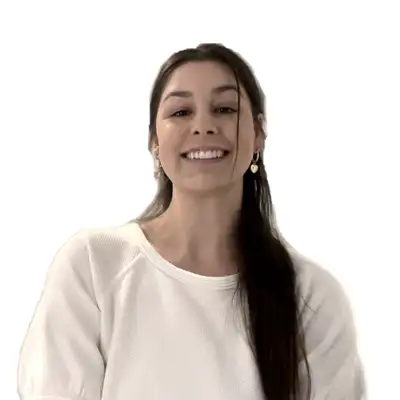
Luba Safran
I love when a founder asks me what my doubts are, and I often will evaluate people based on how they respond to that. So if I'm telling you what my, like two meda killer questions are, and I'm essentially telling you what my criteria for reinvestment is at the next round, if you poo that, then it tells me one thing rather if you're like, oh, wow, like, okay, let's discuss that. So I think founders asking investors what their doubts are and being ready to have an open end conversation about the real doubt is a very like, it's a growth opportunity for both parties that I really encourage.
00:48
Hannah Dittman
Hey, everybody. I'm Hannah Dittman, operations and finance host of the Startup CPG podcast, and today I'm joined by Luba Safran from Mondelez International's Snack Futures Ventures. Luba brings a unique lens at the intersection of corporate venture, food and beverage innovation, and tech enablement backing brands and platforms that are shaping the future of how we discover, create, and consume snacks. She's got deep consumer experience and spent nearly a decade with AB&BEV prior to Mondelez. At Snack Futures, she's focused on identifying breakout consumer brands and investing behind them, while also thinking deeply about how snack futures can truly partner with and accelerate emerging brands in Mondelez's core business focus areas. In this episode, we get into how she thinks about trends today, where Mondelez is leaning in across categories and capabilities, and how the CPG investing landscape is evolving.
01:38
Hannah Dittman
We also break down what diligence actually looks like from the inside, how to show up to that first investor meeting in a way that stands out and the biggest shifts happening in consumer behavior, brands and investing right now. If you're fundraising, wanting to better understand corporate venture capital, or just trying to better understand how investors evaluate opportunities in today's market, this one is packed with actionable insight. Enjoy. Hey, everybody. Welcome back to the Startup CPG Podcast. This is Hannah, and today I am so excited to be here with Luba Safran of Mondelez International Snack Future Ventures. Luba, welcome to the show.
02:18
Luba Safran
Thanks, Hannah. Good to be here.
02:19
Hannah Dittman
We're so excited to learn a little bit more about you and what you're doing over at Mondelez. If we could start out with a brief background of your career and the path that led you to Mondele, that would be awesome.
02:30
Luba Safran
Absolutely. I wanted to be a marketer when I was growing up and I did a bunch of years in B2B marketing, realized I wanted to be in consumer, went to business school at the University of Chicago Booth and after business school I joined AB InBev in their global innovation team which was essentially making new products and brands around the world. Made a bunch of ready to drink alcoholic beverages, visited a lot of countries and InBev created a group called the Disruptive Growth Organization which was designed to help was a trend at the time of large CPGs looking for new ways to grow. And the group was doing a combination of innovation, venture capital and a bunch of other things.
03:08
Luba Safran
And they moved me into there and I basically started doing corporate venture capital, grew through that experience, did that for seven years and then joined Mondelez and I've been with Mondelez for two years in their corporate venture capital group. I lead everything deal related for the team and I'm excited to share more about it.
03:26
Hannah Dittman
What an awesome career. And it sounds like you've had a lot of experience and reps with different brands in the food and bev space for sure. So it'll be a fun chat today. I'd love to learn a little bit more about Mondelez and Snack Future Ventures. Could you give us a firm overview so we can get an understanding of kind of the criteria, stage check size, mandate and how you guys are operating?
03:49
Luba Safran
Absolutely. So Snack Futures Ventures is the corporate venture capital group of Mondelez. And what that means is that we're basically investing in outside companies on behalf of Mondelez, the parent company. For those who know corporate venture, every CVC is a little bit different. Everyone is a special snowflake. So our snowflake has a two sided thesis. One side, which is probably less relevant for this audience, is that we invest in enabling technologies. We use that phrase. It's very broad on purpose, but it's basically any kind of technology that would go under the hood of Mondelez and make us better, faster, stronger. And that can be anything, right? Like from quality assurance technologies, marketing technologies, manufacturing process can be really anything. So that's one side of our thesis. And then on the other side is we invest in snacks.
04:37
Luba Safran
That's why we're called Snack Futures Ventures and for the snack side. So we have primarily focused on the US and Europe to date, although we are interested in other geographies and are working to expand our geographic purview. We have a preference towards companies that are, let's say solidly two digits in past 12 month revenues with some kind of a credible path to profitability. We don't usually track that to like fundraising stage because I feel like stages can get very confusing and you can have like 6, 6 A's and then doesn't mean anything anymore. And we are check size flexible. I would say our focus isn't really on the first check, it's more on the equity stake and making sure that the equity stake is meaningful to us without maybe being too aggressive for everyone.
05:22
Luba Safran
We are flexible on the rights that we take and I would say overall we try to come in a way that makes sense for the portfolio company, for ourselves, but also the other partners on the cap table and with an eye to making sure that the company remains attractive going forward.
05:36
Hannah Dittman
Super helpful context and we have discussed a little bit of corporate venture capital on the podcast before, but I would love to get your perspective on the difference between corporate venture CBC as you're calling it, traditional VC and others type of investment institutional firms.
05:55
Luba Safran
So I always say that like once you understand vc, you more or less understand who you're talking to when you talk to any vc. If you understand the premise of cvc, you don't understand any CVC individual. You need to talk to each one to understand how they work. So I think each one is very specific in terms of like does it only take money from its parent company or does it take money from other sources as well? Is it a strategic or a financial investor? And I can talk about more about that in a second. Is it trying to return a fund? Does it have a fund? Like, what does it owe to its stakeholders? What does the CEO want out of this? They're like a lot of questions and those answers are usually different in every CVC.
06:33
Luba Safran
Certainly in CPG, I think there's a lot of variability for CPG. CVC is maybe less so in tech CDCs. And yeah, I think one of the key differences between CBC and at least traditional VC is traditional vc, the goal is to make money. It's a very straightforward ambition. And for CVCs, some of them, that's also their goal and usually that's like a baseline goal. But some who describe themselves as strategic, they have some other reason that they've decided to spend their money this way instead of like marketing their biggest brands, which is what they otherwise be doing with this money. And I think it's super important to always understand if you're talking to a strategic or financial CVC and if you're talking to a strategic cvc, what does strategic mean to them?
07:12
Luba Safran
Because there is a lot of variability in that and that can matter a lot for the startup founder in terms of the dynamics of both the first conversation and ultimately like does this partnership make sense? So I think that's the differences between CVC and vc. I think also in a down cycle, CVC has an ability to participate often in ways that maybe traditional VCs will feel hesitant to, because the money in a CVC is often coming from a giant international conglomerate who their fortunes are on a different cycle than like a traditional VC cycle. So I think that's certainly an advantage in dealing with CVCs and then growth in private equity and other funders I find confusing at this stage in terms of what even counts as growth.
07:53
Luba Safran
I was talking to someone the other day who is running a growth fund and they're writing series a checks for $5 million. So I would like to listen to a podcast episode that explains that to me because I feel like I no longer understand how that's coming to bear in cpg and I think maybe it's evolving a bit today.
08:09
Hannah Dittman
I totally agree. First of all, really helpful way you laid out some questions or food for thought that founders might want to have in the back of their mind and kind of peek behind the curtain of CBC to understand who they're dialoguing with or what they're really going after. So really helpful there and agree. I think there's been a lot of kind of blurred lines when it comes to stage focus and CPG investing in general. There's been so much change post Covid and kind of going through all of that. It's an evolving industry and yeah, I've seen a lot of fun shifts as well. Either early, going a little later trying to lean in a little early.
08:47
Hannah Dittman
I feel like everyone is starting to converge a little bit more at the middle where I guess they would describe brands having like proven traction and kind of ready to make the flip. Everyone is kind of waiting to get those brands right on the cusp of popping without leaning in too early or playing a little too late where the check sizes are going to be big. Obviously there are funds out there who are like in their power lane and like very clear about being on a different end of the spectrum. But yeah, I definitely have noticed a little bit more of a messy middle as well happening too.
09:20
Luba Safran
We're definitely in the convergence space and I think for the same reasons as everyone else, right? Which is you want to have like de risked but still have meaningful upside. And I think that's actually that missing middle is really hard for founders today. Right. Because like particularly on the early stage, I think it has gotten a little bit empty in terms of people who are willing to fund CPG early. Like I know three guys who are doing that and anytime I get something really early, I send it to those three and they're like, we already saw it. So, yeah, I think that messy middle is where everyone more or less is coming to. And I wonder if it will expand back out more because I think it would be a more vibrant space if it did.
09:54
Hannah Dittman
Yeah. And thank you for your perspective from like the founder perspective as well, because it's so true. It is a tough spot for founders to be in. And I think, yeah, industries evolve and change and I think it's hard to think about investing that way because it's such a black box for a lot of founders. And also it just seems like this very like static, institutional, like professional suit kind of environment. But there's trends in every industry and obviously whatever's happening with the consumers first trickle out and out and ultimately to investors or even further out to their LPs as well. So excited to kind of dig into a little bit more thought leadership. Maybe I'll pivot into trends more broadly.
10:36
Hannah Dittman
How do trends affect your sector focus, especially coming from a CVC that has its own kind of history and heritage within certain categories. How do you all think about consumer trends or shifts or categories of interest?
10:50
Luba Safran
I think we're lucky because we are part of a large organization that has a lot of people whose full time jobs it is to figure out what is a meaningful trend versus what is a passing fad, which I think is kind of always the underlying question of trends is like, is it going to matter and how long is it going to matter for? I think it tends to matter a lot if it's on the scale of megatrend. So Mondelez for many years has been publishing a state of snacking sort of trends radar. And it describes a lot of things that honestly play out across CPG or certainly across food. Things like aging population, like all kinds of better for you very mega level things. I think they impact us a lot in that if it's not a trend, if it's real, right.
11:30
Luba Safran
If it's a real thing that's really happening in the market, it's. It drives the solutions that people want to create. It drives the companies that people start and found, which drives what comes to me inbound as an opportunity to invest in, then the main question is like, has that trend push on the supply side of companies matched a trend push on the demand side with consumers? Right. Of like, is it mainstream enough that people also know that these problems exist and solutions exist and then they're going and looking to pay for a solution to this problem. Sometimes we see companies where like the founder is very leading edge and ahead of the curve and all of these things.
12:04
Luba Safran
And so there may be four years ahead on a trend curve popping and the trend will be real and it will be meaningful, but it isn't yet today maybe at the scale that would make sense for us. And I think that's a very tough tension point. In Bev, we looked at a bunch of mushroom beverages and I remember like that's never going to be big, like ever. It's not possible. And it's like, well first of all those companies still exist and definitely not everyone thought they would, but they do. So they like have lasted eight years longer than anyone thought and they're $200 billion businesses. That was not obvious, you know, a decade ago or whatever. So I think the trends matter.
12:42
Luba Safran
It's making sure that the supply matches the demand if you're a founder and then finding investors who match where you are on that like trend growth curve. Because we might look later towards mainstream or maturity adoption of a trend. But there are certainly people who go earlier.
12:59
Hannah Dittman
In vc there's kind of a lot of talk, problem solution, trend waves, like you're talking about consumer behavior shifts, a lot of these things. Are you ever investing outside of something like that where it's not so novel, maybe sounding or thesis driven in a way? I guess I would say so.
13:21
Luba Safran
This is one of my favorite like provocations that you've just raised of like does it have to be so cutting edge? Does it have to be disruptive? Because that's the word that gets used a lot in my universe is like disruptive, disruptive. I'm a big fan of a non disruptive, not sexy, profitable growing business. And I think that like there's always been the business model of a better mousetrap, right? Like a known thing that people have already experienced and they like it, but there's X problem with it. If you come with that same thing but you've solved X problem, you will pick up possibly a decent number of consumers if you've got the product priced right. And that's not disruptive, that's just, it's a better mousetrap. I love a better mousetrap.
14:00
Luba Safran
And I think for CPG in particular, which is the bulk of it is a mainstream business that is a very reasonable path to take to getting like mainstream sales. So yes, it doesn't have to be so ahead of trends, it doesn't have to be so forward thinking. But I think there's even there. There's a convergence on what better mousetrap looks like, which is often the better mousetrap is better because it's delivering on something that is a mega trend that is like now consumers require XYZ to be different about this product that they loved before.
14:28
Hannah Dittman
Yeah, I think those are great points. I love the way you're kind of frameworking it and labeling it to make it easy to understand. And I agree. I think it's easy to kind of get distracted almost by like the sexiness of something feeling brand new. And I think as a early, earlier stage investor, like a venture capitalist, that's a part of your job, right? It's seeing around the corner. You don't always have like a bunch of data to go off of. And you're thinking the way your investing style is working is you're looking for big, big hits and maybe there are some like smaller losses and you're having a higher volume of investments. The later you go down the sage spectrum, the less appetite for a failure, quote unquote, or higher risk exists because check sizes are bigger.
15:16
Hannah Dittman
The amount of fund you're allocating to a certain deal is bigger. The deal sizes you or the deal numbers you're doing are far fewer. And so it makes sense, I guess, that on the earlier stage it's easy to get excited and get conviction in something that sounds a little bit more cutting edge because what else are you going to get a ton of belief in? Maybe if you don't have like a really strong story to tell. But I love the way you described mousetrap because I think for the founders out there that maybe don't have as disruptive or novel of a concept and they are earlier stage, explaining it in those terms still allows them to kind of have that problem solution narrative and explain it to investors in a way that hopefully also gets them really excited about what they're doing.
15:59
Luba Safran
I do genuinely think that, like when we talk about venture and cpg, that we should talk about the differences between venture and cpg and for example, venture and tech. And I think it's tech that has made us all think that things need to be disruptive, et cetera. The financial fundamentals of investing in tech are different than in cpg. You will not get the returns that you get in tech and you won't get them because in tech they're making things that have never existed before often. And it is totally disruptive. Right. But like, how often are you going to get the food equivalent of an iPhone? Very Rarely. And to be honest, it may not be needed. Right. Like food is a very basic human need.
16:38
Luba Safran
And I think it is actually genuinely harder to make the iPhone in food and beverage less so maybe in other parts of cpg, but certainly in food and beverage. Like, yeah, it's okay to just have taken something that exists and made it better if that was something that people wanted.
16:53
Hannah Dittman
Great point, Luba. And I think kind of harkening back to the earlier part of our conversation, that's a trend shift that we've seen in kind of investor mindsets and approach in the industry. I think at the infancy of early stage CPG investing, it was tech funds leaning in because there was a gap in the market for early stage deals. People were doing later stage consumer deals. They weren't really leaning in early. And tech investors kind of forayed and thought, hey, there's this whole other segment, maybe we're doing early stage investments, maybe we'll trickle over there. I think a lot of them didn't really realize that just because you're selling something online doesn't mean you can really like apply tech fundamentals. And CPG has its own business fundamentals. I think a lot of people learn that the hard way.
17:40
Hannah Dittman
I think LPs kind of felt the shock system of that and then kind of pushed funds to adjust and adapt. And then I think, yeah, there has been some early stage CPG companies that have modeled themselves off the tech a little bit and also learned the hard way. There's been a lot of learnings. This is actually a relatively nascent investing industry. I mean tech as well. So it's not like rinse and repeat all the way. I think another kind of investment trend, if we want to go down this rabbit hole that we're also seeing, is kind of this grappling with growth versus profitability.
18:12
Hannah Dittman
I think the burn of investing and pouring money into high growth VC style, quote, unquote, like big hockey stick growth dreams and then realizing how important profitability and cash is in a CPG business has kind of pendulum swing the focus the other way. And now it's like be profitable. And that's really important. But growth is still important. You know, there's a lot of different things going on in the investment landscape. Investors are learning. Founders are learning at the same time too. And I think for founders, I don't know if you have any advice you'd want to share about how they can kind of navigate thinking about some of these things, but it would be great to understand, you know, given that there's some flux and changes.
18:52
Hannah Dittman
How can founders digest a lot of what's happening and keep it in the back of their minds as they're trying to navigate a fundraising process throughout these times?
19:01
Luba Safran
So I'll address what you said first, which is, yes, for sure. This is, like, still a nascent investment space. And I think what's interesting when I look at other markets outside of the US Is that this is so mature as a. As an investment space compared to other countries where there is not necessarily really, like, any consumer focused funds, or maybe there's like three consumer focused funds, and that's like a very broad interpretation of what consumer means. So it is very nascent in the U.S. and yet we are leaders at the same time. And I think that's a very interesting dynamic to answer your other point of view, what advice to give to founders. So I think there's no, like, right answer to this. Right. But I think particularly on the profitability versus growth thing, it's such a pendulum trend.
19:43
Luba Safran
Like, it's hard for me to even, like, be serious about one side or the other. So my feeling is always like, what would you have done if you had paid for this whole business yourself? If you had bootstrapped this yourself, you would have made decisions about growth versus profitability as you went along, constrained by finances, and those things would have traded off right. As you hedged forward. And maybe one year it's more of a growth year, and one year it's more of a profitability year. But it's all, like, rational and based on whatever the circumstances were at the time. That's my approach is like, act as if you are the only owner and this was all of your money, what would you be doing with it?
20:18
Luba Safran
And as long as you're doing that, then you have an explanation of why, then that's the best you can do. Right. And maybe that was wrong, but that was the best that you can do. I find that to be a safer space in a way that, like, you have a proactive thing to say to your board instead of waiting for your board to pressure you to say, like, now we need growth, or now we need profitability, and probably it alternates here by year.
20:38
Hannah Dittman
Great points and I think a really thoughtful perspective on navigating business in general. I think, like, the founders that have a lot of ownership mentality and responsibility and cash diligence, financial discipline, those are amazing traits in founders. And that's one way that it'll come across, is making strategic decisions and not just feeling like, oh, well, this isn't my money so light it on fire. But that being said, you know, we're talking about growth and profitability and what you need to see as an investor too. How does the diligence process go in cvc? Is it very similar to the rest of investing and kind of what are the key pillars of diligence that you're looking for or the key buckets that you're analyzing and the narrative and metrics within them that you're really hoping to see to get conviction in a deal.
21:27
Luba Safran
So I think that since every corporate venture capital group is special snowflake, I think at least within cbc, probably each process is somewhat different and probably a lot of that depends on whether the fund is inside the corporate parent or outside of the corporate parent and what the like agreement or arrangement has been with the corporate parent. I say that because, to be honest, a lot of the steps between meeting someone like meeting a company and getting a deal approved are stakeholder management related steps. And I consider that a part of my diligence and that I'm diligencing internally whether there's appetite. All of those steps probably like may not exist in a fund, for example, that's outside of its parent company or has other relationships. Certainly doesn't exist in traditional venture.
22:10
Luba Safran
And I think that is partially why CVC deals can take longer to close than traditional vc just because we have more boxes with more people that we need to tickle. But a process with me is usually there's some kind of inbound. Sometimes I'd say most of it is inbound, sometimes it's outbound. People reach out through all kinds of means. We set up a meeting, there's a first meeting after that. Like it's pretty clear to me whether I want to keep going or not and if I want to keep going. So I call it preliminary diligence. And it's the beginning of making the rounds internally mostly of like, can we get an internal story about why we're interested in this setup? Checking with some people who's voices matter. If that all seems clear, then I ask for data room access.
22:48
Luba Safran
I won't ask for it before because I don't want to see things if it's not going to go forward. But if that initial check is clear, then I'll get data room access. We will work in parallel on tax, legal, accounting, which are all done with my internal counterparts. R and D will be involved if there's something technical that the company thinks is special. So R and D will validate whether that's true or not, that can be a difficult process with like IP protections and stuff. So that takes a bit of time sometimes. And then in parallel, I'm building like the financial and strategic case for why we're doing this. That all takes an indefinite amount of time is what I would say. And then there's memo writing and going to the investment committee.
23:25
Luba Safran
And usually we'll have the startup come to the investment committee and present themselves for about 10 minutes before we then ask them to leave and discuss. And then we get a yes or a no from that.
23:35
Hannah Dittman
What's the profile of a business that does really well throughout all those checkpoints and process? Obviously the list is going to be very long and be very specific depending on the category and stage and all the different things you're looking at. But if you kind of had to truncate it down to a couple key pillars, maybe the five things that they all have in common or something like that, what are you looking to see in a positive deal?
23:59
Luba Safran
So again, it really comes from, like, my context as a corporate vc. The ones that fly through the fastest and are the, maybe the easiest to do are the ones that are aligned to our current corporate objectives, which is something that is very public and like, people can read about and understand if they align to our corporate objectives. So there's no secrets on that. But if you are playing in the spaces that we play in or want to play in, and you are like what you said, if you're already in that middle of, like, you're in our spaces, you have already proven product market fit, you're not that risky, but you make a lot of money and you're profitable and you're growing. Like, that's who soars now. How many companies actually fit all of those things? Honestly, like, no one really fits everything, right?
24:40
Luba Safran
So usually something is not being ticked in that. Like, maybe they're growing and profitable, but they're not exactly in our spaces today. And so then it's a conversation of like, well, do we need them to be in our space today? Is it okay that they're where we might go in the future? Sometimes where we are today, but they're not growing as fast as we would want. So I'd say the ideal profile, I have not met it yet. I think that's part of venture investing. Like, if it ticked all your boxes, it would be so obvious. Like everyone putting in. There would be no money to put.
25:09
Hannah Dittman
In or they wouldn't be fundraising.
25:10
Luba Safran
Exactly. So, like, something has to be a question mark for it to Be a bet and venture is fundamentally fancy people's betting. Right. And you might bet wrong sometimes.
25:20
Hannah Dittman
I love that Luba and I think so grounded and I hope empowering to those listening in building businesses. We used to have a phrase investing called there's no perfect deal. And when we'd get to a moment like that where you're kind of like there's no perfect deal, there's always going to be something that is the conversation point in the investment committee that you're circling back to, that you're rediligencing, that you're looking at follow up questions on. There's that risk that you're looking to mitigate and you're going to try to find ways to mitigate it as an investor with analysis or with conviction or with confidence building or with time waiting to see how something plays out or something like that. But there is never really a situation where there is no risk to be mitigated.
26:06
Hannah Dittman
And there is 100% certainty that a deal is perfect. There is always that kind of chance that you may have gotten it wrong or that one thing that you thought might have been an issue ends up definitely becoming an issue and I think definitely taken into consideration in the post investment journey. Investing isn't a one and done as you know. Well, I'm sure you put your capital in and then you're alongside that company and you're trying to cultivate that plant and watch it grow with your help. So I think another thing you're thinking is like with our strategic support and our value add, can we overcome whatever risk we're looking to mitigate? Is the sum of the parts with us involved going to be stronger? And yeah, I think that's the fun part of investing.
26:48
Hannah Dittman
It's the problem solving and the journey that you're probably thinking about all the time.
26:53
Luba Safran
Yeah. And I think to your point that like this is a journey and you're going to go along with this company. I think so. For us, we will identify from the beginning what we think are the killer questions that are like if it's false, like we have a major problem like this company will not exist anymore. And we will continue to track our own answers to that question. And we don't necessarily expect to have it answered necessarily in the first deal. Sometimes we're doing the first investment to be able to see what the answers to the questions are or how they develop. So I think part of that onus is on us. I'd say the other part of managing those questions and that unknown aspect Though, also sits with the founders.
27:31
Luba Safran
So I love when a founder asks me what my doubts are, and I often will evaluate people based on how they respond to that. So if I tell you what my two meta killer questions are, and I'm essentially telling you what my criteria for reinvestment is at the next round, if you poo that right, then it tells me one thing. Rather if you're like, oh, wow, like, okay, let's discuss that. So I think founders asking investors what their doubts are and being ready to have an open end conversation about the real doubts, like, it's a growth opportunity for both parties that I really encourage.
28:06
Hannah Dittman
Such a great point. And I think that could be scary, right? To think this is someone I have to impress and make sure that they think the best of everything. I don't want to show the skeletons in my closet, but at the end of the day. We've talked many times on this podcast about being evaluated, your character as a person and how you approach business, how much appetite for learning and humility you have that you're going to be a team member. If you're hiring an employee, of course, like, imagine the interview goes super well. They don't disclose all this stuff, and then on the job you're learning all these things and you're like, wow, I wish I just knew that during the interview process. You know, I think it's something similar.
28:44
Hannah Dittman
Not that you want to lead from a place of negativity, but I think you want to be open to feedback and acknowledging that there is no perfect deal. It's okay that your company isn't perfect either. You're on a growth journey, which is why there's investment stages along the way.
29:00
Luba Safran
Yeah, absolutely.
29:01
Hannah Dittman
Well, I know it's out there publicly, but I'd love to just, like, pick your brain for two seconds and get a sense for where Mondelez and Stack Futures Ventures is focused on right now. Kind of excited about category wise or sector wise or initiative wise and what you're thinking for the future of CPG investments right now.
29:20
Luba Safran
So I'd say from a Mondelez perspective, first and foremost, we look at startups that are in the categories that we play in today. So we make Oreos. So we're in cookies, we are in crackers, we're in bars, we're in what we call baked snacks. So anything in those spaces we're always very interested in looking at. I think some of those spaces are more crowded than others. If you are an interesting cracker, please contact me. There's not that many interesting crackers out there and there's like 10,000 bars. So bars was very crowded. So we look for companies in those spaces and then those spaces are very aligned with today's priorities for the company. We are also looking further out to what might be strategic some number of years down the line.
30:01
Luba Safran
So we do also look more broadly at other snacking categories and I would say those are more like the iPhone of snacking spaces where it's like, I don't know because it doesn't necessarily exist or it's not necessarily a category, it's a hybrid, it's a whatever. We will look at those. And I would say what excites me is usually the things that are like, I have never tasted this before because it has not existed before. It is a net new completely like the creation of some person's mind and it tastes delicious and like it's got a founder who like kind of okay. And you can see a path to other people liking it as well. That's the stuff that I get excited about. That's a little bit of a tricky answer because I think investors shouldn't care about whether they like the product or not.
30:44
Luba Safran
But you're a human. So like I get excited about the stuff I like myself. So that's what we're looking at. I'd say a ton of what we see happens to better for you because as we talked about trends like that's beyond a trend, it's a very real systemic change. So a lot of things we see are born better for you. That's what's coming across my desk. We also see a ton of what I would call like premium indulgence of people being like, yeah, sometimes I want to be player for you. Sometimes I want to eat the most luscious, most amazing, most whatever treat, but I want to eat it in a permissible way. So like it's a hundred calorie bite or whatever.
31:19
Luba Safran
I saw a company in the uk, it's a hundred calorie mini cinnamon bun and you get two to a pack and it tastes like the Cinnabons we know and love. And you feel like you've had this whole cinnamon bun experience in two bites and then you're done and you're satisfied and you're like, why didn't anyone think of that before? And why didn't they put it in check lane? But like these two people in the.
31:38
Hannah Dittman
UK are doing it 110 of the calories. They clearly have had the thousand calorie version multiple times and they're like, what.
31:44
Luba Safran
If we shrunk it down and made it cute and put it in like a cute packaging and you're like that didn't know I needed this, but sometimes. So that's what we're looking at. That's what exciting me. I think on broader CPG also, especially because I come from beverage alcohol, but I was also doing non alk investing. I think I'm seeing the trends that were in that space coming to certainly to snacking and to food of functionality. Right? Like functional beverages was everything that was hitting beverages seven years ago and it's now in snacks with like the protein boom and fiber is the new protein maybe and creatine is the new fiber maybe. So I think how functional benefits play out is a real question.
32:20
Luba Safran
I would say there were a handful of winners in functional beverages, but not a lot because it really is a like it's a commodity game. At the end of the day, everyone sprinkles in some protein powder and then you're just gaming who can add more of it and then you're back to having to build a brand. So I think watching how that plays out in food will be interesting. And also I think some of it has gone too far across categories that don't make sense or across segments that don't make sense. So I'll be interested to see where that actually nets out of like is protein candy gonna be a thing or are we gonna like stick to protein and other formats that might be more traditional and more easily understood?
32:56
Hannah Dittman
So interesting to hear all of your thoughts and definitely echoing a lot of the things that you're saying too. I think it's super fast moving and exciting time to be in CPG for those cracker brands out there. We got your girl. Reach out. Well Luba, I could ask you so many questions today and we could chat forever. I feel like you have such great takes and such a savvy investor and a thoughtful one, but I would love to give the floor to our Slack channel and pivot into a case study question. As you know, startup CPG has the largest Slack community in the industry with now over 35,000 members. I'd love to pull a question directly from our channel and have you answer it as a case study for any founder that may have a similar question.
33:41
Hannah Dittman
Today's question is what specific information does a brand need to share with investors in the first couple of meetings?
33:47
Luba Safran
It's a good question and I appreciate that someone is thinking about it before the meeting. So for me at least I think there's the first meeting, and then there's everything else. First meeting, Google like a template pitch deck. It will give you 10 slides. Fill out those 10 slides. That's enough relevant information to guide the conversation. The investor can then ask questions about what's missing. The investor will never get through all of their questions in the first intro meeting anyway, and I don't think anyone has that expectation. So, first meeting, Google it, and bring what the Internet tells you to bring, and that will be sufficient. And then there's every other meeting, and I think every other meeting that is very personal. It's based on the questions that the investor walked away from in the first meeting.
34:26
Luba Safran
Like, I'm all about being direct and honest with people, so I think it's great to ask them, what would you like to see in the next meeting? What would you like to discuss? What would you want to spend more time on? It shows that you're proactive. It shows that you're open and curious, and it's not putting all of the onus on the investor to then drive the conversation. I think it also allows you to be more prepared. So sometimes we didn't get through everything in the first meeting, but I was so interested, and I was like, yeah, oh, my God, like, we need to schedule another conversation.
34:50
Luba Safran
And then in the second conversation, I go off on my questions that I developed in the meantime, and the founder isn't prepared because it's not in their pitch deck, which is fine, but because we didn't talk in between, they don't know that's what I want to ask them about. And then they're, like, trying to find decks on their computer and they can't find the deck. And then they're trying to show me slides, but they don't want to show me all the slides. So I think just making a conversation with your potential investor about what they want to see in subsequent conversations is the way to do it. And I would say rare that people don't have the answers to the questions that I have if it's answerable question, right?
35:24
Luba Safran
And, like, sometimes there's existential questions like, how do you know that this is going to be big? Or it's going to last. And, like, those are questions no one can really answer. And I probably wouldn't ask because that's an unanswerable question.
35:33
Hannah Dittman
That's such a great piece of advice. I feel like the ambiguity of a lot of the, like, social dynamics of this catch a lot of founders off guard and put a lot of pressure on them. It's normally an unfamiliar process for them, at least on their first go of it. Whereas like communicating with a customer is a really clear thing or communicating with retail buyer, you know how that should go. It feels a little bit nebulous sometimes dealing with an investment meeting. So I think getting clarity around the agenda for the meeting and how it should flow in advance, if anything, just shows that you care a lot and that you're prepared and organized.
36:08
Hannah Dittman
And I think that is such a great piece of simple advice that it's so easy to get caught up in things that you don't even think to do something like that. Thank you so much for answering that for us. Well, I'm sad that we're running up to the end of our time for founders that would like to continue the conversation with you or think that they might be a great fit for you and your portfolio. What's the best way for founders to reach you? And second part of my question, do you have any advice for others interested in joining investing or CBC more broadly?
36:41
Luba Safran
So the first answer is very simple. LinkedIn I'm Luba Safran, I'm on LinkedIn. My picture looks more or less like this and I do read all my LinkedIn messages. Please write in your message why your company is relevant to mine. That increases the chances that I'll actually respond exponentially. Sometimes people don't explain that and then it's harder. So tell me why I should be interested and if I am I will definitely respond. But I have talked to, I would say multiple people a week from LinkedIn. So LinkedIn is the way to go. I actually encourage people to do. I do cold reach out on LinkedIn to people all the time. I think LinkedIn is a old school but great resource. Like people are looking at it all the time. So I've reached C suite executives through LinkedIn. Like you'd be surprised who answers.
37:23
Luba Safran
And I think in terms of advice for people who want to get into investing or cvc, this is totally filtered through my own experience. I didn't know that I was going to do this as a job. If you had told me that 14 years ago, I would be very surprised that this is my job. So that for me actually led to like a lot of self questioning of what am I doing here. And I would say to people who are considering a similar role, ask yourself why you want it. I think the answer is often compensation, which is fine. I will say corporate venture capital compensation is different often than traditional VC compensation. But is there answer that's different than money, right?
37:57
Luba Safran
So for CPG in particular, I do this because I am fascinated by how people make decisions and that excites me and that is across food, it's across beverage. One day I hope to do other categories in CPG as well. That's why I'm in consumer. And I happen to think that, like I have a feeling in a way for that consumer angle of it. Other people are getting into it because they love finance and crunching numbers. Other people, as I said, get in it for the money. If you want money, you should probably go to tech investing. I also say, so think about why you're doing it and then let that lead your search in a way because you'll land in different places depending on what you want to maximize for yourself of this process.
38:34
Hannah Dittman
I love consumer psychology as well and sage advice once again from Muluba. Thank you so much for all of the thoughtful answers, the thought leadership. You have such a great lens from both the micro and the macro on your industry and it was such a huge pleasure to chat with you today and have you here. So thank you so much for your time and for chatting with us.
38:56
Luba Safran
Thank you Hannah. This is one of my favorite things to do is to talk about, so thank you for giving me a chance to do it. I appreciate it.
39:03
Hannah Dittman
Well friends, we've now arrived together at the end of another episode of the Startup CPG Podcast, the top globally ranked podcast in cpg. And if you love this podcast, you'll love our Slack community even more. Here at Startup cpg, we're a community of brands and experts and you should join. Sign up @startupcpg.com you'll then get an invite to our online Slack Community of over 35,000 All Star CPG members, hear about amazing events near you and all our special opportunities to get you in front of buyers, investors, brands and more. It's a free community, so what are you waiting for? I'll catch you on the next episode and I'll see you on the Slack.