Subscribe
Share
Share
Embed
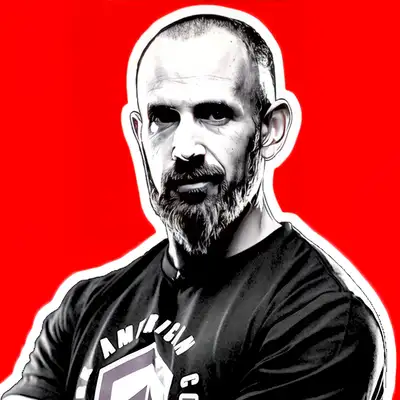
Hard Hat Chat is your backstage pass to the gritty and sometimes mind-blowing world of construction. Hosted by Justin Smith, CEO at Contractor Plus, and Gerritt Bake, CEO at American Contractor Network, this show is all about keeping it real—no corporate fluff, no sugarcoating. Tune in each week for straight talk on growing a contracting business, avoiding industry pitfalls, and sharing the occasional “holy sh*t, did that really happen?” job site story. Whether you’re a seasoned pro or just getting your boots dirty, you’ll pick up hard-earned insights and a few good laughs along the way. Join us, throw on your hard hat, and let’s build something awesome.
So I got something super cool for you today on Hard Hat Chat! Welcome back, everyone... I'm Justin Smith, CEO at Contractor Plus, and as always, I'm joined by my good friend Gerritt Bake, the CEO at American Contractor Network.
Hey there! Um, yeah, thanks for having me back, Justin. Always, always a pleasure to be here with you and... you know, talking about the things that really matter to contractors.
Today we're diving into something that's honestly a game-changer for so many contractors out there - mastering client communication. It's, like, one of those skills that can literally make or break your business, right?
Oh, absolutely. I mean, I see it all the time with the contractors in our network. The ones who really, um... really nail their client communication are just... they're just crushing it. They're growing faster, they have happier customers, they get more referrals. It's, uh, it's kind of the secret sauce, you know what I mean?
Totally. And what's crazy is that so many contractors are amazing at their craft, right? They do incredible work, but then they struggle with the communication piece, and it ends up holding them back.
Yeah, and, and the thing is... communication isn't just about being friendly or, or, um, responding to messages. It's this whole system that needs to be in place from the very first interaction all the way through the project and beyond.
Exactly! That's why I'm so excited about today's episode. We're going to break down exactly what those 8-figure contractors are doing differently with their client communications. The stuff that's really working in the real world.
Let's talk about why client communication is so... fundamental to success in the construction business. I mean, we've all heard the horror stories, right? Clients feeling left in the dark, contractors not returning calls, projects going sideways because nobody's on the same page.
Yeah, and you know what's crazy? Poor communication is literally the top complaint in the construction industry. Like, it's not even close. I was reading this article on, um... ForConstructionPros recently that said, uh... something like 95% of business owners believe they're exceeding customer expectations with their service, but... but the reality is so, so different.
Oh man, that disconnect is real! And what's interesting is that... fixing your communication doesn't require some massive investment like buying new equipment or, or hiring a bunch of people. It's often just about putting the right systems and habits in place.
Exactly! And, and here's something that really jumped out at me... the article mentioned that becoming a customer service leader is actually one of the least expensive ways to improve your company's performance. Like, it's literally just about picking up the phone, you know what I mean?
Right! And I've seen this firsthand with the contractors we work with. The ones who make communication a priority... they just grow faster. Their clients are happier, they get more referrals, they have fewer misunderstandings and disputes. It's like this incredible competitive advantage that so many contractors are just... leaving on the table.
And, one thing I've noticed is that... smaller contractors sometimes think, "oh, I have an infinite number of potential customers out there, so if someone doesn't like how I run my business, too bad." But that's such a serious error if you're trying to grow.
yes! That mindset is a killer. Because what happens is... those unhappy customers tell everyone they know about their bad experience. And suddenly your reputation takes a hit, and you're working twice as hard to find new clients.
Absolutely. The research shows that, uh... up to 91% of unhappy customers who made a big purchase will never come back. And even worse, they'll tell their friends! So mastering this communication piece isn't just nice to have, it's... it's essential for survival in this business.
So... let's talk about how 8-figure contractors are really mastering client communications. In my experience, it all starts with having a solid CRM at the center of your operation.
Oh, 100%! And, and when we say CRM, we're not just talking about some contact database. The best contractors I know are using comprehensive systems that track every single touchpoint with clients, from that very first phone call all the way through to... you know, collecting that final payment and asking for referrals.
Right, because without that central system, what happens? Information gets scattered... some stuff's in text messages, some is in emails, some is scribbled on notepads. And then when a client calls with a question, nobody knows what's going on and you look completely unprofessional.
Exactly! And, um... this is where I do want to mention Contractor Plus, which is, you know... really more than just a CRM. It's like, it's really an operating system for contractors. It's their business phone system, it's their... their central source of truth for the entire operation.
Yeah, and what I love about systems like that is how they keep everyone on the same page. Because let's be honest, in construction, you've got multiple people touching a project—estimators, project managers, office staff, field crews—and they all need to know what's been promised to the client, what's been communicated already.
For sure! And, and the real magic happens when your phone system and your CRM are integrated. Because then... then every call, every voicemail, every text is automatically logged. So when Mrs. Johnson calls saying, "Hey, somebody promised me this thing would be done by Friday," you can actually see exactly who talked to her and... and what was actually promised, you know?
That is such a game-changer. I remember talking to this contractor in... in Texas, I think, who told me that before they implemented a proper CRM, they would literally lose track of leads. Like, someone would call asking for a quote, and then the note would get lost, and thousands of dollars in potential business just... poof! Gone!
Oh man, I've seen that so many times! And it's not just about the initial sale either. A good system helps you maintain those relationships long-term. Like, setting automatic reminders to follow up with clients, scheduling maintenance check-ins, all that stuff that keeps customers coming back year after year.
Absolutely. And when you think about the lifetime value of a good client in construction—they might hire you for multiple projects, refer their friends, leave positive reviews—having a system that makes sure they don't fall through the cracks is just... it's worth its weight in gold.
And, and one thing I've noticed with the most successful contractors is that they use their CRM to really... really personalize those communications. They'll make notes about clients' preferences, their pain points, maybe even personal details like kids' names or, or hobbies. And then they use that information to build these really meaningful connections.
You're so right. Construction is still very much a relationship business, no matter how much technology we throw at it. People want to work with contractors who make them feel heard and understood.
So I really want to talk about something crucial here. I think... making customer service a top-down priority is absolutely essential. It can't just be this thing you tell your front-line people to care about, right?
Oh my god, 100%! I've seen so many companies where the owner talks about customer service but then... you know... they themselves never return calls or they cut corners when nobody's looking. And, um... the employees see that, right? They're not stupid. They follow what you do. NOT what you say!
Exactly! It's like, if the leadership team doesn't genuinely value customer satisfaction, there's no way the rest of the company will. I was talking to this contractor in... in Colorado last month who's doing like $15 million a year, and he told me something really interesting.
What's that?
He said, "Justin, we don't hire for technical skills first anymore. We hire for customer service attitude first, because we can teach someone to swing a hammer, but we can't teach them to genuinely care about our clients."
Wow. This reminds me of a roofing contractor I work with in Florida. They did $22 million last year. The owner literally sits in on their weekly team meetings and the first agenda item is always customer feedback. They go through every single complaint or compliment they received that week and talk about what they should be learning from it.
I love that! It sends such a clear message that customer satisfaction isn't just some... some fluffy concept, it's a core business metric that deserves attention at the highest level.
What's really interesting is how these top contractors build customer service into their actual workflows, you know? Like, they have points in their project management system where someone is required to check in with the customer, not just about the technical stuff but actually asking, "How are you feeling about how things are going?"
Right! And, and this is where having a system like Contractor Plus is so valuable because it can actually... like... prompt those check-ins automatically. It reminds your team to make those calls at the right time.
And, I think there's also this culture piece that's harder to define but so important. Like, do your employees feel empowered to go above and beyond for customers? Or are they afraid they'll get in trouble if they spend an extra 15 minutes helping someone?
That's such a good point. We have a user who runs a pretty nice painting business in Chicago. He was telling me how they celebrate team members who provide exceptional service. They have this monthly award with a small bonus for whoever goes the extra mile.
And that's really what separates the companies that just talk about customer service from the ones that live and breathe it. It's baked into their hiring, their training, their daily operations... it's not a department, it's their entire philosophy of doing business.
You know what I think is the absolute make-or-break factor for client relationships in construction? Setting crystal clear expectations right from the start. I mean... from day one, you've gotta lay out exactly what the client can expect.
Oh my god, yes! And, and this is something I see the really successful contractors doing differently. They're, like, almost obsessive about making sure the client understands exactly what's going to happen, when it's going to happen, and what might go wrong along the way.
Right! And here's the thing—construction is complicated, right? There are so many moving parts and potential hiccups. So being transparent about that actually builds trust rather than undermining it.
Absolutely! I was talking to this contractor in Seattle last week. He's just absolutely crushing it right now. He said something that really stuck with me. He said, "I'd rather have an uncomfortable conversation upfront about possible delays than an angry conversation later, where my client ends up feeling blindsided."
That's so smart. And you know what? I think a lot of contractors are actually afraid to bring up potential problems because they think it'll scare the client away. But in reality, it's the opposite. The client appreciates that honesty and... and that foresight.
100%! And, and there's this other piece that's super important too. Once you set those expectations, you have to keep the communication flowing throughout the entire project. Like, regular updates should be part of your standard operating procedure.
Agreed! Even when there's nothing major to report, dude... you still gotta check in! Just send a simple text message update at the end of every day with just a quick summary of what got done and what's planned for tomorrow. Takes like 30 seconds but the clients absolutely love it.
That's... that's brilliant! And with something like Contractor Plus, you can actually automate a lot of those communications so they happen consistently, you know? Like, you can set reminders to check in at key milestones or... or even schedule regular updates.
Exactly. And here's the philosophy I think every contractor needs to adopt—under-promise and over-deliver. Always! Like, if you think something will take 10 days, tell the client it'll take 12, and then when you finish in 11, they're thrilled.
I see this all the time with the most successful contractors. They build in these buffers, not because they're planning to be late, but because they understand that... that stuff happens in construction. And when you finish earlier than expected, you're a hero!
And this isn't about being deceptive at all. It's about being realistic and giving yourself room to exceed expectations. The best contractors I know are always asking themselves, "What's a timeline I'm 100% confident I can meet?" Not what's the most optimistic scenario.
Right! And, and you know what else? When something does go wrong—which it will, because it's construction—having already built that foundation of clear, consistent communication makes those tough conversations so much easier.
That's exactly right man. The clients who've been kept in the loop all along are much more understanding when there's a hiccup. It's the clients who feel like they've been in the dark who get really upset.
Absolutely. And that's why setting expectations isn't just about the beginning of the project, it's an ongoing process. As things change, you update expectations accordingly, always keeping the client informed and involved.
It's really about no surprises, right? The worst thing for a client is to be surprised—whether it's about timeline, budget, or quality. Keep them informed, and you'll keep them happy.
So I got something super cool for you today. Let's dive into something that, honestly, separates the pros from everyone else in this industry... being incredibly responsive to your clients. Like, this is non-negotiable if you want to grow your business.
Oh yeah, absolutely. And, and you know what? When we talk to these really successful contractors, the 8-figure guys, they all have this one thing in common... they answer every single call. Like, every... every call. They don't let anything go to voicemail if they can help it.
It's crazy how much of a difference that makes, right? I mean, the number one complaint we hear from homeowners about contractors is literally just... "They won't call me back." Like, that's the bar, and it's set so low that just being responsive puts you ahead of 90% of your competition.
Exactly! And, um, the best contractors, they don't leave this to chance. They actually have, like, systems in place, you know? They've got standard operating procedures for lead qualification, for intake, for scheduling and rescheduling... all that stuff.
That's such a good point. It can't just be when you feel like it or when you remember. You need repeatable, scalable processes that make sure every client gets the same great experience. Period.
Right! And this is where, you know, having something like Contractor Plus as your CRM really... really makes a difference. Because all those calls and follow-ups can be automated and tracked, so nothing falls through the cracks.
I was talking to this roofer in Texas last month who totally transformed his business by just implementing what he called a "zero-tolerance policy" for missed calls. He has a team of three people who rotate being on call just to make sure someone always picks up the phone.
That's... that's brilliant! And, and it sounds so simple, but most companies don't do it. They let calls go to voicemail, they forget to call people back, and then they wonder why they're not growing as fast as they could be.
Exactly. And it's not just about answering the phone, it's about being proactive too. Like, reaching out before the client even thinks to call you with a question or concern.
Dude exactly. The best contractors I know, they're always one step ahead. They'll call a client and say, "Hey, just wanted to let you know we're running about 30 minutes behind schedule today," before the client even realizes there might be a delay.
That proactive communication completely changes how clients perceive you. Because instead of them chasing you down for information, you're coming to them first. It shows that you're on top of things and that you respect their time.
100%! And you can also set up these... um... these automated follow-ups too. Like, three days after the initial consultation, send a text checking if they have any questions. A week after project completion, send an email asking how everything's going.
And those touchpoints make such a huge difference. People want to feel remembered and valued. They don't want to feel like just another job on your list.
Exactly. And when we talk about being responsive, it's not just about speed, although that matters too. It's about making the client feel heard and understood when they do reach out with questions or concerns.
You know what's fascinating to me? The contractors who truly excel at client communication... they're not just good talkers, they're exceptional listeners. Like, there's this huge difference between hearing what a client says and actually... actually understanding what they need.
Bro. Active listening is like... it's a superpower in this industry. And it's not just nodding your head while someone talks, right? It's about really trying to get what they're saying beneath the surface.
Exactly. So many contractors make the mistake of coming in with cookie-cutter solutions before they've even fully understood the client's specific situation. They're so eager to show their expertise that they don't take the time to really learn what the client values most.
Right! And, and sometimes what the client says they want isn't... isn't exactly what they need, you know? Like, they might say they want a bigger kitchen, but what they're really after is a better flow for entertaining or more functional storage.
That's such a good point. My buddy said something that stuck with me. He said, "I don't sell kitchens and bathrooms. I sell how people want to feel in their homes."
Wow... that's... that's deep. And it shows how important it is to dig beneath the surface requests and understand the real priorities.
Absolutely. And you know what else the best contractors do? They adapt their communication style to match each client. Some clients want all the technical details, others just want the bottom line. Some want daily updates, others are happy with weekly check-ins.
Yes! And this is where good notes in your CRM like Contractor Plus can be a game-changer, right? Because you're logging all these preferences and insights about your clients that help you tailor your approach.
100%. I remember talking to this landscaper who keeps detailed notes on whether his clients prefer phone calls, texts, or emails. He even notes down if they're morning people or evening people, so he knows the best time to reach out.
That's brilliant. And, um... and it sounds so simple, but most contractors aren't doing this level of... of personalization. They're treating every client the same way.
Exactly. And here's something else I've noticed - the best contractors ask a lot of open-ended questions. Instead of "Do you like this design?" they ask "What are your thoughts on this design?" It completely changes the quality of information you get back.
Oh, for sure! And when clients feel truly heard and understood, they're so much more likely to trust your expertise when you do make recommendations. It's like... it's like you've earned the right to guide them.
So let's talk about another crucial aspect of client communication - tailoring your methods to what each client actually prefers. Because, like... not everyone wants to communicate the same way, right?
This is so important! You know, my dad who's like, in his seventies, he still wants everything via phone call. But then, um, I've got clients in their thirties who would literally... they'd rather die than have a phone conversation, right? They want everything through text or... or some app.
That's so true. And I think the construction industry sometimes falls into this trap of thinking there's just one "professional way" to communicate. But the reality is, the most professional approach is the one that makes your specific client comfortable.
Exactly! And, and this is where having a system like Contractor Plus can be such a game-changer because it gives you this... this central hub where all your different communications are organized no matter what channel they come through.
Yeah, instead of having some conversations lost in text messages, others buried in email chains, and then trying to remember what you discussed on the phone... it's all in one place.
Right! It's a really good idea to sort your clients into different communication groups. Like, segment your "text message people," your "email people," and your "phone call people." And make sure every person on your team knows which group each client belongs to.
Segmentation is super important.. The timing of communication matters just as much as the method. Some clients want updates at specific times, like... end of day summaries or Monday morning plans for the week.
Oh for sure! And you can even set up automated text messages through Contractor Plus that go out at specific times with project updates. Clients absolutely love that predictability, you know? Especially when they can just... just look at their phone and instantly know what happened that day on their project.
And it creates this perception of incredible organization and professionalism. Even if you're actually sending the same basic update to multiple clients, it feels personalized to them because it's coming through their preferred channel at their preferred time.
100%. And let's be honest... in this industry, just the fact that you're communicating regularly puts you ahead of like 90% of your competition.
So true. The bar is pretty low, unfortunately. But that just means there's a huge opportunity for contractors who get this right.
So, um, one thing that I think really separates the truly successful contractors is how they... they show genuine appreciation to their clients. It's not just about doing the work, it's about making clients feel valued throughout the entire process.
Oh yeah, absolutely! And, and this is something that's often... it's overlooked, you know? Like, we get so caught up in the day-to-day of running projects that we forget these simple acts of... of gratitude that can make such a huge difference in how clients perceive us.
Right! And it doesn't have to be anything super elaborate or expensive. Sometimes it's just... just those little touches, like sending a personalized thank-you note after the project wraps up.
Exactly! I was talking to a kitchen remodeler at my last quarterly who actually takes a photo of the finished project, gets it printed and framed, and sends it to the client with a handwritten note. And he says that single gesture has generated more referrals than... than any advertising he's ever done.
That's brilliant! And you know what? When you think about it, construction is such a personal service. I mean, we're in people's homes, we're transforming their personal spaces. So building that relationship goes way beyond just the transaction, right?
Totally! And, and another thing that really works is... is creating some kind of referral program that actually rewards clients for sending new business your way. Like, offering a discount on future services or even sending gift cards when they refer someone who becomes a customer.
Yeah, I've seen contractors who set up these automated reminders to reach out to past clients every few months, just to check in. Not selling anything, just genuinely asking how everything's holding up and if they need anything.
That's so smart because it keeps you top of mind, you know? And then when their friend mentions needing work done, guess who they're gonna recommend? The contractor who still cares about them even after the job is done!
Exactly! And this approach creates this... this ripple effect where happy clients become these passionate advocates for your business. They're not just giving you a name when asked – they're actively telling people, "You HAVE to use this contractor."
Oh, 100%. And, and the best part is that these referred clients already come in with this... this built-in trust. The sales cycle is shorter, they're less price-sensitive, and they're more likely to become advocates themselves. It's like... it's like this beautiful cycle that keeps feeding itself.
And at the end of the day, showing appreciation is just... it's good business. When clients feel appreciated, they're more understanding if small issues come up, more patient if there are delays, and just generally more pleasant to work with throughout the project.
And don't forget about reviews! Making it super easy for satisfied clients to leave you positive reviews online is another way of... of maintaining that relationship and helping your business at the same time.
Absolutely. So much of this industry is built on reputation, and those five-star reviews really do drive business growth.
OK, so now let's talk about something that... that really separates the amateurs from the pros in this industry. And that's having these standardized, repeatable processes for sales and client management. I mean, without systems in place, you're basically reinventing the wheel with every single client, right?
Dude. it's exhausting, right? Like, when I talk to contractors who are really struggling with growth, it's almost always because they don't have, you know, these documented processes for handling leads, qualifying prospects, managing projects, all that stuff. They're just... they're just winging it every time.
Exactly! And I've noticed the most successful contractors, especially those crossing into that 8-figure revenue territory, they've got these incredibly well-defined SOPs for everything. From that very first phone call all the way through to the final walkthrough and... and even the follow-up after the project's complete.
Yeah, and, and one thing that's been a real game-changer for a lot of contractors is using these visual management systems like... like kanban boards to track their deal flow. Have you seen contractors implementing those?
Of course I have. We actually added a kanban in Contractor Plus. It lets you track your entire deal flow pipeline. It's fascinating how much clarity it brings to their sales process! For those who aren't familiar, a kanban board is basically this visual way to track where each potential job is in your pipeline. So you might have columns for, like, "New Lead," "Scheduled Estimate," "Proposal Sent," "Contract Signed," and so on.
Right, and what's really powerful about this approach is that it helps you see... it helps you understand the value at each stage of your customer lifecycle. Like, you can literally look at your board and say, "OK, I've got $250,000 worth of work in the proposal stage right now."
And that visibility is crucial for making good business decisions! Plus, with a system like Contractor Plus, you can actually... you can digitize this whole process so your entire team always knows exactly where things stand with every single prospect and client.
Absolutely! And, um... and another thing we're seeing with top-performing contractors is that they're documenting their entire sales process. Like, they know exactly what questions to ask during that first call, what to cover during the site visit, how to present the proposal—it's all mapped out.
Right, and that consistency is key. Because when you have a repeatable process, you can actually measure what's working and what's not, and then make targeted improvements. It's hard to improve something if you're doing it differently every time.
That's... that's so true. And one contractor I work with actually times how long it takes them to respond to a new lead. They know that if they get back to someone within 5 minutes, their close rate is nearly twice as high as if they wait an hour. That's the kind of data you can only get with a systematic approach.
And these systems don't just help with sales—they're crucial for the entire client experience. Like having a standardized process for weekly updates, for handling change orders, for addressing concerns... all of that creates this seamless, professional experience that clients really appreciate.
Right! And, and when you have these systems in place, it actually frees you up to focus on the relationship aspects we were just talking about, because you're not constantly putting out fires or trying to figure out what to do next.
So, let me... let me shift gears a bit and talk about something that I think is just absolutely critical in our industry. First impressions. I mean, they're everything, right? Like, when a potential client first encounters your company, that impression is gonna stick with them throughout the entire project and beyond.
There's that saying, you never get a second chance to make a first impression. And in construction, this is so, so important because, you know, people are literally trusting you with their homes or businesses. That's a big deal!
Exactly! And I've been noticing that the most successful contractors, they really really get this. They're investing heavily in their brand image. And I don't just mean like, having a nice logo, although that's, that's part of it. I'm talking about the whole package.
Right, like, it's everything from your logo to your truck wraps, your uniforms, your, your business cards, your website... all of it needs to communicate professionalism and quality. Because when a client sees your crew pull up in matching, clean, well-branded vehicles, wearing professional uniforms... they instantly feel more comfortable, right?
Totally. And, and this is something I've actually... I've seen firsthand with Contractor Plus users. The contractors who invest in this professional image, they're closing deals at a much higher rate than the guys who show up in, you know, a beat-up truck with a magnetic sign slapped on the side.
Yeah, and it's not just about looking nice. It's about, like... demonstrating that you take your business seriously. If you care enough to make your trucks look good, to have your team dressed professionally, to have clean job sites... clients assume you'll care enough to do their project right too.
That's exactly it. And... and another thing I've noticed is that the dress code and personal appearance of your team makes a huge difference. Having clear standards for how your team presents themselves—clean clothes, maybe company shirts, basic grooming expectations—it all factors into that first impression.
I work with a lady who runs a open kitchen remodeling business. She was struggling to close high-end projects, and we realized her sales process was just... it was all over the place. So we helped her develop this really structured sales pitch and, and presentation approach, and her close rate on premium jobs went up like 40% almost overnight!
That's amazing but not surprising at all. Because a well-orchestrated sales pitch shows that you're organized, that you're prepared, that you've done this before successfully. It builds tremendous confidence with the client from day one.
And you know what else makes a difference? Having professional-looking proposals and contracts. Like, if you hand someone a sloppy estimate scribbled on the back of an invoice, compared to a nicely formatted, detailed proposal with your branding, photos, clear scope of work... it's night and day how clients respond.
Oh for sure! And that's... that's another area where having a system like Contractor Plus can really elevate your game, because you can create these beautiful, consistent, professional-looking documents that just... they just scream competence and reliability.
And all of these elements together, they create this cohesive client experience that builds trust from the very first interaction. And in this business, trust is... is everything, right?
So, you know what I'd love to dig into next? Like, once you've got that strong first impression nailed down, how do you... how do you actually craft the whole customer experience? Because that's where the magic really happens, right?
Oh yeah, absolutely! I think, um... this is actually what separates the truly exceptional contractors from everyone else. It's not just about doing good work—that's expected. It's about... it's about designing this intentional journey for your customers that makes them feel valued and, and informed at every single step.
I've noticed that top-performing contractors, they literally map out the entire customer journey. They sit down and think, "Okay, what happens from the moment someone calls us all the way through the final walkthrough and beyond?" They're planning each touchpoint.
Right! And, and they're asking themselves, like, "How do we want the customer to feel at this stage? What information do they need? What might they be worried about?" It's almost like... like choreographing a dance, you know? You're thinking through all the moves ahead of time.
That's a great way to put it. And I think... I think a lot of contractors miss this. They focus on the actual construction work—which is important, don't get me wrong—but they don't think about all those little interactions that shape how the client experiences the project.
Exactly! So like, um... take the initial phone call, right? The best contractors have a system for this. The person answering knows exactly how to greet callers, what questions to ask, how to make them feel heard. Then there's the initial consultation, the proposal delivery, the pre-construction meeting... each one is an opportunity to wow the client.
And, and one thing I've seen work really well is creating what I call "moments of delight" throughout the project. These are just... just little unexpected touches that show you care. Maybe it's sending a gift basket when you start the job, or doing a mid-project check-in with the owners, or leaving the workspace spotless at the end of each day.
Oh, I love that! I worked with this one contractor who would take before, during, and after photos of every project and then create this beautiful digital album for the homeowners afterward. It cost them almost nothing to do, but clients absolutely flipped for it! And they'd share those photos with everyone they knew.
See, and that's something Contractor Plus can automate for your business as well. In your client portal there's a photo gallery and photos can be sorted and filtered based on project phase. Super convenient.
Yeah, and... and I think another huge part of crafting this ideal experience is managing transitions. Like, when you're moving from design to construction, or when you're bringing in different trades, how do you make that seamless for the client? The great contractors introduce new team members personally, they explain what's about to happen next, they make sure there's never this awkward handoff.
Totally. And it all comes back to what we discussed earlier—setting and managing expectations. When you've thought through the entire journey, you can prepare clients for each phase. You can tell them, "Here's what's going to happen next, here's what it might look like, here's what you might hear or experience."
And then when you wrap up the project, having a formal completion process is so important. Like, doing a final walkthrough where you explain everything that was done, addressing any last concerns, and really... really celebrating the successful completion with them. That final impression is almost as important as the first one.
Absolutely. And the contractors who do this well, they don't just deliver a completed project—they deliver this amazing experience that clients can't stop talking about. And that's... that's when you create this marketing engine that just keeps on giving, because happy clients tell everyone about their experience.
You know, we've been talking about all these great ways to create an amazing client experience, but... but let's be real for a second. No matter how good you are, problems are gonna happen on construction projects. So, Gerritt, what have you seen the best contractors do when things inevitably go sideways?
Oh man, that's... that's such a good point. Like, construction is complicated, right? There are so many moving parts, and, um... things don't always go according to plan. But, you know what I've noticed? The truly successful contractors don't actually try to be perfect. They just get really, really good at handling problems when they come up.
Exactly! And it's all about the response. "Look, we're gonna make mistakes sometimes. That's... that's just reality. But our clients judge us more on how we handle those mistakes than on the fact that we made them in the first place."
That's so true! And I think speed is absolutely critical here. Like, when a client calls with an issue, they don't want to be put on hold or... or wait days for a callback. They want to know immediately that you're taking their concern seriously.
Yeah, and this is where having that strong communication system we talked about earlier really pays off. If you're using something like Contractor Plus, you can make sure those client concerns get flagged immediately and routed to the right person who can actually do something about it.
Right! And then there's the... the whole approach to the conversation. The best contractors, they don't get defensive. They don't make excuses. They just... they just listen. They show empathy. They say things like, "I understand why you're concerned about this. I would be too."
That's such an important point. And, and you know what I've seen work really well? When contractors take full ownership of the problem, even if it wasn't entirely their fault. Like, instead of saying "Well, the supplier sent us the wrong materials," they say "We're going to fix this right away, and here's our plan."
Absolutely! And, and then they follow through with clear action steps. Like, "Here's what we're going to do to solve this, here's when it will be done, and here's how we'll make sure it doesn't happen again." That kind of response actually builds trust rather than eroding it.
I've seen that too! And it's actually kinda counterintuitive, but sometimes a well-handled problem can create an even stronger relationship than if everything had gone perfectly. Because now the client has seen how you respond when things get tough.
Oh yeah, I've definitely seen that happen. There was this one contractor I worked with who had a... a major issue with a kitchen installation. Like, it was bad. But they immediately sent their best people out, they worked through the weekend to fix it, and they threw in some upgrades at no charge. And that homeowner ended up becoming their biggest advocate!
That's... that's amazing. And I think what we're really talking about here is the difference between a transaction and a relationship. If you're just trying to get through the job, then problems are annoying obstacles. But if you're building a long-term relationship, then problems are opportunities to demonstrate your values.
I couldn't have said it better myself. And you know what else I've noticed? The contractors who handle problems well, they actually... they actually build systems around it. They have specific protocols for different types of issues so that nothing falls through the cracks.
Yes! I was just going to say that. They don't reinvent the wheel every time something goes wrong. They have templates for response emails, they have dedicated team members who are especially good with client concerns, and they track everything so they can learn and improve.
Exactly. And when you combine quick response, genuine empathy, and systematic follow-through... that's when you turn what could have been a relationship-killer into a relationship-builder.
So we've talked about handling problems well, but... but let's not forget what happens after the project is successfully completed. Gerritt, I think this is where a lot of contractors really miss out on huge opportunities, right?
Oh my gosh, Justin, this is... this is actually one of my favorite topics because, um... so many contractors just finish the job, collect the final payment, and then, you know, they're just... they're just gone. And it's like, what a massive, massive missed opportunity!
: Right? It's like they put all this effort into winning the client and doing great work, and then they just... they just walk away from the relationship they've built. Like throwing money out the window!
Exactly! And, and the thing is, it's actually easier to get repeat business from existing clients than it is to... to find new ones. Like, you've already done the hard part of establishing trust. So why not maintain that connection?
You know what I've seen work really well? Setting up automated follow-up systems. So like, one week after project completion, the client automatically gets an email checking that everything's still looking good. Then maybe at the one-month mark, another check-in. Contractor Plus makes this super easy to set up, by the way.
Yes! And those automated follow-ups, they don't have to feel, like, robotic or anything. You can personalize them and... and make them feel really genuine. And then, you know what else is huge? Actually scheduling those periodic check-ins on your calendar.
Absolutely. Like maybe every quarter you give past clients a quick call just to see how things are holding up. "Hey, just checking in on that bathroom remodel we did. How's everything working for you?" People really appreciate that kind of attention.
And it's during these follow-ups that you can naturally ask for reviews and referrals. Not in a pushy way, but just... "Hey, if you're happy with our work, we'd really appreciate a Google review" or "Do you know anyone else who might need similar work done?"
The timing is important here. You want to ask when the client is feeling really good about the project, right? Like right after completion when they're enjoying their new space, or after you've quickly resolved a minor issue for them.
Totally. And I've seen some really creative approaches to incentivizing referrals too. Like, one contractor I know offers past clients a nice gift card for every referral that turns into a project. Others do a discount on future work. The point is to... to reward people for spreading the word.
Those are great examples! And what's amazing is that when you set up these systems, they create this... this continuous cycle of business. Your past clients become this marketing engine that just keeps working for you without you having to spend money on ads.
Exactly! And... and let's be real, a referral from a trusted friend or family member is worth way more than any advertisement. People are just naturally skeptical of marketing, but they trust recommendations from people they know.
That's so true. And there's another aspect to this too - staying top of mind for future projects. Like, the client who hired you for a kitchen remodel might need a bathroom done next year. If you've stayed in touch, you're the natural first call.
Right! And, and this is where those scheduled check-ins and even things like... like holiday cards or project anniversaries can really pay off. It's just about maintaining that relationship so that when they need a contractor again, they think of you first.
You know, it's funny because none of this is actually complicated. It's just... it's just about being intentional and systematic about following up. But the contractors who do it well, they absolutely crush it compared to the ones who aren't so great at this.
Oh, 100%. And the beauty of it is that once you set up these systems, they just... they just run in the background while you focus on doing great work. The follow-ups happen automatically, the referrals come in steadily, and your business grows organically.
So, like... another really important thing we need to talk about is pricing strategy. I see so many contractors make this huge mistake of trying to be the cheapest option out there, and man, that's just... that's just a recipe for disaster. Like, why?
This is probably one of the biggest mistakes I see contractors make. They think that, you know, being the lowest price is going to win them more business, but what it actually does is... it attracts the wrong kind of clients. The ones who are, uh... never satisfied and will fight you on everything.
Exactly! And then they're shocked when these bargain-hunting clients are the ones leaving bad reviews and complaining about every little thing. It's like... it's like they're setting themselves up for failure from the start.
Totally. And here's the thing that successful contractors understand – if you do great work, if you're reliable, if you communicate well... you deserve to get paid what you're worth! There are plenty of clients out there who understand that, you know, quality isn't cheap.
Right! And I think a lot of contractors need to hear this message: Don't position yourself as the cheapest. Position yourself as the contractor who's going to do it right the first time, who's going to be there if there's an issue, who's going to deliver an amazing experience.
Exactly that. And... and I've seen this with our 8-figure contractor clients who use Contractor Plus. They're not competing on price at all. They're competing on quality, on service, on reputation. And they're able to charge premium rates because clients recognize the value they're getting.
You know what's interesting? These successful contractors are actually really selective about the clients they take on. They're not afraid to... to walk away from projects if they sense the client is only focused on getting the lowest price.
Yes! And that's such an important point. You have to be willing to say no to the wrong clients so you can say yes to the right ones. And the right clients are the ones who... who value what you bring to the table beyond just the bare minimum construction work.
I know contractors who've completely transformed their businesses by making this shift. One guy I was talking to recently said, "The day I stopped trying to be the cheapest and started selling on value was the day everything changed for me."
I've heard the same thing over and over. And, um... what's really interesting is that when you position yourself as a premium service provider, people actually treat you with more respect. They listen to your professional opinion more. The whole dynamic changes.
And here's another thing – when you charge what you're worth, you can actually afford to deliver better service. You can take the time to do things right, use better materials, have better trained staff. It all feeds into creating that superior experience.
Absolutely! And then clients are happier with the end result, they tell everyone they know, and the cycle continues. It's like... it's what we said earlier about under-promising and over-delivering. If you charge properly, you can actually exceed expectations.
So what would you say to a contractor who's nervous about raising their prices? Because I hear that a lot – "If I charge more, I'll lose all my business."
Well, first I'd say... you might lose some business, and that's actually okay! Because you're losing the clients who don't value what you do. And second, it's not about just raising prices overnight. It's about gradually repositioning yourself, improving your service offering, and then charging accordingly.
That's great advice. And I think it's also about being able to effectively communicate your value, right? Being able to explain to clients why you charge what you charge and what they're getting for their money.
100%. You need to be confident in articulating your value proposition. Like, "Yes, we might not be the cheapest option, but here's why our clients choose us..." And then you can talk about your attention to detail, your warranty, your communication systems, all of that.
So... to wrap things up today, I think we've covered some really important ground on mastering client communication in construction. And you know, the beauty of these strategies is that they're, they're not rocket science, right? They're things that any contractor can start implementing right away.
Absolutely! And, what's really powerful about this whole approach is that when you... when you focus on communication and creating an amazing client experience, you're not just getting satisfied customers. You're actually creating, like... enthusiastic advocates for your business who will go out and, and tell everyone.
That's exactly it. When you answer every call, when you set clear expectations, when you're responsive and proactive... these things create this amazing ripple effect where your clients become your marketing team. And that's, that's just so much more powerful than any advertising you could ever buy.
Yes! And you know what? The contractors who are absolutely crushing it right now are the ones who understand that their business is built on relationships and trust. They're using tools like Contractor Plus to stay organized and never drop the ball, but they're also bringing that human element to every interaction.
I think that's such an important point about the human element. Because construction is still very much a people business at its core. All the systems and processes we talked about today are really just there to support those human connections and make sure they're consistently positive.
Right, right. And if there's one thing I hope everyone takes away from our conversation today, it's that... it's that implementing even just a few of these communication strategies can make a huge difference in your business. You don't have to do everything at once.
Exactly. Maybe start with just making sure every call gets answered. Or setting up a simple follow-up system. Or being super clear about expectations on your next project. Pick something and start there.
And then build on it! Because once you start seeing the results – the happier clients, the better reviews, the referrals coming in – you'll be motivated to keep improving. It's a positive cycle that keeps building on itself.
Well, I think that's a great place to end today's episode of Hard Hat Chat. Thanks so much for joining us, and we hope you found some valuable takeaways that you can apply to your construction business right away.
And remember, if you have any questions or topics you'd like us to cover in future episodes, please reach out. We're here to help you build not just structures, but a thriving, sustainable business that stands the test of time.
Until next time, this is Justin Smith...
And Gerritt Bake...
Thanks for listening to Hard Hat Chat, brought to you by Build Pro and Contractor Plus.