Subscribe
Share
Share
Embed
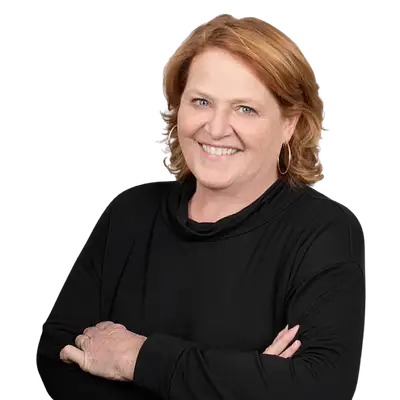
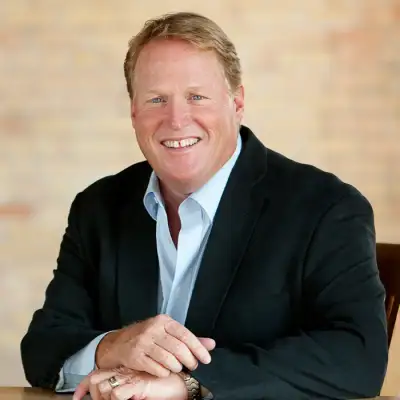
Former U.S. Senator Heidi Heitkamp and her brother, KFGO radio talk show host Joel Heitkamp, engage in animated discussions with newsmakers, elected leaders, and policymakers who are creating new opportunities for rural Americans and finding practical solutions to their challenges. Punctuated with entertaining conversations and a healthy dose of sibling rivalry, The Hot Dish, from the One Country Project, is informative, enlightening, and downright fun.
Heidi (00:04)
Welcome back to the hot dish comfort food for middle America. I'm Heidi Heitkamp.
Joel (00:10)
And I'm Joel High Camp. We have a special guest for you today. A good friend to the hot dish and someone that cuts a wide swath. No doubt about that. Joe Donnelly, former United States Senator, but listen to this resume. ⁓ An attorney, a congressman, ⁓ a senator, as I pointed out, and the US Ambassador to the Holy See. So this man knows where the bathroom is, where the Pope's at. So let me just tell you that ⁓ Joe.
Heidi (00:35)
Yeah.
Joe Donnelly (00:36)
Thank
Joel (00:38)
Good to have you back on the hot dish.
Joe Donnelly (00:40)
Thank you so much. Thank you.
Heidi (00:41)
Yeah.
Well, Joe, I, you know, I waited in great anticipation and was glad that they gave us some time to watch the end of the Masters, which was pretty exciting. ⁓ The interview. Yeah, right away. You got to take credit for it all, don't you, Joe? Anyway, the, ⁓ you know, it really was unprecedented. We had three ⁓ archbishops.
Joe Donnelly (00:53)
Good Irish boy won that, huh?
Joel (00:59)
You
Heidi (01:07)
They were archbishops who basically went on television to talk about how this period of time was informing their faith and what was happening in the Catholic Church. And it was fundamentally pretty optimistic. Plus, I have to say, it also featured a great friend of mine, Father Manny, who ⁓ has a special responsibility to the Pope and to the Catholic Church. what happened after that is what we really want to talk about, which is this seeming, you know,
like taking on the pope, the president thinking that that he's bigger than the pope or more important than the pope. What do you think has been the American Catholic reaction to that?
Joe Donnelly (01:50)
almost universally negative. ⁓ We've seen that Pope Leo's approval rating among American Catholics, 84%. If I was going into an election, I'd be really pleased with that approval rate. And this is a fight that the president didn't need to pick. It's not everything involves you, if you know what I mean. This is basic Catholic doctrine.
Heidi (02:06)
Hahaha
Joe Donnelly (02:20)
And Pope Leo focuses in a lot of ways on Matthew 25, whatever you do for the least of us, you do for me. And so ⁓ those three Cardinals, Cardinal Cupich, Cardinal ⁓ McElroy and Cardinal Tobin are very close advisors to Leo and are very focused on the immigrant issue, on trying to make sure not only that our country can have safe, secure borders,
But then we treat everybody within those borders in a decent way. And so, as I said, President Trump, you know, takes offense very easily and not every issue is about him. These are three Cardinals talking about the Catholic Church and the Catholic Church's responsibility. And ⁓ that was the discussion. And then off went the president, I guess.
Joel (03:18)
⁓ Joe, I have to ask you though a lot of people raising the question about the church that all three of us belong to about the church becoming active in politics. ⁓ True or not?
Joe Donnelly (03:32)
I don't think it's being active in politics. I think it's speaking up for the issues and the faith you believe in that, you know, Jesus Christ didn't say, hey, I want to help only the people with red Ferraris. Jesus Christ said, look, we're all children of God and any way we can help to make people's lives better, we do. And as Americans, we want safe, secure borders. We want to make sure our country is strong. And ⁓ Leo understands that.
And ⁓ he is from the south side of Chicago. He's a pretty sharp fellow. And ⁓ that's not being involved in politics, that's being involved in preaching the gospel. And as the pope, as the bishop of Rome, you've been charged with preaching the gospel. And that's what he's doing.
Heidi (04:20)
Yeah, well, I think when you look at the, you know, the truth social posting where he said, you know, that the Pope doesn't understand and doesn't believe in, you know, ⁓ basically foreign policy that would secure peace for the world. I mean, it was just a really rambling, of course, distorted ⁓ posting. The president does something that
was pretty amazing to me. He posts a AI-generated depiction of himself as Jesus Christ. Now, I want to point this out, how offensive that is. If you did that in a Muslim world with the Prophet Muhammad, you might just lose your life under Sharia law. And so this is not unprecedented that people would react pretty viscerally.
A lot of my friends who are ⁓ well-known evangelical Christians who have honestly, the people I know really well are never Trumpers, but they reacted with the kind of shock and horror to that, that I think a lot of people reacted. How much do you think this controversy has continued because of that posting,
Joe Donnelly (05:42)
Well, I think it's in addition to. And what I mean by that is, to be honest, ⁓ the posting did not surprise me. You know, we've seen other AI-generated images from the president before. And so it wasn't surprising. It was blasphemous. I mean, holding yourself up as a deity.
You know, all of us do the best we can to try to live our daily lives, to reflect the teachings of Jesus or Mohammed or the Jewish faith or if you have no faith, to try to do the best you can. But ⁓ to hold yourself, you have to wonder what the president was thinking when he did that. It is, ⁓ I don't think it's out of character for him, but it is, ⁓ it is.
He needs, I was gonna say he needs better advisors, but he doesn't really listen to them anyhow. ⁓ He needs to catch a breath once in a while and count to 10.
Heidi (06:43)
Well,
Joel, I just want to make one point that I was pretty sure that the president had violated every one of the 10 commandments, maybe not the first. And now he's got, you know, he's batting a hundred now on the 10 commandments, I think.
Joe Donnelly (06:51)
You
Ha ha!
Well, you know, ⁓ he's a character, that's for sure.
Joel (06:59)
Well.
Let me ask you this, Joe, during that piece on 60 minutes. part of what we're already seeing, you're seeing, I'm seeing Heidi seeing our young people going back to church. In fact, I made a comment to my wife that I'm running out of excuses not to go to mass. ⁓ The church is changing. It's. Yeah.
Joe Donnelly (07:23)
I have a counter on you too. ⁓
Joel (07:26)
I have no doubt about that.
Heidi (07:27)
Yeah,
you know that there is a commandment for that too about keeping holy the Lord's day.
Joe Donnelly (07:32)
I have a counter
on you and it hasn't counted very high.
Joel (07:37)
I can I can tell you this with two fake knees. I still hang in there. I still know how to kneel. But let you know, my point is this Pope Leo, Pope Francis and the people that they have appointed that they have brought in as leaders of the church. And I think oftentimes we're not talking about that. The power of the Vatican to say, you know what? This person isn't connecting with people. We had a.
a bishop in the Fargo Diocese that drove people from the church. And that's just the truth. And so, you know, to have people in place now that make you feel comfortable at Mass again, that seems to be something that builds the strength that Donald Trump doesn't understand.
Joe Donnelly (08:26)
And these young people are looking for meaning. They've been faced with a world that is AI, that is cold in so many ways, that they look to be part of something bigger, something better, a way to make it so that their life has more meaning. And I think that's why you're seeing a lot of young people coming back to the church. And to your point, Joel, ⁓ those cardinals that you saw,
on that show, Cardinals, Cupich, Cardinal Tobin and Cardinal McElroy are three of the folks who are giving Pope Leo advice on who to name as bishop, who to name as Cardinal. And the folks they're looking for are folks who are pastoral, who in effect Pope Francis' ⁓ former term, he used to say, we want to smell like the sheep. And what he means by that is,
We are part of our community. That is who we are. And a good example was the naming of the new Archbishop for the New York City Diocese, which has been a diocese where so much of what was happening there was basically like media stuff and ⁓ being on all the TV shows and all of those kinds of things. And Pope Leo sent in a very, very pastoral bishop from Joliet, Illinois.
who is very, very Midwestern and who is there to try to share with your families the baptisms, the funerals, all of those kind of things that built up such a strong church over the years.
Joel (10:07)
Joe, want to I want to ask this. How big of a factor is it that Roe was overturned and you can't talk about the controversies in the Catholic Church without talking about it. And and so with Roe overturned and it left to the states, what I have noticed is it's not getting talked about anymore.
It's not getting talked about anymore in those conservative states, thus people that didn't like going to mass and hearing it talked about aren't hearing it talked about. And I'm curious what your take on that issue.
Joe Donnelly (10:42)
Each state, as you know, makes its own rules. And so ⁓ it changed it in many ways from this national discussion that...
was so central to everything that was discussed with the church on a constant basis. ⁓ That's now been decided. It's on a state by state level. And what you've heard from Pope Leo is, you know, being pro-life is important. And it is also important to make sure that we are making sure our children are fed, that they have decent healthcare, that they have an opportunity for education. And so a former
of Chicago, Cardinal Bernadine, there was a, it was called the seamless garment doctrine, which is, it's not only being pro-life, is that when that child is born, making sure they can get a good meal, that their parents have a chance, that they go put their head on a pillow at night in a place where there aren't, where they know they're safe. And so the dialogue, Joel, I think has expanded.
Heidi (11:52)
Well, I want to turn to ⁓ probably the strongest ⁓ constituency in terms of base that I think the president has, which is evangelical Christians. And, you know, I know a lot of people who are never Trumpers, also very devout and who have been mortified by a lot of the behavior and a lot of the kind of ⁓ idolatry that is around this president.
Do you see or either one of you I guess I asked this question Joel you talk to a lot of people every day Do you do you you see a change in those folks as they watch this play out with the Catholic faith?
Joel (12:34)
Well, what I'm seeing is they're going quiet.
on my show. Part of what we do is we get calls and you know where we're on a number of radio stations, but you can get repeat calls. You can recognize people by their voice and also you can recognize them by their phone number, which is in the early days of doing my job. It was all caller generated. Now people text in their thoughts and will share it that way. So you get to see their phone number and what I'm seeing Joe is I'm seeing people not wanting to take part in the.
argument as much anymore. Now, I don't know that that's changed their opinion of the president as much as what I think they're tired of defending it.
Joe Donnelly (13:17)
Yeah, I think in so many ways.
President can't stand prosperity, if you know what I mean. That he can never leave well enough alone and also can never admit mistakes. ⁓ We all make mistakes, but he was asked, was attacking the pope a mistake? was, absolutely not. No. And people are worn out. Joel, think, like you said, they're just, look, we just can't do this anymore. We are exhausted. And I think the whole country is exhausted.
Heidi (13:52)
Well, we spend a lot of time talking about rural America and what differentiates in a lot of ways rural America from some of the other more urban parts. And certainly we talk about culture and we talk about religion. And a big part of this transition in rural America for politicians like you and me, Joe, has really been these cultural issues, these religious issues. I mean, the president has taken what clearly has been one of his base
Joe Donnelly (14:12)
Yeah.
Heidi (14:20)
you know, support and basically decided by taking on the Catholic Church and by doing things like this posting of the AI generated ⁓ image as Jesus, he really is making a huge, not only blasphemous, but a huge political blunder, it seems to me, because it's brought more people into the discussion and the concerns about number one, how mentally healthy is he? But even beyond that,
I mean, it just reinforces our attitudes that he is a unabashed narcissist. I mean, to think about that. I mean, you know, I'd like people to think that I was a little like Lincoln or maybe like Obama and give a speech like him, but you know, I've never tried to convince people that I was Jesus Christ.
Joe Donnelly (15:13)
And you know, I think in that exhaustion that people have where they just go, ⁓ not another thing. I think the effect it'll have on something like elections is it may not be that they vote for a Democrat, but it may be that they're just like, I'm just going to stay home. I can't do this anymore.
Heidi (15:32)
Yeah, yeah, well.
Joel (15:34)
I
you know I want to I want to go to an area that that you two can bring into the conversation that very few people can. You know there's 100 people in America that have a job that you two used to have. Six years you worked in a chamber, both of you, where you get to know some of the most powerful people and you are one of the most powerful individuals in the country. Where are they?
You know where are they in the United States Senate when it comes to taking on some of the ridiculousness, some of the the fact that we are at war and there was no planning for this war and I'm going to go to you first on this show. I mean, where are your former colleagues?
Joe Donnelly (16:22)
They've taken a pass, so many of them, and whether it's out of fear of attack from the president, ⁓ I'm not certain. But you know what, Joel? The Constitution is really, really clear. Article 1 is that the legislature has the power to declare war, that they should be a central part of everything going on here, that the president needs to report to them and needs to seek
authorized use of military force. We've seen none of that. And in addition, there was some generals who were getting ready to testify on the Hill and they pushed that off because, you know, they're afraid of doing their jobs, which is silly to me. I mean, to have the privilege of having that position and then not actually doing it is stunning. I always figured.
My job is to do it the very best I can if the people ⁓ feel they want to move on, that they can. But while I'm there and I have that ticket and I'm in that position, I'm going to do what's right for Indiana, for the United States, and I don't work for any president. I work for the people of this country.
Heidi (17:37)
Yeah, Joel, I think it's interesting because I watch kind of the reaction. James Langford, who ran the largest Christian ⁓ children's Bible camp in Oklahoma and is really devout and he's not a poser. This is real deal guy. He's not just using it for political purposes. And, you know, he didn't speak too much to the blasphemy. But when they asked him, you know,
well, have to come, well, the president have to come to Congress. He said, it's the law. And I thought that was it's the law. And I thought that was interesting. He didn't dodge it and say, well, you know, we hope it'll be over by then or, you know, he did not die. He just looked at the camera and said, it's the law. Yep. And I hope, I mean, and we have somebody just to the south of us, the most powerful person in the Senate's name is John Thune.
Joe Donnelly (18:11)
It's the law.
That's their job.
Joel (18:23)
Yeah.
Heidi (18:33)
And I had great hopes that he would bring back the power of Article 1, but that has not happened yet. But it's going to be interesting to see because the midterms are shaping up to be a huge, huge problem for the Republican Party. And how much juice will Donald Trump have after a decimating ⁓ election in November? ⁓
Joe Donnelly (18:58)
⁓
My guess is zero juice.
Heidi (19:01)
Yeah. Well, you know, but isn't
Joel (19:02)
Yeah.
Heidi (19:04)
that sad? It's like now the rats don't need to leave the, now the rats are getting off the sinking ship. Well, they should have been doing the moral and right and legal thing to begin with, but you know.
Joel (19:10)
Yeah.
Joe Donnelly (19:14)
It was the president's,
the president needed to come to Congress before getting involved in Iran. There's nothing right now that's any different in terms of Iran's ability to enrich more uranium. The enriched uranium is 300 feet underground, right where it was 45 days ago. ⁓ The leadership.
Heidi (19:22)
Dope.
Joe Donnelly (19:41)
It's like running a delicatessen and instead of Ed's delicatessen, it's Ned's delicatessen. It's the same leadership that they have there. And so we have lost some of our heroes, our young men and women for a war that when you look at, has never been explained to us as to why there's been no good reasons given. you know, we've not gotten approval from Congress for this. And so
I think part of the reason the president's suffering so much is it's like Americans are going, why are we doing this?
Heidi (20:16)
Well, and I want to.
Joel (20:17)
Yeah, Senator Ambassador
Donnelly, I know you got to get going, but I've got one more for both of you, which is I'm to go with you first, Senator Donnelly, which is this. The economy was in trouble before this war, and now it's in worse trouble. And there seems to be an assumption with many Americans out there that once this ⁓ war gets over.
that everything will go great again. And what would your message to Americans be when it comes to that?
Joe Donnelly (20:49)
We have challenges ahead. Gas prices are, hopefully they'll come back down to where they were, but boy, if you heard the president the other day, he said, hey, I'm not sure they won't be higher on election day. ⁓ Joel, we have AI challenges. We have other challenges. so, ⁓ inflation was significantly up. So we're in a difficult economic time right now. And the president ought to focus on
trying to improve that. ⁓ But we have a mess on our hands with this Iranian situation. And the agreement we had, not to get too technical, but the agreement we had under President Obama ⁓ made sure that they couldn't get a nuclear weapon, that they couldn't enrich enough material for that. the president walked away, and I think in part it was because of his disdain for President Obama, because it was a good deal.
And it was something that we were in a position before this war where we had to all work together to try to create a stronger economy. But boy, it's really in rocky water right now.
Heidi (22:01)
And Joel, I would challenge your assumption that people think it'll snap back. ⁓ You look at the index of consumer sentiment, it's sour today, but their outlook is even sour when they look into the future and being asked. so that the people understand this because they're the ones paying the bills, they're paying the insurance bills, they're seeing their interest rates go up some I saw a credit card interest rate at 30%. I mean, my goodness, you know, when people have to live, you know, basically putting their
Joel (22:13)
Yeah.
Yeah.
Heidi (22:30)
⁓ their food and their basically subsistence on credit cards at 30, 40%. You you can't think that it's gonna snap back. And the other thing that they look at is they don't see the president helping. I mean, one of the things, and you talk about against type, the fact that he admitted that oil prices or that gas prices were gonna be higher.
It was interesting because he always promises stuff that he can't deliver and now he's actually lowering expectations. The other thing that the president did that was a mammoth, mammoth mistake was that when he was asked at a luncheon, you know, what about, you know, the domestic issues like daycare costs? He said, well, we can't afford that. We're at war. I mean, and that's a paraphrase, but that I mean, so all of this is against the America first type. And in the meantime,
NATO just spent some time with a guy who knows it well this morning. Let me tell you, our traditional allies are saying, we're, foolish once, fine, foolish twice, then it's our fault. We're gonna move on without you, the United States of America. And I wanna point this out because people who are really interested in how important it was to make this decision and how other presidents have thought about this. Bill Clinton did an interview.
Joe Donnelly (23:38)
this right.
Heidi (23:52)
It's a long ass interview, let me tell you. mean, know, Bill Clinton, you know, could never, never really find the, you know, do it in a soundbite ⁓ kind of opportunity, but it is a strategic analysis of why this hasn't been done in the past. And it's also a placeholder for that how major of a blunder this war was even beyond American sentiment about the war. It was a huge strategic.
and ⁓ air that has made us for decades less secure. And so, you know, we need to go back and listen to people like Bill Clinton who sat in that chair, who did not make the decisions that this guy did. And it's not, you know, there's no name calling, it's just a brilliant analysis. So I recommend it to our listeners.
Joe Donnelly (24:45)
And one last thing, was reported out this morning that home interest rates are going significantly higher right now because of the war and that there's a hesitancy to make any rate cuts at all now, even said by the Treasury Secretary, because of the war. And so it's really compounding upon itself and making life more difficult for all the people we love and care about.
Joel (25:07)
Yeah, Ambassador Donley, always good to have you on the hot dish. Thank you for that.
Joe Donnelly (25:10)
Thank you so much.
Heidi (25:10)
Thank you so
much, Joe.
Heidi (25:16)
This is a discussion I am so looking forward to. With us is David Lynch, who has written kind of a really interesting book about globalization and what that has meant for our economy and what it has meant for our people. And then where we are right now, but David is a reporter with the Washington Post. Does this kind of work? David, thank you so much. Your one-time visit to The Hot Dish. We hope it's not your last.
David J Lynch (25:41)
Thanks for having me. Glad to be here.
Heidi (25:43)
Well, I'm going to kick it off, Joel, because ⁓ I have to confess, ⁓ back in the day, I was a ⁓ attorney general when the country was considering approval of NAFTA. And I campaigned with Paul Wellstone all across Minnesota saying this was going to be incredibly bad for working people, incredibly bad for farmers. And ⁓ we lost that fight. We lost that fight because of a bipartisan coalition.
Joel (25:44)
Okay.
Heidi (26:12)
that was formed around globalization, around worldwide trade. ⁓ Did we make a mistake when we approved NAFTA, David?
David J Lynch (26:22)
⁓ I don't think so. I think the mistake ⁓ was in not implementing the policies that were needed to complement ⁓ trade liberalization. I think of it, you people, when people ask me, are you in favor of globalization? To me, that's like saying, are you in favor of the automobile? Are you in favor of alcohol? ⁓ Two things I'm actually in favor of. ⁓
Not together, of course, to be clear. ⁓ This may not be the best metaphor. I may already have driven myself off the road. ⁓ But I'm in favor of a car. But if I go out and buy a brand new car, I want one that comes with airbags and seat belts and headlights and a gauge on the dashboard that tells me whether I'm running out of gas. And I enjoy the occasional drink or not so occasional drink, but I don't have shots of tequila for breakfast.
So there've got to be rules, there's got to be ⁓ guardrails, and that's where we dropped the ball. Bill Clinton, who I think of as sort of the father of modern US style globalization, always said there would be winners and losers from this process, but he also said it was a fact globalization, not a choice, and that was largely true. But to the extent that we did make a choice to open up trade, ⁓ that was something that
was going to have some fairly predictable consequences. And the politicians at the time, both Democrat and Republican, said, you know, that's OK, because the gains are going to be so great that the winners will take care of the losers, quote unquote. They'll make provision for them with relocation assistance, job retraining, income support, you name it. And that part never happened.
Joel (28:14)
David, I want to talk about how important it is, if this is going to work, to have the people that have so much say in it, to actually be ethical.
and to actually be individuals that you can trust to put people first rather than themselves and self-profit and insider trading first.
David J Lynch (28:38)
Yeah, I think part of it also is ⁓ where you stand depends on where you sit, that old expression. And the people who made most of these economic policy decisions over a long period of time were people who themselves, I don't think have ever been out of work involuntarily.
So for most of these folks, being out of work is a choice. They get a sabbatical at the end of, you know, in between academic years, or they're moving from a job at a central bank ⁓ and going back into the private sector and they take a few months off. so leisure is just that. ⁓ you know, unless you've actually ever been
laid off and have had to face that feeling of, know, holy cow, ⁓ I'm okay today. I'm okay for a couple of weeks. But unless something changes, I, unless I get another job, I'm in trouble a month from now or two months from now or whenever my reserves ⁓ run out. ⁓ And that experience kind of concentrates the mind.
And certainly in my profession, newspapers, it's hard to have lasted this long without having gone through that. And I think it does give you more empathy for the sort of folks who were left behind through no fault of their own in most cases.
Heidi (30:04)
which really leads me into kind of the political consequences of globalization. The president surprised everyone in 16, I think that's fair to say. Not a lot of us who live in red places, we saw the big trends, but one of the coalitions that he built has this, know, I hear you, I see you.
And he had long been a protectionist as it related to manufacturing. so he is, I mean, he comes by that position pretty honestly, as opposed to his, you know, conversion to ⁓ evangelical Christian beliefs, which I think is all phony and political. But this is a place where he really believes he believes in tariffs. He believes in protection, erecting boundaries. And a lot of Americans who got left behind in this move for globalization said,
Yeah, he's our guy. Where are they today? Those same Americans who are struggling even with his economy today?
David J Lynch (31:03)
Yeah, think, you know, most of them, frankly, are still waiting for the relief that they were promised in 2016. You know, the problem with tariffs, and it's not a problem that the president recognizes, is that they are a two-edged sword. So you put tariffs on steel, boy, that's great news. If you're working for U.S. Steel, demand's going to go up as people are incentivized to buy more domestic
made steel. So that's great news if you're in the domestic steel industry. But the problem is it raises prices by definition. That's what a tariff does. And the administration denies this. But the entire purpose of a tariff is to make domestic products more competitive with cheaper foreign goods. Otherwise, what's the point of doing it? So you put a tariff or a tax
on the foreign product, that makes it more expensive, that makes it easier for US Steel to compete. So great, that's good for US Steel, but the price of steel is now higher. So if you're trying to manufacture anything else in the United States, an automobile or refrigerator or washing machine, your cost of production have gone up. That's bad news for you. And the number of workers employed
in steel using industries is a multiple of those who work in the domestic steel making ⁓ sector. And so, you you look at the experience over time, manufacturing employment, factory employment has been on a downward trend since the early 1950s, largely because of automation, but about a quarter of the recent, and I say recent, the period of time I cover in the book.
say the last 25, 30 years, about a quarter of that job loss, or take, is probably due to trade policy. And the president came in in 2016, said he was gonna lead a manufacturing boom, a renaissance, ⁓ end up with lots more factory workers, and ⁓ it hasn't happened. Factory employment today is lower than it was a year ago, ⁓ and even as factory output,
is showing some signs of stirring. There's still not many new jobs going.
Joel (33:24)
So David, I do a radio show and one of the individuals I had on this week was a state senator from the Iron Range in Upper Minnesota. And the argument that he was making was if we're going to be all about America first, then why is for a ballroom, for example, tied into the White House, why are you using foreign steel? And of course, I would add this, David, the guys that were wearing tuxedos in my wedding raised soybeans.
and their market got blown up by these tariffs. So what would you say to those individuals?
David J Lynch (34:00)
Well, you know, I've had the chance, I was out in Iowa about 10, 11 months ago, early in the administration, talking to some soybean farmers in a beautiful, was ungodly cold at the time, it was in February, but otherwise a charming part of the world. ⁓ And these were, you know, lovely people, strong supporters of the president, had voted for him, I think at least twice. And... ⁓
You know, I put it to them, you went through this already once in the first term and we saw how that played out. You ended up requiring a
bailout from the administration, multi-billion dollars, larger in fact than the bailout of the auto industry in 2009 during the global financial crisis. So this was an enormous amount of money that we were basically redistributing from taxpayers to the farmers. And of course, to a person, they all say, we don't want government checks. We want to make our way. ⁓
sales and exports and whatnot, but we trust him. ⁓ He knows more about this than we do, and I'm sure he's got a plan to make this work. And literally within days of those interviews, ⁓ the Chinese had retaliated against President Trump's tariffs by cutting off their purchases of soybeans, by turning to the Brazilians ⁓ instead. And so, you know, this is
The second time we've gone through this, I think something like 70 % of farm counties ⁓ were won by President Trump in the last election. So folks are voting for this ⁓ despite having gone through the experience once and we're now on the cusp of yet another farm bailout because of the president's trade policies.
Heidi (35:55)
Well, you can't make this up, but I will point this out about Iowa. The Cook report, which you know is the kind of gold standard of predictions, has just moved the Iowa governor's race to a toss up. yeah, yeah. And ⁓ Iowa's ⁓ gross state product is way down. They're one of the one of the states where you can really see that the president's policies has hurt dramatically when they move forward. A lot of their manufacturing is agricultural based. so
David J Lynch (36:07)
I saw that, yes.
Heidi (36:24)
They're in trouble. Iowa's in trouble and I think it's going to be a bellwether. And I think it could could turn the Senate as well. And so, you know, all of this, when you look at it again, that, you know, these are people who voted for the president, they voted believing he was going to make their life better. They don't feel if you if you believe the index of consumer sentiment, they don't feel like their life is better. And they certainly are living paycheck to paycheck. A lot of Americans. But yet.
they seem to cling to this idea that he's gonna fix it. So why is that? I mean, you just described, you know, some ⁓ people who went through a real problematic time in the first term, then saying, we'll have more of that in the second term by voting for exactly that.
David J Lynch (37:06)
Yeah.
Yeah, I think, you know, at the risk of generalizing from some of the interviews I've done out there talking to folks, I think a lot of it is, you know, their view is that, you know, whatever President Trump's shortcomings, and, you know, they're not blind to them. They look at the Democrats, frankly, and they, you know, they can't get comfortable with what they see.
on the part of a lot of the modern Democratic Party that spends, from their perspective, awful lot of time talking about stuff that has nothing to do with their lived experience, with their lives. You know, if you're, you know, I remember talking to this guy who ran a farm equipment shop out in the same community in Iowa. And, you know, to generalize, you the area is sort of typical classic,
1950s, 60s, 70s Americana, heavily, white, overwhelmingly, I think, traditional ⁓ households. ⁓ this one guy, I asked him a version of your question to me, and I just got an earful about pronouns and transgender rights and a lot of stuff that, you know, we ⁓ probably focus on more.
⁓ in urban or coastal ⁓ America and that a lot of people feel quite strongly about for good reason. But, you know, if you're sitting in the middle of a farm community worrying about the next harvest, this stuff seems literally alien to you. ⁓ And I think, you know, either gives people an excuse not to vote for Democrats and to hang on to their support for President Trump.
or is a genuinely important piece of the puzzle.
Joel (39:01)
So David, we talked about tariffs, you know, what effect they may have and what negative effect they have had. I want to talk about when he takes on NATO, when he says the things he says. Do foreign countries that we normally would do trade with, that we normally would be sitting at a table and saying, hey, we've got it. Here's the product. Do you want to buy it? Do they trust us? Do they trust us to still do business with us?
David J Lynch (39:32)
Yeah, that's an excellent question. And I think that the short answer is not in the way they used to. I feel like we're sort of in a race ⁓ between our built up credibility and the attractiveness, the objective of attractiveness of our market, where you got a $31 trillion economy, continental market.
⁓ One language will take you from Washington, DC to Santa Monica, California. There's a lot of ⁓ appeal if you're a business to set up shop here and sell to 300 plus million consumers. ⁓ But on the other hand, you've got this very unpredictable, often erratic ⁓ governance that seems to be getting worse, not better. And I mean over
take a 10 year period of time or take a 25 year period of time. ⁓ Things in this country in terms of stability, predictability, ⁓ effectiveness are not what they used to be ⁓ and do not necessarily seem to be moving in the right direction. So if you're a foreign investor, you've got to weigh those two factors. And for the moment, I think, you know, there's still ⁓
plenty of interest in investing in the United States, but it is shadowed by this concern, particularly if you're a foreign manufacturer. You know, it would make sense to come in here and set up shop, set up a plant, say, to serve the domestic market.
But if you're going to set up here as your global export platform, boy, that's another question. Because on the one hand, you've got access to inexpensive energy. That's the good news. Lots of natural gas. Our natural gas prices are well below Europe. So that's good. You've got a shortage of workers.
both because of demographics and because of a tougher immigration policy. We've already got something like 400,000 vacant positions in manufacturing that our existing manufacturers can't find people to fill. So if you're going to come in here and set up a new plant, well, maybe that's going to be a heavily automated plant because you're no guarantee you're going to be able to find all the bodies you need. And at any moment, ⁓ the government, the federal government could change the cost
of your imports if you're relying on ⁓ inputs as so many folks are for key ingredients, circuit boards, industrial metals, all sorts of components, lumber, ⁓ on and on it goes. And from one month to the next, you may lack the kind of predictability that any business feels is essential.
Heidi (42:23)
Yeah, and let's add to that, that you do make the investment, you send in ⁓ people from your country to train workers here, and they get raided by ICE and put in detention. That's a real nice welcome, right? Which actually happened in Georgia. I want to give you a chance to give us some hope, because you did in your book talk about how to fix it. And I share with you ⁓ the opinion that
David J Lynch (42:39)
Yes.
Heidi (42:51)
You can't be a country of 330 million people and expect to be dominant economically by not trading. You've got to recognize that we don't have the population base to sustain our economy if we're only trading with ourselves. so ⁓ give me the good news. Give me the path forward, David.
David J Lynch (43:11)
Well, I'm tempted to say, Heidi, that you've made a fundamental mistake coming to a journalist looking for good news, but I'll do my best. There's a first time for everything. ⁓ No, I do think it's important. First, I think it's important to learn the lessons ⁓ of this period of the last, say, since the post Cold War era of globalization. And that's what I tried to get at in the book, The World's Worst Bet, how the globalization gamble went wrong and what would make it right.
And I think it's important to learn these lessons because I've had some people say, well, look, you know, the so-called China shock that you that I write about in my book. Well, you know, that was largely over with by about 2010, 2012. So, you know, what's the point? There's nothing we can do about it now. Sure. You know, things could have been done better, but that's just hindsight. Well.
First, I think it's true of any history. You need to learn history to prepare yourself for the future, to avoid making the same mistakes again. And in this case, I think it's important because globalization is not ending. It's just changing. And we need to...
make sure we don't make the same mistakes as this kind of transition continues. The China shock's not gonna be the last time that the American worker is gonna find him and herself going through a period of great tumult and being forced to adjust on the fly. So what can we do to help was the question I tried to get at in the end of the book. And I think it's particularly acute now with the concerns over the rise of artificial intelligence. And I don't pretend at all.
to be an expert in that arena. can't tell you how AI ⁓ is gonna play out. But I feel like I'm in good company because I have paid attention to the forecast and the analyses that come across the spectrum. And depending on who you talk to, this is gonna be no more disruptive than the smartphone or it's gonna end life as we know it on planet earth. somewhere in that, exactly, exactly. Now, ⁓ I suspect
Heidi (45:15)
Terminator's coming.
David J Lynch (45:20)
in the long run, ⁓ AI will be great for us, just like all technology in the long run has paid off. None of us want to go back to writing down notes and putting them in the mail instead of sending email, or am I having to fly out to join you in order to have this ⁓ in-person conversation. ⁓ But the concern over AI is how quickly the disruption may occur, because the
large language models are proceeding at such a rapid pace of improvement and in theory at least threaten such a wide swath of basic white collar employment this time. ⁓
I had a plumber in the house the other day and I said, man, you may be the last person put out of work by AI, because AI is not going to come put this new faucet in for me. So this time around, it may be the white collar labor force that really takes it in the chops. And so you're going to have potentially millions and millions of Americans, ⁓ many with... ⁓
you know, the sort of political sophistication to know where to push the levers to get redress for their grievances. And to my mind, we need to be much more aggressive now to think about what sort of social policies we need to put in place, what sort of permanent safety net we need to develop that will be more robust than what we have, or otherwise we're headed for a problem.
Heidi (46:47)
Yeah. Yeah.
And I want to talk about the speed because I was just recently at a lunch with the guy who runs the doomsday clock at the University of Chicago and an expert in AI. in the discussion, I said, don't expect anything coming out of Congress for the next three years. And we were having this kind of doomsday conversation. He said, stop. He said, that's the scariest thing that's been said in this whole conversation, that we are not
right now moving with urgency to deal with what's coming.
David J Lynch (47:20)
Yeah,
yeah. Well, I was at a dinner just last night with some folks and this topic came up. it's the sort of thing that everybody is talking about. I you can't go anywhere without hearing about AI. You can't open a newspaper or a magazine, for those of us who still open newspapers and magazines, without reading about it. So it seems to be everywhere.
⁓ except being discussed in the halls of ⁓ government, ⁓ which is where it should be and where we should now be sort of stress testing ideas and investigating the pros and cons of the sort of workforce.
remedies or policies that we're going to need. And if you step back and you think about it, our social safety net today is almost unchanged from what it was at the time of the China shock 25 years ago. And we know how that turned out. That left us with an enormous
legacy of political disenchantment and grievance, and it had consequences that are still playing out today. And so I'm frankly kind of puzzled, even allowing for the general state of dysfunction that Washington is in, that there isn't a greater sense of urgency. Because if, at the risk of repeating myself, if we don't deal with this and get it right, you know, we are potentially setting ourselves up for enormous political blowback down the
Joel (48:57)
Yeah, David, thank you. Thanks for joining us. You can find his work at the Washington Post. Also, you know, check out his book, The World's Worst Bet, ⁓ How the Globalization Gamble Went Wrong. Thanks for joining us on The Hot Dish, David.
Heidi (49:14)
Really appreciate your time.
David J Lynch (49:14)
Thanks for having me.
Heidi (49:18)
Thank you so much for joining us today and listening to the hot dish brought to you by One Country Project.
Joel (49:25)
You can learn more about the One Country Project by going to onecountryproject.org. And be sure to follow us on Substack, YouTube, Facebook, and Blue Sky. We'll be back next week with more hot dish comfort food for a real American.