Subscribe
Share
Share
Embed
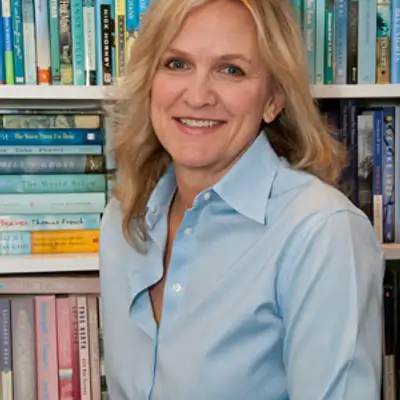
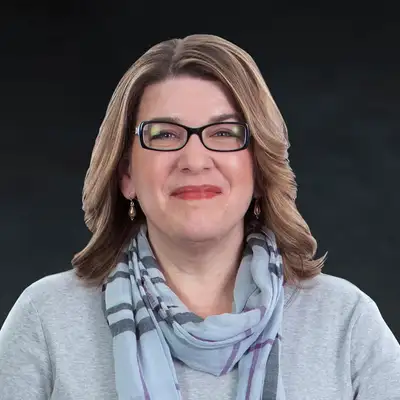
Celebrate the joy of reading with the Book Love Foundation podcast. This is a show filled with information and inspiration from teachers and leaders across grade levels, states, and school systems. We interviewed authors and educators for the first five years and now turn our attention to leaders in public, private, and charter schools. Find out more at booklovefoundation.org or join our book-love-community.mn.co of 2500 educators from 28 countries. We sustain joy together, one kid and one book at a time.
Penny Kittle 00:00
The Book Love Foundation podcast is produced by the teacher learning sessions, connecting teachers with ideas, experts and each other.
Donalyn Miller 00:16
I'd like to feel like reading is something that we're still doing, in spite of all rumors that people are excited about reading. I believe that children need all sorts of mentors in their lives for different things, and I think kids need at least one reading zealot in their lives.
Penny Kittle 00:39
Welcome back to the Book Love Foundation Podcast. I'm Penny Kittle and I'm your host. Joining me is Kevin Carlson from the teacher learning sessions
Kevin Carlson 00:49
In this episode, part two of Penny's conversation with Donalyn Miller part one appeared in Episode Seven, and if you haven't heard it yet, please do go check it out.
Kevin Carlson 01:00
Donalyn Miller is a teacher of grades four, five and six. She's the author of the Book Whisperer and Reading in the Wild, co founder of the Nerdy Book Club with Colby Sharp, co-host of the Twitter chats Title Talk with Colby and BP Roots for best practices roots with Terry Lesesne. And is the founder of the #bookaday as well. Donalyn is the manager of independent reading outreach for Scholastic book fairs, and she is also a Book Love Foundation board member.
Kevin Carlson 01:32
We join the conversation as Donalyn explains what it means to be a reader in the wild. She's talking about the transition for students from having a scaffolded reading life that is dependent on a teacher to having an independent reading life they carry with them after they leave that teacher's classroom. Now here is part two, the conclusion of Penny's conversation with Donalyn Miller,
Donalyn Miller 01:58
Reading in the Wild was reading in the world, but it was all about how schools were just meant to be scaffolding kids to take ownership of reading for themselves. So why do I think that's important? Well, it's not difficult to fall into the trap of passing moral judgments against people who don't read. I have to be mindful of that myself and that that I'm a little bit of a zealot in this regard, but I do know the research that shows that people who are readers as adults, vote more in elections, volunteer more for charity. They're more likely to attain a college degree. They make higher earnings over their lifetimes. Readers, some research seems to show readers are more empathetic. They're more socially aware. You know, why wouldn't I want that for the world? You know, there's a little bit of self interest there. I suppose we all want to live in a better world. And I believe that teachers are charged with creating opportunities for their students to become good citizens.
Donalyn Miller 02:56
I can build a bridge between that idea and reading pretty easily. So how are we going to get to that place? Because I meet a lot of parents who tell me they didn't, they don't love to read, and they think that somehow them, you know, that they've passed that on to their children. Somehow it's not genetic. We don't want that apathy for reading to be passed on. So how are we nipping that in the bud? How are we re educating parents who have may never have felt a love of reading themselves to understand the value that it has for their children? You know, that's another question that I think a lot of us ask.
Penny Kittle 03:32
Yeah, and I'm finding myself thinking a lot as you're talking about how there are so many pillars that hold up that reader? You know, one, of course, is that you've given them tools to find books without your help, you know, without book talks, without a next list, without some of the systems that I put in place so that they'll develop a habit of reading and a way to find their next book. But then that habit of reading is also dependent on finding that good book that they want to keep going in. It's dependent on having a place to read and carving out time from a million distractions, because all of us can fill our lives with stuff. You know, many times we get asked, how do you do all of this? Well, I do these things in place of other things I don't do, and I find that I've got kids who maybe read out of compliance some of the time they read out of joy. Once in a while, you know, I sat with a boy today and said, when you came in here, you hated reading on a scale of zero to 10, you gave yourself a zero as a reader. And if 10 is that I want to read, I love reading. Where are you? And he said, I think I'm at a five. And I was like, That is amazing. That's a lot of growth in half a year. The kid next to him said, I have barely moved off the zero. And I just, you know, given all the conditions I can create, there are a lot of things that have to hold that habit up. And I think that so many of our kids are in it alone. You know, parents are working two three jobs, and they're going home with all of the distractions that they are less able to manage. And one of my boys, you know, played video games. He says, non stop for break week, and as late at night as he wanted. And, you know, and I just despair that they'll never find all of those qualities at the same time. You made me think more about what a zealot I am and how, you know, I privilege reading as something that is just something everyone should love. So it's hard, hard work. It's hard to to be a teacher and to be someone who believes so much in the power of reading and can't seem to get all of my students there.
Donalyn Miller 05:52
Well, you know, I believe that children need all sorts of mentors in their lives for different things. You know, like I needed my aunt who could talk to me about my siblings. You know, she had a very specific piece of, you know, way of of advising me that was useful to me in that regard. And we need people that teach us different things about how to navigate the world. And I think kids need at least one reading zealot in their lives. So I'm happy to take that role, and also for adults. You know, you and I are do a lot of work feeding other adults too in this regard. And of course, we're fed by them too, but I think that's important too. Those professional conversations, we haven't all figured it out. You know, nobody has the answers. We're all you know, you and I can talk right now about the kids that we feel that we haven't reached, or that we're not reaching, who aren't still, yeah, we want them to be. It's not we don't have all the answers, because every child is different. You know, I had a little boy, AJ, he was in my sixth grade class, I guess, about four years ago, and he, I remember his very first response letter that he wrote to me that year was, I refuse. He wrote, dear Mrs. Miller, I refuse to join your little cult of reading.
Donalyn Miller 07:11
And I was so, I don't want to say offended, but I was so horrified. I was like, Oh, this is where we're starting. Okay. Well, put on your put on your shoes Miller, because you're gonna have to, you know, you can't, you can't just walk away from this one but, but he was just adamant that he was, you know, oppositional to any of these ideas. And yeah, I wouldn't say it completely won him over by the end of the year, but, you know, just relationship building, trying to figure out what he was interested in, trying to find books that he might be interested in reading. You know, those goals don't change just because he says he doesn't want to, right?
Penny Kittle 07:50
It's so funny because I had one who said, I am not going to be one of your success stories. Like, Oh my goodness.
Penny Kittle 07:59
So I hear from elementary teachers who say, Yep, got to have a classroom library. I hear that less from middle school and less from high school teachers. So can you talk about why you think the library in a classroom matters?
Donalyn Miller 08:11
Well, we know research tells us that it does. You know, children read 50 to 60% more in classrooms that have adequate libraries that's even with regular access to a quality school library. In fact, there's some research to indicate that circulation in the school library increases when the teachers have great classroom libraries. And I think you and I could walk through several reasons why that might be true. You know, kids who are intimidated by the library may find this classroom library more accessible, in a way, it acts like training wheels for the library kids are there with a teacher who I don't care. I've worked with some great librarians. There's no way they know deeply the reading lives of 900 children at a school, but a teacher is best suited to know the abilities and interest of the students. Think that just helps them become better library patrons also.
Donalyn Miller 09:03
And you know, we can to me, a classroom library is just a part. It's a living organism in the classroom. It's just so much part of my teaching I don't know what I don't I wouldn't know how to teach without a classroom library. I will admit that, because I'm always pulling books off the shelf, passing them to kids. Kids are sharing books with each other, you know, I'm thinking about goals and how those books can help individual kids meet individual goals that they have.
Donalyn Miller 09:32
Also, you know, we want kids surrounded with books everywhere. Yeah, it's not just at school, you know. We want kids to have what, you know, what you and Kelly and I and some other people call a book flood. You know, we want them to have books in the classroom, books at home, books little, free libraries, community libraries, school libraries. But a lot of our kids live in book deserts, yeah, especially our kids in poverty, who are disproportionately children of color. You know, they live in places where they don't have regular access to a quality school library or a degree librarian. Their teachers are the least trained in how to use children's literature in the classroom. They may not have any books at home. They may live in communities where they don't have a bookstore. You know, they may or have the financial ability to patronize a bookstore, even in communities that have public libraries, I know that I have had parents here in Texas, parents who are reluctant to go to the library to get a library card, they have to have three pieces of ID to get a library card. You know, they have to have a utility bill. Some of my parents don't have those things. Wow. So I to me the idea that we wouldn't want to have those books in the classroom. Well, then where are kids getting their books?
Penny Kittle 10:46
Yeah, I'm wondering if you could just say a little bit about what it was like to read foundation applications. What kind of things you were looking for. Would you notice about them? What stuck with you as a board member?
Donalyn Miller 10:58
The first emotion that I felt reading the Book Love applications last year was just this overwhelming sense of gratitude that there were so many wonderful teachers out there in the world striving to connect their kids with reading and to to foster their literacy development. I mean, we read just some incredible applications last year. And I know it was really hard all the conversations that you and I had, because we had to make some tough decisions were, you know, shades of difference between some applicants. But so the first thing I felt was just admiration and gratitude that all these great people were out there in the trenches with us, doing this work that we do
Donalyn Miller 11:41
Other things that stood out for me. I think when we're looking at several really qualified applicants, what really stuck out to me was two things. One, I think the way people talk about their kids, talk about the students in their classrooms, you know that there's just ways that you kind of get their stance about how they see students and the respect that they have for them, and when people talk about what their kids can do, then instead of what they can't do, I always feel like that person has a real heart for kids, and that they do have a student centered classroom, which is important to me, and I know to to all of us. And then the other thing I'm really looking at is currency, currency of information, and where that includes their pedagogical knowledge. Who are they reading? Who are they learning from? Who has shaped their pedagogy? How Are they continuing to shape it? How are they connected with professional communities, online, offline, through professional organizations, through PLCs, at their own school. How are they continuing to seek their own learning about the teaching profession and about reading instruction? I'm also looking for currency in their knowledge of children's and young adult literature, you know, and not just that, but also books published for adults that would be good fits for high schoolers. You know, what? How are they remaining current on the types of books that are available for their students to read no matter what grade they're teaching?
Donalyn Miller 13:13
You know? Are they? Are they? Are they keeping on top of that for themselves? So I think those are some things that make really great applications stand out to me as extraordinary.
Penny Kittle 13:25
Yeah, good points. I totally echo the gratitude every year when I read them. My husband says, you really think we're going to, like, get a second mortgage and fund all of them, don't you?
Penny Kittle 13:37
Because they just inspire me so much.
Donalyn Miller 13:40
Well, I just cry reading the applications. You know, it's like they're, they're beautiful, just beautiful testaments to the difference that one teacher can make in the lives of children.
Penny Kittle 13:49
Absolutely, and I, I love the letters from kids and from, you know, the testimonials of parents and others who just say, wow, this teacher's making a difference. It makes me proud.
Penny Kittle 14:04
So we always have a few recommendations from the people we talk to on our podcasts. And I'm curious about you know, you who read so many books, if you could give us some of your favorites?
Donalyn Miller 14:14
Oh, my goodness, I tried to make a list. This was where I actually tried to make a list before our call, because before our conversation today, because I could just talk about books forever, and I wanted to make sure I didn't forget some. But, you know, I read a little bit of everything, so I'm always reading books published for adults. I'm always reading a book about teaching. At some point, I'm big audiobook listener because I travel a lot, and I'm often in a rental car or in an airport by myself, and those audiobooks help me out. So our friend Colby is trying to get me into podcast more and things, but some things that I've read recently that I think are really great I'm reading, Reading Without Nonsense by Frank Smith, and that's an oldie but a goodie. And it's a book that I guess I missed in my teaching education, but Nancy Atwell mentioned it as a book that had been extremely influential on her teaching. And I thought, Wow, this.
Donalyn Miller 15:00
Certainly one I want to read, because she's been such an influence to me too. So Reading Without Nonsense,
Donalyn Miller 15:06
I just finished a new novel that I think middle school kids would love. It's called Unidentified Suburban Object by Mike Young, and Mike is one of the co founders of the we need diverse books movement. He is just a wonderful human being and excited to read his book. But it's funny. It's funny, but it's looking at serious issues in a funny way. You know, the main character is Korean American. Her parents immigrated to the United States from Korea. They never talk about Korea. They refuse to talk about it. They don't really want to get involved in her quest for finding out more about her Korean identity, and she knows her parents are hiding something from her about their past that is either painful to them or that they just don't want her to know about that deep tone of what I just described to you, though the book is extremely funny, just the main character's personality, her interactions with her friends, the interactions that she has with her parents. And I like that he was able to take that light touch with some serious topics. I think it makes the book more accessible to more kids.
Donalyn Miller 16:18
Some books that I read last year that I think kids will really love is
Donalyn Miller 16:24
Dumplin by Julie Murphy. Did you get a chance to read that one?
Penny Kittle 16:27
Yeah, I did it. I've had a book club at my ninth graders this year that just loved it.
Donalyn Miller 16:32
Well, Julie Murphy is a Texas home girl. She lives right up the road for me actually, and we actually have a colleague in common. My former assistant principal was Julie's science teacher in the seventh grade, just, you know, Dumplin. You could both talk it too, and talk about what your students said about it, but Dumplin is just as pure Texas. I know the people in that book. I'm related to half of them, I feel like and she's really nailed that small town life. I know you live in a small town too, and I can still appreciate some of the things that she's talking about. But also what it has to say about body image, about girl empowerment, and not in ways that you know, in ways that are real, in ways that show you know you can still have self doubt. Also Texas beauty pageants, man. I mean, you know, they are the stuff for a reason, and I'm sure there's a hole in the ozone layer just over Texas for all the Aqua Net that we've sprayed up into the air from here. But funny, do you know her other book, though, was very popular my writing, Side Effects Mayberry, yeah, I've got a lot of kids reading that. I think she's just a great new talent and also just a force for good in the world. She gave a hilarious keynote speech at a conference here locally that was a young adult book conference, and so there's that hundreds of kids in the audience listening to her, and she was talking about how the saddest letter that she ever gets from people you know she gets, she gets some people calling her out about being an overweight woman, and talking about her feminist mafia and all these things which she thinks are ridiculous, but she does get sad letters from people that say that they don't think the romance in dumpling is realistic, because the fat girl never gets the cute guy. And she she said to this room full of teenagers. I mean, it was just beautiful. She said, if you think that the fat girl never gets the cute guy, there's not a problem with my book. There's a problem with society, yeah. And so I just admire her greatly. You know, I can't wait to see what she writes next. I think, I think she's just, she's doing a companion to Dumplin. Did you hear about this? No, so she's writing a companion to Dumplin right now that has a different protagonist, but it's set in that same little town. So I'm excited about that.
Donalyn 18:50
Let's see what else I've liked lately. Did you see Red Woman A to Z by Kate Schatz, so it's 26 biographies of notable American women, but they're all American women that a lot of our kids don't know. So people like Patti Smith, people like Sonia Sotomayor, people like Bessie Coleman, and the book is the design of the book is just beautiful. It's got these block woodcut pictures of each woman. I think it's the kind of book that kids that say they wouldn't want to read a biography, would love to read, because there's one person per two page spread. So it's the kind of book like you would pick it up in the classroom, read a couple a day, and then eventually you'd figure out, hey, I read a whole book of biographies.
Donalyn Miller 19:36
But I also love that it's I kind of have a fondness for picture book biographies and biographies written for teenagers. Because, well, I love biographies written for adults too. But I think it's always finding out about people that I don't know that much about. You know.
Penny Kittle 19:51
Yeah, absolutely
Donalyn Miller 19:53
Introducing kids to people they don't know I could go on. There's more I like to Drown City, Don Brown.
Penny Kittle 19:58
Oh my gosh. I love that Book.
Donalyn Miller 20:01
Well, I loved his Dust Bowl, his Dust Bowl graphic novel that he did a few years ago, and I put that on a ladder with with all of our Dust Bowl texts that we have. But Drown City is about Hurricane Katrina. Don Brown interviewed hundreds of people who survived Katrina, who also have been down there afterwards, before, during and after the events around Hurricane Katrina. I think the book is honest in its portrayal of what actually happened to people there and how institutional challenges and racism led to a lot of people suffering more than they needed to. I also like that the book some of the proceeds for that book are given to Habitat for Humanity. It's continuing to build houses down in New Orleans. They've still not recovered. You know, I go down to New Orleans and I drive by all those trailers, you know, people still living in government housing while they've built all these beautiful casinos.
Donalyn Miller 21:00
So you know that it's going to take a long time for that area to recover, but I think that book would be a powerful one for kids to read, because for our students, Hurricane Katrina is already historical. It is. It's already historical event. You know, you and I lived through that on the news, and I have students that came to Texas from Hurricane Katrina, that were displaced never went home, and so it seems more fresh in my mind, but for many of our students, they don't have context for it anymore.
Penny Kittle 21:30
Yeah, those are such good recommendations. Thank you.
Donalyn Miller 21:33
You're welcome.
Kevin Carlson 21:42
We end these podcasts with stories of inspiration, stories from teachers, about students whose lives have changed through books. Here, Donalyn talks about what inspires her.
Donalyn Miller 21:54
You know, I see more people talking about reading. I see people reading. I know I'm always looking maybe it's because I'm looking for it, you know, I go to the airport and I see people reading and and I feel like there's, you know, things like, like book buzz and other things online. There seems to be a lot more Book Riot online, you know, not just the teaching educator children's and young adult literature group talking about it, but I see adults out in the world talking about reading in some ways that I haven't seen him do it in a long time. You know, Mark Zuckerberg making this pledge to read a book, book a week for the whole year. And yeah, and there was a great feature article last year in the Indianapolis Colts quarterback basically has books in his locker. He passes out to the other people on the team. Everybody knows that he's a reader. I just, I'd like to feel like reading is something that we're still doing. You know, in spite of all rumors that people are excited about reading, and I know my oldest daughter, who's 25
Donalyn Miller 22:57
she's from the Harry Potter generation of kids. You know, she's the group of kids that grew up reading Harry Potter, and they know the power that books have to be transformative experience that they didn't forget that. So those Harry Potter kids are going to be parents sometime soon. And good point gives me hope for the world,
Penny Kittle 23:17
Absolutely. So do you? You give me hope for the world because you're so inspiring.
Donalyn Miller 23:21
Back at you.
Penny Kittle 23:22
Thank you. Donalyn, thanks for your time. Thank you so much.
Donalyn Miller 23:26
Thank you for inviting me to talk with you.
Kevin Carlson 23:30
If you enjoy the Book Love Foundation, podcast and the work we're doing here, please join our email list at teacherlearningsessions.com/go/booklove. We will send you a list of titles that appear in each episode's book talk on the day the show comes out, and you will also receive our weekly newsletter, which includes podcast reviews, insider information about the teacher learning sessions, projects and more that's at teacherlearningsessions.com/go/booklove
Kevin Carlson 24:02
In our next episode, how books help kids cope.
Kelly Gallagher 24:07
And that was a book that I think spoke to him in a way that I don't think any any lesson or any teacher or, you know, talking with any other adult, I think could it was one of those where, you know, after he finished reading it. It was okay. Well, what are we going to read next?
Kevin Carlson 24:23
That's next time on the Book Love Foundation Podcast. I'm Kevin Carlson.
Penny Kittle 24:30
Thank you for listening to this episode of the Book Love Foundation podcast, can you help us reach potential donors? Send a link of this podcast to people you know, and encourage them to help us with this mission. Help us bring the joy of reading to more teenagers. Help us create a love of reading in every school. Help teachers build reading lives that last. Thank you so much for listening. I'm Penny Kittle.
Kevin Carlson 25:00
The Book Love Foundation podcast is produced by the teacher learning sessions, connecting teachers with ideas, experts and each other.