Subscribe
Share
Share
Embed
This podcast is about scaling tech startups.
Hosted by Toni Hohlbein & Raul Porojan, together they look at the full funnel.
With a combined 20 years of experience in B2B SaaS and 3 exits, they discuss growing pains, challenges and opportunities they’ve faced. Whether you're working in RevOps, sales, operations, finance or marketing - if you care about revenue, you'll care about this podcast.
If there’s one thing they hate, it’s talk. We know, it’s a bit of an oxymoron. But execution and focus is the key - that’s why each episode is designed to give 1-2 very concrete takeaways.
Introduction
---
[00:00:00]
Bart: Hey everyone, it's Bart Padjasek with the Revenue Formula podcast. Today we're chatting with Sean Lane from Operations with Sean Lane and Minutelite Consulting. We dive into his journey at Drift as employee number 75, building RevOps for hypergrowth and setting up your team's Northstar. Let's get started.
Toni: Bart, it's you and I back in the studio. It is. The, uh, the substitute teacher is starting to become a, um, a staple here. So, uh, that's wonderful to see. Yeah. And
Bart: the substitute teacher is about to go on vacation. So hopefully Mikkel will
Toni: be right back. There you go. Then we have another substitute coming in.
Toni: Love that. Love that. But, uh, today we have, , another wonderful special guest here. We do.
Meet Sean
---
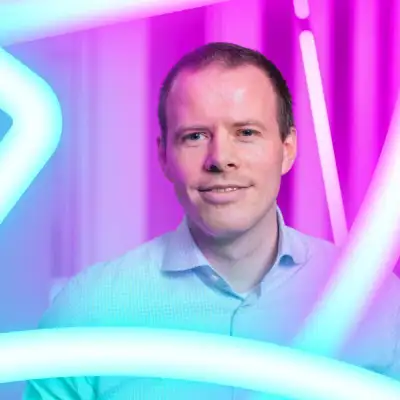
Bart: Yeah. We have an actual, another podcaster. On our show, , we have Sean Lane. He is the host of the podcast Operations with Sean Lane, , with over 100 episodes now. Catch it every Friday, podcast, the location of your choice.
Bart: But he also, he's well known for being the former, , VP of Field [00:01:00] Ops at Drift. He has employee about 75, got them to about valuation of over a billion dollars. A billion gazillion. That's a pretty good number. And now he's doing his own consulting thing at, , Minit. Welcome, Sean.
Sean: Thanks, guys. Excited to be here and chatting with
Bart: you.
Bart: So, Sean, walk me through your whole history of operations and specifically RevOps. I know you talked a little bit on your podcast how you first found out about the role in 2016 and you started kind of your own journey through that. Walk me through like how you got into that and what's the journey been like?
How Sean got into RevOps
---
Sean: Yeah. Happy to, as I'm sure you guys are finding when you're talking to all these different RevOps leaders, the path to RevOps is not a straight and narrow one. I think for most people, right? I think people approach it from a whole bunch of different angles. The angle that I approached it from, and the way I think about it is I did a whole bunch of different.
Sean: Kind of tours of duty and different customer facing roles before finding myself in RevOps. Right. So I started my career in a bunch of different post sale roles, customer success, onboarding support, account management type of roles, then jumped [00:02:00] completely to the other end of the customer journey and ran an SDR team for a while.
Sean: And that's really where I learned about. How funnels work and what conversion rates are and how do you design the day and the life of a salesperson and kind of all of those combined customer facing experiences, I think set me up well when it ultimately the company that I was at before Drift, a restaurant technology company called UpServe.
Sean: We were growing to a point where these silos were starting to pop up across the organization. And because I had worked in all these different customer facing roles, I kind of had this unique perspective. And that concept of RevOps was starting to become popular. And so I stood up our very first revenue operations team, our first centralized ops function at the company at the time.
Sean: And so I think really being able to draw on all of those different Customer facing experiences made me a better operator later on, and it also kind of gave me a real sense of empathy for what those roles were like, right? You can't just be the person behind the spreadsheet in that [00:03:00] operations role. And so doing all those other jobs really set me up nicely for that.
Sean: And really been doing that type of work ever since then worked across all bunch of, , different go to market operations type roles when I was at Drift. Marketing Ops, Sales Ops, Customer Ops, , and then, you know, here we are today. That's really
Toni: interesting. Tell me a little bit more about this initial jump, because that sounds really interesting, right?
Toni: You've been working on the CS side, on the SDR side. I think SDRs, it's, you know, especially SDR leadership, it's somewhat of a, , ongoing theme of RevOps leaders, because , It's so data driven, it's so process driven, there's lots of tools around it that need to be managed, right? So it very lends itself extremely well to revenue operations.
Toni: But was the need really a, oh, there are too many silos and the alignment is, is bad and, and we're seeing all of those cracks? Or was it this typical, ah, we need, really need someone to stitch those tools together and manage that first before we can think about the next step?
Sean: I'd say it's a little bit of both.
Sean: And I think, you know, how I came into the S D R role, I think probably had a lot to do with it. [00:04:00] I had a CRO at the time who really pushed me to kind of get out of my comfort zone. Our SDR team at the time was a mess, right? And the, at first he kind of pitched me on this idea of moving from this place where I was really comfortable in these post sale roles to moving into this SDR leadership role.
Sean: And at first I was like, I don't want to touch this with a 10 foot pole. Like I, I don't want any part of what's going on on this team. And he kind of knew that if he teased this up for me as an opportunity. That eventually I would, you know, want the challenge. And so that's kind of what brought me into the SDR world in the first place.
Sean: And I think to your point, Toni, like that gave me an appreciation for what the sales world was really like. I think being an SDR is the hardest job in a company. And I think being an SDR manager is among the hardest jobs in the company. And so I think until I did that job, I didn't even know the revenue operations gaps or voids that we had inside the organization.
Sean: And then once I was there, I started to [00:05:00] realize, Oh, wow. Like the way that this team works with marketing could be more efficient. The way that the handoffs work with sales could be more efficient. The way we pass things off to the teams I used to work on post sale, a lot of that information that my new SDR team is capturing isn't even making it to them.
Sean: And so I think. Being on the front lines and seeing the gaps was really what made , the aha moment for me of the fact that we needed something like that. And then when I realized that other companies were solving this problem through a team like Revenue Operations, it all kind of came together.
Toni: One follow up on this actually. So I would almost split it 50 50 of like half of the RevOps population coming from, , go to market roles. And then half of the population coming from, I don't know, finance or consulting or something like that. , I think in your case. , it must have been extremely abundantly clear from day one, Hey, revenue operations is here to drive revenue, right?
Toni: You've been an SDR leader, you've been, you know, in CS, you had your quota, you had your targets. If you didn't hit them, that was trouble. The company was missing and so forth.[00:06:00] , and then taking that headcount and putting it into revenue operations, for you, it must have been clear from day one. Like, okay, how can I generate cash here?
Toni: I mean... Am I right in this approach or what has been , your mindset , from early on? Yeah,
Sean: I think for me, the partnership with sales leadership and with sales reps was there from the beginning, right? , what I used to tell people both at Drift and at Observe, when people, new people came into the business.
Sean: What I would say to them is, Hey, like my job is to make you better at your job. That's literally the reason why my team exists, right? And I think if you set that expectation early on and set that as the foundation of what your relationship is, you know, you are my customer. And so I want you to treat it like that type of relationship.
Sean: I want you to tell me, especially if you're new. I want you to tell me the stuff that you find that's painful. I want you to tell me the stuff that you find that sucks, right? Because I'm in a position to actually help make that better. And so what I try to always coach my teams on was kind of approaching it through that [00:07:00] lens.
Sean: And then , the revenue and the kind of outcomes that the business wants come naturally. If you think about the relationships in that
Expectations and misconceptions of RevOps
---
Bart: way. I think I want to double tap on something you said about setting expectations for the role. With that in mind, what are some of the biggest misconceptions you think that a lot of companies have about RevOps and the RevOps role?
Sean: Yeah, I think there are a few. I think the first and number one in, even if If you work in a place where you have the most, , beautifully crafted RevOps team, I think there's always going to be a population of people that just think, Oh, that's the team that does the systems and does the data. Right.
Sean: And like, if I need a report, I go to them. If I, you know, something's broken in my systems, I go to them. And I think the misconception that we need to kind of invert there is this idea that it's not just, Hey, we're going to roll out sales loft or we're going to roll out Clary and therefore like all of our problems are going to be solved.
Sean: It's how do you design the day in the life? Of a salesperson that those [00:08:00] tools then fit into and improve, right. , and that's actually the work that the Rev Ops folks are doing. It's not that they're just like clicking the button that integrates your Salesforce with one of those tools. Right. And so I think the first misconception I would say is first and foremost, like this is not just the team that does the point and click.
Sean: This is not just the team that like pulls that report for you. They are actually designing. The processes and the tools and the systems that support that day in the life. And so the knowledge you have to have in order to do that well, I think is incredibly vast. And so I think that's misconception number one.
Sean: And then I think misconception number two is, you know, I know you guys are focusing on this idea of what does it mean to be strategic in RevOps? And I think everybody who you talk to is going to say, look, we want to move RevOps from this, you know. Tactical support function to a strategic partner. And I completely agree with that path.
Sean: The part that I slightly push [00:09:00] back on with folks is that strategic partnership, that, that seat at the table is not something that's just given. Right. You have to earn that, right? And you have to earn it over and over and over again, by providing the type of value that we talked about that ultimately leads to revenue or business outcomes or retention or whatever your company is focused on at that moment in time.
Sean: And so I think if folks focus on the idea of, okay, we want to be that strategic partner and we have to continuously prove enough value to earn that seat at the table that people ultimately don't even question the fact that we're there. I think that's a really healthy way to think about that transition from tactical to strategic.
What does "Strategic" RevOps actually mean?
---
Toni: And can you just lose a couple of more words on that? Because you're right. We're focusing on this, , quite a lot actually in this series here. So the, strategic for revenue operations. What does that actually mean? Right? So everyone wants to be strategic. Everyone wants to have strategy in their title.
Toni: And this is not only in revenue operations, basically, [00:10:00] I don't know, everywhere. , and , what people are still struggling is articulating what strategy means for them in revenue operations. And then almost as a knock on effect. Articulating to their boss, what they would be doing and then actually doing it.
Toni: Right. So let's start with the, what does it actually mean for you? ,
Sean: so I think probably the best way to frame that is the way that I thought about the charter of our field ops team at Drift, right? And so what I mean by charter is I literally had. A deck that every single time someone new started, both on my team, as well as any of my internal partners, I took them through that to basically explain why the team exists in the type of work that we do.
Sean: And I think that kind of helps set the stage , for your question, Toni. So, you know, what I would say to people is, look, my team has a North star. Our North star is to build a high achieving. Well understood and predictable revenue engine, right? And everything we do stems from that North [00:11:00] star. This is also really helpful for the people on your team, because if at any point in time you're questioning what you're working on or the type of work that you do, you can kind of lean on that North star.
Sean: It's like, okay, this is what we should be doing. And so I think that's the starting point. And then I think the next part is like, okay, how do you translate that North Star into the way that you might design your team? Now, if you're a one or two person RevOps team, which many of them are, you might not have the luxury of, you know, a whole bunch of specialization.
Sean: But as you grow, what I found is we ended up taking our team and not necessarily specializing by saying, okay, this is. This is just the sales ops group, or this is just the marketing ops, or this is just the customer ops group. What we ended up doing was specializing by the type of work that they did. So what we landed on were three buckets, planning, execution, and insights.
Sean: And, , those things probably have exactly what you guys think they do in them, but I'm gonna talk about them quickly anyways. , planning is basically everything that happens before a customer facing team member is in [00:12:00] the seat. So in sales, that's things like. Territory planning. In CS, it's things like book of business and ratios and comp design and quota capacity and hiring plans and all of that that needs to happen before somebody is even there, right?
Sean: Execution is all that day in the life work that I was talking about before. So how do you design the processes and the tools and the systems that support the day in the life of a client? I'm a salesperson. I wake up every day. What does my day look like? What does the customer journey look like? What are the handoffs between different teams look like?
Sean: And then also all of your kind of typical ops functions like pipeline management, forecasting live in that bucket. And then insights is kind of the bridge between the two, but I think it's really important to separate it out as a third function because that's the place where you can then be proactive about the analyses you run, the projects you work on, and the insights that you bring back to the business, which I think is oftentimes the piece that a lot of folks either don't have the time for or don't [00:13:00] design their team in such a way that actually you.
Sean: Allows them to be proactive, right? The teams are usually incredibly reactive. , I think ask any CS leader what they're working on with their team. And they're going to tell you, Oh, like I'm working on moving my team from reactive to proactive. It's like, yeah, ops is the exact same way. Right? And so for me to answer your question, I think more fully like.
Sean: Having that north star of what the team was there and, you know, fully expressing that to every single person who walked in the door and then backing that up with the three different functions that we had. So everyone knew within the organization, okay, if I have a sales planning question, this is who I work with.
Sean: If I have a CS execution question, this is who I work with. , I think that really helped us to have the foundation to then actually go and do the work. And I think if you don't have that foundation and you don't consistently. Talk about it as the why , of the purpose and the North star of the team.
Sean: I think a lot of that gets lost and you don't even have the chance to do that strategic work that you're talking about.[00:14:00] ,
Toni: you mentioned this is pretty cool. I think you call it the North star, right? High achieving, predictable and understood. So the first two, cool that, you know, everyone gets that the understood part.
Toni: Can you explain that a little bit more? I think it's fantastic. And I think I know what it is, but I think it's super
Sean: interesting. Yeah. So the crux of understood came from a CRO that I used to work with. It's really a smart guy named Josh Allen. And I, , was pitching him this idea of the Northstar on the charter.
Sean: And he's like. Yeah, but like, do we understand what this revenue engine is, right? And, and the idea is that even if you're hitting your goals and things are going well, if you don't know why, that's just as bad as not hitting the goals, right? And so being able to actually Know each part of your funnel, which buttons to press, which levers to pull that might make improvements there.
Sean: Like that's what the team should be doing. And so I think that the [00:15:00] operations folks are best positioned in a company to have the most knowledge of how those funnels work, of how that revenue engine comes together, and so we have to hold ourselves to that standard of saying, look, like. If we, you know, set up a bunch of tools and like put a dashboard over here and then revenue just spits out the other end and we don't have any idea what happens in between those things, like that's not helpful, right?
Sean: And so I really think it's important that we hold ourselves to the standard of saying, okay. This thing happened. Why did that happen? And I think tactically the way you do that is you have to build into your routines, your cadences, some sort of retro or some sort of review process that is consistent, that you can look back and say, okay, this campaign was amazing.
Sean: This went really, really well. Like why was that? And then also because you understand. You can run that one back on the next quarter or the quarter after that. Right. And so I think it's important not to skip over that, that understood component.
The fiscal year flip
---
Bart: Now, I would [00:16:00] love to us to get a little bit more nitty gritty into some of the actual things that you you've done, or you've seen run, or you've seen done effectively well, especially on the whole aspect of moving from the whole reactive to proactive.
Sean: . So we can talk through a handful, but I think one that I've found to be a really compelling exercise. For the entire team, both within ops, as well as the broader field is this idea that we had around, , what we call the fiscal year flip and the fiscal year flip, every single ops team out there, every single team out there probably has to do some sort of annual planning exercise.
Sean: They have to do some sort of turnover when a new quarter, a new second half, a new annual year, depending on your time horizon, your company uses starts. And so on one scenario, you can find yourself kind of like holding on for dear life, trying to just get through that process, right? There's so much to do.
Sean: Usually have to do new territories. You have to do new [00:17:00] comp plans. A lot of times there might be new roles and responsibilities that are getting rolled out. Like there's just so much change for folks. And so what we decided to do was we're like, we're going to lean into this. We're going to, put our own kind of spin, our own branding on this exercise.
Sean: And we're going to turn it into something where not only can our team stand up and shine, but people are going to walk away from this exercise feeling confident that they are being set up for success for that new year. So handful of things. So first of all, this process, depending on the company you're at might start five, six months before the new year starts, right?
Sean: You're working with finance on your. Operating plan, you're looking at what the strategic goals and changes of the company might be. And then there's a whole bunch of domino effects to that work. Now you gotta start to think about, okay, what are the impacts to our systems? What are the impacts to next year's comp plan?
Sean: What are the behaviors we want to incentivize? And so what we would do is we'd work our way backwards. We're on a fiscal year, so it would be February 1st or January 1st if you're on a calendar year. We'd work our way [00:18:00] backwards from February 1st, and we would say, look, we are not going to be one of those companies that wakes up a month and a half into their fiscal year, and they're just rolling out their comp plan, or they're just getting their territories out the door.
Sean: And so what I'm super proud of is we woke up three days into our fiscal year. Every single territory was launched. Every single comp plan was out the door and we had held enablement sessions with all of the key stakeholders internally so that they could get off and running. Right? And so I think this year, the fiscal year started on a Tuesday and by that Thursday or Friday, everyone was off and running on the new year.
Sean: And so there's a whole bunch that we can get into about the kind of individual steps of how that works, but creating that kind of fiscal year flip brand, getting everyone to be excited and lean into it, and then backing it up with the right enablement and the messaging and bringing all the right teams together was something that I think really made a big difference for us.
Sean: And we didn't wake up halfway through the Q1, just waiting to figure out whether or not we even had the right accounts and the right people's names.[00:19:00]
Toni: You know, it sounds like, oh, this is a well organized, well done, Sean, right? , there's so many reasons why you as an organization might be experiencing revenue leakage, and this might be one of them also, right?
Toni: Kind of, if you're not creating clarity for your sales reps from ideally day one, if you're not distributing , those territories, if you're not distributing those accounts, if you're not doing that in a timely manner, what you will end up doing is you will have. Two, three, four, maybe six weeks off. Meh, kind of performance from the team, right?
Toni: And you're basically kind of one step ahead, you know, seeing this problem coming up, , jumping in and making sure that , this kind of dip in performance simply doesn't happen, right? Or at least that there's no reason for that to happen , from the operation side. So really, optimizing this in order to keep, you know, Q1 in this case, , running on full steam.
Sean: Yeah. And, and look. You're never going to be perfect, right? And I think if you go into these exercises expecting it to be perfect or your audience, your internal customers think it's going to be perfect, then you have no chance of succeeding, right? Because the bar is impossible, right? And so part of that process [00:20:00] was setting those expectations and saying, look, like we actually are going to partner with you all because we're going to get this in front of you and then we're going to need your feedback.
Sean: So I'll give you one specific example inside of this broader exercise. Because your point was, look, there's a whole bunch of places where you might , have revenue leak. And I think, , a place that a lot of companies end up having , a high opportunity cost for their time is when they're going after the wrong accounts, right?
Sean: You're just spending time on the wrong accounts in the first place, whether that's through your prospecting efforts, following up on inbound, you're just spending time on people who are not. It's going to be good customers for your company. And so from very, very early days at Drift, we had kind of a, a firmographic score that was, you know, how likely is this account to be a good fit for Drift?
Sean: We'd score them. We made our own kind of scrappy home ground, homegrown scoring system, spits out a number , at the end of the rainbow and it's, you know, A, B, C, D, or E, right? And so one of the changes that we made this past year was we were looking at our scoring, we're saying, you know, look like.
Sean: We're still not [00:21:00] getting this like cream of the crop effect where we have a markedly different win rate or a markedly different set of outcomes on those A and B accounts. Like what can we revisit? What can we change about the way we think about these accounts and whether we score them? And I had a couple really smart people on my team, a really smart woman named Radhika Bansal and a really smart guy named Mitch Morrison who Kind of change the question that we were asking.
Sean: And instead of asking, you know, how likely is this account going to be a good fit for drift? We went really specific and used our own data to our advantage. And we said, what is the likelihood that this specific account will make it to contracting, which is our last stage of our opportunity process. And by changing the question we were asking, and then running the data to basically answer that question.
Sean: It made a significant difference in the weights and the variables that we took into consideration for that scoring. And so all of a sudden, when we got to the end of that exercise, we could go to every single sales leader and [00:22:00] say, look, all of the accounts we're going to give you, every single one of these AEs, if it makes it to contracting.
Sean: You're going to win the deal, right? And, and this is the likelihood that it's going to make it to contracting. And so all of a sudden they am getting their territories and them looking at their accounts. Their perception has completely changed because we've backed it up with data. We've backed it up with historical outcomes to say, look, if you spend time and effort on this account.
Sean: You have X percent likelihood of making it to that final stage, right? And so you're all of a sudden just telling people that the work they're going to be doing, the time they're going to be putting into these accounts is going to be worth it. Cause that's the thing that reps, you know, that's the worst possible outcome for them is just spending time on stuff that is not going to yield dollars.
Sean: , somebody taught me a long time ago that the best sales organization is the highest quantity of the highest quality activities. And I think that's another good thing that, that folks listening to this can take away is like if you're an [00:23:00] ops, your job is to reduce, if not eliminate those low quality activities.
Sean: So that reps can spend more time on the things that are going to produce dollars. I think it's pretty cool,
Toni: right? Because , you're putting this almost in a, you know, it's an account scoring, , context, which is very close to the ops heart. , but at the end of the day, if you were to, you know, slap some strategic label on it.
Toni: You would say, Hey, we did an ICP definition, , and based on the ICP definition, we figured out which companies to go after. You did it, , slightly the other way around and in a very smart data way. , but essentially that's what you did. Right. And then by doing that, instead of the sales rep spending all kinds of time on a, prey and spray approach, uh, basically we're like super tired.
Toni: It's like, Hey, those are the ones. Uh, and I mean, the, the real question would actually now be, did you in fact see an uplift in conversion rates, like somewhere in your funnel? Did that actually happen?
Sean: Yeah. And what we did was we looked at those, those outcomes at every step of the way, right? Like it's easy to see the dollars, right.
Sean: At the end. But what we wanted to see was, all right, as a result of this [00:24:00] change, what percentage of our reps activity is on A's and B's versus. What percentage of our pipeline is coming from AEs and BEs? And then when we look ahead and we start to forecast, it gives you so much more confidence because we can say, okay, it's Q1.
Sean: When we look at Q2 of last year, we only had 40 percent of our open pipeline on AEs and BEs. And today we have 60 percent of our open pipeline on AEs and BEs. And so that then just gives you so much confidence because the win rates tell you that you're in a better spot. And so not all pipeline, as we know, is created equal.
Sean: And so you can't just look at like, okay, yes, great. We booked more A and B dollars, but at some point that can be a self fulfilling prophecy if that's the only thing people are spending their time on and so looking at every single step of the way and saying, all right. We know that the quality of the discovery meetings we're holding, the quality of the pipeline we're creating, and the quality of the customers that we're then handing over to our post sale team is actually better.
Sean: And then I'll add one more thing just to wrap , this [00:25:00] firmographic topic up is something we did not intend to do, but we spent time on after the fact. And I think anybody in this market right now is really focused on retention. We had to go back and ask ourselves like, Hey, did we create a score that's going to make our retention efforts better or worse?
Sean: And what we found was that A and B and kind of that whole scale was incredibly correlated to our retention outcomes. And so we felt really confident about the fact not only we're creating pipeline that was going to be more likely to win, but they were also customers that were more likely to stick around and expand.
Sean: Right. And so all of a sudden now you can start to bring the entire company together around this effort. And so at its most basic, , firmographic score is, you know, a score on an account that you use to segment your accounts. At the best, most advanced level, it is a strategic program that the entire company uses.
Sean: Marketing can use it for their ABM approach. Sales can use it for their prospecting and winning efforts. And then post [00:26:00] sale folks can use it to determine which accounts are going to be the most likely to stick around and grow. And they can assign those resources accordingly.
Planning is hard
---
Sean: One last question
Toni: on this topic, actually.
Toni: So, I want to go back in time. Where you and the team were basically discussing the firmographic score, right? And the second time around, not the first time around, was there, I mean, there was number one, there was the realization, hey, it's not Great. , the win rates or the quality scores, whatever , you apply here, weren't fundamentally different from the C's and the D's and the E's.
Toni: So we're not really hitting the mark with what we wanted to achieve here, , originally. , and that was the trigger to, you know, probably go ahead. My question is more about, did you at that point, , have a thought about, well, if we achieve that. We will drive that outcome in terms of conversion rates, or in terms of win rates, or whatever, further down the funnel eventually.
Toni: , did you think about that, at that point in time, or was it kind of a... A lucky outcome that, that [00:27:00] happens, , after you deployed this project successfully.
Sean: The win raise was absolutely the original intent, right? Like the whole idea was how do we spend time on accounts that are going to yield the most dollars and be the best use of our team's time.
Sean: I think , the thing that triggered that conversation in the first place is just the kind of longer term lens that we took on planning. Every single cycle, right? , and that's why I think it was helpful to have that foundation of the way the team was set up planning execution insights, because we all need to run the business every day, no matter what, right?
Sean: Like there's just stuff we have to do to keep the business running. And so. Having this group of people who were specialized and set aside to just focus on this planning exercise made this whole thing even possible in the first place, right? And so that's why I started with those foundational elements of the Northstar and of the team structure.
Sean: And then I also think that like, Planning is hard. It's so hard. And anybody who says it's [00:28:00] not like it's just lying or they are two arms length away from it to know what actually goes into the nitty gritty details. And so I think you have to look at it as an iterative process where I know that every single year we got better at our planning process.
Sean: And I know because we tracked what we did previously, we did a post mortem on how it went, and then we made that project plan, the project management, and the execution of it better for the next year. And so we look at that form of graphic score every single year. It wasn't just a moment where it's like, Hey, the win rate sucks, so someone should look at this.
Sean: It was like, okay, we're at the part of our planning process where every single year we revisit our own work and say, how do we make this thing incrementally better? And I think that's the healthy way to do it. And the last point I'll make on this is like, that was possible because of that longer term lens that we had on those questions.
Sean: And, you know, I was at Drift for five and a half years and the institutional knowledge that I had and then the institutional knowledge that the team had, the longer they were [00:29:00] there makes it easier in each subsequent year. And I think if you have. Constant turnover in your team or the systems are constantly changing or the way you approach or even just enrich those accounts is changing all the time.
Sean: It makes it really hard to take that longer term lens. And if you have multiple cycles, you know, the context of why you made those decisions in the past. And I think a lot of folks come into a new role and they're like, man, like. This thing doesn't make any sense, but chances are somebody pretty smart made that choice, right?
Sean: Like chances are there was a reason at that moment in time why they decided to do that. That context might not be true anymore, but I think you have to at least assume the best that the people who made those decisions in the past did it for a specific reason. Try to understand the context of what was happening in the business at the time that they made it.
Sean: And then you can make your iterative improvements later, but having that historical context, I think just made all of those planning exercises just a [00:30:00] slight, slightly bit easier for us. And what is a pretty difficult exercise to do.
Toni: One, one item on this one, actually. Again, right. We're talking account scoring and when you think like, ah, okay, account scoring, that's again, , such a tooling and data thing, you know, that's ops.
Toni: , but I would bet that, you know, the leadership around you. first of all, , you might have communicated differently with them. You probably didn't say, Hey, this is account scoring. You probably said like, well, this will actually improve our win rates. We'll be more efficient. We will save money, blah, blah, blah, all of that stuff.
Toni: I mean, I just want to kind of, you know, almost confirm, is that how you communicated that to them? And is that then how then also. Consumed and realized , that value of that project.
Sean: Yeah, you're spot on. And I think like it, I probably glossed over it more than I should have, but the amount of time and like painstaking detail that goes into the enablement and communication plan of the fiscal year flip.
Sean: is significant, right? Like I probably spend more time on how I'm going to present my fiscal year flip work to an [00:31:00] audience of however many reps than I do on just about any deck throughout the entire year, right? Like that's, you have to nail that because people are going to come in skeptical, they're going to come in expecting things to be broken, and they're going to come in, honestly, for some reps, Looking at this information as the question of whether or not they think they can make money at that company that year, and whether or not they're gonna stay or they're gonna go and find a different place where they can go make money somewhere else.
Sean: Right? And , that's a lot of pressure on a single presentation, but like, that's the mindset I think you have to go into it with. And so one, there's a lot of legwork you can do before. You're presenting to individual reps, right? You've got to get buy in from leadership. You've got to get buy in from frontline managers and you have to keep them included and apprised of the process at every step of the way.
Sean: One very tactical thing that we did with the account scoring with our leaders was we did kind of like almost like a blind taste test, right? So we sent them a handful of accounts and we said, look, like. Here's a few things that we would be able to tell you about this account [00:32:00] based on what you see here.
Sean: Go to their website, check it out based on like, you know, these handful of factors, like without knowing anything, what would you score this account? Right. And we literally asked them to give it an A, B, C, or D. And they gave us , their grades. And then we kind of did like the reveal of what the new score would have scored it as.
Sean: And we were really, really close, right? We were almost exactly perfect to what kind of like that sales manager's intuitive knowledge of our product and our account was and what this new score was spitting out. And so, if it was a perfect match, great. Then we, it gives them confidence in the process. And then for the handful that did have discrepancies.
Sean: We might be able to teach them something that might not be, you know, abundantly visible on the website or from the factors that we gave them to tell them why the score wasn't the exact same. And so all of a sudden, you have leaders walking away from those conversations, one, more confident , in the work that's being done, and two, they're the champions for you now.
Sean: They're going to go out and advocate in the next meeting they have with one of their reps, they're like, [00:33:00] You're not going to believe the meeting I just got out of with Ops. Like, I just went through and looked at these accounts and like the territories next year are going to be so much better, right? And so like, you have to manage that perception.
Sean: , and I don't mean that in a political way. I mean, you literally have to manage what people think of the value of your work. Right. And you have to do that by, like we talked about at the beginning, continuously providing valuable work. ,
What does a high-growth RevOps team look like?
---
Sean: I'm going to be ,
Bart: the time referee here and start moving on to a different topic because I'm sure you guys, you op nerds can talk about all these tactics all you want here.
Bart: But , let's move on to a little bit more of a looking forward to some of the advice. I know you're still new to this whole consultancy world here, but I would love to know if you had a chance to talk to a lot of these hyper growth companies out there and the RevOps teams, , what kind of message you kind of send them?
Bart: Like, what are the characteristics you think are, you have of a high performing RevOps team there?
Sean: Yeah, it's a great question and you're right. I am new at it, but you know I've been talking to You know, drift customers for a long time and, like you mentioned a hundred episodes , of my show [00:34:00] and what I found over and over again is one, there's not that big of a group of people who know what good looks like.
Sean: Right. And so finding those people, I think is really important. And then there's an even smaller number who. Know what good looks like and always do good. And what I mean by that is like, there's a discipline I think that comes with just consistently implementing the things, you know, work within an organization.
Sean: And that doesn't mean saying, okay, I came from X company. Here's the way we did it. I'm going to go implement a cookie cutter version of that. The next company that almost never works. What I mean by that is like, there are just certain kind of routines, cadences, operating rhythms that a business needs to have.
Sean: And most of the time it's either like apathy or indifference or laziness that prevents people from doing that, right? And so I think having those routines and cadences, you know, whether that's how you think about your pipeline reviews, your deal reviews, your forecasting, you know, how do you think about next quarter's deals [00:35:00] now during this quarter and having routines and cadences where you're always thinking about those things.
Sean: Always building those into the way you run your business. Like that's what I'm finding, right? And so I think that the role that ops can play in conjunction with CROs, because a lot of times , this type of stuff has to come from the top. , is deciding what your kind of cadences, what your operating rhythms are going to be and then sticking to them.
Sean: Right. And I think the more you can create that type of environment where it's predictable for everybody internally. People don't feel like the thrashing that often can come in a scaling company. , and those become the touchstones that you can, you know, one check on performance, but to use it as an opportunity to just make people better.
Sean: , and so that's to me, like something I've always believed is that idea of routines and cadences. And the more I get into this new consulting world, the more I find that. When you ask people what theirs are, most people kind of like look around and like give you this blank look like, Oh, like, I'm not sure if we have those or like, [00:36:00] we kind of have them, but they're not written down anywhere.
Sean: Right. And so I think that's a great foundation for anybody who's thinking about it. ,
Bart: no,
Talking with your peers
---
Bart: one question I really like over here, the, we've been asking for a few people and I think we get some really interesting, , advice out of this, but if you could go back in time and start your whole RevOps journey over tomorrow.
Bart: What would you do differently or what kind of advice would you give yourself?
Sean: Yeah, to me, this one's easy. The advice is to seek out role models. , Ops is not one of those jobs like SDR or sales or CS, where there's a bunch of you on the same team at the same company, right? It's really hard in Ops, especially if your company is small, you're probably a team of one or team of two.
Sean: You can't really like look to your left, look to your right and find a bunch of people who are also doing the same thing. Be like, Hey, like, how'd you do this yesterday? Right? And so you have to look outside of the four walls of your company to find those people. And I think a huge mistake that I made earlier in my career was thinking that like, I needed to be the one who came up with the novel solution to the problem.
Sean: Right. , as [00:37:00] if like most of the problems that the three of us face every day have not already been solved by somebody like, you know, I like what we do. I think it's impressive and everything, but like, we're not curing cancer here. Like someone has largely solved all the problems that we come across every day.
Sean: And so my advice is to go and find those people. Right. And that was kind of the Genesis for why my show started in the first place was. I wanted a good excuse to talk to smart people who were two or three years ahead of where I was or where my company was in our maturity, and that gave me a phenomenal forum to do that.
Sean: And so you don't have to have a podcast to do this. People are incredibly generous with their time. Like, send somebody a cold email, send them a LinkedIn message, ask them if they're willing to chat with you about a particular problem that you're facing. And that to me, once you realize that's even a possibility, and then you get over the fear of asking people, like, it's just such an unlock for the growth that you can have in your career.
Sean: So I wish I had done that a lot earlier.
Toni: I think it's, it's such a great point. And I gotta say also, I also, [00:38:00] see myself back now, I don't know, maybe, maybe I'm mixing up the words a little bit, but I had the same attitude, like, ah, screw that, I can do this better, I can figure this out myself, you know, let me just sit down and think about it, .
Toni: And the truth is, you're totally right. You know, some other one has figured this out already and, you know, seeking this out and getting that information, you know, served by someone can create a bunch of shortcuts. I do, because I've been thinking about this a lot and I needed to almost explain it away for myself why it was still a good way to do it like this and comes now, which is, I think if you take it up on yourself to figure some of these things out, I think you will be slower.
Toni: But I think the learning will be more profound. What I mean with that, it's a little bit the difference between, you know, reading a solution in a textbook or in a book in general, and then adopting that and then using, and by the way, being successful with it, , versus coming up with that, you know, solution yourself, you will have thought much deeper through the problem and you will have understood way better, you know, .
Toni: What's actually [00:39:00] driving the problem in the first place, right? And you know, there's a fine line to walk between trying to figure this out yourself and wasting lots of time, um, and you know, reaching that level of understanding, but it almost goes a little bit back to,, this North Star that you had about, you know, predictability and, you know, scalability and, you know, understanding, right?
Toni: And I think, , those two things sometimes go hand in hand, just someone from the outside telling you this is broken because of X. Will not give you the learning and the understanding you might've otherwise acquired in order to kind of get there yourself and realize. Well, that's, that's the great synthesis of, yes, it's because of Axe, but there were a couple of other factors involved.
Toni: And by the way, those factors only apply to someone else's company, but not to ours, we actually need to tweak some of these things here now in order to make it applicable for us. Right. And I think sometimes this can actually also be a little bit of a trap, right? Kind of thinking, okay, Drift is doing those ACVs, Drift is kind of maybe moving into enterprise.
Toni: And you see advice from [00:40:00] someone that's in the SMB or whatever, sometimes it's difficult to adapt if you don't understand why these things are actually
Sean: different. I think that's a really good point. And I think if people want to try to bring those two pieces of advice together and try to kind of make the boat, the best of both of them, the way I would think about it is like, you're exactly right, sitting with that problem, struggling with it, coming up with kind of your two or three proposed solutions and even maybe starting to build them.
Sean: And then using that as the moment to like gut check or to check your approach or ask somebody who's been there, done that before you ship that thing. Right. Like that could be an interesting way to balance it. Right. Like I can think of an example where again, a time when I did not follow this advice was Drift was moving from this world where we were, , a very much a month to month early days, like transactional company.
Sean: And we were moving into a world where we were going to be much more annual business. Like we flipped our business from 10 percent annual to 90 percent annual in like a 12 month period. And so the concept of [00:41:00] renewals at the company literally didn't exist. And so we were creating our renewals process from scratch as we made this flip.
Sean: And so I was designing what that renewals process was going to look like. And I came up with this whole thing that I thought was the greatest thing in the whole world and I launched it. And it was the most confusing, broken renewals process you've ever seen. And then I talked to somebody. Who had just gone through this month to month to annual process.
Sean: He's like, you did the two opportunity thing, didn't you? And I was like, yes, I did. And so if I had talked to that guy five minutes before I launched, it would have saved me the months of headaches of unwinding and unraveling and then trying to relaunch that whole thing. So I think like there's probably a little bit of a compromise there between those two pieces of advice, where you can still struggle with it and learn.
Sean: Cause I agree, that's great. , but also make sure that you're not about to, you know, drive the car off a cliff. Fantastic.
Wrapping up
---
Toni: I love this. Think about it a little bit and then get someone else to, you know, guide you along. I think that's a great, great way to balance the style, Sean. I [00:42:00] think that's a wonderful wrap actually for, , for this episode here.
Bart: Yeah, definitely. Thanks again, Sean, for joining us here.
Sean: Sean, thank you so much. Thank you guys. This was a blast. Really appreciate it.
Toni: Wonderful. Have a good one. Bye bye. Bye guys.