Subscribe
Share
Share
Embed
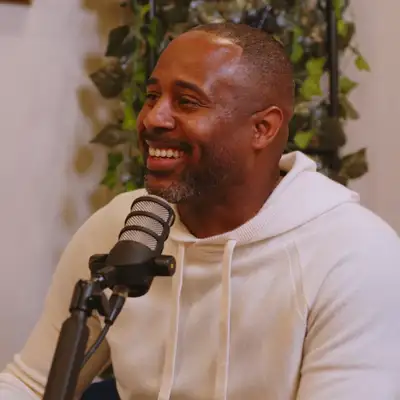
WAHBL Podcast (When All Hell Breaks Loose) is your go-to source for real, raw, and uplifting conversations about overcoming life’s toughest challenges. Hosted by Chris King and Monique LaRue, this podcast dives deep into the personal stories of resilience, faith, and growth, providing practical advice on how to thrive when everything feels like it’s falling apart. Whether you’re navigating loss, career setbacks, or personal struggles, each episode offers inspiration, actionable steps, and a reminder that even in the darkest moments, there’s hope on the horizon. Tune in for empowering discussions, audience engagement, and thought-provoking interviews that will help you take life’s toughest blows and turn them into victories. For more information, please visit our website at https://wahblpodcast.com and follow us across social media @wahblpodcast
When it comes to bouncing back in life, after life has dealt you some major blows, nobody really knows it like me. Except the guy that I have with me today. This guy is the king of bouncing back. He's bounced back in business. He's bounced back in relationships.
Chris King:He's bounced back with his family. He has bounced back financially. And I am so honored to have my dear friend, my colleague, my mentor, everything else, man. Whatever it is that he needs to be in my life, he has agreed and he has shown up in more ways than one. But most importantly, he's shown me more how to bounce back.
Chris King:So I wanna welcome my dear friend, mister Marcus Wilson here with me today. Marcus, welcome, welcome, welcome to the When All Hell Breaks Lose podcast.
Marcus Wilson:Hey, Chris. Thank you, man, so much, man, for having me here. That's really a blessing. I really appreciate the opportunity.
Chris King:And you ain't even paying me for that that introduction, You know, you gotta take that down.
Chris King:That's like GPT right here.
Marcus Wilson:I can send you a tip cash out.
Chris King:I bet. Absolutely. Alright, Marcus, man. Let people know who you are, man, for those that don't know you.
Marcus Wilson:Alright. My name is Marcus Wilson. I'm from I was born in Chicago, but I was raised in the Delta, Greenville, Mississippi. So I'm the president and CEO of Intelligence Inc and the founder of Bounce Back Organization.
Chris King:Okay. Man, it's funny because you just threw something at me that I didn't even know. I knew you had we had the Mississippi connection. Mhmm. My family's from Mississippi, but my mother was also born in Chicago.
Chris King:Right? And so it's like that whole transplant of people born up to Chicago. Right? Right? That that migration.
Chris King:Right? And then some coming back to Mississippi, man. So tell me tell me about growing up in in the Delta and I know what Mississippi was like, but most folks don't. We have pictures, but really tell us about, you know, what what it was like growing up.
Marcus Wilson:Absolutely. So my mom, you know, had me when she was young. She was in school. So she was in Chicago. So I'm a Cook County baby.
Marcus Wilson:Okay. So she really couldn't take care of me because there's a kid having a kid. So my grandparents offered to raise me. So my grandmother took me to my grandparents and I showed up in the Delta. And I grew up in now Greenville, Mississippi, which there's not much going on.
Marcus Wilson:If you probably people don't even really hear. You may hear more like Jackson, you know, Jackson State University, but you don't hear about Greenville, which is about 40 miles where Emmett Till was was lynched. So in that world, there's not a lot going on. You don't see a lot of success for blacks. Right.
Marcus Wilson:So when I grew up, I saw it had a very dim view of, like, black success. I saw people go to school, get degrees, but then they would come back to Greenville, Mississippi and it was like, why did you come back here? So I didn't understand that. I watched my mom get her bachelor's and master's degree. I said, okay, you're here and we're living just over broke.
Marcus Wilson:So I didn't understand education as related to being successful.
Chris King:And see, a lot of people don't even realize that there were even policies in Mississippi back in the day that incented black students to leave the state, right, to go get their education. I remember my father, he was actually a recipient of a special scholarship. And this is, you know, before your time, you know, but around probably the age of our parents and and whatnot around that time to where he was incented to leave Mississippi to really go get his education and really leave and and not come back for the most part. And so for those that came back, there were no opportunities really outside of the traditional, opportunities that you saw for black people, which were helping others or or serving others and and and and whatnot. So you're now what you're saying is that you're just seeing, you know, people that are educated in Greenville.
Chris King:They're educated, but they're broke and struggling. Correct. So what did that do for you?
Marcus Wilson:I didn't have a good view of it. And I said to myself, why do I wanna go to school? Because I had the opportunity to get a scholarship and go could have gone to Alcorn or Jackson or whatever the case may be, but I said, why? I'm gonna go spend time in school, get a degree, but then across the tracks I saw, you know, unfortunately, I'm just gonna say white people. Mhmm.
Marcus Wilson:We couldn't we didn't interact with them much. We didn't go to school with them. There were a few that went to our school, but primarily, you know, there was the black schools and there were the white schools. That's how it was. I didn't realize that you could be a really a black doctor.
Marcus Wilson:You know, we had one, I remember his name, but in general, right, we didn't have black doctors. We didn't black attorneys. I didn't see black attorneys. So when you look at attorneys today, we see a plethora of black attorneys. Right?
Marcus Wilson:I didn't see that. So I thought that you had to be to be successful. You know, white people got an opportunity to be this way and then we had to be a certain way. So we didn't get out of the place by going to athleticism or something like that. Probably wasn't gonna happen.
Marcus Wilson:So I just my view was we drove Cadillacs, right? Rohams, Lincolns, stanking Lincolns as the
Chris King:North American
Marcus Wilson:guy. Do remember that? Yeah. But I crossed the tracks. I would see a BMW or Mercedes.
Marcus Wilson:We didn't do that stuff. And there weren't that many in it. This is Mississippi. Right? So you just didn't see that where I was.
Marcus Wilson:Like in Atlanta, you can go to the poorest neighborhood Mhmm. In Atlanta, but you can be you're within fifteen minutes of going to Buckhead. Right. Right. So you could see a Bugatti Yeah.
Marcus Wilson:Riding around. Right? I didn't see that stuff when I was coming up.
Chris King:Man. So well, first off, how different is it now?
Marcus Wilson:It's even worse. Yeah. Wish I could have some videos for you. The last time I went home, I I mean, it was it was sad. Mhmm.
Marcus Wilson:Boarded up houses. The casino was there and it's like ruined the city to me. So to see the city now, it's in really bad shape. Man. When I tell you bad shape, bad shape.
Chris King:So you could either when you were growing up, you could either be an athlete, primarily. Right? Or I mean, at that time, maybe entertainment, but we really you really didn't have entertainment like that. Right? And I think one of the most famous athletes that came out of the Delta was what?
Chris King:Jerry Rice.
Marcus Wilson:Jerry Rice.
Chris King:My mother loved Jerry Rice. Absolutely. Mississippi Valley State. Absolutely. Right down the Yeah.
Chris King:So you saw from an athletic standpoint, had to be he was the best of the best, So you had to be in athletics to really get out. Or what was your option? Work for the post office or work for the school system or possibly work for like maybe the hospital. Mhmm.
Marcus Wilson:Right? Because those were the pillars of the community back then. You know, we don't have high rise there were no high rise buildings. Right. There were no big businesses.
Marcus Wilson:There were no Amazon distribution shops. There was no Coke. Right? There was no HP. There was the post office.
Chris King:Mhmm.
Marcus Wilson:There was the school system. There was the hospital system. So how did you get out? I went to the military. Okay.
Marcus Wilson:Well, I went to the military, serving military for four years, air force. I was still broke. Mhmm. I was living in the barracks. Right?
Marcus Wilson:Mhmm. I was making maybe $600 a month as a e one through e three then, you know, as a e four I got out. Came to Atlanta and what really turned me on to Atlanta was, I hate to say this
Chris King:Magic City. No. Oh. Freaknik.
Chris King:Oh, Freaknik. Close enough. There we go.
Marcus Wilson:There we go. But during Freaknik, I went to Magic City. So let me tell you what happened. Right? So I'm sitting in Magic City.
Marcus Wilson:Yeah. And that's true. Yeah. Sitting in Magic City and I see guys next to me and they're throwing hundred dollar bills. I had never seen that.
Marcus Wilson:Mhmm. Wads of money. And, they just throwing it, as they say, making it rain. Yeah. So, I'm like, man, what do y'all do?
Marcus Wilson:They looking at me like, man, you the police? Why are you asking all these questions? Said, man, I'm in the military. I'm just here for freak Nick. And, they were like, oh, man, you're in the military.
Marcus Wilson:So, they started getting me dances and I just at that point, I said, that's me. That's me. The drug came. Mhmm. That's what I'm gonna do.
Marcus Wilson:So, when I went back to the military base, I couldn't wait to get out. That was me. Mhmm. So, I kept in contact with those same guys. And I got here to Inanna, and I found myself in that crowd of people, and away it went.
Marcus Wilson:And this is where all hell breaks loose. Absolutely. This is when all hell breaks loose. I mean,
Chris King:we could also we could argue that all hell was already breaking loose, but it was your normal. Right? It was your normal of seeing people educated, but not being able to make it. Right? And for some of us, that's just since it's normal, it's not considered all hell breaking loose.
Chris King:We just learned how to adapt. We just learned how to, be be good in those arenas. But now, you out of the military, you in the drug game, and now your life is changing. What what happens then? Well, keep in mind, I never had a dad Mhmm.
Marcus Wilson:Ever. Right? So my dad died when I was young, but I still didn't know him regardless. So I ended up going to a funeral of a stranger that I literally didn't know. So I didn't know how to feel then.
Marcus Wilson:So you're talking about a person never having any guidance. Never had guidance. I was always trying to figure things out on my own. My mom's in school. I'm being raised by grandparents that are older.
Marcus Wilson:My grandfather dies. I don't have a father. So for me, I'm always in how does this stuff work mode. So I started taking on identities because I didn't know who I was. So I don't know if you ever understand when you look in the mirror and you don't know who you are, what you're supposed to do.
Marcus Wilson:If you don't know who you are, then you don't know who you are not. And that was the key. I couldn't figure out what should I be doing. Should I be doing this? I know I can do stuff in school.
Marcus Wilson:I've been to the military. I've had clearances and all this stuff. Right? So I know I can do technical stuff, but I don't think I can make money. And I'm sitting next to people and they're making money and they're throwing it away because they can go get it again.
Marcus Wilson:Yeah. Right? And that that intrigued me. So, being around them, I felt like I fit in. I absorbed their identities.
Marcus Wilson:Mhmm. I don't know if you ever felt like that, where you hang around people and you wanna become them because you've never ever had your own identity.
Chris King:Yeah.
Marcus Wilson:That was what I was going through. I had a I guess they call it identity crisis.
Chris King:Yeah. Man, that's that man, that's a whole another issue, man, that that so many people that, myself included, I've had to go through. Right? Not having the interaction with my dad, you know, trying to figure it out, being in the midst of a certain environment, but sometimes absorbing their identity means survival. Right?
Chris King:It's the difference between surviving or, you know, being ostracized and left out or just, you know, left to the wool or being overtaken. Right? Because in some environments, you know, when I was growing up, you know, I had certain things around me, but absorbing that identity was not just it didn't just give me a sense of pride or of who I who I thought I was, but it also meant my survival. And so that's one of the things the identity crisis is is huge. So you're saying because you had an identity crisis, now I'm allowing these guys and this this circle to really influence who I am and what I do.
Chris King:Right? So so how does that play out? Well, you get involved, you get in trouble.
Chris King:Yeah. You got a couple ways in and out, right?
Marcus Wilson:You they say it's either death in, death out or prison. Yeah. I went to prison. That was God's grace for my life. Go to prison.
Marcus Wilson:Let me calm you down. Well, I was in prison, keep in mind, I say to myself, okay, here's how I got caught. So remember, I'm in prison now. Georgia State Prison and I'm around other people that's been locked up longer than me and we're now figuring out, we're sharing information of how we got caught. So, game now is to get out.
Marcus Wilson:How I get caught? Seven year senate, certified. Right? Get out and do it better. Mhmm.
Marcus Wilson:Right? But then, this is where my fathers, my dads daddies came in. Right? I had dads in jail. God put dads in jail for me and they said, hey, man.
Marcus Wilson:I've been in here all of my life. Thirty years, twenty seven years, thirty three years, thirty five years. And these men said, you didn't come here for that.
Chris King:Wow.
Marcus Wilson:Get out of here and don't come back. Wow. That changed my mind. So when I walked out, got out of prison, I had 90 books to my name on the books. I will never forget this.
Marcus Wilson:I was at Greyhound Bus Station for two days making phone calls to try to find a place to live because on day three, if anybody knows you gotta go to prison, you gotta report to the parole officer. You gotta give them one thing that's very important, an address. And I didn't get a halfway house. Mhmm. So a lot of people get halfway houses.
Marcus Wilson:I didn't get that. So I got let out and I'm like, okay, I need a place to stay. So one person, his name is Earl, took me in and put me in his basement and said, I'm gonna help you get some certs. I'm gonna help you do this IT thing. Right?
Marcus Wilson:Mhmm. This is why IT was very, like, near and dear to me because it's how I basically changed my life. Without him and I remember him saying, you can bounce back from this if you put your mind to it. That's all you gotta do. You gotta have faith in yourself and you gotta be disciplined.
Marcus Wilson:So one word that resonates with me all my life has been discipline. Mhmm. Right? Discipline. Discipline.
Marcus Wilson:I have to say no to this. I gotta stay in all weekend and and and I can't go out and party. I gotta get searched. I gotta read. Back then, there was no when I was doing IT, remember, there were no PDFs.
Marcus Wilson:Right. Right. Right. Right? There was no internet.
Chris King:Yeah. There was a book. Remember? Yeah. You go
Marcus Wilson:to Barnes and Noble's. Yeah.
Chris King:And I
Marcus Wilson:ain't have no book money.
Chris King:Right.
Marcus Wilson:So I go to Barnes and Noble's and sit there, right? Mhmm. And open the book and come back and remember the page and come back and get that same book hoping nobody bought it. Wow. And I was studying for my certs out of the Barnes and Noble's of the world by going in reading books that the Microsoft certifications, the Cisco certifications, those were all books.
Marcus Wilson:There were no PDFs. Right?
Chris King:Man. And they had that stuff back in day. Yeah.
Chris King:So you just hit on something. You said one person named Earl. Yep. Now, but in that you said, you know, it was God's grace really God God really his wake up call to you. It was.
Chris King:It really took you to prison. God's grace kept you in prison. Right? You have fathers in there really now helping you change your mind and say, look, ain't coming back. Right?
Chris King:And then Earl, I don't know what the relationship was before you went in to Earl, but, you know, really God's grace there. So what I'm hearing is even in the thick of all hell breaking loose for you, you're in the trenches. God's grace kept you. Man, I'm a just I just wanna pause right there and just really reflect because there are people right now that's watching. Right?
Chris King:There are people that's watching and they are sitting here feeling like they're hopeless. They're feeling like all hell is breaking loose. They have lost control. They don't know which which end is up and they're experiencing everything. And then somebody comes and says, hey, man, even when I was in prison, God kept me.
Chris King:You know? And I don't know about you, but for me, that would give me hope. Right? Because, you know, thank God. Thank God.
Chris King:It was God's grace that kept me out of prison, you know. But even in the midst of that, man. I mean, so I just wanna pause and reflect on that because that's a part of your story that I really we've talked a lot, but I ain't never heard about Earl. I ain't never heard about, you know, the fathers in prison and things like that. So I just wanna pause right there and just let somebody know that no matter what you're going through, no matter who where you are, no matter what circumstances that you are experiencing right now, God's grace can keep you through.
Chris King:God's grace can cover you. And trust me, God, if you continue to be disciplined and focused and steadfast, God can help you bounce back. He's already covering you in the midst of this season. So I'm just wanting to stop and pause and let whoever's watching know that, that no matter what you're going through, God's grace is covering you. Absolutely.
Chris King:So with that being said, Marcus alright. So you're now taking your certifications for for Microsoft certifications, Cisco certifications. That's that's IT speak for people that don't know it. Right? But So so now, what are you what are you what are you experiencing?
Chris King:But it but it doesn't it don't start there. Right? Well, keep
Marcus Wilson:in mind, I have one roadblock. Mhmm. I got a felony.
Chris King:Right. Right.
Marcus Wilson:So, I'm I'm still doing my diligence. Right? I'm in those books, but I still got the felony to deal with. So, let me explain God's grace. I get on a temp service.
Marcus Wilson:Right? And that's IBM. Global Services. Working for NCR as a contractor.
Chris King:Mhmm.
Marcus Wilson:I'm a help desk person. Okay? Mhmm. Probably then, making about $12 an hour, which is pretty good back then. And all of a sudden, right, NCR gets bought out by AT and T.
Marcus Wilson:But, I'm already a temp Mhmm. Working on the help desk. So, I get a permanent position with AT and T. Wow. So, now, I'm an AT and T employee.
Marcus Wilson:What did you not hear I went through? I did not go through a background Yep. That's God's grace. Mhmm. Who else works at a a job like that and doesn't get a background check?
Chris King:Wow.
Marcus Wilson:Think about it.
Chris King:Yeah.
Marcus Wilson:And here's what you start realizing when you think you're doing something. Because we have this thing, I did that. And I'm like, you didn't do that. Yeah. Yeah.
Marcus Wilson:So, I'm really careful today about saying things like what I did. I did this. I'm a self made this. No, I'm not. God was like, remember?
Marcus Wilson:When you were in prison, that was me protecting you. Remember when you got that first job? That was me.
Chris King:Wow.
Marcus Wilson:That wasn't you. That was all me. Right? So I've had to be very careful as I walk and I'm helping people. Right?
Marcus Wilson:Mhmm. Always remember why I'm helping because your misery is always always somebody else's ministry. Mhmm. And, I know that.
Chris King:Yeah.
Marcus Wilson:In my own life, as you get a chance to share with people, and I used to be, like, concerned. I ain't gonna tell anybody I've been to prison Mhmm. Because it'll make me look bad. But then, people have told me, no, that's your story. Yeah.
Marcus Wilson:You're gonna bless somebody. You're gonna be able to change somebody's life by them knowing that they can go through prison and they can get out. They can build a company. They can recover their entire life and go on to have a life of purpose Right. Which I didn't even think I would have.
Chris King:And and so you you spoke on it briefly. You've been in prison, now you've built a company. You had $90.
Marcus Wilson:That was it. Right?
Chris King:Period. $90 to your Right. Right? So you have $90 and now you build this big this this great company. I mean, I I know what you do.
Chris King:Right? You build this great IT company, multi million dollar firm. Mhmm. You've been on stages of more than 300,000 people. Yep.
Chris King:Right? Talking to them and this backwoods Mississippi boy. Yep.
Chris King:Absolutely. Yeah. Right?
Chris King:Absolutely. Straight out out of prison with $90 to his name. That in of itself is an inspiration. So and you've even helped me because you told me, was like, man, to do what you need you wanna do, you don't need
Chris King:no money. Right? Because I'll come and you'll
Chris King:be like, alright man, but what do I
Chris King:do if I ain't got no money? I ain't I got no money either. Know what said?
Chris King:I have So how did you build? How did you come about doing doing that? Building your company? What sparked that in you that, hey, I'm a just build build my company?
Chris King:Well, ain't gonna tell look, don't follow me. Yeah. Don't follow me. Right? Trust me, don't follow me.
Marcus Wilson:I took everything that you can you can imagine. Mhmm. The dirtiest jobs, running cable. Because remember IT and comms is everything. It's like saying space.
Marcus Wilson:Right? Right. So, running cable. Running cable from point a to point b, You know, that's money. Mhmm.
Marcus Wilson:So I took it. And a lot of times, I would be tagging along with somebody and they would, a lot of times, wouldn't even pay me. So I had these people that I'm working and tagging along because I'm now, you know, I'm this guy, I've been in trouble and I'm just trying my best to get in where I fit in. Right. So I'm doing everything.
Marcus Wilson:Like, okay, you want me to carry the tool bag? I will. You want me to do this? Okay. I'm the first one there and the last one to leave every single time because I'm trying to reinstate myself.
Marcus Wilson:Right? To say, hey, I'm trying to recover. I'm trying to get to the next level because I know what's back there. I've already been back there. Right?
Marcus Wilson:I already know what's back there. I don't wanna go back. Mhmm. So whatever I have to do to move forward, I'm trying to move forward. But then I'm still doing some stupid stuff.
Marcus Wilson:Drinking and driving. Mhmm. That was a DUI. That coulda got me back in prison. Parole officer, grace of God, get a DUI.
Marcus Wilson:Mhmm. DeKalb County. They're like, this could be a parole violation. Right. So, I get called into the parole office and they say, hey, he said, I'm not gonna lock you back up.
Marcus Wilson:You're doing good. That was stupid. Don't do it again. But at the same time, I now have to go through something different. My mother dying.
Marcus Wilson:My mother has uterine cancer. And as I'm going through parole and I'm at the end going towards the end of my parole, my mother gets sick. And now all of her organs are shutting down. So she's 48 years old. Wow.
Marcus Wilson:So I now gotta go through that. So devastating. Mhmm. So that took me down and now I'm spiraling out. Now, drinking every day, doing all kind of stuff and it just gets worse.
Marcus Wilson:Mhmm. Right?
Chris King:And this is after you already got
Marcus Wilson:the DUI? Yeah. And my mom and I'm like, okay. And I'm just doing crazy stuff.
Chris King:Mhmm.
Marcus Wilson:I just couldn't get it together. So, me building a company was not about just building, it was I was still doing dumb stuff.
Chris King:Mhmm.
Marcus Wilson:Okay? When I started really understanding to build a company was after 09:11. After 09:11 hit, everybody did background checks. Mhmm. Everybody.
Marcus Wilson:So now, I would go to get a job and they'd say, no. Can't hire you. You have a background. That became the issue. Wow.
Marcus Wilson:So, I've just lost my mom. Right? Nine eleven. My mom dies in February. September '9 '11 is 02/2001.
Marcus Wilson:Right? So it just keeps going. And 02/2005 is when I started intelligence. Mhmm. Because I woke up and said, you either you're gonna go back to prison or you gotta make this thing happen.
Marcus Wilson:And, I did.
Chris King:So, you had no choice.
Marcus Wilson:I had no choice. So, people who are entrepreneurs, they have business plans. I had a plan of desperation. Yeah. There's a difference.
Marcus Wilson:I didn't have a business plan. I was desperate. Period. I I was lost. I said, man, you're in trouble.
Marcus Wilson:Mhmm. So I started working my butt off. And I built and I got my first contract and I just kept doing work. Or first customer, so to speak. And then that equates to contracts, etcetera, and you keep building and you never look back.
Marcus Wilson:So today, you know, having as many, you know, employees and contracts and building a multimillion dollar firm, I never look at it as, oh, I've done this great thing. I look at it as, that's been God's grace for your life. Right. And intelligence has been my profit work, God's restoration for my life. But Bounce Back, the nonprofit, that's God's purpose for my life.
Marcus Wilson:Wow. And I had to understand two different things. There is profit Mhmm. And there is perfect. I mean, know what I'm saying?
Marcus Wilson:Yeah. There's purpose. Right. They don't have to be the same. Right.
Marcus Wilson:They can be different. Right. You know? I can make money here like John O'Brien says, you can what? Do well Mhmm.
Marcus Wilson:And do good. Right. Right? So one, intelligence lets me do well Mhmm.
Chris King:But I use it bounce back to do good. And, you know, sometimes people think that once you they have this idea of making it. Once I make it, everything will be alright. Right? But that's not been the case.
Chris King:Right? You you one, you created your company out of necessity. Correct. It's either I gotta do it. Right?
Chris King:Going back to prison. Right? So because you knew how to do that. Right? You knew how to do that.
Chris King:But so out of necessity. And then you build this company. Right? But it doesn't just stop there. Right?
Chris King:You still have you're still having to fight, take some blows and everything because your mother your mother passed and then you've also experienced some additional loss.
Chris King:Mhmm.
Chris King:Right? And help us understand about how even in the midst of what people would deem success and making it, that you still experience some loss and how you continue to bounce back from that.
Marcus Wilson:Absolutely, Chris. But you know, in 2022 my daughter died Mhmm. Of a stroke. You know, high blood pressure runs both sides of my family. Mhmm.
Marcus Wilson:And I didn't even see it coming. My mother didn't see it coming. We we said, oh my
Chris King:God. Mhmm.
Marcus Wilson:So, now, I'm burying a 28 year old, and I'm sitting there looking at her. I'm looking up at God saying, what in the world just went on? Yeah. And for anyone that has lost a child, it's devastating. Period.
Marcus Wilson:I lost my dad, lost my mom, but I never experienced that type of pain. Wow. Like somebody ripped something out of me when she died. And that's been the most brutal thing I've been through in my life. Prison wasn't worse than that.
Marcus Wilson:It just wasn't. Mhmm. Burying my child was the worst thing I've been through. Wow. And I don't wish
Chris King:that on anybody. Right. Right. But you still continue to to push forward and now you have bounce back to where you're helping other people really bounce back from whatever hell they've been through primarily in the prison system. So, you know, let's talk about that because now you're getting a purpose.
Chris King:Okay. Profitability. Okay. Yeah. Your company is doing great.
Chris King:We we we making a we we making money. You you you know, you're not making it rain in Magic City no more. Okay. Alright. But, you know, you could if you want Right?
Chris King:But now
Marcus Wilson:My wife will kill me.
Chris King:Yeah. Yeah. Yeah. Alright.
Chris King:So so now you got all of that. Now you're moving into something that's just so much I I I know your heart behind this. Right? So help understand. You've spoken about bounce back, but what is bounce back?
Chris King:Bounce back is my way.
Marcus Wilson:Mhmm. God's purpose for my life of restoring justice impacted black men. Justice impacted today is the word we use for ex felons. Right? Because we're trying to get the negative part of ex felon away.
Marcus Wilson:So now the word is, you know, it's just as impacted. To give them technical training, right, and give them an opportunity to have a marketable skill set where they can thrive. Mhmm. Right? So you take somebody out of the system, give them an assessment test, understand if they have a technical, right, aptitude and give them training and in hopes of getting them a job.
Marcus Wilson:Mhmm. Or at least putting them on a pathway of either building a business one day where they can go start their own and do some type of consulting. But why? Because we make up black men, people don't know, we make up 60% of the prison system. Wow.
Marcus Wilson:Period. But we don't make up 13% of the population, but we make up 60% of the prison system. Mhmm. We are the product. Mhmm.
Marcus Wilson:And there's a problem that needs to be addressed. And what and let me explain what that does. That's so much more than just being a an ex felon and talking about that. It's do you know how that impacts the black community? Yeah.
Marcus Wilson:Do you know what that does to a household when dad goes to prison and there are two kids left for the mother to fend for herself? With two kids sitting there, where's my dad? Mhmm. I, my daughter, was born while I was in prison. Wow.
Marcus Wilson:Luckily, I got out and had the chance to restore that relationship. How many kids won't have that opportunity? And you didn't go back? I didn't go How many people go back? A lot.
Marcus Wilson:Mhmm. Right? I think there's a 60% Mhmm. Little over 60% recidivism rate Mhmm. Which is ridiculous.
Marcus Wilson:And what I have really attributed that to is lack of skills. I was looking at the Georgia Department of Correction Report. Okay? And there's a section in there and it gives you these percentages and you can download it from the website, from their website. So this is public information.
Marcus Wilson:And what I looked at is the ages between 17 and 19, there were like 300 or so people that had gone in the jail. Right? They were locked up. But then when you get to 21 through 24, it went to several thousand. And that kinda tells me you may be a pattern where you see us graduating, not doing anything
Chris King:Mhmm.
Marcus Wilson:And then trouble is always waiting for you. Right. You don't have to find trouble, it will find you. Right? Mhmm.
Marcus Wilson:And then we're seeing this pattern of if you don't go to school, if you don't go to the military, if you sit around and don't do anything, you with mom and dad and you just sit at the house every day at the crib chilling
Chris King:Mhmm.
Marcus Wilson:Trouble finds you and prison is waiting on you. You know, earlier we mentioned some stocks. Right? Mhmm. Prison stocks.
Marcus Wilson:And these prison I won't say them just out of respect. I won't say the names of them. Right? But these prison stocks, doing what we see right now with the stock market crashing.
Chris King:And let's hold on. Let's back up. Let's explain to people Okay. What prison stocks are.
Chris King:Alright? Gotcha.
Chris King:Right? Gotcha. Because you know, they they may hear they may not understand exactly what prison stocks are because the prison system has been largely privatized. Absolutely. Right?
Chris King:So that means private companies are running basically building, and like you said, we're the product. Right? Building prisons, servicing prisons, servicing prisons and and everything else in the prison. Right? And managing the prisons.
Chris King:So there is a whenever you talk about companies, there is a profit loss. Right? Just like in your home. Right? Profit loss.
Chris King:The goal of the company is to make profit. Right? You have investors that invest into that Absolutely. And hope that you make more profit because they get paid dividends. Absolutely.
Chris King:Right? So that is the nature of any stock. And so we have prison companies that are being traded, right, on on the markets, on the exchanges. Right? And their aim is to make profit.
Chris King:Those are prison stocks. Now go. That is Right? Those prison stocks, unfortunately, we are the product.
Marcus Wilson:Yes. And, if you look at what's going on in the market, those stocks have very little volatility. Like, you look at it, Amazon or Meta Mhmm. These stocks are taking a beating. Right?
Marcus Wilson:Mhmm. Some down, Tesla's down, what, 20%. You hear it. He's losing
Chris King:Billions. Mhmm.
Marcus Wilson:But those prison stocks
Chris King:And gradually increases. Absolutely. Because we are a product and we are recession proof. Wow. That's sad.
Chris King:Wow. Wow. So because of that and then there's another statistic you talked about in our private conversations about people going back. But what's the real reason that most people go back? Like, what are some of those top reasons that people go back?
Chris King:No hope. Yeah. No hope. Yeah.
Marcus Wilson:If I don't have what does it say in the bible about vision? Where there's no vision?
Chris King:Vision, the people perish. There's no vision.
Marcus Wilson:Mhmm. We talked about the kids being left behind in a bad manner by the dad. Mhmm. Like in the slave days. I'm from Mississippi.
Marcus Wilson:Mhmm. So I understand my history, right, of slave trade and how it worked. I take the father away from the house and I break the house. That's what's going on today. Yeah.
Marcus Wilson:Right? I take the father away and I break the house. So I abandon those two kids and those two kids are left with the parents to fend for herself. The mother, as a single mother, trying to figure things out and raise especially if it's a man. Yeah.
Marcus Wilson:She's trying to figure out how to raise this young man. She doesn't always get it right. She gives them everything, all the love you can, but the man needs a man in their life to help them understand and navigate. That's why God allowed we need two parents, right? And they both.
Marcus Wilson:So, those are major problems in our community that we need to fix. We need to help do our part. Because some people, they say second chance programs. Mhmm. Some people didn't have a first chance.
Marcus Wilson:So, you mean to tell me if your mother's on crack, your dad's in prison, are you telling me this is a second chance for you or is this a first chance for you? Right. So, getting those guys about and I talk to them all the time. I'm sitting there having conversations like, they're like, man, you know, my mom, I'm a foster kid. Mhmm.
Marcus Wilson:I was in foster care all my life. I was moved around from house to house. Burglary, simple charges, right? Trying to sell drugs. They're just trying to figure out how to make it.
Chris King:Yeah.
Marcus Wilson:They're not trying to hurt people, they're trying to figure out how to make it. And there's a difference between people who are just violent, like they just wanna cause and wreak havoc. That's not the typical case. That's the movies, that's TV. The typical person gets out of there and they're trying to figure out how in the world now do I figure out my life.
Marcus Wilson:What's life after prison look like?
Chris King:You know, Marx, you've said a lot and you talked about identity. Your identity crisis coming on and that's what led to this. And when you talk about removing the father out of the home, and I often tell people, I said, the identity comes from the father. Right? Whether it's male or female, the identity comes from the father.
Chris King:You don't see my my little girls don't have somebody else's last name, you know. And so regardless and even spiritually, the identity comes from the father regardless of a circumstance, whatever. So I try to teach my kids that no matter where you are, and it's a little easy because my last name is King. Right? But no matter where you are, no matter what you're going through, you are you are a king.
Chris King:You are you my my son, you this is this is your identity, and this is what this means. You are a leader and a role model, and you are not a follower, you influence, and you change the landscape, and you do this. And I put the possibility so that whenever they feel like they're hopeless, like my oldest daughter, she was on the show not too long ago, she had to go out on her own. But when she went out on her own and things were going on, she had to tap in. Well, my daddy taught me I'm this.
Chris King:My daddy taught me this is how I navigate. And what that identity does, there's another thing that the identity does, it allows you to set parameters. Right? It sets boundaries on who do I need to deal with and who don't I need to deal with. Because kings don't run over here.
Chris King:Right? You know, princes don't run over here. Royalty don't run over here. Right? You know, I might you know, if I visit, it's really to change the landscape.
Chris King:And now, I'm hearing that over time, you didn't know who you were. Right? You were absorbing the identity of the slums, basically, of of of the environment. And later on, somebody some people spoke into your life and you were like, nah, I ain't gotta do this. And now, you have created in within yourself saying, this is who I am regardless of my past.
Chris King:But even in that, Marcus, you've told me how people tend to call you a success. Right? And how you really don't like, you know, that phrase on I'm not you're not successful or whatever, like in everybody's terms. And I'm hearing because you're now they look at success based on profitability Absolutely. And accomplishments, attainment, materialistic things.
Chris King:But now, you're running a whole different race because a new identity says that my purpose drives me. So I'm I'm really inspired just in this conversation. I always get inspired. I always get hype when we talk. Right?
Chris King:But I wanna ask you, bounce back. Mhmm. Is your is is what you're passionate about. God's grace has been on you all this time and so I have to deduce that God's grace was on you even in the midst of your daughter passing away. Absolutely.
Chris King:Is this also an example of God's grace bringing you to purpose to fill some voids that you may have experienced during that loss?
Marcus Wilson:I had some issues with it. I had to go to grief counseling. As a matter of fact, I just got out of grief counseling this year. It took me a while to go. Right?
Marcus Wilson:So I I had to I still was struggling with with that. I was struggling with God. I questioned God many times. But then it goes back to God's grace. Remember, you can't.
Marcus Wilson:He's not a genie. Right. Right? He's not a genie. You can't rub the side of a, you know, lamp and all of a sudden he pops up.
Marcus Wilson:You gotta take the good with the bad. You gotta realize life's gone life. And that's what I had to realize. Right? You God's grace has protected me and restored me and gone through so much.
Marcus Wilson:He's not trying to hurt me. Life is life. She had high blood pressure. What I had to accept is it wasn't God. Mhmm.
Marcus Wilson:It was a condition. Mhmm. Right? And I have to really understand that. Like, my life, I went in and out of trouble.
Marcus Wilson:My whole twenties, in and out of trouble. So, was that God or was that me? And and a lot of times we point the finger at something, but we don't realize it three point back. So, a lot of times I've had to learn if I'd gone through things, was it the enemy or the enemy? Right.
Marcus Wilson:Because I had to learn those things the hard way, the tough way. I have to look in the mirror when I make a mistake. I look in the mirror and the way I feel like how I've recovered and why I'm able to do the things I do today is because I've always owned up to the things that I did. Here's the fact you never see me running around talking about how successful I am, right? Because I don't care about stuff like that.
Marcus Wilson:I made a ton of mistakes. So if you call success being making mistakes and then fighting through them to recover from them, then I will take that version of success. But a lot of people look at material stuff and they see success but they don't see how the movie started. They see the end of the movie. You ain't see the story how it started.
Marcus Wilson:Yeah. So you you before you look at that car or look at something from somebody, get the background first because you don't know what they went through to get whatever that thing is you just looked at as they riding by or this sparkling things or this thing on them '20 twos. Yeah. You you don't know what they went through with a house or whatever. You don't.
Marcus Wilson:So, I always like to pull back the layers of the onion and say, hey, what did you do? What did it take you to get there? Yeah. Never make any assumptions there. Yeah.
Marcus Wilson:Alright? So I don't think about success like that. I don't measure success as stuff.
Chris King:And and that's important, you know, there are two more questions I wanna ask you I hadn't asked you before. But one of them I think I have. But this one, I really wanna ask you. Who are you now?
Marcus Wilson:Who am I now?
Chris King:Yeah. Who who who are you now? Who am I?
Marcus Wilson:A person that's been through hell Mhmm. But now that focuses on my purpose. And my purpose is to do as much as I can to do to fulfill God's grace for my life, and that's to help people. I believe I'm put here to help people. Mhmm.
Marcus Wilson:And everybody has their lane, right? Yeah. And I believe that everything I've been through, the way I'm built, the way I think, the way that I understand and deal with problems, I believe all those things mold me into who I am today. As a person that walked out of the system about thirty years ago, and now, despite all those problems, I'm now doing God's purpose for my life. Yeah.
Marcus Wilson:That's who I am. Right? I'm purpose driven. Mhmm. I don't look at like, right now, my business and the nonprofit, they are all about purpose.
Marcus Wilson:I use them together. They tie in together. They're joined at the hip. It's not just this one is doing this. I use the resources from intelligence.
Marcus Wilson:Getting on the stage with Microsoft. Think about who gets on the stage with Microsoft for 300,000 people and talks about bounce back and talks about going to prison and how we can change lives, right? How intelligence helps me hire people and that I can say now yes to somebody and hire them when another company would say no. Mhmm. Like they did me.
Marcus Wilson:So, I have an opportunity now to do what other companies didn't do. Like, oh, there's no. No. I can say yes. So, running this business, that to me is part of the design divine plan for purpose work.
Chris King:Yeah. So actually, I'm throwing in another question. Said I'm throwing in another. So for people that you find in that position or may find themselves in similar positions, right, what advice would you give them? What would you tell them?
Chris King:Because you've dropped a lot of things on what you've what you've done. And, man, we gotta come back and have some of these conversations because you know how we talk. But, what would you give them? Like, to say, hey, you find yourself in these positions, you know, you too can can bounce back. Right?
Chris King:And what would you say?
Marcus Wilson:No storm lasts forever. And I I remind myself of that today. So that's not a cliche thing.
Chris King:Mhmm.
Marcus Wilson:So I'm not sitting here giving you a commercial. Right? I'm not saying it for advertising purposes. I'm saying the other day, remember it was raining, it was pouring down. Right?
Marcus Wilson:I mean, down. Mhmm. And then two days later, it's beautiful outside today. Right. Right?
Marcus Wilson:There's not a cloud in the sky. That's life. Yeah. So just because you're down right now, that doesn't mean that you can't change. Mhmm.
Marcus Wilson:That doesn't mean that that storm the last They tell me that three people right there are three types of people. There's people in a storm, people that's going in a storm, or people that's coming out. Mhmm. Which phase are you? Right.
Marcus Wilson:But in no situation is that storm forever. Right? There are phases. And, I've just learned that no storm lasts forever. So, I know that life's gonna life.
Marcus Wilson:Mhmm. I expect things to happen. I didn't tell you I was an optimist or a pessimist. I think I'm a realist. Mhmm.
Marcus Wilson:I sit in the middle. Being a realist means that things are gonna happen. Good things are gonna happen, bad things are gonna happen because we live on earth and it is what it is. So, that's the mentality I take today. Right?
Marcus Wilson:So, if you're going through something, it's not forever. Don't let it define you. Right? A lot of times, you may look at something in the mirror, you just need to make some choices. Right?
Marcus Wilson:I choose. I can stay in the storm or I can choose to work my butt off to get out of it.
Chris King:Yeah. But you gotta do the work.
Marcus Wilson:You gotta do some work.
Chris King:Mhmm.
Marcus Wilson:Yeah. It's nothing gonna just magically happen again. I think that some people just think that this is just a genie. No. It doesn't work that way.
Marcus Wilson:Right? It's work. You gotta put it to work.
Chris King:Man.
Marcus Wilson:Period.
Chris King:Yeah. Yeah. A lot of people, I'm sorry, I gotta say this, you know, when he keeps going to the genie thing, this is just a child in me. I I don't know if you remember Pee Wee's play Pee Wee's Playhouse Yeah. And they used to be like, make it like a high, like a high knee ho.
Chris King:I keep hearing that when you say the genie thing and I'm sitting there and and my mind went somewhere to where as a kid, right, you know, I will watch these shows. Pee wee's Playhouse, I will watch Bewitch or I Dream of Gene when she would just do this, or Bewitch when she would twinkle her nose and and those type of types of things, and you just expect something to happen. Absolutely. And in that sense, as a kid, we sort of expect miraculous things to happen, and we take that and we attribute that to God, right, and how he he works. But oftentimes, you know, when when I hear your story, I think about how God works too because oftentimes he he works through people.
Chris King:But a lot of times, we can experience the grace of God because we're not doing the work that leads us to the people that God has established to help us along the way. For example, Earl. Right? Had you not been determined to go out there and find, hey, an address and somewhere keep knocking on doors or whatever, you know, you may not have been able to, get to Earl. Had you just decided to say, well, look, I'm a just I'm already planning on how to do this thing and do it better and start making you a lick, you know, that have been different.
Chris King:Right? You you know, but you put in the you put in the work. You kept going. Had you not decided to keep going and get your certifications and create your own company, then you may not have been in a position because I know people helped you along that way. Right?
Chris King:You may not have been in position to meet those people. Had you had you decided to just stop and not do the work, then you would not have been in position to experience God's grace. And I often tell people it's like God's grace is like a rushing river. Right? But so many people just sit and they're stagnant.
Chris King:They want the little genie approach and so therefore all they experience is the drip and faucet. And so with that, you position yourself by doing the work to receive through the people that God has appointed and ordained to help you along the way for you to receive that help that helps you bounce back and get out of where you currently are. So I just took what you said about doing the work and my my mind is like just goes, make it like a hot, make it a hot, and And then it just, all that other stuff. So I just gave you all a glimpse to how my mind works like that. But but I appreciate that so much, man.
Chris King:So, you know, you gotta do the work. Anything else you wanna say to the people?
Marcus Wilson:I like to like the analogy Mhmm. For life, for what I've done is GPS. If you look on the Bounce Back website Mhmm. It talks about GPS. What does GPS do?
Marcus Wilson:If you go to maps right now, what does it do? Give you directions. Not until you put an address in.
Chris King:Exactly.
Marcus Wilson:Until you put an address in, it just blinks. Mhmm. It tells you where you are. Which means until you do something and put an address, the vision, nothing's gonna happen.
Chris King:Man, that's good.
Marcus Wilson:You're you're never it's never gonna give you a direction because you haven't put in an address, which means if you wanna do something, you gotta visualize it. Right? You gotta say, hey. And even though this is what God's really the faith and grace comes in because I'm I'm building stuff. I'm running this company.
Marcus Wilson:I promise you, I don't even know what I'm doing. Mhmm. I don't know nothing about marketing. I don't know anything about, so to speak, formal sales. Mhmm.
Marcus Wilson:I could not even read I didn't know what the p how to read a p and l statement. It's a p and l statement. Right. Right? I remember sitting in these high end so I'm running this company and I'm sitting with other entrepreneurs and they're far more educated than me.
Marcus Wilson:So I'm I'm intimidated because they're running what's above the line, what's below the line. I'm like, what do those terms mean? And I'm embarrassed. I remember leaving out, being embarrassed, not answering any questions to anybody because I was embarrassed because I did not understand what those terms were. What's a chart of account?
Marcus Wilson:Mhmm. An account. I didn't know what that meant. Yeah. Because I'm just this ex felon guy that's built something that he didn't even know what he was building.
Marcus Wilson:And now, I'm getting called to the table. Oh, let's look at your finances. I got QuickBooks. Mhmm. I don't know how to read it.
Marcus Wilson:I got a CPA giving me reports. I don't even know how to read the reports. So I had to stop what I was doing and attend every type of class you could imagine just on reading p and l statements and balance sheets. Took business school. I went Morehouse.
Marcus Wilson:Right? The innovation class. Right? I'm doing everything I can to make sure that I am following and stepping forward to learn. So my journey has just started.
Marcus Wilson:I'm still still just learning stuff. Man, that's scary. Right? I'm I'm never gonna stop learning until I guess I die because today, I'm still learning.
Chris King:Mhmm.
Marcus Wilson:Right? It never ends. The next challenge, we're just on to the next challenge. Right? So for somebody that maybe helps you, never stop.
Marcus Wilson:Yeah. So I've just said I'm a of continuous learning. I'm never gonna stop learning. Life's never gonna stop me in life and I just gotta continue to move forward. And that's how I look at things.
Chris King:Man, this is perfect. Marx, you have dropped so many gems. Man, I appreciate it. I've I always gather something from when we talk and I always hope that it's a bidirectional relationship. Absolutely.
Chris King:Right?
Marcus Wilson:Same here.
Chris King:You know, so I always feel like, you know, you've given me so much and I just pray that I can just give you just a fraction, at least a fraction of what you've given me over
Marcus Wilson:the And I wanna say something too about you and who you are. Since I met you, when you mentioned that connection, right, you've always been positive. It's always been a blessing even if you come into the body office, right? It's the positive conversations. It's always the trying to get better, go to the next level.
Marcus Wilson:Always, right? We all have our issues, right? Mhmm. But it's I'm always always glad to be around you. It's always a blessing and I mean that from my heart.
Marcus Wilson:So being here is a blessing to me. Man, I appreciate you thinking of me in that manner to have me here and that means a whole lot to me. And I really appreciate you from my heart, everything you're doing, everything you're gonna do and everything we're gonna do together. I really appreciate that.
Chris King:Man, thank you so much, man. Marcus, that touches me, man. I've cried on the show before and I'm not gonna do it. We got tissue over here. I'm not gonna do it this time.
Chris King:But Marcus, man, as we close out, tell them tell the people where they can find you.
Marcus Wilson:Well, can find me on LinkedIn, and I think the LinkedIn is gonna be put on the link for the after the show. So that would, catch me on LinkedIn, right, as an intelligence, but go from there.
Chris King:Good deal. Marcus, thank you so much. And for everybody that has been watching, that's been listening, we dropped some gems. It doesn't matter what circumstance you're in. We have witnessed right now somebody firsthand, not just me telling you, but somebody firsthand that has done the work.
Chris King:He's gone through hell and back, prison and out. He has built his company and now he's building for purpose and he's not stopping. He's continuing to grow. So I wanna encourage you, do the work. Get people around you that will support you.
Chris King:Continue to do the work and understand that wherever you are is not who you are. We may start one place, but God has has a place for us that's far better than we can ever imagine. So I wanna encourage you, go out there, tell your friends, tell your neighbors, even tell your enemies, but tell them with love to come check us out on the When All Hell Breaks Loose podcast because life is worth living and so are you. Now for those of you that want to partner with us within the When All Hell Breaks Loose podcast, we are seeking out partnerships. Get your business shout out shout it out.
Chris King:We will we will give you, discounts on live events that we have and so much of. We have so much planned for this season and beyond because we are truly blessing people and giving practical advice on how to succeed in life's toughest storm. So if you're interested, go out to the website, click sponsorships and partner with us and there's no minimum, no max on either. So hey, you can make it rain over here, you know, take don't don't go to Magic City, bring it over here. So you can make it rain over here and help us support and bring out quality content on the Win Out Help Works Dues podcast.
Chris King:I'm your boy, Chris King. I love y'all. Be blessed.