Subscribe
Share
Share
Embed
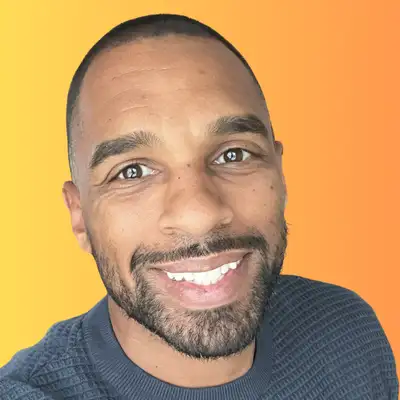
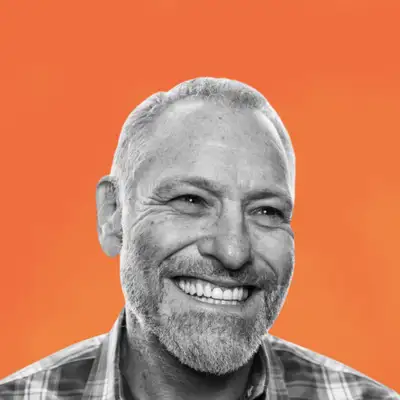
How to Build a Nonprofit isn’t your typical “thought leader” podcast. It’s real talk with real people who’ve dared to start something meaningful—and managed to keep it going (most days).
Each episode dives into the messy, inspiring, behind-the-scenes stories of nonprofit founders and builders. We talk about the stuff people don’t usually put on grant reports—burnout, bad board decisions, flopped fundraisers, surprising wins, and the little pivots that made a big difference.
If you’re starting a nonprofit, scaling one, or just wondering if you’re the only one making it up as you go… you’re in the right place. This show is here to remind you: you’re not alone, you’re not crazy, and yes—this work is still worth doing.
Jordan Thierry (00:26)
I'm your host Jordan Thierry and this is How to Build a Nonprofit. In this episode, I interview Dr. Chandler Hoffman, founder of Tribe One and creator of the Hometown Friends podcast. Dr. Hoffman is just beginning his journey as a nonprofit founder, having just established his organization one year ago. Still, I had to have him on because his mission to battle social isolation by helping people focus on friendships and relationships is so timely. In our conversation, Dr. Hoffman shares a
powerful childhood story that he believes is the through line to his motivation for starting a nonprofit. He also talks about how friendships saved his life, the unexpected challenges he experienced in the first year, and his outlook on future fundraising. It was such a joy to have Dr. Hoffman on the podcast. He's one of those dudes that really lives and breathes his mission. And you can't help but have your heart warmed a little bit just talking to him. All of this and more in today's episode, and I hope you enjoy the conversation as much as I did.
Jordan Thierry (01:26)
All right, Chandler, can you hear me? All right, we're live. ⁓ Man, so, so great to have you on. I'm really excited for our conversation today. I wanna just kind of jump in and ⁓
Chandler (01:28)
Yeah, I can hear you great. Yeah.
Jordan Thierry (01:39)
little bit about your backstory. And I know that you largely grew up in the Bay Area, moved to the Bay from like the Midwest, was it? Atlanta. Okay. Okay. Cool. yeah, tell me a little bit about just like you're growing up in the Bay, moving from Atlanta and like how that, you know, shaped obviously like, you know, Berkeley, right? To be exact, a very,
Chandler (01:46)
Atlanta, Georgia. was born. Mm-hmm.
Yep. Yep.
Jordan Thierry (02:04)
that's rooted in a lot of activism, a lot of like compassionate work across the globe is based there in Berkeley and get exposure to a lot of ideas, right? And a lot of global thinking. So I'm sure that that shaped you. I don't wanna answer the question for you. So jump in and tell us about growing up in the Bay, yeah, in East Bay.
Chandler (02:07)
Absolutely.
Definitely.
Please, You're on. Yeah.
I mean, I'll even start
Atlanta was, know, my first five years were in Atlanta. being from Atlanta always meant something to I was coming across the country, I remember thinking, how am going to
live somewhere else when I liked the Atlanta Falcons and Atlanta Braves. I was identifying with all these sports teams because a lot of people do identify with places, where they're from, the sports teams, but also being from the South is like a thing. an attachment. I didn't know all this then, but now when I look back on it, it means something. I like Southern food. grew up with black folks.
I'll tell you a story. My mom was a civil rights activist and she was a singer. She led people in song, so she would go to every protest there was and she would bring her guitar and she would lead people in protest songs. Because her idea was that if you lead people in song and when people sing together, it galvanizes their voices and it makes them stronger towards the goal. And so in the civil rights era,
she used song and folk music, she came from folk music background, to use that and she would show up with people like Pete Seeger and all these other folks that she ran I don't even know all their names, but they were all part of this group and this movement, truthfully. And so I was raised with that as a strong influence in my life. And...
I'll say that we moved to a apartment complex that we were the only white family in that apartment complex. And my first friend, and this leads, I think, to the story of why I came up with a nonprofit for social health. My mom took us to a place called Stone Mountain one hot summer afternoon. And we ran into the bush and she's like, meet us back here by sunset. And I had this friend named Lil Winston.
Jordan Thierry (04:02)
Mm-hmm.
Chandler (04:18)
And he was my first friend and we hung out tight. were super tight and we followed these big kids into the brush. And we found this pool, a pond with a trickle down waterfall. And we all stripped off our clothes and swam because it was a hot summer day in Atlanta. And we all had such a great time. And then the light started to go down and all the big kids got out and said, we have to go.
And me and little Winston just like lagged behind and all of a sudden we were gone. We were lost. We were by ourselves. And when we got out, no one was there and we were screaming and I started to cry and no one was there to get us. And I was scared. was, you know, I wanted my mommy. I was five years old and little Winston and I looked around and we found these train tracks that went through stone mountain and we started following the train tracks.
but I didn't know where my shoes were. looked down, I didn't have any shoes. And so I got a splinter in my foot from the ties that ran across the tracks. And then I was really crying. And then my foot got cut by the rocks, the sharp rocks between the tracks. And then I tried to step on the rails to avoid the other things. And the rails had been baking in the hot summer sun. So I scalded my feet and I just dropped. And I really cried.
Jordan Thierry (05:21)
Mm-hmm.
Chandler (05:29)
And I was very, very, very sad and I didn't know what to do. But little Winston came back, he was walking in front of me and he came back and knelt down beside me and he took off his left boot and he handed me his left boot. And he looked at me and said, you know, you can wear this one and I'll wear the other one. And so I put on the boot and we walked down the tracks and we found the main station and there was my mom's big blue station wagon and her just shaking her head.
Like, where the hell were you guys? And to me that it exemplifies why social health is so important for me because I learned it at five years old from a kid who didn't know much more than me. It wasn't much more older than I was at all. But he taught me everything about being a friend and how important friendship is and how important having somebody with you, even if it doesn't take away the pain, because it didn't take away the pain, but having someone with you.
When you're going through something hard, it means everything to me. And it has kept going through my life. My mom was an alcoholic. She was an amazing person and as I said, civil rights leader, but she disappointed me over and over and over because of the chaos that happens with addiction in families. I learned early on when we moved to the Bay Area, I found a series of friends that took me in.
that shared their wealth with me, shared their resources with me, shared their attention with me, paid attention to me and raised me in so many ways. I became a psychologist and I always wanted to be a psychologist and then I became one and then I had kids, married a beautiful woman and stayed in Berkeley, came back to Berkeley after going to Maryland and New York City and came back. loved California, always loved California.
Jordan Thierry (07:06)
Mm-hmm.
Chandler (07:09)
But when I came back to the Bay Area and I'd settled in, and then I went through all this career and I looked back and I thought, how the hell did I get here? And because my mom died and that was a big reflection. And when I was going through therapy, I was really thinking like, I don't know how I really survived all the stuff that I went through. I could tell many, many horror stories about being left a lot and being
Jordan Thierry (07:23)
Hmm
Chandler (07:35)
abandoned in so many ways and really having to sort of fight for my own sense of self and be able to love myself. But I think the people that helped me with these friendships and these friendships literally saved my life. And I don't think I would have the confidence to go off to college or to become what I wanted to become, or to learn to be open to learning new things, to having a mindfulness practice.
to being confident enough to go out into the world and build a nonprofit and build a podcast about friendships in general, if I didn't have these hometown friends that did it for me, starting with Little And great story about Little Winston. When I started this podcast, I told this story. And one of my fans, I call him a fan, but he's a guy from the neighborhood and he's like, Chan, you're doing a great job. I love that story. I'm gonna find.
Jordan Thierry (08:25)
Yeah.
Chandler (08:31)
your boy for you. And I was like, I don't even know his last name. And he literally found this guy and I got a text one day and he's like, your boy's on the phone. He's waiting for your call. And I called little Winston and I didn't even know his last name. I only know, I thought he had a sister named copper, but it was actually a neighbor named copper. He found copper who knew him who, and then I called him and he said, Chandler. And I was like, Winston.
Jordan Thierry (08:34)
Mm.
Chandler (09:00)
And he's like, is like 50 years ago. And we talked on the phone and he said, did your mom have a big blue station wagon? I was like, yeah. And he's like, I remember when you left me Chandler, I cried like a little baby. And I was like, man, you, there's never been a better friend to me. I told that story a million times, Winston. And again, so it comes full circle in that having gratitude for friendships, from my perspective,
Jordan Thierry (09:00)
This is crazy.
Yeah
Chandler (09:28)
uplifts people. think we take it for granted. Friends are the most important people in my life. Family is so important and just social connection in general, no matter where it comes from, relationships, from a psychological perspective, from a sociological perspective, from an emotional perspective, from a physical perspective, has been the most important thing in my life and I don't think there's anything more important. And I could go on and on about
Jordan Thierry (09:56)
Mm-hmm.
Chandler (09:57)
the lack of it of what is happening to our society with the lack of it and what is possible with it.
Jordan Thierry (10:06)
you so much for sharing really beautiful story. Winston's act of, of empathy and care and nurturance, you know, feels native, natural, like, you know, and, also like, I'm, I'm impressed. I'm like, damn, like, you know, how many times have I missed the opportunity to pull?
Chandler (10:19)
Totally authentic,
Jordan Thierry (10:28)
boot off of my foot and hand it to someone, right? To a friend. ⁓ But it's a story that I think exemplifies what, like you said, what's your whole nonprofit and what's your podcast, Hometown Friends, is all about. And every time I listen to the podcast or read your newsletter, take the extra time that day or in the coming days to call and check in on a
Chandler (10:32)
Yeah.
Jordan Thierry (10:54)
it's helped me really just appreciate my friends, which I think have appreciation for my friends, but like we sometimes take, we take for granted and we just forget the care that we need to give each other as friends, you know?
Chandler (11:07)
It's so
important to pay attention to people. And I think in this attention economy, we give thumbs up, we give these hearts, we go through our emails and we don't respond because we're busy. There's so many things that take us away from these very small, important attentions to people that are really there for us, that really mean something to us.
And so I love that you do that. And thank you for saying that it's connected to the work that I'm doing, because that makes me feel great. But moreover, we all should be doing this. And I try to do it too, which is to, when somebody sends me something, instead of just giving them a thumbs up or on, Instagram, now I take the time just five seconds to actually say something meaningful. Like this is dope.
you're amazing or keep it up or, and that just a little bit more of paying somebody attention. I don't know what's more important than that. And it all comes down to these human connections that were short-trifting in so many ways. It's not our fault. It's, it's the environment that we're being steeped in.
Jordan Thierry (12:06)
Mm-hmm.
Yeah.
Mm-hmm.
Chandler (12:29)
And we got to get back to it because that's what makes life worth living attention and being paid attention to and then appreciating.
Jordan Thierry (12:35)
100%,
totally agree. And we get too far ahead of ourselves, let me just go back a little bit because I want to understand your preparation unknowingly for what the work that you're doing now. So you went to Maryland. What did you study? Okay.
Chandler (12:52)
Psychology. ⁓
From the eighth grade, I wanted to be a psychologist. And I think that the dots connect. had a cousin, my dad's cousin, my dad's first cousin was like a brother to him, his best friend, actually. They were super tight and he used to come visit and he was this big dude with a beard and he was jolly and happy. And my parents were not that happy. There was a lot of pain and suffering and a lot of anger and a lot of discontent.
And this dude was happy and he had some money, which we didn't have. And those two things were very attractive to me. So I think if anything, I wanted to be a psychologist because I liked that guy. But moreover, once I started studying it, I became extremely passionate about other human beings, about the fact that like little Winston, other people are important. Everybody's important. Everybody should belong. And I wanted to help people thrive.
And I knew that that profession could provide me profession and help me get out of poverty, but it could also help me have meaning in my life. So I wanted that for myself and I never wanted to be a businessman, but I always wanted to be a psychologist from the eighth grade. So that was my North star. I was a terrible student. And because I had a bunch of learning disabilities and I think I got neglected in a lot of ways.
Jordan Thierry (14:04)
Yeah.
Chandler (14:12)
And then, I, hook or by crook, I learned from my friends. learned from other people. I was not a very, you I had dyslexia, so I wasn't a great reader, but I learned how to do it. And I, every time I got into a psychology class, it's like passion came over and I studied hard. So at Maryland, because I was not going to not be a psychologist, I was going to be a psychologist. It was my...
Jordan Thierry (14:21)
Mm-hmm.
Why?
But what about the topic,
the theme, the concepts in psychology made you so fascinated?
Chandler (14:44)
I think because it was a survival instinct because being not, I wasn't like a super attractive kid. was very overweight. was 50 pounds overweight in eighth grade. So I was not like, I didn't get a lot of attention for being attractive. I got a lot of attention from having good relationships. And I think that, you know, again, it, it, the connect the dots connect.
It's all about, it's always been about relationships. I've always been able to navigate the world, the big wide world of Atlanta, Georgia, starting with Little Winston and then the big razor's edge of Berkeley, California. It's actually pretty, urban in Berkeley, Oakland and San Francisco. We were navigating a lot of the streets and it was the seventies. So we were out on our own and we had to depend on other kids.
Jordan Thierry (15:28)
Mm-hmm.
Chandler (15:33)
And I got in and out of a lot of situations, being a kid in the urban environment, taking the bus by myself, public buses for long periods of time, getting to school, getting back from school, getting robbed, getting stuck up, getting, but having to get out of those and surviving. And it's always been about being able to not, you know, to understand social connection and or the rules of social engagement, even if you're getting stuck up.
Jordan Thierry (15:58)
Mm-hmm.
Chandler (15:59)
There are things to be done. You know, you don't fly off the handle. You give your money away. You get rid of, you, you let people do their thing and then you, you know, you got to get out of it. And that's happened to me a bunch of times, but I mean, the, answer your question, I think my first psychology class, I didn't know what a psychologist was, but when my first psychology class at Berkeley High was, ⁓ Mr. Anderson gave us the book from Eric Fromm called the art of loving.
Jordan Thierry (16:09)
Yeah.
Right.
Mm-hmm.
Chandler (16:29)
And it was this beautiful book about the different kinds of love and how love can be romantic and how it can be friendship oriented and how it can be compassionate, how it can be about reciprocal-ness and support. And it really, really inspired me that the art of loving was the first psychology book that I ever
read. it's telling of what it inspired me to I loved psychology. I the Maryland classes, but it was always just truthfully
I liked the reading and the studying, but it was very much about getting the degree and getting the validation so that I could go out and do the things I knew I would be good about, which is actually connecting with people naturally. So I say this to a lot of people. It was a game to me. was the, the, getting a degree was a game. was nothing more necessarily. I don't remember any of the things I probably ever.
Jordan Thierry (17:22)
Wow.
Chandler (17:36)
learned in high school and college. When I started to learn was in graduate school and post-graduate school because then I could write the script for what I wanted to learn. And I started studying in graduate school like family systems. And that made a lot of sense to me. Salvador Mnuchin and all the other strategic family therapists and
Jordan Thierry (17:49)
Mm-hmm.
Mm-hmm.
Chandler (18:03)
And I wanted to work with children. So I started really thinking about that. And then I wanted to work with other families and I got into domestic violence and I'm really understanding the psychology of, of how violence happens. And then I fell into the court system as a postdoc and became a child custody mediator for the state of California. And that just wrote my whole script to become a divorce professional and
someone who works with conflict resolution and what I would call peacemaking with families to try to help families navigate conflict and reduce conflict and reduce violence in their families because that's really good for kids. And I was an advocate for that, for the peaceful way of resolving conflicts. And then it all comes back to relationships because communication and relationships are what
Jordan Thierry (18:41)
Mm-hmm.
Chandler (18:58)
allow for conflicts to be resolved for long-term relationships to be maintained for children's sake. So that leads a lot to the work that I do currently.
Jordan Thierry (19:11)
Absolutely. the best term to use for, is it therapist? Is it ⁓ counselor?
Chandler (19:18)
Yeah, I mean, I'm a therapist, but I call myself a psychologist. And of course there are identities that I think don't matter, but I think becoming a doctor in psychology has very much influence. It is a primary identification for me. And again, we all are multiple identities. And I think there's a lot of problems with identity actually in a lot of ways, but somehow we all do it. We all identify with
Jordan Thierry (19:23)
excuse me, psychologists, yeah. Yeah, sure.
Yeah.
Yes.
Chandler (19:47)
being something, but being a psychologist has always been a primary identification for my professional career. I don't call myself Dr. Hoffman out in the streets, but when I go to court, I expect the judge to call me Dr. Hoffman. And they do.
Jordan Thierry (19:55)
Hmm.
Sure. Sure. Okay. Thank you. Yeah. No,
that's super helpful. How long you've a psychologist for?
Chandler (20:07)
I was, I got my degree in 98 and then licensed in 2000. So 25 years of being a licensed psychology. Yeah.
Jordan Thierry (20:13)
Okay, 25 years, wow.
25 years being a licensed psychologist, working with children, families, people, partnerships and relationships, separating being involved in the community. I know that you're also involved. Tribe One, the nonprofit organization. led to...
Chandler (20:29)
Yes.
Jordan Thierry (20:34)
Tribe One and what is Tribe One's mission?
Chandler (20:36)
Tribe One mission is, well, Tribe One is the nonprofit name that we came up with for a number of reasons. It's a social health organization and the primary mission is to ameliorate and address the loneliness and isolation crisis that we have in America and And the idea is to create social health initiatives. And what I mean by social health initiatives is connection initiatives, ways to think about
human connection and how it uplifts us and how it keeps us alive and how it keeps us together and how it actually is the most important thing from my perspective in the human experience is to experience other people's connection and relationships. And the lack thereof, I think, is responsible for many of the very, very challenging and difficult things that we're going through in our society. Political polarization.
think is at the forefront of what is going on. I think everyone's desire to belong, I think, why I think people are polarized. I think we are polarized because we are identifying with things that are seemingly polarized. So for instance, the Democrats and the Republicans, people are not thinking necessarily about all the issues. They're thinking, who am I?
And those primary identifications separate people, us, them. And I think that happens all over the place in small ways, like sports teams and in big ways like this political movements and in big ways like race and what I think is actually interesting is that we can use identification to actually bring people together in the community.
We are from someplace, right? And this is why my podcast is called Hometown Friends and why I think Tribe One has the name because we are all one tribal people. People, clans, and tribes have been going on for the beginning of time. And always has there been a tribe that is made up of families, individuals, families, these concentric circles, friends, neighbors.
Jordan Thierry (22:35)
Mm-hmm.
Chandler (22:46)
community members, and it's about 150 people. There's a statistic called the Dunbar's number, Dunbar's effect. And it is how many people are in your community? How many people you actually know? And that's about 150. And people use this strategically because the human has not, the brain has not actually evolved much past these very, very primitive places of ourselves.
Jordan Thierry (22:53)
Mmm, ⁓
Chandler (23:13)
Yet I think we have to, if we're going to save our environment, if we're going to save our people, if we're going to save this planet and our communities, we have to expand beyond this and think that there's no us and there's no them. There's all of us and we're all in this together and we're way more similar than we are so Tribe One was my idea that everyone belongs. And I will say I went to
Jordan Thierry (23:20)
Mm-hmm.
Chandler (23:41)
a conference called the OBI Conference, the Othering and Belonging Conference. And there's the man named John A. Powell, who's written a couple books about this. And he has an institute and the institute is at UC Berkeley and I went to their conference. And it was all about the desire and the need and the human experience of belonging and how belonging is so crucial to our sense of life.
and who we are. Everyone needs it, belongs, is craving for it, is yearning for it. And then the easy way to do it is that we all other people so that we can belong. in this group and you're in that group. so therefore we feel a connection and it's easy to feel connected when we have a they and a them. The hard part is
If we could actually belong without othering people. And this happens at multiple places throughout the stratus, you know, like, yeah, society in general. And so that really influenced me to create the nonprofit. And I based, and it also, I really wanted the podcast. started the podcast first because I believed that friendship was most important.
Jordan Thierry (24:33)
Mm-hmm.
society. Yeah.
Chandler (24:55)
in my life and my hometown friends were the ones that really created my sense of belonging. I had a very insecure attachment to my mother and a secure attachment to my community and a secure attachment to my friendships and their families. And that saved me. And I think that, you know, in psychology, they really focus on the, on the family and those connections. And then they say, ⁓ you go out and
Jordan Thierry (25:16)
Hmm.
Chandler (25:20)
You live your life through these attachment styles. You go and you meet people and you have these relationships. Well, if I was only dealing with my mom's attachment, I'd be a mess, but actually I'm pretty good in relationships because I had all these other relationships to help me. And so
Jordan Thierry (25:32)
Hmm. ⁓
Chandler (25:38)
It's never wasted, these relationships. You can help people heal by having secure ways of being with people and showing up for them and paying attention to them. And you never know if you're going to be the little Winston in somebody's story by just being authentically kind and And I think we all need that.
Jordan Thierry (25:51)
Mm-hmm.
Thank you Chandler. So you're a year into starting the nonprofit. ⁓ The podcast is technically a part, it's under the nonprofit, right? It's a program of the nonprofit, so to speak. Yeah. ⁓
Chandler (26:06)
Yes.
That's correct. Yeah. Yeah. Yeah. It's an initiative of social health from my perspective. Yeah. What if, what
if we could connect with people, reconnect with people from our hometown and identify from where we're from and then reestablish relationships after long periods of time, especially if we're older or keep them going because these are the people from our communities and they're very important and they will be very important. So how can that
area of connection, uplift us throughout our lives or reestablish these relationships of childhood friendships that we've left behind for many reasons. was the idea of the modeling of the conversations that I then the nonprofit is to support not only this first initiative, but develop initiatives beyond the podcast.
Jordan Thierry (27:03)
What is your vision for other kinds of initiatives that could be under nonprofit Tribe One?
Chandler (27:09)
Well, let me tell you about my board and I'll tell you, and I think it indicates, uh, so I started with some hometown friends that were helping me with the podcast and I had a business guy, um, and a journalist, two of my, two of my guys, uh, Jeff and Martin. And then I have a doctor, um, a physician and I have a teacher and, um, who taught my daughter and I have a young person, a 22 year
entrepreneur and I have an intern and I have, an editor, my editors on, on things. So everyone brings something that they can help and everyone brings a passion for the idea that relationships matter and that we want to help people feel less lonely and isolated and connected and, and handle disconnection and really address this in all kinds of ways. So some of the ideas that we have.
are talking to our teacher about curriculum and she's doing some research. She's, developing small little pilot programs within her classroom in second grade to teach kids to be friends. We don't actually teach people what is at the root of friendship. have social and emotional development that we're, that we are part of the curriculum. And that's a huge part of being a friend, but we don't call it that.
We don't call it, how do we build friendships, sustain them for a long period of time and draw from them over our lifetimes. And I think we're dealing with it. We see it's very popular now. how to make and sustain friendships. No one taught us this when we were five years old. And so for me, that's the kind of initiative that we can start looking to is to create curriculum.
Jordan Thierry (28:44)
Mm-hmm. Nope. So didn't. So didn't.
Chandler (28:57)
whether it's an afterschool program or something that people sign up with or integrated into the classroom, which is very difficult obviously because a lot of good ideas for curriculum and we're doing the arithmetic and the math and the reading and the writing, but there's nothing more important than teaching people how to sustain friendships and make them. And I think it fits great within the socio-emotional learning.
process too. my hope is that we can start creating but also really calling friendship curriculums. There's other ways that, know, all kinds of other things we've been thinking about like helping kids, you know, I coach a mountain biking team for the Berkeley High Mountain Biking Team and all these kids need internships. They need things on their resume so they can get into college. They need volunteer action. You know, one of the most
Lonely and isolated groups are our old folks, are our folks with so much wisdom. And there are lots of other programs like this where they put young people with old folks they learn from each other. They're curious about each other. They're friendly with each other. They start multiple generational people learning and connecting and giving attention to each other and
Jordan Thierry (29:55)
Mm-hmm.
That's dope.
Mm-hmm.
Chandler (30:15)
teaching them different things, like the young people can teach people about the social media, the old people about the social media, and the old people can tell the stories of how connection is so important or the history of our country, the history of our communities, the history of different cultural spaces, the ways in which we've changed. It goes on and on and on and to have multiple generations of people.
Jordan Thierry (30:19)
Mm-hmm.
Chandler (30:39)
Being together, friendly together, having friendship, multiple generations of friends, I think is a critical aspect of our society. Old people just get left behind. We don't really focus on the wisdom that they have to offer us and our kids need it. And we don't live in, you know, we don't live in multi-generational houses. Some people do for sure. So most more cultures, other cultures, but in America, we have less and less of it. And so we can institute that.
Jordan Thierry (30:48)
Mm-hmm.
Yeah.
Mm-mm.
Mm-hmm.
Chandler (31:07)
The list goes on and on, but policy is something on our agenda to sort of look at policy and look at maybe proposed policy and do some political work. But the things that really jive or get me excited are the things that
Jordan Thierry (31:15)
Mm-hmm.
Chandler (31:20)
help people. Even just the small meetups that I have every week for my hometown friends. You know, I host a meetup every week on a Friday afternoon, sitting in the sun outside of a local business.
Jordan Thierry (31:24)
Mm-hmm.
Chandler (31:32)
where we all just get together, people just drop on by, they come for five minutes or they stay for a couple hours, and we just chop it
Jordan Thierry (31:33)
That's dope.
I didn't know about that. I'm at the swing by sometime next time I'm in the Bay. Yeah, Fridays. Okay, I'm gonna remember that. I would love to stop by and check that out. So this all sounds amazing. Let's get into some of the like mechanics of what this last year has looked like for started the nonprofit last year, you did your registered with the state, the IRS.
Chandler (31:44)
Please do. You're always welcome. Yeah.
Yeah,
Jordan Thierry (32:03)
started to build your board. What were those conversations like when you started approaching people about the idea on the initial board?
Chandler (32:12)
Well, let me talk a little bit about the challenges. I really did not know what it would be like or needed to be to form a nonprofit. So I looked it up, obviously, and I duck duck go'd it . I don't say Google anymore, I looked it up and there are some great agencies out there and I use an agency or platform that helped me file all the paperwork and I paid them a fee.
Jordan Thierry (32:24)
I like that. Thank you. I'm with you. I'm with you on that.
Chandler (32:39)
It wasn't that much, but it was a couple of hundred dollars and I paid the fee myself and I've invested, well, a lot of money of my own time and actual money to pay these fees so that I could actually file with the state of California then starting to realize that I think I got a surprise because I thought that when I had gotten my LLC or my corporation, the bylaws, that I was also
filed with the IRS, but I was not. So I had to come back and I realized, oh yeah, I have to actually do that now. Plus we had a name change. We went from one name to this Tribe 1 and it took me, I don't know, four or five months to change the EIN to the new name. And finally I got the new name just a couple months ago. And then I was able to file with the IRS, the 1023EZ, which I just filed. have not actually heard back from them yet, but I'm hoping to.
So actually I don't even have mine, obviously. So we are on our way to actually getting all the ducks in line and all the ways in which a nonprofit is actually tax exempt. I've just set up my bank account last night. So I actually have my EIN and the TribeOne name. So we were able to put my a hundred dollars into the bank account and
Jordan Thierry (33:36)
Maybe a while.
Mmm.
Okay. okay. Congrats.
All
right.
Chandler (34:05)
You know,
that's, that's where we stand now. So we're waiting on the IRS, but go to your question. Going to the board was actually, that was the easier part because once I started and maybe you can kind of get this from my excitement. Once I started telling my friends that I wanted to do something like this, man, I was in, I was like blown away that some people that I really admire like.
really, really amazing professional people were like, I'm down. I'm ready. I'm with you, Chan. And I was like, because I kind of expected some pushback, you know, I'm not paying anybody. It's not like a real board. was it's a total startup. It's nothing, you know, we're. You know, we're trying to do something that's not going to make anybody any money or fame or. But I was amazed that people were like, yes.
Jordan Thierry (34:47)
Yeah.
Chandler (34:59)
solid yes right away. I didn't have to convince many people. There were a couple of people I really wanted and pitched pretty hard on and had, you know, as I went along, I developed a better speech about it. But the first of people were right there with me and probably because of the personal connection, but also because they really believed in the cause and really believed in the vision that everyone belongs and that
Jordan Thierry (35:18)
Mm-hmm.
Mm-hmm.
Chandler (35:24)
we are suffering because people don't.
Jordan Thierry (35:27)
We are. I
think that's why. think that, you know, when you initially like shared the idea with me, I was also so excited and I work with a lot of nonprofits. It's all I do, right? All day I'm working with multiple nonprofits. So I've heard a lot of ideas for nonprofits and you know, a lot of them are great and I'm supportive of the vast majority of them. But I was especially excited about your idea because
Chandler (35:39)
Right.
Jordan Thierry (35:52)
I think so many of us are feeling like there's a lot of problems and there's a lot of that we can do to fix these problems. But what Tribe One does is takes us back to like the square root, which is relationships. And I think people are feeling the breakdown of relationships in our society, you know, and the isolation that people are facing you ⁓
obviously before the pandemic, but definitely exacerbated by the pandemic. And just seeing, like you said, the polarization and just, it seems like we're losing our ability or even like desire to relate to one another in a meaningful way, unless we have an agenda connected to it, you know? And
think, well, at least for me, that's what made me excited and I can see how that also really excited who are probably very busy and, you know, like, yeah, like we're like taking on one more thing was not probably an easy decision for them, but your idea was a strong selling point.
Chandler (36:44)
They are.
Yeah. I mean, I see it so much because of how busy we all are, you know, and how much our attention is away work and with family and with raising kids all the information, right? And the illusion social connection through these social media platforms. It's creating an illusion. It's creating a shortcut that actually doesn't work.
People are feeling more isolated, even as more connected as we are. So that's irony. That's ironic. The more connections we actually have, the less connected we feel. And there's a reason for that because nothing can take the place of human connection. Conversations are, nothing will ever be the same as having human connection conversations.
You know, I think AI is an amazing tool and it will definitely be affecting the way we live our lives, but it will not be another human being they will not actually have neural networks between you and a robot for at least a long time. And there's something about people that they vibe or they share energy or. You know, we're looking at FMR eyes that are actually seeing that.
Brains are syncing with each other when people have We don't see that happening, but it's happening if you look at an fMRI and you look at the emotional researchers now, they're seeing it. So humans are made for it. We've always been made for it. It's going to be a very long time before we're not made for it. And it's what makes life worth living in my mind and I think in a lot of people's mind. And I do think we are, and I'm seeing it a lot in my work.
because I see so much conflict and my job is to help people address conflict. And one of the ways in which I think is that the root of conflict is a sense of disconnection at the root of addiction, at the root of really negative patterns of behavior is disconnection and yearning for connection and then not understanding how to get it.
Jordan Thierry (38:57)
Yeah, 100%. And speaking of like that connection piece and, you know, I would imagine like you're, you, you brought some people together through the, through your board, through your organization that also like have new connections with one another, new relationships with one another. that's probably really beautiful. What would you say, how would you summarize like your activities over the course of this year?
Is it largely just been like really getting the podcast up and running? you also applied for a grant. ⁓ And so, yeah, what else was there? And do you want to kind of talk about like what this year has looked like for you in terms of, you know, your work and the involvement of the board?
Chandler (39:25)
I
Yeah, a couple things I wanted to say. Yes, we did apply for a grant called the Love and Media grant from the Greater Good Science Center, and we did not get that grant, although Jordan, you did some really good editing on it, and I learned a lot from helping, from putting a grant out there. It was my first grant, and I did a lot of work, spent a lot of time. I thought we were perfectly aligned, but they had 800 and some odd people.
Jordan Thierry (39:59)
I did too. Yeah.
Chandler (40:01)
applying and they didn't choose us, not going to deter us because we're going to keep going and apply for more grants. And we're going to go to friends and family and we're going to go to some institutions and we're going to figure it out. We're going to get, we're going to get some money somehow, somehow, some way. I've got a marketing professional and I've got some fundraisers and I'm going to be hopefully getting, you know, other people involved. So we're going to, we're going to do that. That was one of the big things that we put a lot of energy into.
You know, one of the things that I think I've spent a lot of time doing is trying to understand what leadership is all about. I'm really trying to figure out like how to lead an organization. Cause I've always had a private, I've had a small private practice and I've been an employee and I've been a manager in my areas of professional work, but I've never led an organization. So really trying to understand what a good leader is, how to embody a leader.
especially a lot of the organization and some of the cultural mindset or what I'm saying is like setting a certain culture. And so one of the things I wanted to share was that when I was reading about leadership and creating organizations, they really talked about rituals and how important rituals were for creating culture. And so one of the things that I came up with and what we do at every
Jordan Thierry (41:03)
Mm-hmm.
Chandler (41:19)
one of our board meetings and we have a monthly meeting where we have, you know, eight or nine of our board people come together on Zoom. come from all over the country and mostly in the Bay area. We take the first 10, 15 minutes, maybe sometimes even a half an hour, depending on how many people are there, to share a social health reflection. So everyone says essentially why they think social health is important or
what they've reflected on, what they've seen in the media, what they have done personally. And it ranges from my friends in town, and I just feel so much better because my friends in town, to I've joined a men's group and here's the topic of the men's group, to updates around, you know, schools or kids in school or just observations, any kind of reflection. And that's been our social health initiative sort of ritual.
And I think it sets the tone for the way the meeting does. And then we do all our updates, like, okay, marketing and fundraising and podcast and, you know, other initiatives and, and all the business. And it, have, you know, an hour and a half meeting. Sometimes people want to keep it to an hour. We've lost a couple of people, a board member who was just like, so type a didn't somehow want the, connection part of it. And I was like,
Jordan Thierry (42:20)
Thank
Yeah.
Mm-hmm.
Mm-hmm.
Mm-hmm.
Chandler (42:39)
I kind of asked them to leave because I wanted to set the culture as a connection. I wanted that this I wanted this organization to be first of all, connected to your point. These board members are human beings and we need to feel like we are connected. I wanted to take the time to do that. I didn't want to just get to an hour meeting and then assign tasks. This is not a business. I'm not paying you. This is about inspiration.
Jordan Thierry (42:44)
Mm-hmm.
Chandler (43:06)
And I wanted people to feel inspired to go out in the world and watch and observe and take note of what's going on and then bring that stuff back. So that, that's been something that I feel like is a, it was a good decision, I think, because even though it takes a little time and, and I think everybody really gets involved and really everybody participates and everybody. We could go on and on about this thing because really that's what brings people together is these observations and these reflections. And then.
Jordan Thierry (43:32)
Mm-hmm.
Chandler (43:35)
We got a lot of business to do. we, we, we get through that and sometimes we take a little longer. So that's another thing. Organization has been a huge part. it's not probably best strength. you know, organizing, but I've got some great people. surround myself with some amazing, very type a organize organizational folks who, you know, really help. And we've been using truthfully, you know, Otter and AI to take notes for us. And it's, you know, all these.
Jordan Thierry (43:49)
Mm-hmm.
Mm-hmm.
Yeah.
Chandler (44:03)
tools are amazing. And so now we have a task list and we get assigned and I follow it. And so these tools are great for new organizations we're using all of them.
Jordan Thierry (44:08)
Mm-hmm.
you're previewing what the future looks like for you as an organizational leader, what would you say has helped you the most in this last year?
Chandler (44:24)
I would say that really being open to feedback and being able to trust people to provide that feedback and inviting it. want to shout out one of my board members because he's really been my rock and he's a friend I've known since middle school. And he's a businessman and he just really understands what's necessary and he sugarcoat me and he doesn't
But he does pump me. mean, he's a fan too. He's like, you're doing really, I think it's both. Like it's really feeling the connection from him and his support, then trusting that relationship to be like, give it to me straight. And he gives it, he really gives hard feedback, like critical, like you gotta be this way, Chan. We need this. And I'm like, okay, okay. You know, like I gotta learn to be that person, even if it's not.
necessarily, I want to avoid conflict or I want to, you know, get everybody liking everybody or, you so being able to take feedback and then Institute it, right? Like make it a part of your leadership style, because I don't know anything. I'm a beginner at this. And I'm, and even if you're a law, you know, even as much wisdom as we all have, there's always things to learn. So just having that open, curious.
Jordan Thierry (45:37)
Yeah.
Chandler (45:47)
mindset about what does it take to help people stay connected? What does it take to learn new information? does research help us? Just being curious, I think is such an important part of leadership and having that beginner mind, being open to taking feedback, learning, learning, learning, never, never thinking that you have it all figured out. That's such an important part for me.
Jordan Thierry (45:59)
Yeah.
Yeah. Can I?
Yeah, I'd love to say a couple of things about that as well. so far, had some great conversations and insights in doing this podcast about board development. And so important who invite, who you ultimately have on your board of directors. And I couple pieces of advice I would give to nonprofit founders is like,
Never put yourself in a position of desperation you feel like the person is doing it more so as a favor for you versus someone that really wants to be invested in your mission and the work that you're doing. Because that dynamic is gonna ultimately play out in some stressful ways, in my experience and the experience of others. And then I think the other piece having people that you have confidence in.
And it goes a long way because you have confidence in their expertise, their perspective, what have you, like it allows you to better accept that feedback and institute it. And I think sometimes goes for board development and hiring. You know, we were in positions where we're like, I just, need someone I can't afford have the best person or the kind of person that I want.
So I'm going to hire this person, but you don't really have that much confidence in that person, right? And so then that is going to damage that relationship and it's going to make the work again, more difficult. when you're like, this person, I trust them. I they know what they're talking about better than I do. Like I your wisdom and like, let's do that and learn, you know? And so, yeah.
Chandler (47:29)
Totally.
I also love the
idea of having a diverse group of folks, right? Of people who really have your, I was very thoughtful about who, I mean, it started with a core of people who just, you know, think supported the mission, but then I became extremely strategic about who I wanted to invite. And I started looking for people who have that expertise and I was very thoughtful about the people.
Jordan Thierry (47:55)
yeah.
Chandler (48:19)
the kind of people, how well did I know them? Did I know them from other places? What was their expertise? Like for instance, Kim Davis, who's my, the 30 year teacher. She taught my daughter, knew, you know, I knew who she was. She had the kind of personality that I thought would really make a difference. That she was a, she was a can do person. She had been on the PTA with me. So I had known her in other situations.
She was, she's a black woman. was very thoughtful about having certain divorce, issues and, and, and folks of different backgrounds and who brought different cultural perspectives and the different class perspectives and just. I wanted and, and gender perspectives. So I wanted to make sure that we had a diverse board of all kinds of, ⁓ people that came from different places and who had different expertise.
And I think, you know, I think that's a good approach to take because I don't, I think I want to avoid group think. I want to avoid people just saying yes. And I also want to avoid people being difficult because the truth is I want people to be on board with the mission and the mission. And sometimes they have to defer to the leader and the, and that's something I've also learned too is like, at the end of the day, I'm the person who has to make the ultimate decision. And that was.
Jordan Thierry (49:23)
Mm-hmm.
you
Chandler (49:44)
somewhat
challenging too, because well, I'm not always that person in my life, truthfully. And so taking on the idea and the identification that ultimately you have to make the end decisions, especially, you you want consensus, but ultimately you are going to make a certain decision.
Jordan Thierry (49:49)
Right.
The money side of it, you've been running a podcast. It's not something, you know, cheap or free to do necessarily, not a good quality one like yours. How much money have you been putting into this work?
Chandler (50:09)
Nope.
Jordan Thierry (50:14)
on your own and have you been able to generate dollars yet from other kinds of supporters?
Chandler (50:19)
That's a, that is probably the most difficult part of this situation. And if it doesn't change quickly, I'm not sure how much longer we can do it because Chandler Hoffman has been the only source of support and Chandler Hoffman's bank account is actually dwindling. So, what I have been lucky to have done is to have had the podcast be a business expense. So.
It is coming from my business and I do invest the money that I've made, that I've put into the podcast and to the nonprofit for all the filings and the bank accounts and the, and the services. ⁓ I have actually been supporting it personally or professionally through my business. At some point it's going to have to change because I'm spending about a thousand dollars a month.
on the, on, on that total and that's 12 grand a year. And that, you know, it's, it's pretty big into my profit margin. And at the same time, ⁓ my hope is that we will very much, I think once we get our nonprofit status from the IRS, we'll be able to go to individuals, to get some pretty good write-offs. I would hope, and I'm hoping to get at least the first year covered. If I could break even, I would be very happy.
I could actually, you know, stipend my board members and myself and maybe even pay myself back, that would be awesome. But at this point, breaking even is my goal.
Jordan Thierry (51:48)
think that's 100 % possible. You should believe it's possible. At least the numbers that you laid out right now, it's not a ton of money. And the mission is resonating with so many people already. So a part of it's just, I think, going to be about getting that word out more and more. so right now, is there a way for people to support? Is there a way for people to
Chandler (52:10)
Yeah, sure.
Jordan Thierry (52:11)
Even if it's
not tax deductible, what would be the best way for people to support the mission to Tribe One?
Chandler (52:15)
Well, we have a bank account and people can go to the website, is and there's a button that is a donated button. And this point it's an email to me, but if, and certainly anybody out there who wants to donate or support or join the mission or get any more information or talk directly to me, send me an email and we'll set up a talk and or, you know, anything that people want.
I'm available via email essentially at TribeOne.org.
Jordan Thierry (52:49)
100%. Cool. thank you so much for coming on the podcast. Is there anything else you want to share before we wrap up?
Chandler (52:57)
Well, I think the only thing I want to share is how ⁓ incredibly impressed I am with you, Jordan. And I love this new thing that you're doing and the friendship that we have had. You your uncle is my buddy from college and shout out Byron, one of my best friends, a guy who I met early on in college and never left my side. Came to my wedding. Every time I go to LA, I see him and
He introduced me to you and you were doing this black male, black fatherhood project early on. And you were a young guy and you came to Oakland, California. And I introduced you to a bunch of my, my, my friends and you did some interviewing there. And then I went to see the premiere and it was beautiful, beautiful, beautiful work about fatherhood in general and black fatherhood specifically. And it was inspiring. And so it doesn't surprise me that you're doing big things.
that you're this podcast, that you've been helping people create nonprofits and that you're really centering these voices. And I just want to appreciate your support for my work and also the grant application, which I think you made a big difference in. So thank you for being who you are. And it's been a pleasure to see you grow and develop over your life, even just from your adult life, but as a young adult to now a different.
Jordan Thierry (54:22)
Thank you. Thank you, Chandler. I appreciate that. That's really cool. First shout out to Uncle B. He's the best. Miss that guy. And yeah, when I came through to your house and you graciously opened up your home to me and let me hang out and interview people all day, that was 20 years ago, almost to the month. It was June
Chandler (54:23)
developmental sense.
Wow. Wow.
Jordan Thierry (54:47)
June 2006, and so that was 20 years ago. So what a special kind of way for us to kind of reconnect and do this podcast together 20 years later. It's pretty amazing. ⁓ so.
Chandler (54:59)
Yeah. Well, your premiere
at the Grand Lake Theater was, I'll never forget that. It was like a who's who. And it was the Grand Lake Theater, man. It was like this amazing, beautiful 1920s, you know, grand establishment movie house. And then that was Jordan, you know, Thierry up on the screen introducing this amazing piece about Black fatherhood, you know, really, really important work.
Jordan Thierry (55:26)
Yeah, definitely one of the best moments of my life. was just everything, you know, just so many things came together for me in that way at that time. And you were a part of that story and helping make that happen. So yeah, man, thank you so much. Thank you for the work that you're doing with Tribe One and the podcast, Hometown Friends. Subscribe, Apple, Spotify, Amazon Music, wherever you get your podcasts, right? ⁓ YouTube, yep, YouTube for sure.
Chandler (55:44)
Thanks, sir.
Yeah, YouTube for sure. We have a YouTube channel.
Jordan Thierry (55:54)
Yeah, yeah,
yeah. And yeah, we'll be in touch. Thanks so much.
Chandler (55:59)
Thank you, Jordan. Good to talk to you.
Jordan Thierry (56:01)
likewise.