Subscribe
Share
Share
Embed
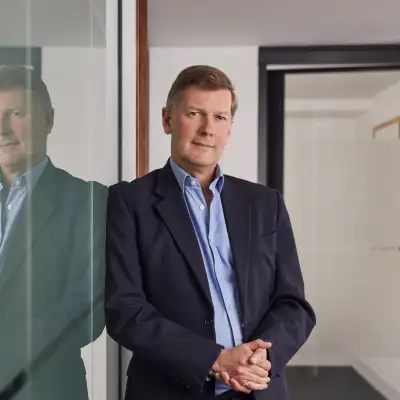
Welcome to The Boardroom Path, the essential podcast for aspiring and newly appointed Non-Executive Directors navigating the journey from executive leadership to the boardroom. Hosted by Ralph Grayson, partner at Sainty Hird & Partners, each episode offers insightful conversations with industry leaders, seasoned board directors, and governance experts. Our guests share practical strategies, valuable perspectives, and actionable advice on how to effectively transition into board roles, maximise your impact, and build a rewarding NED career.
[00:00:03] Ralph Grayson: Welcome to The Boardroom Path by Sainty Hird & Partners. I'm your host, Ralph Grayson, a partner in the board practice. In this series, we'll offer practical steps and useful perspectives for aspiring and newly appointed NEDs. Throughout its 30 year history, Sainty Hird has recruited senior board members across the City, Industry, the Public Sector and NGOs.
[00:00:28] We're now also evaluating those boards, as well as coaching and mentoring those seeking to transition from an executive career into the boardroom. So we'll be speaking to some leading figures in the board advisory and NED world. Specifically, we'll seek their counsel about how and where to spend time and energy to make an effective transition into the boardroom. The goal is to equip recent and aspiring NEDs with tips, tactics and strategies to be most effective and build a successful career as a board director. In the process, we aim to help you to think more about who you are, how you operate and how you can make this work in the boardroom.
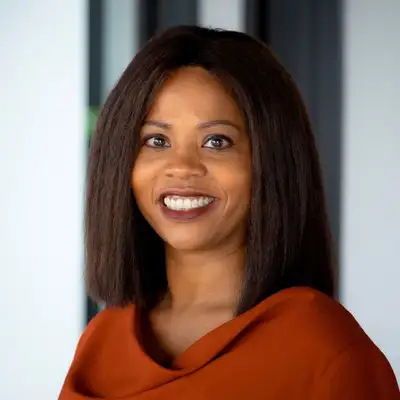
[00:01:12] Today I'm in the offices of Schroders on London Wall in the centre of the City of London to meet Kimberley Lewis, Head of Active Ownership. Schroders is one of the world's largest global asset managers, and Kimberley sits at the intersection of capital governance and long-term value creation. She leads Schroder's global stewardship strategy, overseeing how the firm engages with boards and executive teams across listed and private markets on issues ranging from corporate governance and capital allocation to climate transition, human capital, supply chains and geopolitics. Under her leadership, Schroders has refined its engagement blueprint to sharpen transparency, strengthen cross thematic risk analysis, and shift the focus of stewardship from activity to outcome, ensuring that engagement meaningfully supports sustainable returns for clients.
[00:02:09] Kimberley's career spans law, public policy, sustainability, and investment stewardship. That breadth gives her a rare vantage point. She understands regulatory frameworks, investor expectations, and the realities facing directors in the boardroom. She works directly with chairs, CEOs, and NEDs on some of the most complex governance challenges in today's markets.
[00:02:37] In a period when stewardship is under heightened security with questions being asked about competitiveness, reporting burden, and the real impact of engagement, Kimberley brings clarity and conviction. She believes stewardship is not about box ticking. It's about judgement, long-term thinking, and constructive challenge.
[00:02:59] On The Boardroom Path, we explore how investors truly assess boards, what distinguishes effective governance from compliance theatre, and what skills tomorrow's directors will need to navigate a world of systematic risk and strategic uncertainty. So this is a conversation about influence without authority, courage, and governance, and why boardroom quality has never mattered more.
[00:03:25] Kimberley, welcome. It's great to be with you today.
[00:03:28] Kimberley (Warden) Lewis: Thanks so much for having me, Ralph.
[00:03:30] Ralph Grayson: Perhaps we can start with just a little bit more of your career history. What brought you into the world of stewardship and indeed what you mean by stewardship?
[00:03:39] Kimberley (Warden) Lewis: I sort of stumbled into it to be honest. I started my career as a lawyer in the US and then I moved over to the UK. What was meant to be just for a couple of years for business school. But fell in love with it and couldn't practise law here because I wasn't qualified, so needed to pivot.
[00:03:56] I ended up working in corporates,AstraZeneca, firstly, and then Pfizer in corporate responsibility roles. So essentially I was on the other side of the table. I was the one that, what was called then, SRIs, socially responsible investors, spoke to. So it was on the other side of the table of these conversations.
[00:04:12] Then moved over to the US, then back to the UK. Just by recruiters actually, saw the value in having someone with a strong legal and a corporate sustainability background. This is when steward teams were just beginning to develop really, and then recruited me into a role at a small boutique,ESG integratedfirm, where I covered exclusively North American companies.
[00:04:37] We were divided regionally recognising how different stewardship looks like in the US versus stewardship in Asia, stewardship in the UK. So they had regional specialists. So I was a North America regional stewardship specialist there and then was approached by Schroders to have this global role.
[00:04:52] So not a direct line, but I think one experience built upon the other and, all gave me skills that are useful in the role that I have.
[00:05:01] Ralph Grayson: So let's just explore that in terms of the skillset then. So how does stewardship demonstrate itself, evidence itself,in a practical sense? And where was the personal mission in that as well? What drew you to this part of the market?
[00:05:16] Kimberley (Warden) Lewis: So in practise, good stewardship, I'll say, should be a genuinely collaborative exercise. I think that you cannot divorce good stewardship from good research. I would say, certainly more than half of our time here at Schroders is spent researching best practises. What we think good looks like by region, by sector. There is no one size fits all by size of company. What looks good and what reasonable expectations are for a large cap should be very different for a small cap. We should consider the sort of research train and different impact that various asks would have on various companies. So the first part is really looking at a company, researching it, looking at its current reporting, looking at our bank of knowledge about what best practise should look like for a company of that nature, and then doing an analysis of where we think the company could strengthen their practises.
[00:06:09] So all of that happens before even reaching out, sending an email, or picking up the phone and usually we don't go straight to the board, you know, we'll start with IR or someone there and then in the UK it's a bit different because we tend to have more access to boards. We have larger holdings here, and there's just more of a culture of boards speaking directly to investors. In the US it might be a bit different. Board conversations are less likely. We do have them, but it's sort of the ultimate escalation tactic.
[00:06:34] So stewardship looks different, very different regionally. I can't emphasise that enough. For me, what I find most personally rewarding about this is, working out a challenge together. I think there's this image, this perception, and I think it's one that we as a stewardship community, quite frankly are part of causing, that stewardship is our investors coming to board directors and saying, look, this is what you should do, right? We know better and we've got this rule and you should do this because if not, we're going to vote against you. That's what stewardship is. That's certainly how it feels to a lot of board directors now lately, particularly in the UK. I think you look at things like the Tulchan Report and some of the conversations that we have when we bring board directors in and they do feel like there is a lot of box ticking and there is this "Here's a list of rules" of things that we need you to do and disclose and do it or else. But that's not how we do it. For us it's, look we're long only, we've got the same ultimate vested interest as the long-term financial performance of the company. We've very aligned interestswith boards. And so the conversation should really be as partners and really saying, we've got this issue. This is what we think. How are you responding to this? We see this as a risk. What are your thoughts? That kind of back and forth quality dialogue, as partners, to me is what I find incrediblyfulfilling about this role. Board chairs know a lot more about the company than we do.
[00:07:58] We also have these together with our fund managers and analysts, which are going to know a lot more about the company than the stewardship team. So bringing kind of the three together, we have a bigger view on what others are doing, can really lend itself to really, really stimulating constructive, productive conversations that really do have the power to drive long-term sustainable value and that's what I find really rewarding about this.
[00:08:20] Ralph Grayson: This theme of engagement, I think it's really interesting. I want to come back to later. But let's just, address two of the big themes as I see it at the moment, that's maybe driving that engagement you are having.
[00:08:31] Schroders I think was one of the founders of the Net Zero Asset Managers. I'd be fascinated to get your view, perhaps even in particular as an American, with your understanding of the cultural politics around that, of where we are. We're having this conversation on a Monday morning against the backdrop of Iran, but perhaps more a bit governance geeky. Last week, Vanguard settled with I think it was one of the Red states, in terms of an agenda they were perceived to have had with a couple of other asset managers around deliberately manipulating coal prices and the role of coal. So I'd love to get your view on that. But also,the increasing prevalence we're seeing here in London in particular of activist investors.How are those two themes coming up on your agenda?
[00:09:20] Kimberley (Warden) Lewis: So the US one certainly comes up quite a bit, right? We have,between 20 to 30% of our holdings are US companies. We've got US clients in red states, US clients in Blue states. We've got a significant presence as an employer in the US. So it is very much part of, our business and so what is happening over there very much impactsus and our performance and how we manage our teams and how we engage certainly. We can't ignore it.
[00:09:49] So what I can say is, companies are responding in very different ways. What's tricky is that like some of these threats are real threats and then some really aren't, and it's very difficult to navigate, right? You know, some of the things that are coming out of the White House are then very quickly being overturned. Some are verbal threats, but then actually never get sort of implemented. So I do have a lot of empathy for US issuers and US boards and US management who are just, they want to do the right thing, but they can't obviously risk. Especially those with large US procurement contracts, they've got to think about legal and regulatory risks and so I think many companies are taking a more cautious approach, right? Well, let's just shut everything down. Let's avoid risk. Let's stop doing this. Let's stop doing that. Let's stop reporting this or let'sdo it still, but let's not report it. Which then makes what we do, stewardship, even more important.
[00:10:43] I will say, in the US, a lot of what we're doing is having conversations with companies about what they're no longer disclosing, but may still be doing. And we've really got to parse that out and you can only have that by conversations, right? So it's making stewardship more important. The other thing I will say about the US is there are companies that are facing the same risks, so say similar size, similar regions, similar sectors, that are facing the same threat, say whether it be climate targets or diversity targets and addressing them very differently. There are some who are absolutely backpedalling and getting rid of all disclosure and all programmes around decarb or diversity and that there are others that are leaning in and that are actually saying, no, this is a core part of our business. This is a core part of our values and we are actually going to double down and not only maintain our targets, our commitments, our ambitions. We're going to shout about it and we are going to stand firm in our commitments and absorb that risk. I do believe that those latter ones, that those that do double down on their principles, regardless of what they are, will ultimately, in the long run, really thrive and really, really, be vindicated.
[00:11:53] One other point I'd like to make about the US is how it's impacting stewardship here in the UK. So overall, in terms of what we steward in, we're much safer over here. We divide our stewardship priorities into six issues, climate, natural capital and biodiversity, human rights, human capital management, governance and oversight. In Europe, asset owners expectations largely have not changed. In the US they have not changed, we have a document called the Engagement Blueprint, which sets out how we engage. But what we have had to do is be incredibly, incredibly vigilant about how we document the research that ties in that engagement issue to financial materiality.
[00:12:35] And that takes a lot of time, a lot of time with lawyers, a lot of time with research, a lot of time with compliance experts. That's our very valuable engagement time. Schroders will not be the only firm to say that it's actually been a bit of a distraction. But a necessary one. To have to sort of do a lot more just kind of background work to protect ourselves and protect our clients.
[00:12:56] Ralph Grayson: We could spend our whole hour talking about this but let's move on. Activists?
[00:13:01] Kimberley (Warden) Lewis: Yeah. Activists. So growing, growing in Europe, growing in the UK. You're seeing some of the bigUS hedge funds set up shop over here. and you're also seeing the shareholder activism, defence practises, and the investment bank sort of build up here as well. So that's certainly one to keep an eye on.
[00:13:17] Look, I think that this is where you tend to hear over here or you tend to see it positioned as like big bad overly aggressive American style activism versus UK constructive dialogue, stewardship with board chairs. And I would submit, that each side of the pond could learn a bit from the other side. If the activist style was so bad, and so wrong for the UK then it wouldn't be effective. But it actually has been in some cases. Certainly there have been some cases where it's backfired miserably. So I do think that there are certainly lessons that could be learned tactically and I think it's beginning to happen. I think boards and companies are sort of listening more to activists pre campaigns, just in the conversational part and I think that direct style is sort of working a bit and maybe we could use a bit more of that. Whilst I'm certainly not saying we should go full forward taking sticks and going full on activism style. I do think that we shouldn't be entirely dismissive of the US activist approach because it is having an impact over here, and I don't think we can ignore that.
[00:14:20] Ralph Grayson: So if a board member listening to this suddenly has an activist appear on their share register, how would you advise them to react and where do you fit in that engagement, if at all?
[00:14:32] Kimberley (Warden) Lewis: Usually, the activists will have reached out to some of the large shareholders and, in my experience as well, the activists are quite open to talking if they appear on the shareholder, they'll firstmake an effort to speak to management about its concerns prior to doing anything more draconian. So I say really, really have the conversations with the activists. I think it's also quite likely in our case that shareholders would've raised some of the issues the activists raised. Talk to your active large shareholders. Look at the AGM votes that are just a few percent maybe that are bubbling up, maybe a few percent opposing, but those things can quite quickly go from, you know, 1% to 3% to 6%. Have a look at that.
[00:15:11] But I think really, really use, larger, particularly larger shareholders as trusted partners. Because we've probably heard it and we can really give a view as to what we think from one who has an aligned interest of those have been partners with you for 20, 30 years. Do that early. That willbe largely to your benefit.
[00:15:29] Ralph Grayson: Segues beautifully into something I wanted to talk about, which is that balance between influence and formal power. What gives you credibility in the boardroom and how do you try and engage in a way in which judgement is to the fore, not just as part of a checklist?
[00:15:50] Kimberley (Warden) Lewis: Firstly, I think what gives me and my team and our fund managers credibility is just being, candidly at Schroders, is having, held, having fund managed, having long relationships, with these companies. Having a reputation for sort of pushing back on tick boxy stewardship and kind of having been in this with the companies for decades and decades and decades. That certainly helps.
[00:16:11] But I think once we're in the room, I cannot emphasise this theme of not box ticking anymore. I have been in rooms or on collaborative engagements, there have been lists. Lists of things. These are our expectations. These are what you haven't done. This is what you have done. Here's what you haven't disclosed. Tick, tick, tick, tick, tick. With very little explanation about Why or why we think this is a risk to you. That absolutely is a credibility killer, and I know that drives an incredible amount of frustration out of the boards. That's a credibility killer. So actually having very company specific, well researched, informed conversations is the key to credibility.
[00:16:52] Ralph Grayson: And influence? How do you try and express influence?
[00:16:56] Kimberley (Warden) Lewis: That influence should come through the credibility. They value our opinion, they've known our fund managers for decades, and so they genuinely, want to hear what we have to say. So that's the sort of soft influence and that's the way we like
[00:17:09] Obviously we have the sort of stick influence, like the threat of the vote. The larger the stake we have you know, themore voting rights, the more leverage we have. That's a sort of, I guess, more stick form of influence. Which we don't like to exercise when at all possible.
[00:17:23] I think the other form of influence, which in this country, which is not our influence, but that I think boards feel, what we hear from boards is this fear of, right, the headlines. And so sometimes you hear that, you get the headlines from those that actually have very little stake in the company, whether it's an advocacy group, whether it's a very small shareholder that holds something in a pool funds sometimes can generate the biggest headlines, right? And I think there's a fear of that. So it is real. But I think that shouldn't be the case and it's a bit disappointing that the fear of a headline sometimes can become slightly paralysing.
[00:18:02] Ralph Grayson: So let's bring that right up to date then. So stewardship in 2026. You've recently updated your engagement thesis, to think more about cross thematics, to think about additional focus areas without negating the central engagement blueprint that you have and I think you touched on some of those core areas earlier. But I think the new ones would include geopolitics, transition, supply chains, technology and inequality. So what's changed in the board conversations that you've been having that have required expanding that blueprint?
[00:18:40] Kimberley (Warden) Lewis: Yeah. So, I guess the first point I'd like to make is that we have not changed the issues upon which we engage our six core themes. So climate change, natural capital, human rights, human capital management, inclusion, and diversity and governance have been our six core themes for the past several years that haven't changed.
[00:18:59] What this has done is reflected that some of the conversations that we have had with companies, have evolved all within those six themes. So that's why we call them cross-cutting areas. So for example, transition is human rights and it's climate, right? We see them, all these issues that you mentioned, technology, whether we're talking about AI, it could be human rights, but also business risks, so governance. So all of these kind of conversations that we're having are still within the same core theme. So that's one point that I want to make and I think that for us, the message of staying the course with, as you mentioned, all the things in the US and kind of like activists and everything going on. We still have the sixth theme, thematic priorities, and I think that's a really important point to make. But of course, if we look at say, geopolitics and conversations, we're having the border obviously about impact of tariffs and we see that as governance, right? As how companies are managing business risk, supply chains, given other things happening in the world. We're looking at human rights in the conflict afflicted areas in the supply chain, how companies are managing that. That still goes to human rights, still goes to governance and oversights. Inequality, whilst the framing might be inequality, it's still governance, whether it's sort of, rem and looking at kind of, workforce pay and exec pay, or it could be human rights, living wage, human capital management. So this was just to show that we still are engaging on the same six themes, but the conversations within them could sort of change year to year. So I think it's that we were just trying to show we are flexible and adapt to sort of what's going on in the world. But we are still maintaining our core priorities.
[00:20:32] Ralph Grayson: And Schroder's becoming much more active on the private side rather than just the public side of investment. Does that change that kaleidoscope at all?
[00:20:41] Kimberley (Warden) Lewis: No, not at all. So we work very closely, look, we recognise we've got a significant private assets business. They do have their own stewardship team, ESG team, appreciating some of the issues. Impacts are just different and engagement looks differentin a private markets context. There also tend to be a lot more, obviously within private assets, there's a lot of diversity around the type of assets and so we've got a big real estate, for example. Just because of the nature of our products within private assets versus kind of what we have as an equity. Stewardship is different. We do have different teams. But we very much collaborate and that's why we have our engagement blueprint and our listed assets blueprints that we worked on together, separate documents, put them out the same time to show we're joined up, but also appreciate that it's a very different context as well.
[00:21:24] Ralph Grayson: Look, I think it's a given that the role of every board director has become more complex. But how do boards handle this from a risk management perspective, which I think has been the central core of what you were talking about there. We've got to cut across climate, human capital, geopolitics, and do it all at the same time. Is there a methodology? Is there a process?
[00:21:45] Kimberley (Warden) Lewis: No. What I could say, I wish I had the answer to that, right? But what we are trying to think of from a stewardship standpoint is particularly in those sectors that are most exposed to these really complex issues. How do we assess whether or not they are equippedto handle these issues and how do we measure, right? Like how do we assess whether they're doing it well, whether they're doing it ot not.
[00:22:07] So one of the things that we've been having conversations about, we've been doing a lot of thinking around board composition and there tend to be trends every couple of years where investors say, oh, now, I think what, five years ago, all the investors were saying to every company, how are you? Who's your board director responsible for climate? And then we said, well, I think a couple years ago it was like, you need a IT expert, right? And that's when you start to see younger board members coming up and then we say, oh, you need one responsible for AI, so you got to...
[00:22:35] Ralph Grayson: oh, I was just about to say we got through that without saying AI.
[00:22:37] Kimberley (Warden) Lewis: Yeah, yeah, yeah, yeah. So that's five board directors right there that we've just said, you know, and then we get geopolitics and transition and supply chain. So I think we are stepping back, right? And we are saying as investors are we asking for the right thing now? Are we contributing to this problem? What we want our well equipped boards to face in company specific challenges and are we really helping by being rather prescriptive about our expectations for what a board looked like?
[00:23:03] Now, the other side of it, the challenge for us is that you look at these board assessments and I've never seen a board assessment that says that the board is bad, right? Every single board assessment shows that it's this beautifully rounded board that is perfectly equipped and has the right skills and competencies to deal with all the challenges facing boards. Now we've actually had one or two boards where we have literally seen a board chair tout this board assessment and then literally replace the entire board the next year, right? So how we assess whether the board has a right composition to respond to some of these challenges,is one of our top challenges at this moment. I'm not sure anyone has cracked it. The other thing we're looking at, and I know this is also quite controversial as well. But that's board comp, not composition, but compensation. I do think we need to look at whether or not the right incentives are in place and I don't necessarily mean by quantum, but you know, whether it's increased shareholdings of board directors. But I do think it's worth a conversation and a good look. Particularly now some of these challenges, these long-term capital allocation decisions that some boards are having to make, decisions for the next 30 years that will impact. Are we aligningthe compensation with kind of the outcomes that we're looking for? And I think it's worth a conversation. I don't think it's a straightforward, okay, directors more. Is it about chairs? Is it committee chairs? We don't have the answer, but we internally are looking at really having the conversations about both comps, composition and compensation for boards, and I don't think there's enough attention on that
[00:24:33] Ralph Grayson: So house view on whether a NED should be allowed to have stock?
[00:24:37] Kimberley (Warden) Lewis: Yes.
[00:24:38] Ralph Grayson: Gosh, that was a quick answer. But that's pretty motive, right? It's fundamental between AngloSaxon and American corporate governance.
[00:24:45] Kimberley (Warden) Lewis: What boards are facing now is very different, I think, than 20 years ago. It's just a different like, whether it's growth in the UK, listing a competitive, you know, whether it's the US challenge, whether it's some of the long term decisions it's having to make. I think we've got to challenge everything and I think that, we're there to be more "explains" in the "comply and explain". So there's simply not enough explaining, right? So if we look at, we have done some research, I can't remember the numbers off the top of my head, but very, very little explaining is happening. Which means that, we're complying to the code. So given that's the case, given that's the reality, I think we need to question everything.
[00:25:20] Ralph Grayson: The FRC have been quite interesting on this, I think, and actually quite vocal and I'm looking forward to talking to Maureen Beresford at the FRC in a couple of weeks. That central theme to me seems to be courage over conformity. If that's not too cliched a way of thinking about it. How do you think boards members should be thinking about this?
[00:25:39] Kimberley (Warden) Lewis: I think we need to see more courage. I think that precisely the lack of explains that we're seeing, there's still relatively very few. We're seeing it be comply or else.We are seeing, we are hearing from boards, I can't really be bothered to explain. It's just easier to comply. Then they're getting like these form letters of expectations. And look, I do think that we do it incredibly well, but I think we certainly have been guilty of some of these. We're trying to do it as little as possible, but we have clients that we have to respond to, and we have our own stakeholders that we have to think about when we are engaging boards. So I'm not saying that we are sort of blameless here. But we try to be courageous here. Do our part at Schroders. I would like to see that more from boards because some of the private conversations that we have are, we would do this, but you know, we know that it's going to be unpopular. We would do this, but we'll get the headline.
[00:26:32] Ralph Grayson: Which raises the question in my mind, what does good "explanation" by a board or the board members look like to you? How do they articulate that?
[00:26:39] Kimberley (Warden) Lewis: Yeah just very kind of simply explaining,what they're going to do, and why and how that's in thebest interest of a business. So an example,board tenure, right? That's an issue. The "nine year" quote rule and I put in air quotes because obviously it's a principle, not a rule, but, you know, it's a rule. Is something that, had been deemed to be a hard rule. And we have seen cases where, most cases, you got a really strong chair, and there's a view that they need to just roll off.
[00:27:07] We have seen lately a couple of companies saying, no, we'd like to extend this. We've got a new CEO in. Actually, the continuity is really important. Our chair has just been made chair two years ago it would really be not in the best interest of the company to now change chairs just because there's a 9 year rule and we want to keep this and they get the support of investors. So they've been successful.
[00:27:28] Ralph Grayson: Spencer Stuart have done some great work, this is US work I hesten to add, on how chairs who've been in place for more than nine years, statistically out perform those with higher turnover leaving earlier. We obviously go down a bit of a rabbit hole around exec chairs and CEO and chair overlap in the US rather than here.
[00:27:50] But do you think we should be looking at things like that? Should we be looking at EBITDA versus tenure?
[00:27:56] Kimberley (Warden) Lewis: So what we look at is we think average board tenure. Not to say that, look, you don't want a board full of board members that have all been there 15, 20 years. We think nine or 10 years feels about right for average tenure. But you do need refreshments. It's not a straightforward, but I think, we should be looking at the boards holistically as opposed to just strict rules in any metrics.
[00:28:15] Ralph Grayson: I'm going to throw a dirty great boulder in this puddle. How do we balance that with diversity? Because when I talk to a lot of boards, they're saying, well, we can't refresh our board because tenure predicates the nine year rule. So if they're box ticking, it means we're not bringing young, more diverse people onto boards means we're not, dare I say, replacing IT and social media skills with more traditional skills, whatever those may be. Where's your head on this?
[00:28:48] Kimberley (Warden) Lewis: So I think it's a red herring. I think diversity is often used as a red herring. There are true long-term financial,sustainability, related reasons why diversity is a good thing, right? But I think it is often used as the reason, as the scapegoat for why something does or doesn't happen. I think this is the point where refreshment is a good thing. Some of the biggest threats to diversity isn't because of refreshment. It's this view that board directors should be a former CFO or a former CEO. Well, just given the history of diverse people in these roles, right? That in and of itself is going to be a barrier to diversity not board refreshment. We look at composition as a holistic kind of piece here. Some of the boards now that we are looking at, that we think have very strong chairs that could potentially, that I candidly would like to see as chair past the nine years are women. So I don't think it's a zero sum game there. I think both are required.
[00:29:46] Ralph Grayson: The Investment Association, which you've been closely involved with, has also updated some of its recommendations to improve stewardship. I'm interested in maybe your thoughts on what actually moves the needle in that respect and in particular on this outcome-based stewardship. What does meaningful engagement actively actually look like in practise?
[00:30:11] Kimberley (Warden) Lewis: I support the IA Stewardship Report. I was part of the working group. It was a very collaborative, it was a diverse group in terms of we had UK and US asset managers. We had smaller ones and larger ones. So it was actually a really nice experience. We spent several months kind of just talking through our view of what stewardship looks like. We've heard a lot from the chairs about sort of the problems in current stewardship through the Tulchan report. We'd heard through sort of UK asset owners about what we weren't doing enough of and this was sort of our opportunity to say, this is kind of how we see it and try to do this in sort of a balanced way. One of the things that was very cathartic about this whole process was us all reflecting on rankings. Good stewardship was at risk of being defined by how many votes you make against management.
[00:31:03] There are league tables of ranking asset managers based upon their votes. Which is something I feel strongly, strongly, strongly against. I think that's dangerous and I think that leads to tick boxy stewardship. The easiest thing you could do is set up a policy, an auto vote, a vote against management if X, Y, Z isn't done and that's not quality stewardship. I certainly applaud the FRC and I think Richard Moriaty has done a really good job, I will say in questioning the old code and looking at whether or not it needed to be updated and whilst I still have questions about the overall stewardship code, I think they did a really good job in making it a bit more efficient.
[00:31:40] But it does drive a certain behaviour and I do think that can lead to tick boxing. So, I think it was time that we sort of claimed our vision of what outcomes focused are. Case studies that we submit to the stewardship code or for our client, it largely is if they didn't have real world outcome, let's say, in real world defined ashaving a company do a transition plan or something doing with environmental or social. It didn't count. Whereas a lot of the engagements that we do and some of our best engagements are genuinely getting to understand a company better. How is it managing its risk, and that doesn't count technically as an engagement. And there's a real problem with that.
[00:32:18] So I think out of this piece of work that the IA has done, it's to say, look, we are looking way too narrowly at what quality stewardship is. It shouldn't be measured by where we fall on the league table. It shouldn't be measured of whether or not we escalated 10,000 things and co-filled 20 shareholder resolutions. It should be measured by the quality and the constructiveness of the dialogue that we are havingwith our issuers and I think it did reframed a bit how stewardship should be measured.
[00:32:51] Ralph Grayson: One of the questions I really wanted to ask you, and it leads beautifully into that, is, has stewardship become confused with compliance? And how can strong governance enhance competitiveness rather than hinder it?
[00:33:05] Kimberley (Warden) Lewis: I do think that there is some validity to the claims that in some cases we see poor quality stewardship that is more driven by tick boxy compliance type behaviours and I think we as an industry need to change that perception by changing some of our behaviours. I think good governance is essential to having well-run, well-governed, companies that will then see strong performance. That will then contribute to more robust thriving capital markets, particularly in the UK. So good governance is essential. I mean, that's why we have devoted so much resource to our governance over decades and decades. But what I also think is that prescription doesn't necessarily equate to strong governance. You know, you hear UK gold standard for corporate governance. It may or may not be the case. I think reasonable people could disagree on that
[00:34:03] Ralph Grayson: Evidence wouldn't suggest it.
[00:34:04] Kimberley (Warden) Lewis: But what I absolutely challenge is the thinking that the reason why, that we have a gold standard, if we do, is because we have a more prescriptive corporate governance code and stewardship code.
[00:34:19] It's sort of this equating like, prescription with quality and that's not necessarily the case. I would really like to challenge how we define what is a gold standard, and prescription, I would argue is not. Does not a gold standard make.
[00:34:40] Ralph Grayson: Can I jump in? Because I'd really like to talk a little bit about what you think the future board should look like then both in terms of the skills on it and the mindset of the people sitting on that board.
[00:34:51] Kimberley (Warden) Lewis: I think growth oriented mindset requires more risk taking.Responsible risk taking. But I just have had too many conversations where there has been a certain action that has been proposed or quietly acknowledged as something that the board might want to consider, but not doing it for fear of X, Y, Z. That will not lend us well in the future and we've got to create an environment to where it is safer to do that and we as stewardship teams are certainly a part of that.
[00:35:24] Ralph Grayson: I'd love your take on how you think therefore about that balance between curiosity and judgement as opposed to skills, experience, technical expertise.
[00:35:36] Kimberley (Warden) Lewis: We need them all right. We need a blend. It shouldn't be a versus, right? These skills, expertise, should lend to better judgements, right? They should work together in an ideal world. I think you've raised a £64,000 question though, in terms of like how we assess. How do we assess a quality board? That's fundamental. How do we assess whether the board is exercising the right judgement? And I think we use more of the former because we can see it, right? We can measure numbers, we can look at whether it has the the right, I put in air quotes "number" of this expert. We can look at the board assessments. We can look at the skills experience.
[00:36:12] Ralph Grayson: You get to see external board assessments, do you?
[00:36:13] Kimberley (Warden) Lewis: Yes, we have more in the US than over here, to be fair. or they'll be described.
[00:36:17] Ralph Grayson: But is that not the board marking their own homework?
[00:36:21] Kimberley (Warden) Lewis: They'll be done externally. But I don't think we've gotten it right. We want boards exercising the best judgement and have the best environment to do that. How do we assess that? We're not in on the conversations. We're not in the boards. The things that we do have are their composition, number of years that they've been on it, number of independent versus non-independent. We could have a whole other thing about overboarding and whether or not that's at all a useful metric or not, because private boards don't count and usually...
[00:36:46] Ralph Grayson: Which leads us right back to data and box ticking. Kind of where we came in.
[00:36:49] Kimberley (Warden) Lewis: But this is all we have, right? This is all we have to access and so together with the conversations that we have with the boards. Our assessment from conversations with them is probably more valuable than the data that we have. But we've got the data that we have, we've got to vote based upon you know, objective criteria.
[00:37:06] Ralph Grayson: Okay, let's pull this together. Couple of quickies to finish on. One governance myth to retire?
[00:37:11] Kimberley (Warden) Lewis: That we're all tick boxers.
[00:37:13] Ralph Grayson: One behaviour that signals a high quality board?
[00:37:16] Kimberley (Warden) Lewis: Explaining.
[00:37:17] Ralph Grayson: One question every chair should ask annually?
[00:37:20] Kimberley (Warden) Lewis: Should I refresh my board?
[00:37:22] Ralph Grayson: Biggest stewardship misconception?
[00:37:24] Kimberley (Warden) Lewis: That it's either the US way, or the UK way, or the right way. They could both be.
[00:37:32] Ralph Grayson: Wow, that's a whole nother episode. Okay. So let's have a bit of reflection. If stewardship is truly about long-term value creation, what should every board be doing differently?
[00:37:44] Kimberley (Warden) Lewis: Proactively reaching out to its investors, regardless of size that it thinks, understands the company and is the best thought partner on how to run the business. That perspective is essential.
[00:38:00] Ralph Grayson: Amazing. Kimberley, I think it's fair to say that stewardship at Schroder's is in great hands. If people want to follow you on LinkedIn, they want to read what you publish and you've put out some really thought provoking pieces. How do they find you?
[00:38:15] Kimberley (Warden) Lewis: I'm on LinkedIn,Kimberley Lewis, and on Schroder's Insights page. We publish all of our kind of thought leadership. We've also got a LinkedIn, new LinkedIn newsletter called Active Edge. Which I would encourage you to subscribe
[00:38:29] Ralph Grayson: Not on my list and it will be at the end of today.
[00:38:30] Kimberley (Warden) Lewis: Oh, brilliant. We've got one more subscriber. I love it.
[00:38:35] Ralph Grayson: Kimberley thanks so much.
[00:38:36] Kimberley (Warden) Lewis: Thank you, Ralph. It's always a joy to speak with you.
[00:38:39] Ralph Grayson: Thank you.
[00:38:40] I hope that you've enjoyed listening to this podcast and have found it helpful when thinking about how to approach your own path to the boardroom. If you would like to push this a little bit further, Sainty Hird runs a bespoke one to one programme designed specifically to this end. For more information, please visit our website saintyhird.com, follow us on LinkedIn, and subscribe to the Boardroom Path to receive new episodes. Thank you for listening.