Subscribe
Share
Share
Embed
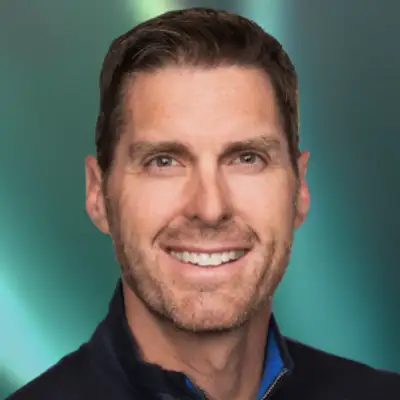
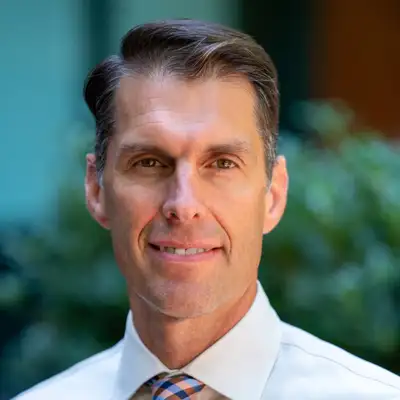
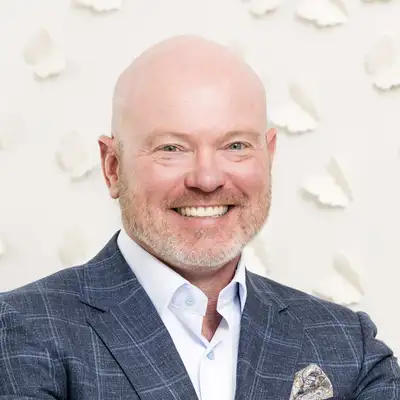
The U.S. healthcare system is at a breaking point—soaring costs, worsening outcomes, and widespread physician burnout. The Root Cause – Business of Medicine podcast, hosted by brothers Dr. Erik Lundquist and Dr. Davin Lundquist, charts a different path: one where healing, fulfillment, and business thrive together.
Each episode shares powerful stories of medical professionals who stepped away from the traditional grind to embrace integrative, functional, and alternative approaches to care. Through candid conversations with practitioners who have redefined success, listeners gain insight into navigating their own transitions, reclaiming a sense of purpose, and reshaping the way they practice medicine.
Erik
So we are super excited for you to join us on today's podcast with Aaron Wenzel. He is the founder and CEO of Brentwood MD. concierge medicine practice in Nashville, Tennessee. Davin, what what did you get out of this uh talk with Aaron that you're excited for our viewers and listeners to to get today?
Davin
Just really inspiring to me was, you know, keeping the main thing the main thing, right? And and really understanding who you are and what you're about and sticking to that and not trying to spread yourself too thin.
Erik
I loved his uh comment about prioritizing excellence and curiosity, right? So you continue to figure out how to improve your business But then you figure out how to make it the most excellent form of what it is and staying true to that. So I'm excited for you to join us today and look forward to any comments that you have, just leave them in our comment section and thank you for listening. Welcome to the Root Cause Business of Medicine podcast. where we explore what's broken in healthcare and what we can do about it. I'm Dr. Erik Lundquist and I've been practicing functional medicine for the past 15 to 20 years I'm excited to co-host this podcast with my brother, Dr.
Davin
Daven-Lunquist, who's just beginning his journey into functional medicine. We come from different points on the path, but we do share a common goal. We want to rethink how medicine is practiced and help others do the same.
Erik
The US healthcare system is in crisis, rising costs, declining outcomes. And physician burnout at an all-time high. But you know we found a different way. Another way. A better way.
Davin
On this podcast, we dive into real stories from medical professionals who've stepped away from the traditional model, kind of like me, and have found a new purpose in integrative, functional, and alternative approaches to care.
Erik
These are authentic conversations with practitioners and friends who've redefined success not just for themselves. but for their patients and communities.
Davin
Whether you're a clinician feeling stuck, a student seeking direction, or just curious about what is possible,
Erik
You're in the right place. This is the Root Cause Business of Medicine podcast. Welcome to this episode of the Root Cause Business of Medicine podcast. And today we have our special guest, Aaron Wenzel, out of Nashville, Tennessee. Aaron, we won't ask you to sing today unless you want to.
Aaron
We don't want that.
Erik
But we're really excited to have Aaron on today. Aaron is a uh an emergency room physician who has now gone into a very successful high-end concierge practice, and we're really excited and interested in learning about your path to to getting to where you are. And um so why don't we just start off by just just kind of diving into your story. Like you you And then I know you and I have talked about this before in the past, but I think for the purposes of this podcast, just to really kind of give us the the framework that got you, you know, when you were working and what what started to form in your mind? What what were the seeds that were planted that kind of started you thinking that maybe you wanted to shift a little bit in how you were practicing medicine?
Aaron
Thank you. Thanks. Actually, I'm classically trained as a family doc, family medicine. And I started moonlighting in the ER. In my second year of residency, like a lot of family medicine residents do, especially in more rural communities. And in West Tennessee, outside of Memphis, there were a lot of rural communities that needed some help. Uh I had a young family and on a resident salary. I was motivated to uh for economic reasons to uh to have a a a side hustle to speak of. Um Through my uh family medicine training, I became really um disenchanted with the delivery of sick care. And it was this revelation that we really have sick care, not health care, that Um I kind of had this inc incredibly intense emotional experience, um, feeling like I had been duped and You know, here I was being celebrated as a family medicine resident, chief resident, winning awards and being recognized. Meanwhile, my experience was that I could probably on one hand Count off the number of patients I've made a meaningful, demonstrable um improvement in their health. My experience was everybody was getting sicker their diabetes was getting worse, their obesity was getting worse. Like every disease was getting worse. I was just managing it um well. And you know that that kind of revelation led me to this place of I'm not sure how this fits for me. I can contemplated switching residencies to emergency medicine, switching residencies to a number of other fields. That didn't seem very practical at the time. And again, with the new family and the ER experience that I was gaining. I was like, well, let me just finish residency and I'll probably just take a job in the ER until I can figure out what to do. And that's what I did. Um, we moved to Nashville. Um and In total, I did ER for 13 years. I ran a department for the last almost five. Um, but along the way, I I tried to have uh I've tried to develop this entrepreneurial spirit, which I I've always known that I've had, but I've never really exercised it outside of a kid, you know, trading baseball cards. you know, those kinds of things. Having a few bucks in my pocket and flipping cards was always a fun pastime. So I tried, I I went to my experience and I said, well what what in residency did I find the most joy and and where could I make the most impact and where are those kind of Venn diagram, where does that kind of overlap? And it was in the obesity space. It was metabolic disease. And so I went on this about an eight-year journey of in the fat cell. What is it? Why do we have it? What's the neurohormonal environment? You know, what is obesity? What is metabolic disease? What is metabolic syndrome? Insulin resistance, obesity, all of these things. And so I went heavy into the obesity space and I opened up my very first business, which was a medical bariatric practice. Um and and for all intents and purposes we were very successful. We had at one time four different locations. Um but it was it was I was losing steam. Um my my experience was it was very hard for me to gain a lot of traction in the weight loss space because I'm constantly competing with, you know, who's forty pounds in forty days for forty bucks. And even though everybody knows It's boot that like that's that's not the path. You're always competing against it, and the fatigue started mounting for me The real blessing in all that was along the way I met uh a gentleman um who at the time uh w was kind of a culturally a big deal, but I was so head down. I Didn't watch the news. I I like I I was kind of ignorant to who he was. And he said something that was really changed the trajectory of my professional career. He said, Aaron We really love you as our doctor. Uh, and we we'd love to make you our our official doctor. And I'm like, but I am your doctor. He's like, no, you're my fat doctor, but I really like you to be our concierge doctor, we think he'd be really good at it. And I said, What's concierge? What what's a concierge doctor? Um and he went he proceeded to tell me that when he lived in Washington DC, he had this experience with their in with their internist who changed her model. And it was revolutionary for them as a family. And since they've lived in Nashville for 10 years, they'd been looking for it and they couldn't find it. And I said, well, that's really interesting. I'll look into it. And I couldn't believe it. I mean, I didn't think it was real. Um that that something this wonderful um was real. I went on about a two-year journey of like, can I do it? Is it gonna work? Am I the right person? Um you know, all the limiting beliefs that every young entrepreneur has to overcome before they fully let go of the vine. And um Yeah, so while working in the ER uh and building and ultimately shutting down the bariatric practice, we took a six-month hiatus. Um I kept my core team member uh And we converted the practice and launched with his family as our first family. And we've been building slowly ever since. Um, and uh one by one, you know, so it's I had a very long short answer, but but that's how I got into where I am.
Davin
Well, I l I love this idea of like a first family, right? I mean, I think um, you know, a lot of people might make that transition. They already have like a busy practice or a panel or something, right? And they kind of try to move as many people over as they can. But that's an interesting way to start.
Aaron
Um it's I mean now, you know, eight years into this, uh there's only two ways to build a practice like I have and and one is You start with zero and you build, or you have an existing something and you convert it. And day one, you have some critical mass already. Um and Yeah, those those are really the only two paths um to to to creating um something like this. And they both have their pros and cons, um, but but going from scratch is certainly Um that's a it's a steeper incline in terms of learning curve and uh uh Tucker factor, as I would say. Uh you know, as an ego by you know, the Tucker when when it's serious, when you're when you're really
Erik
Yeah, I think that's interesting. Why why don't you talk a little bit more about the Pucker factor, right? I mean, it's um it so it sounded d I just want to make sure I understood you Greg. So You y you were kind of introduced to this concept by this individual who was participating in your bariatric clinic and then And then he ended up um asking you to be his concierge doctor. And then it took you two years to kind of study it out before you were even ready to say, okay, this is what I would like to do. Is that correct?
Aaron
Yeah, that's exactly right. And uh, you know, I continued as a geriatric physician, but I was deep into the the consideration and pondering and you know, discussing with my wife. She was very um supportive and from the moment I like pitched her on the idea shortly after it was presented to me, she's like, Aaron, like this is like If that's real, like What are you waiting for? That that is like straight from heaven, right? It was created for your personality. It was like this is you know, it's not my decision, but I fully support you. So I have her support. It was really Aaron getting through Aaron and trying to really kind of mark that out. Yeah, so I uh about two years later I called him up and I said, Hey, can you meet for coffee? Um and we did and I said, Hey, this is not a sales pitch in disguise, I promise. I I but I've been thinking a lot since that day you you shared about your concierge experience. And I've made the decision that I'm gonna do that. Um and we went back and forth a little bit. And I just said I I'm not sure if it's still something you're interested in, um, or or it makes sense for you and your family, but but if you would have me, I would love for you and your family to be my my first members and I just want to leave that like no pressure but I couldn't say I'm I couldn't launch this without work I mean you're you were the gateway drug. So like I thank you for presenting this as an option. I'm going to do it. Um it'd be awesome if it still made sense for you. And and sure enough, he Uh and boy, I tell you, he goes, yeah, why don't you um tell me how it all will work, like the fees and uh and all that kind of stuff, and then uh Yeah, well I'll I'll talk to my wife and we'll let you know. And I'm like, cool. I remember leaving the coffee shop. I was like, yes, yes, it's so great, it's so great. And then that night I got home and like oh my god, I gotta text them and give them a number and that number's really big And I was so nervous. I had that, because it was for the whole family. And I'm like, every Insecurity and like I had not proven to anyone, including myself, that this was actually going to work
Erik
And had you worked that number out already, or you were you had kind of some ideas, but now you're now you're like, okay, now the rubber's meeting the road. I've really got to make sure this is what I want.
Aaron
Well, I had worked out roughly how I thought I would price it, but then immediately it's blown up because it's eight all at one time. This is the OG, he's like the founding member. Like, does that still hold water? Does it make sense? Like how do and then how do I frame it? And then and I labored over that singular text. For hours. And then I sent it and I thought my heart stopped. I was like sweating. And like two hours later. His response was Seems reasonable. When do we start? I was so mortified. I mean, it was thousands of dollars a month. And I was just like, I don't know. This is like And if this doesn't work, does that mean like all of this, you know?
Davin
Yeah.
Aaron
Do you go to a very high climax moment very early in the journey? Um But it was really important because, you know, from his family it allowed me to keep a my critical number two. Um my nurse, I get to keep her And during the transition where I could work in the ER and offset the other costs. Um, but at least we had somebody, we were real. Then I had to prove somebody not named him would wanted the service. And so like getting number two was the next milestone. But we we intentionally took about six months and we used that six months and that revenue to keep her on staff and then transition to practice. Um, and I cash flowed everything else. Um But I was highly motivated, you know, I had I had compelling reasons. I I knew that this was something if I if I could pull it off It'd be something that I could be really, really proud of and had some legs. Whereas, you know, if it it failed and I tried, okay, well I go be still I'm an ER doc and I run a department, like my life is not that bad. But I can't live my with myself if I didn't, you know, take my shot. And I and I and I felt like I I owed it to myself to take that shot. And thankfully he said yes, because it gave me incrementally more courage to keep going. Um You know, but it's scary in the beginning.
Davin
Um, I have a question. Um, you know, having kind of taken a similar journey uh n not exactly, but you know, having left traditional medicine and gone into more of a you know a cash-based uh you know situation, um the term concierge comes up a lot and um And I think I'd be curious to know what your version of that was when when you launched and if it's evolved. Um, and then maybe, you know. think about how that might compare to other what I would call membership models, you know, which range from, you know, direct primary care. all the way up to more of maybe a a high end concierge. I don't know if i if that's even the term you would describe yourself as but
Aaron
Um full transparency, I hate the term. I knew well that's why I wondered. Yeah. I I never have liked it, um, but it's what the market I decided is the term. Like I didn't decide that was the term. Um and you know, the market is the market is the market. And so Um recognizing that it I I use the language so that people know who I am and what we do so that there's a There's a minimal amount of confusion in my in my quick eye level like what do you do? Oh I'm a concierge stock. Oh okay. As opposed to like going into this deep like explanation However, what you one might notice is nowhere in our branding does a state configures nothing. And that was very intentional from day one. We're not Brentwood MD Confieres Medicine, we're not Dr. Wenzel Confierce Practice. We're Brentwood MD private physicians. Really what we are, we're private physicians. And and for us, the model we've chosen is to be totally um decoupled from from any type of institution academic center or or or insurance provider We're beholden only to our members. Um membership-based medicine. I had not heard that term when I launched. I do like it. It does, it does feel more um more accurate. Um yeah. Punkers has this kind of like ding ding like, you know. Yeah. Yeah. Oh, Tontiers, you know, and and like a medical valet. Um that is not what we are. Um But again, so I I resonate with the question and I'm very, very empathetic to it because it it it isn't a great term. But again, you go to any city in in the United States, or actually I have friends in London, friends in Amsterdam, friends in like it's Pontiers Medicine. That's kind of what people call it
Davin
Yeah.
Aaron
I I did I don't have a dog I like I don't get a vote. Um uh and so this is the market I want to play in. Uh and so I guess it's up to me to redefine what that might mean. Um and to your point, it means a lot of things. Right?
Davin
Right. I mean you're you're saying yes, the market has chosen this term, but it's not crystal clear and it's not the same in you know for everybody so yeah I I think it is interesting to to hear what how you sort of and again you don't have to define concierge necessarily I'm interested in more what was your model? Like what was your version of it, you know, so that I can I think so people can understand what that was, what you were thinking and you know how you framed it.
Aaron
Initially it was about I just wanted to be beholden to my members. And then I I I I wanted to create an environment where the doctor-patient relationship was sacred. and and and was a bedrock, was a component of the bedrock. And that there weren't any other stakeholders in that relationship. And that was my North Star in the beginning. That the doctor-patient relationship were the only two stakeholders.
Davin
Yeah, I love that. I love that.
Aaron
And I I felt instinctively That that gave me the best probability of a path of doing medicine a way that was fulfilling, deeply fulfilling, and high probability where the members would feel heard, um important, and that they would have some sort of reciprocal experience where this relationship is useful. And that everything else will kind of just fall in order and it really has panned out. Um it's still in our language, all through our website. It is it is the language we use that that we we just believe that Doctor-patient relationship should only have two stakeholders. And that any relationship where there are more than two, it's not bad. It's just it gets more complicated. You by definition will have to pander to somebody outside of that sacredness. And there will be times where it's okay and it doesn't cause a lot of friction. There will be some times when it stands square in the face of what you want to do because they're the tech writers. Um but you know so for us that was really important and I think when I I I I counsel and and and speak with a lot of docs who are thinking about doing this. And they have all of these ideas about what they should do and the rank and order of what they should do, yet they have no clarity on whether they're going to take insurance or not. And I say, hey Real quick, you're building a really beautiful wagon and like it's really great, but like you do not have a horse. Like in my experience, the most important thing in the beginning to get very clear on is How many stakeholders will there be? And that will largely dictate subsequent decisions. And again, I'm not saying they're good or bad, but for that individual physician entrepreneur or that group of physician entrepreneurs. I think the the most essential question to answer first is who's paying the bill? How many stakeholders are there? Um and if we're gonna allow a third stakeholder being Private insurance? Well then which of the private insurance because each one of them is a different stakeholder. And then are we doing Medicare or not? And then like they're like And it's a complicated first question to ask, which is why I think when people land on it instinctively, they say, oh, this is really important, but it's hard. I'll answer that later. It's very seductive. I would argue uh it's kind of like going to the gym. It's hard It gets easy later and you like when you enjoy going to the gym, that's a late finding. In the beginning, it's it's hard, you feel weak, it's painful. Like you don't have the discipline yet. You're not reaping the benefits yet. Um I have just found people who can get really clear on their model, whether they choose insurance or not, if they're really clear on what they're gonna do and why they chose that path. There's a lot less regret in five, seven, eight years, which then becomes really, really, really, really hard to unwind and change later And then I think the next model is to to so the first big differentiator is whether you take insurance or not. The next one is where's your entry point? You know, there there's a pool of Somewhere between 50 and a few hundred bucks a month. There's uh a pool in the one to five thousand bucks a month. There's a pool of, you know. seven to ten thousand and then there's a handful who have will charge twenty thirty a hundred um and what I have found is all the math is the same Like the revenue per from per position is the same for the practice. Yeah. Um it just depends on how And it's deeply personal. How many people do you want to take care of? How busy do you want to be? And I think you reverse engineer the math and that's how you determine your price point. Oh, I want 600 patients. Oh, okay, cool. Well then I could probably come in at around 2,500 bucks a year. I only want 200. Oh, it's probably about 10 grand. 7 to 10 grand. Well, I only want 50. Well, that's probably gonna be like 40. But the math comes out about the same in terms of revenues. It just matters which market you want to serve. And so what I would say is the second most important thing is what market do you want to serve? And do you have an instinct or a bend or a preference? Like, I knew that I didn't want more than 200 members. Just personally. And building a bad business or building a good business is really hard. I had a mentor. He goes, you might as well just build your dream business. Because building a horrible business is just as hard. Um you don't want to do the hard thing and build the thing and it's successful and then you hate it. Um, which was really meaningful to me. And so we we started from day one by default. a higher end product because I didn't want interns and I only wanted 200 members and that dictated the math Um I have friends. I have a friend in Denver. She sees 600 members. She charges a third of what I do. I was like, oh, that's funny. The math is the same. And then I have friends that only see 100 in their 20k here. I'm like, oh. And just observationally, I haven't done any studies, but it does seem to me. viable successful medical practices outside of insurance is you know 1. 8 to $2 million a year of top line revenue per practicing full-time physician seems to be about the magic number to make it viable and scalable. It just depends on how you want to get there.
Davin
That's great. That's great information. I I think I think it's fascinating too that you you know you've already you had already made this decision, right? Like your framework, who your stakeholders were. And yet it has allowed you maybe a different level of insight into even the models where people choose other stakeholders, right? So I mean it's it's it's weird because you would think, well, how does he know that? But I I get from your the clarity of the way you described it that that understanding allows you to sort of transfer this framework over to these other models, which I think is beautiful. Eve even in a situation I used to work for a lar one of the largest nonprofit health systems in the country. And even in that model, I think it would help their relationship with their doctors if they presented it more authentically, right? Instead of saying Oh, we're gonna give you as much autonomy as you want. Really? Well, we're gonna give you as much autonomy as these 20 stakeholders will allow. It's a different discussion, you know
Erik
Which is not much of where you go to the bathroom. Uh-huh.
Aaron
Yeah, I mean can you can you imagine being married 20 wives and making and and having this ambition and audacity to believe that you will make them each feel individually independent and loved and spectral and unique. Yeah. I think it works. I mean you might do it and it might still be worth it for you, but like that's deluded thinking to think that we're gonna the result will be anything other than what it
Davin
Yeah. Yeah. Um twenty different sets of KPIs.
Aaron
Yeah, yeah, yeah. That would be an interesting discussion. And where do you keep that list of the twenty different KPIs? Because there would be some overlap. Um you know. Uh I have an amazing wife and I'm grateful for her, but I wouldn't want two. And I'm sure she wouldn't want two husbands. You know, I'm a lot to keep track of. You know, you know, but but what I was gonna say is even in the models that are kind of the hybrid model And I I have some friends that are in this model and I don't know their books, but we do talk and when I do simple math based on my thesis of about two million per doctor, it still holds water. You know, it's whatever, two two grand a year for an MDV IP, plus they don't Medicare. So at 600 because they cap and it publicly Yeah, there's what what's the math? 1. 2? So they gotta do eight hundred K a year of billables. Yeah. With six hundred people. Oh, okay. Well each have an annual physical and then like Right, I I bet I bet if we got into their books, it'd be about two million. Um and the the the the negative is is if you're the physician entrepreneur who's building that You're on a fixed salary and you do the math and you're saying, Oh my God, I'm only getting a fraction. The good news is it's easy 'Cause they fill the books. It's like it's such a low price point. You're immediate within a year you're full. And like so it's not as hard. But like so there's give and take, you know, there's benefits of a of a more complex inclusive model but has a limited upside and to me equity and upside is completely correlated with risk how much risk are you taking And the more risk you take, if done right, you should have a bigger upside. But if you're not taking a bunch of risk other than changing jobs, that's not very risky. You shouldn't be entitled to the to the bigger upside. The company's taking the risk hiring you. You know? Whereas my world was like, well, uh it's just me and no paying members. So like it was all on the Wenzel household to uh figure that out and I'm grateful for it. I wouldn't change it in the world for the world. You know, I I feel like it's been it's been incredible experience. And um I just feel really blessed to be able to do medicine the way that I do with the people that I get to do it with, my team, and the way uh that we uh Yeah, it's just uh it's just it's rare. It's it's rare and it feels very, very special. Um And we get feedback from our members that it is just as special to them, which feels kind of holistically and comprehensively beautiful um in a world where m the doctor patient kind of patient healthcare, sick care system, there's so much friction. Like I don't know that there are a ton of people who are like, oh my gosh, I love my doctor. I love my practice. The practice is still great. I feel heard. I feel appreciated. Like they've got me, they think about me, they're so thoughtful. I mean that I don't think that's very common.
Erik
No, it's not. And and I think it goes back to your point of, you know, who are the stakeholders, right? And and and are both stakeholders investing in what's happening and getting the return that they want. Right. And if the if both stakeholders are happy with that, then it's the business is going to flourish. So I think I I really like that that that mindset. Aaron, why don't you tell us a little bit about that transition? So you you now You have your first patient, you you wait another six months before you're bringing another patient on. You're still working in the emergency room. How did how did that transition take place? How long did it take before you were like okay now I can get rid of the ER job and just do my concierge job And w were there any hiccups along the way where you're like, wait, what did did I make the right decision? I've now opened the this can of worms. Did I make the right decision?
Aaron
Uh yeah, so what I will say um is there were countless mistakes. But I I'm reflecting and I I can't think of a single moment where I wondered if I did the right thing. I had it's a tremendous um confidence and conviction, like deeper than like like I it was I felt a conviction that this was the right play. And it just needed enough runway and it was special enough to take time and everything that was the most precious to me, my health, my relationships all were not fast things. I had a low time preference for this. I was not in a rush. I did not prioritize any uh like uh time urgency. I I I prioritized curiosity and excellence um and just staying open to what that might look like because I didn't have a playbook. I was running a department, so I was in control of my schedule. And I kind of went into it with more of a I'm going to be curious with how the market responds to our presence. So the early days were really just being present, having a beautiful website that was clear, as clear as I could in the ver the version that I understood it to be. You know, I understood basic concept of search and like although I don't know how to market to people about a service like this, I can make myself findable to the people who are searching for this. And I think in phase one for me was truly just my best odds. Because I just remember I just come off this other business adventure where I was, you know, it was very cash. heavy in there. I wasn't look I had learned a lot about marketing. I I I I was moderately good at storytelling and marketing and creating content at the time, but I also understood um return on ad spend and I understood about cash flow. And I wasn't looking to burn a bunch of cash. I wanted to do this really efficiently and elegantly. And so my my my early days were a beautiful website. with with well constructed words that explained who we are, who we're for why life would be different with us um and what I'd like you to do if you think we'd be a good fit. Like that was the basic premise of like phase one And I just had this feeling that if I just take care of the people who inquire, that'll be good enough for a period of time. And again, having low time preference. I wasn't and I didn't have a board. I'm a hundred percent owner, so um and I wasn't using it to pay my bills. I was and my the so I had this really interesting sweet spot where An investor would have never allowed this. Another business partner who had different time horizons and time preferences probably couldn't allow this incubator kind of period of time. And we got our first 20 or 30, probably in the first year. Um very slow. I would I'd have to look at the math, but I would say twenty-four or twenty-five of those first thirty, they're still they're part of my OG. Early, early folks who have gone stayed with me.
Erik
Um Aaron, let me interject real quick. I'm I'm curious of those individuals that kind of joined you. Were you were you, particularly in that first six months when you just had one family, were you gathering kind of names? Were you talking to people about what you were doing and just saying, hey, I'll let you know, I'll get back? Were you and did you have people come in and say, Yeah, I'm interested, let me see, I'll get back to you. I mean how how were How did that go? Did you were were you advocating for your practice and talking to people about it, or were they all coming to you off of your marketing?
Aaron
Yeah, I mean as as a as a as a as a reminder, I I was working my face off. You know, I was was working nights and weekends to be available Monday through Friday during the day. Um I advocated about my practice and what I was up to and everybody in my team knew what I did, but like m m my audience were ER patients w in a town, a small town far away. So like That was not a good use of my energy. And so yeah, I I just and I like we we went to like we had some social life, but it was basically like maybe Once every two months we went on date night, but I was with my wife. I wasn't like and she grew weary, and anybody who's married, who has a spouse who's not an entrepreneur, they grow weary of talking business. And so I learned very quickly that our uh once a month or once every two months or once a quarter date night, I would be foolish to bring up business unless she brought it up. And so yeah, there weren't a lot of opportunities to like talk about it. So whether by intention or just the way it was, I don't really know. But my recollection is I just I I wanted to be findable to see if the people who knew they wanted conscience medicine and could find me thought we would be a good fit. And that was enough to get 25 or 30. Um now I don't want to that was although it's not totally just throwing noodles on the wall hoping they stick. I mean I had a good sense of copywriting, I had a good sense of like website architecture. I had a good sense of value proposition and benefit-driven language and all of these things. I I had learned a lot. So it wasn't just like I spent three hours building a Squarespace website and just poked. No, I mean we were building SEO. We were really, really um Um and the money I was spending, I was working with a team to help me create content. So but it wasn't fancy, it was literally like This exact phone and a tripod and like me at a whiteboard. Um, just trying to be useful, then I would take the transcription of that and then edit it for a blog post. I was just I was just trying to You either got time or money, and I didn't have either. So I just did the best I could with the budget and the time that I had. But eventually, you know, we we hit some milestones where Jen, my number two, was being, it was paying for herself, and then we were covering our costs. And then I'll never forget the first really significant milestone after that first family was then looking at me and saying, I didn't take a paycheck for like three years. I continue to build and reinvest and build. And she looked at me and she was handling all the books. She was doing everything. I was doing all the doctoring, all the marketing, all the sales calls. I was doing all that. She would do. All the patient care when I was in the ER, she was like she was a friggin' rock star. Uh she goes, Aaron, you're paying yourself this month. This is the first month. And I go, I don't know. Are we ready for all that? And I wrote myself a twenty thousand dollar check. And it was like a weep session, you know. Um but that was a real big milestone for us where finally the thing that I built was giving back to me and then that became a month that was like my pay. I paid myself 20 grand a month. Um and we didn't break Which was like important for a young like I was growing in my confidence of what we had built as a like a young father, maybe like, oh wow, you You can like go in the store by yourself. Like it's kind of one of those things. Like I guess you could do that again. And then they demonstrate that they're able to do that. And you can take my card and you're like, wow, you're You're fifteen. I guess you are supposed to be able to do that, but it's in real time it's a little weird, you know, to to walk that out. Um and then eventually uh There was enough to where I was double dipping. I was making from the ER as a directorship. Um I was matching that with um with the the practice because I kept giving myself pay raises because I was proving mathematically that it was possible. And then for like three seconds I had this idea, oh, I'll just get so ahead, you know? I didn't really want to let go of the vine completely. As most entrepreneurs who spin something up, it's hard to l when when the side hustle becomes the main thing, getting rid of the main thing that used to be the main thing that now is kind of like your old blanket that you need to get rid of. Um thankfully I was able to do that, but mostly because I was so stinking tired. Like I had gotten really unhealthy, chronically sleep deprived. I've developed metabolic syndrome. I call them fat errand. Um, you know, you know, I I I needed to be there for my kids, I needed to be there for me, I needed to be there for my wife. They've been incredibly supportive And so April 27th, 2021 was my last ERC. And I never looked, I burned the boats and I never looked back. Within six months, I was totally full and hiring my second doc. Um it turns out things you focus on exclusively grow. Um So when I made my core business the main thing, it grew much faster than this kind of passive, let's just see how it goes. Um took I was all in. It's all I it's all I did. I fired my fat self, started getting in shape you know, reconnecting with my wife, reconnecting spiritually, reconnecting with the things that other things that were really, really important to me that I had you know, put on the back burner uh for self-preservation and kind of things that people do when you're when you're just trying to build. And then so we hired our second doc. Uh he started in Let's see. He started uh the following about a year later. So I actually overshot my 200 on purpose to create the cash flow to pay for the next docs guaranteed salary. So that's how I ended up. So I went to like 245 and those extra members created pre-baked margin. for his guarantee. Um and then over time those 245 have dwindled and I just don't replace them. Because I really it's very important that I stay high integrity um with with that. um temporarily, intentionally and strategically overshot. And that was really glad we did because I don't know about y'all but in business if if if I don't have calf confidence, I decompensate. You know? Like I I gotta look at the math and have confidence that the cash flow is good. Otherwise I'm not the best version of myself. And so I just know that about myself, that I'm I I over-index with cash confidence. I I need to know the money's good. Um And so that was important and it was very smooth. It took him about three years to get full, where it took me, you know, about five and a half. Um, which is what you would expect. And in hindsight it makes sense, but we hadn't proven that. I hadn't proven that anybody could do this other than me. But then I proved that the other guy could do it that wasn't name me. And then this last July we hired our third doc and he's off to the races and we didn't you know, we we've got the cash flow to kind of do that and and and grow the team and we're in a really, really good place and and and I think that um It's it's it's kind of the old make a lot of mistakes, make them fast, and then and then iterate. And and we've made tons of mistakes. Um I kind of gave you this whole historical thing. I don't think that was a good idea.
Davin
No, I I think that's perfect for our audience to, you know, kind of hear what it what it takes and what you've been through. Um in the in a in the little bit of time we have left, I would be interested to know a little bit more about, you know, what are key aspects of your model. Um, you know, I think that there's, you know, there's people who have membership models, um, private practices. That focus on slightly different things? Are you trying to be sort of the primary care plus? Is it more of a functional medicine lifestyle practice? Is it uh, you know, like integrative. Well just give us an idea a little bit about what are some core tenets to your philosophy.
Aaron
Um Another really, really good question. And I would agree if if if your audience is thinking about doing this or is doing it and trying to get some traction. Um I mean with Stephen Cubby and Seven Habits of highly affected people that said the the main thing needs to keep the main thing, the main thing. Turns out it's super hard. Um and in the beginning, uh ironically, you have to say yes to lots of things in the beginning to reach a critical mass. Uh but then You have to start saying no to everything that isn't your core business because the inefficiencies don't scale. Um and I don't know any entrepreneur who starts from scratch who doesn't have some cleanup to do. Also some discovery on what your core business is. It's easy to fall prey to the idea that you want to be all things to all people, but that just means you're nothing to no one. And so we when you try to speak to everyone, you actually speak to no one. And we were actually very clear in the beginning. This was one of the valuable lessons from the weight loss space, the BCD variaphic space. What is our core business? Who do we want to be? And we were very, very clear in the beginning that we wanted to be the best in the world at Frontier's Prime Cat. That's that's who we aim to become. Um and we we we hold every new opportunity to the test of does this help us become the best in the world at primary care? Which is why we don't Do a bunch of other things. That's why we don't do any other things. Um and I've left a lot of millions, millions of short-term dollars on the table. It's why we don't do executive physicals. I mean my market alone could probably be several million dollars. My goal isn't to beat it. That what I don't want to build something that will be hard and then it's confusing. And for people who are looking for best in best in class primary care, they would look at us and say, that's not my people. And so I think it makes it harder to grow fast early But then later it really allows you when you have that brand established to grow sustainably and in a meaningful way So our core business is primary care, and we want to do it in a very, very, very. And uh that we're where our apex asset is the relationship we have with our members. And we we everything is from that like core belief around stakeholders and so You know, if we only have the two relationships, then that relationship is the apex. Everything is through the lens of does this enhance our relationship with our member or not? And you know, um that's why we haven't become great at IV therapies. I don't know. Like but but there are there are companies here who do really great work and that's all that's their core business. And we will find the best in the world at IV therapy. uh and we'll send them to them. Um and and that's just our how we've positioned and and it's given us a remarkable amount of clarity. And what what's been interesting is in the beginning it was really Again, more insecurity, like I don't feel like I'm doing the right thing. I think we should probably be raising cash flow and like raising revenue. Um And I'm totally sympathetic to why people feel that way. But what's interesting now at year eight, I'm so grateful. We um I mean we say no all the time. And it's easy to say no now. Because it like it doesn't everyone on our team understands that our goal, and we talk about it every quarterly, if we fall hands-on deck kind of meeting, what are what our aim is and what our mission and vision is and there's no confusion on our team why we don't do these one off transactional things. That's not a corpus. And so I think it's a superpower for early physician entrepreneurs to get really clear. If you want to be an integrative practice, then you could be the best in the world at integrative medicine. The common seduction is that The quickest path to success is to be great at lots of things and it's false. The clearest, most reliable, sustainable path to success, is being the best in the world at one thing. Then once you've established that you can you can branch you can you need to go deep before why. Uh otherwise you're going to be competing against people. Like in the market here in Nashville, there are lots of new practices that pop up from time to time who on their menu of services have conscious primary care as part of it. You're doing all like no. And and and our ideal members, they see that a mile way. You know, it's it's uh anyway, that's that's what I'm saying.
Davin
I love that. I I've been listening to a book titled The One Thing by uh Gary Kellard and Jay Popson. I don't know if you Yeah, so anyway, I I it's interesting to hear you kind of reiterate. Yeah, yeah, love that.
Aaron
These are these are known truths from old war tested business owners that and we all are seduced by similar things. And that the the path to our the mountaintop that we're trying to go to is paved with all these roads we have to become excellent at. And it's just not true. Um and um yeah it's a very expensive it's a very and ego-driven burn pot And then lose people and don't know why. But the stickiness is when you're like, oh, I gotta die. So when your members are out talking about the impact that joining an integrative practice has had on our life, when they speak about it and evangelize about it, they're like, I got a guy. And but it's not because that guy does an easy 19 things. It's because they they had a unique perspective on diet and mic mic micronutrients or whatever, or gut health or like what whatever the thing might be. And by the way, we we have integrative practices in town that when we're vetting If they're integrative for all things, probably not our person. Like we're looking for people, if I have somebody who's entrusted me to be their health asset manager and they have gut issues. I'm looking for a gut somebody whose primary core business is gut health. Because these people can write checks, they can travel, they're They're looking for the best in the world. And so I see that pattern showing up. And it's not to say you can't be successful or have a business that's viable. It's just excellence and r really really getting to that level where you become the dominant player in your market. I I think almost I I would be surprised to find any examples that don't have a very clear core business when you go to their website within twenty seconds, you very clearly understand what their core business is. Um Yeah. Yeah. I mean that th those are those are my uh my rants on on that.
Erik
Um well Aaron, this has been an absolutely fantastic. We might have to have an Aaron Wenzel part two.
Aaron
Uh oh boy.
Erik
Because I I don't know about Davin, but I still have a list of four or five questions that I wanted to ask that I would do it again.
Aaron
This has been fun. I I'm a believer in the model that I practiced in. And I'm also an abundance guy, so like I I I talk with friends in my market, outside of my market. Go do you. Your people will find you I'm not for everyone. Um, but you deserve to find your person. And like, if you're a talented physician and you have the heart to go help people and you have an idea of the way you would like to do it and it's aligned with your values and goals and this is the path to do it, I would encourage people do it. But be true. But build your dream business. Don't build a something that you end up regretting or hating. And it might take you a little more time. It'll almost certainly be more scary. Um But I don't know, asking my wife out was the first time I was scared to death. You know, uh there's something about our species, I believe, we don't have the ability to fully appreciate that which is not invested in. Like there has to be a risk component. There has to be some some some stakeholdership. Um there has to be consequences for getting things wrong for you to fully appreciate when it works. Um there's some beauty in that um for another for another talk probably, but like I don't know, I I I see a lot of parallels in in my business journey that it's you know, other things that I was brave in the moment. Um in hindsight, it's like, oh, it's easier for you because you're brave. No, no, I mean Like to be brave implies that I I was scared. Otherwise it wouldn't take bravery. I mean bravery means I'm afraid Um you know.
Erik
For sure.
Aaron
Yeah.
Erik
Well I love that. And you know the the subtitle of our podcast is The First Step is the hardest. And and it really, you know, it it is. It is hard and you've but you've gotta make it, otherwise you're stuck where you are forever, right? And so it's just Been so so fascinating. Um, you know, I've heard your story before, but there are details that came were fleshed out today that I hadn't heard before. But I there was just so many wonderful points of just how you frame things and how you boiled things down for clarity in terms of where you had success. And so we really, really appreciate your your being with us today. And And look forward to to part two sometime down the road.
Davin
Thanks, guys.
Erik
Thanks, Aaron. Thanks, Aaron.
Davin
See y'all