Subscribe
Share
Share
Embed
The top CPG podcast in the world, highlighting stories from founders, buyer spotlights, highly practical industry insights - all to give you a better chance at success.
Marc Jonna
Farm market's the best food in airports. And we just opened in Oakland, California by the way. It's like project double the sales already. And we opened up in Detroit. They couldn't believe it. We're top two or three in the competing against PF chains of McDonald's shows you that people want fast kind of food cooked from scratch. Healthier in airports. If you have an office building, you hit those old dungy delis that were just eh and greasy. You walk into a beautiful Plum Market, small prepared foods with kitchens and chefs there and really great grab and go stuff and beverages and all of a sudden your office culture goes up. It helps you with recruitment. It's like having a gym in your building. But having a Plum Market in your building is pretty cool, right? I think it is. Even the Detroit Pistons said it.
00:49
Marc Jonna
You know, we want it for our players. So we do the Pistons performance center schools, we do private schools. So you see how we're going to all these different avenues. It's the same business. It's the food and beverage business. Right. But really that higher quality is what I think people want. And at the multi channel the Plum Market, nobody in the country is doing nobody.
01:08
Daniel Scharff
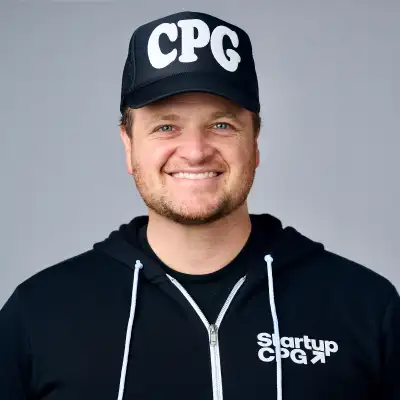
Hello my friends. Welcome back to the Startup CPG podcast. On today's episode we are taking a big bite into the legendary Plum Market. They are such an interesting grocer. They've got locations in Michigan and Florida and they're also growing really fast in airport locations around the country, which I know brands love to hear about. Today we're going to talk to the co founder Marc Jonna. We're going deep into his founding story behind Plummarket. We're talking about its ethos, how they source brands, even some tips for reaching out to them. This is definitely a retailer to keep your eye on. I can't wait for you to hear all about them. All right, here we go. Marc, my friend, welcome to the podcast.
01:52
Daniel Scharff
I'm so excited to have you guys here and I know a little bit about you guys but I would love if you could just tell us you're a third generation grocer, come from the whole foods world. Before building Plum Market, can you give us the Plum Market and Marc?
02:06
Marc Jonna
Johnna101 yeah, it's a great story. You know, grew up in a business so definitely the retail gene is in our DNA. And my grandfather started in a business and then my dad went into, he actually went into the back then as a liquor business and then you know, there was all the different staples like a drugstore would have and he was the first liquor store that had a drugstore inside. He was pretty innovative guy. It was called Trade Winds. And he went on anniversary trip, 10th anniversary, to Europe, to France and Italy. Saw everybody drinking wine, drinking bottled water. You know, the women are very fashionable, wearing high heels. And it's like very sophisticated clientele. And he's like, you know what? I want to go into wine business.
02:43
Marc Jonna
So told my mom, we're going to go to the suburbs where all the educated people were that love wine and the demographic. And he opened up his first store and he called it Merchant of Vino, which is after wine Italian. And he was always known as the Merchant. So it's a great name for him. My mom and they created like a really great wine store with liquor and beer gourmet products like a Dino and Deluca. They would always go to New York and find products there and bring them back. And Zabar is back then. Remember the olden days of those great grocers in New York? They brought products first, right? So I went into the business because couldn't see my dad unless I worked with him.
03:15
Marc Jonna
So I started when I was 14 and met my brother Matt, who's six years younger, was also, when he got a little older, going to the business. And my sister ended up doing really well going to school instead of going to college. First I went to France, made wine in Burgundy. So I did a harvest there, loved it. And then when I got back, I told my dad, I want to go to college. And he's like, well, don't you want to stay in the business? And we're growing, we have multiple stores, you're doing well. And I said, no, I really think it would help us. You know, give me a few years, I'll come back for sure. So I went away and my dad got sick a few months in, so I had to come back.
03:45
Marc Jonna
And it's one of those father son moments where it's like, I need you. I've got two partners, but I think you're the leader and you can take this to the next level. We just opened up our fifth store at the time. So I ended up leaving college, taking over operations, which was scary, very scary. I was 19. So it's like, wow, I got all this responsibility. We're tied to work, to look odors. And then what happened from there was we grew the business. And just a real quick story for people that are struggling with up and down business. After my dad got back, he got better after a few months. I did really well. He Put me down to like a one store position, like demoting me.
04:16
Marc Jonna
And even though I was doing well and I was really kind of taken by that, but I thought he'd let me continue and he just mentor me. So one day I got up and my Ned's early riser had to get in at 5 in the morning. I packed up his whole office and he comes in, he's like, what are you painting my office? I go, no, two things are going to happen. One you're going to listen to me. The other one is it's not going to go so well. And I said, I want to take over. I want you to mentor me. I want you to live a long life with mom. I'm ready. And he looked at me and he was a pretty big guy and he started to squeeze me really hard.
04:41
Marc Jonna
I don't know if he's going to strangle me or not, but he gave me a big hug and he just handed me his keys and says, you're ready. I said, dad, why in the heck did you just put me through hell the last few months when you knew I was ready? He goes, because you took it from me when I was weak and life is tough, life is hard now you took it from me when I'm strong. You're going to be ready for the struggles that are going to come ahead of you. And that's a really important story in life for anybody starting a brand. It's never easy, right? As you know. So then from there another hit. We were doing great.
05:08
Marc Jonna
My brother came into business, started getting the natural and organic products, supplements, grew into a full scale marketplace with produce, meat, seafood and John Mackey wanted to buy us because he wanted to come to Michigan. Never thought my dad would sell because my brother and I in a business and my sister and said too good to say no to, we have to take this offer. So I ended up working for John Mackey. My brother and I, they bought our company in 1998. It was a great opportunity. He said, Marc, I have a lot of people in grocery and operations, but we don't know wine. Can you help us with wine? We're doing like 1% at the time. I said, yeah, I'd love that. He goes, you're my national wine bar. You know, go around and just have fun and grow my business.
05:41
Marc Jonna
So I ended up doing that, but I didn't listen to him. I went from to a hundred stores. I looked from the front of the store to the back and said to him afterwards what I thought wasn't Working in the stores. And I started redesigning his wine departments in different areas and looking at his labor budgets on it and taking away from cheese and deli. He didn't know what I was doing. Some regional presidents were calling, saying, who's Marc? Jonna. He has no right to do that. So ended up Walter. Rob gave me a shot after getting mad at me and said one store test. Well, I did that store, and I was our top store by 10 times the volume that he did. So every regional president from there on would call me. And then I said, john, I need one more favor.
06:13
Marc Jonna
I want to be in your leadership team, because my dad's not going to let me stay here unless I learn more. And he says, Marc, you don't have the title. You're just my wine guy. You just came in. I go, I think you put it to vote. I have a chance. I'm different. You don't have any entrepreneurs from the start. Gen Xer. I was young at the time. So he did in November that year, and it was unanimous. They voted me on. And I was the first person without title. So the reason being is I drink wine with all those guys too. So he didn't know that. Even when I went to Austin, they stay at his house. He wanted to learn Burgundy. It was so funny. So wine's a good connection, guys. So anyway, so long story short, non compete ended.
06:46
Marc Jonna
My brother left, and he was calling me every day saying, we got to start our own thing. We got to start our own thing in Whole Foods. I felt like it was going in a different direction. I could feel the pressure from being publicly traded. John's mission was still phenomenal, but the shareholders were not nice in the board. So ended up telling me, let's go, I'll do it. So Matt had already had a Startup office ready to go and went in and we started talking about our purpose, our mission, our name, our branding. You know, where our first location we would be in. We opened 20 years ago, almost 2007. We opened up Plum Market in Bloomfield Hills, Michigan, our hometown. And now we're in two states, Michigan, Florida. But we have over 40 outlets because we do airports, short pistons, like athletics.
07:24
Marc Jonna
We do offices, we do private school. So really grew their business from there.
07:28
Daniel Scharff
And by the way, can you tell me about the name Plum Market? Where did that come from?
07:31
Marc Jonna
Yeah, so I think brands have emotion. So when you think of a brand, you think of it already. See that a kind of symbol. Like if I said to you, hypothetically, Nike, first thing you see is an I Go see symbol. You don't see N I K E. So you see the symbol or I say apple. You see the apple. Right. If I say, you know, Publix or Safeway, you don't really see, think grocery store, but you don't see anything. Right. But Elga. The grocery stores have, they have names, but they don't have any iconic names. So went through a list. Matt hired somebody to help us find names and were shocked. We saw Plum Market available. We're like, Plum Market's available. It's phenomenal name because it spoke the freshness, because it's a plum.
08:09
Marc Jonna
And when something's plum, it's like good, it's desirable, like, hey, you're plum. And it has a really pretty color. And we thought we can create a really great circle with a swish in it. So if you ever take Plum Market out of it, they would know our iconic symbol. And it just spoke. My parents didn't like the name. So, you know, they wanted a merchant of life, the merchant legacy. And we said, you know, we really want to be different. And now my dad can't stop wearing our hoodies or our hats. He gives them to all his friends. He loves Paul Market. So the brand icon kind of did exactly what we wanted to and it's part of our family now.
08:40
Daniel Scharff
I love to hear that. I need to get some of that merch.
08:42
Marc Jonna
Yeah, I'll get you a hoodie. I know you like hoodies, right?
08:45
Daniel Scharff
Yeah. One other question that I had. I guess I don't know a lot about the history of wine and culture here in the US but the way that you told that story, it sounds like that was actually almost like a more obscure choice for your dad to make at the time. Like just opening up a wine shop. Like, you know, I think these days wine obviously very well established, like every celebrity is going to go out and lose money on a vineyard also.
09:11
Marc Jonna
Exactly.
09:12
Daniel Scharff
But like at the time when he was going into the wine business, like did wine. Was wine not really at the forefront of culture the way it is now? Did it mean something different?
09:20
Marc Jonna
No, it was liquor. Liquor was everything in the early 70s. It was a liquor driven business and beer, wine was secondary. So you didn't have the big wineries out of California, you know, because went through prohibition, don't forget too. So the wineries had to stop and restart. So we didn't have the history and we didn't have the generational knowledge that they had in France, Italy, Spain. So the old world had a lot bigger advantage over us than the new world wine. So wine in America wasn't as big because of that. So it was basically a liquor driven nation. And, you know, the number one beverage of consumption was Coca Cola. So everybody wants sweet. So when they drink wine, it was too dry. So that's why German wines back then, or vouveries or, you know, those are the sweeter wines.
09:59
Marc Jonna
They had a little residual sugar. They were only the higher quality ones, but they're ones that people would, like, associate to taste, and then it changes. You know, it.
10:06
Daniel Scharff
I gotcha. I'm just looking at the. At your background right now. The Plum Market color, which I'm like, yeah, that's a wine color. Okay, I get it. Like, plum is one of the notes you might call out in a line. So I can see why that name spoke to you so well.
10:17
Marc Jonna
Yeah, yeah. There's a lot of hidden meaning behind this name, but I didn't want to take up two hours in attendance.
10:23
Daniel Scharff
What's your favorite kind of wine? What are you drinking at home?
10:25
Marc Jonna
So I love Burgundy because I told you I made wine there. And I love Pinot Noir because Pinot Noir is like a personality. It's like, it's hard to meet this person. They're a little standoffish, and there's not that many of them in the world that are great. But when you meet a great one, you never forget it. That's Burgundy. Like Cabernet Sauvignon. Is it easier grape to grow bigger? It's bolder. It's much more aggressive. It's an outgoing personality. So I like the Pinot Novar because I think it's kind of like that. You find a really good Pinot, it's special, so that's why I like it. But I drink anything that's open too.
10:55
Daniel Scharff
What's a really good Pinot? I love Pinot also. I love, like, California, Oregon.
11:00
Marc Jonna
California. We're doing a great job in America too now.
11:03
Daniel Scharff
But any particular one that people might not know about that you think they should have on their list?
11:08
Marc Jonna
Seasmoke is one of the best in California. It's called Seasmoke. Small artisanal winery. It's phenomenal if you see it.
11:14
Daniel Scharff
Yeah, I'll check that out. I used to live in San Francisco and was just getting really into wines when the pandemic hit. But I had just started going up to Napa and Healdsburg and checking out some of the vineyards up there and started really enjoying it. Then once the pandemic hit, I was at home by myself. All the time in sf. And so I just was ordering a bunch of wine and learning to taste it different ways, which actually I was able to teach myself a lot and came in really in handy because then I got hired to run a beverage company, and it helped me so much through the formulation to be able to, like, know what I was tasting from the confidence from learning about the wines. Yeah, what a fun start.
11:50
Daniel Scharff
So I would love to know because, I mean, you have this really interesting perspective on the grocery industry. Have just coming from the business and your family. And, you know, I think having spent time as part of the whole foods ecosystem and now you guys are growing aggressively in really interesting formats, do you see any overall changes coming in the grocery landscape? And just to, like, put a little more spin on the question to make them even more complicated, like, I ask myself this all the time. What is it going to look like in 10 years? How are people engaging with grocery stores at that point, with all of the, like, delivery options and all of the AI coming and all of the Instagram discovery, Like, what do you really see coming for the overall industry, like, a decade from now?
12:34
Marc Jonna
I think, you know, right now, man, I feel like we're in a good spot because the next generation is a lot smarter. Information's coming quicker, and they really are. They care about their health, you know, so they want preventative medicine. They don't want to get sick and make it well. They want to prevent. Right. So functional medicine is becoming really big. I think there's some advancements with GLP that's helping people keep their weight down. And people are learning that we should not be the supersized nation. We should really higher quality, but less. And I think our plate size, when we filled it up, we thought that was a normal portion size. I always tell people, you can really afford to eat well if you eat right and you don't need as much as you think.
13:11
Marc Jonna
And why do you really need 8 ounces of protein to 4 ounces of vegetables? In Europe, it's really like 4 or 5 ounces of protein to 8 ounces of vegetables. Right? So I think people are really learning right now about buying higher quality, less ingredients you can actually pronounce. They really want to know traceability because of these recalls. I don't think they're really good when you have a private label behind it. They want to know the founders. And I think it's changing.
13:34
Marc Jonna
So I would say to you this, if you heard DoorDash and Uber Eats were going to hurt the restaurant business because if people could get the food at their house instead and I have to go out, I would say, would you do that every day if I told you could and I'd actually let you or never go to a restaurant again? It'd be interesting to say if you were to say I would never want to go to a restaurant again.
13:52
Daniel Scharff
Would you? Yeah, of course not. I mean, but it is interesting to think about. Like I wonder what my mix is of how I eat at home now versus I can't even say. Before all of those options were available, would I have been going out more or just, I don't know. Because you always had the options where you could order delivery from a restaurant as well directly now they just, they get less of a cut and it's easier for us.
14:13
Marc Jonna
Yeah, well, Danny Meyer kind of said I like him a lot. And people go out because. To a restaurant because his experience, right? They want to go out. They want to go out with their wife or girlfriend or friends and you know, not have to worry about stuff and create environmental community. Right. That's what we're doing at Plum Market with our grocery stores. When you make a conscious effort to go to Plum Market, we want you to come into a beautifully well lit, clean store. Incredible brands are the forefront and they're the true stars of Plum Market. Great guest service, like a Four Seasons hotel.
14:41
Marc Jonna
And to feel that you can get higher quality of anything, whether it's prepared foods, cooked in house from scratch, fresh produce, wine, cheeses, et cetera, run into new products and demos, stuff like that, or just being impulse to make a certain dinner tonight or eat a certain way at home. That's who we are. And so we think we're in a very unique opportunity that the consumer is still going to want to have experience. So I think Incredible brands that are a little bit, like I said, more you can trace them, you know, the health benefits or you know, the quality of them. And I think technology. So people are going to want to understand when they come in, like just going to make things faster and easier when they come in the stores because you have to be in the technology business right now.
15:20
Marc Jonna
AI is everywhere, right? So that's where I'm at. And I think. And we also feel like there's a gap in the industry. Airports, number one complaint is bad food, right? Plum Markets, the best food in airports. Every time we open up an airport and we just opened in Oakland, California by the way, it's like project double the sales already and we open up in new. They couldn't believe it. We're top two or three in the competing against PF chains of McDonald's shows you that people want fast kind of food cooked from scratch. Healthier in airports. Right. If you have an office building, you had those old dungy delis that were just eh and greasy.
15:53
Marc Jonna
You walk into a beautiful Plum Market, small prepared foods with kitchens and chefs there and really great grab and go stuff and beverages and all of a sudden your office culture goes up and helps you with recruitment. It's like having a gym in your building. But having a Plum Market in your building is pretty cool, right? I think it is. Even the Detroit Pistons said it. You know, we want it for our players. So we do the Pistons performance center schools, we do private schools. So you see how we're going into all these different avenues. It's the same business. It's the food and beverage business. Right. But really that higher quality is what I think people want and that the multi channel, the Plum Market, nobody in the country's doing. Nobody.
16:28
Daniel Scharff
Yeah. I haven't seen it for sure. And probably a lot of people listening to this maybe even have been into one of these airport locations without even connecting it to the Plum Market that you know as the grocery store. But it's pretty interesting. And you're in a lot of airports.
16:41
Marc Jonna
A lot of airports and growing. My brother's working on some more right now as we speak. So he's really basically doing it.
16:46
Daniel Scharff
Can you just list off some of the location? I know you're in Dulles Airport, Dallas,.
16:49
Marc Jonna
We've got Columbus, Ohio, got one in Detroit, hopefully going to get a second. We've got two coming in Palm Beach Airport, DJI now we've got Dulles, Washington D.C. we're going to be coming in Orlando, Omaha, we run all the concessions there. We've got 10 concessions with two palm markets coming to do an expansion. So every day, like I said Oakland, California earlier, we're just expanding nonstop. You'll see us in a lot of airports the next five years, six years. It's dumbing.
17:15
Daniel Scharff
It's very exciting as a consumer, especially because I travel all the time pretty much every week right now for all of our events that we're doing. And I'm always in that situation where like oh, I am running for a flight. I do want something decent to eat and all of the sandwiches there otherwise are very sad. Yeah. And I would like something that's just like feels healthy and nourishing and delicious that I can just grab instead of sitting down at one of the restaurants. So that's exciting for me.
17:42
Marc Jonna
Yeah, it's exciting. Good.
17:43
Daniel Scharff
And I wanted to ask, so just because you talked so much about, like, a quality that you look for just as a grocery store in general, can you translate that for me into a little bit about, like, what brands do you work with? What brands are a good fit for your store when you're sourcing? What are you looking for?
17:58
Marc Jonna
It's a great question. So we focus on natural, organic, local, and gourmet products. Right. And I say it that way because in my past life with Whole Foods, they have, you know, I call them restrictive standards now, not quality, because they're making their own standards now. I think that people are really intelligent and I think that people should be given choice, so we shouldn't be dictating to them. So if you went to Italy and you had Nutella chocolate hazelnut spread and you like it, for me to say, well, there's something in it. I don't like an additive. I just. I won't sell it. But you can have my organic or natural one. We have an organic, we have a natural, and we have Nutella. So some of the artisanal gourmet products we carry, too.
18:31
Marc Jonna
So what I said earlier is the two stars of Plumber are the brands, right? We try to find the most desirable of those categories. So we have a team, buyers in each category, and they're looking for those brands. And to be honest with you, and you understand this, logistics is everything. So if it's a big wholesaler, it's easier to get. It comes to your store faster. If you're a Startup brand and you're trying to do mail order or try to get people to figure out how to logistically get to the store, it becomes difficult. We do work with those brands sometimes because we have some crafty ideas to help them to get started. In some of the brands that are lighter, you can chip. So we're doing the cookie line. Clean dough cookie from Jake. It's great. It's chips. It's not expensive.
19:09
Marc Jonna
I can bring it to my prayer foods, and it's phenomenal. But we wanted to do it like hot girl pickles. And it's heavy. It's a jar, right? You can't ship hot girl pickles. So were able to find that they're bottling indiana, so, like, oh, Midwest. I got a produce guy who can pick up a pallet. We can get to our stores. You already have a Florida local distributor, and we helped launch it early for them. And then went crazy On a marketing campaign. And overnight were like one of their top retailers. Not just because we brought it in, because the way we worked with them and partnered on how to market it in their stores, that's something I like to get into about CPG.
19:39
Marc Jonna
I can give you some insight why Plum's different and why young emerging brands really, that we can help benefit a lot by going to our stores.
19:46
Daniel Scharff
Yes, please. I'd love to hear more about that.
19:48
Marc Jonna
So I think that it's easy to go direct to consumer, right? You can start that. You can go to farmers markets. In the beginning, we're starting a brand, right? Then you can get into all these, like, bougie small markets, really small niche markets that are near you, that are not full grocery stores, but, like, really, they're creating really fun selection. And then you got to go to the grocery store, right? It's like, how do I get to the grocery store? Some are really expensive. Some are clunky because of logistics. Some just want me to take your call, right? They don't care, you know, unless one of their bigger vendors propose it. They're not even looking at you. And so you have to figure out a way a retailer that really cares about your brand believes in it.
20:23
Marc Jonna
So I think I watched an interview with you in the past, and someone said one of the most important things of a brand, CPG, and you might have said it was, it's gotta be really good. Something's gotta be there first. No brand's gonna make it eventually. I think he even said some founders that weren't great at marketing, if the brand was great, if it'd still take off anyways. So we find the best tasting brands we. Or the best stories that we like. We meet with them. If we think it's possible and they can't get into the bigger channels, we'll help them. He have a question? The first question I asked you is, you got a brand, right? What is your magic wand?
20:52
Marc Jonna
If I was to bring in your magic beans to my store, how would you merchandise it at Plum Market if you had your wish? You own part of Plumber right now. And they're like, whoa, I've never been asked this question before. I go, just tell me your dreams here.
21:04
Daniel Scharff
What department?
21:05
Marc Jonna
How many rows? What kind of signage? How should we market it? Demos to just tell me. And a lot of them are like, they don't even know how to answer because they're like, nobody ever asks us all those questions or even gives us an opportunity. And that's what we did with like the girls, Leah and Yasmina from Hack Girl. And we told them, well, we'll tell you one better. We'll tell you what we're going to do for you. And they were like, wow. And they flew in and we did social media with them and we did a big launch, and it just took off.
21:30
Marc Jonna
And that's the magic right now that I think that these younger merchant brands need, is that if you can get into grocery, like Plum Market, like an independent, or work with you, then you can go everywhere because it's contagious. Fear of missing out. Oh, my God. Plum Market's doing it. It's all over. It must be hot, my grocery store. And then all of a sudden, the buyers from the bigger grocer say, why does Plum have it and not us? Who are these guys from Plum? They're independent. We should have it. And then I said, you get there, you go your fairy dust. And then if you get really big, I go to the next product. I know eventually you're going to outgrow me. Right? So that's the power of building a brand. If you want to be successful.
22:03
Marc Jonna
And to get to, like, I think you said, Coca Cola said only 2% of them make it, and you have to do 10 million or get to 10 million cells.
22:09
Daniel Scharff
I think it's 3%. Get to 10 million in revenue. Yeah.
22:13
Marc Jonna
I was doing my homework on you. I probably got it wrong, but I like what you were saying, that you kind of resonated with me. I learned a lot from you.
22:18
Daniel Scharff
Well, thank you. I really appreciate that. I'm very flattered. And that's incredible support that you're giving to brands. I guess I was just wondering. That's a great situation for a brand to be in, to get to partner with somebody like you guys and do great. Obviously, we all start this with huge ambitions. Overall, how do you think that happens? Where the other buyers get the fomo, Is it because they're in your stores checking them out competitively, or is it because they see when Hot Girl Pickles posts about that online? Because, I mean, I like, that's very visceral, what you're talking about it. I can see myself being a buyer being like, oh, like, okay, yeah, I got to get that too. I can't be the last to be on this trip trend. So I can see how that will happen.
22:54
Daniel Scharff
But, yeah, how does that information come to them, where they get the fomo?
22:58
Marc Jonna
It's a great question. I think in the olden days it was like, oh, local competitors would walk in your store. Right. It was kind of like a, a steam chips, really slow moving. Right. To get fear of missing out. But now I could have a retailer in Greece, in Italy, in Japan, in California. See what I just did with Hakro, there's an algorithm goes viral. I mean, I just went to France and people knew me like, I seen you on TikTok. I'm like, what? So all of a sudden you don't know how it grows, but that's what's going on. The social media is insane. Like right now people are saying, why are there so many emerging CPG brands?
23:34
Marc Jonna
Well, I'd say to them this, in olden days you needed like, you know, a lot of luck and you needed figure out a lot of money to get radio or TV or billboards or articles in a paper. But now if I told you, all you had to do is create a great product, great brand, a great story, create your own social. And all of a sudden you can get people if you give them content to spread it out to the world for almost free. And then you get all these other people that are like delivery people on top of it, millions of them for free. And all of a sudden your brand is exploding. Even before you become a brand, you're like, how does everybody know about my brand? And every great brand. I bet you would tell you that's what happened.
24:12
Marc Jonna
It exploded and couldn't even believe it. So today is going to get monetized one day. Right now it's like this gate is opened and it's like, wow, this is not happening. This can't be right. And it is. So I think that's the magic of this is an era that you and I are going to write about. Like, I wish in the olden days, like when it started with social media in 10 years from now, probably can't say that right now. I don't know how long the window's going to open. It's open. Right. You know that and I know that.
24:39
Daniel Scharff
Yeah. I definitely don't know enough about social media to know what it's going to look like in the future, but I agree with you.
24:44
Marc Jonna
Well, look at you. I wouldn't know you from Adam, but look at now how many people know you. Right.
24:49
Daniel Scharff
Yeah.
24:49
Marc Jonna
Your broadcasts. I don't know how many millions of people are watching. It's a lot. Right. So if you just did a local in the olden days, you know how long it would have taken.
24:57
Daniel Scharff
Yeah. There's no money anymore. Yeah.
25:00
Marc Jonna
Think about what you've been able to do. Very successful. It's because you're authentic, you're knowledgeable, you're trustworthy, and you're doing something good, and that's what people want.
25:09
Daniel Scharff
Well, it sounds like that's what you guys are up too. And again, thank you for the compliment. So, like, you probably don't get the fomo, let's say, as much as other people, because you're often first or really early first.
25:20
Marc Jonna
Oh, I do. I go to Erewhon and I'll see what they're doing in prepared foods. I'll give you a story. I went to Erewhon. Everyone's talking about the miracle noodles on their carving station, the garlic miracle noodles. I don't know if you remember that if you go to Erewhon. It's an amazing product. Actually. A guy's out of Miami, he brought it from Japan. It's a root that he makes into, like, it looks like a noodle, kind of tastes like a noodle, but it's 90% water and 10% fiber. So it's healthy for you and it's good for this new diets and stuff. And you just put really good sauces with it, and it's really delicious and it's really good for your gut health too. He named it the Miracle Noodle, and it's a phenomenal product.
25:53
Marc Jonna
So I went back to my chefs and said, we gotta do the miracle noodles in our stores. And they're like, Marc, it comes in these little packages. And I'm like, no, there's gotta be a bulk one if they're doing it. So we couldn't find it through our local distributor. We called them directly and they were able to work out a food service pack for us. And I had to buy pallets of it. My brother was like, Marc, what are you doing? This might be an LA thing. And I. No, no, no. It's really good. We got our own recipe. I think it's even better than theirs. And we've been working on it for a few months, man. It's. We taste tested it 10 times. It's just going to be good. And I got social media behind my side. We're going to pump it.
26:25
Marc Jonna
And it became our number one selling prepared foods item after two weeks.
26:28
Daniel Scharff
That's incredible.
26:29
Marc Jonna
Insane. That's. So you have to travel to get ideas, right? Because you know, there's. You can't just sit in your office. And so. So, yeah, I have fear of missing out. If I don't, I'm not going to be a great retailer because Someone's always going to think of it first, sometimes, hopefully.
26:42
Daniel Scharff
So those are some of the ways that you're discovering products. And I know you guys are at the trade shows as well, like the UNFI show. Where else are brands likely to run into you or are there other ways for them to get on your radar? If they're listening to this, like many of them are right now and getting.
26:59
Marc Jonna
Really excited, There's a lot of people doing. You're doing smaller shows. So I got a new Sally, he's doing one in Miami. Emerging brands that we're going to be doing end of October. And it's like, so these brands are able to. It's affordable near their area, like you said, and are able to come in. So we're going to help sponsor that. We have a plum innovation award that we're going to give to the best new brand and help them launch it and give them ideas. So I think there's other ways to learn about it. And a lot of them, because of social media are DMing me all the time. And most owners would say, you have to go to your buyers first. I actually want them to come to me first. People think I'm crazy because I'm getting flooded. I am.
27:31
Marc Jonna
And I can't say. I probably do miss some because they're getting too much.
27:33
Daniel Scharff
You're going to after this for sure.
27:36
Marc Jonna
I am missing some. So people are going to get mad. But the ones I'm noticing, I'll have a call with them directly first and then if I feel like there's a match, then I bring them to my buyers and then I have to get my buyers buy in to one.
27:48
Daniel Scharff
Do you think that when you get those messages, if you're responding immediately to it, is it because it's a kind of product category that you're looking for already or just because it's an interesting product, interesting pitch?
27:58
Marc Jonna
Yeah, I think it's, I don't know, the magic word wide. Just I could see something really quickly and within like three seconds I go, this is worth a phone call or an email back quickly or I don't know about this. Like, I saw peanut butter, you know, the Graza, the squeezing olive oil. Great idea. Well, out of Australia, a guy did one drizzle. I think, have you seen it yet? The peanut butter can squeeze. I thought it was pretty cool. I was like, yeah, why didn't anybody think of that? Right? You know, that's when I reached out and then they brought us a sample and I loved it and told them I'm going to let my buyer know. My buyer didn't look at it for shit a month. And she just texted me yesterday. This is insane.
28:31
Marc Jonna
I'm putting it on everything like, well, I know the guys, we can get it in. And she goes, okay, so we're working on it. And it's just. I knew it. But then I get some products. I have things across my desk right now. It's like I could say no. I feel bad for them. But it's like you got to get used to getting the word no. I mean, and just keep on being persistent. If your product is really good, you might get a yes eventually. Just don't get upset when someone says no or someone gives you constructive advice too.
28:54
Daniel Scharff
How does it work? Because you have these incredibly desirable airport locations as well, but obviously that's not as big of a footprint as your typical stores. Are you taking some of the brands like that into those stores or into the airport locations or what kind of brands might have a shot at that? And how does all the distribution work for that given you guys are in two states that are far apart and also you have all the airport locations.
29:16
Marc Jonna
Airport's tough because security measures, you have to be an authorized wholesaler. There's a lot of background checks to get. So if you're not with one of the distributors we're doing business with, we can't get it in. You just can't. It's impossible. So the airports, if I love our brand, I want to get it in. You can't FedEx today.
29:34
Daniel Scharff
And who are those distributors?
29:35
Marc Jonna
Just like UNFI, the bigger ones.
29:38
Daniel Scharff
So like KHI, those work for the airports.
29:40
Marc Jonna
They can deliver to airports.
29:41
Daniel Scharff
Oh, that's good to hear. I didn't know that. That's awesome.
29:43
Marc Jonna
We got a good amount from UNIFI at our airports and they're one of our top wholesalers for that and they're great. So we bring a lot of cool products because they have so many.
29:50
Daniel Scharff
Okay, so it sounds like just with a lot of these brands, maybe one of your preferred routes is going to be one of the broad line distributors.
29:56
Marc Jonna
For if you want to get in the airports. It is. Yeah. And it's going to have to be.
30:00
Daniel Scharff
And then. But to then also. Are most brands in both, like both states with you as well or.
30:05
Marc Jonna
Yeah, we have category buyers for it. So for the grab and go stuff, then our prepared foods, we have menus that we do and we have kitchens in each airport location. So we run all those menus the same. We do a big breakfast program that we do in airports because that's like, as you know, even airports, it's a busy time, so it's kind of nice.
30:21
Daniel Scharff
So what do you feel like your footprint is going to look like five, ten years from now? Do you feel like the smaller format is the one you're going to lean much more into, or a larger format or everything, or wait and see what keeps working?
30:35
Marc Jonna
We love large format, but we're privately held, so it's capital intensive. It takes time. You need location, so you need big square footage. It's a big commitment. So we committed to Florida. Now we have. We just opened our second store in Palm Beach Gardens. We had our first one in Aventura, which was North Miami Beach. So we're excited about the growth in Florida. And in Michigan we have four large format stores. Two in Ann Arbor where the University of Michigan is in two Inokin county. So Bloomfield Hills and West Moonfield. We really happy with what we have. And then, like I said, it's easier for us. Our iPhone moment is easier for us to grow those smaller formats faster. And then we'll still do large formats, but it's going to be more of a calculated. But we really believe airports and offices is.
31:15
Marc Jonna
We really like to get going quicker on those. Like, if every airport would call us tomorrow, we'd open in every airport. But it's a process, as you know, so we have to go through RFPs. And it was that easy. Everybody would be trying to do it. But our brand is becoming a national brand now, a trusted brand. So airports now have confidence when they know that it's a plumber, because they actually know we're a good operator.
31:35
Daniel Scharff
Remind me again, how did the first airport location come about and what made you decide to, like, even think of doing that?
31:41
Marc Jonna
My brother Matt, I got to give him credit because he called me one day and says, you know, we can go on Detroit airport. I go, they're going to listen to airport. And he goes, yeah, they got a great location. They're doing a remodel. They want a local purveyor. And they really wanted a company too, out of Ann Arbor called Ziggermans. You know, Ziggurman's Deli? They're phenomenal, right near University of Michigan. And Ziggurman's is a really good partner of. They don't own us, we don't own them. But we do everything together. And we used to do all their bakehouse products, their coffee, their candies, their creamery. Our training program when we're small as to Zigatrain, because they were the best trainers until we could take it in house.
32:13
Marc Jonna
So Ari and Paul were good friends of ours and they were approached first but they didn't want to do it. And they said the only person that could sell and do it right is Plum Market. And then we'd sell to them our products. So that's how we got the first approach. And then I remember going into Delta and Detroit Committee from Ecumer to pitch it because it was a really good location. And they were just tough on me, like, you're not going to do well. We have McDonald's, we have Starbucks, we have PF Chang's, we have Chick Fil A. Like, we have pizza. Like, what do we need this for? You know, you're probably going to be a little bit more money because you're natural, organic, you're doing things in house, which is going to be a lot of difficulty.
32:49
Marc Jonna
And who's going to really want this? You know, we need to get the best revenue possible for everybody in the airport. And I said to him, my dad told me a story once. I'm going to tell you guys, there's two salesmen, the first one, and they sold shoes. The first, they were told to sell shoes to an area that people didn't really buy shoes. And the first salesman says, please give me another territory. There's nobody buying shoes there. I got to feed my family. Honestly, I don't want to waste my time and go there. And the second guy goes, really, I'd love to go there. And they go, wow. The other guy didn't want to go there. It's yours. Why do you want to go there? And he goes, nobody's wearing shoes. I got opportunity there. So I told him, this is the airport.
33:24
Marc Jonna
You guys said it's fast, casual, health conscious meats to foodies, right? Grabbing things that people actually want to eat. Don't worry about it. You're going to be like, I have no competition. If I was another hamburger stand or pizza or another chicken concept, yeah, I'm probably dividing the revenue out or taking a small portion, but I'm going to create revenue you didn't even know had it. Because people are not buying the food in your airport. They're starving on the planes because there's no good food. I don't want them. And so that's what we told them and they took it. And then after a few months, all the airline pilots, the stewardess to work because they all eat a plum. They love it. So it's fun. So that's what happened. That's how we got the first one. We got lucky.
34:03
Daniel Scharff
That is super.
34:03
Marc Jonna
My brother convinced me. I was like, man, I don't know if we could pull this off, because we can pull it off. And he was right.
34:08
Daniel Scharff
Someday I feel like there's an airline that'll just outsource all of their food and beverage to you guys and it'll be like, I feel like I've seen this on some Asian airlines where they will have some kind of a brand actually around the food that they're serving that gets people even more excited about it. But it feels like there is a lot of room to get people more excited about the stuff that they're going to eat in airports. Even like I'm in airports every week, I'm never excited to eat in the airport. It's usually like, oh, which one of these would be the least bad or like the most okay. And then also, you know, you see things like farmer's fridge that are those vending machines that have like, you know, healthy, fresh looking food.
34:44
Daniel Scharff
And those have done pretty well, which I think really is an indicator that like people would just love some kind of fresh, healthy feeling food in the airport that is good and hasn't been sitting there for a couple days. And like the bread isn't rock hard and it's not just like a one of those. My least favorite is, I don't know why, but every sandwich that you find in the airport, it's like a bread sandwich with like a thin little thing of cheese or something in it.
35:08
Marc Jonna
Like nothing.
35:09
Daniel Scharff
It's not quite right. Yeah.
35:11
Marc Jonna
So we, my girls are older now. They would want to go on like a 7am flight, go early to go to Plum for breakfast. So think about getting three 20 year olds up early because they want to eat plum. That's amazing. Right? So I mean I have so many people send me pictures like, oh my God, you saved my day. You know, I had a long day today, I had a delay and like they're showing me their food at Plum. So it's cute. And it's like I said, we're an international airport. So people are in Japan and Paris and they're plumb bags around the world right now because they're taking them on the plane. That nice circle and that symbol, like I said, it's helping our brand. It's, you know, people say, God, I saw that plum somewhere.
35:45
Marc Jonna
Why do I know the word plum? And then it eventually hits, well, that is exciting.
35:50
Daniel Scharff
I will definitely be Visiting one soon. I think maybe next time I'm home flying out of. Or in D.C. flying out of Dulles. I'm definitely going to do a drive by.
36:00
Marc Jonna
All right, good. Thank you.
36:01
Daniel Scharff
So just as we're wrapping up here, I guess maybe last question for you is I wonder, are there any particular kinds of products out there that you're pretty excited about right now or that you're looking for? If there's some brand out there that has this kind of a product, like, definitely hit you up. Anything out there that you think is doing really well or that you feel like is either a nobody's wearing shoes yet situation or everybody's wearing shoes and we need more. More of this.
36:25
Marc Jonna
Be honest with you. Because I wish I had that magic answer that it's. What's crazy for me is like, people are redefining the hummus category or the pickle category or the cookie category. These are things that we've had the water category. Lunin, all of a sudden, right? So if I were to say to you, it might even be the basic things, you know, so it's unbelievable. Like, Lunin Waters. What a great story that you can have no microplastics. You have a QR code. You can see. That was pretty cool when I saw that, right. And I thought, do I need another bottle of water? Right. Do I need another. And someone thought of something. Or the girls that did the pickles, the organic pickles, and they used Mediterranean flavors like cumin, harissa, and so turmeric, which is like, it's pretty interesting that they did.
37:05
Marc Jonna
Or, you know, Jake with his clean dough cookie. Or Goddard dates. Oh, my God. Dates, dates. I'm selling more gato dates than my head can spin.
37:13
Daniel Scharff
That's awesome.
37:14
Marc Jonna
Chocolate covered. Gabby and Tanya have done a phenomenal job. Yeah. We did a great marketing campaign. We put them in produce big display, and they can't be happier. So I got to tell you, it's like they're telling me what I'm missing. I'm not telling them what's missing. It's like, I wish in olden days we'd have to say, we want this stuff. They're just bringing it to us. And then I'm thinking, I never thought about that. I had somebody that's doing a cookie mix that's just a base. It's all clean and you can make. All you do is add butter and eggs and if you want chocolate chip cookies, if you want peanut butter cookies. And it's as good as a homemade cookie. But she has the base. And I was like, that's a simple idea. Why isn't anybody doing that?
37:48
Marc Jonna
So I just got pitched yesterday, and I thought it was a cute idea. So I don't know. That's what I would say to you, is that I'm getting flooded with ideas I never thought of. And so that's where I'm learning right now.
37:58
Daniel Scharff
I love it. And I mean, I just really like to hear that also. Of, like. Yeah, not just, like, anyone who has anything protein, hit me up or, you know, fiber for next year or whatever, but just, like, great products that are standing out and really just things that you couldn't have predicted that would come.
38:12
Marc Jonna
I got a question for you.
38:13
Daniel Scharff
Yeah.
38:14
Marc Jonna
How much percentage of private label you think we carry? A plum? Because most grocery stores try to be 30 to 35% penetration. So, you know.
38:20
Daniel Scharff
Is that right? In most grocery stores? 30. I feel like I have a. A little bit of, like, a cheat on this one, because I know that you are well known for having a very low percentage of Fried Valley. That is all. I wouldn't have guessed that. That's awesome.
38:32
Marc Jonna
Unless it's cooked in house from scratch.
38:34
Daniel Scharff
That's great.
38:35
Marc Jonna
That's our brand because we're a brand, but it's their brand that we want to sell. And when you take somebody and make them do a private label, they eventually get squeezed on margins and corners are cut. Yeah. And then you don't get that emotion. You don't know the owners. Like, you don't know Gabby or Lee or Yasmine or Jake at the cookies. It's nice to know the founders. What I'm noticing is this, and you would say it too, is that when the Food Network came out, chefs came out of the kitchen, became superstars. Now with social media, the founders and co founders of these CPG products, they're rock stars. Everybody wants to meet them. Everybody wants to meet them.
39:08
Daniel Scharff
Yeah. It's like. Like being in a band.
39:10
Marc Jonna
It is. It's cool, right?
39:12
Daniel Scharff
It's so cool. I was thinking about that recently because I was just thinking about Trader Joe's, which is the complete opposite. Almost every single product on their shelves is private label. And on the one hand, like, for what I do, I support these founders and these brands who are working very hard to maybe be successful enough to have their brand be ripped off by somebody at Trader Joe's. Right. Like, then at the same time, so many of my friends, socially are. They love Trader Joe's. Like, oh, it's so good. You get everything. And it's so cheap. Like, yeah, it's cheap because they're not paying for the brand. Like, they're just, you know, re engineering a lot of that stuff. But it's such a high traffic store.
39:46
Marc Jonna
I just worry about recalls. And then. So if there's a recall at one of those private labels, you don't know where they're getting until the recall. Yeah. So I think if you're gonna do private label, I think that they should say where you're getting it. At least manufactured by Tyson. For example, if you're buying Tyson Chicken, it's under a brand name of a grocery store, you should know it's at least Tyson's packing. Yeah, right. I think there's a loophole there. And I think private labels with all these recalls, I think people are gonna look at it differently.
40:10
Daniel Scharff
Yeah.
40:10
Marc Jonna
When you buy meat from my store, it's Diamond Ranch, it's Snake river, it's Bell Evans Air Trill Chicken. You know the source. Yeah. You know, the farmers, you know, the sustainability and the traceability. And I think that's so important. Even at a prayer foods, we tell you where it's coming from, which is.
40:27
Daniel Scharff
Good for consumer but not necessarily good for the brand. Because, like, if I'm one of these brands and I do decide to private label, I don't necessarily want people knowing that because I may have not differentiated the product at all. And I don't want you to know that you can get cheaper.
40:39
Marc Jonna
Exactly. You're telling me why they don't do it. I agree 1000%. Why, if I'm doing private label. But I think the consumer is getting smart. I think they're going to want to know where it's coming from. This next generation is different than us. Like the way I used to eat and the way my daughters are eating is totally different. Totally different. And so it's always the world of young. Right. I think the young is going to dictate the next generation of what grocery stores, CPG products, our food quality, traceability. I think they're going to start pushing it and they're doing it now already, and I'm proud of them. So they're making me as a retailer adjust because if I'm not listed listening, I'm out of business. You know, I love it.
41:14
Daniel Scharff
Well, Marc, those are great words for us to end on here. So I really want to thank you guys. Honestly, just really a treat to have you on the podcast and to have gotten to meet some of your team. And we're really excited to see you at some of the upcoming events and hopefully can find you.
41:27
Marc Jonna
Hopefully it's not the last time we talked. Just the beginning, like you said. That's great.
41:30
Daniel Scharff
Absolutely.
41:31
Marc Jonna
All right.
41:31
Daniel Scharff
All right, thank you. Well, my friends, we've now arrived together at the end of another episode of the Startup CPG podcast, the top globally ranked podcast in CPG. As you may know, we're not just a podcast. We're a community of brands and experts. And you should join. You can sign up @startupcpg.com you'll then get an invite to our online Slack community. You're going to hear about amazing events near you, all of our special opportunities to get you in front of buyers, investors, brands, and more. It's a free community. So what are you waiting for? I will see you there or on our next episode. Bye. Bye.