Subscribe
Share
Share
Embed
See more at Switchfly.com
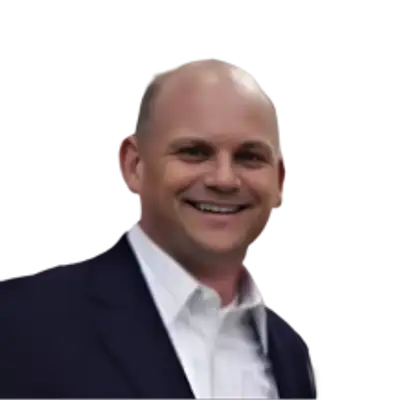
I had a lovely conversation with the
inimitable CEO of Switchfly Nowell
Outlaw, where we talk about speed
as the name of the game for 2026.
Now, of course, that includes a digression
around ai, so we'll get into that.
But without further ado, here
is my conversation with Nowell.
Welcome to Travel Buddy,
presented by Switchfly.
In this podcast, we talk about all
things travel, rewards, and loyalty.
Let's get to it.
Brandon Giella: All right, today we have
back on the show, Nowell Outlaw, CEO.
Switch, fly.
Thank you for joining back again.
Good to see you, Nowell.
Last week you guys had a, uh,
all hands meeting, thinking back
toward 2025, how things went.
Looking forward to 2026.
What you're expecting, what you're
hoping for, what you're aiming for.
Talk to me, what are some of the big
takeaways from the All Hands last week?
What are some of the key themes and
things that you guys have accomplished
or thought about and, and, uh, what
you're reflecting on this year?
Nowell Outlaw: Yeah, I think the, um,
the interesting thing is that, you know,
I think like every business you have the
perfect dream of how everything will work
when you're doing enterprise software
and then you have the reality, right?
So, um, I joke with people that.
In a lot of ways it's five steps
forward, four steps backwards.
Right.
Um, you know, the company we spent a lot
of time, you know, and, and my other joke
with people was last year would be, well,
we're 48 weeks into our 10 week plan.
Right.
Um, you know, we actually went through
a huge process last year of, of
setting up our own Indian offshore.
Um.
Kind of subsidiary, which is, and it
has its own just fun things and things
you have to go through to do that.
But then we also negotiated
with a partner and hired the
2221 people over to switch fly.
And, and these are
employees that have been with
us for a really long time.
And so it was really
strategic to get that done.
But what we, what you end up
doing is you spend a lot of time
thinking about stuff that you.
Don't normally think about.
Right?
And now you're doing it and it's
a 12 hour clock difference, right?
So,
you know, you put in the
request, it takes longer.
Um, but you know, the, the biggest
thing is as I, you know, since, since
I know you have a, a newborn, right?
You learn sign language, right?
And the joke with that I have
with people is, is this right?
Which is the more,
right, More.
for babies, right?
And so with, you know, with
the management team and other
people, it's just more, right?
I want
more bookings, more
customers, more whatever.
Um, and you know, the company had.
It's ups and downs.
Like, like, you know, like all companies.
Um, we were able to close nine
new customers, which is awesome.
Right?
For
the, when you, when you look back, um, you
know, switch Fly has been around for 20
some years and it's been a roller coaster,
right?
And, and having that repeatable
playbook that we can close clients
with has been really important for us.
Um,
so it's, you know, it's, it's good.
Like it's, you know, um.
Would you like more?
Yes.
Uh, could you do more?
I'm not sure.
Right.
Brandon Giella: Mm, yes.
Uh, and there are, there are hopes that AI
is gonna solve everything for you, uh, you
know, and for every business out there.
We'll, we will talk
about that in a second.
Um, I'm curious, um, one of the notes
that we were, we were discussing is.
Okay, so you've got business seems to
be really improving, lots of exciting
things to look forward to in 2026.
What are some ways that you,
you see, like the team culture,
internal culture evolving over time?
Like things that you're maybe doubling
down on or emphasizing or letting go
or, or like, how do you see that mix?
Nowell Outlaw: So I think culture
is one of my personal, like things
that I pay attention to in a big way.
Right?
And when I first got here.
The, The, number one thing that
we did was define core values.
Right.
And, and making sure that, that people,
both, that are, we're hiring and
the people that are here understand
and lean into those core values.
Right.
And, and I will tell you without
hesitation, that has been.
One of the best things that's
happened here is we have values
that people lean into, right?
And so an example is when we do
employees of the quarter, right?
We measure based upon how that
person has amplified or personified
a core value in the company, right?
It sounds like a little thing,
but you know, when we do our bonus
reviews, when we do our, I just did an
assessment for someone who works for
me, the assessment on your performance.
Is based upon demonstrated
evidence against a core value,
right?
Customer obsession is one
of them you know, being, uh,
stronger as a team, right?
is an example, you know,
are we being frugal and.
And I learned these core
values basically from Amazon.
Like Amazon uses these as part of
their hiring process, as do we.
But a lot of companies talk to,
oh, we've got some core values,
and they're on a piece of paper on
the wall over there, and have they
really implemented into their core?
Right?
And that helps drive a culture
that people really lean into.
Right?
And so
even not just for me, but down
into individual teams, people are.
Question, like, does this
align with the core value?
Right.
And
does this, this align with an objective?
And the core values are equally
as important to me as, as doing
OKRs the right way, right?
Brandon Giella: Hmm.
It's so important because there are so
many decisions and trade offs you have to
make every single day, little ones, big
ones, and to have some kind of schema.
To say no, that doesn't
align with where we're going.
That doesn't align with where we're going.
Uh, aside from the strategic
priorities that you have, but I
think also I'm curious your thoughts
on, you know, if you get a lot of
business, there's a lot of demand.
There's sometimes like, I don't
know if this customer would be
the right fit for our core values.
There's some of that as well,
that can, that can help clarify
how I approach this deal.
Nowell Outlaw: we, we have had that,
um, we have walked away from a couple
customers or potential customers
that it just, it's not a good fit.
And you sit there and go, you know, these.
The customer sounds great, but then
when you sit down and you start
engaging with them, I mean, these
are long-term partnerships, right?
This is, these are not quick
in and out kind of deals.
They're multi-year engagements
with these customers.
And if, if it's not a good fit, you
don't want to do those deals, right?
Brandon Giella: That's right.
That's right.
There is such a thing as bad revenue.
That's what I've, I've
heard before.
Nowell Outlaw: correct.
And you know, and there's,
you know, there are, um.
The, there are customers who aren't up
to the challenge or don't understand what
their side of the equation is.
Um, and so, you know, we spend
a lot of time helping customers
get there with how to market
travel and how to do these things.
But if they're not able to do that
work, then you know, you kind of
have a one-sided relationship.
Brandon Giella: Mm-hmm.
Uh, another question I had for you is
something that's been important for
you over the years that I've known
you is, uh, whimsy being whimsical.
How do you, how do you define that
and how do, 'cause I know that's
a core tenet of your brand and the
way that you talk to your team and
the way you represent yourself.
What does that mean to you?
What does that, how do you think about
that and how is that evolving over.
Nowell Outlaw: um, I think it's usually
about not taking ourselves so seriously.
Right.
And, and it's, you know, um.
Having been around, you know,
venture capitalists and big
financing and even our owners, right?
Or a huge $80 billion fund.
And um, you know, when you put slides
from the Barbie movie in the board
deck, which is really funny, it
changes the dimension of how you can
connect with people.
And um, you know, I think
it's, you know, it depends.
It's
a
different kind of.
Company as well, because, you
know, travel should be fun.
Travel should have a
whimsical feel, right?
If I was selling, um,
something serious, right?
So, uh, you know, cancer drugs, I'm
probably not gonna be using, you know,
Barbie kind of stuff and, and things like
that 'cause it's a more serious tone.
But I think that, you know, in
what we do, uh, bringing fun to
the mix is important, especially
with, you know.
All the noise out there in the world
of everything that's happening, it's
okay to have a little fun at work.
Right.
And, and especially remote.
I mean, we were, you know, we're,
most people are remote here, right?
And bringing that, um.
Fun into the mix when we have
pi kickoffs every 10 weeks.
Uh, and some people dress up for
those and it's, it's super fun.
Like we lean into the themes
and, and bring that because,
uh, you know, I believe that.
People want to work at
someplace that's fun.
Right?
If
Brandon Giella: Mm-hmm.
Nowell Outlaw: mundane and boring
and basically feels like a,
an insurance company, I'm sure
insurance companies can be fun.
Um, but then you know who, who wants
to give it their all at a boring
place?
Brandon Giella: That's right.
Amen to that.
Amen to that.
Okay.
I want to, uh, last question before
kinda shifting to look forward into 2026.
Um, what are some things that you guys
are able to do now, or emphasizing now,
or pivoting toward now that you weren't
able to do to three, four years ago?
Nowell Outlaw: Um, I think
it's velocity, right, is the
biggest thing.
Right?
So being able to onboard customers faster.
Right.
And you know, even.
When you think back, you know, three
years ago, switch flyer or three and
a half years ago, we're really a tech
platform and we really couldn't do
all of the travel servicing for, you
know, merchant of record and call
centers and all those kinds of things.
All of that's been put in place, right?
And, but the, now you know, the, the
question and the problem is, well,
you know, if a customer three years
ago took six months to spin up.
Can I do it in three?
Can I do it in two?
Can I do it in one?
Can I do it in a week?
Right.
Because the faster you can get that
done, the better the project is.
Right?
And I think that,
you know, we continue to push on that
and make things go faster and faster.
The, the trick with it is, can
the customer move at the speed
that, that you want to move at?
Right.
That
becomes a limitation.
And now what we're experiencing
is, you know, yeah, we're our side,
we're done, we're ready to go.
Customer needs another three weeks.
Right.
Brandon Giella: Yeah, yeah,
yeah, yeah, yeah, yeah.
The it hookups, the integrations,
the approvals, the compliance, all
that kinda stuff can take a while.
Yeah.
Nowell Outlaw: Correct.
Brandon Giella: Okay.
Shifting gears a bit, looking forward into
2026, I'm combining, I, I, I want to hear
what you guys are working on, thinking
about emphasizing projects, milestones,
whatever that might look like for 2026,
but I want to ask it in such a way.
About the way that the
market is developing as well.
So there are things that are developing
within travel and loyalty over 2026, some
trends and themes, and some of them are
maybe just like, nah, that's superfluous.
We're not gonna focus on that.
Whatever.
But there's some things that are
developing that maybe you're, you're
also aligning your team around,
whether it's, you know, product
development or cultural or, or whatever.
And of course we have to talk about ai.
So I want to, I wanna get your
thoughts on, on AI and how you
guys are thinking about it as well.
But how do you see 2026 playing out?
In the market as well as how you guys
are adapting and thinking this year.
Nowell Outlaw: Um, I think
the market is changing, right?
And, and.
What I mean by that is what we've
seen is we've, you know, travel, if
you think about Major credit card.
brands have had a travel solution, a white
label travel solution for years, right?
Doesn't
pick your, pick your financial
services company, right.
Chase, American Express, Citi Group.
I'm sure Wells Fargo has a, like all
those guys have, have, have a solution.
What we're starting to see.
though is that, you know,
if you, if you look back.
Five years plus.
Right.
There was a lot of consolidation in the,
in the space that we were in or are in.
And those customers that use those
other tech platforms, those tech
platforms have become slow, right.
And antiquated and not
able to move at speed.
Right?
And so as an example, I had a, um,
not our customer, but a customer of
one of these platforms and they're
like, yeah, we put in a request and
it takes nine months to get something.
And I just,
I think in today's world.
Especially with AI and some
of that other stuff, boy, you
better fix that stuff because
customers don't, no one wants to
wait months and months and months and
months and months for stuff, right?
They wanna be, why can't you
solve that in 35 seconds?
Right?
Um, and that's true.
And in order to win the
business, right, you have
to be able to demonstrate that
you can operate at a velocity.
Right.
That helps them drive growth.
And
what I consistently see is that, you know,
if, if you were selling to, uh, insurance
companies, financial services companies,
and all of those guys, they spend millions
of dollars in implementation, professional
services and all those things.
In the loyalty space, people don't
necessarily engage like that, right?
They want you to make money
based upon the revenues that
you're able to drive with them.
So it's
a more of a revenue share thing.
They don't wanna write million dollar
checks for standing a system up, right?
And so you can't take on year long,
two year long implementation projects.
You need to have systems that can
basically talk together and, and
work right outta the box, right?
Brandon Giella: So if I'm hearing you
right, 2025, major theme was velocity.
The things that you can do now that
you couldn't do years ago, 2026.
Still velocity still that major theme.
The way the market's developing,
the way technology's developing.
And you mentioned, um.
Amazon, I wanna see if this fits with you.
Um, how, uh, you learned like
core values from kind of an
Amazon model and maybe velocity.
Uh, there's, there's something
there to that as well.
I ran out of a hair product this
morning, so I got on Amazon, I
ordered something and it said it's
gonna be there between five and 10:00
PM and I'm like, that's amazing.
Like the amount of machinery and
operations and technology and
all the things you have to have
in place to do that, that it's
gonna be here in five hours.
That's incredible.
And, and I know that that, um, speed
demand expectation is making its way
into enterprise as well, where it's
like, I, yeah, why not with Claude Code?
I should have this tomorrow, right?
Nowell Outlaw: Correct.
And it's, you know, uh, uh,
acquaintance of mine who used to
be at Amazon used to talk about
the flywheel effect, and everyone
talks about that, but you know, when
you're dealing with scale and velocity.
You have to have that in the
back of your brain, right?
And so what I think about is anything
that slows down the flywheel right
of it getting faster and faster
and faster, you have to fix, right?
So if
that's, you know, how the programmers
are releasing code or how often they
do that, or your contracts or you know,
something in your sales process, you have
to approach it from how do I break this
process down to make it more efficient?
And that's
Brandon Giella: Hmm.
Nowell Outlaw: AI is starting to
help with, which is how do I make
my sales process more efficient?
How do I directly target people?
How do I not spam them to death,
but get the correct leads coming in?
Um, and you know, and things, if
you put in big complex processes,
it just stops the flywheel and
then you're not able to
scale the company right.
Brandon Giella: Something I've
been talking about with my team
is, is coordinating knowledge.
So there's so many dispersed platforms
and stakeholders and, and all.
How do you, I mean, that's a, to, to
get the best use out of ai, to move
at speed, you've gotta coordinate a
bunch of disparate knowledge between
different people and platforms and so on.
Bring that together.
And then get that the, the PRD
set up or whatever it might be,
and then boom, you're ready to go.
Do you find that that's, uh, uh, something
that you guys have had to work on and,
and, and that's helped increase that
flywheel as maybe just coordination
and getting that efficiency in place?
Nowell Outlaw: We started
that last year for sure.
I'm not, I mean maybe a year ago.
So that Now, you know, the biggest
thing I think with companies and tech
companies is the silos of information.
And the interesting thing about
AI and and large language models
specifically, is when you can
connect them to Slack teams, right?
And even email.
And now you could have a new
person coming in and saying,
you know, I have this problem.
Corporate knowledge
base, how is that fixed?
Right?
And, and a good LLM can say,
oh, you know, the programming
team had this bug, da da da da.
This is how this was solved.
Right?
Instead of that person saying, you
know, on a team's thread, anyone,
you know, I, I'm having this problem
with whatever, anyone's seen this
before, and everyone stops and everyone
goes over there and they have to
try to answer, oh yeah.
You know, and the guy who's here
10 years ago, like, oh, this is
how we fixed it, you know, then.
All of that stops, right?
And
so, you know, putting those tools in
gains you a massive efficiency just
in people's time and knowledge, right?
Brandon Giella: Tools.
Yeah, that's right.
That's right.
What are some, uh, things that
you're excited for with ai?
And then what are some things
that you think maybe are, uh,
the general public is overexcited
for, it's a little too much hype.
Like how, like how are you
kind of threading this needle?
Like AI is changing everything
and nothing at the same time?
You know, like there's some things that
are like, that is gonna be done by hand.
Forever.
And then there's some things like
AI is totally changing the game.
How?
How do you feel about those things?
Nowell Outlaw: Um, I don't know.
I mean, you know, I was doing AI stuff.
Brandon Giella: Mm.
Nowell Outlaw: years ago.
Right.
And, and when you think about AI and
what it's capable of doing, the um,
now when I look at it, I, I, I do
think that there's crazy amount of hype
right in, in, oh, this is, you know,
you can vibe code Brandon, I can vibe
code and I'll build Microsoft Word.
Right?
Like really, I mean there's, there's,
I dunno, one or two lines of code
behind Microsoft Word that makes
it do everything that it can do.
Right?
Um.
You know, at the same time, you know,
when you look at ai, I look at ai because
we use it internally in engineering.
We're definitely like pushing it
into the engineer's hands to help
automate their tasks and make them
more efficient in, in their job.
All technology is about making
things more efficient Right.
now is AI gonna rip out
my programming team?
so I have one guy and he's
able to do the work of 30?
No, but do I take now 30 guys
and now I'm able to get the
work of 40 or 50 out of 30.
Absolutely right.
And, and, and we've seen those kind of
compressions of work to get it done.
But the trick is, it
is another tool, right?
So it's, it's, Hey, I, I know
efficiently how to use this, this
new tool to do my job better, right?
And
that's where I think it's gonna improve.
You know,
Are there gonna be?
um, you know, mass layoffs because of ai?
They've probably already occurred, right?
In a
lot of ways, but.
You know, it's, it is just
another tool in the tool belt,
right, of things that you can use in
order to, to, to do things better.
I think where consumers, you know, if
you think about, know, if you've ever
been on the phone with Medicare, right?
Or you know.
The Department of Fish and Wildlife
or the, you know, the DMV or things
like that, that that move really slow.
And the person that's the other end
of the phone is like, oh, please hold,
I need to route you to Department B.
And then you get to department B
and they say, please, cold, I'm
gonna route you to Department C.
And you're like, please just
answer my question right.
Brandon Giella: Yes.
Nowell Outlaw: think that
the, the sad thing is those
people in Those roles don't realize
that when I get a AI based chat
bot and it answers my question
like that, and it's right because
they're just passing the buck.
Now as a consumer, I'm super
satisfied with using the AI tool.
And I, I'll elect to use that
before calling somebody because
it's more, right, right.
More, right?
If that's a word, more better, even worse.
Um, but here's the thing is like,
so the consumer's getting what they
want in a faster, more efficient way.
You're getting rid of the headaches of
having to deal with a call center person.
And I do
think that in AI specific to travel, that
that will be an area of focus, right?
Because when consumers have to get
on the phone with an agent, right?
And you're dealing with an
agent in the Philippines, right?
They're very good, but there is
that language frustration, right?
Even, you know, you see it with, um.
People, and I, I love
people in India, right?
But there is a language issue, right?
And so what happens is the consumers
can get frustrated and they have this,
oh, you don't understand me mentality.
Um, and, and those are the processes that
I think that will be most helpful to the
consumers through the adaptation of ai.
Right?
The, you know, the other
piece is everyone's like,
well, you know, booking.com
and Expedia, you're gonna be able
to go into your LLM, you're gonna
type in, um, you know, you're gonna
plan your whole trip out, and then
you're just gonna hit book and
it's gonna take you to booking.com
or whoever, and it's just gonna
drop it in and you're gonna
be able to put it in there.
I think that's great.
All we're really doing is we're switching
out the, the marketing and ad spend that's
now going to Google in Google ads, right?
From those companies
over to new AI companies.
Right?
And so now they're just gonna capture
it a different way from the consumer.
Is it a better experience?
It might be right?
It might be something that
they, that they're helping on.
What we see is you might plan
your trip using the tool, but
you're doing your shopping in
a, in a core platform like ours.
So.
Brandon Giella: Yeah, I could see a
mix of both that, I mean, this brings
up the Super Bowl was last night and
there was a big hullabaloo about the,
uh, anthropic commercial kind of calling
out Chacha, bt, and OpenAI about the
ads being inserted into the feed.
But to your point, it actually could
be really helpful if I'm like building
the kind of itinerary, you know.
But it, yeah, it's remains to be
seen how that's actually gonna work.
But um, but yeah, I do currently
what you're saying, I plan it
out in some AI tool, but then I
go and actually book the thing.
'cause I needed to be, just so you know.
Nowell Outlaw: Correct.
And it's, you know, and you
still see errors all the time.
Like
I, I use, I use these tools daily, right.
For all kinds of different stuff.
And I, you know, I'm
correcting it still daily
on, wait a second.
You know, last year was not 2024.
I had this like yesterday,
over the weekend it was like.
Uh, this is 2026 and it's
like, oh, you're right.
And you're like, oh man, come on dude.
You gotta know what,
Brandon Giella: Yeah.
Yeah,
Nowell Outlaw: like that.
Um, and so I, I do think that there's
a consumer, the thing that I don't
like about the tools is how they,
um, come across like they're human.
Right.
It is just a
tool and, and you know, I'm
thinking for you, welcome
back.
Like there's some things in there, it
makes it more relevant, but you, you
still have to realize that you are
dealing with mathematical models, right?
And what they've been trained on.
So, you know, I can train a model to,
um, ignore French culture and, you
know, in its recommendations, it's
not gonna recommend going to France.
Brandon Giella: Yeah.
Yeah.
Nowell Outlaw: easy, right?
So.
Brandon Giella: Yeah.
Everybody I talk to is, is uh, how, how,
where do you bring in the human in this?
Either it's a transaction or it's
customer service or whatever.
And to that point, you know, the empathy,
wisdom, judgment, things like that
are, are always gonna be important.
Nowell Outlaw: I have a really good
friend who's, um, super smart guy
in the, in the Bay area, right?
And he's like, look, you're either
adding to revenue companies, right?
Tech companies,
you're either adding to revenue
or you're helping reduce expense.
That's it in tech, right?
And Most people will spend money
on things that grow
revenue versus, you know, those projects
like, let's spend a million
dollar 'cause it's gonna Dr.
Help me drive my revenues
and do all this other stuff
versus the projects that
are just reduce expense.
Right?
Um.
AI has an opportunity to
hopefully drive both, but you have
To figure out.
where in the company
you're going to apply it.
Right?
So, you know, and I hate to say it,
The AI cost reduction.
is salaries,
Brandon Giella: Mm-hmm.
Mm-hmm.
Nowell Outlaw: The, the AI revenue.
growth is getting more deals, making
salespeople more efficient, making
more calls, making more leads,
making do all that kind of stuff.
So, you know, one is a growth thing
and one is an expense reduction thing.
Brandon Giella: Mm-hmm.
There's a lot of
creativity and innovation.
I, I, I, I liken it back
to like the printing press.
There's so many amazing things that come
out of the printing press because we
were able to transmit ideas much more
quickly, you know, standardize things.
Yeah.
Nowell Outlaw: correct.
And even answers, you know, answers that,
um, you know, it's, do I wanna sit there
and search and do all this other stuff?
And, you know, versus the LLM,
which is a more intelligent
way to reply to people, which
I think is great.
I mean,
you know, and it doesn't matter
if it's Google Claw hat, GPT,
Brandon Giella: Mm-hmm.
Nowell Outlaw: you know, I, I do
think that there needs to be some, uh.
Oversight, let's say
Brandon Giella: Mm.
Nowell Outlaw: you know, the things that
those engines are answering for consumers.
And,
you know, you see a lot of people, um,
I was joking with a guy at a trade show
in November and we were talking about,
you know, large language models and
stuff, and he was like, yeah, I was
sitting there looking over the shoulder
of a guy at the airport and he was,
he was sitting there asking chat, GPT
how to break up with his girlfriend.
I was like, whoa.
That's kind of
Brandon Giella: Uh, hey, we'll take
all the insight we can get, you know?
Nowell Outlaw: That's right.
It still probably wasn't right, but
Brandon Giella: Yeah.
Nowell Outlaw: so,
Brandon Giella: That's great.
Okay, so we've talked a lot about speed,
speed, uh, velocity being a 2025 theme.
Definitely going into this, uh, year
with focus on velocity and speed.
AI is gonna be.
A portion of that.
Expectations for the customer.
Expectations for different brands,
firms within travel and loyalty, your
own expectations for your own team.
Velocity is the name of the game.
Are there some things that you're
thinking about that might be slowing
down, that emphasis on speed, uh,
that you're maybe trying to work
through, okay, how could we solve this?
Or what are you seeing, maybe
trends in the market that
you want to get ahead of, or.
Is there anything like that that you're,
you're thinking about to, that could slow
down that flywheel that you're building?
Nowell Outlaw: Yeah, I think, um,
you know, the truth is you are in an
industry that only moves so fast, right?
So
I can't snap my fingers and add, you
know, 3000 customers in a minute.
It's not possible, right?
And so, you know, even though
the tech can go really fast,
you know, what can you do to.
Get potential customers to get from,
you know, the starting line through
the finish gate faster, right?
Those are, those are more critical
things and, you know, can you
compress cycles in order to get
them to make a decision faster?
Right.
And, and the interesting thing is,
like we, we are very responsive people.
Um, enjoy that.
The phrase our CTO uses is,
are we fast twitch, right?
And we are very fast
Twitch as an organization.
But if you're dealing with a customer
and they're also dealing with other,
let's say, competitors or other vendors
that aren't fast Twitch, you get just
drug down into the, well, you know, we
don't have our responses back, right?
And we, and these old processes that,
you know, we're doing an RFP and we have
eight weeks to respond and blah, blah.
And you're like, okay, well we got
a response back in a week, but we
have to wait seven weeks, right?
For, for this eight week process.
And there's nothing you
can really do about that.
So.
Brandon Giella: I used to work
for a marketing agency and we
had a saying that you can, uh,
go no faster than the slowest.
And it's kind of like that with
like whatever the slowest link in
that chain is, that's the speed
we're gonna move no matter what.
Is that kinda what you're saying?
Nowell Outlaw: correct.
And so you figure out, well, how do
I just avoid that and go around it?
Brandon Giella: Mm.
Okay.
Okay.
Well is there anything else that
you're looking forward to in 2026
that you're excited about, focused on?
Would love the people to know?
Thinking about industry trends or
internally things that you guys
are working on excited about?
Nowell Outlaw: Uh, you know, we're,
yeah, I mean, we've got a bunch
of stuff.
that we're working on.
Not, not anything I'm
gonna talk about here.
Uh, personally,
I'm, you know, I got
another, uh, my, my younger
son's graduating from.
college, which will be good and
in, uh, in May, which is good.
And so he'll start his fifth year
and my wife and I are gonna go do
another a hundred mile hike, um,
Brandon Giella: All right.
Nowell Outlaw: this summer.
So.
that'll be good.
Yeah.
So.
You know, I think things are, uh,
moving forward as best as we can, right.
So
Brandon Giella: Yeah.
Awesome.
Awesome.
Okay.
Well that, that's a precursor
to my final question is do
you have any trips coming up?
What's your,
Nowell Outlaw: I have any trips
Brandon Giella: itinerary coming up?
I know last time we talked you were
like, yeah, I'm going to this place.
I think it was like Istanbul and
then the Southeast Asia, and then
all these different places, so
Nowell Outlaw: last time we talked, I
think I did the trip around the world.
Um.
Brandon Giella: that's right.
That's right.
Nowell Outlaw: So, let's see.
I mean, we've got some customer
trips, uh, I think in March.
I, I'm going to India
in April.
Um, just to meet our team, like
we have a whole infrastructure
there now, which is good.
Um, personally, just a bunch
of stuff coming up and.
My wife and I are gonna do this
Mont Blanc hiking adventure for
Brandon Giella: Oh,
Nowell Outlaw: nine days in September,
which is good, but it's, you know, day 1,
2600 vertical up and 4,000 vertical down.
And, uh, you know, that's like,
so, uh, probably not every day, but
every other day I'm, you know, doing
steps up and down just to, just to
make sure we're in shape for that.
So it's, it's pretty,
you know, pretty fun.
Gives yourself a
goal.
Brandon Giella: Yes.
I, my goal is to go take a
nap now listening to that.
'cause I feel like, uh, there's
no, nowhere on my agenda
is that outdoor activity.
Nowell Outlaw: Yeah, it's, it's
fun.
I mean, it's give yourself a goal
and like it's, um, you know, for me
personally, it's like, okay, that's
the goal and then here's the plan.
And so, you know, go, go, go, go, go.
It's the same with work, same with life.
Like what's the goal and how do
we progress forward against that?
So,
Brandon Giella: Cool.
Okay.
I'm glad some people are wired that way.
That's very important.
So that's great.
That's great.
No.
Well, thank you very much for, uh,
recapping all hands and where you
guys are at in business and what
you're looking forward to this year.
I know AI is top of mind, but it sounds
like AI is a means to the end and the
end being speed, gotta move faster.
It's what customers want, it's what
we're doing, it's what the market's
doing, and we're getting there.
Nowell Outlaw: it.
Yeah.
I think at the end of the
day it's really about.
Keeping your customers happy and
delivering what they want.
Right.
And I
mean, you can build all kinds of
AI stuff, but if a customer at
the end of the line is not happy,
you have not done a good job.
So
Brandon Giella: Amen.
Yep, a hundred percent.
Totally agree.
All right, well we will see
you on the next episode,
Nowell Outlaw: All right.
Thanks Brandon.
See
Brandon Giella: We'll see you later.