Subscribe
Share
Share
Embed
The Pure Intel Executive Briefing delivers high-signal market intelligence for leaders and decision-makers. Get across the critical macro trends and curated sector deep-dives spanning marketing technology, digital analytics, retail, and regulatory shifts. No fluff and no clutter, just the precise insights you need to stay ahead, updated daily.
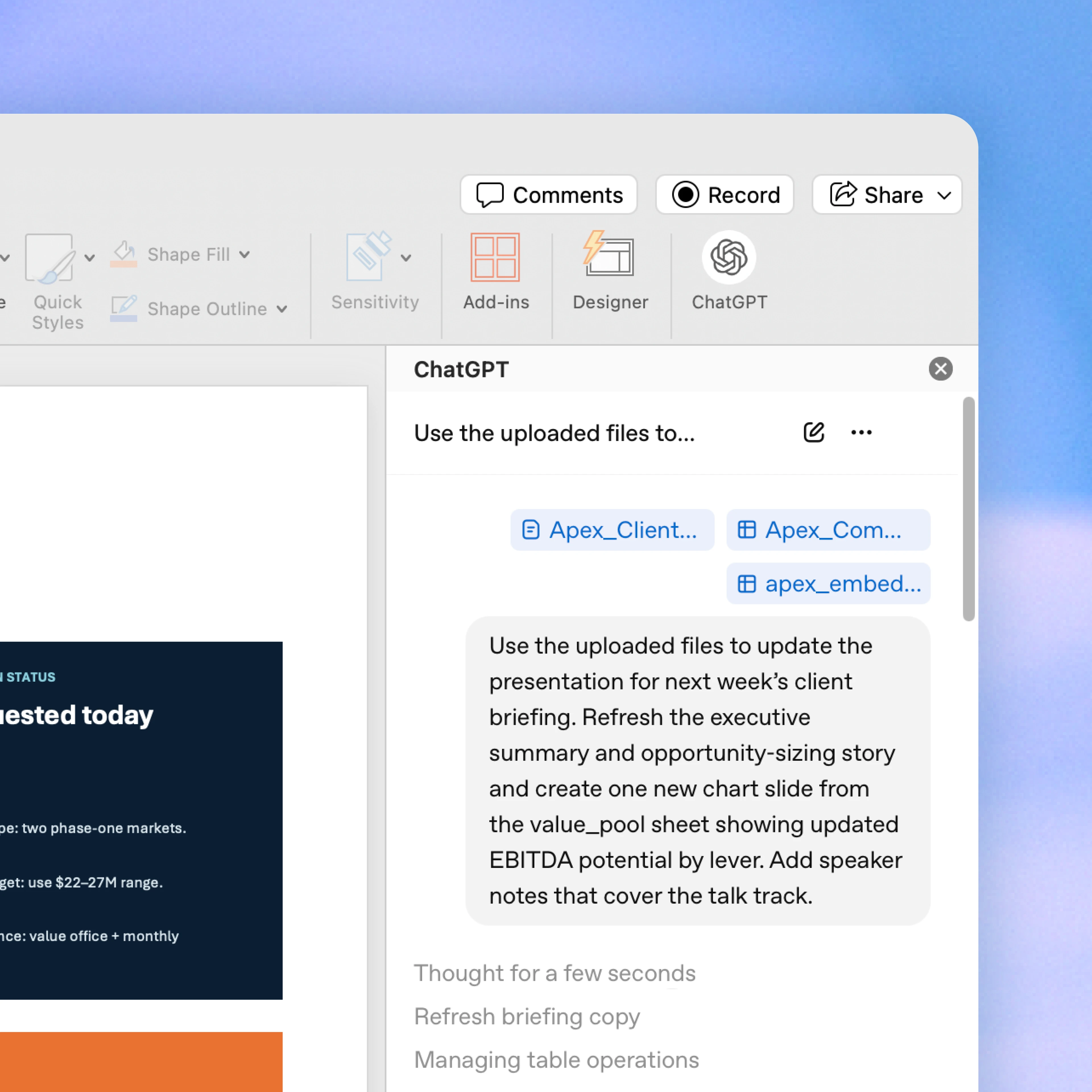
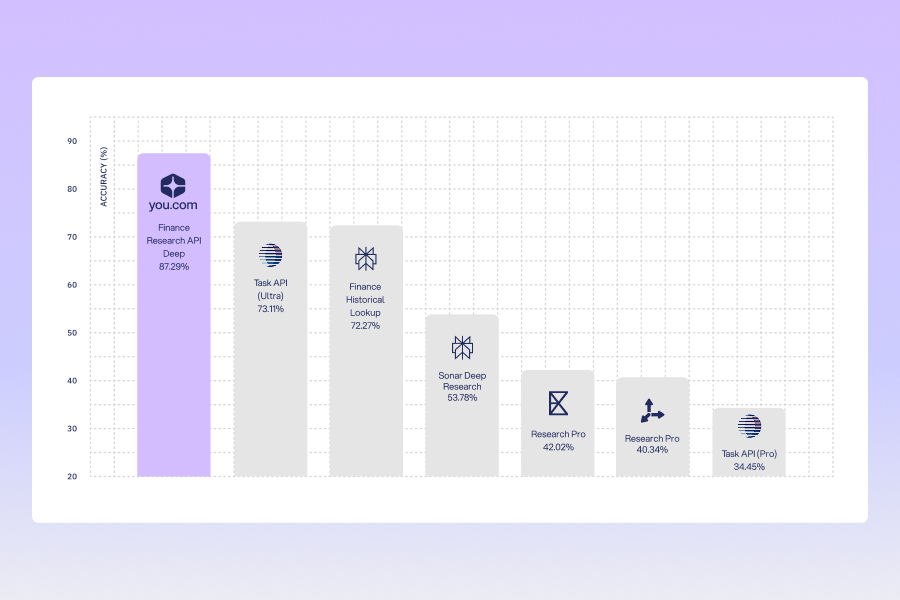
Welcome to the Pure Intelligence daily executive briefing for Saturday 23 May. Here are the top macro trends from the last 24 hours. Executive Summary The advancement of agentic AI is driving strategic acquisitions, as seen with Publicis's purchase of LiveRamp to bolster proprietary data and AI capabilities. AI is increasingly embedded into operational workflows, from multiplayer AI workspaces like Sauna that proactively manage tasks, to anticipated widespread integration into major business functions by 2030, though IBM highlights an executive gap in understanding ROI. Business Impact: Companies must prioritize robust data strategies and AI integration through M&A or internal development to remain competitive, while also focusing on clear ROI measurement to bridge the C-suite understanding gap. The focus on customer-centricity is intensifying, with Customer Data Platforms (CDPs) and AI enabling highly personalized experiences and optimized customer journeys. AI is revolutionizing visual marketing, exemplified by Fotor's AI Vibe Marketing Platform, which leverages visual identity for performance and business impact for 800 million users. Business Impact: Marketing and sales will become more efficient and personalized through AI-driven visual content and integrated data platforms, necessitating investment in modern martech architectures. AI is significantly lowering the barrier to entry for complex tasks, from generating polished data visualizations with ChartCool from natural language, to Exmergo's AI agents for rapid dashboard creation. Productivity tools are being augmented, allowing users to create and edit PowerPoint presentations with ChatGPT. The ease of software development is expanding, illustrated by Google's AI Studio enabling rapid Android app creation with minimal coding. Business Impact: Organizations can expect increased productivity and agility across various departments, while employees will need to adapt to AI-augmented workflows and develop skills in leveraging these new tools. The limitations of general-purpose AI are becoming apparent in critical sectors, driving the need for specialized solutions that provide accurate and defensible insights, such as You.com's Finance Research API, which specifically tackles the issue of confidently wrong AI in financial data. AI is transforming scientific discovery, accelerating research in fields like chemistry and materials science by altering methodologies and enabling new possibilities. Business Impact: Investment in domain-specific AI will be crucial for industries requiring high accuracy and reliability, creating new markets for tailored AI solutions and accelerating innovation in R&D. Despite massive investments in AI, such as Hark's $700M Series A round for a universal AI interface, there's a growing divergence in public sentiment. Recent reports highlight increasing public skepticism and concern among new graduates regarding AI's impact on employment, leading to visible backlash against executive praise of the technology. SpaceX's ambitious projections of trillion-dollar market opportunities, including Starlink's mobile unit at $740 billion, underscore the industry's belief in expansive future markets, contrasting with public anxiety. Additional market movements are updated live on the platform. That wraps up today's briefing. To read the full reports and access all source links, visit pureintel.com.au. Thank you for listening.