Subscribe
Share
Share
Embed
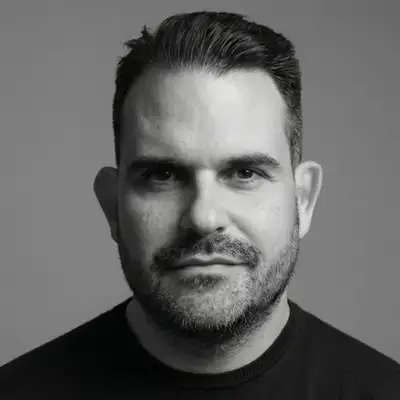
In Episode 59, I continued the chat with Stephen Myers, from Ep. 58. He is the Founder of Dynamic Beverage Consultants. He is also one of the Originals at Ilegal Mezcal. We dived into the crucial aspects of launching a new brand in the (US) market and how to avoid expensive mistakes. I hope you will enjoy our chat.
Time Stamps
0:00 Intro
0:34 Your First 1,000 Pounds
4:00 Building Presence In The Trade
8:22 Being Relevant
14:35 Portfolio Strategies, One Bar
17:11 Portfolio Strategies, Many Bars
20:51 Independent Vs Chains
24:17 Be Careful What You Wish For
29:26 Last Thoughts On Entrepreneurship
34:15 Last Thoughts
About The Host: Chris Maffeo
About The Guest: Stephen Myers
In Episode 59, I continued the chat with Stephen Myers, from Ep. 58. He is the Founder of Dynamic Beverage Consultants. He is also one of the Originals at Ilegal Mezcal. We dived into the crucial aspects of launching a new brand in the (US) market and how to avoid expensive mistakes. I hope you will enjoy our chat.
Time Stamps
0:00 Intro
0:34 Your First 1,000 Pounds
4:00 Building Presence In The Trade
8:22 Being Relevant
14:35 Portfolio Strategies, One Bar
17:11 Portfolio Strategies, Many Bars
20:51 Independent Vs Chains
24:17 Be Careful What You Wish For
29:26 Last Thoughts On Entrepreneurship
34:15 Last Thoughts
About The Host: Chris Maffeo
About The Guest: Stephen Myers
The MAFFEO DRINKS Podcast is a leading drinks business podcast delivering actionable insights for drinks leadership.
For founders, directors, distributor MDs, and hospitality leaders navigating the tension between bottom-up reality and top-down expectations.
20+ years building brands across 30+ markets. Each episode features drinks builders: founders, distributors, commercial directors, sharing how the drinks industry actually works. Not the conference version. Honest conversations.
Insights come from sitting at the bar.
Beyond episodes: advisory for leadership teams, subscription with episode deep dives and principles to navigate your own reality.
Beer, wine, spirits, Low and non-alcoholic.
Bottom-up Insights & Episode Deep Dives at https://maffeodrinks.com
Welcome to the Maffeiro Drinks podcast. I'm your host, Chris Maffeiro. In episode 59, I continued the conversation with Stephen Myers from episode 58. I hope you will enjoy our chat. One last thing, if you enjoyed this podcast, you will also like the Maffeiro drinks guides.
Chris Maffeo:You can subscribe free or paid on maffeirodrinks.com. And this is the because it brings me back to a question that I wanted to ask you, which is a struggle that I'm having sometimes with brand owners is that is about where do you put your money? If you've got a thousand pounds, thousand dollars, where do you invest them? Because sometimes, like, people listening to our conversation think like, come on guys, you know, like I cannot be going out to bars every day, sitting at the bar or doing a drink. And some people say they don't have time.
Chris Maffeo:Some some people say it's too slow. Some people say I haven't got the money to pay $20 for a for a cocktail all the time.
Stephen Myers:A cocktail all the time. Yeah.
Chris Maffeo:But but for me, it's about like, okay, prioritize what you should spend time and resources on. So I would like to hear your view on this topic.
Stephen Myers:I'm a big proponent of liquid on lips. You may love it. Branding might be great, but if people don't like the product, it's not gonna sell. So get liquid on lips, do tastings, do presentations. You do have to pop into a bar every now and again.
Stephen Myers:You don't have to buy nineteen, twenty cocktails every night, but there are certain learnings that you get from that. You need to get the liquid on lips and get feedback from people and, and introduce it that way. Obviously not spend all the money on, but definitely have it as, as part of your arsenal and allocate stock or funds to, to doing that.
Chris Maffeo:Sometimes, like, it it's funny because I hear brand owners or, you know, managers saying
Stephen Myers:No manager.
Chris Maffeo:Saying that about the money aspect of it. Yes. But then maybe they throw a huge party that cost 10 times more than a month of going out. They think of a training, of a bar training as a very expensive thing. I mean, you can order tacos and pizzas takeaway.
Chris Maffeo:I mean, you're a founder, know, people don't expect from you, you know, millions and they don't expect to you a perfect agency executed dinner. Doesn't have to be, you know, throwing cartons of pizza on the couch, but sometimes it can be also dangerous on how you sell yourself because I, I, I see a lot of brands that try to punch above their weight, so they actually pretending they are bigger than they are. Then if they present too well, you know, then people are going to ask you resources that you will not have.
Stephen Myers:Exactly. Yeah. So very big one there is, and I agree a 100%, is, managing expectations. And that's where you can say, look, I will support you as best I can as a new to market small brand. And there's lots of things you can do.
Stephen Myers:You can do staff trainings. Can, you can pop in for a happy hour drinking. You don't have to drink your own stuff every time, or you have a beer, or you do sort of something with the team. Like there's, there's loads of things that you as a brand can do as opposed to having to to run a card or, yeah, operate sort of like a a large multinational brand. The the good accounts and and the good partners, they'll understand that.
Stephen Myers:And if they if they're good at their business, then they they know how to engage with different tiers of brands. Right? Sort of the way they work with the global gin brand is going to be very, very different to someone who is who is making a liqueur in the city that they're in. By all means punch above your weight, look like you're bigger than you are, but that just means you're, you're working really hard. You just don't sort of wave the imaginary checkbook around because you don't have it.
Chris Maffeo:Let let's dive into the on trade bottom up journey. All big companies have got these things like you wanna be built presents on the back bar, the beverage menu, the cocktail menu and so on, but then everybody's like, yeah, but then how do I do it? I know the theory. Now tell me how to do it because I don't know how to do it. Know?
Stephen Myers:It's creating those strategic partnerships. You put yourself in the account's shoes, find out what they, what they want as a business sort of what's, what's their MO, what, what moves the needle for them from a, obviously a financial standpoint, but also from a creative standpoint. There's a lot of creative folks and romantic folks in the F and B world. If you understand what their motives are, then you can better fit and work with them. I get that you need to have a balance between sort of menus and points of distribution, but especially for, for new to market brands, I would prefer to sell sort of 10 cases to 10 accounts.
Stephen Myers:Right. Rather than one case to sort of a 100 accounts. Right. You go narrow and deep, you build the relationship, you build the velocity, you get tangible results, like selling into a 100 bars. That that is the same action 100 times.
Stephen Myers:And yes, you will get better at that initial sale, but selling to one bar 10 times, it means you get your initial sale. The second one is usually a little bit harder than the first one. So you get learnings from that. You get the third one by this point, you're sort of, you're not part of the furniture, but you're part of the program. And so you get all these different learnings about, okay, this is how a long term relationship with, with an account goes so that in the future, when, when I get to my fifth order with a different account and there's some issues or something's happening, I've been there before rather than, oh, I've only ever sold it into one place.
Stephen Myers:One time you become that strategic partner sort of you're sticky. You obviously do all the, all the education that you can, whether it's a proper staff training or whether it's five minutes before lineup. Just get there. I mean, you ideally want to get to the point where they go, Steve, my guys love you. They know the brand.
Stephen Myers:You're coming on the next menu. Your price point, for example, may mean that you're not in the well, but you're the brand that everybody refers to and you're fantastic. And then you can just pop in and it's more of a maintenance thing rather than a than a building thing. And then you go and do it at the next one. Less is more when it comes to finding those, those key accounts.
Stephen Myers:And it may be that you have sort of one restaurant and one dive bar and one fast casual and one cocktail bar and how you work with them is all very, very different, but sort of building a strategic relationship within, within the categories of on premise is good too.
Chris Maffeo:And this is also like going back to what we were saying before about the target occasion, because in order to drive those 10 cases to that bar, it means that there is a relevant occasion, is a relevance there in that bar so that your product will be sold easily to people because they may be able to switch you from another brand or I mean, today, for example, I was, I was in an American box, know, with doing burgers. I wouldn't go there with Aperol Spritz. How many people are drinking Aperol Spritz having burger in an American bar with country music? You know, there's no relevance. So of course at scale, there is some relevance, you know, because then when a brand gets so big, it's so it's ubiquitous and it can be everywhere, but it's not a priority.
Chris Maffeo:So now we're talking about moving the first steps in the city and you need to be able to be relevant to to your brand, to that particular category so that that owner is not gonna say, Jude, you know, I'm not gonna sell spritzes here.
Stephen Myers:Yeah. Or if if a competitor comes along who's a couple bucks cheaper or something, they're not gonna just trade you out because you have the relationship and and the support and you understand where they're coming from. And they're willing to sort of not trade you out before for a better the financial option.
Chris Maffeo:Yeah. Yeah. And I I I was talking to Morris Doyle, one of the earlier episodes and he was talking about love and money. You have to be emotionally relevant, you know, Paul Letko was was always saying this, you know, like you need to be emotionally, strategically, or financially relevant to that account. It could be that you are very expensive, you don't make that much money for that bar, but you are in a category that it may be trending and that guy needs.
Chris Maffeo:Maybe you are launching Mezcal and he doesn't have any agave spirits there or maybe he has some dusty, you know, old tequila brand and he wants to premiumize that. No. No. And and it's also about, like, going back to what we were discussing before about you you never know who you have in front of you. It's so it's also like don't judge the book by its cover.
Chris Maffeo:No? It's, you know, it could be that you're not there yet, but then you are starting to talk about, you know, like maybe they want to go into, I don't know, no and low. They want to go into a gala. Yeah. You know, maybe they don't have anything now.
Chris Maffeo:So you would discard it if you if you went into a bar and say, okay, this guy's got one tequila and it's, you know, on the third row top left. I'm not gonna focus on this one, but then maybe by talking to them, then maybe they are lining up Mexican food Wednesdays and they want to really pimp up the the agave section because they heard that it's trending, you know. So you need to be able to get the nuances and and read them the environment now on what's on what's happening there.
Stephen Myers:I'm sure like you, like every, for decades now, every bar you walk in, you scan the back bar, you have a look at the menu and you go, okay, so this is, oh, it's almost like this is the field of play. And then that sort of educates you as to, again, sort of how how you talk to them, what you're talking about, try and understand, like you said, sort of their their emotional and their and their financial motives.
Chris Maffeo:Yeah. And it it could even be like like a kinda like a blue ocean strategy, you know, that you go into a bar that nobody's really focusing on competitor wise because they don't smell the opportunity. But then when you speak to the guy, maybe this guy is selling wines and beers and he just have a couple of bottle of spirits just to have them, you know. But then if you actually explain it to him and then you say, why don't you have a a nice cocktail program for the start of the evening and I will help you develop a line of cocktails that are very basic that anybody can do, you know, some high balls, some very basic stuff that, you know, even your basic bartender that you're employing that is kinda like a waiter slash bartender is not really a bartender can actually do. And then when you start to show them like what brings into the cashier, you know, then all of a sudden it's like, okay, let me think about that.
Stephen Myers:If you can successfully be one of one rather than one of many, like we're talking about agave. Right? So obviously there's a lot of say Latin and Mexican restaurants. Do you want to be one bottle of agave in a 15 cocktail menu list that are all agave and three shelves on the back bar, all of agave? Or do you want to get into another restaurant that, like you said, doesn't really have a big presence.
Stephen Myers:For example, the margaritas is the most consumed cocktail in The U S if you can help them make an amazing margarita with your product, you are one of one and you're doing particularly well. And you're rounding out the beverage program and sort of all the other knock on effects that it has rather than being one of many in a, like a traditional, let's say Mexican place.
Chris Maffeo:Yeah. No, I love that. And I remember, like, for example, like I'm a big fan of classic cocktails and just making a little, a little twist there, you know, without inventing like some crazy stuff. No. I remember when I was in New York last time and I was at the Nomad and I ordered a Negroni and then the bartender asked me, he was like, have you ever tried Mezcal?
Chris Maffeo:I was like, no, actually I haven't. And he said like, you ever tried the Mezcal Negroni? I was like, no idea. I was like, you know, let's And try since I tried it there, then it has become for many years my go to cocktail, you know. And then I I explained it to all my friends and it became like a thing within my circle.
Chris Maffeo:No? But you could go to an Italian restaurant with a mezcal brand and actually help them to do a great mezcal negroni because they are already selling a lot of negronis there. You can either do, let's say, what the strategy you were saying, you know, like, they don't have a margarita and you can help them build that margarita because then it will sell. Or you tap into a best selling cocktail there and you do a twist to it. Mhmm.
Chris Maffeo:So that they can trade up their consumer to maybe they can charge them a little bit more, but actually give them a different kind of experience and they will stick, you know, they will keep the Negroni in their offering, but then they will have a Mezcal Negroni or a or a Boulevardier or and you can do Scotch with Irish whiskey, with bourbon, with you know, like, can play with all these things. No? And sometimes we overcomplicate things with, oh, I need to create my drink strategy and I I need to create a cocktail. And then I go to an agency and I brief them and can you make a cocktail for me? And and all of a sudden it's like dollars and dollars, pence in a useless manner.
Stephen Myers:It might be an amazing cocktail, but it's only using a quarter ounce of your product. That's a lot of quarter ounces to make a case's worth of sales. Exactly. The knock on there is if you have really good, simple cocktails that then sort of helps govern your off premise strategy. Yeah.
Stephen Myers:Right. You don't want to give an overly complicated cocktail to someone who's just bought a bottle of your product at the liquor store because they won't be able to execute it.
Chris Maffeo:No, exactly.
Stephen Myers:And if they do, then they probably won't be able to execute it as well as in their mind they should have, or as good as they had it at a bar last time.
Chris Maffeo:Absolutely. Absolutely.
Stephen Myers:Make it, make it simple and enjoyable because you know, that sort of people, people do all sorts of crazy things when they start mixing at home. So if you can sort of guide them, Guide them to making good balanced drinks. Then I'll have a second one.
Chris Maffeo:Yeah. Building on what you were saying before about the quarter ounce, it could even be a way of doing it in a way that, for example, if it's a cool account, then being there with your brand with a quarter ounce, then it could be a good strategy as long as you are using it for PR purposes, you know, because then you'd like, oh, we are on the menu, you know, they even mention our brand. Then you take their menu and you go to a more average bar. And then you actually say, you know, with them you pitch being the main part of the cocktail rather than, you know, the quarter an ounce, you know? And then all of a sudden it'd so it's it's all about these iterations that we were talking about earlier, you You know, do this iteration, play around and understand what's the foot in the door.
Chris Maffeo:Now, when I sell a portfolio of brands, for example, here in Prague, you know, I'm always talking about, I don't go there with a particular product, you know, I've got a portfolio. And then if I, if I know that I want that outlet because I need it for PR purposes, I need it because I want to be on their menu and so on. Then all of a sudden I start to listen to them and understand, okay, they are hooked on scotch, you know, blended, they have a contract, gin, whatever, but maybe the way maybe open on rum, they may be open on vodka or they may be, you know, so it's just like try to put the foot in the door with a brand, you know, if you're selling a portfolio with a brand that you can get in, even if it's like a quarter of an ounce, and then you build up from there because the foot is in the door now, you know, and now you're starting to establish the relationship. Then in next year when they do the menu, then all of a sudden it will be more like, okay, oh, actually you said that you also have a scotch in your portfolio.
Chris Maffeo:Right? Yes. Oh, we're looking for a scotch for, you know, for a new cocktail. And actually, you know, we're not working with that company anymore. So what about having it on the cocktail menu?
Stephen Myers:Exactly. And that's that's sort of the thought process when when you build your account universe. Right, you're going to be in different ones and you will have your, your halo accounts where they get dropped into the PR piece, your marquee or your unicorn or whatever it is, which is that name account that does epic volume. And then you have accounts that just, just love the product and burn through it and they just run their business and they're great. You have different reasonings for different accounts and that's, that builds the universe.
Chris Maffeo:Yeah. That reminds me when I, when I started selling as an on trade guy in Rome, like, twenty something years ago, and and we used to sell Internet advertising to bars or restaurants, you know, to the on trade. In a time where people didn't have email addresses, they didn't have a website, they didn't you know, it was just like the web. I don't know. Uh-huh.
Chris Maffeo:0.5. It wasn't even like one point o. And I remember, like, then we we created a selling story for each category. You know, we had the best club in Rome, the best Italian restaurant, the best pizzeria, the best, you know, like all the best places. The PowerPoint presentation was like underscore pizzeria underscore club underscore beach club, you know, and then we were always using that presentation.
Chris Maffeo:And then it was really funny because sometimes, like, we had we'd originally had the the best club in, you know, they had international DJs. It wasn't like a boutique club. And and I remember when I was putting that up with our page, then the guy was always like, yeah. But that's a fake one. No?
Chris Maffeo:Like, that's just like a dummy page. And I was like, no. He's he's our account. I was like, you're joking? You know, I know him.
Chris Maffeo:I call him. I was like, call him.
Stephen Myers:Call him. Yeah. And then sometimes
Chris Maffeo:it was so funny because sometimes they believe me, and sometimes they were calling them in front of me. I was like, oh, I'm I'm sitting in front, you know, with this guy from this company, what's your name again? This one was not my my account. It was, you know, an account of my colleague and my friend. I was just like, if if he doesn't remember my name now, like, shit, you know, now I'm in trouble.
Stephen Myers:Yeah. Right.
Chris Maffeo:But it's this kinda, like, funny on trade stories, you that, you know, if you go there with a purpose, and again, it goes back to sometimes I I write these articles about 50 best bars. No? You know, there's nothing wrong with them. It's just that go there with a purpose. You know, don't go there just because you wanna be in 50 best bars.
Chris Maffeo:You know, what's your story there? You know? Do you need two of them because you want to drive pre PR in the silver kind of accounts? Or do you really believe that those accounts are gonna be the 10 cases account because they're not?
Stephen Myers:You went there with a purpose, but you also went there prepared. Like you said, you had the beach club one, you had the nightclub version, you had the pizzeria one, you had the the restaurant version. Brands need to do that too. Right? You have your, your sell sheets, which everybody has.
Stephen Myers:You have an on premise one and an off premise one or category. Right? Like the, the on premise guys don't need certain types of information, not do they care. But if you create sort of that point of sale for that target, they realize that you've gone to the effort to give them the things that they need and the questions that they're gonna ask. Your independent retailer is probably gonna want a different sell sheet than your big box or your chain.
Stephen Myers:Again, because they have different motives and they have a different decision making tree. So if you can preempt what they're going to ask, you're showing that you understand who they are and that you will be a good partner for them.
Chris Maffeo:Exactly.
Stephen Myers:The same way, if you're looking at a, at a restaurant group, as opposed to a Michelin star restaurant, right? Very different materials. It's not difficult. And you've, and you sort of, you set them all up before you go and have a hard copy. Yeah.
Stephen Myers:Which is a good one to remember because a lot of, a lot of decision makers, they're still a little bit old school. They're probably getting, who knows how many emails per day and you can potentially get lost. Absolutely. So you have a hard copy, you have a soft copy, tangible things always, always work well. That's a second opportunity to, to get the information or the pricing or whatever it may be in front of them.
Stephen Myers:Yeah.
Chris Maffeo:Building on what you're saying now, like on retail chains or bar chains, no? When I'm talking to people, like they they say they have a take that they say, actually, you need to go into bigger accounts because otherwise you're never going to be able to do those 10 cases kind of accounts, No? So you need to go into the the manage, don't trade. You need to go into the chains, you know, and to build that scale sooner, you know, rather than later. What's your take on building on independent versus versus chains when you are a small brand specifically?
Stephen Myers:I mean, if if you do it right, you will end up in the chains. Right? So, again, sort of the narrow and deep, less is more, all the things that we keep saying is you can, you can build that relationship with a, with an independent liquor store. Right. They become your, your brand acolytes, your brand ambassadors.
Stephen Myers:A big thing that the brands often forget is don't forget sort of the staff trainings and don't forget the people working and walking the floor in liquor stores. Because a lot of people say, oh, what do you recommend? Alright. And you're not selling 30 mills at a time. You're selling 750 mills at a time.
Stephen Myers:And if you can have someone who is okay with the brand and they understand all your talking points and they like you, they go, you know what? I recommend Steve's product, or I recommend Chris's product. Most people sort of will have a dinner party or they won't drink alone. Right. And they will, they will convey that good experience, whether it was, I really liked the store or, oh, the store recommended this.
Stephen Myers:I think it's fantastic. And you're, you're building that network via that channel. That's the best way to do it for a small brand. Do you, you get them humming, you get the, those account reorders up, you get your velocity, you get all sort of the KPI bingo words that people want to be able to say, or your investors want to hear. Then you can graduate to the chains.
Stephen Myers:And that's a lot more of a, of a fiscal commodity type relationship. When people are ordering sort of containers or pallets at a time, You've gone from the hand sell to the, price is really important. What rebates are happening? What's the support that you can offer? A chain is very limited when you're small.
Stephen Myers:Keep doing the small things, do it right. And, and you'll get there.
Chris Maffeo:If you have like a couple of good cocktail bars, then you can go to the independent Topic. Retailer and tell that And then if you have a couple of those independent retailers, then you can start to have a conversation with bigger on trade accounts or bigger off trade accounts, you know? And it's all this kind of like iteration again, because I think people tend to forget these things, not these mini case studies. They want to go in research and huge PDF decks, you know? But actually, need like a very few of of those.
Chris Maffeo:No? What is your take on geographical relevance? Because what I mean is that, you know, if you are in five bars in a in a neighborhood, and then I always recommend going to the independent stores like where where applicable, of course, not all cities are the same, not all cities have like New York, like nice bottle shops and and so on. So, you know, to focus on those because then you're really consolidating that geography.
Stephen Myers:Yeah. You're you're creating like a a brand hotspot.
Chris Maffeo:Yeah. Yeah. And in your experience, is there a spillover effect between on and off trade in in a certain neighborhood or not really?
Stephen Myers:There's a little bit. I mean, so what I always do is as part of the staff training for, for example, for the on premise is tell them where they can get it retail wise because I mean, maybe they come in and you like Mr. Black and they have an amazing espresso martini and they go, oh, this is fantastic. Where can I get this? If the bartender can say, oh, Chris's liquor store around the corner.
Stephen Myers:Oh, great. That's an extra bit of information. Wow. This, this brand is good. Right?
Stephen Myers:They've taught the bartenders. They make a great product. Oh, it's available here as well. So there is a certain crossover. I don't know if there's, if there's sort of some good correlation type data, but the thing is too, that then loops back into the distributors, right?
Stephen Myers:Cause they're the guys theoretically selling or delivering and taking, taking the orders. If your sales rep has got five accounts that he's, he's putting an order through every week, he's going to tell the rest of his department, go, this brand is on fire. They're great. And he's gonna then on the fifty fifty account, maybe we'll take it. Maybe he shouldn't present it.
Stephen Myers:He will just because of the successes he had rather than go, oh, I've gotta pull this bottle out. I'm gonna try and get a new account. And this, this sort of harkens back to the chain, whether it be sort of restaurant groups or off premise is that you may have an amazing product at a great price point, but you've got to fit in the programming calendar too. And the big global brands don't like opening windows for anyone else. Right.
Stephen Myers:So even though you might be able to sort of do it, the ability to actually get on shelf or have a sort of a sales program or whatever it may be, you just can't. Whereas you can get bottles onto the shelf and off the shelf at a, at an independent retailer, much easier. It's easier to do your in store tastings. It's more of a, like a phone call relationship rather than have to try and get on a calendar in nine months time, perish the thought if something happens and one of the, one of the big, big brands just comes in and goes, make it, make a change. And you're not going to win against them.
Stephen Myers:So get the, get the wins that you can whilst building your sales, obviously, but building the brand. And if, if you do all those things, then you will, like we said before, like you're not gonna skip from domino two to eight. This way you've hit three, four, five, six, seven, and eight can be a four door restaurant group or, or like a small sort of, retail chain in a, in Upstate or wherever it may be.
Chris Maffeo:Yeah. I, I often say, you know, be careful what you wish for, know, because do you have the cash to sustain Yep. That steep growth? Because maybe you don't, you know? So you're dreaming about step eight, but actually you you even can't do it.
Chris Maffeo:Even if I unlocked it for you tonight, you would go bust, you know, because you don't have the cash. You don't have the runway to produce the the goods to sell them and to get paid in two months' time by the.
Stephen Myers:Yeah. I mean, there's payment terms and, and sort of floor inventory levels with distributors and, and all that jazz bite off more than you can chew and chew really fast, but you just gotta know that like, don't just don't overstretch. Have those stores and accounts where they go, you pop in, you go, Chris, everything's under control, man. I'm gonna put another order in next Wednesday. Or as you're, and the, they're the great ones, right?
Stephen Myers:You're off to visit certain accounts and you just pop in just to say hi. Got any new staff? You know? Nope. Everyone's trained up.
Stephen Myers:You have fantastic.
Chris Maffeo:Yeah. Yeah. And so No. And I really I really love, like, the you were having this music example before, and, you know, it reminds me of the I don't know if you remember Buddha Bar, you know, the the compilation. They always had Yep.
Chris Maffeo:I don't know if they still do, but they've got the the two well, CDs at that time. No. Not anymore. But, you know, they had these two CDs and it was like dinner and party. Yeah.
Chris Maffeo:You know? And it was like different kind of music. I mean, it's the same DJ. It's the same compilation, but there's two different kind of music for dinner and for partying. You know?
Chris Maffeo:So don't put the party music while you're having food because you're gonna mess up and you're gonna kill all the conversation. People are going to ask you to put the volume down. You're messing things up. Or at the same time, if you, if you put the dinner music, when people are going to party, you know, they're gonna fall asleep on the couch, you know? Yep.
Chris Maffeo:So, you know, know where to do what is crucially important for the brand building journey. And so some closing remarks, I think this is a nice way to wrap it up. What would you advise, you know, as a last thoughts? And then also like, you know, I would like to give you some space to, you know, advertise yourself. Like, how where where can people find you?
Chris Maffeo:How can people get in touch with you, reach you, and and so on? It is certainly a roller coaster. Being entrepreneur
Stephen Myers:is. I mean, it seems like everyone's an entrepreneur these days. The beverage space, it's, it's dynamic, it's fluid. Like you will have the highest of highs and you will have like crushing lows. So long as you have a bit of a plan and some structure around it, then that allows you to sort of to handle, handle the audibles and the changes and allows you to be nimble.
Stephen Myers:That's one thing that you have to be as a, as a founder led new brand, being nimble, learning, and just being in market. I think you had one of the questions before about sort of doing it yourself and building a team. You need to do it yourself. Sort of the, the reaction that you get when people say, oh, do you work for the brand? And you, you can say, no, I am the brand.
Stephen Myers:They've gone, all right. The owner's out here with a backpack. He's in market. He's visiting whether that'd be sort of a distributor work with, or more importantly, when it's just yourself. There's obviously a reason why the owner of this brand has come into my bar or into my restaurant or into my liquor store.
Stephen Myers:So that's sort of, that's crucially important. And then as you build a team, they know that you're in the trenches that are with them, maybe less so because you obviously have founder duties to do, but you need to do it from a leadership perspective and from a, from a market reconnaissance perspective. Right? It's good. It's good to know what's going on.
Stephen Myers:So if you wanna hear it from sort of the people in the market rather than read it on a, on a daily email missive or whatever it may be, it just helps you keep your finger on the pulse and then obviously make sort of, and that will allow you to make better decisions, reframe the framework as it were, as you grow, it just keeps you more educated. And as we said, it's enjoyable. There are some really cool people doing some really cool things. So you get to be part of that. It's not all spreadsheets and numbers and accounts payable.
Stephen Myers:There are some pretty cool things to do as well. Yeah, that's it. I mean, it's, I've obviously I've done it across a couple of decades and four continents at this point. I obviously thoroughly enjoy it. And so I, I have dynamic beverage consultants, which is a consultancy firm for brands wanting to launch, predominantly in The US, but I do global stuff as well, because of the journey and the, and the brands that I've launched around the world.
Stephen Myers:I act as a force multiplier. So all the, all the roundabouts and that I got stuck on and all the dead ends, I can save brands from doing that. So I get brands to where they want to go more effectively, more efficiently from sort of a, a resource and a time and a money perspective, but also more enjoyably. And, and having done it a couple of times in addition to sort of the technical aspects of trade marketing or distributor management, I also work with founders on sort of C suite activities and how to build a business. Like for example, who would your next hire be?
Stephen Myers:Why again, sort of the domino thing, right? Yeah. You might need a marketing person, but you can't get a marketing person unless you're selling anything. So you sort of need a salesperson and how you build your organizational structure whilst building the brand, which is building the business. And so like that Venn diagram with the, with the founder or founder sort of in the middle of it.
Stephen Myers:Yeah. Because yeah, you, you know what it's like, you're, you're pulled in every direction, humanly possible all the time.
Chris Maffeo:So and where where can people find you, Steve?
Stephen Myers:Dynamicbeverageconsultants.com or Stephen with a p h. Stephen@DynamicBeverage.com. Steve is Illegal on Instagram. And then as you mentioned, I've, I've found that LinkedIn has been a really, really good resource probably the last eighteen to twenty four months. So there's some really good networking to be done there.
Stephen Myers:I've found that sort of, especially in the, in the beverage space, people are pretty good at sort of replying and corresponding. There's some good things to be had there, some good people to follow and some, some good information to get.
Chris Maffeo:Fantastic. So Steve, thanks so much for your time. It was a pleasure. It was a great chat.
Stephen Myers:If you ever wanna have me back, I would love to jump on again.
Chris Maffeo:Absolutely. There's a lot of topics that we, we haven't covered like the due to time, but I think it it calls for next for next session to follow-up on the other things when brands, you know, go bigger and and they have different challenges than than getting on the menu and and selling to the first bars.
Stephen Myers:Yeah. Like the, this is, and what we discussed today, this is just sort of the, the first couple steps. Then it changes. It's always good to remember them and sort of still hearken back to them and do it. But yeah, the business and the, and brands can, can evolve quite quickly.
Chris Maffeo:Yeah. Yeah, absolutely. Fantastic. So thanks a lot, Steve.
Stephen Myers:Yeah, absolutely. That was, that was brilliant. I really enjoyed it.
Chris Maffeo:Fantastic. Take care, Steve. That's all for today. Remember that this is a two part episode fifty eight and fifty nine. If you enjoyed it, I have a small ask, please rate it, comment and share it with friends and come back next week for more insights about building brands from the bottom up.
Chris Maffeo:One last thing, if you enjoy this podcast, you will also like the Maffei drinks guides. You can subscribe free or paid on mafeiirdrinks.com.