Subscribe
Share
Share
Embed
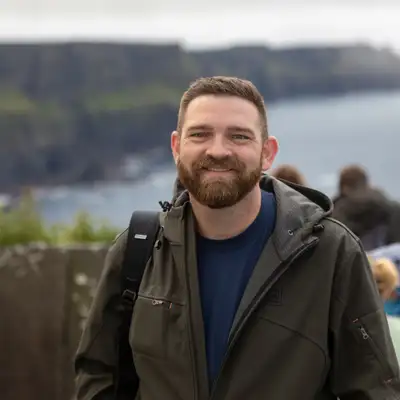
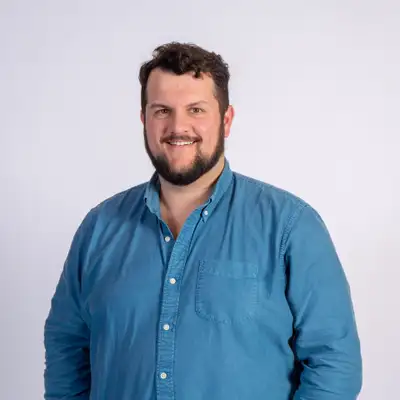
Louisiana Farm Bureau is constantly working protect and promote Louisiana's farmers, ranchers, and rural residents. This podcast exists to share stories of those farmers with interviews about their farms and issues important to them. Here, we will also share about the work Farm Bureau is doing on their behalf on issues related to public policy from the parish level all the way to the halls of Congress in D.C.
"Hey everybody, welcome to the Louisiana Farm Bureau podcast. I'm your host, Karl Wiggers. And today we are talking DC, talking national affairs, talking all things foreign policy with our expert, Mister Andy Brown. An expert.
You probably don't like that title."
I'm just another guy.
Another guy that knows a lot about a lot, in my opinion. In regards to DC life. You fresh back from a trip? You. I feel like how many times you've been to DC this this year so far?
Just two in this calendar year, but it's kind of a rolling cycle. You never really know. I tell people I probably average 5 or 6 trips a year.
I feel like I've. I feel like you've done a few trips this year, and I know I'm going to trust your.
Yeah, that's just the DC now. The travel season takes me a lot of places, but, we're kind of to the tail end of that.
Got you. Well, you're on the tail end of it. You just got back from a trip with the young farmers and ranchers, Louisiana Farm Bureau. Now, we just talked about this for hit record. It's your fifth trip. Fifth or sixth trip like that?
Yeah, for the young farmer. Fly in. We. This one's kind of one. We put in ink every year in the late February, early March timeframe to get. It's kind of a capstone of the leadership development process for these folks. So they learn how to do this, do, days at the state Capitol, other experiences. But when they've been on the committee and gotten their, legs under them, in terms of advocacy, then we kind of say, all right, here we go. Let's, let's put this to the test, and it's a lot of fun. It's an annual trip and a highlight for me and my year to put them on the ground up there and watch them do their thing well.
And for a lot of them, it's their first time, too.
"Yeah, it's always kind of the first initial question when we touched down is like, okay, some of y'all are repeat, you know, maybe have come the year before. And then there's always a group that, may have been to DC if, you know, on a school trip in the eighth grade or sixth grade, but then there's some seems every year that I've never set foot in the nation's capital.
And that's really special to just kind of be there to be their tour guide."
Yeah. I know, as a history guy yourself and as a guy that especially loves DC because of your many, many trips up there in time you spent up there, you, I've been on a trip like that with you before, and you've kind of talked about the, the, the, the naming of the streets and how to navigate the world up there.
And I'm just like, man, Andy eats this up. So I can imagine you with some first timers up there. It's probably, right up your wheelhouse.
Yeah. I always have to give a shout out to Grandma and Papa Brown. My grandparents had just a small little education fund that I didn't have to use for my college degree. So I got to use that as, room and board for a summer of living in DC and interning. So every time I'm there, that's the best summer I never wanted to have again.
But I get to have it 3 or 4 days at a time, 5 or 6 times a year. So that's just enough DC for me. It was cold and snowy when we got there, and I like that for about 24 hours and come on home to the boot and get back to 80 degrees humidity.
Yeah. Well, cool. Let's talk about that trip. So it was, probably about a dozen young farmers or.
Your team made the trip.
Yeah. A couple staffers, you had most of your staff. Most of your team?
Yeah, we had, three of the four on my team. And then a few from y'alls, and then Megan Gravel as well. She kind of helps coordinate all the logistics of the trip and then does a great job, helping shepherd them around and keeping them on message.
And another volunteer that was with y'all for most of the trip or some of the trip was Richard Fortner, which, yeah.
We hadn't been able to always coincided with, Richard or any, you know, Jim Harper, Ronnie Anderson being in town. But we're able to do that this year and that adds, a great piece for them to see him in action. And then him to support them and tell them how important it is and show them with their own eyes that he's up there, you know, multiple times a year and goes when there's a time of need and that he's doing that, you know, day in and day out on their behalf.
Right? So with multiple staff with a 14 is a pretty good sized group to try and get in and out of offices, y'all. Y'all divided in Concord. And y'all got to go and meet with all the different, congressional staff or congressional delegates. Is that how how did that go this year? Yeah.
So the Hill visits, as we call them, we focus on our, delegation. So eight offices, six in the House, two in the Senate. That's when I go to schedule this thing. That's priority number one is how do we get on those offices? How do we maximize the, member experience? Member being congressional member, can we get in to see the actual member of Congress?
Certainly can't see all of them, and meet with a lot of important staff. But we set that first, and then some of what I've tried to do just, my little take on it, is I've taken this role on, I like to try to expose them to some other things. So we try to get off Capitol Hill and go to, some agencies.
If we can. And then something recently, since trade and, international markets are so important, I've started weaving in a, an embassy visit. And this year, we got to go, to the embassy for Canada and discuss Usmca. And so the, where we go exactly fluctuates from year to year. But overall, the trip, has its purpose to kind of see both, legislative executive and then, all the other policy that falls beyond that.
Yeah. And there's not it's not just business and hill visits. It's also tours like the I know you all get to go visit the Capitol and and see that. Yeah.
Because you have some of those newbies and I mean, it's still fun for me. I mean, you probably know every time. Yeah. So, some of it's just me walking from office to office pointing things out. But then we have some great members of Congress that, will set up tours for us or different things if we put in the ask.
So, yes, it's got a lot of fun to it as well.
So you mentioned, sometimes you're speaking to the delegate, sometimes you're speaking to their staff, which both are very valuable and useful. Sometimes maybe staff is more useful to visit with and tell those stories. Obviously it's nice to get face time with the delegates. What? How did that match up this year? How did how many did we get to speak to this year?
Delegates.
And yeah, so we were able to see four of our members of Congress, and everything. It's always, a moving target. And, and for instance, two of our House members, Congresswoman Letlow and Congressman Carter, we had quick visits, backed up to a vote, and then they had a surprise motion on the floor. And so that our meetings got pushed, 30 minutes, beyond when we were supposed to be there and that, you know, with them and their offices, they have somebody dedicated full time to scheduling all this.
And, a surprise vote like that wrecks their day wrecks. All right. But, we got, you know, we have great members of Congress who walked the hall with us to have the meeting as we're moving. And, it's it can get fast paced, but that's that's the learning experience. It's like their time is precious, and you got to get your point across, and do it respectfully and do it in respect of their time.
And, and we were able to do that. So four members, one was kind of a surprise visit. Senator Kennedy was given a, an interview and Russell and we walked by and he saw us and we saw him and we just grabbed him, and he gave us a lot of time there in the hallway, which was really awesome, too.
So, overall, that's, I would say about par for the course. Right. That many. And with us having the leadership, we do Speaker Johnson and Majority Leader Scalise very, very hard to get on their schedule. So weren't able to do that this trip. But, understand they have a little different pace than even, you know, high ranking senators or whatever.
Yeah. And I feel like probably also par for the course is a surprise, something in the schedule where, a member gets pulled off and or has to push 30 minutes. That's probably also pretty par for the course. But you say.
Yeah, it's you. You tell them, going up there like, hey, I'm going to print you off the schedule, but keep, a pen handy to scratch through and rewrite, and we'll just, try to be as nimble as possible. So, we some meetings, we had to split because the group was a little larger this year, but that's that's an ideal number, and we get a lot done.
And then some other things popped up that were really cool, just thanks to the connections that we keep and the the membership, the leadership that we have. So got a last minute invite to go to USDA to hear this big announcement that had, two cabinet members in the room. So Secretary Rollins and Secretary Kennedy, had other white House level folks like Ben Carson and Callie mean.
So a real who's who. So for those, you know, young farmers to get to go into their agencies headquarters and see the top lady and hear, news about nutrition programs was a really cool experience.
That's pretty awesome. What were they unveiling up? To be totally honest. I saw that that was happening, but I didn't really, like, follow it. I was like, oh, that's cool. They got to go to the USDA. They got to hear an announcement. I don't even know what that was being announced.
Yeah. So it's not our typical, farm program space, but, we do care about nutrition programs. And the, this administration's trying to implement some changes, to how schools, implement real food is their, their word. And then also folks who can accept Snap benefits, grocery stores, you know, gas stations, other convenience stores, changing their requirements that if you're going to accept snap, you got to provide more, what they call real food, but less processed food, more, products that are, you know, fruits and vegetables or other things that are, available for snap purchase.
So, yeah, it was cool.
Yeah. I was about to say I don't think it would really matter what's being announced to be in there with those that level of, you know, cabinet members and, and officials, it would be pretty neat to go and be a part of because you don't just stumble upon that very often.
But that's the challenge. It got scheduled at the same time as we had a meeting with Senator Cassidy, who was actually, you know, there to be in the room with our young farmers. And, I hear he was a little upset that I wasn't, in the room. So shout out to Senator Cassidy, had to go visit with two, cabinet members instead.
But, you know, that's how we keep the group nimble to make sure we're getting the message out there, giving them the experience only, I think for of young farmers, went with Madison and, to USDA, and then Matthew and Megan, handled the Senator Cassidy meeting and divided in Concord, both, you know, were quality experience.
That's very cool. So you mentioned going to the embassy, going to the USDA, going I mean, we did all the Hill visits. What were some of the issues that the young farmers were sharing? Because I know they every year they bring something, whether it's cattle and, you know, chips and collars with, you know, cattle or whatever it may be.
Yeah. What were the issues, some of the hot issues that were talked about.
The first thing to point out is it's their story. So it's what they choose that you know, it's affecting them. I help them, our staff helps them frame it and like what's actually moving in Washington right now. But the first thing I tell them when I send them an email before the trip was like, don't worry about these talking points.
I'm going to send you. You think about something that's affecting your farm. And so, the first thing that seems to be, consistent every year and across commodities, was ag labor, whether it was we had quite a few South Louisiana, rice and crawfish folks. We have, a real hot issue on, labor related to crawfish processing.
But then just the general issues of having, available affordable workforce, that was a real leading issue. And then the one experience we haven't talked about, but was top of mind, as well, was a farm bill, and that was getting marked up while we were there. And that's another thing we got to know.
Sit in the room and be there where these folks and even me, that was a new experience for me to be in town. When, committee was actively working on a farm bill. And so that was the other thing that we, that these young farmers led with advocacy was and most meetings was, were three years beyond, a farm bill.
And we need to see this one move. And we're supportive of what was getting marked up while we were there.
Yeah. I'm going to ask you more about labor and farm Bill in a second. But any other issues that they brought up? Labor farm bill, any other stories that kind of stood out to you as you sat in the rooms with these, these young farmers?
Yeah. We, Dylan last year was on this trip, was a poultry farmer, and he does a great job. It's it's not all, you know, every trip that we get, contract poultry grower on the trip. So he did a great job explaining the winter storms that had just hit north Louisiana and how that it impacted them came up with some neat policy ideas.
That's what's really cool about this trip is, these folks are fresh to a lot of this and just come up with genuine ideas. Sometimes these fly ins for folks like me, like Richard Fontana, like, you know, the the Commodity Committee chairman that are plugged into ag policy all the time. You just you feel like you can only advocate for what's already been proposed.
You don't come with new ideas. Well, these young farmers aren't as, trained to, you know, oh, we have to go through this mechanism. So they'll just come with, like, common sense policy ideas like, hey, I have, you know, other commodities have disaster programs because I'm a contract poultry grower. I don't, and here's how I think I could have them and and what I would like to see covered.
So just those like, you know, they're, they're just common sense conversations. We're really cool to see. And then there was other, you know, animal health, New World screw worm stuff. Trade was is a huge priority. So we talked a lot about, foreign competitors and things like that. So there was plenty more. It's always, a hodgepodge of things, but those are the primary ones that stick out.
Before we move on to talking about some of these issues, and get getting the national affairs update from Andy Brown. How valuable is that face time that these young farmers get with the member? And for the member to have with like, it's a it's a two way street there where, I mean, from the role that you play, from the trips you've taken from the number of conversations you've had, after these meetings or setting these meetings up, what where do you see that that greatest value?
Yeah. There's, there's no way for me to tell the personal story that, Joe and Kelly Arsenault came and told about. I've had to cut $40,000 of expenses. Somehow, in my budget, this crop year just to get a crop loan. You know, I can sit there and rattle off statewide numbers about profitability. But for a young couple with, a whole slew of kids at home trying to make ends meet, for them to go themselves and deliver real numbers and real impact like that.
It's a different level of attention that they get than what me or Madison or Matthew or Annie would get just going in there on our own. So it's, you know, we talk about it all the time, but it's real when you get to see it with your own eyes. And then that's what keeps them coming back. It's been rewarding for me to see this group, grow.
We've had a lot of enthusiasm for our young farmer program, particularly through this trip. And so for them to see it as well, the I can see it in the eyes of the congressmen, that they visit with the staffers that they're educating, but then also our young farmers that say, wow, I, I do get to go be heard and be seen.
And it's I can't help but point out just the patriot in me. Very few other governments in the world, people can talk about how, you know, divided we are, how tough things are politically in America right now, but all it takes is walking through a metal detector and scheduling a meeting, like you're going to see your doctor and you can go see the third most powerful man in the country.
And Mike Johnson, you know, on any given trip. So that's that's something unique to America. And it doesn't get pointed out enough. But for a guy like me that gets to go do it, I always try to point that out to our young farmers and point that out to this audience, that that is rare. I've seen people from other countries walk in, you know, these house office buildings in tears because in their home country they would never, you know, be able to be in the same building as an elected official, let alone sit on a couch next to one.
Yeah, that's pretty crazy, man. I've never thought about it that way.
Yeah. I mean, I've literally seen I vividly remember I'm not sure what, what, country in Africa, but, an African gentleman, just, like, weeping, going in like this is freedom that I've never experienced. And we we take it for granted, but it's special.
Wow. Yeah. That's pretty it's pretty nuts to think about that thing that we take for granted. And we probably, you know, I'm sure you're not the only one that that reminds people from time to time. And I'm sure the congressional like members also have that, like, yeah, this is this is special.
Yeah. They all tell these young farmers and like, the staffers, they are like, thank you. Thank you know, we we lead with a thank you. We go in. Thank you, Senator Cassidy, for sponsoring this or that. And usually the response is, no, thank you. Not everybody takes the time to do this. We know y'all are business owners.
We know. And people can call that political speak if they want. I'm the guy that's in the room on all these trips. And I'm telling you it's real. And they do appreciate it. And it does.
Matter. Well. And also for for that member, it's now they have a connection with Joe and Kaylee. Yeah. Not this this fiction. Not potentially fictional Joe and Kaylee that Andy put on a piece of paper and told me the story about.
Yeah.
And it takes you out of the equation. It connects them directly. And I think that's valuable.
That's why I wear the conduit while I'm not, a full time lobbyist. Once I make that connection, I'm happy to step back in and facilitate and clear things up procedurally or, you know, research law. But, a lot of our, executive committee have relationships with members and or staffers that may contact them directly, and that's fine.
You know, we like to be in the loop so we know what's being talked, and they do a great job of that. But, there's nothing like grassroots. And this is where that comes, you know, that rubber meets the road.
Yeah, probably probably cares a little bit more weight coming from that member who's got the $40,000 they've had to fund in their budget.
Right. But you and I get it in our feels about the grassroots. So we gotta move on, I think.
But let's talk about let's talk about some of the major issues that you've been following from a national affairs standpoint. We just we've touched on wind farm Bill 2.0 labor real quick Remy up to speed on what's going on with labor. And what you've been seeing with crawfish.
Yeah. So, just high level, we in Louisiana with commodities, we have the how perishable they are. The seasonality of them. We are very high users of our guest worker programs, H-2a and H-2b. Well, most agricultural jobs fall in H-2a, but according to agencies, that administer these programs, there are certain jobs that fall under a different program that's called H-2b.
It's, a manufacturing program, guest worker program more than AG. But according to, attorneys in D.C., when you take a crawfish and you pull its head off of its tail, and then you, pull the shell off of that, tell me, that's processing, that's not farming. So, the problem, just to try to be as brief as possible, is that H-2b program is capped.
They only allow so many 66,000, guest workers in the country, in the country for all job types that fall under H-2b. So there's hotel workers in there, like hospitality, there's landscaping, there's other, manufacturing type jobs that that can, qualify. And so a few things in agriculture, seafood processing being one, fall into to this pool.
Some of our, our sugar mills.
Got side mill workers with that.
And yeah, they do. But it's, it's a very fine line. Hard to define quickly. So I'd just say, primarily our problem here, in the last few months has been for our crawfish folks. And, the processors, you know, a lot of them are also farmers. Some of them are not. But ultimately, like any commodity, if you don't have a market, you don't have value.
And so we have a real threat due to the lack of labor. That has been administered through this program this year and the way it's been administered.
That our crawfish season is, is really in threat, the supplies picking up, and that's great. And the live market and the live price is still good. But as we get into April and May, the the processing side of crawfish for peelers, for home boil, becomes of much greater value and it's necessary to get the full value of that supply chain.
So, it's a federal issue. We've had a lot of state support, had a lot of people involved. Commissioner Strain, the governor, around the butler, the list goes on. But ultimately, me, as our national affairs director, I've had to take a hands on approach and trying to get something changed, about how many visas, guest worker visas are available and also when they're available, because crawfish season is here and we don't have the workers we need.
So real quick, just we don't have a ton of time to go into this. But that number is that number lower than normal, that cap number lower, or is it filled earlier than it was? Kind of the.
We always blow through the cap in about 3 to 5 days. Okay. That happened. And then what we end up doing, which is this just government and why they, you know, y'all, our farmers pay guys like me is to deal with ridiculous things like this. But the program cap is what it is. It gets met in a few days, and then we have to beg and plead for supplemental visas.
Beyond that, that's where the problem, lies. This year, they gave an additional, 64,000 visas above the 66. That's still oversubscribed. We have way more applicants for those 64,000 than are going to get them. But also then really with the the problem, lot and two things. Number one, we've had two government shutdowns of the lead agency for this department and Homeland Security.
So that's caused a huge back up and confusion and can't get proper guidance. But then, DHS and Department of Labor, they, they joint administer this program also changed the game this year. They changed the rules on how they rolled out these supplemental visas. And it caused a ton of confusion and, created where a whole quarter of the year end of 2025 applicants in that window have just been left out in the cold altogether.
So it's complicated. Ultimately, just to summarize it, though, we are this is actually President Fontana's analogy. We know that there's a fire in the house, and it's already burned up the carport, and we're in to the living room. And if we get to the bedrooms, which would be April and May, then we are going to have significant LSU AG Center estimates, up to $300 million and a hit to our state's economy, our agricultural economy.
Just because we don't have about 1500 people. Well, you know, allowed to show up and do work that nobody else will do.
That's pretty wild to think about. So, we're working on that still, I'm assuming you're.
It's night and day. Well, I guess back and, and then our whole leadership team, and then, like I say, every elected official we can get Ahold of has been helpful and working, but just haven't found resolution yet.
Well, another issue that we've talked about a lot, I feel like probably for the last, I don't know, I've been working here for ten years, so about ten years, it's been farm bill.
You never don't talk about farm bill at Farm Bureau, but this one has been a much longer challenge than previous.
It seems like it's become a, quite the marathon here, but we're we're in 2.0 range. Now, give me, the two minute version of where we're at with the farm bill now.
Yep. So we had a bill in 2024 that that got to where we are in 2026 with this current bill, which is the House AG Committee released a bill. They marked it up, which means they allowed for amendments and debate within the AG committee. And then they, last week while we were there, passed that out of committee.
So that's just one of five overall steps that a bill has to take. So it still has to get passed in the full House. It has to be worked in the Senate ag Committee and passed in the Senate. And then if those bills align, the president could sign it. So we're a long way from the finish line.
But it is a very, very important first step and one that's very exciting because we have a lot of Louisiana priorities in it. So the Farm Food and National Security Act of 2026, aka farm Bill 2.0, is moving and is moving favorably in the eyes of Louisiana farmers and has a lot of good to it. That would would really help our.
Producers without doing an exhaustive farm Bill podcast here. What are some of those priorities that have made it in that we've talked about over the last few years of needs and shortfalls or gaps that need to be filled in a new farm bill?
Yeah, I'll, I'll first just say quickly that, you know, we celebrated a lot of things. And the one big beautiful bill act, reconciliation last summer. It did a lot of farm bill things that would normally have been what I just answer that question with reference prices, loan rates, etc., etc. this bill is more of the technical bill.
It's not one that's it's but it's budget neutral. So we're not, increasing spending in a lot of programs. If we increased spending, we had to find costs, you know, cuts, reductions and some other part of the bill. But what it really does and where guys like me make our living is within the programs that get funded.
How do we make them better? So, improvements to conservation programs, expanding and updating those, expanding credit opportunities, loans, government backed loans, farm credit loans, making those more available to young farmers is is a real highlight of this deal. And then other supporting things like trade promotion, investments in research, the LSU AG Center can really find some big wins in this bill.
That's the high level stuff. The part I'm super excited about is to say that we have three bills, marker bills that Congresswoman Letlow offered, pieces of those that were direct from Farm Bureau commodity advisory committees that we carried to her. She put in legislation and then that was adopted by the AG committee. Three of those are in black and white.
In this bill, we added an amendment to make one better because it's it's been updated since the last time they took a swing at this. And then we'll have some additional, just report language that helps direct the agency. So really overall, four key issues direct from a Louisiana Farm Bureau member are in this bill. And we're going to push like crazy to get it done.
That's really awesome. Yeah. It's a lot of work that's been done on that. I know for the past few years. And those committee levels on, the advisory committees to see it now in black and white for, for even if just to get it to where it is now. I'm sure you're very proud about that.
Right. And that's that circles all the way back to these young farmer trips. Are these common sense ideas come about? You know, everybody thinks they have to be a wordsmith or a lobbyist. They don't. They got to show up with a problem. And then what we where we hang our hat is we don't just yell the problem, we offer a solution.
And we have staff that help craft that solution. And then we work it until it's it's to fruition. So we're not to fruition yet. We're not celebrating just yet, but it is very rewarding to see. And this had to get carried from members of other states and from the chairman from Pennsylvania. Just shows our network and how we, utilize that and, and advocate.
Yeah, just shows the value of being part of the Farm Bureau family and engaged. Not just not just not just a member, but an engaged member. And I think that's really cool to see, see that pay off and see that being being used all the way up in DC and it's going to come back and help folks here on the ground at the grassroots level.
So very cool. Andy Brown, thank you so much for coming and talking about all things DC. I know we could talk for an hour or more, probably about all some of the issues that you're following. But we will have Andy on again hopefully with some more updates on some of these issues we're talking about and, positive updates ideally.
So thanks, Andy Brown.
I'll throw one thing out. I don't know if I'll be on, a podcast again before the primaries for our election, but we're in a midterm election year. So as your national affairs guy, I'm not going to tell you who to vote for. But I will remind you, it's very important to get out and vote and exercise that.
So, all this, you know, is dependent on those that we elect. So, get out in, April and and cast your vote.
Very good. Thank you, Andy Brown. Thanks for listening. Thanks for watching. We hope to see you again right here on the Louisiana Farm Bureau podcast. Next time.