Subscribe
Share
Share
Embed
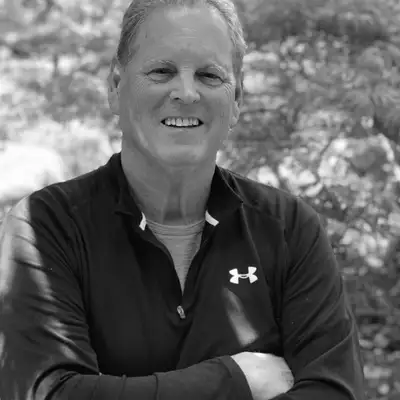
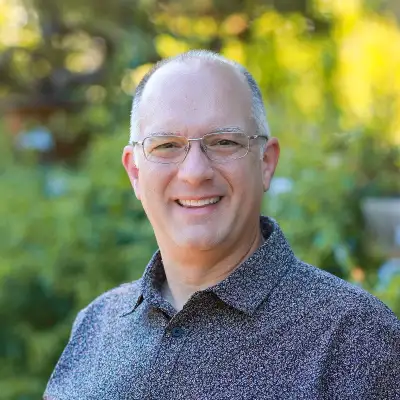
Mark Simon and Bob Marks revive their long-running cable TV show The Game, where they interview local leaders and talk widely about politics, business and sports.
Produced by Frank Bravo, BravoITC.com
00;00;25;24 - 00;00;28;21
Speaker 1
Welcome to another edition of the game. I'm Mark Simon.
00;00;28;27 - 00;00;29;29
Speaker 2
And I'm Bob marks.
00;00;29;29 - 00;00;43;15
Speaker 1
And we're here with Jon Mays, the editor of the San Mateo Daily Journal, which is just recently observed its 25th anniversary. So congratulations, Jon. You've been there almost the whole time. And so thank you so much for joining with us today.
00;00;43;20 - 00;00;45;19
Speaker 3
Sure. You bet. Thank you for having me.
00;00;45;20 - 00;01;09;23
Speaker 1
So we're going to plunge right in. We know it's the middle of an election season. That's a busy, busy time for you and your staff. Let's start with the only real high profile race in the county, which is the race for assessor, recorder, clerk and elections chief between David Canopy, the member of the Board of Supervisors, and Jim Massari, the first, the chief assistant.
00;01;09;26 - 00;01;19;00
Speaker 1
And I won't go through all the titles again. You endorsed David Canepa. Give us an idea of why and what went into that decision.
00;01;19;03 - 00;01;48;09
Speaker 3
Well, you know, as part of our process for endorsing candidates, we interview them. We have a set series of questions. I have some follow up questions. A reporter is they're taking notes and he or she, in this case, she will write a story based on that interview. And then based on that interview, also, we make our recommendation from it and we try to, if possible, have all the candidates together.
00;01;48;11 - 00;02;18;10
Speaker 3
And if scheduling doesn't allow, then we have them separately. If there's a question that arises in one, we follow up with the other to make sure that everyone kind of has an equal chance to respond to any allegations or questions that arise from those. And so in that process, canopy had good responses and showed a particular type of energy that could infuse the office.
00;02;18;13 - 00;02;36;23
Speaker 3
Jim obviously knows Jim Irizarry, obviously knows the office, but kind of fell short on some of his responses. And so based on that, we felt that David Canepa would be a better choice for voters. And we'll see what happens when the ballots come out.
00;02;36;25 - 00;02;52;01
Speaker 1
Now, do you get flak for something like that? I mean, there are people, as you know as well as I do, who are not big fans of David Canepa. I've been accused of that myself, which is not entirely true. But what kind of reaction do you get to something like that? And what, if anything.
00;02;52;06 - 00;02;52;26
Speaker 3
I mean, I mean.
00;02;52;26 - 00;02;54;02
Speaker 1
They're upset.
00;02;54;04 - 00;02;57;07
Speaker 3
Yeah. I'm sorry, what was the last part? How do we.
00;02;57;09 - 00;02;59;20
Speaker 1
It would, if anything, can you do about it? If people.
00;02;59;21 - 00;02;59;26
Speaker 3
Were.
00;02;59;26 - 00;03;00;25
Speaker 1
Upset.
00;03;00;28 - 00;03;21;10
Speaker 3
I can't do anything about it. I mean, there are people who support certain candidates, and they may be upset that we didn't endorse. But I think as long as you sort of explain that we have a process and we have a right to come up with our conclusion than most people, you know, can agree to that at least.
00;03;21;11 - 00;03;55;06
Speaker 3
But, you know, I mean, part of the disagreement or agreement with our endorsement is part of the process. And people can write letters in and explain why they disagree. And I think that's that's healthy and good. No one, you know, we didn't we didn't get attacked for it. We have in the past at times. But that's rare. And that's just part of the part of the the lifestyle that we lead as a journalist, that sometimes people just get a little bit more excited around election time than they need to.
00;03;55;08 - 00;04;09;12
Speaker 2
Jon, you. There's another countywide race that I know you've endorsed, and it's who's going to lead the county Office of Education motto versus Bonini. Tell us why you decided to endorse Hector.
00;04;09;19 - 00;04;36;10
Speaker 3
I mean, it was the same. It's the same situation with the assessor, county clerk, recorder and chief elections officer races that based on the two candidates, Camacho's seemed to have better responses and is more qualified for that role. It's interesting because both of them have held a similar office on the Board of Education. Chelsea Bonini has the position now and and had it previously.
00;04;36;10 - 00;05;00;26
Speaker 3
And now he works for the the Office of Education as executive director of I think it's die or something like that. And it just his responses were a little bit wider ranging and had depth and breadth to it. Chelsea also had some good answers. I mean, I think she knows the job that she's running for and had some good responses.
00;05;00;26 - 00;05;05;00
Speaker 3
But the edge went to Hector from from our perspective.
00;05;05;03 - 00;05;31;15
Speaker 1
You know, a lot of newspapers, increasingly it seems like are sort of opting out of endorsements, especially the newspapers that have designed themselves as non-profits. Why do it? Because it does require a lot of work. I've been in the office when you've been doing these interviews and it is, you know, it's it's some work to get these things done and to write them into do something that you feel is defensible.
00;05;31;18 - 00;05;36;23
Speaker 1
You could opt out, couldn't you? Why do you think that it's important that the newspaper do this?
00;05;36;25 - 00;06;04;05
Speaker 3
Yeah. I mean, The New York Times recently dropped its local endorsements, mainly because it dropped most of its local coverage. I mean, The New York Times is the New York Times. It does cover New York, but obviously it has a larger impact and reach than that. And so dropping that local coverage, you know, they didn't have the knowledge that's needed to, you know, make fully informed recommendations.
00;06;04;05 - 00;06;27;15
Speaker 3
I think what we do as a business was, is, you know, cover this county as well as we can and all the different issues and people within it. And so that gives us a certain level of expertise in knowing sort of the ins and outs of issues and people who make decisions that affect us. And so, you know, we're not attached to any other entity.
00;06;27;17 - 00;06;51;21
Speaker 3
You know, we're not labor, we're not a political party. And so we just feel that it's our responsibility to let people know based on our experience and our know how, who we think would be the best candidate and just make that recommendation. So it's sort of I kind of feel like it's our responsibility to let people know, you know, who we think is best.
00;06;51;23 - 00;07;12;23
Speaker 3
It's a process that I take extremely seriously. I do a lot of work on it. I've spent a lot of time over the years sort of making sure that I do the work required to make a an informed recommendation. And of course, you know, I mean, a recommendation is just that it's a recommendation. And so people can do whatever they want with it.
00;07;12;23 - 00;07;24;04
Speaker 3
They can throw it in the trash. They can they can follow it, they can question it all they want. And so it's just out there and if you choose to follow it, that's that's feel free.
00;07;24;06 - 00;07;30;11
Speaker 1
Do you have any sense of how much influence the endorsements have?
00;07;30;13 - 00;07;52;11
Speaker 3
I have no idea. But I've heard it's people tell me that it's it's an important endorsement to get. And then others have told me that they don't even care about it. So I guess it all depends on your perspective, but I think I find it sometimes interesting when I get a flier to my house with a big daily journal, endorses whoever.
00;07;52;14 - 00;08;06;06
Speaker 3
And I was like, oh, that's that's us. That's interesting. So I think I think it is important. I don't know how exactly important it is, but I think it's recognized as being one that most people want to get.
00;08;06;13 - 00;08;24;05
Speaker 1
There's an interesting feeling that comes with that, isn't there, where you pick up a flier and you see, you know, something you've written on there and you think, you know, they're not supposed to be part of the political campaign. I'm just doing what I do, and suddenly I've been injected into it. It's a it's an odd feeling, isn't it?
00;08;24;08 - 00;08;50;20
Speaker 3
Yeah. Especially when in an endorsement, at times I will have a paragraph or two, a positive paragraph or two about the person who we didn't endorse. And to see that on a flier from the person we didn't endorse, you know, a quote from us saying that, you know, that they're, you know, have done a good job or something like that, implying our endorsement, but that's political speech and that's protected too.
00;08;50;21 - 00;08;54;15
Speaker 3
So that's that's just part of the business.
00;08;54;17 - 00;09;08;09
Speaker 2
Jon, you recently wrote an editorial about the daily journals policies of AI and written submissions. Talk a little bit about that.
00;09;08;13 - 00;09;26;11
Speaker 3
So one of the things that I do from time to time is in my column is I'll just kind of explain something how to write a letter to the editor, what a guest perspective is, how we cover certain things, what our coverage area is, just as a way to, you know, when we get questions about it and then get repeat.
00;09;26;11 - 00;09;53;05
Speaker 3
And I figured, well, let's just put it out there. And so people know, as far as AI, I had no interest in writing about it, but we started getting more submissions that I suspected were influenced in some way by AI. And so, you know, I never sort of announced any kind of particular policy. I just assumed that people would know that if it was written or heavily edited by AI, that it wouldn't.
00;09;53;06 - 00;10;18;18
Speaker 3
It shouldn't be something that you submit for publication. But we never made that rule public. So that was the intent of the editorial to make that rule public, to let people know that it's not something that we're interested in, in having I think, you know, that rule could shift over time. But for now, that's sort of the rationale behind me writing that.
00;10;18;21 - 00;10;31;27
Speaker 1
Why not? I mean, people use AI. They sometimes find it writes better than me. What's your objection to people using AI is to help them formulate a letter to the editor. As long as this is our genuine viewpoint, right?
00;10;31;29 - 00;10;45;17
Speaker 3
Well, I think the I mean, honestly, it's cheating in my opinion. I think using AI to help you write is is not.
00;10;45;20 - 00;11;02;22
Speaker 3
It's I mean, for me at least, it's not ethical. I don't think it's it's appropriate for our publication. It can be, you know, if you want to use it in your own business or whatever, that's your business. But for me, it has to be something that you've written. And I know that for me, you know, I'm I'm my my profession is writing.
00;11;02;22 - 00;11;27;29
Speaker 3
And so it comes easier for me. But there are ways that you can get assistance, whether it be. I mean, I'll help you out. I'll say, well, this is where you can improve this letter. So I think, too, is that AI can insert some meaning into it that maybe wasn't originally intended. And so it's not a true reflection of that person's point of view.
00;11;28;00 - 00;11;52;27
Speaker 3
They may read and go, oh, that's pretty good. That's kind of what I meant. But it's really not what they were thinking. And so you're injecting you're injecting an artificial viewpoint into your, your own viewpoint. And I think at this point right now, it doesn't seem legitimate to me. I think you can ask friends, you can ask me, you can ask family to kind of go over your point of view.
00;11;52;29 - 00;11;57;00
Speaker 3
And so for now, it's just not something that we find appropriate.
00;11;57;03 - 00;11;59;05
Speaker 2
You editorial.
00;11;59;12 - 00;12;25;12
Speaker 1
Let me excuse me. Well, let me follow up on the AI question, because you and I just excused a couple of emails. Something is going on in the Fresno Bee where they're using AI to produce some of the portions of news stories. A reporter will produce a story, and apparently they think they're enhancing it with AI. And then there's a controversy that is arisen over whether the reporters names should remain as a byline on the story, which is almost a related issue.
00;12;25;12 - 00;12;41;13
Speaker 1
But, you know, you're a small newspaper with a staff. You're always resource challenged. Would it be tempting to use AI to fill in some of the gaps that may occur from time to time, and a story that's being put together by one of your reporters?
00;12;41;15 - 00;13;12;14
Speaker 3
No, I mean, not for me. I mean, I'm not. I mean, having a reporter do the work and then use AI to come up with a perspective, a different perspective for a different audience just doesn't work for me. That's what the that's what the report said that the bee was doing. McClatchy was doing it. I mean, the the writing that we do is for everyone and it's it's factual for all people.
00;13;12;14 - 00;13;43;01
Speaker 3
And one of the things and I talk about this sometimes if this type of topic comes up, is that what we try to do is sort of think of the range of people within the community and how they're reading the stories that we write, whether it be someone who's recently here, you know, an immigrant or someone who's been here for a long time, you know, someone who just moved here from Boston, someone who raised their kids here, and maybe a 75 or so and sort of is perplexed by all the changes.
00;13;43;01 - 00;14;06;01
Speaker 3
And we sort of try to think of these sort of fictional characters in a way that sort of represents our general, you know, point of view of our readers and make sure that we're sort of making that we think that we would make sense for all of them, you know, and that changes over time to is, is we encounter different types of people, different types of readers.
00;14;06;01 - 00;14;26;24
Speaker 3
So I think that reaching a broad perspective is sort of part of our ethos overall. So to to streamline that or use AI to sort of change that wouldn't make any sense for us because we're already trying to reach everyone. So and using AI to sort of shift a point of view of a story I think is inappropriate in a workplace.
00;14;26;24 - 00;14;52;00
Speaker 3
And obviously the reporters think that too, because they're having a byline strike. You know, you're basically messing with their own work. So, yeah, we've had conversations in the newsroom about AI, and pretty much the overall sentiment is we want to stay away from it as much as possible. And I don't think that it does. It would do any work right now to fill the gaps that that we have.
00;14;52;02 - 00;14;57;23
Speaker 3
And I think it would probably be sort of a detrimental road to travel down.
00;14;57;25 - 00;15;38;04
Speaker 2
You had another, excuse me, another editorial recently about banning cell phones in San Mateo High School District from bell to bell. I guess currently they don't allow cell phones in the class, but you argued that it should be. Throughout the whole school day, it seemed to be that the AI editorial and the cell phone at all are really getting at the value of writing and the value of having social interaction, that those are being lost today.
00;15;38;07 - 00;15;39;26
Speaker 2
Yeah. Talk about that a little bit.
00;15;39;27 - 00;15;53;28
Speaker 3
The the piece you refer to the the Bell to Bell cell phone when it was a column versus an editorial. And it's my point of view.
00;15;54;00 - 00;16;29;26
Speaker 3
You know, the argument is that this is a tool that people use in the workplace now technology and, and whatnot, and that cell phones are something that people can use as an educational tool. But I think that that's sort of a specious are no specious. It's sort of a it's just a weak argument. Overall, I think schools should teach children how to think, and I think that teachers should use the tools available to them.
00;16;29;27 - 00;16;53;21
Speaker 3
Kids are going to use cell phones regardless, and we're all going to use cell phones. We're all going to use whatever technology is available, but we should learn how to do things on our own first and then use the tools. You know, if you abdicate everything to technology, then what are you really learning? And I've talked about this over time when it comes to spelling and grammar.
00;16;53;23 - 00;17;20;03
Speaker 3
You know, spelling is important as a building block to words. Grammar is important to building blocks of sentences, to paragraphs, to entire essays, to developing a train of thought, developing an argument, understanding how to influence people through your words. If you abdicate all of all of these things, you don't understand the language that we're using to communicate with each other.
00;17;20;05 - 00;17;47;03
Speaker 3
And that's primary education. And there's a reason why it is primary and elementary education is that we should be learning these things. And if we say, well, we don't need that because we have grammar check and spell check and all these types of things, then what are we really teaching our children? So I think that there should be an emphasis, a higher emphasis, a more robust emphasis on primary education and the tools needed to to learn the basics.
00;17;47;03 - 00;18;11;16
Speaker 3
And then you can use whatever tools you want, you know, later in life. You know, schools say that we're not here, you know, they're not there to solve societal ills. That's true, but they're not there to contribute it to societal ills either. So I think it's important that they sort of consider their role in educating our children and take that seriously, which they do.
00;18;11;19 - 00;18;38;26
Speaker 3
But I think a bell to Bell ban is the best way to do it. Other districts, you know, this was a legislation that passed. And so districts have to come up with a policy. I think by July, other districts are talking about what they're going to do. And in Sequoyah, we had a story today about it is talking about having a more overall in class restriction versus Bell to Bell, and that's the school board's prerogative.
00;18;38;26 - 00;18;50;18
Speaker 3
But I personally think that it's important to have Bell double develop the skills to, you know, to basically interact well in our society after high school.
00;18;50;20 - 00;19;08;17
Speaker 1
The, you know, we are in an era now, you know better than I do where local journalism is just foundering. It's just disappearing all over the country. The The Daily Journal seems to be on pretty solid ground. Why do you think that is?
00;19;08;20 - 00;19;10;02
Speaker 3
Well, definition.
00;19;10;08 - 00;19;11;18
Speaker 1
That's a bad job.
00;19;11;20 - 00;19;13;17
Speaker 3
Yeah, it depends on your definition of solid.
00;19;13;18 - 00;19;17;12
Speaker 1
Because you have me as your columnist. I understand that that's a huge reason why. Yeah.
00;19;17;13 - 00;19;26;21
Speaker 3
I mean, you know, there's a good amount of energy in the Daily Journal as far as making sure that we're doing what we need to do.
00;19;26;23 - 00;19;29;29
Speaker 1
We're very much what is the job of the Daily Journal you think.
00;19;30;00 - 00;19;44;12
Speaker 3
It's to it's we're essentially explaining what's happening in this in this county of ours. Right. If you want to know what's happening, you read the Daily Journal. If you don't want to know what's happening in the where. And that's just.
00;19;44;14 - 00;19;45;20
Speaker 1
Not the name names. Yeah.
00;19;45;22 - 00;20;13;14
Speaker 3
Yeah, that's just a fact. I mean, I mean, that's our role. That's our job when we take it seriously and, and and we we're energetic about it right now, I think the energy that we have sort of carries sort of papers over a lot of the overall, you know, problems in the news industry. I mean, the, you know, someone asked me, I was at a neighborhood association meeting last night talking to a collective group of people, and they wanted me to talk about what what we do.
00;20;13;15 - 00;20;41;04
Speaker 3
And one of the questions was, what's the biggest threat, you know, to to us right now? And, you know, there's two things. It's resources. People feel as if they're informed because they go to Instagram and they read a or they see a picture and someone maybe tells them something in 30s or so and then they, they for that, or they talk about it and they think that they're informed.
00;20;41;07 - 00;21;02;06
Speaker 3
But a lot of people don't read as much as they should. So there's the answers right there. It's social media where people act or seem or feel as if they're informed, when they're actually under informed. And then there's also the resources that social media takes from us. So people spend their time on social media versus reading our paper.
00;21;02;06 - 00;21;30;25
Speaker 3
Then we don't get the resources that we need to continue telling people what's going on. So those are the two things. But I think we've been able to carry forward because people appreciate what we do, and we do get some level of support from the community. We could use more. And I say that a lot. We could use more support, whether it just be people subscribing online or supporting our advertisers or that kind of thing.
00;21;30;28 - 00;21;35;08
Speaker 3
But, you know, I think we're doing okay.
00;21;35;11 - 00;22;12;28
Speaker 2
Earlier this week, the Board of Supervisors on a 3 to 2 vote agreed to create a majority needed to pass a sales tax in San Mateo County, yet another sales tax. It seems to me that given the environment that we're in, the high cost of living, given the fact that we've got a sales tax coming up on the ballot in November, regional transportation, that it might have been a little tone deaf for the board to be talking about another sales tax sometime in the future.
00;22;13;06 - 00;22;21;01
Speaker 2
What's your view on that? And a lot of local communities are also looking at sales tax.
00;22;21;03 - 00;22;56;29
Speaker 3
Yeah, it's kind of like last call at the bar. You know everyone's sort of trying to get their last little drink in before it's shut down, before we reach our cap of sales tax. You know, not to get too much into this, but I think with the situation with the state withholding some money from the county, I think with property transfers being low and sales tax being lower because of inflation, you know, cities are in the county are feeling a lot of financial pain.
00;22;56;29 - 00;23;36;05
Speaker 3
Also, the elimination of the Covid subsidies over time, which sort of did a lot of things. You know, people are the government officials are starting to feel some pain. And that's, you know, you reference the transit measure that was allowed through Senate Bill 63. You know, that's supposed to save public transit in the Bay area. So there's a lot of asks right now, and I don't feel as if people are feeling particularly rich right now, although the stock market seems to be doing okay for a lot of people.
00;23;36;05 - 00;24;03;21
Speaker 3
And if you're involved with technology or AI, I think there's some opportunities there. But, you know, the average person, lower middle class is not feeling super great. So these are some tall orders for people to determine whether they can support additional taxes. We'll see what happens. We'll see what happens. I mean, these these ballots are far away. Maybe some things change in the meantime.
00;24;03;21 - 00;24;21;27
Speaker 3
The county just agreed three two, which isn't, you know, I mean, barely got through at some point to see if there could be a tax increase. So we'll see if they actually pursue something like that.
00;24;22;00 - 00;25;07;05
Speaker 1
Let's talk a little bit about something else. You wrote about the historic ordinance, Historic homes ordinance, I guess, for lack of a better way of putting it, you wrote a pretty sharply worded column of your own, critical of the ordinance that the city had put together. First of all, give us an overview of the issue, because it's been going on as a fight in San Mateo for quite a while now, focused largely on one neighborhood, but it seems to have blown up into a citywide thing, you know, and it really is where the question joins the ongoing debate is joined in this community of change versus preservation, change versus this is the way things used
00;25;07;05 - 00;25;25;23
Speaker 1
to be. You know, there's no question the community has changed. More traffic, more high rise, high density buildings. And I understand why that scares people. But I wonder if freezing everything in place as best you can is the answer. So give it. Give us your sense of that larger issue.
00;25;25;27 - 00;25;55;08
Speaker 3
Yeah. The historic ordinance update was part of the 2040 General plan in San Mateo. It was when it passed. It was at some point in the future you update the historic ordinance. And ever since I've been around since 1997, there was a there was a 1989 survey of historic resources that was done, and everyone talked about how it needed to be updated.
00;25;55;11 - 00;26;30;12
Speaker 3
And so there's been this discussion about the 89 survey being updated since I started. And, you know, I'm I'm interested very much in the history of San Mateo. I think it's a unique and interesting place. I think this county has an interesting history from, you know, the Allens to the grand estates to the post, you know, 1906 residential boom in a couple cities, and then the suburbanization after World War two.
00;26;30;14 - 00;26;55;12
Speaker 3
San Mateo has a pretty unique collection of pre 1910 homes. So the first home in San Mateo or the first, the oldest home in San Mateo, currently the grand estates of all burned down and that was part of the origin of San Mateo is that they wanted to create a fire district in 1893 or 1896, 1891 of those.
00;26;55;13 - 00;26;56;24
Speaker 3
I'm sorry, I can't remember.
00;26;56;27 - 00;27;00;26
Speaker 1
You should be careful because Bob really stays on top of it. That's right.
00;27;00;29 - 00;27;24;06
Speaker 3
So they started the they wanted to have a fire district, right. Because buildings were burning down. A good thing they did because 1906, you know, was felt down here. And a lot of these buildings were destroyed. And so they were the ones that were promptly rebuilt, were done before 1910. And then after that, it really started the suburbanization.
00;27;24;06 - 00;27;52;17
Speaker 3
It was sort of a pivot into a new era for San Mateo or the city of San Mateo, but San Mateo County overall. So there's there's a small collection of homes that were from that era, and they were identified in this 89 survey, which was 37 years ago. And so that survey is no longer, you know, reliable because it happened so long ago.
00;27;52;19 - 00;28;15;28
Speaker 3
And so as part of this historic update, historic ordinance update, it's my belief that that they should have started with that survey, updating that survey, and then determining which of those buildings are still around, which are viable, which could be protected. You know, some have been changed to the point of no longer being historic or, you know, a resource in some may have even been knocked down.
00;28;15;28 - 00;28;40;16
Speaker 3
We don't know. We have no idea. So this idea of the historic Ordnance Survey, though, came out of a battle in the neighborhood of Bay wood, which is 1930s 40s homes. And I'm not going to get too much into that. But basically they wanted to create a historic district, and some people didn't want it, and there was a fight over that.
00;28;40;17 - 00;29;02;17
Speaker 3
So the idea was by the city was to absorb that fight into this ordinance update and then sort of come up with some rules for how that would go. But that argument took over the entire discussion and all of this other thing that was really the true history of San Mateo from the founding era, was sort of left by the wayside.
00;29;02;17 - 00;29;30;15
Speaker 3
And so it's my opinion that basically what we do is we cover what happens, and the discussion is such that we write about what's what's happening. And then if something kind of gets a little bit askew, it's it's our responsibility is the people who write the first draft of history. And I've been doing it for a third of a century now, kind of stand up and say, well, you guys got to you're doing this wrong.
00;29;30;15 - 00;29;58;00
Speaker 3
And so that was the intent of the editorial was to say, this discussion is no longer working. Well, it is is backwards. It's the opposite of how it should go. And the council I think, listens and sort of rectify that a little bit included the 89. So now they're going to update it. But really this whole discussion was was done in the opposite way that it should have without the proper insight no one talked to.
00;29;58;01 - 00;30;21;01
Speaker 3
I mean, maybe they did, maybe someone did. But, you know, Mitch Postal is the president of the San Mateo County History Museum and the Historical Association who conducted the 89 survey, wrote the book of San Mateo, you know, fought to to save the Seven Oaks. The APG in any house was never properly consulted about this. And I think that that's a big miss.
00;30;21;04 - 00;30;51;16
Speaker 3
So that was sort of why I wrote the editorial, because I felt like the discussion was wrong. And I feel that there was, you know, it's not about growth versus growth and housing versus non housing. This is about the history of the city and sort of preserving what, what who we are. And, you know, the handful of homes, there's 20,000 lots in San Mateo, the handful of homes where it's under 150 properties here, we don't even know what status they are.
00;30;51;17 - 00;31;10;25
Speaker 3
Could be less. It could be 75. That's not going to make a ton of difference when you're talking about, you know, housing versus non housing. You can put up, you know, condos right next to a historic home. It's fine. You can even do adaptive reuse to a historic home. You can add ADUs injured. You can add second levels.
00;31;10;25 - 00;31;39;23
Speaker 3
As long as you keep the facade. There's a lot of opportunities here. And no one was really discussing that. And I think that that was a big missed opportunity on the part of the city. It seems like there's been a little bit of a recalibration with the exploration of the 89 survey, and I expect that I'll probably be a little bit more involved with the discussion as it goes on, because I think that this is important to sort of balance needs and not get wrapped up in the housing versus not housing Nimby thing.
00;31;39;23 - 00;32;00;14
Speaker 3
It's not about that. You can have the preservation and restoration of history while also growing as a city. There's examples all over Europe. I mean, certainly you have historic buildings right next to Sky rises. And I think that that's just there's a there's a more mature and responsible discussion that needs to be had. And I think it's time to have it.
00;32;00;17 - 00;32;32;09
Speaker 1
Let's talk a little bit about change. And you know, you've been you've been paying close attention to the community for quite a while. How has it changed and has it changed for the better. I mean, you here, if not more so than most from people who are not happy at how things are changing and and the resistance to change is always something that's a news story at one level or another, is contained within one, one project or another.
00;32;32;11 - 00;32;36;28
Speaker 1
How has the community changed and has it changed for the better?
00;32;37;00 - 00;33;06;04
Speaker 3
I don't know, I mean, I think yeah, it's it's changed. I mean, that's just life, you know, all sorts of things change. I think I think values are changing and I think needs are changing over time. I think sometimes people believe that something that happened or what was happening, you know, you know, thing is that everything is peaceful from a distance.
00;33;06;05 - 00;33;25;16
Speaker 3
Right? And say you go on vacation and you had this awful, awful trip where you got food poisoning and you got lost and all that kind of stuff. But two years later, you think, oh, what a great trip that was. You know, we really saw some, some great things. So you look back at the past and you think it was better than it really was.
00;33;25;19 - 00;33;46;14
Speaker 3
And some of it has to do with just your own personal loss or things are changing in your own life and is reflected in that. But I think, I think San Mateo County has always been an interesting, dynamic, ever changing community. I think, you know, someone was telling me, oh, San Mateo County is very bland. It's not very interesting.
00;33;46;14 - 00;34;09;13
Speaker 3
There's not a lot going on. And I said, what are you talking? You can go to the park and hear people speaking in five different languages within earshot. It's an incredibly diverse, dynamic, interesting place that draws people from all over the world who want to do good things. And that change can be difficult if you are accustomed to something that happens, you know, 30 years ago.
00;34;09;13 - 00;34;36;08
Speaker 3
But you have to change with the times and have mature, responsible conversations about how to make that change work for everyone. You can't, you know, you can't preserve everything, nor should you. But I think there's a discussion to be had where you you respect the past. You understand that change is happening and you prepare for the future in a way that makes sense for everyone.
00;34;36;10 - 00;35;02;23
Speaker 1
Let me ask the same question about our local politics. We've had district elections. Now we have different kinds of people. Certainly district elections has changed the color of who gets elected. There's more diversity than ever. How are the politics of the county changing? It used to be a place that was pretty homogenous when it came to these views, it seems to me anyway, more contested, more contestable.
00;35;02;26 - 00;35;05;18
Speaker 1
What's your take on that, Jon?
00;35;05;21 - 00;35;11;18
Speaker 3
Well, I mean, I think so, I think.
00;35;11;21 - 00;35;15;25
Speaker 3
Getting elected and.
00;35;15;28 - 00;35;56;28
Speaker 3
Running a government are two separate things. Right. And you could be skilled at getting elected and not be skilled at running things. But I don't have I think it's important to have a diverse group of opinions. I think it's important to have a diversity of opinions and diversity of thought and ideas and ways of ministering our government. So I think progress has been made when it comes to diversity of thought on our on our boards and councils, and that's a positive thing.
00;35;57;00 - 00;36;26;05
Speaker 3
I wouldn't say that just because someone is new or or from that they're not as skilled necessarily. I've seen it just depends on the person, right? I've seen skill level vary from all different types of people. 25 years ago, there was people with limited skills on city councils. That hasn't changed. Certain councils have gotten better and more organized.
00;36;26;12 - 00;37;01;21
Speaker 3
I'll give you an example of the Belmont City Council used to be terribly disorganized and awful. Really contentious at every turn. Now is one of the higher functioning, smoothest running cities around. So it just it's a matter of sort of working through change and having good leadership, the leadership who listens and understands that diverse points of view, you can you can agree, you can disagree, but it doesn't necessarily have to be a fight at all times.
00;37;01;24 - 00;37;06;12
Speaker 3
You can incorporate other people's points of view.
00;37;06;14 - 00;37;26;06
Speaker 1
Well, going full circle back to the process of your endorsements. Do you feel an obligation to, when you're doing that thing, the whole endorsement endorsement process to keep an eye out for diversity to, to, you know, people would argue that it reflects the diverse nature of the community, that which is different than it was certainly 20 years ago.
00;37;26;11 - 00;37;26;18
Speaker 1
Do you?
00;37;26;19 - 00;37;26;23
Speaker 3
Yeah.
00;37;26;24 - 00;37;27;29
Speaker 1
I mean, I think.
00;37;28;01 - 00;37;57;15
Speaker 3
Yeah, I think sometimes, you know, we go for the best candidate, right? Sometimes if a council can. I think diversity of thought on a council is helpful if there's a group that's not being represented by the current council, then a candidate with that point of view, I think it's a little bit of a leg up, but it doesn't necessarily have to be any other factor except for just, you know, if they're a renter.
00;37;57;17 - 00;38;25;28
Speaker 3
Could be one factor if they're young, if they if they have a young family, that could be a factor. You know, everything is a factor. And I think that having people with different points of view on these legislative bodies is important because it reflects, you know, it's kind of like with our our news stories where we think about all the different groups of people who are who are reading us.
00;38;26;00 - 00;38;38;25
Speaker 3
You know, a council should be considering that too, and have that life experience of understanding what it's like to to live the lives of people who live here. And so the more diversity of thought and experience that you have on a council, the better council, I think overall.
00;38;38;28 - 00;38;50;04
Speaker 1
Yeah. What is the hardest thing about what your reporters have to do?
00;38;50;07 - 00;38;56;14
Speaker 3
Probably watching those city council meetings, honestly.
00;38;56;16 - 00;39;19;09
Speaker 3
You know, I don't know. I mean, I think it's just a I mean, you know, you know, this Mark is that, you know, journalism is is becoming an expert immediately on a number of different topics. You could go into something, you know, Holly wrote the story about, you know, GPS satellite company in Burlingame, right. And what does Holly know about GPS satellites?
00;39;19;09 - 00;39;56;01
Speaker 3
I mean, nothing, she knows they exist. Right. But she has to she has to come up to speed pretty quickly on the technology so that she can write a story that makes sense for people. So things like that, just having to do that go from 0 to 60 in a couple of seconds and do that twice a day is pretty pretty much a challenge while also doing it in public, where if there's ever, you know, a miss phrase or things like that, then, you know, we live in constant fear of getting something wrong because, you know, people read these stories that we write and make decisions based on it and form opinions.
00;39;56;03 - 00;40;11;17
Speaker 3
And so we want to make sure that that's right. And so we're constantly fearful that we miss something. And so we just have a kind of a low level of anxiety that sort of permeates our day. But but that's just that's just the business, you know.
00;40;11;18 - 00;40;14;10
Speaker 1
Yeah. Level sometimes peaking to a higher level.
00;40;14;12 - 00;40;16;05
Speaker 3
Yeah. It depends on what it is. Right.
00;40;16;06 - 00;40;25;04
Speaker 1
Yeah. One of the favorite letters I ever got about something I wrote began with Dear Stupid. And I like the fact that they said dear first.
00;40;25;05 - 00;40;29;18
Speaker 3
Yeah, yeah. Well, you know, I mean, they're they're probably a dedicated reader. So.
00;40;29;21 - 00;40;30;08
Speaker 1
Yeah.
00;40;30;09 - 00;40;32;20
Speaker 2
That's right. I regret sending that letter to.
00;40;32;20 - 00;40;33;27
Speaker 3
Your.
00;40;34;00 - 00;40;39;02
Speaker 1
I did get I do get more than one is that I, I hate reading your column all the time. Right.
00;40;39;02 - 00;40;40;15
Speaker 3
Right, right, right.
00;40;40;18 - 00;40;48;04
Speaker 1
Jon Meigs, editor of the San Mateo Daily Journal, thank you so much for joining with us. It's been a great conversation. We appreciate you being here.
00;40;48;04 - 00;40;51;00
Speaker 3
Yeah. Thanks for having me, Mark. Thanks, Bob. Okay.
00;40;51;05 - 00;40;57;19
Speaker 1
All right. And, Bob. Now, now it's your turn to call me stupid.
00;40;57;22 - 00;40;59;18
Speaker 1
What's on your mind?
00;40;59;21 - 00;41;34;01
Speaker 2
Well, you know, it's become a tradition here. It's become a tradition here to talk about the governor's race. And people are voting as we speak. Yeah. The ballots have gone out here in California, as you pointed out in your column yesterday. The four leading Democrats all have significant flaws, but one of those are going to become the next governor.
00;41;34;04 - 00;41;59;27
Speaker 2
I know you've got some heat about not talking about the two Republican candidates. Yeah. And yet, you know, anybody who follows politics knows that whoever the Democrat that emerges in this race, they're going to they're going to be the next governor. The Republicans, Steve Hilton is kind of been the leader in this race, at least in the primary.
00;41;59;27 - 00;42;26;26
Speaker 2
And he's glib and a talking head from Fox News over the years. But to me, not not a real serious candidate here in California. And the other guy, Tad Bianco, has always struck me as kind of a warmer, friendlier, full pot God. Now, in fairness.
00;42;26;27 - 00;42;31;06
Speaker 1
How many how many podcasts will be citing the former dictator of Cambodia? Yeah.
00;42;31;13 - 00;42;46;00
Speaker 2
Impressive. And I realize most people have no idea who the hell that is. And I'm not not saying that that that Bianco is, you know, a ruthless dictator who killed millions of people.
00;42;46;02 - 00;42;48;26
Speaker 1
But I'm sure you'll be glad to hear that. Yeah.
00;42;48;29 - 00;43;21;24
Speaker 2
You know, but there has been an unusually high number of prisoners who died in Riverside County jails over over the last period of time. So, you know, whether we like it or not, California is a one party state. You can blame the Republicans for not really making a case that appeals to the voters. You can blame the Democrats for controlling things and becoming fat and happy.
00;43;21;26 - 00;43;23;28
Speaker 2
But that's where we are.
00;43;24;01 - 00;43;42;15
Speaker 1
Yeah. Sort of the undercurrent of the comments I heard and I did, a good number of people were unhappy that I didn't mention the two Republicans in the column. And I'll get to them next week. But, you know, the column started off with the sentence, what a mess. And maybe I should have said what a mess the Democrats have made.
00;43;42;16 - 00;44;03;04
Speaker 1
The fact is, the Republicans are bystanders to this process, and the fact that one of the two of them are at the top of the polling has almost nothing to do with the positions they're taking, and everything to do with the fact is, you know, you can get 35% of the vote in this state. If you're a Republican, that's enough to win, to lose in a landslide.
00;44;03;04 - 00;44;23;22
Speaker 1
It's not enough to win the seat. And that's what these numbers reflect that, that it's essentially a product of all the Democrats running and none of them emerging. And in the Democrats who could have run and put this race away early on, all opted not to run. And that's a whole different kind of profile and courage, I suppose.
00;44;23;24 - 00;44;44;19
Speaker 1
Yeah. But, you know, the fact is that none of them are espousing none of the Republicans are espousing positions that are mainstream positions in California, and they like to think in the way that Hilton and Bianco have talked about it at the debates and on behalf of the public. Bob and I watched the debate. So you don't have to.
00;44;44;22 - 00;45;05;26
Speaker 1
They want to act as though finally, California is coming to his senses and rejecting this one party rule. And the answer is no, they're not. It's just a menagerie of people, none of whom are strong enough or assertive enough to put this race away. And it is an interesting collection of people who, you know, in a normal circumstance.
00;45;05;27 - 00;45;28;00
Speaker 1
If a Kamala Harris had run or an Atlantic or Senator Padilla, they might not even be in the race anymore, let alone be factors in this campaign. The one thing that bothers me, and you're much more of an expert on polling than I am, is when they say the undecided is 18%. I just don't believe that number. I think that number is much, much higher.
00;45;28;01 - 00;45;57;18
Speaker 1
And you know as well as I do the way they ask the question, if you had to decide today in your first response, I don't know. Well, yeah, but if you had to decide and so people pick a name because they have to in the context of the poll. The other thing I'm hearing now from other people, none of whom seem to feel the need to write to me, they just call me and said, is they're all going to hang on to their ballot until late, which I think this is one of those times when it makes sense, given everything that's happened.
00;45;57;20 - 00;46;16;00
Speaker 1
And they're going to see who is ahead in the last poll among the Democrats. And I think if any sort of a reasonable sampling and it's just random, you could see a very late surge to one person, depending on where they are in in the last poll.
00;46;16;03 - 00;46;57;06
Speaker 2
Yeah. I, you know, I see the race as Becerra. I don't I don't know, we saw in the last debates that everybody's ganging up on him. And that's always a clear indication that he's the one that that's the frontrunner. He seems to be, you know, to me, he's the more the same candidate. Yeah. Stier and Porter are both kind of Uber progressives, and Mehan is is sort of a moderate Democrat in a lot of ways.
00;46;57;06 - 00;47;33;02
Speaker 2
And Viserys seems to be kind of the safe choice. He has a lot of baggage. I don't think he's distinguished himself either as attorney general or HHS secretary. But at this point, and things can change. You know, we'll see how the attacks on him play out. But at this point, he looks like he's the one that the Democratic Party as a whole in California is saying, yeah, I guess he's the best choice out of these these candidates.
00;47;33;04 - 00;47;56;21
Speaker 1
Well, he's the least objectionable, I guess he's in sort of the classic political profile. He is the quintessential candidate for governor, and that he's got a certain set of credentials that are actually specifically relevant to the job. I mean, part of the problem is Steyer is the CEO, and I'm sure I've said on this show before. The idea that a CEO can run government is just to me is a myth.
00;47;56;23 - 00;48;15;28
Speaker 1
It's not the same kind of skill set. Politicians have to persuade people. CEOs just have to give orders. And it's a whole different ball game. And you know how many times in his career has said to his staff, well, we're going to do this. And somebody said, yeah, well, we're the opposition party. We're not doing it. It just doesn't happen.
00;48;16;00 - 00;48;49;09
Speaker 1
Porter is a member of Congress or was a member of Congress is revealing to me that virtually none of her colleagues have endorsed her, but also being in Congress, this was the same problem Swalwell had, along with several others, which is being a member of Congress, has no relationship to the job of being governor. And then you've got Mehan, who's got relevant experience, but he's so closely tied to the tech industry, and I'm convinced the next five years, the single most important issue is going to be regulation of AI and social media and how they're affecting our world.
00;48;49;11 - 00;49;13;15
Speaker 1
I mean, we've got a whole generation of kids growing up with screens, and we have no idea what this is doing to them, how it's creating social disruptions, how it's creating social disruption of their brain patterns. And we need to address that. And there are lawsuits now about whether or not Facebook, for example, knew that it was creating something that was addictive and promoted in that way.
00;49;13;15 - 00;49;27;29
Speaker 1
So I think regulating tech may be the most important issue in the next few years, and there's no reason to think that this guy is going to be any tougher on them than anybody else. And he's getting all of his money from them. So it's you know, there's the summary. You don't have to read the column now. Good news.
00;49;27;29 - 00;49;42;17
Speaker 1
But it is. Maybe it's just a reflection of the times when we're in a time of transition. And these are transitional figures, and we're waiting still for somebody to emerge as somebody who can take us somewhere better. I guess.
00;49;42;19 - 00;49;47;00
Speaker 2
It seems like we've been waiting for that for for quite a long time. Well.
00;49;47;02 - 00;49;50;01
Speaker 1
Bob is finally time for you to step up and run for office.
00;49;50;03 - 00;49;55;00
Speaker 2
Yeah, exactly. I would do exactly what we need. Yeah, I.
00;49;55;00 - 00;50;12;08
Speaker 1
Wouldn't do it because I can't stand those assholes in the press corps. Yeah? Yeah, exactly. Yeah. Well, listen, always a pleasure. Good to see you again, Bob. And out there in podcast land. Thank you for tuning in. Frank. Bravo. Thank you for being our the guy who makes this happen, and I'm Mark Simon.
00;50;12;14 - 00;50;13;12
Speaker 2
I'm Bob marks.
00;50;13;12 - 00;50;16;27
Speaker 1
And that's it for the game this time. We'll we'll be around again soon.