Subscribe
Share
Share
Embed
Unfiltered takes on the biggest shifts in marketing technology. We spotlight what matters, who's leading (or lagging), and what's next. In Martech, clarity is power — and we're here to deliver it.
Start from the use cases and not starting from the data migration. Think about what we need today and what data do we need to power these use cases. When you think about transformation, think about fact that the highest ROI is not driven by the best. The highest ROI is having the tool which is appropriate for what you need, but need to be wired into your process and the people.
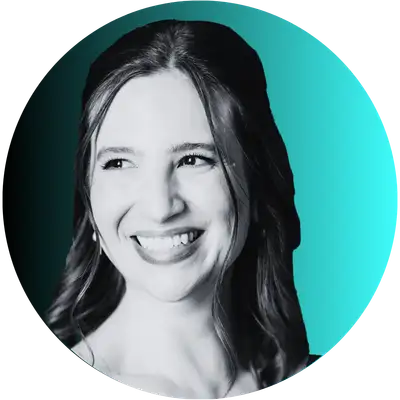
Jacqueline Freedman:Welcome to the Making Sense of Martech podcast where we interview leaders and put them in the hot seat. I'm Jacqueline Freedman, founder of Monarch and global head of advisory for the Martech Weekly. In today's episode, we're talking to one of the leading architects behind the data engine of one of the world's most iconic brands. Meet Linda Cereda, the former global VP of marketing data at Nike. A little bit about her first.
Jacqueline Freedman:So Linda spent over two decades at Nike holding leadership across merchandising, sales, digital, retail, and data strategy, so pretty much everything you can imagine. She was the first GM of the sneakers app, later taking on the VP role where she led Nike's global marketing data function. There, she oversaw the design of next best action models, an enterprise audience framework and global marketing measurement system. Today, she advises brands, speaks globally, and champions a business first approach to AI and Martech transformation. Welcome, and thank you for being here.
Linda Cereda:Thank you so much, Jacqueline. Excited to be here.
Jacqueline Freedman:I'm so excited to have you. So to dive in, first up, we have our rapid fire. So what was the first Martech tool you ever used?
Linda Cereda:Yeah. Now you know how old I am, but it was 2001. I was a a junior brand manager for Raven. Everybody knows the company. My tech stack was composed of Excel, PowerPoint, and Outlook to write agency.
Linda Cereda:That was the time. Oh, wow. That's awesome. Social media before iPhone.
Jacqueline Freedman:That's amazing. I I'm very curious what marketing was like for Ray Ban back
Linda Cereda:in the day. We did the placement, men in black, all these kind of things.
Jacqueline Freedman:Oh, that's so much fun. I'm a need to dive into that at some point as well. Very different today. Yeah. Yeah.
Jacqueline Freedman:What was the earliest moment in your career that made you just fall in love with data?
Linda Cereda:Yeah. I think it was probably, like, a little bit more than years ago. I was leading the city of Fence in Nike, and we were looking at data. Basically, we're looking at framework to identify where to open shops and where to do activation. So we had a framework for mapping the where consumer live, play, and shop.
Linda Cereda:And play can be running or or playing football or whatever. So we had all these dashboard where we map, like, the GPS tracker where people are running, the store location, the, like you know, the the ZIP code where people were shopping online, and then the different, basically, demographic. And we use that to, like, map surgically the city, identify where we should open stores, where we should put, like, a van for a trial of running shoes based on where the consumer went. So was pretty pretty interesting to see the data and then get to the action.
Jacqueline Freedman:Yeah. I love that it was the dashboards were being used as directional signals as they should be as opposed to gospel. It's more like, okay. Where are we seeing the trend that we should investigate further? That's that's awesome.
Linda Cereda:The empty co the empty spot where potentially you see a lot of people running, but there's no store there. You know, there's there versus wherever, you know, the the the street where everybody's there, you might not need to add another point of sense.
Jacqueline Freedman:That's a fantastic data driven approach to really figuring out your retail business because
Linda Cereda:I wish
Jacqueline Freedman:everyone did that. Okay. Speaking of tech, what's one overhyped marketing or tech myth that you wish you could just put to bed, especially in this AI era?
Linda Cereda:Well, it's not that AI, to be honest, what I wanna mention now, but it's basically, I think, the idea that people think when they they buy a CDP, they can automatically do omnichannel. And I think people oftentimes realize, like, you have a CDP, which is your consumer data platform. But even if it's amazing CDP, you still need your product data, the right taxonomy, the metadata for the store, and etcetera, etcetera. So having the CDP doesn't mean you can do your beautiful omnichannel, personalization, hyper personalization. You don't get it with a CDP only.
Linda Cereda:So there's a lot of more data that you need than consumer data.
Jacqueline Freedman:Yeah. And, also, I come to find most people don't even have the same definition of what a CDP actually Yeah. Is. And so half the time when folks ask, I'm like, but what are you defining as a CDP? And then maybe we can have a more informed conversation.
Linda Cereda:Yeah. Yeah. For sure.
Jacqueline Freedman:Alright. So you were talking about omnichannel. What is your favorite channel and why?
Linda Cereda:Yeah. So I think for me, personally, I prefer email. I mean, there's never a time when you get the push notification department when we are ready to engage with the brand to buy. So me, personally, I can flag it. I can, you know, you know, flag it for follow-up if I need.
Linda Cereda:If I think about Nike, depend on the consumer type and, of course, the geography. For example, Korea was big on SMS. But in general, probably speaking, push performed the best. It's also because the the most engaged consumer, the most, you know, the most loyal fan typically want to see push notifications, so it's kind of a bit of a it's not necessarily a a causation. It's more a correlation, especially if push lands you on the right page, not on a broken link.
Linda Cereda:And on a personal
Jacqueline Freedman:deep link that actually works.
Linda Cereda:Exactly. Sometimes it does. And then on an area which is personalized for you. So, you know, I know we are talking about later, but for example, you land on a page, and then the the carousel is personalized based on your affinity. So you are the end to end journey from the push to landing the right spot and a personalized shop for you, you know, ready to to buy.
Jacqueline Freedman:That sounds dreamy and
Linda Cereda:Not easy. Yeah. Not easy to get there. A lot of a lot stuff is easier. Yeah.
Jacqueline Freedman:Hopefully hopefully, it's easier now for folks. I mean, yeah, to that point, like, back in stock notifications for something I actively won. No. These singulars
Linda Cereda:product is out of stock. Like, excuse me. You just sent me that, and the product is
Jacqueline Freedman:What happened to real time? There we go.
Linda Cereda:I know.
Jacqueline Freedman:So what is one feature of AI you wish existed already?
Linda Cereda:Oh, okay. I would say an agent which can safely and securely handle my admin starting from taxes. If I could just throw my taxes into an agent and just let him go to my financial or the sensitive stuff you have, that would be amazing. It's a typically known value added word like, hey, doing. Give me blood pressure.
Linda Cereda:So that would be an error. If there's any any VC, any company that has to start up a company here, I will be the first client.
Jacqueline Freedman:Oof. I have a feeling the accountant lobby will not be a fan of that one.
Linda Cereda:And I'm not sure if I want to give all my data to some kind of
Jacqueline Freedman:That's very true. But to be fair, if you're using an accountant, you kind of already are.
Linda Cereda:Yes.
Jacqueline Freedman:So depends on how you look at it.
Linda Cereda:Yeah. This is a tremendous opportunity.
Jacqueline Freedman:Yes. For sure. Alright. Last question we ask everyone. Who is someone you admire, whether it's professional or personal?
Linda Cereda:Yeah. Honestly, I've been amazingly lucky in Nike. I I work I'd like to work for, like, previous actually, current CEO, CMOs, like, very, you know, very amazing mentor. But I would pick one. His name is DJ Vanamer, He's, he left Nike last year.
Linda Cereda:He retired. He was a former CMO. He's been there thirty two years. What I love about him is that his journey, he started in the mailbox, like, later in the mailbox when he was an athletes, you know, Olympic Olympic athletes. He had to pay for his sports, and then he grew all the way up to become the CMO.
Linda Cereda:Amazing business judgment. He turned around any business attached. Very consumer centric, connect to athletes, and a very fun person to work with and to work for him. So, of course, you click all the boxes. So I think was one of the person I I was the most likely to have worked for a few times in my career.
Jacqueline Freedman:That's amazing. Yeah. A true mailroom to c suite story. It's hard to come by these days.
Linda Cereda:Yeah. Yeah.
Jacqueline Freedman:It's hard to hear that it is possible or it was possible.
Linda Cereda:Yeah.
Jacqueline Freedman:Alright. Shifting gears a bit to set the stage. We're gonna talk about business first and buzzwords last. So let's just go ahead and name the tension up front. Most companies think they're modern, but as you've already put it in previous work I've read of yours and met, they're actually stuck in 2017, and they're just completely pretending like they aren't.
Jacqueline Freedman:So what does it really look like inside of a global org that believes it's modern but hasn't updated its operating system?
Linda Cereda:Yeah. That's a great question. So I think the the way typically I feel when people well, company think are modern is, like, they have expensive tool, expensive tech, fancy dashboard, or AI because now, of course, that's what everybody is trying to piloting. But what I think it's very important to think of is, like, what's the process operating model underneath? And just to make it practical, is most company are still planning 100% by seasons.
Linda Cereda:You know? Seasoning, seasonal. You are organized by channel. You have the email team, the app team, everybody goes in parallel. You have all this side.
Linda Cereda:And I think, you know, if you think about how company works, you look at your twelve weeks calendar. You plan every team is gonna look at the calendar defining which marketing campaign is gonna go when. And then at some point, they meet horizontally, try to connect the dots, make sure that the the touch points are are connected. If you think about what the consumer is moving towards in the future of marketing, it's more about, like, you get contextual data or a prompt. You get some kind of nudging to an action that, you know, we want you to perform as a consumer.
Linda Cereda:You respond, you like, you click, and you get this data back to your CDP or to your whatever data warehouse you have. So it's not anymore about the fund that you have a campaign for awareness, consideration. You've been there, and it's planning a season three months ahead. It's much more about contextual data, nudging. It's more of a perpetual loop than, you know, a planned way of working, which, of course, it's very difficult to operationalize when you have thousand of people and the whole company need to be rewire to basically follow your way of working.
Linda Cereda:So that's a hard work that of course, I don't I don't wanna say that no company would have done it yet also because it's very nascent. But that's what I think about Gentic Commerce, you know, the the way they're more than moving. That's gonna be the future marketing. And then, you know, how to operationalize, I don't think everybody's figured out yet. But to me, that's what
Jacqueline Freedman:There's very few companies who even figured out awareness consideration, you name it. So it's it's gonna be an interesting transition period. I'll just say that. Yeah.
Linda Cereda:Yeah. Very exciting. Yeah. So
Jacqueline Freedman:to that point, how do sometimes tools get in the way of process, and why is that such a trap?
Linda Cereda:Yeah. Honestly, I I think it's a very simple answer. It's a very human one. It's buying a tool feels like you're making progress, and you just signed the deal. You sign a contract.
Linda Cereda:It's faster, and it's less work to sign a contract than to think about, do we have the right workflow? Do we have the right process? Change management. You know? They you know, all these kind of things that are important.
Linda Cereda:It's also, like, honestly, it's easy to blame the vendor if the work doesn't work. It's like, yeah. It's the wrong
Jacqueline Freedman:tool. Yeah.
Linda Cereda:So I think that's that to me is, like, why nature tend to go to the tool. The problem is, of course, assuming that you have the right tool, the tool is a piece of the puzzle. You need to wire the tool into your company workflow, whether it's existing workflow or new workflow. You need to make sure that people can use it, which is go back to, like, change management. So if you go back to what I was mentioning, like, two minutes ago about this new modern marketing, you know, like a perpetual funder.
Linda Cereda:If you put a very sexy AI engine and you throw it on a silo organization, everybody works on a twelve weeks calendar, it's like fitting a square peg into a round hole. So unless you really rewire the tool and the company around it, you're still gonna, you know, not be able to get the value behind the POC and the pilot, which is always easy. And then he's like, how do you go from this pilot to then actually scale it into a company, which is tricky.
Jacqueline Freedman:Yes. It's much more complex. Yeah. And to your point, even the best tools can be implemented incorrectly
Linda Cereda:Yeah.
Jacqueline Freedman:No matter what it is. So, yep, it's very rarely the tool. There are some issues with tools, but very rarely is that the sole issue folks need to deal with. Yep. And I guess in terms of figuring out how to diagnose something like this, like, what are the symptoms leadership might notice but actually just misdiagnosed for something else?
Linda Cereda:Yeah. I think the typical symptom is, like, you know, what you you know, we all read, like, the ninety five percent of project fail, the MIT study. Like, I think, typically, the symptom is, like, you don't feel you get the ROI in the right time. So, like, everything, you know, slower to develop or there's low adoption or, again, the return on investment is not there. That's come to the symptom.
Linda Cereda:And, again, people tend to think, oh, we had the wrong tool. And that's always, like, the default, I think. Of course, I'm generalizing. Yeah. But I think, of course, sometime what are the biggest problem is, are you clear about objective?
Linda Cereda:What were you meant to do with this? Are you having cross functional alignment? It's very rare that the tool is only applicable to a function. Typically, you need tech and marketing and business, etcetera, and and a lot of time, cross functional alignment is hard. I can prove it.
Linda Cereda:Do you have the right data foundation? You can have a beautiful tool, but if the data is garbage, are you expecting your vendor to clean your data, or are you fixing the data and therefore taking twice a long? And the same things, like, are you having the tool and the right processing with the right people? So I think you go back to the same story. But, typically, I think the default is looking at the technology and then forget about everything which is enabling the technology to actually shine.
Jacqueline Freedman:Without a doubt, I think a lot of folks rely on the easy get out of the symptoms when actually just like if you're going to the doctor and you're sick, you wanna understand the root cause. You wanna treat the symptoms, of course. But oftentimes, that's not the problem. Where is the source of the problem? Do you actually have a virus, an infection, a syndrome, a this, a that?
Jacqueline Freedman:And if we don't think about it in the same way for companies and teams and businesses, what's the point? You're just wasting time, resources, and creating headache. And so go from
Linda Cereda:one tool to the other tool. We should change the tool.
Jacqueline Freedman:You know? Well, it just means you're literally lifting and shifting your to a new platform, and you're making a new platform have the same mess. And so to that end, you've been in these trenches, like building these tools, changing the business and the scope based off of the actual symptoms and the root causes. Like, what does it actually take to move a company forward in this direction? Because I think all of us struggle in different ways with
Linda Cereda:Yeah. It's a good question. I actually believe it's a very simple formula. I apply the same whether it was, you know, in the sneakers business, in marketing mix modeling, in transformation. But, typically, there are there's kind of a few thing which are needed.
Linda Cereda:Number one, you need to start from having executive sponsorship and buy in. It seems so like, sometimes it's over you know, it's it's kinda ignored, but change is hard. You need time. You need change management. You need money.
Linda Cereda:And, of course, typically, with the people that give you this is senior leaders. So if you need a budget, you know, you want some make sure that the leadership is there, and you have authentic buy in. And what I mean with authentic is, like, I've seen all the time, like, company where, like, we want to be data driven, and then their CEO and their first leadership team is, like, use and make decision with the gut. So, like, you need to walk the talk. So if you don't have the authentic buy in and people really believe it at the CEO level, you're gonna have all these people running super fast, but it can get very far.
Linda Cereda:The second thing is fed that the work needs to be tied to a priority for the company. So if you're if you see yourself in the one page for the company, what what am I helping for? It's very difficult to get, you know, again, to change. And then the other piece is, like, I typically use a triangle, which I think are common words I already use, but it's tech, processing people. It's kind of this is what you need.
Linda Cereda:So is a tech is again, tech tech means data, technology, process, and, of course, the the workflow and the people. And when you think about, like, the biggest study, the longest study, and research of the last even five to ten years, typically, what people know and see is that 70% of the effort is people and process. 30% of the effort is data and tech. This is I am quoting BCG, but there are honestly pick any consulting company. It's typically the $1 for tech, $2 for the rest.
Linda Cereda:And in reality, people think they're up with it. So you get the tech, and you forget about everything else. So this is kind of the form. And, again, it's executive leadership, business priority, process people tools. I think it works for, like, a gem of a business, a digital transformation, AI, whatever you wanna name it.
Linda Cereda:It's always the same.
Jacqueline Freedman:You're correct. It's it's often overlooked. Sometimes you just gotta go go back back to the basics to make it happen. And so talking about not so basic things, we wanna talk about the tech for something I'm like like me to call the swoosh in the stack. You were the first GM of the Sneakers app.
Jacqueline Freedman:And for those of us who are not sneakerheads, myself included, what is the sneakers app, and why does it matter to Nike in particular?
Linda Cereda:So sneakers app is basically the app which well, you could find, like, high heat product. What I mean with the high heat is, like, Travis Scott, Air Force One, or Off White, and the collaboration supreme. Basically, the product where from a business model, it's a scarcity driven. So you have a lot of demand. You put a limited number of shows.
Linda Cereda:People want it, and the intent from a business is to create a hype for something which is gonna be commercialized, you know, one year later. So that's intent from a business. So when you think about traditionally, people were queuing up in front of a store on Friday night, camping, the police was there, or you pay somebody to queue up for you Sounds like front of
Jacqueline Freedman:Black Friday.
Linda Cereda:Exactly. You have your footlooke or you marched the twenty first in New York, and people are literally queuing up the night before, 9AM, open the door, and then everybody try to grab this, whatever, a few number of shoes. That was a traditional experience still happening, but we basically digitize experience with this sneakers app, which means digitize launch. So we create an app which is different than nike.com and Nike app because that's where they go buy what's available. This is a app for launches.
Linda Cereda:So the idea is that you basically you go in. You you know, the open door is at 7AM. It's our digital door. It opens. Everybody enter a draw.
Linda Cereda:Everybody who cares about the shoes enter a draw, and then you might be one of the lucky ones to get it. So the model is still the same of queuing up, but now you're queuing on a digital line.
Jacqueline Freedman:So that's why doing this. To more folks Yeah.
Linda Cereda:In a
Jacqueline Freedman:lot of ways.
Linda Cereda:Obviously, people can be on a Friday night in New York. When you're in if I was living in AMSA, like, I believe now, I would have very little access to these shoes from
Jacqueline Freedman:Yeah. Exactly. It's more global. And as a result, I imagine scaling was a challenge. How often were these drops happening?
Linda Cereda:Yeah. I mean, the drops is typically weekly as typically Saturday morning, but, of course, not they're not all created equal. There is a very, very, very high heat. There is a medium heat. Think, you mentioned something very true, which is a scaling problem.
Linda Cereda:Like, it's great. You know, as you can imagine, the demand exploded. Before you have the demand is basically how many people can you fit on a curbside on a Friday night in New York. It's a few, let's say, thousand or whatever. They're bad on Saturday morning and enter a drop.
Linda Cereda:So you went from a few hundreds of thousand to the order of millions. And the promise, of course, you know, you create of course, it's good for a company to grow the pie, but we created two problem. One is how do you forecast the product? Because if you have, like, a air force one triple white basic, you know, basic, inline product, you typically look at the history. It's a seasonal.
Linda Cereda:It's kind of you have enough data to understand the demand. When you start to think about a j one, Travis Scott, there is an element of the collaborator. So it's like, are we talking about 100,000 people, 1,000,000? And, clearly, if you miss, you know, three x is a very big problem. And then the second problem is unhappiness, fairness, or whatever you call it because, of course, when you start dropping a few thousand shoes and there is a demand which is in the order of million, then most people get, upsell because they can never get the shoes, and they try every time.
Linda Cereda:So there was actually a social media movement, hashtag I am upset against Nike. People are complaining. Our CEO was getting email on a Saturday morning after lunch. It became a pretty bad situation from a consumer love. And, yeah, again, you know, you want your consumer to be, of course, under seven, not, like, 0.1% of consumer.
Linda Cereda:So this was kind of a big problem that is created from a Yeah. Business and consumer perspective. Yeah.
Jacqueline Freedman:So how did you figure that out for forecasting the demand? Were you using zero party data, or how did you go about reshaping the planning around these drops?
Linda Cereda:Yeah. So that was actually probably my best story when I think about AI and everything. Like, but, basically, the first things that, at the time I was doing is connecting with the machine learning, AI team, and basically ask for help. Like, how can we help with, like, machine learning forecasting? And the first question they ask is what data do we have?
Linda Cereda:And I was like, well, we have, know, behavioral data, collection data, transactional data. So, you know, we have, of course, a lot of members.
Jacqueline Freedman:I'm glad they started with that question for what's worth. Just start
Linda Cereda:from the basics. Sometimes people forget that AI eats data. But, the the problem is that we didn't have enough data from understanding, like, taste profile for, like, music, sports style, which is, of course, when you start to define how hot is a collaborator in Korea versus New York, that's what we need. So what we did, we start to intentionally create the features in the app to gather zero party data. So think about, like, a poll when you, like, scroll and you're like, are you LA Lakers or Chicago board?
Linda Cereda:So these kind of things. The app is a super engaged customer base. So in this, every time you do this, you get thousands of votes. So it's not like, of course, you're trying to sell your, whatever, not gonna mention product and offend people, but, you know, it's a very engaged job.
Jacqueline Freedman:Yeah. Well and it's creating all those microsegments that make your life easier.
Linda Cereda:Exactly. And so that's basically the first time where we started from a forecasting to not use just a traditional data that you have for forecasting, but also, like, days per five, basically, zero party data, first party data. And in that case, we actually reduced the error 44 in the first eighteen months. So if you still make error, you still miss it. You're forecasting very long before the launch.
Linda Cereda:But, you know, of course, if you have the error, it's quite a big impact. And then, actually, we also use the same data for more to identify who should win the launch. Meaning, we all we know that we can sell shoes. The promise of selling is selling to the right member. What I mean right is, like, who are the people who have highest engaged?
Linda Cereda:They really deserve, like, deserve to win, or where we think that they are the biggest
Jacqueline Freedman:Like, lead scoring, behavior scoring Yeah. But to the ultimate degree.
Linda Cereda:Exactly. So, like, for example, you know, based on what we think can be the biggest uplift if you win today. So that's why we use the same data for, like, fairness score, engagement score, or this of, AI and ML model to basically give early access to a certain number of people. So we still have a fair process, but instead of, you know, start of the morning, we just drop it on a few hour before and say, if you go there now, you can get it with higher chance. And then, of course, we could get it.
Linda Cereda:So we got, like, 90% redemption, which is very high, and then we were able to prove an incrementality in demand the ninety days later. So, basically, I mean, like, okay. I'm now happy with Nike finally, I'm but also gonna buy my training gear at nike.com. So that was actually a a good thing to to see with the data again, go back to the data nerdiness of myself.
Jacqueline Freedman:Yeah. I'm intrigued in terms of the drops of the data. Did the supply ever end up increasing in order to meet the demand, or did
Linda Cereda:you keep
Jacqueline Freedman:Yeah. Okay. Yeah. Yeah. Both were being monitored and tracked as opposed to
Linda Cereda:keeping in
Jacqueline Freedman:limited quantities in
Linda Cereda:the same go yeah. Yeah. If you go to a 1,000 people standing up in 10 store to, you know, much more, of course, we had to increase the demand. But we had to convince collaborator to put more shoes in the market, so that's why even data is important to show, like you know, we are not just say put 3,000 shoes. There's a, you know, a model behind it.
Jacqueline Freedman:Brought to you by our sponsors. If there's one theme that's followed me at every stop of my Martech career, it's trying to get good data into the hands of marketers. That's why I'm so excited to tell you about our sponsor, Hightouch, the leading composable CDP and AI decisioning platform. Companies like Domino's, Chime, Aritzia, and PetSmart trust HITUCH to power their data. And here's the kicker.
Jacqueline Freedman:90% of customers have a real use case live in production within their first week. That means you can implement a world class CDP in months rather than the usual years long headache. That's why top brands choose HITUCH to personalize every customer interaction at scale. See what HiTouch can do for you at hightouch.com/msom. And now back to the hot seat.
Jacqueline Freedman:Wow. Okay. And you kind of alluded to some machine learning components. I'm curious what that meant. How many data science models were you using?
Jacqueline Freedman:Was it just for this? Like, what was your blueprint to make this happen? Because I think this is the dream, and so few marketers actually get the opportunity to be in partnership data and product and engineering to build this.
Linda Cereda:Yeah. So that time we have, like, different team was still a bit fragmented. It was a team for demand supply and a team for and from the fairness. But the way they count their role when I brought it together was my last role when I was leading data for marketing. So maybe I'm gonna talk about that.
Linda Cereda:It's a bit more structured than ten years before. I learn in between. But basically
Jacqueline Freedman:Your data eventually has to get structured, so it makes total sense.
Linda Cereda:I know. Like, finally, I have my blueprint. Yeah. So I think we go by the first things that we did when in marketing is start to like, what's the business goal? In that case, for example, when we we we start to roll out MMA, marketing mix modeling, and we realized that the majority of the incrementality was paid, and all media was really was not contributing basic enough considering the richness of data we have.
Linda Cereda:So, like, how come we have all this zero, first, second part of the data, and we still don't get enough value out of comms and the personalization? So that was kind of the problem that we started from. And then we started to rank, like, actions based on LTV. So when I think action is shopping omnichannel, so, basically, we we identify a serial action consumer would take, and we start to pick the highest value action to the lowest. So, typically, in the highest, you have shopping omnichannel, it's a very high value action.
Linda Cereda:Shopping across dimension, you go from footwear to a product. And then, of course, in the lower, you have, like, product delay, defect, whatever. So we have this ranking, and we use these insights to identify what are the behavior we wanna nudge. So for example, if omnichannel is at the top, we want to define a way to have that as our next best option. So that was kind of the insights and the business problem.
Linda Cereda:And then we have a kind of a framework. I you know, I started my career as consultant, so I love framework. I have all my triangle or whatever. But in this case, it was the five r's of marketing, which is everybody has it, so it's nothing proprietary. But, basically, we start to define, the model to nudge Nespresso's action against right audience, right benefit, right time, right channel, and right content.
Linda Cereda:So we develop model family against this. And then, of course, eventually, you want them to connect so that if you have trigger, you have it in the right audience, but you also have it at the right time, in the right channel, channel, etcetera. So we basically start developing model against this, and the whole idea was basically to personalize email to our you know, the best we could. And the same thing, personalize your carousel, your experience so that, you know, your product affinity is ranking your carousel if you're shopping on ike.com.
Jacqueline Freedman:That sounds very intense. And how many models did you create in total?
Linda Cereda:Yeah. We have almost 60. Like, was I a lot? The reality is that I also I have to admit, like, we went on verticals. Today, now if you look at much more if you look at this decisioning engine, they are much more powerful.
Linda Cereda:They they can do multivariate testing out. So, again, I don't think necessarily the more, the better. So we just have a lot because, you know, and other people, other team. So if I start today, maybe I would have more, like, different approach. But, yeah, definitely, we didn't we didn't have a lack of science and model.
Linda Cereda:The execution, of course, was the tricky part.
Jacqueline Freedman:Yeah. Of course. And now I wanna get extra nerdy. What was Nike's Martech Sack?
Linda Cereda:Yes. So I am talking about Mordea where I I'm manage, which is the personalization life cycle. So we add the Adobe CDP for customer data platform. We add Adobe JOS, general orchestration, for trigger comms. We had Adobe Target for personalization on the Nike app, nike.com, and then the customer general analytics from Adobe CJA for, basically, the analytics piece.
Linda Cereda:Interesting enough, we were supposed to have one CDP also for paid, so paid and on, of course, on the same CDP, which made total sense. Seems natural. Yeah. Yep. Seems like kind of logic.
Linda Cereda:However, when I left, we are still in the migration. We were not ready to just, you know, give the key to Adobe for paid. So you can imagine there were some inefficiency in suppression logic, identity resolution. So Yeah. Of course.
Linda Cereda:Not perfect there, but the the vision is what once ADP, of course, a plus paid on. And then Adobe was basically a full tech stack, which, again, if I had to look back, probably not what I would, but we can talk about that.
Jacqueline Freedman:Any time I I hear Adobe being the in general, but also the full tech stack, I I pause and apologize on behalf of anyone who has to deal with it. So I think it was pretty well known, but Nike made a huge investment in Adobe in 2020. Like, what was the purpose of moving and transitioning everything over? What was it trying to solve, and what did the deal look like from the inside? Because I imagine there were some golf games and beers for certain folks along the ride.
Linda Cereda:Yeah. Well, I was not part of these golf games for sure. But, yeah, I think I mean, if you look at the the priority business, one of the priority at the time, Nike was heavily investing in DTC, Nike direct. And one of the company priority was no one serve the member, you know, in a personal way at scale. So, of course, if you can imagine, we added at some point six CDPs.
Linda Cereda:So you can imagine that with some My
Jacqueline Freedman:brain, like, hurts thinking and they were all different brand, different
Linda Cereda:Yeah. It's like I mean, you can imagine that it's a thousand of people. It's different. Yeah.
Jacqueline Freedman:Different teams. Of course. Silos.
Linda Cereda:Yeah.
Jacqueline Freedman:Somebody knows. Thinking about, like, the procurement and negotiation, like, contractual obligations and problems there, but that is a that's a different conversation.
Linda Cereda:I wouldn't say they were all used. I wasn't there, so I don't even know if you are all used, but I remember I did talk to people say we are. CDPs. And as you can imagine, it's very difficult to drive personalization scale if you start with the so many silos. So there was a you know, the great intent is we're gonna bring to one CDP, which makes logical sense.
Linda Cereda:And there with there, we kind of got, like, okay. You have one CDP. It seems logical at the time to have, oh, you just have one tool can does everything. So you start from the data, then you use it for the trigger. So, logically, especially for people that are not in the detail, it's like, well, it makes sense.
Linda Cereda:We just go end to end so it's easy to enter it. We deprecate, you know, quite a few other tools that we used to have before in favor of one tech stack end to end, which, again, it can have some pros. It also has some some cons, of course.
Jacqueline Freedman:Definitely, I prefer something I can modularize and plug and play as things evolve and platforms get better. But, yeah, I I get it. And I guess if we're to kind of take a step back, hindsight twenty twenty, what questions should a CMO or CTO ask before they sign anything?
Linda Cereda:Oh, I love this question. I could do the whole podcast. Yeah. But
Jacqueline Freedman:I could too.
Linda Cereda:I have a lot I have a checklist that I try to prioritize. I'm not great in prioritizing because I'm like, oh, everything is important. But I think, like, first of all, it might be done, but, like, is this tied to a business priority? Because sometimes, especially in AI, I feel people need to check the box. Like, oh, we need to have AI on something.
Linda Cereda:Like, is it really what you need today, or is AI the right tool? The second thing is the consideration about build versus buy, which I think it's it's an area where, you know, for example, in Nike, we actually have the tendency to do things in house, which, again, for a company, which is not tech native is something, I I would tend to lean towards the safer choice of buying. But I think to me, like, when I think about build versus buy, typically, the question is, is the product you're trying to build or buy close to your competitive edge? Like, think about inventory manager for Amazon. That's probably you don't wanna buy because that's our core.
Linda Cereda:Do we truly have the skills and the people not just to buy, but to maintain and to keep it fresh and modern? Because it's easy to build once, and then in the meantime, the consumer evolved, they were the one are still there with that original machine. Do you know the cost of building versus buy? And then is it building help you to learn faster? So to me, like, these are probably the key question.
Linda Cereda:You know, if you say no to a few of them or at least that compare advantage, typically, I would tend to think that, you know, buying is a safer choice. Even when you look at research, like, I'm I'm just go back to the same the MIT study for August 25. It was only 60 companies. It was not extremely broad, but they say there was two two times more likely to deploy a tool from a vendor than to build it in house. Of course, if you are a digitally native company, a company like you know, if you think about booking.com and Amazon, this company have hundreds of engineer.
Linda Cereda:They are really tech savvy, so that's different consideration. But if you think about most brand retailer, probably their core competitive advantage is not the tech. At least I can speak on my experience. So let's assume, you know, buy and build. When you think about the buy, the third element, which well, that's the previous question is avoid vendor lock in.
Linda Cereda:And I think that's, to me, it's a problem we and, like, when, you know, I hear people like, well, maybe you should consider a composable CDP. I'm like, oh, I know about you know, we spent three years rolling out our end to end stack, and you move train thousand of people. I'm like, ugh. Before you go back and change the tool, it takes so much. The honestly, it's not worthy.
Jacqueline Freedman:Well and also, if we're talking about legacy platforms, yeah, it does take three years. Yeah. Newer ones, thankfully, sometimes take fewer just because they're actually more plug and play. It's simpler. But, yep, it's I feel like this is just, like, the the highlight of how folks don't think about vendors and tools and buying tools.
Jacqueline Freedman:There's a lot of critical thinking that needs to be part of the process in order to avoid lock in, just getting stuck in the suite, and no one wants to be stuck in any suite.
Linda Cereda:Yep. And then I think to continue the checklist, I told you it a long one. The other thing, it's, like, understanding, like, are you able to operationalize a tool? And what I mean is, like, does it tie to the rest of the workflow? Do you have the right people to use it, or do we need to upscale or have new people?
Linda Cereda:Do you have the right process? Or you need to redesign their processes, and therefore, you need to put work into it. The other piece, which is honestly I've I left I felt it in my life, not just on the tech Martech, but in other product, is, like, easy pricing scaling with you. Because sometime, like, the pricing like, you want the tool with gross with you, but not that they keep growing the cost. Otherwise, it's like Yes.
Linda Cereda:It's a problem. And sometimes, like, well, you want to hopefully, I have tool that everybody want to use, so you don't need to have a tool at some point. You just start cutting rows of data because you want to bring data in. So that's another thing that we just like. And the same for talking about cost is a hidden integration cost.
Linda Cereda:And, again, if I go back to this big implementation, you may buy the license, but you forget about the thousand dollar for the consultant to implement it. Exactly. People License.
Jacqueline Freedman:Always forget about that.
Linda Cereda:Yeah. So we talk about the cost. And then last but not least, this is more for AI specifically, but I sometime I get I get crazy when I see tools that you basically paid expensive money for, which are effectively a UI on top of ChargebeeT or a wrapper on Gemini. So I'm like, if you're buying a tool, make sure you know what is proprietary, what is an IP versus what's a cute UI on something that should be free or almost free. And, unfortunately, I think the the literacy is not there.
Linda Cereda:So a lot people, like, they look at the demos, like, oh, it's amazing. And I'm like, are you ever look at? It's pretty much the same.
Jacqueline Freedman:Yes. Nothing kills me more than all of these rapper companies because they're gonna go away. Like, let's be honest. Very few are going to survive, not just because of the cost, but because
Linda Cereda:People are gonna figure out. Like
Jacqueline Freedman:Yeah. I I don't know how folks haven't figured it out in so many regards, but to you know, Here we go capitalism.
Linda Cereda:Yeah. To to the idea, same thing we talked about before, but that's a a perfect example where I would never have a long term contract because, I mean, as much as you can. Exactly. You can see every three weeks something happen here or even less. So, like, you don't wanna lock yourself, and then you're like, well, in the meantime, you feel like ten years behind where, you know, it's only one year old to work.
Jacqueline Freedman:Yeah. And, traditionally, you know, like, you do a three year lock in so you get a good price. But if anything, that's actually disadvantageous at this point. Yeah. Puts you already in the in the back burner both from a tech forward perspective, but I really think about tech in it.
Jacqueline Freedman:It sounds very rudimentary, but at least in The States. In terms of some of our inefficiencies around, like, upgrading infrastructure and roads, By the time certain things are updated, it's already two years after the fact just because of the time, the bureaucracy, and the actual execution because you have to be mindful of construction zones and people actually have to commute and those types of things. By the time it's done, it's already behind. And so I often think folks forget that's part of the migration implementation process too. It's like, you're going to be behind by the time it's done
Linda Cereda:Yeah.
Jacqueline Freedman:Unless you rapid fire are able to get through something, but it's hard to do that. And it takes good clean data and well resourced, well organized, all the ideal state standards and and situations, and those are very rarely the reality.
Linda Cereda:Yeah.
Jacqueline Freedman:So if you had to do it all again, what would you strip away or start differently with this whole project?
Linda Cereda:Yeah. I love the question. So then I'm like, I wish I could start today. So I would say the first things that that I would do is make sure that when we sign a deal or decide a vendor, you involve the marketing team and not just the CMO. And I think what happened in this case, especially this big app, typically get very top down.
Linda Cereda:They're done by a senior leader, knowing senior leader. And, you know, there's nothing wrong. Of course, they are experienced people, but sometime they don't know the detail about, you know, the question we talked about before the checklist. Like, does it connect? What did it say?
Linda Cereda:Typically, these are not questions that a CEO or CMO can answer because, obviously, it's not their job. And then the other piece is not just the level of engagement at a kind of a more level, but also, like, marketing and tech. Then in our case, for example, the deal was primarily you know, was was top down, but was also led the beginning of the presentation was fully led by tech. Then they created my role quite later. So, of course, you realize how many thing we would have done different, but, you know, it's very important.
Linda Cereda:Tech is fundamental, the team, and market is fundamental. So, like, the two of them need to be together, marketing to set use case, what do we need for, and then tech is gonna keep you sane and say, this is the best technology, and this is the best tool.
Jacqueline Freedman:It's as if Martech is very important.
Linda Cereda:Yeah. It's a we need marketing and tech, which is logical.
Jacqueline Freedman:Yeah. You need someone with the expertise in both to be able to just make it all make sense.
Linda Cereda:Exactly. You don't want marketing team to go too deep into the tech because, obviously, that's not their job. Anyone on the tech team to think only the tech without thinking about use case. So that's probably the first things. And then if I think about CDP specifically, what, one of the mistake we did by getting engaged quite late is that, you know, start from the use cases and not starting from the data migration.
Linda Cereda:And what we mean with that is, like, let's assume I mean, there are the six CDP we're talking about. Maybe there are three by them. But what we did is, okay. These are all the data we have. Now we need to bring this data into Adobe instead of saying, no.
Linda Cereda:Let's stop for a second. Think about what we need today, and what data do we need to power these use case. Because what we did, we spent all this time ingest all the data that that were available before, and then we realized that we only used 30% because the rest was probably data that we used once, two years before in some kind of CDP. And then we actually missed data that we needed. So if you would have done different, it would start from, you know, whatever your omnichannel journey you need.
Linda Cereda:And then from there, you start from the data you need, and then you start ingesting the data and cleansing, etcetera. So we did kind of a bit on the other order. And then, of course, this is assuming we go back to the same tool. If I had to start and and I have a white piece of paper, there are two things which are making me very excited. One, you talked about before, but I would have a composable CDP.
Linda Cereda:Because, of course, beside the fact that it's cheaper, it's faster, but it's also much easier when you think about the integration between your consumer data, your transactional, your product, third party data. It's much easier to add it to a CDP where you don't copy the data into a vendor. And you basically
Jacqueline Freedman:never really know the latency.
Linda Cereda:Yeah. And there's
Jacqueline Freedman:a lot of problems potentially there.
Linda Cereda:Yeah. You have to copy the data into the vendor environment and feed their data scheme of the vendor, and then you want to connect that with the rest of the data. It's honestly, the engineering work is so high that you you never do it. And then the other piece, which I'm very excited about, it's AI decisioning and enforced learning, however we wanna call it. Now I think AI decisions are kind of the the the names, but, you know, the engine, like, high touch, offer fit, etcetera.
Linda Cereda:The way I've been experiencing life cycle marketing is you build a journey, you AB test, you wait thirteen weeks, hopefully, somebody measure for you, then you you'd define that version a is better than b. You scale it for everybody. You go to the next one. That's the way we did it, which, I mean, we're driving
Jacqueline Freedman:Very time based. Very use case based.
Linda Cereda:Yeah. Exactly. Which is honestly, that that's what I mean, the 2022 playbook. Like, we did it, we create value. But today, what you can do is instead is say, okay.
Linda Cereda:What is the outcome I want to achieve? Let's say I want to increase churn reactivation. That's my outcome. What are the guardrails I give to the machine? It's content a, b, c.
Linda Cereda:It's time 8AM, 12PM, 9PM, and it's push an email. And then you let the machine pick the best combination for Jacqueline and the best combination for Linda, which is not the same as they take the 80% which one, and you scale it to everybody. So this is more personal. And, of course, you don't need all these laborious work. So It
Jacqueline Freedman:sounds like real personalization in real time. Interesting.
Linda Cereda:Yeah. Like the sound of it. Yeah. I wish I would actually have tested it. The reality is that if you go back to the conversation of a few question ago, is that this is a typical example of what what's the workflow now?
Linda Cereda:Because you can't put this fancy or enforced learning into a company which operates by season and by channel because by definition, the engine is channel agnostic. So that's a point of, like, are you willing to actually reset your process, or you just want to have a pilot and stay in pilot phase?
Jacqueline Freedman:Very much so. Speaking of kind of this question, but thinking at it from a larger industry component. Like, Nike has seasonal planning processes, which are much longer than a year. Could AI even make a dent unless that time cycle and that prep cycle changes?
Linda Cereda:Yeah. I know. We have a and we I used to talk about we, but it it's a very long process. You typically leave four to six season at the same time. The reality, by the way, without sharing confidential information.
Linda Cereda:But, typically, the reason why it's so long is because product innovation takes time. It's not the same as creating, you know, Azara T shirt or a fast fashion. So that's the reason. However, I would say, for sure, there is way to shrink the process. So, you know, the process is there, but also there are inefficiency or at least the reality of how the work gets done.
Linda Cereda:So one area, for example, which I I have actually done work with other company, but it's a synthetic persona. It's like, instead of, like, you have a research, you do a focus group, you, you know, you you get insights, and you wait for the insight. That's an area where, you know, a company like Nike, but many company, where you have enough datasets to build synthetic persona, you can start using this one to basically, like, you know, test, do research, or even, like, simulate a launch before the launch is live. Like, what could be the price? What would be the best campaign?
Linda Cereda:And I've seen company done it quite well if, of course, the the tool is right and the data there. Typically, you can get to, like, 80 to 90% overlap between the human and the personas. Wow. What I would say is that, of course, synthetic persona cannot help you to develop the new innovation breakthrough for 2028. Typically, it's like, this is a it's the same as a true campaign, which may give you goosebumps.
Linda Cereda:It's not generated by AI, but, you know, most of the cases for product is, like, the color, the string. Like so it's not that you need necessarily, like, a breakthrough innovation for any product that Nike launches or a company. The other area, which is and we can save a lot with AI is, like, for example, all these digital suite twins, AI simulation, where instead of, like, you create a product in a factory, you can see the sample. There's a lot of these, you know, back and forth between the design and the factory. That's where, you know, technology can help you.
Linda Cereda:In all fairness, Nike did already you know, ten years ago, we tried to do, like you know, we we did three d rendering for for samples. So we were already starting there, but now, of course, the technology is 10x better. Of course, content creation. So, again, I just mentioned, but, you know, the the goosebumps campaign typically doesn't come up with a prompt for an AI or mid journey or whatever. But, you know, there's a lot of, like, PDP, content variation, translation.
Linda Cereda:That's of course, you can shrink the time. And then the other piece is, like, analytics. Of course, I've been work with analytics all the time. I love that work. But the traditional way is that you ask a question, you wait for the analyst, you get the deck, and now you can ask the question to the data.
Linda Cereda:If you have the data there, you can ask in English a data to your dataset. And I think that's what you can imagine instead of the 100 plus, you can, you know, strip out time. Of course, it's not gonna be the fast fashion, but you can definitely compress and be closer to market, which, of course, minimize the risk or minimize reduce the risk or, you know, missing the product trend.
Jacqueline Freedman:Yeah. It sounds almost as if you can become leaner while keeping the same advancement in terms of seasonal planning, but you're able to do it more efficiently and maybe more comprehensively even.
Linda Cereda:Yeah. Yeah. No. Exactly. Because even if you think about research, are we you know, focus group, how many people can you have?
Linda Cereda:Research of people. You know, at best, you have, you know, let's say, even, like, a survey is, like, 1,000 people. You can you know, synthetic data by definition is creating millions of datasets. So it's not even given that, you know, it's worse than having a human. That idea where you want to speak, we need to talk about emotional intelligence, innovation that is true breakthrough.
Linda Cereda:Yeah. You want to speak probably a human, but a lot of the use cases are not those, are probably use cases where, you know, your synthetic, Jacqueline can help.
Jacqueline Freedman:I understand. I mean, I've been a fan of Nike's personalization and customization efforts ever since Real ID existed in that been a very long time. They've been very cutting edge in what is possible. And so I hear you on the need for seasonality to be so far ahead from just, like, a technology product development, but I can only imagine what the innovative thinking is on the inside to develop even more in terms of tech and things along those lines. And in your work, now that you are really, like, doing keynotes, you're doing a lot of different things, you've been very blunt about how AI consulting as an ecosystem is just full of 3,000,000 consultants, and most of them don't understand what you're doing.
Jacqueline Freedman:One, as a former consultant, I wanna know more. And two, what is your biggest red flag?
Linda Cereda:Yeah. I mean, I don't wanna be negative. Of course, a lot of amazing people I follow and I learn from a lot of people. But I would say, I think, to me, the biggest red flag is when the conversation starts and ends with the tool. Like, I get you know, sometimes you see all these your LinkedIn posts like, oh, you can get this amazing prompt, and you can generate $100 in a year by automatic making an automatic, whatever, generation of post or whatever.
Linda Cereda:I think to me, it's more like the tools and the short term efficiency gain. I'm like, everybody try to get there, and I think it's very limited in the outcome you can have. I think the the idea that you can have the master key that work for everybody, it's, you know, like, this magic prompt. I don't think it's never works. So I think, typically, we stay away when the conversation is on the tool without thinking about the business relevance, the data foundation, the process to go back to, like, the framework we talked about before.
Linda Cereda:But, yeah, so I think this is probably to me the the biggest way I would say. I love to have somebody which can help transform, which is the hard work.
Jacqueline Freedman:That is the hard work. Because it's to your point, it's that change management. It is the actual structuring of data and use cases and making it make sense. It's very difficult to do. And I guess last but not least, like, what is your take on how marketing leaders should think about transformation today, and what matters most?
Jacqueline Freedman:We've we've been talking about this in all different capacities, but I'm curious if there's really a takeaway here that you think would make the most sense for folks.
Linda Cereda:The first thing I would say is, like, are we talking about transformation or automation? And I think that's a fundamental difference. Doesn't mean the automation is unimportant, but the thing to me is, like, automation is you look at the current work, and you start from the work, and you say, how can I make my work faster and cheaper? That's automation. And then, of course, you can save money.
Linda Cereda:It's great. I'm not saying you shouldn't do that. Transformation is quite different. Instead of looking at this is the work, you look at what's the outcome I wanna get, what's gonna change in the world, what's not gonna change. You take a future back approach.
Linda Cereda:You say, what do I need to get there? The difference between the two is that automation, it's give you short term gains, but, typically, this to me, they become table stake. So think about, you know, everybody's gonna have, you know, whatever, mid journey version 17 to do something. Everybody's gonna have a tool to generate videos. So that's an area where everybody's gonna get faster.
Linda Cereda:Nobody's gonna win if everybody is taking a lot of Versus transformation is really think about what are they you know, how the consumer is changing. How can I be ready together? So it's exactly what we talked about before, agent ecommerce, search change you know, the generative engine optimization, for example. And this is to me is where if the company can can start there and get the first mover advantage, can have long term, you know, competitive advantage. The second thing, which is an important metaphor I I use all the time, is that when you think about transformation, think about FedDebt.
Linda Cereda:The highest ROI not driven by the best tool. The highest ROI is having the tool which is appropriate for what you need, but need to be wired into your process and the people.
Jacqueline Freedman:Louder for those in the back.
Linda Cereda:I use the analogy of a car. Like, okay. What's the use case? I need to drive the kids to school. Okay.
Linda Cereda:Do you need a Cincocento? Do you need a Ferrari? Probably, you don't need a Ferrari. The Cincocento is enough. I'm Italian, so I'm
Jacqueline Freedman:Now I wanna know what a Cincocento looks like.
Linda Cereda:It's a very mini minicar, which is probably was invented five and over years ago. They still do it now, new. But it's a cheap the very cheap class. But then, of course, you can have the car. That's a tool.
Linda Cereda:But then do you have the fuel, which is the it's basically your data foundation? Do you have the right trucks, which is your process? Do you have a pilot and a driver, which is your people? And do you have a driving license, permission, comply, and GDPR? So to me, sometimes, it's like, let's buy the car.
Linda Cereda:You get a Ferrari with no driver and no fuel. I'm like, where do you wanna go? So I think that's the easiest analogy. And then to go back to the same point, and I think a closing point here is when you think about the triangle process people tool we talked about before, the speed of deployment is driven by the lowest common denominator. And what I mean with that is that, you know, go back to the Nike example.
Linda Cereda:You can have a tool which amazingly can you know, they can create content in a video amazing video in three days instead of four weeks. If your process is still one hundred plus weeks long, unless you shrink the process, you're still gonna take one hundred plus weeks. So, again, go back to the thing about when you look at the three things. Do you have the right people? If people are not skilled, it takes you one year to skill the people.
Linda Cereda:You're still gonna wait for one year before you get ROI. So people think that you get the tool, you get the ROI. You need to think about the other pieces.
Jacqueline Freedman:I adore that metaphor because it's such a perfect encapsulation of the entire process. Both are you thinking about the right thing, but also the actual mechanics literally behind it. And, also, do you have the person who can fix the car when things are broken?
Linda Cereda:Yeah. Yeah. I can expand the metaphor. Yeah.
Jacqueline Freedman:Yeah. It's a it's a excellent metaphor. I really appreciate it. And I think it's probably one of the best ways to just describe this entire process. And so the there's a couple takeaways I have from our conversation.
Jacqueline Freedman:So one is audit your people and workflows, not just your tech. Because making sure the tools you buy match your real operating model and your data, your real needs actually matters more. Also, solve the business problem, not a buzzword. So pick your clear challenge, whether it's just one thing and design your data and Martech approach around it. If you're not fully unified and also particularly from the executive level, then you're not gonna get there in at least one piece maybe.
Jacqueline Freedman:And then lastly, embedding measurement into your planning rhythm. Like, don't make it an afterthought. It needs to be the decisioning engine you're using. So make measurement part of the operating system, not a feature. And so with that, we have one last question we ask everyone.
Jacqueline Freedman:Who is someone we should have on the podcast?
Linda Cereda:Yeah. Actually, I have one. Allison Lindla. Actually, I think her married name is Allison Albert Lindland Lindla. She's currently the CMO of Personatics.
Linda Cereda:She's a cognitive, banking company, but she was, until three months ago, the CMO of Movable Ink. She's one of the first employer there, so she's been there over a decade. So she did from account manager and marketing strategy. So she has a very rounded experience, and she actually started many years ago in Amex. So she has industry.
Linda Cereda:She has banking. She has tech kind of vendor, many function, and she's amazing. She's actually a friend of mine. We studied together in business school. So
Jacqueline Freedman:Oh, fun. That's awesome. Well, would love an introduction. And with that, Linda, thank you so much for coming on the show. Where can folks find you?
Linda Cereda:Yeah. I think LinkedIn is probably the best way. There is Linda Cereda real account, which is the one which has a bit more connection than three, which is the other one.
Jacqueline Freedman:Understood. Well, thank you so much.
Linda Cereda:Thank you so much. It was super fun.