Subscribe
Share
Share
Embed
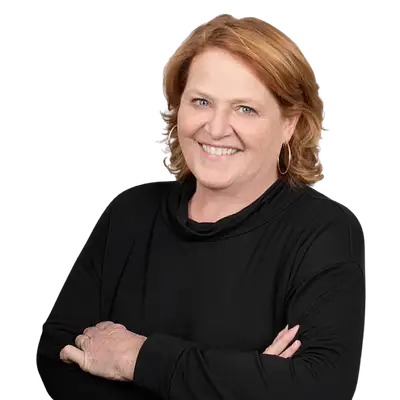
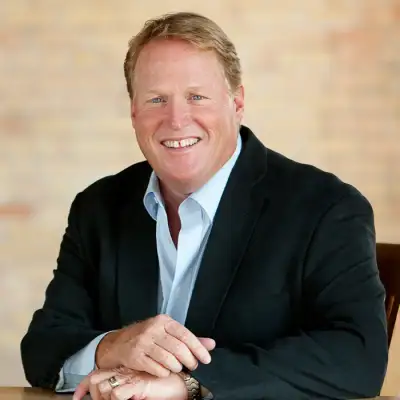
Former U.S. Senator Heidi Heitkamp and her brother, KFGO radio talk show host Joel Heitkamp, engage in animated discussions with newsmakers, elected leaders, and policymakers who are creating new opportunities for rural Americans and finding practical solutions to their challenges. Punctuated with entertaining conversations and a healthy dose of sibling rivalry, The Hot Dish, from the One Country Project, is informative, enlightening, and downright fun.
Heidi (00:04)
Welcome back to The Hot Dish. I'm Heidi Heitkamp and this is Comfort Food for Rural America.
Joel (00:09)
And I'm Joel Highcamp-Heidi. We've got a great guest with us today, Scott McFarland. He's a seasoned journalist, you know, worked for CBS, worked for NBC, and recently he's working for Midas Touch ⁓ as their chief Washington correspondent. Scott, thanks for joining us
Scott MacFarlane (00:27)
Joel, Senator, to be here.
Heidi (00:29)
I am very excited that you're here because not only, mean, everybody kind of knows the work that you're doing now, Scott, but I watched you really carefully provide all the facts during the last four years of the Biden administration as we saw more and more litigation playing out. I guess my first question would be, you've been covering the kind of corruption and charges and criminal action, especially related to this president.
What's different now between the four years in Biden and the year and a half that you've been now covering ⁓ the courts?
Scott MacFarlane (01:08)
There's nobody on my radar who is declaratively saying Trump is wrong among the Republican conference in the House or the Senate. You get a little bit of an edge from retiring members of Congress, know, Don Bacon of Nebraska, Tom Tillis of North Carolina, but they're retiring. Let's put them aside for a moment, Senator. The Republican conference is just more quiet about Trump. They don't echo his 2020 election lies anymore.
Not much of it. They don't echo his lies about January 6th at all anymore. They choose to not talk about those things. And though they're carrying the president's water on the war and they're carrying the president's water that yes, they say gas prices will go down quickly. You don't hear them triumphantly championing the Trump agenda because it's either less than clear to them what that agenda is right now. But also they recognize they got a tough, tough time coming in November. Those bottom
level basement level poll numbers are kryptonite in places like Pennsylvania, Ohio, Michigan, Iowa, where there are a whole pile of competitive races in a country that has very few of them.
Joel (02:17)
Scott, you say that and I see the same thing. You know, they've gone quiet on my radio show. Some of the more traditional calls that I would get in defending him. They don't want to talk about it. ⁓ That being said, it seems as though ⁓ the one question that I can ask that's being asked nationally that'll put them in a little bit of a box is whether or not they believe that Donald Trump lost ⁓ the last election.
not the last election, but lost to Joe Biden. And I see Democrats asking that more and more as a reference of other candidates across the country ⁓ in some of these close races. I don't know if you're seeing that.
Scott MacFarlane (03:00)
So far, and I emphasize Joel so far, in the first 15 months of this second Trump term, there have been 44 judicial nominees for lifetime appointments to the court who've been asked about the 2020 election. Zero of the 44 have declaratively said, yeah, President Biden won the election. All 44 have hemmed and hawed and given mushy answers, the likes of which the three of us have heard a bunch, know. Biden was certified the winner of the election, which is not.
the same as just saying, yeah, he won. And I think Democrats have taken this moment as the election approaches and as these appointees come before them to raise the profile of the fact that you're giving lifetime appointments to people who can't admit basic fact, verifiable certifiable fact. These are judges who are going to be asked to look at facts of cases and render decisions that change people's lives. And they can't acknowledge this baseline fact.
I think that's troubling, but I also think it speaks to what's coming. mean, the Democrats are increasingly bullish on their prospects of winning the US House and they're talking openly now about winning the US Senate. They get control of the US Senate, these judicial nominees are going to have to change their tune. Some may never get confirmed at all.
Heidi (04:15)
It'll grind to a halt, that's for sure. ⁓ You know, I thought it was interesting because Chuck Grassley was caught in a hot mic moment, leaning over and asking his staff person, what would be wrong with saying Biden won the election? ⁓ Chuck, you know, why don't you say that out loud to everybody else? And the reality is that they're still speaking to an audience of one, not an audience of the United States Senate that is gonna...
you know, judge their veracity. But how does these nominees that you've watched, Scott, and you're really particularly known for watching the courts, how does that change, I mean, how does that change the opportunity for the courts to ⁓ basically be part of that rule of law, checks and balances that we've expected the courts to be part of for a long time?
Scott MacFarlane (05:10)
I think this feeds into this ugly, increasingly relevant theory that there are red judges and blue judges wearing uniforms, which is so dangerous to our democracy and so dangerous to the separation of powers and really undermines trust in the justice system. But if you have a set of 44 judicial nominees who won't admit basic fact because they're worried or they are somewhat mindful of frustrating the president, a red Jersey president,
Heidi (05:21)
Mm-hmm.
Scott MacFarlane (05:39)
doesn't, it's only going to further cannibalize trust in the courts. And I heard a congressman from Texas, you you're familiar with him, but he's the most ardent Trump ally on the Hill, which is saying something, Troy Nels of Texas, he's retiring, told me last week that there's no way a Republican can get a fair jury in Washington, DC or New York. It was in the context of I think of a prosecution of James Comey or Jerome Powell or something like that.
And if he's saying out loud, you can't get a fair jury if you're a Republican in Washington, DC. I don't think you have a proper appreciation for how the jury system works in America. I think you totally are misreading that, but you're also spreading a cancerous lie about what juries and judges and what fairness is in the judicial system. This only further erodes confidence.
Joel (06:28)
So Scott, when you look at that ⁓ as an indicator and you look at the tough road to whole, as you know, Heidi pointed out the Senate flips, it doesn't flip unless some of these key wins. It really doesn't. The hot dish is, ⁓ you know, aimed at rural America and to bring rural America to life and make sure people know about it. Some of these rural states are states that, you know, people are pointing to.
where there might even be a shot. Iowa, for example. Have you done any research on that,
Scott MacFarlane (07:02)
rural America is going to decide who controls the Senate and rural America will decide if Trump gets another appointee to the Supreme Court. It's pretty much that simple. Iowa is not getting enough attention from the national political media. Now I hear that from the local political media in Iowa and the local representatives there saying you got to keep an eye on us. We're the show this year because it's not just a US Senate seat and potentially two competitive US House seats, but it's the governorship. It's it's top to bottom soup to nuts in Iowa.
And ⁓ so much of this uncertainty is fueled by diesel and fertilizer costs. ⁓ Ohio has incredibly broad rural stretches in its Northwest and blue collar stretches in its Southeast corners. That's where Sherrod Brown thinks he can make inroads. And Senator, you worked with him. You know what Sherrod Brown is like. You know that he has a distinctive way of speaking to people who would otherwise be Trump voters. And he has this capacity to bring Ohio back into the world of, I'm sorry, swing state.
In the other Senate races, you have to be mindful of an expanding playing field. There's talk about Mississippi, there's talk about Florida, there's talk about Texas, and that may be fanciful for now, but Alaska, Iowa, Ohio could decide this. Those are all rural areas where Democrats think they have possible candidates, soon to be nominees, who could speak to those issues and erode Trump's strongholds in those states.
Heidi (08:29)
Yeah, I want to throw in another state, Montana. ⁓ You know, Senator Daines tried to pull a fast one on the people of Montana by registering and saying he was going to run. Yeah, he did, right, that he was going to run for reelection. And then at the last minute, pulled his name and made sure that his heir apparent was ready to file. And that's not going over all that well in Montana, ⁓ especially among the people who ⁓
Scott MacFarlane (08:38)
Well, he did pull one, right?
Heidi (08:56)
thought that they should have an opportunity to compete. And so, you I look all across the country and say, things are changing. And if we see the massive swings where plus 14, 15 district, plus Trump 14, 15 districts now are competitive, that swing is going to swing hard. And it is going to mean
Scott MacFarlane (09:17)
Let me
flip it back on you, Senator. Let's assume for a moment that Democrats did pull the inside straight and got control of the Senate. And if you were there, would you feel emboldened to or feel it's necessary to put a halt to Supreme Court confirmations during the final two years? Is that something Democrats will have to do?
Heidi (09:20)
Go ahead.
All right.
Yes, yes, I don't think there's any doubt about it. And even if they were inclined to say, let's get back to the Kumbaya years, right? You know that Trump's gonna appoint a hard right pro mega nominee. And so the nominee is gonna be a horrible person in all likelihood. ⁓ And, you know, after we saw what Mitch McConnell did, holding off on Merritt Garland's nomination, there's just no appetite.
for giving the president ⁓ a late term appointment if you have the reins of the Senate. But I think it means that you don't see retirements that you otherwise would see. I mean, is Clarence Thomas likely, Scott, to retire or is Alito, Clarence Thomas probably more than Alito, likely to retire if they keep the Senate to make sure that that seat goes? I mean, on the other side, okay, and this isn't gonna make me popular with a lot of people out there,
We saw Ruth Bader Ginsburg hold on way too long and basically allow that appointment to go to a Republican president. And so, you know, were the lessons learned from Ruth hanging on for Justice Ginsburg hanging on, or are they just so arrogant they think that they're gonna live forever and that they only they can impart wisdom from the Supreme Court. So whether we have a nomination, I think completely depends on retirements.
Joel (10:37)
Mm-hmm.
Well, OK,
Scott MacFarlane (11:02)
Sounds
like it could be a mandate on Democrats. I'm sorry, go ahead, Joel.
Joel (11:02)
let me throw a mix into that. Yeah, Scott, let me throw a mix into that. What's stopping Thomas or Alito from pulling the pin now? You know, if that be the case, ⁓ both of you, the Republicans have the Senate, they have the presidency. Trump's mad at him all the time. Of course, these two have voted consistently or ruled consistently with Trump. But I mean, if they're going to quit, why not quit now? Go fishing now.
Heidi (11:05)
Yeah.
Scott MacFarlane (11:30)
Senator, who would that mobilize more? Which party's voters would get more fired up about that?
Heidi (11:34)
⁓
I think especially after the Supreme Court, after the Fifth Circuit decision on the abortion pill, the court is back on the midterm ballot, I think, and especially if they would in any way restrict access to ⁓ that prescription drug through the mail. And so the court's back there. I think that the more interesting question, Scott, is how much pressure will the Democratic Party
have a future Democratic president to expand the numbers on the court, to dilute what Trump has already gotten. ⁓ I speak kind of personally, because I keep pushing back against this idea right here in my own home where my husband says, just put three liberals on. And I thought, we're going to have a Supreme Court that looks like the House of Representatives pretty soon if we just keep adding people.
Scott MacFarlane (12:29)
I don't think that would have the support of the majority makers. And you got to be mindful of that. mean, who knows better about majority makers than a Democrat who's won statewide in North Dakota. But if you don't have the support of the people who put you over the top for an issue, I think it's going to be difficult to move on it. And that's been the problem for Trump in the second term, right? He's moving on stuff. He's moving on crap that the majority makers did not invest in. They invested in no more foreign wars and lower gas prices. And we have the opposite. Instead, he's moving on ballrooms, Kennedy Center renaming and...
Heidi (12:38)
Ha ha ha!
Scott MacFarlane (12:59)
I'm sorry, taking over the Strait of Hormuz. And you see what that does to his numbers.
Heidi (13:02)
don't forget the swimming pool. Don't forget the swimming pool. He painted that blue,
I understand.
Joel (13:08)
Well, and where we're going to party in the ballroom, guys, you know, here's.
Scott MacFarlane (13:09)
It doesn't look any better. It doesn't look any
Heidi (13:14)
I don't think you and
I will ever see the inside of that ballroom, Joel, not in this administration.
Joel (13:17)
Yeah, well, the first thing I'd do is start taking gold off the wall if I did.
just want to I want to add this. A lot of what we're talking about, it's the reason, Heidi, you got elected was independent voters, was individuals that dealt with the farm economy. Right now, the guys that I talk to every day on my radio show are out there turning wheels ⁓ up here in the very far north part of the plains. You know, they're just getting started and.
Heidi (13:30)
Mm-hmm.
Joel (13:45)
They're looking at those diesel prices. They're looking at those fertilizer costs. They're looking at the price per market once you take the basis off the price per bushel.
Scott MacFarlane (13:53)
Joe, let me pause you there.
Can you explain to me so I can explain to people better how the fertilizer costs ends up hitting people downstream?
Joel (14:02)
Well, it hits people downstream. Number one, because of availability. Number two, because of cost. And Canada, everybody talks about the straight of our moves and what's happening with that. A lot of the fertilizer we get comes out of Canada. And it isn't exactly like Donald Trump is in a love fest with Canada either. And so it's just accessibility. Now, many of these farmers pre-bought, you know, and so they're guaranteed. A lot of the ones without money, the younger farmers didn't pre-buy. So
What's happening is a lot of the young farmers trying to get established, Scott, they're nervous. They're really nervous. And some of them struggled to get an operating loan this year.
Heidi (14:40)
Well, and the other thing, yeah, absolutely. mean, it's not unusual for even a mid-sized farmer to have a million dollars in inputs even before this inflation. So just understand what's at risk every grow year. But I think it's interesting because how will this increase food prices? And I think I'm more concerned about yield amounts. People kind of scrimping on some
Scott MacFarlane (14:40)
because you need lot of equity or investment to pre-buy.
Heidi (15:10)
some fertilizer and they won't have the same yield, which is going to affect their bottom line. But if you look at transportation costs and what that means for food inflation, it's dramatic. so, you know, so rather than focusing on fertilizer, which is going to take a while to see those costs at the grocery store, that the gasoline and the diesel costs are going to be an immediate hit to inflation.
in the in the grocery store and you know transportation and energy is such a huge part of our food costs whether it's inputs at the farm or whether it is getting it to market processing it and you know he he just doesn't seem to understand I mean by he I mean Donald Trump supply chain and how things are made and how things end up on the shelf he's like I'm just gonna issue an executive order saying prices should come down and everybody should listen to me and
It's really almost pathetic.
Scott MacFarlane (16:07)
So much of this is about how you frame a debate or which debate you choose. And I know Democratic candidates and really strong Republican candidates around the country, they've done the poll testing, they've done the door knocking. They know the first, second, and third thing you talk about is prices. Be it the fertilizer, diesel, fuel, food, home prices, start there. That's where the voters are. You got to meet them where they are. Trump succeeded in 2024, convincing people that, I'm sorry,
men playing in women's youth sports was the predominant issue in their lives. And whatever your thoughts are on that issue, you can't convince people right now that that or immigration is the primary issue. So he's got to frame this debate and he's not he's not tackling and owning. I'm going to get prices lower. Here's what I'm doing right now to lower prices because he maybe he has no tools. But he's also talking about building himself a ballroom and building himself
⁓ underground bunker, which we don't have access to nor to our schoolchildren if there's ever a shooter in their building. And he's also putting his name literally on the Kennedy Center. That does not look like the type of messaging I'd want to go out into the field with six months before Election Day if I'm one of his allies.
Joel (17:18)
I'm to throw one more thing into the mix. ⁓ A couple farmer buddies that I drink beer and eat deer sausage with. They tell me all the time that there is a magic number there when it comes to fuel prices. And that number is around 350 diesel in there. ⁓ Of course, gasoline would be less than. ⁓ But the reason that they're not as afraid of a little bit higher price there is because they think it helps the ethanol industry and they think it helps the biodiesel industry.
⁓ So that being said, you know, the latest farm bill that's working its way through from the House now over to the Senate doesn't have in it, you guys, E-15 year round. Now, that was a big push by most of the farm groups out there, the Farmers Union in particular, ⁓ nationwide to get E-15 year round. And I don't know how big of an issue, Scott, that came out to be nationally or even if that hit people's radar.
Heidi (17:58)
15.
Scott MacFarlane (18:00)
Yeah, that's right.
National Farmers Union is still a force in this town, still a real mobilizing force and the 15 kind of destabilized the farm bill for some time, although it's all relative because it was happening the same week they were destabilized on foreign intelligence surveillance, a tool to, you know, keep us safe the same week they had the Department of Homeland Security still shut down for a 75th day, which is bonkers. So I think it missed the radar, but it didn't miss that the audiences who needed to hear it. And as somebody who grew up in a small farm town, but
I grew up in an apple farm town. I'd love to know what the hell deer sausage is and what I should make of that.
Heidi (18:52)
Well, I tell you, if you put enough pork in it, it's actually edible. Sorry. They call it deer sausage. It's pork sausage with a little bit of deer in it. Come on, Joel. That is absolutely true. It is absolutely true. It does. And in a nice fishing house, it's like the, you know, the palate cleanser.
Joel (18:57)
Don't start you guys. Don't start. That's not true. It's 50-50 and you know it is. You just... Absolutely. Quite frankly, Scott...
Scott MacFarlane (18:58)
Hehehehehe
Sounds like it goes well with beer though, and that's good.
Joel (19:17)
Scott, you
just dug a hole because I'm to mail you some and then you let me know what you think about it. But the point I'm trying to make is the guys that I hang out with ⁓ don't like Donald Trump right now. They've gone quiet on Donald Trump right now. They don't want to defend Donald Trump right now. And yet many of those guys would vote for Donald Trump tomorrow. And so those independent voters are the ones that are going to matter. And I just I don't know what the connection
Scott MacFarlane (19:21)
Yeah.
Heidi (19:22)
Hahaha!
Joel (19:46)
to that is going to be, if it's gonna be economics, if it's gonna be the personal side. ⁓ But Scott, without those votes, the Senate isn't gonna flip for the Democrats.
Heidi (19:57)
So I want to add one more thing to this. And it is what's happening right now in Nebraska, where they're implementing the work requirements for Medicaid. There's a lot of states that are going early. ironically, we talk about this, the states that are going early are hiring bureaucrats so that they can clamp down on all this fraud from the poorest of us who need healthcare.
Scott MacFarlane (19:57)
Senator you go ahead.
Heidi (20:25)
But we haven't seen really the numbers of the people who have abandoned health insurance because of the loss of subsidies. so health care and health insurance and access to health insurance and access to mental health, they're as significant as a lot of this agricultural disruption that you're seeing right now. And the early implementation, if I were Trump, I'd say I gave you the date after the election on
and now you're going out early. And so how does that disrupt Senate races and House races in those states that are going early?
Scott MacFarlane (21:03)
apathy and disaffected people are a piece of kryptonite in a midterm election. I mean, if Trump's not on the ballot, yeah, they'd vote for him tomorrow, but they're not voting for him. They'd be voting for somebody he says you should go vote for, which is different from somebody among somebody who's disgruntled or frustrated. Senator, you won in a presidential year, if I remember correctly, you won in an Obama re-election year. How would that have affected you if you were trying to
Heidi (21:24)
Mm-hmm, I did.
Scott MacFarlane (21:31)
If you were on the 2006, 2018 statewide campaign.
Heidi (21:35)
So let me kind of calibrate this. So when I ran in 12, basically Obama was losing by 20 points in North Dakota. And we watched the daily tracking for a month, daily tracking polls, and the minute Barack Obama would lose by over 22, I could not win. That was too big of a headwind. When I ran for reelection, that margin was 5%, not 20. And so,
this hard turn that people took, whether it was, and I always say, don't just look at Donald Trump. It was the Tea Party initiative that the Democrats failed to respond to initially, that early populist movement that really caught, I think, the Democrats by surprise, and they never really reacted and responded. And then along comes Donald Trump, who didn't invent this formula, he just exploited it and blew it up.
And so by the time I ran an 18, the headwinds were just so tough that it was really hard to get traction. But I think now if you said, is North Dakota still a plus 30 state? I don't think it is. I think it's probably a plus 15 state, which means all those states that were plus 15 are now open for discussion. And I want to make this point, and Scott, have you respond to, they're redistricting.
based on the 2024 results. And a big part of that growth coalition, young men in particular, but young people, Hispanic voters and older voters, they're starting to move away from Trump. how did, I mean, redistricting, everybody's panicked about it. And I'm like, if I were them, I would wait until after this election to redistrict because I don't think you know where the voters are anymore.
Scott MacFarlane (23:27)
most the most panicked are the ones who can't say it out loud. It's the people in the majority party doing the redrawing. I mean, the Republicans in Texas recognize if you're redrawing off the 2024 outcomes, you are not winning five seats that are blue. You're going to struggle at the border where Democrats are going to be resilient, because the young Hispanic males who for some reason went over to Trump in 24 ain't staying there. Florida Republicans are concerned about losing their margins, losing a seat or two. And
Heidi (23:34)
Yeah.
Scott MacFarlane (23:56)
I'll tell you, obviously in Virginia, it's a different story. Republicans are going to lose some seats no matter what, but there are some apprehensive Democrats who think their careers are going to get cut short because of the new maps, because they've lost part of their strongholds. so I think this is usually what prevents redistricting. Usually redistricting is an incumbent protection program. Everybody's in this mess together. And now we've seen a divorce. It's so destabilizing, but also it's going to turn the public against institutions.
Joel (24:15)
Mm-hmm.
Scott MacFarlane (24:24)
pox on everybody's house from this. And I think it speaks to the issue you just described, Senator, where people became more populist, people are less wedded to their party and more wedded to individuals. Now, those of us who've left network news to become individual journalists, we're seeing that in media audiences, people are less trusting in institutions and more trusting in individuals. So if you have the faith as a person, you're better off as an independent actor out there versus tied to some corporate media behemoth.
Joel (24:44)
Mm-hmm.
Scott MacFarlane (24:54)
because we're seeing a populist movement in media that is going to mimic what's been happening in politics.
Heidi (24:59)
Joel, can I just add to this discussion the voter rights decision for the Supreme Court? A lot of these districts have been drawn by incumbent African-Americans who love their 60s, 70 ⁓ predictable districts. We're taking some of that out and putting some of that blue vote into other districts. And so when they're jumping up and down about, we need to redistrict now.
after the Voting Rights Act, say, you know, be careful what you do because where are those votes and where are they going to go?
Joel (25:35)
Well, I want to add one thing to all of this, and maybe this is going to make me incredibly unpopular. Well, two things. Number one, now that she picked on. Yeah, now that she's picked on my dear sausage. Yeah. Now that she's picked on my dear sausage, I'm just going to point out, Scott, that I'm the one high camp on this podcast that never lost an election. You know, my time granted, it was just it was.
Heidi (25:43)
More unpopular than what you are, Joel.
Scott MacFarlane (25:47)
He's about
to criticize deer sausage. He's about to say deer sausage is terrible. Go ahead, be honest about it, Joel.
Heidi (25:51)
You
He did name real high though.
Joel (26:05)
It was just the state Senate, you know, but I was there, you know, being the one that Heidi got elected anyway. Anyway, so let me just, let me just say this. ⁓ For the average Joe out there, you didn't have to be Dick Tracy to see when you looked at the lines of those congressional districts that where they were drawn for one individual, whoever the individual was at that time. I didn't like them then. ⁓ I don't like them.
The argument over whether or not they should exist or whether or not it should be done by population base and geographic base. To me, that's that's been the wrong argument for a long, long time. And I agree with you, Heidi, on on why it happened. I get that. But but I'm just going to say that maybe this will put some common sense, Scott, into the redistricting process.
Scott MacFarlane (26:55)
It could be a backbreaker and force a revision to how we redistrict in America, maybe a federal law. Maybe maybe the next presidential candidates got a campaign on that because enough states are so fired up about this crap that they vote on that. Maybe a one party control of Congress would actually move on this. But I think there's I think there's benefits for both parties because again, redistricting used to be incumbent protection. They were in this mess together.
They would actually work together sometimes to ensure everybody stays safe. They might like a return to that for their own stability.
Heidi (27:31)
Well, I've thought many times after this next election, after the midterms, and maybe combine a couple more, why don't we find out what AI would tell us about redistricting? I mean, I think it would be fascinating to see when you take some of the bias, the incumbent protection, some of the bias, and you basically try and write an algorithm that tries to identify
you know, kind of a fairness standards, whatever those are. And there's a lot of groups that have studied this for a long time. Be really interesting to see what AI would ⁓ bleep out because.
Scott MacFarlane (28:07)
⁓ AI is going to say, what are you guys idiots? You're doing this all wrong.
⁓ And secondly, I'm dumbfounded by the Senator. In 2012, you had a 20 point margin to which you would perform the president. And that shrunk to five in 2018. Is that Trump just polarizing the world? Is that a byproduct of Trump?
Joel (28:12)
Ha
Heidi (28:24)
Yeah, outperformed. ⁓
I think it's two things. I think it is traditional Democrats, which were New Deal Democrats, not recognizing the party anymore, because it became, you know, what one of our leaders said, look, I'll take two suburbanites, you know, we traded, we traded rural America for suburban America, right? And so I'll take those two suburban votes that are much more reliable, right? A bigger vote, bigger, bigger, ⁓ you know, kind of opportunity and not worry about
the rural America. The other thing I would tell you, and I say this to Joel all the time, I saw the trend switch in rural America when the Republican Party started being champions of the farm bill. You know, for years, we were the ones who delivered the farm bill. You know, the Republican idea was freedom from farm that failed miserably, absolutely miserably. So we always had that economic argument. But when the economic argument went away, there was opportunity to pursue the cultural divide.
Joel (29:12)
Mm-hmm.
Heidi (29:29)
And you saw that kind of moving. And so it was the demise of the Democratic brand in rural America coupled with Republicans adopting economic policies that benefited rural America and then talking about it and courting them. There was a story, I hope you read it, Scott, it was in the New York Times over the weekend about a dairy farmer in Pennsylvania. And basically he said,
when they asked him there's just a little bit about the politics in there. And they he said he was he promised to be the most pro farmer president in the history of our country. And that's really how they saw him as a champion. Now you have to kind of introduce the idea that how's that going for you? Not so good. And record bankruptcies. And we see people not getting operating loans.
Joel (30:22)
Well, would.
I would add to that article height because I read it as well was there was no follow up question in regards to whether or not he'd vote for him again, ⁓ which I would have been very curious to hear as he was dealing with an auction of the dairy herd that he had to the point where they literally named the cows ⁓ to me ⁓ guys, this this whole thing and Heidi, you nailed it. The farm bill has been a success.
The people that I live next to, when things get bad, Scott, they don't necessarily worry as much anymore because they know they're going to get farm relief. They know that that check is going to come. so, you know, nobody when I used to go out ⁓ and visit with people.
What they would tell me is that the national debt is just amazing. We got to have a balanced budget, Joel, that that that we're too far in debt. We're going to leave all that. Nobody's talking about debt anymore. I mean, nobody's talking about debt anymore. Heidi, you talk to me about it all the time because you understand it and your basis is economics. But Scott, I don't know what you're hearing on a national scale, but I don't hear a lot of people from the country I live in talking about national debt anymore.
Scott MacFarlane (31:38)
it's because one party was the party of debt ⁓ reduction. ⁓ Republicans were so focused on debt reduction that George W. Bush, you'll recall this, talked about privatizing Social Security in 2005. An otherwise ⁓ calamitous political idea because he and his party were focused on debt reduction and they were willing to own that. Trump has obviously changed all the political ⁓ coalitions and calculus and he is not a debt reducer.
Joel (31:43)
Mm-hmm.
Scott MacFarlane (32:06)
So the party of debt reduction is no longer the party of debt reduction. Yes, there are Democrats who talk about it, but they don't have a unified message on it either. So there's nobody here unified on the issue of debt reduction. And the private groups here, the political activist groups in Washington who have a lot of might, who focused on this through the years are now subservient to Trump. So they've quieted down about the Grover Norquist of the world, reduce the taxes, reduce the taxes, reduce the debt.
They've been muted by Trumpism. So you have nobody here and I'll tell you what they are talking about right now is Democrats recognize they get control of the US house in January. There is one more big debt ceiling showdown with Trump and with Democrats and their base going to be mobilized to cut no deals. You'd never negotiate with Trump and Trump being Trump, they're worried about a calamity that may mobilize somebody to move in the lame duck or before the year is over somehow to change the debt ceiling.
to find a way to have the Treasury Secretary be empowered to avoid the debt ceiling standoffs altogether. Because that's a better alternative to whatever the hell showdown is going to happen in 27 or 28 between a Democratic Congress and Trump on something as dangerous as the debt ceiling. So no, Joel, they're not talking about lowering the debt. They're talking about getting rid of the debt ceiling.
Heidi (33:20)
Yeah.
Joel (33:24)
Yeah.
Heidi (33:24)
Yeah,
so so just you know, during the what I always called the cruise shutdown, you know, when he read green eggs and ham on the I mean, and basically, it was the longest shutdown before the the last one, the big one, not not the one that was limited to DHS. But if you if you look at that, one of the reasons why that became so urgent was because unlike this turnaround, we were up against the debt limit.
And so I was on banking and I said to, at the time it was Tim Johnson who was the chair of banking. said, know, Senator from South Dakota, I said, you got to do a hearing on the consequences of, you know, basically triggering, you know, a debt crisis by not extending the debt limit. And I think it was the guy from the securities administration, maybe it was American Banking Association. He said, this is a bell that you can't unring.
And he said, even if the prediction would be that your federal treasuries are still worth 98 % of what's on your book, because now you've basically said there's a potential that you're not going to get paid, even if they just give it the 2 % has catastrophic results. And people don't understand that. And one of the things that I wish had come out of this, as Trump was basically pushing it, is exactly what you're saying.
Treasury has the ability to borrow money, you know, maybe until a budget's done. But this debt limit, people think that this is a way to enforce discipline, debt discipline. It's a way to rattle the markets and cost people money. ⁓ And so I hope they fix it.
Joel (35:08)
Well, OK, so I'll add the same thing into that as I'll add added into redistricting, which is both parties are guilty of it. ⁓ I don't see the Democrats coming out with any idea in regards to where we cut, where we cut. mean, I'm one of the most important people in my life when it comes to politics was Kent Conrad, Kent Conrad, former United States senator from North Dakota. And he never.
gave a speech without talking about national debt. Never. And never gave a speech without talking about getting the budget in control. And if you look at the Clinton era, I think you could make the argument that that was a focus. Heidi, when you called me and you talked to me about what just the interest rate is on the national debt, ⁓ you know, it scared the hell out of me. I got six grandkids and it scared me.
Scott MacFarlane (35:59)
Yep. Yep.
Heidi (36:00)
Yep, it
should scare you. It should scare you. And there's no political will. And you see Jamie Dimon now talking about it. You see some of the investors and people being concerned. Do know what Donald Trump did? He bought bonds, because he's in the grift, right? So he can see that this is going to raise the interest cost for Americans. So better hop on with your cash to cash in on bad fiscal policy. ⁓
you know, that the one thing that I would tell you is don't say no one because I'm a board member along with ⁓ Kent, the committee for responsible federal budget and we've floated some ideas. I took a group to ⁓ the first Trump administration from Harvard to talk about how do you fix social security because we've got big problems coming there. But I think but I just want to say we can't solve the debt problem until we solve our health care costs problem.
if we can basically reduce the cost of healthcare and treatment of chronic disease by 30%, which we can, 70 % of all chronic disease is preventable, right? So we could do some amazing things, but we don't have any political will to do it because we just keep writing the checks for whatever the insurance industry and whatever the ⁓ medical industry wants as opposed to saying, look, we're all in this together, let's figure out.
how we're gonna lower healthcare costs because if there is a looming challenge in the future, it is how much we're gonna be spending as we age into that system.
Scott MacFarlane (37:36)
Did I hear correctly, Joel? You said your favorite senator ever was Kent Conrad? I mean...
Heidi (37:40)
⁓ And
Joel (37:40)
Hahaha
Heidi (37:42)
he meant it. And he meant it.
Joel (37:44)
Actually,
actually, actually, I got that wrong. In fairness, I did. I loved I love Quentin Verde. Yeah, but but but I want to say this, know, Heidi, you you took exception to me saying no one. And I understand. And you have been a real champion when it comes to this. I'm talking about the people that put a tie on every morning and walk into the chamber. I mean, I don't know, Scott.
Scott MacFarlane (37:48)
Okay.
Heidi (37:50)
I knew he was gonna say Byron Dorgan, Quentin Verne. But...
Scott MacFarlane (37:51)
Yeah
Joel (38:13)
Point out to me who is a United States Senator or who is a member of the United States Congress that when you think of a champion of reducing debt and getting a ⁓ balanced budget, you think of that person. Who is that person?
Scott MacFarlane (38:29)
One,
one person and he ends up being on an island by himself every time there's a government shutdown. Rand Paul is somebody who continues to fight that fight, but that he's alone or that that constituency is so small is indicative of the problem. And I agree with your premise, Joel. I think because Trumpism has morphed the political constituencies and the coalitions here, there's no debt reduction group anymore. It's one offs, it's certain people.
Fran Paul can give those midnight speeches saying we don't need to keep the government open so bad that we continue to incur more debt for our children, but he's the guy. That's a problem in and of itself.
Heidi (39:10)
I'm going to quote one of my favorite senators, Byron Dorgan, who once said to me, we are baby boomers, which Byron and I both are. He's on one end of it. I'm on the other. He said, we are the first generation that will inherit from our parents and borrow from our kids. It is a frightening indictment of baby boomers. And there still is an opportunity to fix this. But I swear, as I sit here,
You can't fix this until you fix healthcare costs in this country because it is going to explode the debt.
Scott MacFarlane (39:44)
That's right.
Joel (39:47)
Scott, I want to thank you for coming on the hot dish with us today. Here's the problem. We have your cell phone and that's a real issue for you. ⁓ We're going to call again and we need to get you on again. But I really appreciate you joining us.
Scott MacFarlane (39:51)
Let's do it again. Count me in.
Heidi (39:52)
We love that.
Scott MacFarlane (40:00)
All good.
Heidi (40:03)
And, and
I want to personally thank you for all the times that you, you took your own camera and went to camera and explained as people were walking out of courtrooms, what happened, that was so incredibly valuable. And not just for in the moment, but as a historic reference for what happened the last four years, you're you're really an amazing journalist. You've had
Scott MacFarlane (40:23)
It means a lot to me. I
thank you both. can call me back anytime.
Heidi (40:31)
thanks for joining us today on the hot dish brought to you by One Country.
Joel (40:36)
You can learn more about us at onecountryproject.org and be sure to follow us on Substack, YouTube, Facebook and Blue Sky.
Heidi (40:44)
And we're going to be back next week with more hot dish comfort food for rural America.