Subscribe
Share
Share
Embed
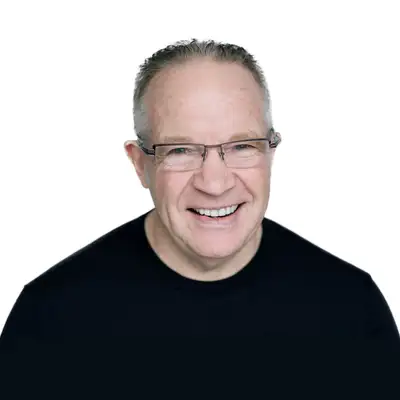
Join the eternally curious, interested, and interesting hosts, Mike Koenigs of the SuperPower Accelerator and Dan Sullivan of Strategic Coach®, to amplify your capabilities, value, status, and authority on the Capability Amplifier podcast. Ever episode focuses on a new mindset, shortcut or deep thinking exercise that will improve your performance and lifespan. Learn more at: https://www.CapabilityAmplifier.com
Jimmie Applegate [00:00:00]:
Usually there's something that happens in nearly every addict's life that starts them on that process of saying, you know, I'm just going to use my alcohol for the rest of my life. I'm going to do cocaine every day, to the moment that said, man, I've really got to do something different. These are the things that I was missing as I went down my journey in recovery that held me strong, was that rewiring, learning how to rewire that subconscious brain. I know that's almost trivial. We say these things, that's really what it became. And then started implementing that beyond my life into other people's lives and seeing things really transform.
Mike Koenigs [00:00:37]:
Every one of these people have a reason why they're an addict, whether it's conscious, unconscious, whether it's multi-generational trauma.
Jimmie Applegate [00:00:45]:
The sooner the loved one can recognize that and stop judging the behavior, but stop pointing fingers, right, so much, and recognize some healing that needs to take place and treat that guy as an actual human is really— if you don't have that part, you're never going to help somebody into door one.
Mike Koenigs [00:01:15]:
All right, Jimmy, first of all, welcome. Let's say hi. Thanks for watching Capability Amplifier, friends. I'm here with my good buddy Jimmy Applegate. We've just spent 3 days together in absolute paradise.
Jimmie Applegate [00:01:26]:
Good stuff.
Mike Koenigs [00:01:27]:
And before we get into the stories, one of the things that really hooked me is this notion that you operate under is there are as many doorways to recovery as there are people. And that's part of the reason why the system, the traditional recovery system, falls apart.
Jimmie Applegate [00:01:44]:
Yeah, you're right. There are as many doors. You know, the idea behind that is that we're an individualized, customized person and that addiction that's associated with us, wherever the problem is really associated with us, is customized to that individual. And so, you know, if we have one path to recovery, that's really not going to be the thing we need. We need something that's customized to us. And that's the multiple doorways. That's that multiple paths that you see people have got to figure out what it is. And we've got to help that industry figure out what that is with them to make it down that road to success.
Jimmie Applegate [00:02:16]:
Okay.
Mike Koenigs [00:02:17]:
So the other thing that we've— because we've spent so much time together, we interviewed, we looked at a whole bunch of your success stories. People have been through the program, some of which you're going to meet as we move along here.
Jimmie Applegate [00:02:28]:
Oh, good.
Mike Koenigs [00:02:30]:
Um, which is you've identified 4 common doors we have that people go through, uh, in the process. And, uh, you know, whether it's someone who just woke up in an alley with literally only the clothes on his back, or a guy who knew he was gonna die in his truck alone.
Jimmie Applegate [00:02:46]:
Yeah.
Mike Koenigs [00:02:47]:
Um, but let's go through the doors, the 4 doors.
Jimmie Applegate [00:02:51]:
So, uh, where do you want to start with? Just number 1 door, right?
Mike Koenigs [00:02:54]:
Yeah, yeah.
Jimmie Applegate [00:02:54]:
So the first door is usually that event. It's what we call it as the event, but it's that first door. That's the event that led up to the decision, to the commitment that said, I'm going to make a change. And usually there's something that happens in, in nearly every addict's life that starts them on that process of saying, uh, you know, I'm just going to use my alcohol for the rest of my life. I'm going to do cocaine every day, or whatever, to the, the moment that said, man, I've really got to do something different. And there's an event that they walk through that doorway that said, "Oh, son of a gun. Shit, I got a problem.
Mike Koenigs [00:03:29]:
You got to do something, Mike." "Am I going to die alone?" is one of them.
Jimmie Applegate [00:03:32]:
Yeah. "Am I going to die alone?" And it could be, "I'm going to die alone." It could be, "I woke up in this puddle of my own vomit and everything was gone." And everything that I own fit in a singular suitcase. And I heard in the back of my mind, my mom's voice saying one thing to me. And that one thing was the catalyst that made the decision that drove that son of a bitch. I, I need, I need help, man. I gotta, I gotta do something different. That's the event. That's that first door.
Mike Koenigs [00:04:02]:
Yeah. Yeah. And then door 2 is surrender. That was another commonality. So just talk about like what you give me the typical stories, what you hear over and over again, or one that's like unusual. Cause again, back to the doors, every door is different.
Jimmie Applegate [00:04:16]:
Yeah. And the thing to recognize between the first door and the second door is that you can go through door number one and still not surrender to it, right? You can recognize and still not commit. You can, you can be in door number one and still not have said, I'm going to give it all. I'm going to recognize that the pathway that I've been on, that Jimmy's been on, Jimmy's door to success has got Jimmy where the hell he's at today. And that might not be the door I should go down anymore. I need to surrender to whatever the hell they say do. I'm doing that, right? So you see guys making decisions that they don't want to make for a long time. I can think of a friend who literally knew he had a problem, knew he had to get into recovery, but was prevented from doing that because he was worried about the shame, the guilt that would come, and being in the culture that he's from, that one more person is going to point at him with that, and he just couldn't bear making that decision.
Jimmie Applegate [00:05:13]:
But then the event just before that was waking up in Phoenix, crying, completely new. Everything I have is my shoes, my pants. I have this t-shirt on, nothing in my pockets. That is everything that I own. I'm going to freaking die right here. And the, and the weight of, you know, that event, that weight of going to die completely outweighed the day that I don't want the guilt. I don't want the shame anymore. And he made— and he's like, I'm, I'm going to do it.
Jimmie Applegate [00:05:45]:
I'm going to say, I'm going to go to the meeting and say, I'm fucked up. I'm broke. Whatever you guys tell me to do, I'm doing it. And he made a commitment that day to go.
Mike Koenigs [00:05:51]:
Yeah.
Jimmie Applegate [00:05:52]:
Right.
Mike Koenigs [00:05:52]:
Yeah. And it's interesting because when I said rock bottom, you go, now we don't look at it that way because it's not always rock bottom.
Jimmie Applegate [00:05:58]:
It's not always rock bottom. In my life, there was rock bottom. Like I was planning my rock bottom, right? I didn't make it to rock bottom. Right. There are, there are guys that don't ever make it to rock bottom. I can think of numerous occasions that sometimes the event happens that bypasses the rock bottom that makes the surrender happen that says, you know, look, we don't have to always hit that in order for that to happen. Right on.
Mike Koenigs [00:06:18]:
Okay. So door 3 is hope and purpose. So you've got so many great stories, but you've taught, you told me a trigger moment that happened at a campfire. And also one for Ryan, which we'll see him in a little while. Oh yeah. Play that video. But, um, yeah, just share a couple of those.
Jimmie Applegate [00:06:40]:
Yeah. So, so the story number 3, hope, you just said, right? This is, this is now I'm in recovery. This is the guy that's made it there. He's going down that road. And here's the hope, right? There's a point in a guy's life and a gal's life in recovery where you actually have this moment that says, Man, holy crap. Maybe I can do this. You know, it worked for Joe and Bob's doing it. And my friend over here has a story just like mine.
Jimmie Applegate [00:07:10]:
Maybe I can do it, Mike. Maybe I can. Maybe I've drank my last drink finally, right? And there's that hope that I'm telling you was never there before. It's the day that they realize that, okay, I'm going to go. I'm all in. I can tell you about a guy that 3 months into recovery. And I want to talk about that one I love because, you know, look at that 30-day myth that says, you know, we should be in treatment for 30 days. You know, F you, that there's, there's no scientific background behind that.
Jimmie Applegate [00:07:41]:
But this is a guy that bypassed the 30 days, was 3 months into a recovery program, and on his 3rd month was out and outdoors at an event, did an activity that he literally had to let go of some burdens that was on. And in that moment, in the letting go of the burdens that he was doing, realized, I don't have to live like this for the rest of my life. And that's the day that he started. Before, he was walking the path and doing what he said, and he was doing the meetings, and he was, you know, write this story, and he did all the stuff, but he wasn't in all in. That day, 3 months in, that day he started. He started his recovery that day.
Mike Koenigs [00:08:22]:
And then how many years has it been since?
Jimmie Applegate [00:08:24]:
He's 2 and a half. It's going on 3 years of sobriety.
Mike Koenigs [00:08:28]:
Door number 4 transformation, the moment we're all looking for. And I can say, yeah, some very important people in my life. It's when you don't even recognize their eyes.
Jimmie Applegate [00:08:40]:
That's right.
Mike Koenigs [00:08:40]:
It's a different human being. The rewires happen. So, yeah, what What the hell?
Jimmie Applegate [00:08:48]:
Yeah. Um, let me edify what you just said a little bit there, right? It's, it's not the guy that you knew. Oh, I knew my niece when she was 16 and 18 and, and she was this nice, innocent person. It's not that person. It's not the niece that you knew in recovery, not before recovery, not in recovery. It's certainly not that person. This is a new person, right? You've not met the person yet that comes out of that door because they are transformed. They are a different person because of the crap storm they went through before.
Jimmie Applegate [00:09:20]:
They've become a new person. And, uh, and I think that's what you meant a little bit. You've seen people change in that way in their lives. I can think of guys that, um, lost their family, uh, daughter, wife gone, knew it was his fault, knew it was my problem, um, actually looked to, uh, part of his event in his life was that moment where it was like, uh, geez, I wonder how I can still be an alcoholic and get another job where I can still raise money and, and hold down a job and still be an alcoholic looking for that in his life. Heard him, heard his voice say that, ask that stupid question and started turning his life around to a point where he is recognized now that he um, helps now transform people's lives. He's recognized that in him sharing, um, and giving to others keeps him strong. He recognized through the process that other people sharing and, um, being vulnerable and opening up helped him gain strength and go through that process. And that was a twofer that had worked both ways in his life.
Jimmie Applegate [00:10:28]:
Uh, changed guy. He's not the same dude I met. He's a different guy altogether.
Mike Koenigs [00:10:32]:
Well, 4 of the 5 people that we really analyzed over the past, especially a few days, but a few weeks leading up to this, what they all have in common is now they work at the center.
Jimmie Applegate [00:10:45]:
That's right.
Mike Koenigs [00:10:46]:
They started out as addicts. They went through the program. They clearly went through their own doors. They all have the same 4-door in common.
Jimmie Applegate [00:10:55]:
Right. Right.
Mike Koenigs [00:10:56]:
So let's talk about Alex, because when I read your book Addicted to Failure, there's this character in there. And, uh, 40 days sober but his 7th treatment.
Jimmie Applegate [00:11:07]:
Yeah.
Mike Koenigs [00:11:07]:
And, uh, 30 years of addiction. He did everything but he didn't. And, um, he had his big realization. So what was his— we'll call it, um, his moment.
Jimmie Applegate [00:11:22]:
Yeah.
Mike Koenigs [00:11:22]:
And then, uh, who's this Alex guy?
Jimmie Applegate [00:11:25]:
Yeah, so, uh, I'll tell you about Alex. Um, That story is me.
Mike Koenigs [00:11:32]:
Uh-huh.
Jimmie Applegate [00:11:32]:
Um, and, and I'll tell you the truth about that.
Mike Koenigs [00:11:34]:
Yeah. Yeah. So what's your story? Maybe that's the, that's my, my, you know, that and the breakthrough moment.
Jimmie Applegate [00:11:39]:
But so I think everyone needs to hear the story of Alex before Jimmy writes. So here's the story of Alex. I wrote that in the book and then in reading the, the editorial version of that book realized, holy crap, that's me. Yeah. I didn't intentionally write about me and then rename it Alex. I think it was subconscious that I was getting it out or feeling that frustration of it. And so that's, uh, that story came about very organically. In my life, it was the idea that I had been down every road that everyone told me to go down, right? The clergy, the psychiatrist, the counselor, the guidance, every person that gave me good advice, it was go down this path and keep on going.
Jimmie Applegate [00:12:21]:
That's your road to salvation. That's where the savior is. And that's where you're going to get help. And I kept going down that road every time. Now it got me me sober for a little bit. It didn't hold me there. And it took some other things in my life to recognize that there are more paths. And really somewhere down that road was this question that said, why do I suck so bad? Why are those guys getting help and fixed, but I keep effing it up? What's— why am I broken as much? And the system was helping me be that way.
Jimmie Applegate [00:12:52]:
Jimmy, you didn't try hard enough. Jimmy, you didn't put enough— Jimmy, you weren't ready, right? And the system was just kind of letting me wallow in my crap that day. And, uh, and so, uh, those are the questions that I started asking myself. And really right about that time was a time in my life when I, uh, um, my son approached me real quick about my son, uh, rugged kid., really strong, very active, very athletic, Olympic weightlifting, pole vaulting, uh, track and, and through, but all the way through his healthy adolescent and teenage years and into college, he, as strong and rugged as the kid is, had these headaches that he would get, drop him to his knees, like every month. Mom and dad were like, oh, just drink more water, son. And that'll fix it. Doctors couldn't figure it out. Nobody knew.
Jimmie Applegate [00:13:44]:
And he called me up one day excited about a book. Dad, you got to read this book. Okay. What book? Why do I got to read a book? It's about meditation. And I read the book and started meditating. I, I don't have my headaches anymore. Okay. Now you got dad's attention.
Jimmie Applegate [00:14:01]:
Like, what the hell are you talking about? And that started me on a journey to learn about neuroscientific, neuro-linguistic programming, neuroscience, epigenetics, neuro-immunology, words that weren't already in my recovery path. And which changed as I implemented these new tactics and techniques, um, that weren't necessarily designed for or told to be, hey, if you're an addict, please come to this meeting. It wasn't that, right? I just started implementing those things that I learned and recognized these are the things that I was missing as I went down my journey in recovery that held me strong was that rewiring, learning how to rewire that subconscious brain. I know that's almost trivial. We say these things a lot these days. I don't know if people always know what that means, but That's really what it became. And then started implementing that beyond my life into other people's lives and seeing things really transform.
Mike Koenigs [00:14:57]:
Yeah. What I've seen from your work is, you know, you've got the typical modalities that you have to practice by law. Yeah. Right? All the basic tests to get someone in. Yeah. Then you've got, you've got 9 times more tests or 9 more tests.
Jimmie Applegate [00:15:16]:
Assessments. Evaluating the individual as to what their specific problem is. Go ahead.
Mike Koenigs [00:15:19]:
Okay. And then, um, you also have the practice, what you do that's unique and different. And I want to just go down that realm for a little while because there's this little hook in one of the slides. It's, uh, you know, you're not by a Circle K. They can't just wander off. No. Um, you're immersed hours from civilization quite intentionally, and the girlfriends can't show up with drugs. No., you can't get out of work because there's nowhere to go.
Mike Koenigs [00:15:50]:
But talk a little bit about like, if you were just going to be hardcore, here's why we're different than everyone else. What's your, what's your secret sauce?
Jimmie Applegate [00:15:58]:
Well, that's part of it right there. There's a couple of things that are involved in that, but certainly that's one of them, right? Location. We're not ever going to be in downtown Phoenix. We're not going to be in the middle of the city in Dallas, Texas. It's not. Going to happen. Certainly there are recovery centers there that are working the hardest and God love them and, and, you know, keep freaking hitting it hard, boys. I want you to help as many people as you can.
Jimmie Applegate [00:16:22]:
I'm never going to be there by intention. We are off the beaten path in, uh, in the town that, um, there is no Circle K in the town we're at. There's, I think we count it in numbers of like there's 4 stop signs, maybe 5. There's no streetlights. It's a dinky town. We're on the edge of, you know, of a national forest. We're right in the woods. We're in nature.
Jimmie Applegate [00:16:46]:
And, uh, and it's kind of what you alluded to. There's no girlfriend. There's no Circle K in the corner. You're not going to go there and get shooters at 6 o'clock at night. It ain't happening. We don't have that problem, right? Yeah. And it's, it's not so much isolation from the bad stuff. It's being in the nature part, uh, that, uh, is this necessary, we think, right? Getting grounded and, and being in nature.
Jimmie Applegate [00:17:07]:
But that's just part of it, right? Another big part of this is we've taken the standardized treatments that are out there and we've edified what they are. We've built upon them. We've, we've hybridized all those together into one so that we can run a program past 6 months where you're literally going to hit a new lesson every day. No repeat lesson, right? And here's what I mean by that. A guy's going to come into treatment on his third 4th, 6th time, and he's going to sit in the classroom in a group meeting and he's going to be like, I had that lesson 2 years ago. I had this lesson last month when I was over at such and such treatment center. Okay, we're not doing that. Uh, and so we, we, we don't do that one.
Jimmie Applegate [00:17:46]:
And then the program that, that, uh, Jimmy brings, right, which is specifically a 2, 2 and a half day workshop that I spend with the guys every quarter, where we go through the very basics, starting at the very basics. Of how your brain works. And we're using a scientific language. I said a minute ago, we're talking neuroscience, we're talking quantum physics, we're talking epigenetics, neuroimmunology. We're using— but we're doing that in a very basic scientific language that they can understand and figure out, oh, that's how my brain works. Oh, son of a gun, I didn't know that I was doing that to myself, right?
Mike Koenigs [00:18:23]:
Which culminates— so they finally know that they've actually got a unique brain.
Jimmie Applegate [00:18:28]:
Yeah. And, um, yeah, it's a like, it's like, oh, I'm not effed up. It's not me. It's just the way— oh, I get it now.
Mike Koenigs [00:18:36]:
Right. I, I often— this is the conversation I have with my friends who are addicts and family members— is thank God I never was diagnosed because I for sure would have been medicated. Yeah. And I can remember distinctly, I just didn't know what anxiety was, but I felt it all the time. Yeah. You know, and like, you know, I grew up in a town of 700 people. I used to just go out in the shed and sniff gasoline. It wasn't to get high.
Mike Koenigs [00:19:03]:
It's just I like the smell, but I noticed something weird happening.
Jimmie Applegate [00:19:06]:
It was a buzz, man.
Mike Koenigs [00:19:07]:
Yeah. And I was like, you know, building model airplanes and that Estes model glue. I didn't know what getting high was, but I knew I had weird things happen in my brain.
Jimmie Applegate [00:19:15]:
But you zoomed in a little bit.
Mike Koenigs [00:19:16]:
Yeah. But I didn't, I didn't together, self-medicate. And, you know, I figured out— this is the point of the story— is I figured out how to navigate a brain that was atypical. But I didn't know I was broken, except for every organization I belonged to said I didn't belong. You know, it was like— but for whatever reason, I didn't fall off the usual wagon. But I know a lot who have. So, That's going to bring me to— I want to play this video of Ryan. Yeah, good.
Mike Koenigs [00:19:49]:
And I'm going to play this for you watching right now. This is— it's just an amazing story. So I'm going to play it now and we're going to talk a little bit about it.
Speaker C [00:19:57]:
It was maybe 6 in the morning. I ended up throwing up all over myself. I'm sitting in my bed covered in puke. You know, I'm in a room with empty bottles everywhere. I couldn't hold down a job. I didn't have any more friends left. A memory of my mother telling me how successful I was going to be and how I was going to be something and I was going to do some good in the world kind of flashed in my brain. I think the number one change in me is that I'm not a victim anymore.
Speaker C [00:20:27]:
I thought recovery was almost cult-like. What I find is recovery is simply figuring out your ideals and your values and living by those values and ideals. I had gone from having a suitcase— within 8 months I had an apartment, I had a car, I had 2 jobs. Anxiety was gone. Depression was gone. Hope is looking into my son's eyes and imagining a childhood that I wasn't given, given to him. Yeah, hope is recovery.
Jimmie Applegate [00:21:02]:
Hope is recovery.
Mike Koenigs [00:21:03]:
Yeah. So there he is, he's fighting back the emotions. Obviously he is. But that, that face, those eyes I've seen even in— and I don't mean this in any other way other than anyone who's spent time with Native Americans knows how frickin' hard it is. And you see these guys struggling just to emote. But that is the face I see in some of the folks you've worked with who are natives, too. Yeah. But tell me a little bit about Ryan, is there anything about the 4 doors he went through or anything that, you know, is significant?
Jimmie Applegate [00:21:45]:
Any other observations? Yeah, you know, there's a couple of things. One of them is, and I'll bring you forward now, going on his 3rd year in sobriety and his son's a year old in a couple months. And that last, one of those last sentences has to do with him giving his son a life that he didn't have an opportunity to have. He meant that, and he's got now the boy that he's being a good dad to, which is so cool to see that little boy comes in with dad. And anyway, it's kind of a cool, it's a cool story. You know, him and door number 1 is what I think about most, right? It was that event that took place in his life when he walked through door number 1 that that recognition I didn't have nothing left. I'm laying on my bed, we're laying down, bottles of empty booze around me all over the place, laying in my own vomit. And somewhere in there, I was able to envision in my mind's eye and hear and see Mom tell me about who I am as a boy.
Jimmie Applegate [00:22:45]:
You know, you'll someday, you're going to do something that matters. And allowing that to transform and make the decision to say, I'm going to trust in Mom and and she's right, I got to be more than I am now. Let's make a decision. Let's get out of this mess. And that's what I think about a lot when I, when I look at Ryan and his story and where he's at. He's a sharp kid.
Mike Koenigs [00:23:09]:
We love him. Yeah. He's very articulate. And the other thing that really struck me was his moment was when someone said, I really like your share.
Speaker D [00:23:19]:
Yeah.
Jimmie Applegate [00:23:19]:
Yeah. He didn't know that was going to happen, right? In a group meeting setting. Or especially in the programs that we run, there's a lot of requirement to publicly talk about the pathway that you went and different parts of your story. And after one of them, more than a couple of guys in the room, as well as the leader, had came to him and said, wow, dude, that really resonated with me. And he started recognizing that the things that I say are affecting me, but they're also affecting them. Yeah. Right. And That gave him confidence to share the next thing, which shared the next thing, and he got out of recovery and swung that door right back open, went right back in and started volunteering in recovery.
Jimmie Applegate [00:24:00]:
Similar to my story, right, where he just was like, recognized that he could steer and help people down that path by just opening his mouth and saying, that's a sucky idea, go this way, that's a great idea, keep going. Right on. Yeah.
Mike Koenigs [00:24:16]:
Well, let me do another one here. This, this is Travis Lane. I'm going to just play it and get your commentary.
Speaker C [00:24:21]:
One of the reasons that I almost didn't seek help for my alcoholism was that I always thought that I can manage it on my own. And I was wrong. My family left. I lost a job that I really loved. And upon losing it, I remember thinking, Where am I going to find another job that is okay with me being an alcoholic? So it was in that insanity that I found clarity. Going into recovery, I thought it was a solo journey. What I didn't realize was meeting other people in recovery, helping them helped me. Since becoming sober, I have been able to find my purpose again and mended relationships with my family, I have found that life can be quite easy to manage when you're not having to worry about being an alcoholic all the time.
Mike Koenigs [00:25:26]:
It's a great story. You're sober, dude. And he's also— tell me about the role he serves inside your organization?
Jimmie Applegate [00:25:38]:
Yeah. So as a peer support in VHT, this, this guy sits in a position where on a regular basis, on a daily basis, he's not only intaking people through the front door, because listen, this is a human who recognizes other people as a human. So you walk in the front door and one of the first people that's going to be helping you is a guy that recognizes, dude, I see you as a guy that, uh, you know, has got the same challenges that I had. I'm going to treat you like a real life guy that I can help you. I got a solution for yet. Um, but he's guiding people through that path on a, on a daily basis. And I think every single day that he's doing that, um, not only helping them, but helping himself help them.
Mike Koenigs [00:26:16]:
Right.
Jimmie Applegate [00:26:16]:
Yeah. And so that's a good one. It's always comical to think about that one, that aha moment that got him there.
Mike Koenigs [00:26:22]:
Right.
Jimmie Applegate [00:26:22]:
Dude, seriously, you thought the thought that said, where can I get a job where I can continue to be a drunk and hold a job down? And then he hurt himself. Wow. Did I think that thought? Holy crap. What an idiot. I got a problem. You know what I mean?
Mike Koenigs [00:26:35]:
But it, no one can force that upon you.
Jimmie Applegate [00:26:39]:
No.
Mike Koenigs [00:26:39]:
And I think, uh, you know, in an interventionary situation, you can force a hand potentially. Um, you can make, help, uh, influence a hard decision made a little faster. But, um, okay, here's another one. I just love this guy. This is, this is Sheldon. What a story.
Speaker E [00:27:00]:
The number one reason I was afraid to seek help was fear and not wanting to change and what it would take in doing it. I was sitting in my car alone, you know, knowing that my body almost gave up on me. I was gonna die alone, and it was the most loneliest feeling I felt. There was a timing treatment, and there was a challenge in a class about you know, letting go things that you're afraid to, you know, face. And in that setting, it was a fireside, all this baggage that I was carrying, you know, all this stuff that, that was holding me back from wanting to change and wanting to get better, you know. That's when I started finding out a lot of things, like I was very codependent. That fireside, you know, that part of really challenging myself and, you know, being vulnerable, you know, really understanding, uh, forgiveness. And, you know, with that comes healing.
Speaker E [00:28:03]:
Waking up every morning with a purpose, waking up every morning, uh, just knowing that I am part of something bigger.
Mike Koenigs [00:28:11]:
Yeah, talk about that, because that fireside he talks about was literal also. Yeah. And talk about the hikes and where some of these transformations take place through discomfort.
Jimmie Applegate [00:28:25]:
Yeah. So, you know, part of the— so, so perspective, right? He works with us in the program. He went through the same program as a patient in the beginning. And some of the things that we do, I said earlier, outdoor recreational activities. Quite intentionally. This is going to sound harsh to some people. I think it's going to be okay with you. It's quite intentionally amping up the level of stress to push the stress.
Jimmie Applegate [00:28:56]:
Look, you're going to leave. Life's going to happen. You're going to go out into the world. Life's going to happen. And you're going to do what? Kick the dog, beat the wife, and pick up the drink. Something, right? And so let's figure out how to deal with stress today, right now in this. So do we do vents that are going to push you to to induce a little bit of stress? Yeah. On purpose? Yeah, we do.
Jimmie Applegate [00:29:18]:
Sorry if you don't like it. Sorry, we're doing it right. But I mean, at the end of the day, it's helping a guy like this. Holy— he went through that weekend recognizing the burdens that I've carried my whole life. This guy is a Marine that became a Marine to make his dad proud and who he could become.
Speaker E [00:29:37]:
Right.
Jimmie Applegate [00:29:37]:
And still held on to even after becoming a Marine, still hold on to all of the garbage that he held on to to make his family and his tribe and his life feel proud of who he was, even though he wasn't proud of who he was. Right. Realized in that weekend that he was out there, that I can get rid of— I need to let go of all this crap that I've been holding on to and just let it go. And guess what? That's the day I was talking about earlier. You asked me about that door number 3, right? This is the guy 3 months in. He was in recovery 3 months before he got to this particular event. Not that he'd been on a couple before that, this particular event, 3 months in before he started. Today he began recovery.
Jimmie Applegate [00:30:19]:
3 months to begin recovery. The next person that tells you that a 1-month program, a 30-day, 28-day program is I can come on in, you've been drunk for 20 years, but I can wave my magic wand at you and make it all better. You probably should punch him in the face or send them to me because I'll punch him in the face for you. 3 months in and he starts that day. That's what significant, right? You need to know.
Mike Koenigs [00:30:40]:
Yeah, that, that wasn't 30 days. No. Um, which is, again, everyone's got to pick their own door. That's right. It's got to find them, and it happens through unusual, often uncomfortable circumstances.
Jimmie Applegate [00:30:53]:
Yeah.
Mike Koenigs [00:30:53]:
And, um, you can't give some— you can't give an addict a choice.
Jimmie Applegate [00:30:56]:
Yeah.
Mike Koenigs [00:30:56]:
But an addict isn't going to make a choice.
Jimmie Applegate [00:30:58]:
Do you know how much time that 3 months part of it is? And this is important to point out and understand. He'd been in recovery before. A lot of guys that have been in a recovery program have been in recovery before, but they don't open up for the same reason they didn't open up the last time. Is this a safe place? Can I open up here? Can I trust these people? Do I trust the environment, the situation, the guys that are around me and the staff? Yeah. And it took him that long to recognize, hey, safety. You can open up here. You're just as effed up as me. We're all effed up together.
Jimmie Applegate [00:31:33]:
Your brand of effed upness is not any worse than anybody else. Let's just go. Yeah. And it took him a lot, that much time to just be, all right, I'm going to open up. I'm going to trust that it's safe to go. And he did. Yeah.
Mike Koenigs [00:31:45]:
I can't tell you how many of these stories, while we've been talking off camera, that I get to hear. And, uh, and it, it, it is so extraordinary. And now so much of life makes sense because I didn't see the signs. Yeah, I didn't see the signs in people I know and I love. Yeah. Um, and some of, some of them still haven't been able to find the help, and it doesn't mean anything. Every one of these people have a reason why they're an addict, whether it's conscious, unconscious, whether it's multi-generational trauma that they're carrying around.
Jimmie Applegate [00:32:20]:
Yeah, it's customized to that individual. Yeah, it's their own brand of why they're that, right? And so if I put them through one single door, we just answered the question right there, right? Yeah, we put them through single door. We're losing the battle, guys. Customize something to that individual. Figure out a program that's made customized for your loved one's specific needs, right?
Mike Koenigs [00:32:40]:
Yeah. All right, choose your own adventure. And you, you didn't choose your own hell. No, it may have chosen you. Yeah, but you're keeping yourself there, whether it's unconscious or unconscious.
Jimmie Applegate [00:32:51]:
All right.
Mike Koenigs [00:32:51]:
Yeah, here's the other one. I love this.
Jimmie Applegate [00:32:53]:
This is Talbot.
Speaker D [00:32:54]:
It's helping. Rock bottom for me was when I was in an alley in Phoenix, no clothes, nothing. And it was at night when I was sitting there crying to myself, thinking to myself, is this how I'm going to die? The number one thing about the recovery process that surprised me was people will actually treat you like a human being again. I don't got to be the next person that dies on an overdose. The number one thing in my life that has changed since I've been sober has been me being happy, being fulfilled with things and what I have now, not what I want. Like, now I have a job. I'm actually not depressed 24/7. I achieved many goals in my life.
Speaker D [00:33:38]:
My father, he's a functioning alcoholic. He came up to me and told me, if you can do this, I can do this as well. This is the reason why I got sober, and this is the reason why I want to stay sober, to help people out there Multigenerational.
Jimmie Applegate [00:33:51]:
A lot to talk about with Sheldon. Yeah. Yeah. But that, you just said multigenerational, right? That, that, that is a guy that got into where he's at because of multigenerational trauma, cultural trauma, right? That he grew up with. And that's not dissimilar than many Native American and indigenous individuals that come through. That's extremely commonplace. But, but look at it in the other direction, right? That he's there where he was because of his past and his family and his culture's past. But now turn it around and go the other way around, that he's changing people's lives, including his own father, because his father looked at him and said, you can do it, son.
Jimmie Applegate [00:34:31]:
You did it. So because you did it, man, I'm going to do it. So his dad currently is on that path. He's on that journey of sobriety and getting the help that he needs. And, uh, and becoming a sober person. And so, you know, he— Talbot knew his dad in that, in that environment all of his days until he got sober and went into recovery himself. And his dad made the commitment to him.
Mike Koenigs [00:35:00]:
Yeah.
Jimmie Applegate [00:35:00]:
There's that old saying, hurt people hurt people, but healed people heal people.
Speaker D [00:35:05]:
Yeah.
Mike Koenigs [00:35:05]:
Yeah. I just made that up.
Jimmie Applegate [00:35:06]:
Hopefully someone else said it before me, but it sounds right.
Mike Koenigs [00:35:08]:
Yeah, it sounds good. So talk about brothers.
Jimmie Applegate [00:35:12]:
And this cascade effect that you've seen inside some of the programs. I just have a reminder here to remember to ask you about. You know, this, this goes off of the very famous Johann Hari quote that says addiction is about connection, right? It's sobriety is not about, it's connection. And so we've taken that and implied it, but really recognize that, holy crap, that guy was right. Thank you, Mr. Hari, right? Our program directors have a charge of literally every moment of every day. That's one of the most important parts of their job is to focus on, and we use the term health of the herd, health of the tribe, health of the group, that they're looking at the health of the entire group and noticing that we are, there is camaraderie. We are working together as a team.
Jimmie Applegate [00:35:59]:
We are a brotherhood that's working together. And why is that? Look, when Mike goes through the program and Mike gets sober and then 6 months later he gets triggered. Mike's not going to call Jimmy. He's not going to call one of the guys. He's going to call the brother that was sitting next to him in the chair, in the group, out on the activity. That's his recovery buddy. That's who his accountability partner is. That's who he's going to call.
Jimmie Applegate [00:36:20]:
And that's the way it should be. If we don't, if we don't make the environment where that can happen, we fail. If you don't make the environment that that can happen in, you're failing. That's the truth, right? Part of my job is to make sure there's the environment. Where that camaraderie can take place.
Mike Koenigs [00:36:37]:
And that's why our guys are charged with— you're looking at it every day, make sure that's happening.
Jimmie Applegate [00:36:46]:
Okay.
Mike Koenigs [00:36:46]:
One of the other things that Travis said, it wasn't in the interview, was one of the reasons I almost didn't seek help was that I always thought I could manage it on my own, and I was wrong. That's a pretty common theme. It is. So I made a point of wanting to ask you about the hidden attic. The person who thinks they're fine, the ones who can manage it, or tomorrow is the day.
Jimmie Applegate [00:37:08]:
Yeah.
Mike Koenigs [00:37:08]:
How do you reach the person who hasn't reached the door number one yet?
Jimmie Applegate [00:37:13]:
Oh, wow. Right. So there's a couple of things that are really important about that. And it was kind of alluded to in the last conversation from Talbin. It's the, it's the treating them like a human. That is a guy who's got broken wiring in his head. And the sooner the loved one can recognize that and stop judging the behavior, judging my, my son, judging the whatever it is, and just recognize the brain is busted. It's not his fault.
Jimmie Applegate [00:37:45]:
Yes, it's his fault. He got there. Okay. Okay. Let's, let's stop pointing fingers, right? So much and recognize there's some healing that needs to take place and treat that guy as an actual human, um, that, uh, we can love, embrace, and, and work through is really, if you don't have that part, you're never going to help somebody into door one, right? Another thing is to help them take that ownership of, um, of you yourself taking the ownership of where you're at, your own emotions, how you control the situation, and helping them take ownership of their own situation and emotions, right? Yeah. Um, And then I think another thing that's important is sometimes, remember I said door number one was that event. It's them making that decision. It's the thing that happened that steered me down that pathway.
Mike Koenigs [00:38:32]:
And it doesn't have to be waking up naked in an alley. Yeah.
Jimmie Applegate [00:38:35]:
You're right. It doesn't have to be the rock bottom we talked about as well. It doesn't have to be. It's like, I can't wait for them to make it to rock bottom because then they'll make that decision. Okay. Look, maybe it doesn't have to be the rock bottom. Look, for me, It was me planning my rock bottom. Yeah.
Jimmie Applegate [00:38:50]:
For some of these guys that we have already heard, right, that their rock bottom was saying, man, I'm not going to freaking have my rock bottom. Um, cause if we're waiting for it to happen, one, we're waiting in vain. And two, that rock bottom could be worse than you think. Um, and it could be a rock bottom that we're not coming back from. So stop waiting for that. And I would say maybe be creative in how you can structure and help to create the environment for them to make that decision. You're talking to a lot of different types of people here. Do some introspection if you're the kind of person that's enabling.
Jimmie Applegate [00:39:24]:
If you're the kind of person that's allowing this to happen, then you got some work yourself to do and stop enabling that individual to do that practice that they're doing. And maybe help them generate an event that will make them have to make that decision towards that event. Give them that aha moment. Be creative.
Mike Koenigs [00:39:45]:
That is the hardest one of all, which is, so I've observed enablement. I participated in it. And enablement is when you, for it's easier for you to stroke a check to keep the problem at bay than to make the problem go away by having the hardest conversation in your life. I want to talk now about— there's two things. One of them is the, um, two of the guys in the interviews prepping basically said something along the line, you just got to give it 6 months, or you got to give it a year, you got to give it a year and a half. To an addict, a week is forever. Yeah.
Jimmie Applegate [00:40:31]:
Okay.
Mike Koenigs [00:40:31]:
And, um, then in your world, you know, with insurance paying for 30 days, You've shown scientifically it's 6 to 8 months to rewire an addict's brain. Yeah. Talk about the gap because you've put $2 million of your own money into the gap and talk a little bit about the science, the money, and the time.
Jimmie Applegate [00:40:59]:
So there is no neuroscientific study or background at all that says we can fix an addicted brain in weeks. Weeks meaning the 4 of them that are included in a 30-day program.
Mike Koenigs [00:41:10]:
There's nothing. Nor can you give them Suboxone or some other drug to rewire. Yeah, that rewiring. Stopping an urge is very different than rewiring a brain.
Jimmie Applegate [00:41:21]:
Right. Yep. That's right. And so, um, it takes, it takes longer than the 4 weeks to, to start that process. As a matter of fact, most science is going to point to the idea that we're starting the repair at 30 days. Right. So we're releasing them, generally speaking, at a 30-day program, you're releasing them back out into the world right at the peak moment when they're ready for a relapse. And relapse mostly takes place at the 60-90 day window after they've been released from a 30-day program.
Jimmie Applegate [00:41:53]:
It's the most common time frame. Yeah. And so the science takes— the science of that healing takes place from day 31 to the 6-month window is that starting to rewire and repair. The dopamine receptors are resetting. And then 6 months beyond that is when the real actual permanent rewiring takes place and the rest of the brain healing is reformulated. And so there's a process that says that, right? And so if we're just holding somebody in the 30 days, we're not doing our job. What we're doing is letting them cycle back through the front door so we can get paid again. Good job.
Jimmie Applegate [00:42:25]:
That's not the program, right? And so we recognized that right away that we've, we've got to hold them for longer than 30 days and, uh, or, or have them in a program for longer than 30 days so that they can have that time to heal. The insurance is going to typically cover in a residential program, a 30-day program. Sometimes you'll see 45 days, but generally it's, it's 30. And then there's a gap that takes place. And yeah, we've recognized that right away. Um, We have our own nonprofit organization, Beacon Charities, that is covering that gap. And that's mine and Tamara's money that we've recircled that back into the, to take care of the treatment that takes place from the 20, 30-day, 31, all the way through the rest of the time we have. And we'll have guys that are there sometimes 3 months, usually 6 months, 9 months, 12 months.
Jimmie Applegate [00:43:18]:
And it's that assessment. Here's what's important to understand. Guys are released when it's been assessed and evaluated that they're healthy to be released. Not guys are released because, oh, we're at the end of the month. Let's celebrate that the, uh, that you've accomplished 30 days of sobriety and then you're released. It's a, it's an insurance-driven releasement program, which doesn't make any sense. We're just funneling the same system back through. Yeah.
Jimmie Applegate [00:43:41]:
Why does a guy go through treatment 7 times? Well, Guess what? He's doing the same thing he did on the 6th, the 5th, 4th, 3rd. Yeah. There's that. Yeah. It seemed like there was another part of that conversation that I needed to add.
Mike Koenigs [00:43:53]:
It was really, it was really about how long it takes and the science behind it. I think he answered that. Yeah. And that'll lead me to two things. So one of them is, this is, uh, this is Jimmy's book, Addicted to Failure. You can get it at jimmyapplegatebook.com/addictedtofailure. Book, okay? Or jimmyapplegate.com/book. So that's number one, but there's something else bigger.
Mike Koenigs [00:44:17]:
I want you to talk about the bigger picture vision that you've been working on, which is acquiring this new facility and the app. You're building an app that will effectively gamify and encapsulate your IP, your process, your strategy. And also, let's start with the facility first though.
Jimmie Applegate [00:44:41]:
A facility first. So I'll tell you how that happened. I was, um, uh, December '24 invited up to, um, Lakota Nation to advise, counsel, direct, uh, them about their addiction problem. And I went up there on my own dime to think I was going to say, that's a great idea. Don't do that, Danny Deer. Here's a suggestion of how you can move forward, you know, those kinds of things. And after the end of the day too, it was like, these guys don't need somebody to direct them. They need somebody to come up and, and do this.
Jimmie Applegate [00:45:13]:
By the end of the week, a property was identified. Um, and, uh, was pointed, not by me, was pointed to me and said, hey Jimmy, here's a property. And here's, here's what's important as I enter this story. I wasn't looking to do, I wasn't like bored. Hey, let's expand into South Dakota. Right. It wasn't, that wasn't on my agenda. It has come very organically and a property was identified and it can't be overstated the significance of this piece of land.
Jimmie Applegate [00:45:43]:
It's 80 acres surrounded on all four sides of federal South Dakota Black Hills land. So the Black Hills are very, very significant to the Native American people in and around that area. I'm talking the surrounding 4 states. It's a place where their culture was born. It's a place where they as a people come from. It's a place of healing. This land itself has been a healing land for the past 100 years. It's had a children's center on it, and there's kids there today as we're speaking that are getting help.
Jimmie Applegate [00:46:19]:
They've outgrown the facility. They're moving to the big building, the complex there and moving there later on in this year, which leaves the land ready and prime for us to, you know, to, to re-license into an addiction recovery center and convert that into the process that we've already do in Arizona up there in South Dakota and help people transform their lives in South Dakota. There's a need up there beyond significant. Like if I was to ask you, if I was to ask Guys, just, hey, give me what you think how bad it is in South Dakota on Pine Ridge, right? What's the average or the median age that an adult male will die there? And because I'd ask that question, you'd be like, okay, in the United States of America, it's 80. I'll say 36.
Mike Koenigs [00:47:04]:
If I say 36, I don't know. I just made that up.
Jimmie Applegate [00:47:06]:
You just made up a number. 47. Okay.
Mike Koenigs [00:47:09]:
Like that. I was going to count really low.
Jimmie Applegate [00:47:10]:
You're going to count low on purpose, right? It's 47. Now, did you know there's a place for real, in the United States of America, where guys are dying on average at 47. They know they live on the deadliest place on the whole continent. Yeah, there on that, on that reservation. And they're dying to one of two reasons: suicide as associated with addiction. Yeah. Or their addiction overdose. Right.
Jimmie Applegate [00:47:34]:
And so I've never seen a place that needs more help than these guys do. We can take the program that we have and move it there. We're looking for help. To get that land secured, locked in place. That's, uh, that's the big search right now. So what's the check?
Mike Koenigs [00:47:47]:
What's the ask? If we just had someone here watching who said, I want to make a difference, I want to invest in this, maybe they've gone through their own recovery, they've got the means, and there's all sorts of programs and methodologies to make this make sense. Right. You've got a, you know, you've got a nonprofit, right?
Jimmie Applegate [00:48:05]:
Mike, it's a, it's a $7 million piece of property. The guy that owns it right now is willing to speak. He's, he's a philanthropic gentleman. He— we know that he is interested in selling it for a profit. And so we're looking for those guys that can help that. I don't care if it's one guy or five guys, but we're looking to get our hands on that property. So we're looking to talk to the guys that really want to help move in that direction with us and can help us get our hands on that property. It's $7 million that will change the lives of really people on Lakota Nation and the surrounding 4 states will change the way it's done up there for sure.
Speaker D [00:48:48]:
Yep.
Mike Koenigs [00:48:48]:
And then Beacon Treatment Center, where is the current facility?
Jimmie Applegate [00:48:52]:
Yeah, 2 care facilities in northeastern Arizona, a small town called Vernon. You will not find it on the map. I mean, you could if you look hard, but it's like 250 houses there. It's extremely small. Remember I said rural on purpose. Purpose, right? Yeah. So a very small rural place. We have 24 beds on that facility and then another one about 30 minutes east in a town called Show Low, Arizona.
Jimmie Applegate [00:49:12]:
It's our second facility. Both of them, we, another 12 beds at that facility. And so both of them, we've continued to evolve this process that we've talked about and how we do what we do over the past 5 years till we got a system down that says You know, we can replicate this now and we know what we're doing.
Speaker E [00:49:32]:
Right.
Mike Koenigs [00:49:33]:
So, so part of the big picture investment in addition to the property is this app as well.
Jimmie Applegate [00:49:39]:
Yeah. And so the app is taking the system that I just alluded to that we've got down that we know we can do and gamifying that and turning it into an assessment that's not the typical, well, let's assess an individual by doing this one thing that, that, that treatment centers that the industry recommends or requires that you do, but another dozen and a half assessments to help me really understand the trauma, the brain, where it's at, the, the philosophy, the personality, all of the things about the individual so I can get a more comprehensive, we call it customized treatment plan that's customized to that individual. Now, once I've got that in place, which I would tell you is more elaborate than most any place I've ever seen. Once I've got a customized plan in place that says this is The steps that Mike exactly has got to go through to get help, right? Right. It's a little bit of this and some of that and some of these. It's customized. And so once we do that, gamify that onto an app that helps engage a guy on a regular basis to be there daily. Right.
Jimmie Applegate [00:50:37]:
And it won't all be done on an app. He's going to have to, if part of his plan is trauma, we're going to have to go over here to a trauma counselor. Cool. Let's get that done. But he's going to know what those steps are.
Mike Koenigs [00:50:46]:
That's the important thing. Yeah. You find the doors and open the doors.
Jimmie Applegate [00:50:49]:
Yeah. There you go.
Mike Koenigs [00:50:50]:
Right. Right?
Jimmie Applegate [00:50:50]:
And so gamify that and make that connection take place. So it's really those three elements and that app will then be able to go from these centers to this world here, right? And make it public and make it something everybody can get engaged in and then really freaking move the damn needle.
Mike Koenigs [00:51:09]:
That's the point. Yep. Change and save a lot more lives. So here's what your goodies are. One, Get the book right now. Head on over to jimmyapplegate.com/book. Second, if you or someone you know needs some help right now, wants to talk to Jimmy or someone on his team, go to beacon-treatment-center.com. Now's your time to save or change a life and help them reach that fourth door of transformation.
Mike Koenigs [00:51:35]:
And then thirdly, if you or someone you know has the resources, capabilities, willingness to participate and really step up Send them an email. It's just jimmy@livesober.us. Is there anything I should have said that I didn't, or anything you want to say that will put a proper ending on this amazing episode?
Jimmie Applegate [00:51:57]:
I would say this: there's some guys out there that, that have a heart for recovery, that have experienced it in their own, in their own lives, in the lives of people that they love. That have got deeper pockets than Jimmy. I've already contributed $2 million of my own money. I'm going to need more to keep going down this road. If you can do something, anything, we're really looking for help. And there's more than just a few ways to do that. So if we've struck a nerve in any way at all, don't hesitate to reach out. I'd love to visit with you.
Jimmie Applegate [00:52:30]:
Thanks.
Mike Koenigs [00:52:30]:
All right.
Jimmie Applegate [00:52:31]:
Good job, my brother.
Mike Koenigs [00:52:32]:
Thanks, brother. All right. For you watching, this is capabilityamplifier.com. This could be an episode that could save or change a life. If there's someone who needs to see this, forward it to them. In the meantime, leave some comments. I read them all. And it's always a pleasure to spend time with you.
Mike Koenigs [00:52:47]:
Thanks for listening.
Jimmie Applegate [00:52:48]:
Thanks for watching.
Mike Koenigs [00:52:49]:
We'll see you in the next episode. Oh, oh, we just found out the place to get the book is, duh, addictedtofailure.com. So the place to get the book, go to addictedtofailure.com. The other ones, we'll probably make them redirect anyway, but that's the place to get the book. All right. Thanks for watching. Thanks for listening.
Jimmie Applegate [00:53:08]:
Bye-bye.