Subscribe
Share
Share
Embed
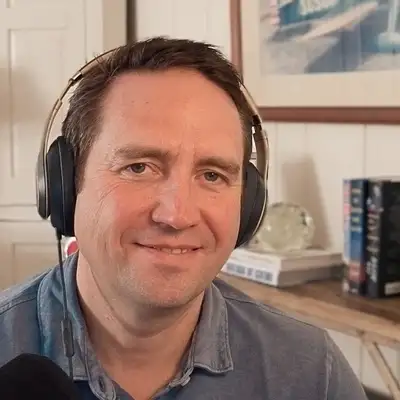
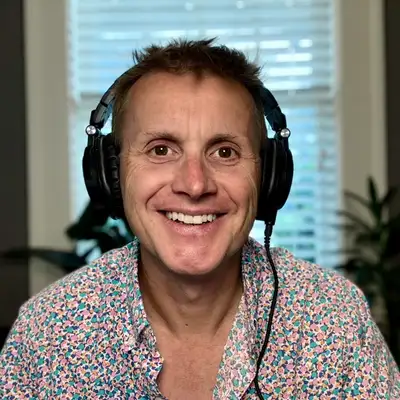
Space Insiders is your bi-weekly deep dive into the intersection of space, cloud technologies, and entrepreneurship. Hosted by Tony Sewell and Rob Ruyak, both seasoned space-tech executives, this podcast features candid conversations with founders, investors, and entrepreneurs shaping the future beyond Earth. Whether you're launching a startup, investing in innovation, or just space-curious, Space Insiders gives you the behind-the-scenes insights you won’t hear anywhere else.
New episodes drop every two weeks. Subscribe now and join the orbit!
Disclaimer: The views and opinions expressed in this podcast are those of the hosts and guests and do not necessarily reflect the official policy or position of any organization or employer.
Welcome to Space Insiders. I'm Tony Sewell, and, here with my mate, Rob Ryak. How are going, Rob?
Rob Ruyak:Great, Tony. Excited to catch up with you today and for our next interview. It's gonna be a
Tony Sewell:good one. It is a really good one. So we we recorded this last week. We met with Kristen Sargent, who's a a dear friend of ours and and just a a really innovating and and energetic and and just really talented person. Tell us a little bit about her background, Rob.
Rob Ruyak:Yeah. I've known Kristen for a long time, past life professionally. We've become really close friends over the years. What I like about her is that she brings a really what's the right way to put it? Empathetic, personal, emotional aspect of everything she does.
Rob Ruyak:You know, everything from being a veteran to, you know
Tony Sewell:Really high EQ.
Rob Ruyak:Huge. Yeah, very much. And for anyone that's out there looking for a mentor who brings kind of the personal side to business and how to keep building your confidence and figuring out the best way to pursue the most challenging aspects of your professional life. She is one of the top in my opinion. And her background lends itself really, really well with very practical and prescriptive guidance around how to do work with government, especially if you're commercial software company or just kind of a commercial company in general.
Tony Sewell:Yeah. And I can speak to the mentoring from personal experience. She has a real knack for that. I reckon she's got a business in that in her future. Absolutely.
Tony Sewell:She's great at working with people and helping people see opportunity and clarify their thinking. So really good discussion. I think that this is a super timely discussion with Kristin as well, because as we've seen over the last couple of months of doing these interviews, more and more as the geopolitics is changing and I guess as space is being seen much more clearly through a defence investment lens, the ability for entrepreneurs and companies to be able to develop a strategy focused on defense and understand how to go after defense business. That's really her specialty.
Rob Ruyak:It is. Yeah, to your point around the defense tech space, it's interesting because my personal first love is the space market, and it's quickly expanding, however, to even broader than that, where space actually integrates with other defense solutions because now, you know, we talked a little bit about this in an interview, which I I really like. You know, we asked Kristen, like, from her point of view, you know, why why do we think things are changing now, in terms of how government's looking at and procuring new solutions and capabilities. A lot of it is kind of this rejuvenated patriotic feel. And I think it's we finally have this recognition that our competition, especially our adversaries, are actually kind of doing it already.
Rob Ruyak:And so, you know, this idea of having that kind of burn in your belly to actually, you know, do something with purpose, especially a government mission and as a software company or a commercial company or, you know, space commercial company, now the door might be open to do more of that. So it's an exciting time from that perspective.
Tony Sewell:Yeah. Alright. I can't wait to get to the discussion. Before we get there, a couple of interesting announcements or sort of news items from the last week. The first one, which is just incredible, it's mind boggling, Firefly, their IPO went live last week.
Tony Sewell:We've met a few people from Firefly through some of these interviews and it's been interesting. There've been a few ups and downs for them in the last few months, but boy, their IPO just went to the moon. Listed at $45 at the end of the first day. They ended up at about 60. 8 and a half billion dollar valuation.
Tony Sewell:I don't know where it started today, but what do you reckon is behind this, Rob?
Rob Ruyak:It's absolutely nuts. Also Like,
Tony Sewell:I mean, congratulations to the Firefly team.
Rob Ruyak:Totally. I mean, it's it's some of these some of these guys, and I you know, look on LinkedIn, you'll see, you know, a lot of these folks, like, just an individual. I've met him several times before. Very interesting guy, Eric Salwan, I think is his name. He's been there since the beginning.
Rob Ruyak:Then, you know, you look at some of his posts on LinkedIn and, you know, the, you know, the trials and the challenges and everything else that this company has been through from leadership changes to dealing wanting to, you know, work directly with government, but having, you know, kind of the, you know, the non US citizen and the challenges that they had and learning from that and recapitalizing and finding new investment and all this kind of stuff has been it's a pretty awesome story, frankly. And I think, you know, to see a company like this do as well as it did the first couple days, like, you know, hopefully it'll sustain the value over time. But I think it's a really interesting lesson for a lot of people to to learn when they look at something like this. And what I mean by that is, you you could have a hot technology or a hot company and you can get a lot of buzz around it. It might even be in the right market with the right buzz, so you're attracting a lot of investors and a lot of people that might just be excited about the market like space and then want to invest.
Rob Ruyak:But the difference here though is that this company has a is a really strong portfolio of existing business and potential new business. That's everything from, you know, they have multiple launch vehicles. They have one. It's the Alpha rocket. You know, they're they they've they've launched a handful of times.
Rob Ruyak:They have a multiyear agreement with Lockheed Martin to launch satellites. Like, that's a solidified, you know, revenue stream for them, you know, you know, given their successes. They eventually, make that a more sustainable launch vehicle. They have a new one, the medium launch vehicle, which is gonna be, you know, it's in partnership with Northrop Grumman. You know, they we've we've talked about how they've landed the Blue Ghost Lander, and they've they've won multiple additional follow on task orders for that kind of work.
Rob Ruyak:One of which is really cool. It's almost $200,000,000 task order for, you know, sending the next lantern to the moon's South Pole to look for water ice and do other kind of experimentation. And they also have this spacecraft that they've been building for the last several years called ELETRA. And they they're, you know, they're targeting a lot of that for various national security missions. So and and other types of commercial applications that you know, it's a spacecraft that'll orbit for a year plus, you know.
Rob Ruyak:So they have a plethora of different capabilities they've been building and they've been winning about a billion dollar in backlog of government contracts. It's really unique, you know? I think we talked a little bit about Voyager and Voyager, how they structured the business to be responsive and targeted to government, but these guys have a strong backlog. I think it showed in the first couple days of trading when they did their IPO. So it's exciting to see how they move forward from this and how the value sustains itself over time.
Tony Sewell:Yeah, absolutely. It would be interesting to see if we can get someone on the show that's still working there and to get a bit of a view on where they see the future. We'll work on that anyway. Cool. So the other one that caught my eye is Amazon Kuiper made a massive announcement last week.
Tony Sewell:Now full disclosure, I'm on the Amazon Kuiper team, I'm not giving any. This is all public information. But they announced a deal with the National Broadband Network in Australia. So NBN is a government backed entity that provides broadband to consumers in Australia. And it's a obviously in a country like Australia, terrestrial connectivity can be kind of like in The US, be challenging for people to get good internet.
Tony Sewell:So this is a massive announcement, I guess, massive signal to the market of the confidence that, at least the Australian government, has in Amazon's ability to deliver on this. So really, they're joining the fight now. I mean, Starlink is a long way ahead, but it's a major boost for the company.
Rob Ruyak:Yeah. And it's so exciting just to see that there's so much demand for just connectivity. I mean, what about everything else that actually is the what you do with the connectivity that's gonna that's gonna actually, you know, come about. There's gonna be those proven businesses, right, that now, you know, could be accessible to those locations that haven't had the connectivity, but there's gonna be a whole bunch of new ideas. And I and think that's what's gonna be the most exciting part of all of this.
Tony Sewell:Yeah. So it's gonna be it's gonna be really interesting to see how things progress in that LEO space over the next couple of years. Alright. So we're gonna go to the interview with Kristen now. I do wanna give one shameless plug before we get there.
Tony Sewell:So in on the August 26, if you're in Atlanta, we are running our second Launch and Libations Happy Hour. So this is a gathering of folks in the space industry. There are some really interesting companies in space in Atlanta that there's a bit more of a concentration, I think a lot of people realise. So it's fantastic opportunity. You can see the details on LinkedIn.
Tony Sewell:It's going to be at the Scofflaw Brewing. But anyway, if you want to get any more information about that, just hit me up. I'll also post a link in the show notes. And with that, Rob, I think we let's bring in Kristen.
Rob Ruyak:Let's do it. See you in a minute.
Tony Sewell:Welcome back to the show. And, Kristen, so great to have you here for the tenth episode of Space Insiders.
Kristin Sargent:Thanks so much for having me, Tony and Rob. I'm so excited to be here. You guys are putting out great content. It's important for the industry, so excited to be here.
Rob Ruyak:Well, we've been waiting to talk to you, Chris, and this is super exciting for us. We love space and startups how government's changing, So and and you're, like, the right person to talk to. So we were we're really grateful that you decided to do this with us.
Kristin Sargent:Of course.
Tony Sewell:Yeah. Kristen, it's it's super timely, and we really wanna hear about about your your business and your journey. Rob and I were just talking about how like, the big news today was Firefly went public, their IPO, and they closed the day at an 8 and a half billion dollar valuation. They were up third almost 35% in the day, which is just incredible. We've seen over the last the last couple of months we've been doing the show, as we've been talking to people, defence has has been a much bigger deal, for space, in in this this current environment.
Tony Sewell:So with sort of that backdrop, can you tell us a little bit about, your background and why you started Sergeant Initiatives?
Kristin Sargent:Absolutely. So, you know, I feel like space has been a part of my career the whole time. It's really always had a role in the operations I've been a part of. And so I started my career as an air defense artillery officer dealing with Patriot missiles and leading batteries that were in charge of such important capabilities and in charge of protecting really important capabilities. And what was interesting is at the tail end of my time as an air defense artillery officer, I was asked as an additional duty to become my battalion's information management officer.
Kristin Sargent:And I had no training and actually no business kind of stepping into that role, But I did it and what I watched was just a complete breakdown of how commercial technologies were being used within my own unit. And I remember thinking at the time, this was around 02/2006, this is how we're going to lose the war, right? So we have to kind of crack this code. And I really spent my career at the intersection of defense and security and technology, first by leaving the military and going to Booz Allen Hamilton, managing cyber programs there, but also building large contracts as part of the capture teams there. And then moved on to AWS, as Rob well knows.
Kristin Sargent:And really, when I got to AWS, I was kind of underwhelmed at AWS's institutional understanding of how to really go to market in the public space. And so that was really surprising is really as a company, AWS was doing well because of the quality of the technology. But in actuality, we could have been servicing so many more customers, so many more defense and Intel and other customers, had we really known how the Boozounds of the world go to market and how they play in this space. From AWS, I went to a startup and we had all of the resources you could really ask for. We had a $1,000,000,000 valuation with over $200,000,000 in funding.
Kristin Sargent:We had all of the right board members, a ton of incredible talent, and we really struggled to execute. And that was so eye opening for me was I watched us making mistakes that we didn't need to make and I just couldn't stand by anymore and watch companies make mistakes going to market that prevent the government from really getting the best possible capabilities in a timely manner. That's also without wasting time and resources across these companies that are trying to do so much with so little at the start. And so that's really the impetus for me starting Sergeant Initiatives, Inc, is just really kind of going after that problem set.
Tony Sewell:And you've been doing this for two years now too, which is which is incredible, because a lot of people don't don't make it past the first sort of six or twelve months.
Kristin Sargent:You know it's as mission fulfilling as serving in the military was. I really just love my clients. I love the work that we get to do in making it easier for them to understand and really decompose how to go to market in bite sized pieces. And so, yeah, it's been a long two years and a short two years all at the same time.
Rob Ruyak:Well, Kristen, tell us more about what you're doing. Tell us a little bit about the company. So I think how you just explained, you know, where you were before, kind of why you had this kind of, maybe this burning urge, what is it that you do and why is it so fulfilling?
Kristin Sargent:Yeah, it's a great question, Rob. Thank you. So I was a math and English major in college. And so I love kind of creating simple formulas that help people solve a problem or find the answers that are going to unlock their potential. And so what I've done, our company has developed a proprietary baseline that's just a simple mile wide inch deep look across all of the significant corporate functions that have to be orchestrated like a fine tuned symphony in order to be successful in defense.
Kristin Sargent:And so we look at people and culture, we look at security and product, and we look at operations just to make sure that you kind of can see how all of these different functions must work together. And then also identify any gaps that are going to be essential for you to address to be able to go after the market. And so all my work, all my client work is really focused on kind of helping companies get that report card on how able and how ready they are to go to market. And then we work at filling those gaps with the incredible ecosystem of support that's out there.
Rob Ruyak:And what is some of that ecosystem of support? I'm assuming you're maybe you're not just talking maybe not you're maybe you're not talking about commercial and government markets. Maybe it's just government. Like, which one? What are those kind of ecosystem partners or groups that a company can lean on that you can kind of introduce them to to kind of help?
Kristin Sargent:Yeah. So I lean on a lot of ATO platforms, for example. So a lot of the clients I work with are pretty software based. And so
Rob Ruyak:And ATO.
Kristin Sargent:Sorry, authority to operate. Great. Yes, please slow me down when I start.
Rob Ruyak:And what is authority to operate, Kristen?
Kristin Sargent:So the authority to operate is the government's approval that yes, this technology is secure, it meets the government's requirements to then run on a production network. And so it's required if you're going to scale across the defense sector. I mean, you don't want to just get the proofs of concept that prove that your tech works. You have to then invest in actually working with the government and getting your technology accredited so that it can work at scale in really sensitive environments. And so that's a process and it's really hard.
Kristin Sargent:And the options are either to try to do it yourself and hire the talent and take the time to build those accreditations into your platform. Or you can work with a company that if you run your technology within their platform, you're inheriting all of those controls. So it saves time, it saves money, and it allows you to focus on building your intellectual property instead of this undifferentiated technical capability you still are required to have. And so I like to partner with those types of companies that then really help my clients focus on what they're supposed to be good at and not worry about this other stuff. You know another great example is a lot of legal departments have no idea how to navigate intellectual property requirements.
Kristin Sargent:They have no idea sort of what the terms and conditions are that have to flow down from a prime contractor to a vendor and how to navigate that. So just kind of backstopping some of these commercial startup legal departments with the right government legal expertise just to kind of get them out of their own way. That's another easy place to really make sure that they aren't tripping over their own shoes unnecessarily. And then you know, I also love hooking up my clients with, gosh, this week I was talking to, they're kind of a new financial institution that a lot of companies don't realize is out there. But traditional banks often won't give you the type of lending that you need to manage your cash flow in order to really make sure that you're still building the tech you need to while waiting for maybe the government to pay you after you've already performed or submitted your deliverables on a government contract.
Kristin Sargent:There are companies out there that can help with that type of cash flow challenge. So I try to really look at the entire ecosystem of help that any company might need. It might just need temporarily or just might need in a certain situation so that they can keep moving as fast as they can to build their capabilities.
Tony Sewell:I'm sure it's tempting for a lot of these small companies just to think I can do this myself. Do you see that a lot?
Kristin Sargent:I do. I mean, I do until you get into the C suite of a startup and they just want to move as fast as possible. I think everyone does ultimately realize that time is the single resource you can't get back. And so when push comes to shove, I see more and more startups especially, and I'm really glad to see this trend, kind of recognize I cannot do this myself. This is going to cost me a lot more in the long run if I try to.
Kristin Sargent:And so they do make the investment. But it does take real education of the C suite and the board especially to make sure that that type of investment is achievable and that everyone's on the same sheet as to why you have to make it and then what's on the the far end of making that investment.
Rob Ruyak:Well, why do you think and this is we've been talking about this on a couple of our episodes, which I am especially very interested in. I know you share this interest, Kristen, because we've talked about it for, I don't know, how many years we've known each other about this topic is how do you like, when is the warfighter gonna get the best capability that's out there in the commercial market? And a lot of times, you know, you work with small companies, maybe even large companies that are seeing these big awards. It could be anything, and they wanna kinda enter the government market. They're you know, sometimes it's, oh, it's it's it's too hard.
Rob Ruyak:It's too slow. The sales cycles stink. My, you know, my investors aren't going to invest in me because they know it's never going to come to fruition or backlog is fictitious. It's not really value. But there's a lot of change going on right now.
Rob Ruyak:There's a lot more startups. Defense tech is a hot term. You know, we talked about Firefly, dollars 8,500,000,000.0 valuation based on a backlog of a billion not real revenue yet, so it's like baked in future growth. Why is this happening right now from your perspective, especially given what you just said about how hard it is, you know, to even sell to government?
Kristin Sargent:Well, I think there's a couple things happening. Number one, I think that the macro global economic conditions are kind of ripe for patriotism to kind of come to the forefront. I really am seeing companies that start their journey in pursuing defense tech because they want to get a couple defense logos on their investment pitch so that when they go to the next series round they can get a higher valuation. They come into it wanting that and then they come out of the experience of going after the government realizing that they've become a part of the bigger purpose, right? They've become a part of something that's really in service to our nation and to the way of life that we're accustomed to.
Kristin Sargent:And so I think that that's part of it. I also think we're seeing some really positive developments in how the government is really pushing for acquisition of commercial off the shelf technology, right? We saw HEGSETH put out some memos that were really kind of pushing for streamlined acquisitions, put you know really pushing for commercial opening solicitations, and really helping to put organizations like DIU at the forefront because of the innovations that they've really pushed in terms of acquisition. And so we're starting to see some of the bureaucratic barriers come down and that's really exciting. And so when you've got a government that's saying, you know what, we do want commercial technology first and then they're actually taking actions regardless of your political kind of affiliation, they are taking actions that help reduce barriers for getting commercial technology into government spaces.
Kristin Sargent:That's a really positive indicator. So I think just in general, if you're someone on the outside following X or following different articles on LinkedIn or just kind of keeping up with the news, there's a lot of just things in the air that are making the environment seem ripe for opportunity.
Tony Sewell:Over the last, couple of episodes, we we've actually spoken to, a couple of entrepreneur Australian entrepreneurs that have have brought their businesses to The US and and having some success. But we do have quite an international audience, and there's obviously a lot going on in the defense space in Europe at the moment. But for for companies that are thinking about whether they're US commercial companies that that are thinking about moving into defense or international companies thinking they wanna get a piece of the the action in The US, like, what what are some of the misconceptions about selling to the US federal government customer.
Kristin Sargent:Yeah. It's interesting. You know, I heard your interview with Rich Julian, and I loved his kind of real breakdown of AUKUS and some of the import export kind of intricacies that are relaxing a little bit in order to enable more innovation across boundaries. I think really like if I step back when I've talked to different companies interested in entering The US market, especially for defense, they come in with a mindset that because I'm close ally of The United States, it's just a little harder for me. That's not true, right?
Kristin Sargent:It's really hard for everyone and it's extra hard, right? Now you have to navigate tariffs and what that might do to your supply chain. Where are going to be manufacturing anything that might need to be manufactured so that it can actually reliably get to The US warfighter? Those are questions that defense acquisition officers are routinely asking now to make sure that when they acquire, no matter from whom, that they can actually deliver that the vendor can actually deliver on the capability when and where the military needs it. And so there are so many bigger, broader questions about execution for an international company that have to be addressed as you come into the market.
Kristin Sargent:And so just making sure that your mindset is kind of working backwards from literally the ground soldier, airman, right, or seaman, whomever, that that person you're really working backwards from that user all the way to where you transact or sail and understand all the puts and takes that have to be accounted for in that supply chain. I think that's really critical from an international perspective. And then also, I do think it should be encouraging. So take all of the political and sort of global news that might be out there with the Trump administration and tariffs, etc. It might seem like international capabilities aren't welcome here.
Kristin Sargent:I could totally understand someone having that perception in some cases. I don't think that's the case, you know, where the rubber meets the road. At the end of the day, the Army, when they are procuring, they just care about what is going to get the mission done and what solves their problem. And that's pervasive across all of the services. So And at the end of the day, if you've got a mission essential solution, I don't care who you are or where you make it, what country you're from, I think there's an appetite for us kind of understanding that solution and figuring out a way to do business.
Kristin Sargent:And so I do think I see that more at the tactical levels than might be readily apparent, on the outside looking in.
Rob Ruyak:Yeah. And I think it's interesting on the international discussion. I think a lot of people in The US, like, I'll put myself in this category as we all have certain biases. You know, we wanna work with companies, or we want to, you know, serve the governments of other countries. We have kind of this bias if things work a certain way.
Rob Ruyak:And I think I heard someone speak about this recently, someone actually who used to work in the defense department, this question was asked of her, and her response was, how how do I actually sell it international? And her answer was, remember, you have biases by default and focus on the customer, the warfighter, no matter where they are, because it could be different depending on who you talk to. And I think that's something that, especially startups where they don't have as much, like you said, you know, time is like the is like the most important thing. You know, you're not gonna you know, knowing some of those things going in and listening and and and understanding how, you know, business is done differently in different countries. And, you know, the warfighter might have different needs, you know, you know, in Europe versus The US, like, you know, listen, pay attention, work backwards, and figure out how you fit, I think, is is is something that is is also important.
Rob Ruyak:It's important advice for a lot these companies, especially when they're trying to sell outside The US.
Kristin Sargent:Yeah. It I mean, not to be cliche, but, you know, my my my company's tagline is because execution matters. Right? You know, I've been in the room, I've been a part of PowerPoint briefings to the government about a capability that frankly just does not exist. Right?
Kristin Sargent:There's a great notional idea of a capability that could exist, but we need capabilities that exist today and we need them fast. So you know, I always kind of push on my clients and push on anyone who will listen to just kind of make sure that they've thought through the execution aspect of really delivering for the military and for DOD. That's that's what our nation deserves and requires.
Tony Sewell:Kristen, what's the the the the type of customer that you really like working with? And and if you've got any examples of of company of of some of your customers that that have you've been able to help have a breakthrough, and and what sort of made that successful?
Kristin Sargent:Yeah. So my favorite companies have got a little bit of maturity and they've got a little bit of of scale. Right? I like the companies that are anywhere above 50 people. I find that that's about the sweet spot for when folks have been running so fast and they're pretty excellent in their own respective lanes.
Kristin Sargent:But that's where things start to kind of become a little bit unsynchronized across liens. And that's really key and what I like to fix. But I've had the opportunity to work with publicly traded companies too. In fact, you know, the reason I got the work is because the CEO is explaining, you know, we just had a federal salesperson. We hired our first federal salesperson full time.
Kristin Sargent:They were with us for a year and they didn't deliver on quota. And so we had to let him go. And I looked at the CEO and I said, well, how do you know you're not the problem? Right? And he just kind of was like, holy cow.
Kristin Sargent:And it was from there that I was able to kind of build the trust of like this is a team sport. And so you just don't know what you don't know. But the clients I like working with, they're starting to really get some momentum and things are about to go wobbly if they don't do a couple things right. So for example, I had an AI startup that was about to land their first classified contract. Well, concurrently their CEO was courting foreign investment dollars.
Kristin Sargent:And so had you taken them? Well, now you're in a totally different situation corporately because now you can't get foreign ownership control and influence approved by well I'm going to try to spell out the acronyms here by the Definite FOCI. Yep, FOCI. I think I just nailed that one by the way. Foci approved by the defense is it DCSA?
Kristin Sargent:Defense Counterintelligence and Security Agency. Check me on that. You should do a fact check after this. Right, he would have jeopardized what the company was going to need to be able to deliver on that cleared contract. Another one, a client of mine was really advanced in maturing their product and their Chief Product Officer had an incredible ear and was listening and absorbing all of the information I was providing about what defense and intel takes.
Kristin Sargent:And he knew immediately, I don't know and I don't think any of the team that I've hired knows what we have to do or how we have to build uniquely to make sure we don't have to reengineer anything later on for this market. And so we were able to connect them to one of those ATO companies who was able to inform them, okay, if you build following these general guidelines, you're going to be okay and be able to make sure your product is always ready to go. So it's things like that, that they've got some commercial scale, they're moving, and I don't want you to slow down ever, but how do we kinda keep you moving but keep the wheels on the bus so that you can keep you can preserve the long term defense and intel opportunity for your business?
Rob Ruyak:Yeah. And I think, you know, it's important for everyone to remember that at least the US government has been operating within a contract environment that started in the late thirties right before World War two. It's actually an awesome book if you're interested in reading it. I'm I'm almost done with it. It's called Freedom's Forge, and it's all about how commercial industry was turned on by a few people that really came out of Ford, and GM to reinvent supply chain for government to ready this country for World War II, which was gonna be you know, was an impending danger that, at the time, president Roosevelt actually didn't think was gonna be an issue until Churchill started calling day in and day out that they're on our front doorstep.
Rob Ruyak:And it's really interesting to read this book because you see how commercial it's very similar to now but but different. Right? It's time to activate commercial industry, gear it towards a warfighter and defense. There's a greater mission associated with it. And, you know, down the road, there's gonna be so much innovation that will not only serve the warfighter but also, you know, provide benefit to us in general, in the world in general, that we have yet to see.
Rob Ruyak:But as all those kind of stars align, really good things happen. But the one thing that it talks about is how the government had to change how they bought stuff, right? Everything was custom cabinetry, right? And still has kind of been that way for the last, you know, almost a hundred years, frankly, you know? So especially as people that haven't really sold to government, worked in government, it's really important, to your point, when you talk about meeting with a CEO and maybe they're the problem, I think that's where the cultural disconnect could be a real issue for companies that really do feel passionate about selling their capability to the warfighter, see it as a big market opportunity as well to value their company.
Rob Ruyak:There's a significant cultural shift, which I agree with you. It's interesting to see the Andros, Palantir, Scalais, all of these now being top of mind whenever you talk to anyone that works in the old guard defense contractor market. Right? And so I agree. With all of that, what recommendation do you have for a startup that really does want to work in government?
Rob Ruyak:We've talked about a couple of different things, but to me, they don't want to wait to talk to someone like you, Kristen, and say, Oh, I have a problem. Sales cycle's too long. I don't know if this is the place to be. Why would they engage you, and how do you kind of set up the framework for them to think about, you know, getting ahead of it versus it happening to them and then it's almost too late?
Kristin Sargent:Yeah, I mean, I would say, right, the number, the top characteristics of when someone engages me or why someone engages me are generally because either a company has already wasted significant time resources and still is nowhere farther along. And so they're like, we're doing something wrong, but we can't diagnose it. So that's usually a solid indicator. Or two, it's a very humble leadership team who knows what they don't, they know they don't know what they need to go after the sector and they need someone to help educate them on what investments to make and when and sort of how to create the right order of effects, if you will. And so, you know, that equation is different and unique to each company.
Kristin Sargent:What you have already available to you for a federal go to market is very different depending on the type of product or the type of service you're selling. And then also the degree to which you have commercial traction, the types of commercial companies you're already selling to. And so usually I find there's stuff already available to work with. And so really what I like to do is kind of assess that as is state so that you can leverage everything that you've already built and then figure out you know where might you have gaps that need to be filled and then just build a very simple timeline really working off of the government fiscal year and the buying season to make it more realizable for the entire team as to what achievable within kind of each government fiscal year going out three, four years from where you currently are. And so for example, know, had a company come to me and say, you know, we're really interested in getting some help and going after federal.
Kristin Sargent:And I said, well, you're not going to get anything done in this government fiscal year, right? Like there's not enough time to get them up and running and being able to sell. And so I'm going to meet with them again after the government fiscal year turns over because then they'll be at the right point in how the government buys and when the government normally buys to really make the right decisions and skate to the hockey puck along the lines of what the government requires. Yeah.
Tony Sewell:So, Kristen, just switching gears a little bit. Of kind of through lines in all the discussions we've had in the interviews over the last couple of months has been around the importance of leadership and culture. You've worked in a range of different organisations. We all work together at AWS where culture is a very big part of it. I remember, Rob, the discussion we had with Jana Spruce way back at the start where, like, one of the core as a consultant, one of the core things she talked to her clients about was how to build how to build a, like, high performing culture in a technical team.
Tony Sewell:So I'm interested just to hear from you, what have you learned through your experience with various different companies? And I'm sure you talk about culture and leadership a lot with your clients too. I
Kristin Sargent:I think culture is actually one of the Once it's wrong, it's hard to write. For me culturally, I go back, I always kind of distill everything down into very like the kernel of what I recall culture being. And so in the Army, for me, it was one saying, mission, men, me, right? Always in that order, always with that being your priority. And to me, that's just so obvious, right?
Kristin Sargent:Take care of mission first, then you take care of your people, then you take care of yourself. That is so obvious to me. And what was great is when it's that pervasive and obvious to an organization like the Army, right? Customer obsession is pretty much the same thing in Amazon. And so I've watched sort of the kernels of culture that I gravitate towards really be a part of every single organization I've had the privilege of being a part of.
Kristin Sargent:And in my company, right, I wanted the kernel to be really simple and kind of authentic to what I think matters in the sector. And because execution matters, to me, it's again, probably just another take on Mission Men May and customer obsession, but execution and the ability to over deliver for customers is something that I want, I aim to do with my company is something I want my clients to do when they sell to the government. And so just having that be the kernel of the culture that we build at Sargent Initiatives is really really important to me.
Tony Sewell:Chris, love Sorry. I just wanted to I love how you've drawn that line between your military experience, because I'm a veteran as well. But that mission me connection to customer obsession. I'd never thought of it like that because it's not always obvious to I mean, not all people act that way, themselves last. It's a fascinating comparison.
Tony Sewell:Never thought of it that way before.
Kristin Sargent:Yeah. I
Rob Ruyak:mean I like those principles that of exert humility. I think that one is one of them. The other one I like, Kristen, was when you and I were at Booz Allen. I don't know if you remember there was one years ago that was called the the essential partner, which I liked too, you know, which was, you know, we can call you a client, call you a customer, which means, you know, you're probably buying something from us. Right?
Rob Ruyak:To more like we wanna sit next to you at the table and we wanna be so valuable that you that we can't live without each other, you know, which I always actually really was attracted to as well. There's kind of that humility within some of these principles I I I I think are really important, especially probably when selling to government.
Kristin Sargent:Well, what I also found interesting is, especially at Amazon, Amazon mechanizes the principles that they want to be a part of the culture. Right? When Amazon said hire and develop the best, we had the bar raisers in interviews, making sure that who we hired was in the top 50% of people hired at that level in that role. And so I really took that to heart and I look forward to kind of mechanizing the core principles that become a part of everyday operations at my company over time.
Rob Ruyak:Yeah, they kind of are like, it's like a social contract the way it works. Right? It's it's a something that everybody somebody people accept and yet to your point, mechanizes it. It's like a social everyone understands that at the end of the day, everyone can have a really good idea that they present, but at the end of the day, does the customer really care? You know, as as a kind of a question is, you know, it is unique, you know?
Rob Ruyak:And a lot of companies do that and they they're successful for it.
Tony Sewell:Kristen, another thing that a reason why I really enjoy talking to you and we've spoken a bit over the last sort of twelve months as I've been kind of charting my path, you're a very courageous person and the way that you approach your career and how you've you've really embraced entrepreneurship. How important is, like tell us about, like, courage and grit as an entrepreneur or as a as a business leader. Like, how do you think about that, and how do you talk about that to your clients?
Kristin Sargent:It's funny. I don't think that there is any courage or grit without self love. Like it all kind of has to come from a belief that you can do it and that you know that you can figure it out. And that even when you don't know how to do it, you've got the skills to either ask people or research or do whatever it's going to take to figure it out and get it done. And you know, if you've got self love, then your ability to kind of read your own instincts, make your own decisions, navigate in completely ambivalent like ambiguous situations.
Kristin Sargent:It's you can't do it without self love. I kind of find that it keeps going back to that. And then I do I so appreciate you, Tony, saying that I have courage and grit. It's funny, I don't feel that way at all, right? I don't.
Kristin Sargent:And it's funny, I said this recently, I think to my therapist, I said, I'm pretty risk averse. And she said, Kristen. Seriously? Mean, I think
Rob Ruyak:What does that make me? Gee.
Kristin Sargent:But I said this to my therapist and she said, Kristen, you chose to go into air defense artillery. Like you chose the only combat arms branch available to women. And then you chose to go to airborne school. And I'm like, well, yeah, but that's that I just had to do those things. Right?
Kristin Sargent:I just and so, you know, I I appreciate you, you know, categorizing what I've done as courageous or having grit, but starting my own business, it was literally like, I had a job offer from an incredible company to work with an unbelievable team. My body just shut down. It was like, you cannot do this. This feels like something you've already done. This would feel like moving laterally or backwards.
Rob Ruyak:Because it wasn't risky enough.
Kristin Sargent:I mean, maybe. But I
Tony Sewell:You get you get comfortable in these big companies. I mean, like, it's a tremendous opportunity.
Kristin Sargent:But I think when you when you love yourself, then you're like, alright. Let's go. You know? Like, let's let's follow let's, you know, sing the song that your soul is singing and just go with it and see what happens. And I think that's been the most remarkable part of my journey is, you know, I totally thought that leaving corporate to start my own business was going to feel like jumping off a cliff and it's not even close to that sensation.
Kristin Sargent:It's remarkable how you can, there's an entire community of entrepreneurs out there cheering for you, wanting to help you because they've been through it, who want to pay it forward. And it's you immediately fall on a ton of incredible colleagues just like you do when you join a big company and you're there and a part of that family too. So it's a really remarkable experience. And if folks want to start their own business, man, go for it.
Rob Ruyak:Kristen, can you please text me the name and number of your therapist after this is over?
Kristin Sargent:I don't think she's taking any more patience, Rob.
Rob Ruyak:She really should be.
Kristin Sargent:Yeah. She's good.
Rob Ruyak:But, no, I I think it's a beautiful point you make, though. I don't I don't think I've ever heard anyone in my professional experience actually say that. It's one thing when you hear someone's I've I've had a lot of this feedback. You need to be more direct. You need to be more aggressive.
Rob Ruyak:You need to be more, pushy, whatever it is. Right? And you need to do what you can to you need to do what you can to get what you want, right? But frankly, I've never really signed up for that. Maybe it's because of who I am or maybe I I don't know.
Rob Ruyak:But I think starting off with not just saying I'm confident, but truly thinking about, like, what do you love? What do you love about yourself? And using that as a foundation is, a very unique piece of advice I don't think I've heard before. So I love how you've summed it up that way.
Kristin Sargent:And I mean, it's funny that someone was asking me, I'm training right now for a mountain bike race. And you know, they're like, why are you doing this? And I said, well, because it's new, and I think I can do it. It sounds like fun. And so I think, you know, people don't realize in a lot of times in your personal life, you take a lot of risks, you tried new things, the same can be true in your professional life.
Kristin Sargent:And so I just try to keep a kind of a wide aperture on how I can take the things that I do every day and build on them to go bigger professionally.
Tony Sewell:Yeah. And in the end, like life's not a rehearsal.
Rob Ruyak:That's right.
Tony Sewell:Well, Kristin, I think this was a really good way wrap up the formal part of the interview. I always love talking to you about this stuff. It was really good. So we like to finish our interviews with a little bit of a fun question. So I
Rob Ruyak:was
Tony Sewell:interested in have you had a a brush with fame?
Kristin Sargent:Brush with fame. I mean so a couple things. Yes. One, about six months after I started my own company, I walked into a conference and someone said, I know you. And I said, where did we meet?
Kristin Sargent:And they said, I've seen you on LinkedIn. I thought, wow, I'm now a LinkedIn influencer. I was putting out a lot of content at the time.
Tony Sewell:You were, yeah.
Kristin Sargent:And so that was pretty cool. But no, this is kind of quintessential DC. Two weeks ago, my partner and I were with our next door neighbors. We always go get pizza and beer at the same spot. It's right outside of Nats Park.
Kristin Sargent:And we go every week religiously. And on this particular day, we walked in, sat down at a table kind of along the side of the restaurant and Secret Service came in and they kind of cleared out an area and they cleared out all of the tables surrounding us. And it turns out that Defense Secretary Hag Seth and his wife and his kids and his kids friends all walked in and ate dinner right there kind of eight feet from us. And so, I you know, in terms of brush of brush of fame, I would say those two stories are the first things that pop to mind, popping popping up.
Tony Sewell:The cool thing about living in DC. You just never know who you're gonna come across. What about you, Rob?
Rob Ruyak:Have I had a brush with
Tony Sewell:that? Yeah. What's a a memorable one for you?
Rob Ruyak:Well, probably the most memorable was in college. I went to a BB King show at the Warner Theatre here in DC, and I was able to get backstage passes and actually met him. And this was in the late nineties. So he was still very active, and he was excellent. And, I mean, I actually got to shake his hand and I'm a huge I fan of BB love I I play blues music on guitar and so I was really kinda hot into in into seeing him.
Rob Ruyak:And and so that was that was probably one of the coolest experiences I've I've had with, you know, seeing in the flesh a famous person. That that was that was probably my that was a top of mind brush with fame that I had.
Tony Sewell:Yeah. That's awesome.
Rob Ruyak:Yeah. That was cool.
Tony Sewell:Very good. Alright.
Rob Ruyak:What about you, my friend? You didn't answer the You can't get off without answering that question.
Tony Sewell:Probably one of the funniest ones. I I have had one of those DC experiences was at a restaurant, Rob, that you and I've been to a few times, Raseke. A heap of secret service people in there. Turned out Michelle Obama was was this was back in the Obama days was was dining there. But the funniest one I had was when I was years ago when not long after I moved to The US, my sister came over to visit her.
Tony Sewell:I met met her up in New York, and and she hadn't been to New York before, it was winter, and she really wanted to go ice skating in Central Park. So we were lined up, and she's right my sister's right she was right into jeans at that time and and, like, I I wouldn't true religion jeans. She knew what true religion jeans looked like, and she really wanted to get a pair. And, anyway, we're standing behind these people with this couple of blokes with kids running around, and and she said, oh, that that's what true religion genes are. And I was like, okay.
Tony Sewell:And, anyway, this guy sort of turned his head, it was Kelsey Grammer. And he was there with his kids.
Kristin Sargent:That's awesome.
Tony Sewell:And then the other bloke that was with him turned around. It was John Voigt. What? They were they were there with their their young trophy wives dropping dropping the kids off at the at the ice skating rink. So that was kind of a cool New York experience.
Tony Sewell:Oh, actually, one. Actually, when I was with our AWS team in New York, we were dining and Willem Dafoe was just sitting in the next table, so that was cool. New York is a great place for those people.
Rob Ruyak:A lot. You got a lot
Tony Sewell:of people. About that one. New York's
Rob Ruyak:cool. The DC ones are not that
Tony Sewell:No. They're not as exciting.
Kristin Sargent:Must say to my mother. Do not say that to my mother.
Rob Ruyak:Oh, I mean, having grown up here and dealt with the traffic and, you know, these people, you know, they stopped the whole street and, you know, they got the barricade and you're like, alright. Alright. That's that's great. No. I don't know.
Rob Ruyak:I think I think being able to see some of these people that are true talents is and and, you know, doing it serendipitously is pretty fun. It's it's it's fun. Yeah.
Tony Sewell:Yeah. Well, Kristen, thanks again for joining us, on the show. If people wanna get in touch with you, how can they find you?
Kristin Sargent:Easy. I'm on LinkedIn. It's kristen with two i's and sargent spelled s a r g e n t, and my website is sargentinitiatives.com.
Tony Sewell:Awesome. And we'll make sure we link those in the show notes and also on the post on LinkedIn so folks can find you. So look, thanks again, Kristen, for joining us and Rob, and and thank you for for listening and supporting the show. And if you like what we're doing, we'd love for you to leave a rating or a review. It'll really help us get the the word out of the show out out on the show.
Tony Sewell:And with that, thanks for listening and look forward to seeing you next time.
Rob Ruyak:Bye. Thanks, Kristen.
Kristin Sargent:Bye. Thanks, gentlemen.