Subscribe
Share
Share
Embed
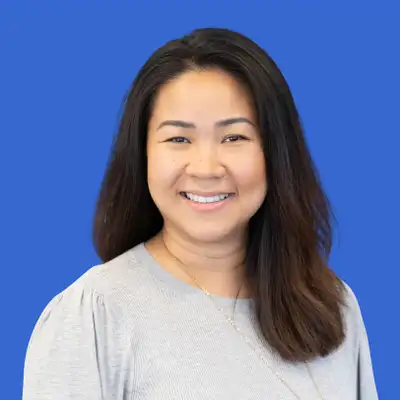
Conversations with Chanda isn’t just a podcast — it’s a movement. Hosted by powerhouse CEO, philanthropist, and unapologetic truth-teller Chanda Smith Baker, this award-winning show cuts through the noise to confront the issues that shape our world: race, power, leadership, justice, and philanthropy. With a fearless voice and a deeply personal lens, Chanda brings listeners into raw, unfiltered conversations with national changemakers like, Robin DiAngelo, PhD, Luvvie Ajayi Jones, Caroline Wanga, and Ibram X. Kendi, as well as the bold Twin Cities leaders shaking up business, community, and culture. Whether it's pushing past politeness or unpacking the quiet power behind real change, Conversations with Chanda is where leadership gets real — and personal. This is not just a listen. It’s a call to lead. Subscribe and download now — your next breakthrough starts here.
Chanda Smith Baker: Hello, community. You are listening to Conversations with Chanda, where leadership gets real and personal. This is where we cut through the noise to confront the issues shaping our world and our community. From power and justice to the heart of community change. Hosted by me, Chanda Smith Baker, President and CEO of the Saint Paul & Minnesota Foundation
And so before we just get started, I- I just wanted you to introduce, introduce yourself to our audience
Ganesha Martin: Whoo, where do I begin? , so my name is Ganesha Martin. I got up and spoke, a couple of weeks ago. And girl, in the middle of, my speaking somebody was like, "Ma'am, what's your title? What's your name?"
Chanda Smith Baker: Confused, you done forgot. I, I- You just got to business ...
Ganesha Martin: got right into it. Mm. I am currently the Bureau Chief of Constitutional Policing at, the Minneapolis Police Department. It's a newly created position, to oversee the reforms that came about after the murder of George Floyd. both the settlement agreement that was negotiated with MBHR, and, the federal consent decree that was adopted by executive order by the mayor.
and I'm sure we'll get into it, but I came to this work, after, I always say I grew up, Baltimore grew me up. so doing, being a deputy mayor of public safety, in, in Baltimore, and then being, holding other positions in the police department, chief of staff. the chief of constitutional, policing there, a office I created, which is why, the former chief O'Hara actually asked me to come here.
and then in, in between then and now, I spent about 10 years, helping police departments and communities, mayors and city managers across the country, with various reform efforts in policing.
Chanda Smith Baker: Yeah. Which I think I met you somewhere between there and here.
Ganesha Martin: Yeah. Yes, you did, during COVID. And just like, we were, you know, we were on, it was NYU, Policing Project.
And it's so funny, you sometimes do this in rooms where you, you just pick up on vibes. But there was one time you said something, I said, "Oh. Okay, me and her." Mm-hmm. "I got me and her right here."
Chanda Smith Baker: There's a special leadership trait to be able to pick it up on Zoom too. Yeah. 'Cause I, I felt it. and I was so happy to know that you're coming here, because I know you're about that work.
Yeah. But how did you get into the work? Like, what in the world would make you wanna go into policing?
Ganesha Martin: Girl, that is a funny question, because I never wanted to go into policing. This was, it w- this was not my trajectory, baby. What I had planned for myself, was, to be, an attorney. I'd studied in J- in Japan, so I was going to be jet-setting, from Japan to America, representing the top, corporations.
I'm on this jet, I'm sipping champagne. I don't really know where I pictured doing the work but this is how I was picturing myself. and so, when I actually realized what corporate law was, yeah, not for me. Sitting in a office reading through documents, like, no. so anyway, I, I, I was licensed to practice in Texas, and then New Mexico.
and then I came to Maryland, was licensed there and, but when I left- New Mexico and went to DC, quite by happenstance I met somebody who said, "You should work for the mayor of Baltimore." And I, had just graduated from a program called Emerge, that trains women to run for political office. and girl, you know, I don't know.
I, people still ask me if I'll ever run. Probably not. but you know, one of my first clues that maybe I shouldn't is when we had the, the piece of the work we had to ask people for money, and I called my grandmother and asked her for like a dollar. A dollar.
Chanda Smith Baker: You got any change in your purse, Grandma?
Ganesha Martin: I was like, "I'll pay you back, Gigi, don't worry about it."
so anyway, but this was an opportunity to work for a Black woman, head of a city. And so I was not from Baltimore. I actually got the job two weeks after ever first stepping in Baltimore. That's another story. But anyway, so I came in there, and it was at a time where, the prior administration had arrested one in six, Black folks for low-level, you know, issues.
They had brought this zero tolerance, ki- kind of mindset from New York. And so the mayor was in a place of trying to reduce violence, and also, murders in particular, but then also restore, trust. And so, sh- I was asked to be deputy mayor. I did that, and then as I took the bar to, to then move back to practicing law, they asked me to stay, and then they asked me to go over and be the chief of staff to, the police commissioner.
And I was very hesitant to do it. I did it because I realized, having been in Baltimore, the relationship between the mayor and the police department. And we would be in meetings, and the mayor's staff would walk out and say, "The police said this," and the police would say, "The mayor's staff said that."
And I was like, "That's not what anybody said, and we're not getting anything accomplished." So, but I went over there with a very he- hefty, skepticism around policing because, particularly the Black men in my family, had had bad experiences with police, across the country, quite frankly. And so, I went in with a, a very apprehensive attitude.
I actually remember one time the commissioner said, um... I see how the rest of y'all are looking at her in an executive command staff. He said, "She doesn't trust us." And I didn't. I didn't. And you know, it wasn't really till I went to a police funeral-
Chanda Smith Baker: Mm ...
Ganesha Martin: and I saw the, the mom and the, and the baby standing next to the casket, where I really, it really hit me, and I was like, "You know what?
these are people that put literally on something to c- cover their organs." Their job, when you clock in, our job is to get on a Zoom, to have some meetings, to do this. And they, we're, I'm clocking in to literally run towards danger, run towards bullets, run towards knives. So that started shifting, a little bit.
The other thing, I'll say this, is that was pivotal, and I believe God did this, for a reason. When I say I wasn't meant to get into policing, I think, God meant for me to do it. The first day I was a chief of staff to the commissioner, I got a call from, one of my loved ones, the person I love the most in the world, who had been arrested in Cleveland.
And, they, they, the, the, the police had hooded him, had punched him in the genitals, had done some s- un- unspeakable things during the arrest. I flew somebody out there to get them out of jail, and then they were picked up again in another jurisdiction. This particular officer called me and said, "Ma'am, do you believe there are some mental health implications here?"
And I said, "Maybe, I don't know." And so this particular police officer took him to three different hospitals and said, "Ma'am, I, I they keep saying nothing is wrong, but I'm, I'm worried if I leave him by himself he will be... it will not be good." So I got to see on my very first day as chief of staff, and girl I'm running back and forth.
I'm not telling the commissioner anything that's going on in my life. It's my first day as chief of staff. So I'm in here on calls running back and forth. And it really established for me in my work that there are two types of officers. There are the officers that show up every day to do their job, to serve, to protect, to take care of people.
And there are some that should never had a gun or a badge, and should be under the jail. And so that's really what I carry into... And that's how I ended up h- here, there, and why I've stayed really this whole time, fighting for a system that supports the officers that do the right thing, and a system that, gets out the ones that don't before they come into contact with our community and cause more harm.
Chanda Smith Baker: Yeah. Well, I'm grateful for your leadership. And you went to work for a Black mayor. There was a Black police chief, if I recall. And Freddie Gray
Ganesha Martin: Yes.
Chanda Smith Baker: So I- Ooh, were, were you there then, right? You were there
Ganesha Martin: I was, and what happened was, I was the chief of staff, but Ferguson had happened- Yeah ... and things were starting to move across the country, and that commissioner, he was from Oakland.
Chanda Smith Baker: Mm.
Ganesha Martin: The mayor had brought him in, outside candidate. I wanna say it might have been the first time in BPD history, so very controversial, plus he was from Cal- from West Coast, very different from East Coast policing. And, he's actually the one that called me and asked me to be his chief of staff because I was politically connected, and he wanted that for, you know, for his...
And so, he called me up and he said, he said, "I need you to go be our, our legislative director, because they're gonna do all this massive police reform, and, take a hiatus from chief of staff and go do that." So I went up for the session, and very quickly I called him back. I said, "Oh, the community..."
'Cause remember, I'm not from Baltimore. I said, "Oh, these activists don't dislike the police. Oh, they hate the police." Um-
Chanda Smith Baker: With a capital hate. They hate
Ganesha Martin: me with a passion, to the point of like, "Hey girl, hey. You're cool, you're cool. Who you work with?" "Oh, goodbye." You know? Mm-hmm. I mean, like that. And so, you know me, you've seen me.
I, I work those relationships, and to this day some of those folks still checking on me out here. Talking about, "The Minneapolis people treating you right, Chief?" They, they, they, they refuse to not call me by my title. And so anyway, when I came, I, I called him up and I said, "Look, as the chief of staff, I'm having to deal with too many fires.
I wanna create a new bureau, the Bureau of Community Engagement." He said yes, and then literally the next day he said, "I need you to come back to, the city. We have a young Black man in critical condition from, from, in custody." And so I came back and, events got set off. He ended up getting fired, a new per- a new person was in, and that person asked me to stay and, lead at that time.
At that time, Loretta Lynch had reached out, and Vanita Gupta, to let them know they were gon- let us know they were gonna start investigating us, DOJ. And so he said, "I want you to create a new bureau," and so I created the Bureau of Commun- of, of, Compliance, Accountability and, Ex- External Affairs to oversee.
Mm-hmm. and we started negotiating a consent decree and, we, during the, during the, the negotiations it
was, everybody was thinking that Hillary was gonna win so the DOJ was whoopin' us. You gonna do this, you gonna do this, you gonna do this, you gonna do this. When it, when it, when we realized, okay, what was actually happening, the tides turned and they said, "Please take this consent decree." So then we were in a, in the driver's seat to negotiate, and we signed that consent decree like 2 o'clock in the morning on the night of inauguration so that we could- Oh, wow
so that we could keep our consent decree. And then after that, Sessions came down and tried to, tried to, close out the consent decree. Probably the first and only time the community and police stood up in that courtroom and said, "No, we want a consent decree." And Judge Bedar, who I think is the best consent decree judge out there, put it, put it, put it, put it out there, said, "So y'all can go on back up the s- back up the road to DC.
We got it here in Baltimore." Wow. So yeah, this is where I entered into the work. you know-
Chanda Smith Baker: I love it. I have like two tracks of questions because the police violence against community can also come down to rac- it's racialized.
Ganesha Martin: Mm-hmm.
Chanda Smith Baker: And in Baltimore, there was Black leadership, and we all sort of saw what happened with Freddie Gray.
And what I'm trying to get to is that there's like this system of policing that you were just talking about, right? Where it's like who should be in it, who should not be in it, but how do we understand it? 'Cause there's so many people. It's like these white officers and these Black folks, and I just want- Yeah
to like hear your take on it because I hear that so much. And that, that situation I often call on because of the, the situation and the demographics were so different.
Ganesha Martin: Call on Tyre Nichols as well. Like that was one that- For sure ... I know I'm coming to your question, but literally blew me. I was crying like chest compressed, like, like so hard because at one point I pictured, I said, "You are stomping a man that has to look like your child, has to look like your cousin, has to look like your brother."
And I, I have to say, this is a hot take. I might lose a lot of people on this, but the older I get and the more I'm doing this work, and the more that people use policing in Black communities as, as political footballs, I'm getting less and less concerned about these hot takes. but you know, yes, there are racist officers just like there are racist teachers, and racist doctors, and racist bank- bankers.
Um- I, I do not
It's, it's hard, it's hard to delineate. There's sometimes obviously where I think you can go look at somebody's history, you look at their background, you look at what they've done, and you c- you, you can say this person has a, um-
Chanda Smith Baker: Pattern and practice ... a
Ganesha Martin: practice, right? But, but even recently... I'm g- I'm, now I'm going the long way around, girl, 'cause you have-
Chanda Smith Baker: Yeah, we're with you.
Ganesha Martin: You pricked on the thing that I sit and I contemplate, and I'm heavily contemplating this right now because in Minneapolis, unlike other settlement agreements, and consent decrees, this was specifically... There's things in this agreement around non-discriminatory policing that are not in any other.
And so where we sit right now in the academic space is that, that there are a lot of people who can show you disparate outcomes. There are very few that can then make that jump to that is racist, and one of the things that... or is based off of racism solely. And when you think about, you know, when you have disinvestment, when you...
in, in communities, when you have, you have, you know, the wealth gap, you have, all the things that we know concentrate in certain communities, and you just overlay all that, education, opportunity, all that. You, you overlay that crime right over the same places. And so one of the things that I have started to materialize in my head is these, the systems that we have are not serving the people within them.
So the systems, if you have people calling up, and you know, and you know this happens, and I work for mayors. People call up and say, and it could be an activist with a loud voice or it could be a business person with a loud- with a deep pocket, "Do something about this violence. Do something about this violence."
Right? And only till recently, under, you know, under Bi- well, it happened in the '90s, but certainly there's an infusion of cash from Biden to work on CBI type of, you know, programs. But usually people i- in communities, that means I wanna see more police. Even honestly, when you go to a lot of Black communities, they do want, they want police, they want them to show up and act like they have some sense and act constitutionally, but they wanna see people walking a beat, they wanna see people driving up and down the street.
There are very few communities that are saying, "Send me less police." So if you send more police to the places where things are happening, and you ignore the system that has created the space for those things to happen... And so that's why I say it doesn't serve, because I could have, I could have the most well-intentioned police officer who shows up every day being a Black person wanting to serve their community, and they show up in the same areas over and over and over again, it could look like racialized policing.
And so to me, I'm actually on a search, and I hope we figure it out here in Minneapolis. How do we-
Figure that out. Here's another a hot take. People say trust, trust, trust. Let's build trust. Let's build trust. My question I'm starting to say to people, community, and police, like, what, what does trust look like, right? Because do I need to like that you handed me a ice cream? Do I need to like that? Yes, that's a part of building relationship, but what I really want, well, let's ask the question if this is what we really want, is that when you show up to my door, you are gonna treat me with dignity, with respect, with, you are gonna abide by the Constitution, because I'm gonna believe that the people, which this doesn't happen, sometimes it done happened, you have been trained on how to interact with me.
I am going to, expect that you as the officer have been taken care of, of as a human being so that you're not showing up to my door broken and beat down because what you have seen every day all day. So, you know, people throw that, that, that word trust around. I wanna trust that you are going to do everything that you can to, keep me alive, keep me safe, and, and the same for you.
So, when you go, when you go... I mean, they, they, we talked about that all the time. You have a Black mayor, you have a Black police chief, you have Black, Black, Black, but these systems that everybody has to work within, the systems do not create the environment in which all people are treated equally period, and that's what we really need to be working on.
Chanda Smith Baker: Yeah. Heard. and also it's more complex than, like, a general sort of emotional reaction. I hear that as well. two things. One, what is CVI?
Ganesha Martin: So CVI, Community Violence Intervention, and it's become a umbrella term that folks, you know, use. but it really is, focused on the root causes of violence.
and you, as you know, Baltimore and many other cities, but Baltimore in particular is recording the least amount of, of murders in decades. Decades. and, you know, I started the, the, CVI work before I left. I had to penny pinch, I had to go beg, I had to go do a whole bunch of things just to get it started.
When, when Mayor Scott became the mayor and started infusing that ARPA money and actually making it a ecosystem, I think that's why we are seeing the reductions that we are seeing, in, in violence there. And so, under the CVI umbrella, there's, generally a group of people who come from, you know, a life, you know, you know, of violence, of crime or whatever.
And, they have come back to their communities and have said, "I wanna do something. I, I wanna do something different here." and, you know, what I, I particularly like in some of these programs is that they use CBT, so c- cognitive behavioral therapy, making sure that folks have jobs. and, and certainly there's, there are programs that do it well, there are programs that, that could do it better.
but when you are actually taking care of the pieces that the system has not given to folks, and you go to that root cause, you know, it does show that, that it reduces violence. with the violence interrupters, there's hospital-based programs, school-based programs. and so, to me, even in Baltimore when I sat down and I was like, "As the deputy mayor, what are we gonna do about violence?"
And then I looked across the country, and Baltimore had tried, violence interrupters twice and it failed. But still the metadata showed that this was the most promising. but what I found out is when you offer somebody a different life and you say, "If you put down that gun, I will give you these resources," and these resources are not there, or you expect them to get up and take 12 buses with no money when they don't have food in the house and when their lights are off, and you make it hard for them to access, or they get there and it's, they gotta wait 12 hours, all those different things.
So you have to be very intentional. And I realized in Baltimore, we, we had set it up that way. There were no services. I started trying to have meetings with all the people that were doing services.
Chanda Smith Baker: Right.
Ganesha Martin: They were not there.
Chanda Smith Baker: Yeah. So, yeah. And services work a particular way. They work sometimes on business hours.
Ganesha Martin: That part.
Chanda Smith Baker: Right. Um- Yeah ... like, you gotta come in, you gotta be approved, you gotta go through all these steps, and needs are more immediate. Like, there's a mismatch sometimes of what that, what that ecosystem looks like. Yeah. I, I was sort of smiling when you said a life 'cause I didn't know how you were gonna finish that sentence.
And then I obviously think about some of the public conversation here about the folks that are violence interrupters. I think about folks that were coming here from Chicago 20 years ago, was talking about some of the work that was happening there, to people like, "They got one foot in the street. They got one foot in the city.
They over here." Like, everyone is sort of having an opinion.
Ganesha Martin: Yeah.
Chanda Smith Baker: not even because they shouldn't have an opinion, but it's not the complete picture. Mm-hmm. And I like to believe that most of those opinions come from a place of we all want our community to be safer.
Ganesha Martin: Mm-hmm.
Chanda Smith Baker: But what do you think people need to fundamentally understand?
Because you're assessing with very little information sometimes, and you're like, "Well, look, they... I can't tell who's out here helping, who's the helper." You know? Somet- I hear that. Who's... Sometimes I don't know who the helper is. And-
Ganesha Martin: Well, and, and also unfortunately I've seen this, I did a lot of consulting across the country on, on the CVI work.
a phenomenon that I started to see is when you start to infuse investment into communities that have traditionally not been invested in- it creates this economy of competition, and it's still, these are still drops in the bucket. And so then you, you have the crabs in a barrel. And so I'm a real interrupter.
They're not a real interrupter. You know, all these things or, they should, they're not showing up in a certain way. Well, they haven't been trained. They haven't been... You know, I oversaw these programs in Baltimore, and there was a mayor who decided to expand, and she expanded from four, Safe Street sites to nine, but without any additional supervision.
and so you have people that are coming back from a life, some of which have never worked in an environment where the people expect you to be on time, you know, all these sorts of things. Um- Do reports. Do repo- do reports. You know what I'm saying? All the things. So you know, even in this reform work, one of the things that I'm trying to focus on is building capacity in community.
Like, you know, eh, creating the sustainable infrastructure so that folks who have traditionally not been invested in can meet you where you are and then continue to build. Sprinkling a little this, sprinkling a little of that, and expecting for them to be able to, um... You know, to your point, there was a young man, he got $90,000 for one of his programs.
They, they ended up sending him a 1099, like he owed taxes. Wh- what is he trying... You know what I'm saying? So you know,
Chanda Smith Baker: it's- Okay. I didn't know. I didn't know. Yeah.
Ganesha Martin: Yeah.
Chanda Smith Baker: Yeah, yeah, yeah. Here- here's two questions. So one is, what's your title again?
Ganesha Martin: Bureau Chief of Constitutional Policing
Chanda Smith Baker: What that mean? That's the first question.
huh. And then the second question is, you brought up the consent decree, and while I'd like to... well, I absolutely know that some of our listeners will know what that is, and how- Yep ... and what it means to Minneapolis.
Ganesha Martin: Mm-hmm.
Chanda Smith Baker: But some will not. So what, what is your title? What does that mean?
Ganesha Martin: Yeah. Yeah.
Chanda Smith Baker: And what, and how does it relate to this consent decree, and what is a consent decree? Where are we in that? Where, what, what's happening?
Ganesha Martin: Yeah, so, so in the police department, so a- particularly here, the way the rank structure is set up is that it's the police chief, it's assistant chiefs, it's two of them here, and then there's, deputy chiefs.
I am the same rank as a deputy chief, but I'm a bureau chief. apparently, what- whatever the rules are out here, they needed to give me a different, designation as a civilian, but I still have the same rank. And that was important to me because a lot of people, you know, said, "Ganeena, why would you move to Minneapolis?
Why are you... Just be a consultant." And I'm like, "To do the type of work that I need to do in a police department, you need rank, period." And rank don't always get you what you need, but it gets you enough. The rest is relationship building. and so, so really the bureau chief really is a designation of rank.
The constitutional policing is something that they came up with, which I think is just supposed to be a catch-all for, you know, let's make sure that officers are, uh... That they have the right policy, they trained, and then those accountability mechanisms on the back end to make sure that they are actually doing what they said they were gonna do.
So that's audits and, and all type of data analysis and stuff like that. the consent decree and settlement agreement, so for Minneapolis in particular, and I know Minneapolis likes to be different, and in this way they def- yeah, definitely are. So it's gonna be the only city in policing history to attempt- To do two agreements at one time.
Mm-hmm. Never has been done, girl, anywhere else. So you have the sta- state settlement agreement where the Minne- when the Minnesota, Department of Human Rights sued the police department. That went through the entire process, and that is a court enforceable, document, which essentially says there was a pattern or practice of race-based policing, and the city has agreed to address, those, those issues.
and you have to, address those issues. There is a monitor that has been, hired, named ALEFA, Effective Law Enforcement For All. And the way the process really works is the... So after you do a policy, you do the training, you do an audit, you're found to be in compliance, you have to hold that compliance for some provisions for one year, for other provisions, two years.
And then you can go to the court and ask to be discharged. so the consent decree, that was under President Biden. there was an investigation. They found there was a pattern o- of unconstitutional policing, and the city entered into a, agreement for- Federal,
Chanda Smith Baker: yeah. A consent agreement ...
Ganesha Martin: a federal
Chanda Smith Baker: agreement.
Ganesha Martin: A federal agreement. This is with the federal DOJ. The, uh... So when Trump came in, unlike what we did in Baltimore where we made sure that we actually signed it before inauguration, this went in front of a judge. And I mentioned how Brodar was, our Judge Brodar. This went in front of a judge who was like, "Hmm, I don't know.
Does, would, do, do, do y'all really want this? I don't know. This don't sound right, you know. let's see what, when Trump comes in, what does, what do they think about this?" And Trump, of course, does not believe in consent decrees, and so that agreement was not, executed, or not entered into by the judge.
And so, Mayor Frey decided to, adopt it by executive order And so it has a lot of things in there that are similar to the consent decree, and I will say that consent decrees and settlement agreements, cover things like uses of force, des- stops, searches, arrests, citations, people in mental and behavioral health crisis.
Minneapolis in particular, unlike any other consent decree, has big, big pieces around people in mental and behavioral health crisis, that must be complied with with the Office of, Community Safety, alternative response. so it really cover- it covers recruitment. it covers officers and how they respond to people in mental and behavioral health crisis.
It really covers the gamut. and so it's quite a bit of work to get done. I oversee a unit called the implementation unit of about 20 civilians, and their job is to help the, police department, the sworn members who still have all their other jobs out on the street, keeping people safe, they gotta do all that.
my unit is set up to assist, with helping the department come into, compliance with the settlement agreement. 'Cause while it is the actions of the officers that will be judged on whether we get out, there's a lot of administrative work behind the scenes to prove compliance. and so that's what my, my team, my team does.
Chanda Smith Baker: Right.
Ganesha Martin: So does this, do these agreements expire? well, you know what's interesting. No, they do not. this again, I think probably the first time in history, right? So usually these cons- the consent decrees go on and on and on until you actually show compliance. you have Oakland, I think they were the longest, I think they were in a consent decree for, like, 20 years.
I mean, it was a struggle, right? But, under Trump, you know, they're, they're able to get out. So I think Oakland was just released, from their consent decree. but they're doing something very interesting. They're creating a position, a constitutional policing position like mine, where they, tho- those reforms will continue even though they don't have a settlement agreement...
I mean, a consent decree. some other cities- Chicago. Chicago. Chicago is still in theirs because what happened in Chicago is under Trump the first time, the DOJ did not pursue the, the consent decree and then their s- their s- their state's attorney-
Chanda Smith Baker: Mm ...
Ganesha Martin: general, I think, s- sued the police department.
And so it's under the, their attorney general in Chicago. It has nothing to do with the federal, Department of Justice. But the one, to your point, though, Breonna Taylor, Louisville, that was never entered. And so then, in Louisville, their chief, Chief Humphreys, and their mayor decided to enter into something, I think they call it the community agreement or something like that.
Yeah. So there's the words of the consent decree, but there is no judge to, enforce it.
Chanda Smith Baker: You know, I always sort of marvel at sort of the breadth of work that you've done across the country in this. And I guess the question is, is sometimes you're in it and it just seems so dense and complex and relational, and then you got chiefs changing, we're in another chief change.
You got fire chiefs changing. You got deputies, assistants. Like, I mean, policy shifting, like, from a... Like, with my organizational hat on, right, like, like, I have a CFO that resigned, right? I'm hiring for one role . And the amount of, like, energy it takes- Yeah ... to get that one thing together, like, I, I just marvel at the complexity of what's required.
And I guess my question here is that through the, through the, the lens of all the things that are happening- Where do you see sort of the exemplars? Like, how do you stay inspired in the midst of the work? And like, where are the, where are the North Stars? Do they exist, or are we creating it right as we're doing it?
Ganesha Martin: Girl, again, chills. we are creating it, and that's why I'm here. I mean, that's why I'm here. you know, when I first got here, when Chief O'Hara, got here, I've just hit my, like, year, my year anniversary, and, his chief of staff had just quit. And so he asked me to be his acting chief of staff in addition to my, my other roles.
And so very shortly after that, Annunciation happened. We had the shooting of the babies at the church. and so I'm very engrossed in that. and then we had some other, you know, local, things like a, a young, a young, Black girl who was missing. and everything told us behind the scenes the do- the, the, the, the dolls were going to the water.
So we're thinking she is not, we're not gonna find her alive, and we find her. and then there's other things that happened, and then we have Metro Surge. And so it's really only been in these past four to five months that I was like, "Oh, okay. Now I can focus on my work." And then the O'Hara thing happens, right?
and, and then we're looking for a new chief. and while reform is meant to help the department, it can be very destabilizing as well because there's so much that needs to happen, and we don't have the right amount of staff, and we're still short. we're still short on the streets. And when people are calling, they are not calling saying, "What...
How are y'all doing on that consent decree?" They are calling saying, "What are y'all doing about these shootings?"
Chanda Smith Baker: Yeah. Right? Yeah. Can we... Okay, so staff shortage, I know I'm about to take, I'm interrupting the thought pattern, but overtime, right? So you got Metro Surge, you got people mad about overtime.
You don't have enough officers, right? Like, I'm looking at it from I got a leadership pro- I got a organizational challenge. I gotta meet the need. I don't have, I don't have enough people, which means I gotta rely on my current people, and I don't have the budget for it.
Ganesha Martin: Girl, that part.
Chanda Smith Baker: And when I tell you- But you don't have a, you don't have, you don't have a way to not react to it
Ganesha Martin: That's what I...
We were just having a meeting the other day with the chief, yesterday, and that's what he said. He said, "You look at the calls for service that are now, and you look at the calls for service, they have not gone down since 2020. and so there are a, there are amount of people that you need to, to just answer calls period.
Don- That's not even the proactive stuff. and, a- and,
Chanda Smith Baker: and q- I'm trying not to be late. Okay. Yep, yep. Mm-hmm.
Ganesha Martin: It's just some of the conversations around the overtime and budget, like it, it... The math is not mathing because, you know, y- you, you, you have to, you have to answer those calls. You ha- you have to do that.
Yeah. and
Chanda Smith Baker: so- And trust me, like I know all the sides, right? Like I don't even know if I know all the sides. Let me just, let me not say that. Okay. But I've imagined sides, right, where you've got folks that have a sortillegare responsibility, right? Yep, yep. You've got taxpayer, me-
Ganesha Martin: Yep ...
Chanda Smith Baker: saying, "I'm, I'm, I don't wanna pay no more taxes."
Right? Oh, yeah. And this is impacting. Like I can see, I got, I can see a chief in a department saying, "But we've gotta respond." I can see someone on the other end of that 911 call, "My child is missing and I need you to come find him."
Ganesha Martin: Right.
Chanda Smith Baker: Right. Yeah. And I don't care if it's overtime. I don't care what, what it takes, but I need you all to come and find my baby.
Right. So like, I don't know, like what, what do you think is required to-
Ganesha Martin: You know, here, here,
Chanda Smith Baker: here- There's shift narratives. I don't know if it's narrative shifting. I don't even know what it is
Ganesha Martin: I, I unfortunately think that the narrative shift from the way that I have seen politics here in Minneapolis, there is always gonna be that contingent.
Because there is no p- city across, no major police department across the country that is not using overtime that i- in an urban environment where there is, where there is violence. Like, it's just not... And the, the, the crisis of recruitment is nationwide. Like, so, like everybody is using overtime. but like when I was just visiting a friend of mine in, in Texas not too long ago that I knew from Baltimore, and who is now the, the city manager, he goes, "Yeah, our officers need overtime," and we gave it to them.
That's right. You know, it's, it, it, it's, it's how people respond. And so there is a contingent here, I have learned in my short, in my short amount of time, that, that, that is just, is an easy talking point, and they're gonna go for, for that. But if, if, to answer your question more directly, to your point about turnover, in my short time here, we've already had three people over our budget.
Chanda Smith Baker: Mm.
Ganesha Martin: So, you know, you talking about trying to find a CFO, they're, they're... Having a steady person in that role, and it's only one person in for the police department. That, that person does not have staff. I mean, like the grants person, has been on, o- I think we've had three grants people since I've been here.
So not only do you need the financial planning, but you also need the people who are helping. And, and admin- and, and admin- and administratively. Like, I will tell you since I've been here, especially under Chief Peterson, they really are trying to, understand, just how things have been tracked.
Things need to be tracked better. But to your point, I'm still going to roll calls. I remember when I came here five years ago, to do listening sessions as a consultant, and I walked into a roll call. There was two people. And what I know from being in police departments, what two people means is for one shift across the entire, precinct, that's who you have.
And those officers are looking at each other saying, "But, and if you are on a call that you can't get off of and I need to call for help, you can't come help me." Only two people. And so you're walking into these off- to, you're walking in here, and not only the mother on the phone saying, "Come find my baby," you got the mothers and, and ba- and babies at home with these officers saying, "You working all these hours, I never see you.
And now your bosses don't even wanna pay you for it?" Because what's happening right... I don't know if you've heard this. I, I think this is a, this is a pro and a con, a pro and a con, if you will. So they have started something called chief beats here. That means everybody, including the inspectors, the assistant chiefs, and the chief have to switch their hours so that they can go out and, and, and walk a beat or ride a beat, I went out with a couple of them on Friday, to, to just cover.
So that means everybody from the boss, you know, is out there actually on patrol, right? And so to me, that's a great thing in the sense of, you know, it, it's the whole department coming together to make sure that calls are, are covered and things are safe. but at the same time, that, that, that's like, you know, you as the mama doing the mama, the daddy, the ki- this auntie, the, the everything.
You can only stretch humans so far. And what is the last thing that we want somebody coming to somebody's door?
Chanda Smith Baker: Stressed out and pissed off You don't want that ...
Ganesha Martin: correct. We do not want that. So to me, one of the things that I say is taking care of cops is taking care of the community. And it's not that it's not popular, it sounds like, ooh, she's all about the police.
No, d- let's pa- this- let's go basics. A lot of times when we have these conversations about police, we, we, we put, they, we wrap them almost like they're not human. So they do have higher standards. You have the ability to take somebody's life and freedom, so therefore you should be held to a higher standard.
But if you just take it as a human, first of all, they are seeing the worst of people. They are responding to scenes where people have harmed children, have harmed old people, all kinds of stuff, and this is every day. And then you are asked to, come and work all of these hours. And, and, and, and I, though we have moved past Metro, not past Metro, sorry, but through Metro, sorry, we've also gotta pay attention to during that time, days were canceled.
People were, there were, there were grown men crying on the phone with their children 'cause they pa- they ke- "But Daddy, I thought you were coming to my recital. Where are you?" You know, and then you, boom, you're supposed to be right back into everything. and so, all of that, all of that takes a toll and it, but it's hard to have conversations in the, the, the court of public opinion about a, a, of a police officer as a human being.
It's almost like, how dare you? You know? so when you talk about narrative, it's, it's difficult to have that conversation, but I think if we entered into a mindset of if we took care of the right officers, the ones that a- don't need to be here need to be gone, but if we take care of the officers that show up to take care of our community, we would be in a better place.
And let's talk about what does that price tag look like, and then appropriately plan for it.
Chanda Smith Baker: Right. Do you see a day where... Or let me, let's, so we talked about CVI. We touched on alternative response, but, but we didn't say it, alternative response.
Ganesha Martin: Yeah. huh.
Chanda Smith Baker: Because there's, the cops are going out on the calls, but how many calls do cops need to go out?
Like, that's some of the tension that we have here, right? Like- Yeah ... we need to replace, we need to have mental health professionals going out to deal with mental health crisis, right? Yeah. Do we really need cops going out, I don't even know, looking for, I don't even know if that's a cat or whatever, right?
Like, whatever the thing is we're calling on. Yeah. is there a point, are we making momentum on alternate response in a way that is effective in, in getting to the budget needs? Because it's almost like a parallel track. Like, you can't just end something, start something, and it's, it's ready to go. Like, you're almost running a dual system until the other one is ready to go, right?
Ganesha Martin: Yeah. Yeah. And I will say that, as part of the settlement agreement, we needed to create a, um... A behavioral, a behavioral crisis, um steering committee- Okay ... and I share that with Jerry Jeffries. and so we are having regular meetings in which we are talking about that transition. So, you know, they just put out an RFP for a new, for a new, vendor, for alternative response.
and they're having to build out this ecosystem, where they are taking on more calls. So there's actually an analysis that's going on right now of call codes, and are there more call codes that these new vendors will be able to take on. and so, it's a mandate that we have to do, but I will say that OCS, has been working on that.
But add to, 'cause, you know, I can't keep anything simple or clean, you know, there's real conversations in the city about whether OCS should even exist. And so, you know, now you're in a budget season where things are about to get cut, and how are we making sure that we are investing in those systems?
Because they're expensive to build out. But I will say that the city is actively, working on building that. And actually, NY- NYU Policing Project is, a part of, of helping. Mm. Look, this is how it all
Chanda Smith Baker: comes together. It, it full circle. Shout out to Barry. Barry brought us together. I just had a meeting with Barry and, I'm actually
I can hear him in my head right now, that I was starting to th- you know, like, 'cause I could talk to you forever, and we got no more minutes, to talk- ... 'cause I gotta, I gotta run. But-
Ganesha Martin: Our car, our car ran out of minutes.
Chanda Smith Baker: Right? Our, our, we ran out. But, like, because you could call about one thing and get there, and it's a mental health crisis.
So even talking about properly coding- Yeah ... like, the amount of complexity. And, and I'm grateful for Barry calling me in. I don't even remember, I- if I trace it back long enough, I'll rem- recall why and how I got engaged in this way. But when I think about ... Like, I think he had me on assignment to just look at, welfare checks.
Mm-hmm. And, like, who should do welfare checks. That was my assignment.
Ganesha Martin: Yeah.
Chanda Smith Baker: Right? And, like, I'm like two days into reading, and I'm like, "This ain't as easy as I thought it was gonna be."
Ganesha Martin: Right. Right, girl. And mine was graffiti, and when I went to go and actually research the, what, the, the, the, the, the essence or the beginnings of graffiti as political, you know, First Amendment pushback, I said, "Oh, wow."
Yeah, it's, it, it's always more
Chanda Smith Baker: complex. It's almost like I wish everybody had the opportunity to just say ... I think my other one was, like, open drug sales or something, and like, what do you do about it? Or noise complaints. I had noise complaints.
Ganesha Martin: Wow.
Chanda Smith Baker: Right? And then that went into gentrification. Like, it went in all these different directions, and I'm like, all right, I don't get all of the issues, but certainly when I took a little bit of time-
Ganesha Martin: Mm-hmm
Chanda Smith Baker: to sit in it and just take one issue, not start with my opinion- Yeah ... but just dive into the thing that bothers me And so what are all the sides? What are the policies? huh. What are the, what are the, the different ways to view this? Who might be the people that could respond to it? Yeah. What are the costs associated with it?
It allowed me to see with a different critical lens.
Ganesha Martin: Yes.
Chanda Smith Baker: Right? Yes. The arc of what change could look like was not quick, because these aren't quick decisions, because what you don't wanna do is create something that ends up furthering harm, deepening the harm, and doesn't actually come into a solution that's best for us.
Ganesha Martin: Yeah, because I just had this conversation, with some folks at, at, at the Joyce Foundation. We were gathering, and so people were saying, "Don't send the police." And I said, "But I just want you to understand that sometimes a person that is not of the same color of us coming into our community with a clipboard does not spell safety either- That's right
because family members are taken, houses are ta- You know, as... So to your point, it is, let's be intentional. Just saying, "Don't send the police," that's a different type of harm that maybe somebody else is gonna come in there with, you know, that can cause harm. But-
Chanda Smith Baker: Yeah, 'cause I think, I think one of the conversations we had in that process was you all are acting like other systems don't harm.
You cannot, like, there's... Other systems harm, too, and so we need to be really clear on what we're asking for. So let me tell you what, listeners. I feel like there should be a part two to this, so if you're feeling that, you should definitely reach out to me, conversationswithchanda.com, and let me know, because there's so much more to go on that in terms of where, sort of hope sits in this reality.
What are the roles that we all have? I know that I'm grateful that you're here. I want people to know that we have someone who is a, a national superstar in this space, that is here to support our journey towards, having healthy and safe communities. It's not just about anti-police or for c- like, what does it mean for us to be well together and have what we need to protect ourselves and our family, and not be harmed by government?
Ganesha Martin: Yeah, that part.
Chanda Smith Baker: Exactly.
Ganesha Martin: That
Chanda Smith Baker: part.
Ganesha Martin: I couldn't say it any better. Yes. That is why I'm here grinding.
Chanda Smith Baker: Well, we're glad you're here. Count me in as your supporter always. Thank you for joining me.
Ganesha Martin: Thank you for having me. I appreciate it. This was... I wish we could do this every day.
Chanda Smith Baker: Thank you for listening to Conversations with Chanda, hosted by me, Chanda Smith Baker, President and CEO of the Saint Paul & Minnesota Foundation.
To hear more conversations with change makers, visit conversationswithchanda.com. Conversations with C-H-A-N-D-A.com, or find us on YouTube or wherever you get your podcasts. If you'd like to learn more about the work at the foundation, please visit spmcf.org.