Subscribe
Share
Share
Embed
Real talk. Smart strategy. Women’s health marketing, served straight up.
If you're a brand leader, marketer, founder, or investor in women’s health or FemTech, pull up a stool — this is your podcast.
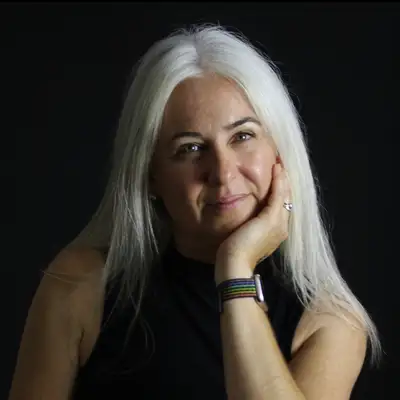
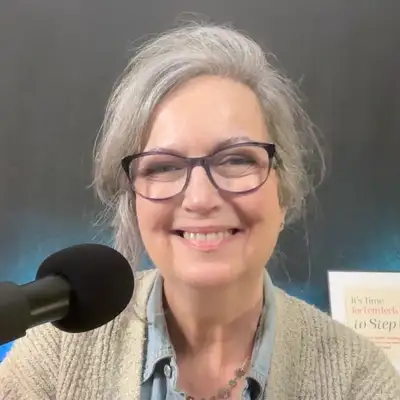
Hosted by Gabrielle Svenning and Karen Flynn of GrayMatter Agency, this Perimenopositive™ podcast explores the brand strategies driving success, featuring candid conversations with founders, brand strategists, healthcare professionals, and industry disruptors about what it really takes to market products and experiences built for women today.
Gain insight in how to:
• Position your health brand with authenticity and impact
• Build trust in the age of influencers and misinformation
• Design marketing that resonates with the women driving care decisions
• Elevate your voice while staying regulatory-smart
• Future-proof your brand for what’s next in women’s health
9 episodes. Zero fluff.
Mocktails included.
Follow & be notified when episodes drop!
Gabrielle Svenning (00:00)
From expert creators to everyday users, influencers have become powerful voices in women's health marketing.
Karen (00:07)
But is partnering with an influencer always the way to go? Today we talk with social media strategist Erica Gatlin about the connections, credibility, and risks that come with influencer marketing.
Gabrielle Svenning (00:37)
Welcome back to Two Uteruses Walk Into a Bar. I'm Gabrielle Spenning. Influencers are everywhere in women's health. You can find them in your social media feeds, in your community groups. They're often the voices that we trust the most.
Karen (00:41)
and I'm Karen Flynn.
can drive awareness and spark conversations and normalize tough topics. It's all wonderful, wonderful work. ⁓ But the conversations can also slip into hype or help spread confusion or make risky off-label promises.
Gabrielle Svenning (00:54)
Mm-hmm.
Yes, so all that is reasons why we're digging both into the power and the pitfalls of influencer marketing and examine what does it really take to build credibility and what to watch out for when you're working in women's health.
Karen (01:20)
Our guest, Erica Gatlin, has spent more than 15 years navigating this space. She shares how to find the right partners, set good guardrails, and also keep your content authentic in a highly regulated world.
Gabrielle Svenning (01:34)
But before we dive into that conversation with Erica, it's time for our mocktail of the day. The sweet and sour cherry sparkler. This is a bit of lemonade, Sprite, cherry or pomegranate juice, splash of lime, makes for a luscious but tart flavor, and a reminder that influence, like flavor, requires balance. Yeah.
Karen (01:38)
Yes it is. Yes it is.
It certainly does. So
make yourself a drink, hopefully the mocktail of the day. Raise a glass, let's get to it. Cheers.
Gabrielle Svenning (02:04)
Cheers.
Karen (02:06)
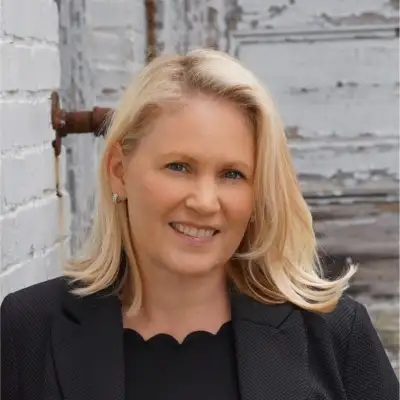
Our guest today is Erica Gatlin, founder of Mulberry Lane Social Influence. Erica is an influencer marketing strategist with more than 15 years of experience helping brands connect with the right advocates, especially in sensitive and regulated categories like healthcare and women's health. She's worked across strategy, social media, and campaign execution to deliver results while authentic. She's passionate about what she does and has major chops.
Gabrielle (02:32)
Erica, welcome to the bar. Thank you for joining us. Cheers, everyone. ⁓
Karen (02:33)
Thank you so much. Great to see you.
Erica Gatlin (02:35)
Thank you, happy to be here.
Gabrielle (02:41)
Erica, I'm going to dive right in. You've been doing this for a long time, 16 years, in fact. But for brands that are just thinking about engaging with influencers, this is a whole new ball game. So really taking it from the top, some of the steps that you take to find, identify, vet an influencer in women's health?
And how do so in a way that makes sure that there's alignment and an authenticity with what the company is saying?
Erica Gatlin (03:15)
Yeah, so it really starts with understanding who their audience is. And they can have different sub audiences too, but is their main who, home chefs, people who like to cook? Is it people who like to work out? Who is that? And what is the age range that to meet? And for the most part, many of the brands I work with, they want to make sure they have a big US following.
That's the first step is to talk about what they're looking for in their audience. And then you go back and you look for influencers who will first make the content that they need that's relevant to the brand, but then also have the audience that they're going to reach the right audience.
Gabrielle (03:53)
And you talked about that very, you know, understanding your audience. I would also imagine if you could talk a little bit about understanding your objective. And when I say your, what the company is looking to do with this influencer engagement, what are the different types of objectives and how does that vary between, you know, how does that, I would say, influence the way you approach the partnership?
Erica Gatlin (04:15)
Well, right, there are different reasons why a brand would engage with influencers. I think the main reason is to create content. It's always been that way. And what they do with the content is very important after that. But there are brands who are just looking for quick sales. So they want to work with influencers who are going to post their link in their story, and they track them for 24 hours. I don't love that.
I mean, it's interesting to see how an influencer's audience will engage a product and a promo code, but for me, the content, it's gone after 24 hours. What do you do then? You just keep engaging the influencer on their stories because that's one of the only on Instagram you can link out some of the brands
that we work with like to do reels and they have longevity. stay on there. They're in feed, but you can't link from them.
Gabrielle (05:09)
what I was getting at too was sort of are you trying to raise awareness versus are you trying to build a community versus are you trying to sell something and how those different objectives matter from the get-go as far as understanding where this partnership is going to go. I guess what I'm getting at is the importance behind figuring out what you want to do with your audience and what you want what you're trying to achieve.
Karen (05:34)
your strategy you're talking about.
Erica Gatlin (05:34)
Yeah, mean, it
sure does matter because that depends on how you guide the influencer after that and the type of content you want them to create. So if it's just an awareness program, there's a certain set of messaging we're asking from them. ⁓ They might be posting more long-term content in feed as opposed to a story. If it's sales, because a lot of influencer marketing is performance-based now,
which is so interesting, then they're looking for that influencer to make quick sales within 24 hours in their Instagram stories. Maybe it's to drive traffic to their website. they want to bulk up eyeballs on their product that way. but the brand cannot come back after the fact, after you've set the strategy in place and said, but you didn't do this. And it was never part of the original plan because we would have had the influencers,
have a completely different brief and set of instructions.
Karen (06:25)
So what kind of homework would ideally what homework has a client done before they've even approached you looking for help with influencer marketing?
Erica Gatlin (06:34)
Sometimes you get a new client who's new to the space and they have maybe created some content or they've worked with an influencer for free and that goes kind of viral. I see that sometimes because maybe it's a new product nobody's seen and they've reached out to the right perfect influencer and they went viral. They got all these sales, they got all these hits and they want to replicate that.
Karen (06:59)
Okay.
Erica Gatlin (07:01)
More times than not, I've found that to be the case. That's why they're reaching out to an agency to do that. Well, if we can do this one time, if we work with an agency, they can do this with every single influencer we work with. But it just doesn't work that way.
Gabrielle (07:13)
I guess what I'm trying to get at is what are some of the things that you would like brands to know about what goes into engaging with an influencer? Because I know we've talked a little bit about the steps and the importance of having a brief, knowing who your audience is and knowing what you're trying to do. But.
For brands that are completely new to working with influencers, what are some of the things that would make the whole process easier if there were sort of a level set of understanding about how this process goes?
Erica Gatlin (07:46)
I guess it would be understanding that the influencer has full control over their content. And if you want it to be authentic, you need to be a little hands off. mean, we give them the brief, we ask them to follow it, but in their own way and how the key messaging resonates with them. And they know it's going to be authentic and resonate with their audience.
Sometimes brands don't understand that. They want to send out a brief with 20 key messages in it, and they want the influencer to hit every single point. I've seen content like this, and it's a snore. Like, I can't even finish watching it, it's boring. And you don't want that, you don't want that. So content that's authentic like that is going to perform very well within the audience, the influencer's audience, but content, you we tend to call that UGC.
Karen (08:20)
you
No.
Erica Gatlin (08:35)
when you're asking an influencer to just spew out key messages, that's gonna work better on paid because they can slice and dice it. And they're not the same. So we're actually finding that out because we work with clients that white list influencer content and it just works very differently in paid. have to edit it, you have to have your key messages, make sure you have all your key messages in there for it to be effective on paid media.
Karen (09:00)
Could you explain what whitelisting means? Because my knowledge of what whitelisting means I think is not relevant here. So I'm always thinking of whitelisting my ⁓ laptop, my domain name, and stuff like that.
Gabrielle (09:11)
domain name.
Erica Gatlin (09:13)
Right,
right. You're so right. So it's a newer term in the industry. I mean, it's been around for a few years and
what it means is that you're giving the brand access to an influencer's platform, but only for a piece of content. you're setting the influencer up to run paid ads through their platform with a brand connection.
Karen (09:33)
So-
Gabrielle (09:33)
What does this
look? I'm having a hard time. Can you give an example? if I'm in looking through my feed and I'm, or rather I'm following, I follow X influencer for health and beauty. I'm looking at her content. What's the difference?
Karen (09:36)
Yeah.
Erica Gatlin (09:48)
It will say sponsored. There's a different label on the content that comes through in whitelisting than there is with the content that they're just sending out to their audience. They do have to include FTC disclosures in that. That's usually hashtag ad, hashtag sponsored. But the whitelisting piece will look a little bit different.
Gabrielle (09:50)
Okay, so an inch.
Karen (09:59)
Okay.
Okay.
wait, I just got confused. whitelisting is not the same as being sponsored.
Erica Gatlin (10:15)
No, what it is is it's paid advertising from the brand to push out to more to the influencers and a lookalike audience.
Karen (10:21)
Okay.
That's okay.
Gabrielle (10:23)
is when brands can insert their branded ad into the influencer's feed to their audience. And so it's different. looks different from, it's not the influencer saying, you know, I love my curling iron because, you know, look at how great it makes my curls. Instead, you're gonna see the curling ad advertisement.
Karen (10:34)
Feed, okay. Okay.
Erica Gatlin (10:35)
Right? Yes.
Karen (10:45)
Yeah, yeah.
Got it,
okay,
Gabrielle (10:49)
What are some of the measurements that people use are they gonna go back to their teams and say, yes, this was a success?
Erica Gatlin (10:56)
Yeah, so much of Influencer has become performance based and they're going to look at sales. So they look at them in two ways. They look at them through the Influencers content, which normally would be an Instagram story with a link in it.
then they have the option to whitelist the content through the Influencers platform. And put any amount of paid spend behind it. it's going to reach a wider audience. They're tracking sales through it. It's a very sophisticated platform that tracks exactly the ROI, what you've paid the Influencer, and how many sales you're getting out of it. And normally, they will have a benchmark number that say, you know, it could be generous. $100 per sale is a good benchmark for us.
That's what I'm finding with clients. And so they will calculate their performance that way, whether it's good or bad, based on, it could be based on views. Maybe they're calculating the views and how much each view cost.
Gabrielle (11:47)
Yeah, and that really does put the onus on the company, the brand, to understand how much a sale costs them. I know that that's not always easy, particularly for smaller don't have those kind of resources yet in, or may not have a dedicated CRM yet, knowing the value of that sale can be difficult, and then therefore you don't have that calculation. I'm wondering, for those kind of companies that maybe
Erica Gatlin (11:56)
Yes.
Gabrielle (12:13)
don't know really, are just guessing based on say, engagement. Is that something that you can any way quantify or is that strictly anecdotal where you say, you know what, there was a lot of conversation about this, but it may not have translated into a sale or we don't know if it translated into a sale, but this conversation was
mean, do you go back to clients with that? Are there other ways other than those like hard dollar investment things to look at?
Erica Gatlin (12:42)
Yeah, I think it's important to let the brands know that you need to run influencer marketing continuously to try to understand what those benchmarks should be for you and what's working for you in driving sales. It's not going to come on a one-off program. That's not really going to give you the full picture of how your content performs with influencers and their audiences.
Gabrielle (13:02)
That's interesting what you just said because hits on a pitfall, a potential pitfall influencer marketing is if you don't do it long enough to see the return or the return on investment and you can get into a very expensive one-off situation. So it sounds like you have to sort of have an appreciation for how the channel works. And just like any audience, people aren't going to necessarily hit.
Erica Gatlin (13:18)
Sure.
Gabrielle (13:28)
by click I wanna learn more on the first time that they see something.
Karen (13:32)
Right. would argue too that ⁓ I would also argue that and I don't know if you're finding that companies are doing this but you really need to think about all that content generation that's happening on top of this immediate performative aspect of things and all the content that they have to use in so many different ways later. So has that ever looked at you know I would I would think that that's extraordinarily valuable if it's
Erica Gatlin (13:34)
That's right, I don't.
Gabrielle (13:36)
Yeah, no, I don't either.
Erica Gatlin (13:38)
haha
Karen (13:58)
if it's a good partnership.
Erica Gatlin (14:01)
Yeah, I mean, in my opinion it is. is, you know, when I first started in this space, we worked with bloggers. There was really no social media. So that, that was the platform that we used to do review products or talk about a topic.
Karen (14:03)
Yeah.
Gabrielle (14:10)
Mm-hmm.
Erica Gatlin (14:14)
And so that's how Influencer started. They weren't even called Influencers yet. That came later. It's more like word of mouth marketing.
There was actually an association called WOMA, Word of Mouth Marketing Massachusetts. So ⁓ it was big back then before the term influencer was coined.
Gabrielle (14:33)
I think what is interesting specifically about this space of FemTech and women's health is something that you touched on a little bit, which is you said brands have to be comfortable to step away a little bit in their messaging and their oversight. We know, though, that because you also said that there was a situation where someone misspoke and it led to almost getting the agency sued. I would imagine in the world of FemTech really important that
Erica Gatlin (14:53)
you
Gabrielle (14:57)
things are said exactly the right way. is there any sort of guardrails that are in place with your influencers to try to get that or to ensure that and make your, I can imagine the marketers at these companies are excited to work, but then their legal team, when they go back to them with the like, here's the contract, have a lot of questions. So what are some of the guardrails that you put in place to ensure?
Erica Gatlin (15:19)
Mm-hmm.
Gabrielle (15:23)
adherence to those rules, those important rules.
Erica Gatlin (15:27)
Well, a ⁓ majority of the content that we're asking influencers to create, we will ask to review it first to make sure it's hitting all of the right key messaging. It's factually accurate. I mean, this wasn't always the case. So, way back when we had an issue it was an IUD company.
There was no reviewing of content. And in fact, you weren't even really paying bloggers for content. were incentive. It was called incentivizing them with a gift card. So they were doing it on their own, supposedly, but they were getting something in return. And then that kind of all went out the window and influencers started getting paid. And it is what it is now. Yeah. It was kind of like seen as pay to play. People weren't really sure about it in the beginning. Yeah.
Karen (16:03)
Right.
Right, yeah.
how do you put guardrails in place? it based on the contract? You outline the things that the influencer needs to know, hit the word terminology, what things that aren't said, we don't say it this way, you need to say it this way type of thing?
Erica Gatlin (16:20)
Hmm.
Well, there's so many things in an influencer contract these days. it doesn't necessarily outline the key messaging in there. It says must adhere to the brief. So the brief comes later, and they sign that. But also, there's usually a clause in there about if the first round of content we're reviewing doesn't hit key messaging or it's way off, we're going to ask you do a reshoot. You're going to have to reshoot this, and you're going have to follow certain steps.
Karen (16:40)
Okay, okay.
Okay.
Erica Gatlin (16:58)
Also, we worked with a client that had make goods in their contracts if the influencer didn't have enough sales, which I think is a funny thing. I don't agree with that because you just don't know who you're hitting on that day with that messaging and how it's going to resonate. So I don't, like that part. Do another post and see how many sales you can get.
Karen (17:06)
wow.
Erica Gatlin (17:19)
It's their managers really who are looking at these contracts. They ask us to redline that out. And this all sorts of exclusivity.
in there, can't talk about a similar product for 30 days before or after. There's a lot of guardrails in there. ⁓ With a highly regulated industry like we're talking about, one of them is to review the content. there's been instances where we knew it was kind of like a touchy subject. It might be a little controversial, but the brand still wants to get the messaging out there, and we've just asked influencers to shut down comments.
Gabrielle (17:31)
Yeah.
⁓ there you go. Yeah, that's another way. Okay.
Karen (17:53)
That is
another way it never occurred to me. ⁓
Gabrielle (17:56)
What you touched on money I know it's probably impossible to give like an average or a reasonable amount, but what should brands know when they're engaging? Are these like typically three month contracts to the point that it takes a little time get that synergy, to get that vibe? So what advice do you give brands?
Or does that vary depending on what they're trying to do?
Erica Gatlin (18:23)
It does vary, but a lot of times I'm seeing, and I don't love this, a brand engaging with an influencer, seeing how they perform, and then determining off of that if they should work with them again. I don't think that's the best way to do it because you do need that repetition. Your audience needs to see it multiple times before they decide to make the leap to purchase this product or check it out.
I don't think it's fair to the influencer either to be judged that way. But if an influencer does perform, then they may get a six month contract or a year long contract with that brand.
Karen (18:52)
Mm.
Gabrielle (19:00)
⁓ Interesting.
Karen (19:02)
And
then it sounds to, know, the performative things, it's conflating marketing and sales again, which, ⁓ yeah.
Erica Gatlin (19:10)
Right.
Gabrielle (19:12)
So then with all of that content, what are some ways that you, when you're talking to a company and they want to engage with an influencer, how do you decide on what content, how much content comes out of that? Is that something you decide in advance? Like we need,
Karen (19:13)
question.
Gabrielle (19:32)
one long form post, one story, et cetera. And do the brands actually get that raw footage that they can then work into other things?
Erica Gatlin (19:41)
Yeah, as an agency, we usually work together with the brands to understand what their content needs are. We have a brand we work with that wants a story and a reel. Reels are very expensive because they live in feed, whereas stories disappear after 24 hours. And so it depends on the brand is looking for. So some of these brands are going to whitelist this content.
Karen (19:57)
Okay.
Erica Gatlin (20:04)
A reel may be appealing to them because it's one long piece of content, one short long piece of content, where the stories are very short and they're chopped up into slides.
Gabrielle (20:15)
Do you do any training with your clients about understanding the influencer world or is it really just kind of coming in cold? They call you and you're off to the races with a brief. It feels like there's so much to know about this industry that is nuanced and different from your typical radio print out of home, et cetera. It's a whole new ball game.
So how do you engage with your clients upfront?
Erica Gatlin (20:43)
Yeah,
I wish there was a training for brands to come in and understand exactly what's happening. mean, but once they sign on, have a whole process you take them through so they understand how exactly it's going to work and the steps and the timing behind everything. it's actually a really good question because so often we're seeing brands that want something that's...
Karen (20:47)
Ha
Erica Gatlin (21:04)
we don't really agree with or it's just too much. And so that's when we say we have to educate the brand. So we're not afraid to do that because you don't want them to get bad results and be like, you didn't deliver on, what, we had in the contract, but you, know, you didn't follow our advice. So it didn't go well.
Gabrielle (21:21)
So there is a partnership. think that what brands and, you know, ⁓ any brand, but we're speaking specifically to FemTech brands, but when they're thinking of engaging with a partner like yourself, there's almost like an alignment between the agency and the brand first before you even begin to look for your influencer.
Karen (21:40)
yeah, I would think so. That's what it sounds like. Yeah.
Erica Gatlin (21:40)
Yeah, I think there has to be.
You have to be on the same page.
Gabrielle (21:45)
to think of any examples. I know when we were talking about the, we don't want to say brands, but this was, I believe it was a birth control. it's interesting because in any topic related to women's health, there's the whole like sensitivity of language. And I know I'm just.
deviating a little bit about topic, but I'm just curious, does that come up at all when you're talking to women's health brands what they can expect to say across these influencers?
Erica Gatlin (22:11)
Well, something like the IUD that I mentioned, that's in a very heavy regulated industry. So in this instance, we decided to do a roundtable with the influencers and bring in an expert to talk to them. That felt like the best way to do that. And they had conversation back and forth, and then they went off to create their content with their key messaging.
influencer said she loves the IUD because it allows her to be spontaneous with her husband. Well that was a problem because that was considered an off label use.
Gabrielle (22:44)
that's so interesting because it would feel natural and it's obviously one of the key benefits. But yet here you were in a situation where She couldn't say that. And in fact, it was like the wrong thing to say.
Erica Gatlin (22:44)
because of that.
Because it wasn't one of the key messaging and they had to stick to that. But, you know, it felt natural for her to say that. And that's, that's where, you know, maybe you shouldn't do an influencer program if you have to script them out. And maybe it's just, you want to do some UGC instead.
Karen (22:57)
Right, right.
on the flip side though, we were talking at one point, I think in our pre-recording discussions about the fact that it's actually easier to find people to take part in conversations that used to be a little taboo or really highly sensitive, right? And you're saying, it easier?
Erica Gatlin (23:22)
Mm-hmm.
Karen (23:25)
on your end to find influencers who are like, yeah, I totally want to talk about that. Where maybe 10 years ago or five years ago, it would have been harder to find somebody to talk about urinary incontinence or, you know, pelvic floor disorder or, you know, problems with their IUDs or their gyno's and stuff.
Erica Gatlin (23:36)
Right.
I'm going to say it's never easy to find people who want to be that vulnerable. They're out there. It takes a little bit more searching. these tense sensitive topics have always been out there and marketed to moms and in women. That's how I started at a marketing to moms agency. And they wanted to talk to moms, you know, about everyday products they use.
Karen (23:43)
Okay. Okay.
Okay.
Right.
Erica Gatlin (24:04)
So for some reason at this agency, I was given the title of the below the belt ⁓ campaign coordinator. The below the belt, it became funny. So when these projects came in, they're like, give it to Erica. She's an expert in that area. And they were things like ⁓ hemorrhoid pads, ⁓ personal lubricants, the menstrual cup. I'm not.
Karen (24:09)
Ha
Gabrielle (24:12)
yeah.
Yeah.
Yeah.
Karen (24:22)
Yeah, right.
Erica Gatlin (24:27)
shy to promote these products. like I said you're not gonna find a bunch of people who wanna talk about that. We knew that. So we would talk to these brands and say, hey, listen, we're gonna scale back this program and we're just gonna make it like a 10 or 15 influencer program, if we can even find those people who wanna talk about this. But there are always some because they see it and they say, hey, you know what? I actually have a real personal experience with this. Maybe it was a woman who went through pregnancy and had
Karen (24:28)
Right, right.
Right.
Erica Gatlin (24:53)
terrible hemorrhoids and they wanted to talk about it and they weren't afraid to get that vulnerable with their audience. And some of the best content comes out of that because it's just so authentic. It's just so real. I mean, how can you not be when it's that personal?
Karen (24:59)
Mm-hmm.
Yeah. Yeah.
totally. I I know that the people that I follow, I listen to everything that they say. If I like them, if I truly am a follower of theirs, they could talk about anything and I'd find it real. No, I would. I find it real and authentic, because I don't listen to people I don't care to listen to.
Erica Gatlin (25:18)
That's right.
Right? Yeah. so these days, ⁓
I think influencers are more choosy on what they choose to promote. But still, if something like that resonates with them and they have a story to tell, that's a really good fit. And they might want to participate in that and get vulnerable with their audience. think audiences kind of eat that up a little bit, that vulnerability and that realness, because it makes them be able to relate to the influencer more.
Karen (25:47)
Mm. Yeah.
Gabrielle (25:47)
Mm-hmm.
Karen (25:51)
Totally.
Gabrielle (25:53)
So I think as we think about our listeners and where they may be in this journey and considering influencers, key takeaway or insight that, know, one of the things that occurs to me, and I don't want to put words in your mouth, but this is an expensive program. That's one thing and it's an investment of time.
too because unlike say an ad where you just upload it into you know Google ads and let it do its thing there's a lot of input and then management and then also output and what you do with that so my question is what are some bits of advice
Erica Gatlin (26:25)
Mm-hmm.
Gabrielle (26:29)
for a femtech startup or early company that's just starting to think about using influencer marketing in there? What should they know before they start?
Erica Gatlin (26:41)
I think an industry like that, they really need to understand that finding influencers to talk about this topic is going to be a lot more difficult. You're going to go through a lot more rounds of looking at influencers. It's going to take some time. So kind of would say the brand should have an hourly rate for the agency
that they're willing to pay for. A lot of times brands, they're just expecting to pay the influencer and then the agency upcharges that. they don't really ever see the influencer fee. It's always a higher fee because the agency's taking care of that. But I think sometimes that makes brands forget that they're actually paying the agency. And I see that time and time again. So we're trying to move more to a model of getting ⁓ some sort of retainer or
Karen (27:12)
Right.
Gabrielle (27:19)
that's very good point.
Erica Gatlin (27:24)
hourly expectation that's scoped out in advance because should be something that brands are educated on is the investment that goes in behind the scenes and I don't think they realize it.
Karen (27:24)
Yeah. Yeah.
Gabrielle (27:35)
Yeah, that's why I brought it it looks like such a nice, bright, shiny object on the outside and so powerful. You you do go viral or when you do capture and tap into a conversation that is really just taking over, that's such a powerful feeling. And it's a real win for brands who are looking for that authentic engagement.
Karen (27:35)
Yeah, well they're really
Gabrielle (27:56)
but it's also kind of like a unicorn. And I think people need to understand there's a bit of work.
Erica Gatlin (28:04)
That's exactly it. And that is the term we use internally. You know, we had an influencer who was brand new to this brand, went there and did a story, did an Instagram story and completely crushed it in sales. And we were like, whoa, this is amazing. This is a unicorn. And of course the brand came back and said, okay, I want you to find 10 more of her. Of course, right? Well.
Gabrielle (28:30)
Yeah, yeah, everyone.
Karen (28:30)
Yeah, right, sure.
Erica Gatlin (28:31)
You just
Gabrielle (28:31)
Yeah.
Erica Gatlin (28:32)
don't know how they're going to perform.
Karen (28:34)
you are really taking on a partner in the agency that you contract with to help to find your influencers. I mean, it really sounds like you're doing a lot on your end, not only to find the correct influencers, but to work with the client to make sure that they're approaching this in the right way and using it correctly. So, a lot like the type of agency work that.
Erica Gatlin (28:52)
Mm-hmm.
Karen (28:56)
we do on our end, on your end, it really is a strong partnership and I think people need to think about it that way, it sounds like. Trying to, yeah.
Erica Gatlin (29:03)
Yeah, I hope so. mean, that,
you you hope in the end that the brand is really on board with the plan you've put in place and you're agreeing that this is what we're doing and this is the results we're expecting. But you obviously can't know what the exact results will be.
Karen (29:11)
Yeah. Yeah. Right.
yeah. Well, thank you so much for taking the have this conversation.
Erica Gatlin (29:23)
Thank you, ladies. Yeah, this was fun. Thank you.
Gabrielle (29:27)
I think it's really behind the scenes that people don't normally get. So I really appreciate it from that perspective. I think it's pretty unique.
Erica, thank you so much. You've given us a really great look into goes into a successful influencer partnership. And I think FemTech listeners and companies will get something out of this. Everything from balancing compliance with authenticity to making influencer content work.
across channels. This has just been robust with insights. so thank you very much. Thanks to everyone for tuning in. This has been another episode of Two Uteruses Walk Into a Bar. You can find all of our episodes on our website at graymatter.agency or on YouTube under Two Uteruses Walk Into a Bar. You can also find us wherever you subscribe to your favorite podcasts. When you do, please hit like and follow. It helps to keep the conversation going. So thank you. With that,
Cheers.
Karen (30:21)
again, Erica. Good to talk to you.
Erica Gatlin (30:21)
Cheers. Thank
Gabrielle (30:22)
Cheers.
Erica Gatlin (30:23)
you.