Subscribe
Share
Share
Embed
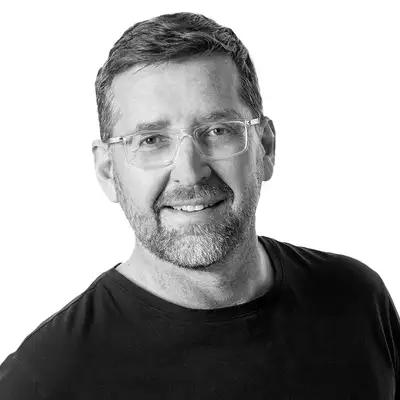


Hosted by Heath Fletcher, The Healthy Enterprise explores how innovation, technology, and leadership are reshaping the life sciences industry—from discovery and development to commercialization and care delivery. Each episode features candid, heart-centered conversations with founders, scientists, executives, and investors, sharing real-world experiences and insights for building resilient, future-ready organizations.
Created and Produced by Bullzeye Global Growth Partners — Let’s build it together!
Heath Fletcher (00:13)
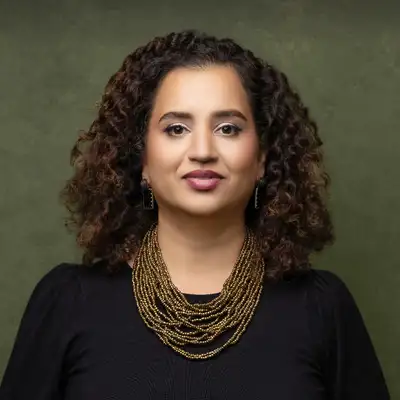
Hello everybody. Welcome to the healthy enterprise podcast. Uh, if you're a return listener, thank you for coming back. And if it's your first time, I hope you enjoy this episode. I'm going to be speaking with Dr. April Joy Damian. She's an epidemiologist and health services researcher with deep expertise in health equity, psychiatric epidemiology, and the social judgments of health. She is the vice president and director of the Weitzman Institute, which is a national research education and policy center.
is focused on transforming primary care for vulnerable populations. You thought that was easy to say. Well, she's gonna tell us more. So please welcome Dr. April Joy Damien.
So April Joy, hello. Thank you for joining me today for this episode. I'm looking forward to hearing about yourself and your professional career and the company you're working at.
Dr. April Joy Damian (01:08)
Great, thanks Heath, thanks for having me.
Heath Fletcher (01:11)
Well, why don't you start off by telling our listeners a bit about yourself and the role you're playing right now.
Dr. April Joy Damian (01:19)
Great, yeah. So I'm Dr. April Joy Damien. I go by April Joy or any version of what I just shared earlier. I'm trained as a psychiatric epidemiologist, which means I focus on mental health of populations, largely in the child and adolescent space, also trained as a researcher and public health professional. I currently oversee the Weizmann Institute, which I'm sure Heath, that we'll get into in a bit, where we focus on a national level on
research education policy in the safety net primary care space.
Heath Fletcher (01:54)
interesting. Okay. Well, why don't you? Well, we're at it. Why don't you elaborate on that? Like, tell us more about that space because it sounds very interesting and how it fits into the big picture.
Dr. April Joy Damian (02:05)
Yeah, so I'm very proud of the work that we do at the Weizmann Institute. I've been here for a little over six years. I'm based out of our DC office. Our headquarters is in Connecticut. So our focus is really to ensure high quality, effective, and accessible health care for all. And we do that through research, education, and policy. So we work with both public and private partners, ranging from providers, payers, health care systems, and industries.
as well as government agencies, foundations, nonprofits, as well as academia. So really wanted to make sure it was really ⁓ came from the idea of Dr. Margaret Flinter were so much of research back then. So back in 2007, and I would argue up to today, continue to be done primarily in large academic institutions and seeing that a lot of the research that was conducted from the principal investigators to the research questions.
as well as the evidence that was being produced was not necessarily reflective of the needs nor the priorities of federally qualified health centers, which serve one out of 10 Americans across the country. And so really understanding how do we have more research that is representative of the needs and priorities of the health center workforce and the populations they serve. And similarly having that overflow.
to education as well as policy. And so that's really the work we do. We touch over 2 million patients through our partnerships with federally qualified health centers and other safety net primary care health systems across the country. And so really excited about the work that we do and so proud of our team at White's V.
Heath Fletcher (03:53)
Maybe, why don't you elaborate maybe on those partnerships and how you're actually impacting individuals.
Dr. April Joy Damian (04:01)
Yes, so partnerships can form in different ways, right? Some come to us by way of organizations and some by individuals. And so some organizations are really, and I would say primarily healthcare systems or including federally qualified health centers might be really struggling with say, know, high rates of uncontrolled diabetes or cardiovascular disease or childhood trauma, right? And seeing, you know, so much
with ⁓ health centers operating on what we call a shoestring budget, right? Talk about efficiencies and serving the most, ⁓ the populations that are most in need and likely have the most limited resources, right? And saying that there's so much we want to do to support the infrastructure, the front lines, improve patient health, but we really don't have time to review the latest evidence that's out there in terms of innovation.
trying to figure out the education piece because what we're seeing that's out there is not really, that's really relevant to our practice. And so can whites men, given that we were founded out of an FQHC in Connecticut, right? Close to 20 years ago, we'll be celebrating our 20th in a couple of years.
Heath Fletcher (05:17)
Maybe what does that acronym stand for? The FQHC.
Dr. April Joy Damian (05:21)
I'll federally qualified health centers. Sorry. It's a designation particularly focused. Thanks, Heath. No problem. You know, being in DC get caught up in acronyms and alphabets too. ⁓ Yeah. ⁓
Heath Fletcher (05:24)
Take.
There's a lot of them out there. I'm never afraid to ask because I'm speaking on behalf of the listeners.
Dr. April Joy Damian (05:40)
I know. Great question,
Heath. Yeah, sometimes I forget. just get caught up in the alphabet soup. We have federally qualified health centers which serve 32.5 Americans. That comes out to one out of 10 Americans including one out of eight children under the age of 18, right? Lots of veterans, persons experiencing homelessness. And so really understanding how do we go to a trusted
entity, i.e. Whitesmith Institute, ⁓ to understand the latest evidence base, to be trained in evidence-based programming. through our Project Echo, our learning collaboratives, our quality improvement, our QI coaching, right? To really understand how do we do better in addressing some of the health challenges, Heath, that I mentioned. And so that's really how we partner with them.
Sometimes it's also, and so I talked about the programming, sometimes it's doing a needs assessment and saying, okay, this is your understanding, but is that really reflective of what your workforce is seeing, like your patients, right? And so sometimes there's a part of ⁓ being a neutral convener and thought leader that we play in these spaces of like, let's make sure what you're thinking.
or the conclusions you're coming up with is actually informed by the stakeholders that will be affected by these decisions. So sometimes we've also played that role and that's where the neutral convening part comes into play.
Heath Fletcher (07:21)
Okay. And where does your role fit into this? What, The whole thing.
Dr. April Joy Damian (07:23)
I oversee the whole institute.
The whole thing, whole enchilada. So yes, research, education and policy are all part of the Weizmann portfolio. I have amazing leadership that I work with at Weizmann who ⁓ oversee those respective portfolios, inclusive of work that we do in innovation that is cross-sector across research, education and policy.
Heath Fletcher (07:51)
What was it about this organization that attracted you to it? Because you were in another place prior to that and a few other places along the way. So what attracted you to this organization? What was it that drew you to it?
Dr. April Joy Damian (08:04)
Yeah, first of the mission, right? Like for me, I knew early on, or I was ⁓ exposed to really reflecting on what is my purpose in life. I remember attending a retreat at the age of eight through church and really exploring like, how can I be of greatest service to the world? And so I was very, I was an old soul even as in grade school. And so really understanding, for me, I really want to alleviate human suffering.
I want people to be able to live their fullest lives, not just in terms of living long, but also aging well and having great quality of life from the time they're born to the time they lay their head to rest. And so really inspired by the mission and seeing the mission of organization is aligned with my own personal mission and how I think I could be of greatest service and contribute during the time that I have here.
on earth. And so that's the first thing. I think the second and is a close second, I would say he are the people, right? To be able to work with people and leaders. ⁓ So our founder emeritus of the Weizmann Institute, Dr. Margaret Flinter, but also our parent organization, ⁓ Mark Maselli, who's the CEO and founder of Moses Weizmann Health System under which Weizmann Institute lives under.
really seeing how committed they are, generally committed to this work, right? ⁓ And to know that it's not just during work hours that they're committed to this work. It's not just because it's the hot topic of the day, but genuinely care about the mission, about the work, rain or shine.
Heath Fletcher (09:51)
Right.
Dr. April Joy Damian (09:59)
about the people that we work with. And so I think being able to work with such visionaries who really care about the people and the work is really important. And I would say the third is, and with that, course, is like our own team, which I keep, you know, saying that. And so I won't belabor that part. And I would say the third is seeing the impact, right? And so one of the areas in my life that I think will be a lifelong ⁓
lesson that I'll need to work through is a work in progress is patience. Right. And I'm great at delayed gratification. I'm going gone through years of school, but sometimes you just want to see the impact of your work. I want to make sure like, is this even making a difference? Just to keep it going, right? Because we work on very difficult issues, right? From making sure that those on the front lines, whether it be in rural Appalachia, the South,
Heath Fletcher (10:41)
yeah
Dr. April Joy Damian (10:56)
or in urban cities like Chicago or Baltimore have access to quality care, right? So childhood trauma, uncontrolled diabetes, like I mentioned in the beginning of our conversation. So sometimes you just want to win, right? And so hearing the stories from healthcare providers, right? And that's across medical, dental and behavioral, getting to meet patients and their families.
who've been touched by the work that we do, whether they were the patients of providers who matriculated through our education programming, or they themselves participated in our advisory boards or part of our research, just to know that we've touched our lives. you're like, you know what? Like, it's really meant a lot to be seen by you and to know that you care about my wellbeing, right? Like, I don't know these people from Adam.
but to know that there are people like us who want better for everyone.
Heath Fletcher (12:04)
That's interesting because some of these issues are very large, heavy, slow moving for change. And so it's no surprise that you're like, is this working? You know, like you say, like I do, I, is there some evidence on the effort that we're making and, and, and what is the outcome? And so you kind of said, you know, it's the really the, the, the evidence is in those little stories about individuals and
And are there any of those stories that you are that have touched you more than others that maybe you'd like to share that sort of gave you that reinforcement and that sort of like, this is why I do this.
Dr. April Joy Damian (12:45)
Yeah, so I mentioned I have many stories. ⁓ I'll mention a more recent one. ⁓ One of our most recent projects was a restorative justice mindfulness project to working with youth who've experienced trauma. And so we had piloted this project in New Britain, Connecticut, where there's a lot of socioeconomic challenges.
And so the feedback we received, right, because you're essentially exposing you, it's over 10 weeks, right? And then you would, it's a typical classroom. would see like the cool kids, I'm putting in air quotes, but you know, just think of like, what was it like to be in that age, right? Like those, right? And so you have the cool ones, the quote unquote, quote unquote, outcasts, right? have your clicks. And then the, of them, the
Heath Fletcher (13:29)
Yeah, that peer pressure and that kind of
Dr. April Joy Damian (13:42)
cool kids are saying, you know what, I would never pay attention to that kid in my class. And now I feel like can say hi to them, right? ⁓ And so that sense of community, because if you remember, these young people also went through school during COVID, right? And so they went years, part of, know, in such crucial developmental years, having not had that physical interaction with their peers.
classmates. And so to know that they're able to build community in such a short period of time, right, learning social skills, but also emotional regulation, right? Some of them had said, you know what, whenever I would get angry, I didn't know how to necessarily deal with that, right? Because they've just really been exposed to a more aggressive
behavior, right, whether it be yelling or avoidant behavior, I'll just like not talk with the person but to know like, hey, I can have a conversation and talk through, you know, difficult issues with someone if they really care about them. Or maybe I just need to take a beat and take a few breaths and recollect myself, right? And those are to know they are able to do that in such a short amount of time, right? 10 weeks.
And to know these are skills that they could learn that will take them not just through the remainder of their grade school, but also beyond in adulthood, right? Because we know even in professional settings, can be frustrating moments where sometimes it's best to take a breath or make sure that one is calm and collected before sending out that email or just outright avoiding a colleague.
Right. And so just really to know that and then to also hear from their parents. Right. We also have heard from some other parents and caregivers who said it really meant a lot to have a place where my child could go to after school, feel safe, learn these skills. They're not just different in the classroom as their principals and teachers were sharing with us, but also at home. Right. And so what does that do in terms of the ripple effect it has on their social circle?
whether it's school or at home, hopefully with their friends as well who weren't in the program. So really that spillover effect. So it's really exciting to know what you can do. ⁓
Heath Fletcher (16:10)
Very exciting, yeah. And so that was a 10-week program you're referring to that someone that one of those kids was actually going through was a 10-week program.
Dr. April Joy Damian (16:21)
Yes,
yeah, all of those kids were with your 10 week program and then we heard back in terms of when we did interviews and then some informally just volunteered that.
Heath Fletcher (16:31)
Is
that right? And so do you partner? was part of that was partnering with was it partner mostly with the school board? Or was it more with a health care clinic or?
Dr. April Joy Damian (16:41)
Yeah, some, mean, yeah, largely we, because we do applied research, we draw from within Moses Weitzman Health System is Community Health Center, Inc., which is the largest federally qualified health center, FQHC, in Connecticut. And so, Weitzman's too, it had been housed under CHC, but then we had a re-org given our national focus under Moses Weitzman Health System.
Heath Fletcher (16:48)
Bye.
Dr. April Joy Damian (17:10)
And so a lot of our work is informed. That's why we say practice-based research network is sometimes how we refer to as the Weizmann Institute, because we really want to see what are those needs that our clinical colleagues at Kamii Health Center, NCORC, CHCI, and other health centers are seeing in their practice that they would love to address, but are having challenges, whether it be bandwidth, resources, including time, to be able to address.
And one of those includes childhood trauma, right? And so we know that for social determinants of health or social drivers of health, which is upstream, right? Beyond the four walls of clinical practice account for 80 % of health outcomes that we see, right? And so we know that it might show up in the clinic, but the solutions may not be clinically based, right? There might be a need for clinical community partnerships, which means partnering with
outside entities, outside of healthcare to be able to address certain issues. And then so for some, might not have some patients, in this case, pediatric patients may not have a diagnosed mental health disorder, right? But they may have experienced some kind of trauma, right? Just because they haven't met the threshold for certain ⁓ disease. Or it does not mean that
Heath Fletcher (18:24)
Right.
Diagnosis, yeah.
Dr. April Joy Damian (18:37)
they are not at risk for it or that there's some kind of ⁓ condition that they may develop later in the life course. And so how can we prevent it or intervene early? And so that's what we're trying to do in terms of how do we support our clinical colleagues knowing that not everything can be done nor should be done within the clinical setting. Some of it is also-
because I think by virtue of the FQHC setting being so deeply ingrained in the community is also seeing like, are our partners in the community? So other community-based organizations, what are they seeing? they, because they were likely also serving similar populations, not just pediatric, but also adult.
who may or may not be seen in our clinics, right? And so how do we also look to them? Because those could become potential patients, right? They may not realize that care is available or there might be some kind of barriers to access. And so I think it's really that looking at the ecosystem in which our target populations live, breathe and play and learn and age.
to be able to identify who can be part of these programs.
Heath Fletcher (20:06)
Yeah, I think that that's very interesting. The practice based research that you talked about is that you're providing these programs to individuals in these communities. And at the same time, while working with these kids in these environments, you're also gleaning information about what else is going on in these communities and understanding where some of the other gaps are and then finding ways to reach other areas.
even deeper in the community, which is really interesting because you're really creating a real branch or web work and root system of support because through one group, you're learning about another group and et cetera, et cetera down the line. And that's very interesting because you're bringing all that front line information back to you and really working out how to dig deeper.
Dr. April Joy Damian (21:02)
Yeah, mean, Heath, our most recent example, just to build on the last project I was describing, I said some parents just volunteered information and just shared with us anecdotal. They weren't part of a formal interview per se. Right. They were saying because you're focused on childhood trauma, they were saying, you know, it'd be great if you had program for parents to talk about these issues. And so that's what led to what we now have in terms of addressing intergenerational transmission of trauma. And so now we're
focused on parents and caregivers and giving them the space to talk about these issues, which is not something that we've done formally in the history of the work of the Weizmann Institute. And so it's really interesting of how one project and collecting data about it can lead to another idea of like, can it really be informed, again, going back to the work we do at Weizmann by the end user or the target populations and not just something I learned in the classroom or saw in an article.
Right. Really being responsive to the current needs and anticipating needs and priorities as well.
Heath Fletcher (22:09)
Yeah, that intergenerational trauma is we're learning more and more, ⁓ you know, you know, through historical ⁓ reflection and reconciliation. And, you know, we're understanding that that that is actually that's a real thing. And it's going back many generations. ⁓ And it's under it's great that that programs like yours are understanding that. And actually, like you said earlier, allowing
like the parents to have a voice to say, I have something to say about this. You know, I'm great that my kids in here, but I you know, I need some help to or I know others that need help. And amazing that they find that space to be able to, to feel comfortable and safe to to express that too. Amazing. ⁓ So ⁓ that must be very fulfilling for you when you hear those things. And you kind of come back to the
You come back to your leadership role and the big picture and driving the organization to hear those things and again, like reinforce that this is why we do this. This is what we're doing.
Dr. April Joy Damian (23:16)
Yes, yes. that goes back to what I was saying that sometimes some of these wins are helpful to know given the magnitude of the challenges that we're addressing.
Heath Fletcher (23:23)
Yeah.
Is that an important part of your work in growing the company? Is leveraging these stories or these, I would say, wins or success stories on what the impact is you're having at the front line of ⁓ society?
Dr. April Joy Damian (23:54)
Yes, so I think storytelling and this is something that we're talking more and more with our team in terms of really drawing not just on the quantitative piece because sometimes you just don't have a large enough end or sample size. But then the stories are very powerful, right? Stories in the front lines, stories from patients and community members of how our work impacted them, right? Not just for our own morale, right? Until we pet ourselves on the
Heath Fletcher (24:22)
For sure, yeah.
Dr. April Joy Damian (24:23)
Sometimes it's also to understand what didn't work, right? Because we're very big on continuous quality improvement. And sometimes you realize, you know what? That may have not been the best approach. Maybe we can address it a different way next time, right? Or maybe we can consider that that works in this part of the country, but not another part of the country. And so I think it's really helpful to lean into those stories.
both from a morale standpoint, also a growth ⁓ perspective as well.
Heath Fletcher (25:00)
Mm hmm. Well, those those are the stories that I think validate, you know, or maybe they validate but also, you know, demystify what what's going on out there as well. You know, shedding some light on things. I think it does two things that you know, it provides a way for you to spread the word of what what Whiteman's is doing, but also shedding light on what the issues are and what
and where the weaknesses in society. And so it kind of does both, you know, at the same time. I know it's kind of, I know people talk, well, I don't feel good about, you know, looking like we're capitalizing on people's stories so that we can, you know, market ourselves and promote our brand. But yet that's the only way to continue to grow and have the impact that you're having is by sharing these stories. People understand what you're doing out there and how much ⁓ progress you're making.
Dr. April Joy Damian (25:55)
Yes, and then understanding he's because I am still laughing internally about you're saying what's an FQHC? Because I'm trading research, right? And the way we joke around the way that we're trained to share or disseminate our findings, you know, one of the standards is peer reviewed publications.
Right. And so there's a specific format and you just, you know, as my friend said, learn the recipe, right? What are the foundations? Interest methods, results, discussion, conclusion, right? That doesn't work for everybody. Right. We have to assume, you know, been in the practice space, having been with folks who are experts in their own right, but not research. They don't necessarily have time to read my 3000 word or 5,000 word article. Right.
Heath Fletcher (26:48)
No.
Dr. April Joy Damian (26:49)
Nor will it be impactful, but to hear about, you know, a single mother raising two kids who was able to have her kids be in our program and the impact it had in their home and her own wellbeing, right? To hear about, or, you know, our frontline providers, mentioned rural Appalachia, right? Who feel so isolated in their practice and they're just so much need that sometimes it overwhelms them and they don't get to go.
you know, with their colleagues in the big cities to attend the latest course on X topic, right? ⁓ To know that we've been able to deliver that evidence and meet them where they're at. I think those are more impactful than my 3,000, 5,000 board articles. And again, like just being able to use different modalities to have, you the mission is still the same. The intent is still the same. It's just, ⁓
Heath Fletcher (27:46)
How
you presented really
Dr. April Joy Damian (27:47)
of
the way because storytelling as you know, Keith, you're big on story. have this podcast. Stories are universal, right? From the beginning of time. And I think just making sure that we make this accessible to everybody.
Heath Fletcher (28:02)
And everybody hears or sees or absorbs information slightly different, right? It really depends on your perspective and where you're at in your own life and your own experiences. And so sure, a lot of people would probably really love to read a 3000 word essay. And because that's, that's what they're also very familiar with. And they really, they absorb and really, you know, soak that stuff up. And then others want to hear.
they want to experience something, they want to feel something, they want to feel like, ⁓ I'm so glad this is happening, or, you know, or they have a relatable experience to somebody in one of those situations. And then you have other people that will want to hear it in another way. But you know, everyone's it's, it's important to understand that everyone receives that information differently. And it means something different to each and every one of us. So you can't, you can't tell stories and
You know, there's not too many ways to tell a story. There's many ways to sell a story. Yeah. Interesting. So let's come back to you and you're in your role. What is it about your leadership style that you think is most effective with leading your team when developing these programs and implementing them? Like, what is it about your leadership that you think has the most impact?
Dr. April Joy Damian (29:25)
Mmm.
knowing that I remember working with my coach about this and he was going over different levels of leadership. And then he said, you know, there's the one-on-one where you invest in one person, but then there's exponential leadership where your investment in one then has a ripple effect and they're able to do all these great things. He probably explains it better than I do, but the premise is.
Heath Fletcher (29:57)
I get where you're going
Dr. April Joy Damian (29:58)
If I've unlocked the strengths of my different staff, right, and really understood what makes them tick, you know, what topics, what, you know, is it project management in terms of skillset? Is it public speaking? Is it writing? Right. And they get to work on those topics that they care about using their skills, then they thrive, right? Then I, it's not all dependent on April Joy.
I remember my former employer, used talk about, if I get a run over a bus tomorrow, can this work continue? That was always a thought in the back. And I know it's very tragic in terms
Heath Fletcher (30:36)
I use that theory a lot.
Dr. April Joy Damian (30:38)
But it's really understanding bigger than April Joy because it is, right? This work is more important than me. It's more important than any individual within the Weizmann Institute. And it's really about creating this exponential leadership that I've tapped into other current leaders and emerging leaders as we describe them and the next generation of leaders so that the work not only exponentially grows today, but also is sustained beyond my tenure.
Heath Fletcher (30:41)
by the by ⁓
Dr. April Joy Damian (31:07)
And so I think that's really exciting. And it also gives me a break and it also helps other people grow with their leadership. ⁓
Heath Fletcher (31:14)
I like
to that a legacy mindset where you're thinking about what you've done so far to leave it behind. doesn't matter. I mean, we're not talking about literally being hit by a bus, but if you move on to another opportunity, everything that you've done is still valid and usable moving forward by the people coming up from behind you, right? We're not always in the same roles or positions or companies or
Dr. April Joy Damian (31:40)
you.
Heath Fletcher (31:44)
or even living in the same cities, but the work that we do, we leave it behind. You say it's kind of like you're building a legacy now so that whoever is running this show from, for the next decade, could be even, you know, a hundred years from now, what you did up till now is there and it's part of the foundation, right?
Dr. April Joy Damian (32:06)
say, I think there is value in having, being able to have staff cultivate joy and find joy in meeting in the work they do, right? They're not just these...
Heath Fletcher (32:22)
Well, Joy is your middle name.
Dr. April Joy Damian (32:24)
Well, it's
my double first name. Yes. So it's part of my name. I have to live up to my name. Right. They're really finding meaning in work. Right. Because I don't have the statistic and it's not my area of expertise, but so many people just clock in, clock out and it's a paycheck. It is what it is. But I really want the people I work with to feel connected to the work they do. And that might not be the entire team, but I, as much as possible, want people to find meaning in the work.
And I think that only comes by trusting staff, working with them, but also challenging them to find, help them find what gives their work meaning. Cause I think when you find meaning in work, then again, I've talked about our founders, right? Then whether it's rain or shine, you're still committed to that work, right? This is unwavering commitment to the mission work that is beyond me. Because if I'm having a bad day and you're just feeding into my energy, well, that won't work.
Heath Fletcher (33:16)
Great.
Dr. April Joy Damian (33:23)
But if you find your own meaning and you cultivate your own joy in the war, then it goes a lot further, right? Because again, I'm only one person and I'm also human. And so really having staff, particularly when they're earlier in their career, discover that I think is just so powerful.
Heath Fletcher (33:41)
Was that infused in you from your past, from your parents, from previous call work colleagues, or where did that come from in you to desire that for your staff, for your people?
Dr. April Joy Damian (33:54)
Yeah, would say it's probably a combination. Definitely the foundation was laid by my parents, right? That's why I was saying, you know, this old soul going on a retreat at the age of eight and trying to figure out what's my purpose. ⁓ And then after literally decades of being in school,
entering the workforce and having both great supervisors and not so great supervisors. And I think we learn from both types of leadership. And, then I think as an employee, right, as a direct report, one learns this is how I would like to be managed, right? I know how I thrive. And I remember my mom said, you know what, if it's not aligned with your strengths, you're not passionate about it.
Heath Fletcher (34:29)
Yeah, absolutely.
Dr. April Joy Damian (34:50)
⁓ you're not making an impact, what are you doing? Right? Like stop wasting time. Right? We say this also because from both a spiritual standpoint, but we tend to have a shorter life expectancy on that side of the family. Right? So it's like, make the most of the time you have. And so stop wasting time and other people's time. But also learning that because I know what it's like to be a direct report, then that informs how I lead as well.
So what would I want of a supervisor? So I try to have that infuse what I do. And then I also get 360 feedback and just say, is this working? Like that's my intent, but what was the actual impact? And so I think having those skip level check-ins to make sure, is it translating or is it just in my head? We don't want the emperor's clothes, that kind of stuff.
Heath Fletcher (35:46)
that's
right. ⁓ now you mentioned the the C word coach. have a coach. Yes. Yes. Yeah.
Dr. April Joy Damian (35:54)
I can work
almost as long as I've been here, yeah, six
Heath Fletcher (35:59)
Is that right? So what do you see in the value of a coach? Is it executive coach? Yeah. What do you see that? And is that something you would recommend to others in a role like yours? How does it help you?
Dr. April Joy Damian (36:16)
Yeah, just having we call so he and I talked about the container, right? Like I remember in one of my notebooks and I had to draw it because he's like, this is safe space. We're talking about it. You know, put it out there. Right. And it's like, oh, you take it or leave it. You know, it's not therapy, right? It was very clear. It's not therapy, but really, you know, in line. That's a thing through different scenarios, right? Like, what are my blind spots?
Heath Fletcher (36:36)
There's a thin line though.
Dr. April Joy Damian (36:45)
Right? Just because you have the title doesn't mean you stop growing or that you know it all. Right? There's always opportunities to grow. And so I just appreciate saying, okay, you know, I tried this, that didn't work. Can we bounce around different approaches? Right. Or like, how is that received? And so that's why I was saying intent versus impact. This is what I thought. Right. Right. You know, something as simple as, but I wrote it in an email.
Did you try picking up the phone and talking to your colleague? That's a very benign, but you
Heath Fletcher (37:20)
good example because it's a very
Dr. April Joy Damian (37:22)
Often
brought a proportion over email and realize you know what been so dependent in this virtual environment Picking up the phone and talking with them That actually right. It's a very minor example, but then just realizing the effects it had on my Relationship with colleagues of just pick up the phone right like make it more ⁓ Informal because sometimes emails and you people are ⁓
Heath Fletcher (37:52)
well because
Dr. April Joy Damian (37:53)
Again, going back to communication, people receive information differently.
Heath Fletcher (37:57)
sure everyone can you can read we read emotion into our emails we don't actually because they actually don't have any emotion in them and so if someone doesn't type it with any emotion but they don't necessarily consider how they typed it it just comes off in a way we'll read it and we'll be like oh i think she's mad at me or yes i've done something wrong you know or something like that where it's like it's all inferred and it's like it's all in your head actually but i you know but you know a phone call you can't
can't get around that. You can hear someone's voice and you can hear how the tone is presented. And we'll also receive that email depending on whether we're having a crappy day or not.
Dr. April Joy Damian (38:37)
Yes. Yeah, you never know what other person might be going through and just trusting we're all trying to do our best in any given moment in time. So yeah, it's been really helpful just to think.
Heath Fletcher (38:50)
What are one of tell me one of the one of your challenges that you've he's that your coach has helped you with in your leadership role share one with me
Dr. April Joy Damian (39:01)
Yes, caring without attachment. He phrases it differently and he's gonna be like, that's not how I phrase it. But essentially, sometimes I'm so attached to a certain outcome. I want something to be a certain way. Maybe it's decades of being a perfectionist, and I sometimes mistake excellence.
and control, right? Like they're just interweaved and it's gotten me so far in terms of life and what I've achieved. And I just assume that should always work in all situations. And then recognizing, no, know, caring deeply without attachment. Right? I'm like, ⁓ like I can do my best and trust that it will work out, right? Having faith.
in the process. And so I think that's been really challenging because sometimes the analytical side, right, again, trained as a researcher, it's like, no, but this is, if I do this, then this is what's supposed to happen because that's the best possible outcome. And like, what other possible outcome could there be? And so I think that's been, ⁓ it's still a work in progress. He just to be honest, right, because just expect it to be a certain way and then to have
those assumptions tested, right, has been really humbling. But also freeing, I realized, like, oh, I don't have to have all the answers. And hey, there was probably a better answer than I thought at the time that was the best answer. And then you realize, no, there's a better outcome. sometimes I don't understand it until weeks, months, years later, right? And so just the freedom of being detached.
Heath Fletcher (40:41)
Right.
Dr. April Joy Damian (40:55)
from a particular outcome, I'm rediscovering in different situations.
Heath Fletcher (41:03)
That's good advice. I'm going to tell you, that's really good advice. I'm going to take it. I'm sure some listeners are going to take it with them too. So thanks for sharing that. So coaching, important part of your leadership development then as part of you as you move forward. think back 10 years. Did you think you'd be in this place, in this position 10 years ago or even 15 years ago? did you think you'd be somewhere else?
Dr. April Joy Damian (41:31)
Mm-hmm. I knew I would be doing this type of work, right? Because it's just what I live and breathe, right? Like I focus on the health of vulnerable populations, right? I want everyone to be able to, that's how we start out the call, right? To be able to alleviate human suffering and to ensure people across the life force are able to thrive, right? From the time they're born to the time they lay their head.
And so knowing that, yeah, I get to do that, right? And I get to work with other people who are doing that. And we get to use different modalities to achieve that shared mission. So yes, I knew I was gonna redo it. In what capacity, in what setting, that's where I really just had faith that it would work out, right? Because again, I've worked in the private sector, I've worked in government, I've worked in nonprofit and direct service. So I always...
One of my friends, before I moved back to the East Coast and went to med school, he did this motion with his hands, right? Hopefully your viewers understand. he was like, are different paths, right? With the same destination. And so,
Heath Fletcher (42:45)
She's bringing her hands up.
Converting.
Dr. April Joy Damian (42:56)
Yeah, so really knowing that, you there are different ways I can serve the same mission, right? And so I didn't know of Weizmann Institute 10, 15 years ago, let alone right before I got here, right? But I just trusted, and that's where again, my faith comes into play, that I would end up in a place that would allow me to carry out that work and, you know, leverage my strengths. So yes, to some extent, Heath, I knew exactly
the specifics of it, not so much.
Heath Fletcher (43:31)
Got it. think that's a great answer. ⁓ Is there anything about Weizmann Institute that you want to share that we haven't talked about yet? Is there anything that you want to recap for listeners or something else that we haven't brought up?
Dr. April Joy Damian (43:49)
Yeah, I'm just really excited about the work that we're doing, right? I mean, we talk about, we talked about the social determinants or social drivers of health. We talked about workforce development, but also the innovation that's happening, right? Sometimes people, ⁓ I've heard it often, even in my last conversation this morning, people sometimes assume that health centers, because of the shoestring budget or the populations they work with,
there's not time or interest in innovation. And it's far from it, right? We're very much innovative in not just the types of research we do, how we do the research, the types of topics we address in our education programs and the modalities we use to provide education, how we're providing thought leadership and policy. And so really challenging those assumptions that innovation
is not happening or can't happen in health centers. think it's really, or there's not an interest right now, right? Like there's trying to keep the lights on. And so I think it's really exciting because sometimes it's when you're challenging, you have your back against the wall, that innovation is birth, right? And so I think it's really exciting to be in this work where we get to be innovative, where we don't shy away from challenges, but really.
take a step back, look at our strengths, look at the strengths of our collaborators, see who's missing at the table, and really try to think outside the box. So I think that's just really important because sometimes, again, folks think that that's just not happening, but to be challenging that those assumptions things. No, innovation is and it will continue.
Heath Fletcher (45:42)
And what's the growth trajectory for Weisman Institute?
Dr. April Joy Damian (45:47)
in terms of numbers or in terms of topics.
Heath Fletcher (45:52)
Yeah, a combination of overall philosophy, maybe or whatever. What do you think? What do you see for the future of Weizmann?
Dr. April Joy Damian (46:00)
Yeah, historically, we focused in federally qualified health centers, right? Or FQHCs. And I know, we know that in addition to FQHCs, FQHCs are part of a larger health and social ecosystem, right? And so really knowing that there are, there's a workforce and there's patients and communities.
beyond health centers in similarly situated communities, systems that face similar issues, right? ⁓ And so how are we expanding our audience in that way? I would say also in terms of topics that we're addressing, right? I know we didn't get to go into it as much in terms of the role of technology. talked about, we touched on innovation.
but really expanding the types of topics that we're addressing and making sure that as innovation tech revolution is happening in healthcare that health centers and the populations they serve and the safety net aren't being left out, right? And widening those gaps between the haves and have nots. And I think the third, which I think is one of those top, again, it's not a topic that we really get to talk about.
We're really training the next generation, right? Like what does that look like? ⁓ Historically, we focused on patient-facing staff, right? Like also knowing how are we treating the next generation of researchers, of educators, of the C-suite, of policymakers who are also invested in safety net health systems and primary care in general. And so I think being able to expand how we invest
in the next generation is also part of our growth trajectory.
Heath Fletcher (47:59)
That sounds wonderful. Well, April Joy, this has been an awesome conversation. I've really enjoyed it. We've, uh, we're almost in, we're just past 45 minute mark. So I know there's more we could talk about. So maybe you'll have to get in another episode or something. We can focus on a specific, on technology for that one, maybe. But what's, um, if people want to reach out or there's someone out here that's been listening that wants to work with Weitzman.
Dr. April Joy Damian (48:06)
Thanks.
Yes, yes.
Heath Fletcher (48:28)
How do they reach you? How do they find the organization?
Dr. April Joy Damian (48:32)
Yes, so our website is easilyweitzmaninstitute.org but you also can follow us on social media and then can also connect with me on LinkedIn.
Heath Fletcher (48:41)
Great. Well, I just want to thank you for your time today. I really enjoyed getting to know you, learning about Weizmann. You're doing amazing work and thank you for doing that. And ⁓ thank you for joining me today.
Dr. April Joy Damian (48:54)
Alright, thanks
for having me.
Heath Fletcher (48:58)
All right, so that brings that episode to a close and our conversation with Dr. April Joy Damien and hearing about her work at the Weitzman Institute and her passion for mental health and public health. They're doing some amazing work in the community ⁓ with their partnerships to community health centers and are reaching more than 2 million people and the restorative justice mindfulness projects that are giving young people new ways to heal from trauma as it is incredible.
We talked about the power of storytelling and particularly in research, it reminds all of us that behind every number ⁓ is a real human story and that can inspire more change and give that ripple effect that April Joy was referencing. ⁓ And I really appreciated her sharing about how ⁓ in her work, how caring without over attachment is very important. And I think that's something that a lot of us can relate to, particularly if
working in an area that is a lot, ⁓ is a very passionate source to getting up every day. So ⁓ great advice from her about that. Thank you to her for joining us today and thank you for tuning in and we'll see you next time on the Healthy Enterprise.