Subscribe
Share
Share
Embed
The top CPG podcast in the world, highlighting stories from founders, buyer spotlights, highly practical industry insights - all to give you a better chance at success.
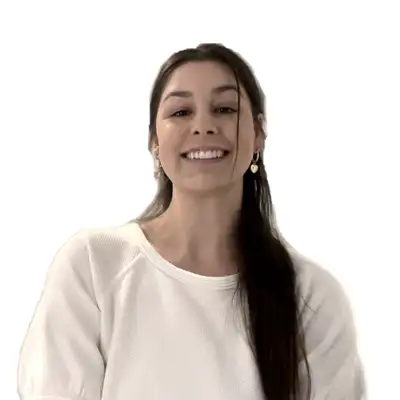
Sophia Cheng
When I first started or when I like made this jump, like, it was very scary to me. But I've learned to embrace that fear and go with that direction of where the fear is leading. Because I think a lot of times, as I mentioned, what you fear most is actually what you should do the most, right? And so I think, you know, when it comes to fundraising, it gets easier every round. It gets EAS every check. But I still am surprised by how difficult it is still both from a personal growth perspective of just like your ego takes a hit every time we get a no, and you know, every day is a rollercoaster. And so really learning how to use that pain and see that pain as like, I think a blessing, right? Because if you can't, this game in CPG is grueling.
00:58
Hannah Dittman
Hey everybody. I am Hannah Dittman, Operations and Finance Host of the Startup CPG podcast and today I'm joined by Sophia Cheng, Founder and CEO of Oddball, for a Founder Fundraising Journey episode. Oddball is reimagining snacking for the next generation with jiggly fruit snacks made from real fruit, no artificial flavors or colors, and no compromise on fun. Inspired by the fruit based snacks and desserts Sophia grew up with in Asia, the brand is bringing a fresh perspective to a category that hasn't seen much innovation in decades, creating something nostalgic, playful and genuinely delicious. If you haven't given Oddball a try already, you definitely should. In this Founder Fundraising Journey episode, we dive into the story behind Oddball, what it took to bring a new product concept to life, and Sophia's path from strategy and finance into entrepreneurship.
01:47
Hannah Dittman
We also get into the realities of fundraising in a challenging market, lessons learned throughout the process, and practical advice for founders who are preparing to raise capital themselves. Sophia shares candid insights on conviction, resilience, building before you feel fully ready, and what it looks like to keep moving forward through uncertainty while scaling a fast growing brand. It's an honest conversation about the highs, lows and behind the scenes realities of building a consumer company from the ground up. If you're fundraising or simply love hearing the real stories behind breakout consumer brands, this one is packed with valuable lessons. Go grab yourself an Oddball and enjoy. Hey everybody. Welcome back to the Startup CPG Podcast. This is Hannah and today we're back for an awesome Founder Fundraising Journey episode with Sophia Chang of Oddball. Sophia, welcome to the show.
02:40
Sophia Cheng
Thank you for having me. Excited to be here today.
02:42
Hannah Dittman
We're so excited that you're here today. We're excited to learn all about the interesting things you've got going on with a company called Oddball. I'm a huge fan, and I'm sure the audience will be after listening to you explain a little bit more about it today, too. I'd love to dive into the conversation, starting with background of your career and journey and the path that led you to Oddball.
03:02
Sophia Cheng
Yeah, absolutely. So I always say, like, I have a little bit of an unconventional path. I grew up in Asia. I grew up in Singapore. I came here for college. I actually had wanted to become an investigative journalist growing up, but I really only had two paths. Right. So because I'm not American, management consulting or finance. And so I went into management consulting for two years after that, I left and I joined a hedge fund called Bridgewater Associates. It was, or I think it still might be, the biggest hedge fund in the world. I worked for the founder Ray Dalio on the private side of things. And so that was how I got involved and I got exposed to the world of venture and entrepreneurship after that. I left eventually because I had a terrible commute between Westport, Connecticut and New York City.
03:42
Sophia Cheng
Four hours.
03:42
Hannah Dittman
Oh, my gosh, four hours. No, I know.
03:46
Sophia Cheng
I was just like, you know What? Like, the 20 hours on a bus,.
03:48
Hannah Dittman
Like, not worth it.
03:50
Sophia Cheng
So, yeah, I eventually got recruited back by my old boss, who became the global head of strategy and transformation at Estee Lauder Companies and hired me as a strategy director. And so that was really how I got into CPG. I joined at a really interesting time at Estee Lauder where there was so much changes happening in beauty. Right. Like, I was watching all these, like, new indie beauty brands and clean beauty really coming into the forefront of the industry and just, like, watching them, like, just eat shares away from the big brands. Right. And so, yeah, I had a really, like, amazing time at Estee Lauder and got to see everything at a really high level and also learned really early on that beauty kind of sets the trend in CPG.
04:27
Sophia Cheng
And it was always followed by food a couple of years later, and then finally pet. Right. So it was a really interesting macro environment to be part of during that time.
04:35
Hannah Dittman
Yeah, that's such a poignant insight that you make and one that I've noticed myself, too. I could pontificate on why that might be the case. I think it probably has something to do with the level of marketing spend and horsepower that beauty companies put behind things, but definitely have also noticed that trend as well. What an interesting and super accomplished career that you've had. I feel like you've Jumped from one really hard thing to another. And the founder journey being no less, if not more. I'd love to learn a little bit more about your company, Oddball, and what you've got going over there and explain to the audience all the cool, interesting, innovative stuff that you guys are working on.
05:13
Sophia Cheng
Yeah, absolutely. So I started Oddball honestly because I'm just someone who likes to eat junk food. I love it all. I love the cheeses, I love the Oreos, you know, like, I love the nerd ropes. And I was traveling so much during my career that I was so surrounded by junk food and fast food, like, barely in New York, right? And so I realized at a certain point that I was. My body was just catching up to me. I was like, getting cavities and adult. I've never had cavities, kid. I was like, getting stomach ache, really acne, like all the good stuff that.
05:38
Hannah Dittman
I don't know.
05:39
Sophia Cheng
If you eat a lot of junk food, you would probably get. And I realized, like, at some point that I just have to start eating like an adult, right? But that realization to me was pretty interesting because, like, I grew up in Asia, I grew up in Singapore, and, like, the way, like, kids or even babies eat versus adults are exactly the same, right? There's no particular, like, delineation between kids and adult food, but I think here, like, there is that delineation, right? And so I started really thinking about how I ate growing up in Asia, especially when it comes to snacks, right? Like, our snacks are always what I say, like, made out of real food that's minimally processed. Whereas I would say here is a lot of essentially chemicals in a bag. Yeah.
06:12
Hannah Dittman
Questionable ingredients.
06:14
Sophia Cheng
I don't even know how to pronounce it Right. And so I realized that I was like, really very much getting catfished by my food. Right? Both from, you know, it's like a giant strawberry in front of the packaging. But then, like, the ingredient story completely tells a different story, right? Or if I go to the better for you options, there was just so many of these, like, joyless, like, clinical, like, science experiment, right? So much like bars pretending to be a cookie dough. I get no shade of bars. I eat bars too. But sometimes, you know, I think that, like, in Asia, I never had to sacrifice the joy of eating and the cleanliness and the realness of the ingredients, right?
06:46
Sophia Cheng
And so what Oddball really is about, fundamentally, is we make fruit based snacks that don't sacrifice or don't require you to choose between fun and real ingredients. Our first product line is A line of. It's a new type of fruit cup. Right. So think of a fun, jiggly, nostalgic texture that, like, we all used to love, kids love, but we've made with real fruit ingredients and real fruit juices and purees instead of the artificial ingredients. Just pure realness. Right. So currently we're sold exclusively @Target and.
07:15
Hannah Dittman
Target.com I love your guys's. I don't want to call it Jell O, but I love the fruit cup. I think it's such a nostalgic, like, you're mentioning food, but just a totally adult way to eat it. You know, I think even as an adult, when you revisit some of those things you really like as a kid, your palate has changed so much. It's not even your health concerns has changed. They have, but your palate has also changed. Anytime I've gone back to, like, a favorite candy or something like that in adulthood that I remember from childhood, it just doesn't taste as good as you remember it because you're so used to different things now, hopefully.
07:54
Hannah Dittman
But I think having that nostalgic kind of form factor and food in a way that's a little bit more palette friendly and health conscious, I think is so smart. And I'm a huge f. I'd love to better understand the journey and the path of what coming to Oddball really was like, specifically what the journey through fundraising has been like. You know, when did you kind of get the idea? What was the startup story here? And what were the big milestones that led you through the fundraising path as you were on your journey?
08:23
Sophia Cheng
Yeah, I think that's a big question, right. Of, like, a lot of things converging in my life at the same time. I had a good, cushy corporate job. I had a great career going on at Estee. And so, you know, for me, like, as a non American, like, it takes a lot for me to do this and, like, be able to stay in the US to do this. Right. And so I would say, like, I am no different than many other founders out there, right? Like, especially for, like, female founders, which I believe just have so much more to lose. It required a lot of, like, courage, right? Like, it's really, like, any given point, you can try to time it as much as possible, right?
08:52
Sophia Cheng
You can try to time it to your next, like, raise, or you're trying to time it to, like, the next, like, equity release or, like, whatever it is or the next promo. But I've learned that there's just no good Time ever, right? What how you try to do it's going to feel like jumping off of the cliff. And I was really grateful that I had like a startup community because I had joined these fellowship programs and I had no prior experiences with startups at all, right. That essentially told me like, if you're going to do it, if you have an itch of being an entrepreneur, you just have to do it, right? And so I think that was a huge unlock for me.
09:21
Sophia Cheng
And I think when it comes to CPG and fundraising, you had to go in eyes wide open because CPG is not like tech, right? And so the returns that like investors expect from you are completely different and you had to be aligned in finding the right investors. The funding journey was a really challenging journey, right? Because for me, I am first time founder, I am also a minority woman. And just being really Frank, right? Like 1% of VC money goes to women, right? Like despite all of the Di and all of like these like talks about needing to fund more women or like minorities, et cetera. Like at the end of the day money talks, right? And the data talks.
09:55
Sophia Cheng
And so the difficulty is there, but I would say it's real and it's hard, but it's not a reason to spiral and not do it, right? Just because something is hard doesn't mean that it's not doable. It means that you had to work harder, you had to be sharper. But I also do believe like that's not a source of bitterness either, right? I never took it as a source of bitterness. It's more of like look like if you had to work harder, you had to be sharper. Like I believe that the reward is there, it makes your business better. And so I would say it was hard to raise the first round candidly, right? Like also because this was during 2023 when the market has changed. It was a really difficult time, right? It was a fundraising environment.
10:30
Sophia Cheng
It was after a time when it was post Covid where there's a lot of tourists, like investors into CPG where they have a really certain way of viewing CPG, right? They saw CPG as a nix tech. Each CPG company was like a D2C tech valuation and all of that dramatically shifted in 23. And as a first time founder, like raising your first round is always going to be the most difficult, right? And you have to rely on your network and at the end of the day your first checks are always a bet on your character and the people who believed and have known you for a while and Your character and your personality and your ideas and all of that. Right. Everything else after that is earned.
11:07
Sophia Cheng
So all the conversations with angels, with CPG experts or family offices or institutional has to be built and earned from that base.
11:16
Hannah Dittman
Yeah. That's so many words of wisdom and great pieces of insights in what you're saying in so many different ways. You know, you're in this comfortable job at sa, you have this interesting idea that you're thinking about. Did you start it before you started fundraising, or did you know to kind of go out and try to get funding before you even started the company?
11:37
Sophia Cheng
That's a very good question. I actually was doing this on a side when I was at Estee Lauder, and very candidly, it's because I needed my time to find the courage to really, like, be able to jump because of how much I had to give up. The first principle is that, like, I didn't want to put something out there that no one asked for. Right. Because with CPG, there's such low barrier of entry. We are flooded with products, and we're flooded with brands in the world that, in my opinion, no one has ever asked for. Right. Like, a lot of it's just, like, pretty packaging with no soul in it. Right. Like, it just doesn't earn a right to exist in the world.
12:10
Sophia Cheng
So for me to do this, also coming from an Estee Lauder where, you know, it's got decades and not centuries at this point of brand building, of putting something beautiful out there in the world, I didn't want to put something out there that I wasn't not, like, confident in, but proud of. Right. And so that journey to get there was quite a long one. And so I was doing it on a side at Estee Lauder where in the beginning, I had just hired a chef to work on his project with me. You know, like, he was whipping out these cups, and I was just chugging this, like, giant white ice everywhere in New York because I'm like, look, people have forgotten what jello is, right? Like, people are like, sometimes, like, you know, are like, oh, gross, Right? Like, we don't want gelatin.
12:48
Hannah Dittman
Right.
12:48
Sophia Cheng
It's associated with Bill Cosby, right? Like, and all those stuff. And so I needed to make sure that, like, the idea that I have is not just serving myself, right? It needed to be resonant, and it needed to create value before I would jump into this. So I think it got to a point where I really was, like, trying to get these validations however I can.
13:06
Hannah Dittman
Right.
13:06
Sophia Cheng
Whether it's Farmer's market, events, buyers, investors, whatever it is. And it got to a point where I took the product in its benchtop form to sprouts, right? And to a bunch of reach and they all said yes. And that's where I realized, like looking at the category, looking at the product, looking at who I am as a founder, the business that I want to build, that's when I was like, no, for me to do this, I had to race around properly and to launch the way I want to launch.
13:30
Hannah Dittman
Yeah, that's such a great story. So a lot of guts also to approach retailers with a bench top formulation and state of where your company is and a huge milestone to reach to get a yes from a retailer and definitely a huge capital need to be able to support the rollout of something like that. And kind of taking a company from prototype ideation almost and proof of concept to full fledged operational business. And that's a big transformation that you have to make as a company. If you were kind of looking back on that journey or that beginning phase with the wisdom that you have now and the experience you have now, is there anything that you would have changed about it or any advice that you would give to other founders in a similar situation?
14:14
Sophia Cheng
Yeah, I would say, like, yes, it takes guts, right? Like, but I think more than anything, it takes you to put down your ego, right? Because if you get a buyer meeting or you don't even need a buyer meeting, right? Like, you enter every pitch competition out there, they're all free, what's the harm, right? The only harm that like you get if you get a slot in a pitch competition or a slot with a buyer is maybe you might be embarrassed, right? Or if you get bad feedback. But if you're able to pull your ego down, you will realize that it's such a valuable data point to help you improve, right? Because at the end of the day, your goal is to put on a product that like, you're proud of, that the world wants and the world needs.
14:51
Sophia Cheng
And so there's no reason for you to not do that other than your ego. So I think that's one of the most important thing is I think because when it comes to CPG brands and the founder, you're so interconnected with your brand and so it's so easy to have that ego to your product and be scared of putting it out there. But the reality is like, if you don't put it out there as much as possible and you wait for it to be perfect, you will never get there, right? And so that was something that I learned really early on. It's like you almost sort of chase your fear. So, like, whatever you're most afraid of, you have to go after. Right.
15:22
Sophia Cheng
And when it comes to fundraising, I think one of the best advice I've received and one of the biggest realization that I've also realized in this whole fundraising journey. Right. Is that the strongest pitch are typically a mirror of the business that you're trying to build. So the pitch that I'm proudest is never about the performance. Right. And you also had to recognize and learn, like, what type of founder, what type of fundraiser you are as well, because fundraising is one of the hardest things that I've ever had to do. Right. And I've had really challenging, like, careers path and whatnot. And so, you know, it's grueling, it's a mirror, it can break you.
15:55
Sophia Cheng
But the best investors that I've met reflects that mirror back to you and challenge your strategy, challenge your assumptions and challenge, like, how you think of the business, the market, etc. And so this is also another lesson on, like, putting your ego down and collecting all that data, be it from the buyer and your product or the investors on your pitch to build a stronger business.
16:14
Hannah Dittman
Yeah, that's so well said. I think it takes a lot of thick skin to get through that much rejection and vulnerability, like what you're saying. Yes. It's easy to be embarrassed, especially like a business in its infancy is so personal to you in a lot of ways. And I think being able to kind of distance that emotional tie from your own self worth to the business's worth is really important to be able to get yourself into a place where you're looking at things objectively and really treating it as business. And I think it's easy for everyone else involved to do that, except for the founder, obviously.
16:50
Hannah Dittman
And so being able to kind of like match that level of thinking and not getting the, like, emotional game wrapped up in it is a really big personal battle that I think a lot of founders go through and an important one to overcome. Outside of that, what do you think the big challenges or unlocks in fundraising are? Like, where did you feel things you were doing were helping you become successful or getting you traction, Things that you were saying or things that were resonating? And where do you feel like there was some friction or obstacles that you might have needed to overcome or work your way through to get a successful fundraise process?
17:24
Sophia Cheng
Yeah, I mean, I think the biggest, like, hurdle is the reality of Where I was at, right? Or where I'm at, right. Like as a first time founder, it's always going to be difficult to convince people to make a gamble on you. Right. Especially well established angel or institutional or family offices that are the investors that you want your cap table that will provide that significant value add to get your business to that next level. Right. Because the best investors level up your business. Right. Like they're not just passive money. Right. They're not just noisy money. I think the biggest shift that I had to learn as a founder during fundraising is a mental shift. And I would say fundraising is not about convincing people to believe in you, it's about finding the people who already do and are aligned to what you do.
18:07
Sophia Cheng
And so when I shifted that mentality and when I had that mental shift, like, that really helped me in terms of how I pitched. Because at the end of the day, pitching is selling like now. I had to also learn the dynamics of fundraising. And I think that's something that a lot of founders like, don't do. Because fundraising at the end of the day is a game.
18:25
Hannah Dittman
Right.
18:25
Sophia Cheng
Each stakeholder has different incentives. So you as a first time founder's incentive is very different from an institutional vc, is very different from angel investor. It's very different from your friends and family. And so I think general, like really understanding that fundraising is not a touch and go thing. It's like a structured game you're playing and understanding the incentives and aligning to that and having this mentality which really helped me of you're looking for the people that already do believe in you. Right. You're not trying to increase the friction to find and convince people who don't?
18:57
Hannah Dittman
Yeah, no, I think that's really helpful. And what were some of the things that you were or ways you were able to identify that? Like if you were giving practical advice to a founder who was saying, okay, I want to do that, what do I do? What were the ways you were vetting or understanding whether people were already kind of aligned with how you were thinking or were not?
19:16
Sophia Cheng
Yeah. I think for me, I have a very strong point of view on how a CPG business, especially in our category, should be built. Right. Like we're not following a playbook, right. We're called oddball. Like our product is an oddball product. Our branding is kind of oddball. Right. Like the way we approach a strategy, the way we approach our marketing, our consumers, or how we launch and our go to market, everything is kind of the oddball way. And so I Think for me it's like I understand what those principles and my own point of view is and it has to align with the investors that we bring on. So for me it's really about like winning in retail.
19:53
Sophia Cheng
It's for us it's about, you know, winning in retail, like preserving that fun, understanding mass, like going straight to mass and like making big bold strokes. And so those were my filters in when were looking for investors. And I think when you apply those like higher level filters, it naturally filters out to you. Who are those investors out there that will meet those criteria that you first set? Setting that level of requirement is baseline to what your company is.
20:21
Hannah Dittman
So yeah, that makes a lot of sense to kind of really understand your principles, not just in terms of like a mission statement, but also in the way that you're operating your business and finding people that are like minded in their approach to business as well. If you could explain to other founders what the investor relationship is like and what can be helpful or hurtful to that dynamic. What are some things that you would touch on?
20:44
Sophia Cheng
Yeah, I think that it's really important for you to own and define a dynamic.
20:48
Hannah Dittman
Right.
20:48
Sophia Cheng
And to treat each investor with respect and understand their incentives. For me, like I think there's two great groups of investors. There's like the believers in you that are just betting on you. There might not be CPG experts, but they will, they have full trust on how you run the business and they don't try to come in and out of it. That to me is an incredible amount of respect that someone is paying you. Right. Like you're a custodian to their money, they're betting on you. And so defining and understanding that dynamic as a baseline level of respect is to me one of the most important things. And there's like the different types of investors, like your institutional, your lead, like the Experts, like the SMEs, the angels that are really high value add.
21:25
Sophia Cheng
And for me, like I have a great relationship with our lead vc, Springdale Ventures. I have a very transparent dynamic with them. We have a very like casual text based, like great rapport. But that has to be earned and it has to be owned by you and it has to be managed by you. Right. This is not something where I know like for a lot of planners, for myself too, carving out time for IR on top of the business that you had to run at this stage and fundraising at the same time, it's time consuming, it takes resources. But I would say like if you establish that baseline human level of relationship in the beginning and set the expectation with the investors of what to expect.
22:02
Sophia Cheng
It will save you so much time, and it will also allow them to continue to invest in you as a person, as a founder, and as a business.
22:09
Hannah Dittman
That's so great way of thinking about it. You know, it's very similar to a healthy relationship in any other aspect of your life. Having clear, direct communication, being on the same page and aligned in your thinking, being honest and open with your communication, and building a strong relationship over time. I think those are like, such fundamental principles that you would approach almost anything else in life with. And it makes sense. The investor dynamic should be no different.
22:36
Sophia Cheng
I think that, you know, I always say, like, if an investor comes on board and I need to want to be friends with them in real life, right? Because, like, I think if you're a startup founder, like, you kind of need and want your life to just be aligned in every single pillar. For me, that's been really beneficial. Right. Like, I really view every single one of my investors as a close friend. And you would want your close friend of respect, and you expect that of your close friend too.
22:57
Hannah Dittman
Right.
22:57
Sophia Cheng
And so, yeah, it's nothing overly complicated other than respect.
23:01
Hannah Dittman
Yeah. Well said. And I feel you're very lucky also to be in a position that you've put yourself intentionally, where you have such a strong, healthy relationship and friendship, those you're working with. I think that's like the ideal goal for any working dynamic. You know, you spend so much time at work, you spend. Especially as a founder, you spend so much time thinking through these things and on these things and being able to be friends with the people that you're in the trenches. Doing all this stuff with is the beautiful part of the journey that makes it that much more rewarding and fulfilling. Has anything surprised you or not matched your initial expectations about either building your brand or fundraising?
23:40
Sophia Cheng
Just going to be honest, right? Of, like, how scary it is. I think that when I first started or when I made this jump, like, it was very scary to me. But I've learned to embrace that fear and go with that direction of where the fear is leading. Because I think a lot of times, as I mentioned, what you fear most is actually what you should do the most. Right. And so I think, you know, when it comes to fundraising, it gets easier every round, it gets easier every check. But I still am surprised by how difficult it is still both from a personal growth perspective of just like your ego takes a hit every time we get a no, and, you know, every day is A roller coaster.
24:18
Sophia Cheng
And so really learning how to use that pain and see that pain as, like, I think, a blessing.
24:26
Hannah Dittman
Right.
24:26
Sophia Cheng
Because if you can't, this game in CPG is grueling, and I think, you know, I would never recommend it to anyone unless they're eyes wide open and understand how grueling it is every single day. So when it comes to fundraising, I wouldn't say this is a surprise, because I learned this early on. Like, you know, many people have told me this, but once you start fundraising in CPG, you don't stop. Right. Like, there's no breathing room.
24:49
Hannah Dittman
Right.
24:49
Sophia Cheng
There's no, like, the time off to say, like, oh, like, I have three months off now. No. Either raising or you're preparing for a race. I've learned. Right. And, you know, the fear aspect and the painful aspect, but it comes with the territory and it comes with the honestly, like, the opportunity to do something that's, like, so magical and so personal to you.
25:06
Hannah Dittman
Right? Yeah. Very well said. And I think, like, the emotional reality, it's easy to conceptually wrap your head around a lot of these things. Oh, yeah. Rejection's hard. Oh, yeah. Building a company is scary. Oh, yeah. It's a lot of work and a lot of mental thought to do fundraising. But I think when you're in the reality of that, of what that actually feels like, it can be very consuming, and it's like a very different experience to be the one in the seat. I'm sure a lot of the founders listening are empathizing with what you're saying quite a bit. Looking forward to the future of Oddball. What are you excited about in the kind of next chapter or next phase of your journey? Are you working towards any fundraising milestones or growth milestones that you're really excited about?
25:48
Hannah Dittman
And where do you see your brand going over time?
25:50
Sophia Cheng
Yeah, no, we have so much going on right now. We launched into 1200 Target stores in January with our three flavors.
25:57
Hannah Dittman
Congratulations.
25:58
Sophia Cheng
Thank you. You know, I have a really great team, and thank God for, like, a great team. Right. And so now we're expanding, so we're pretty much going to be nationwide in a couple of weeks. We're launching a new sku. We're launching a new flavor, and this is, like, you know, only four months into our Target launch. We're working on a really healthy and amazing and just exciting pipeline. And that's what I'm, like, really most excited about. Right. Like, we want to be the Willy Wonka of fruit. I want to be Willy Wonka when I Think about snacking. When I think about food, it's so emotional for me because in Asia, like, it's a way of saying, like, I love you and I respect you. Right.
26:31
Sophia Cheng
And so being able to, like, bring that to the world with all these different innovation and me, like, I didn't come here to build a one product brand. Like, I came here to build a true platform brand that can become the next generation of, like, that fun, healthy snack brand that both parents and kids love. So that's something that we're super excited about, you know, like our innovation and, yeah, we're marching towards, you know, the next round all the time. We're always fundraising. Right. So, like, we're at an active raise right now, but really, like, trying to get to that point where we'll be able to really hit scale and being ready for that.
27:03
Hannah Dittman
That's so exciting. So much cool things going on in your world. Willy Wonka. I'm super excited for the new flavor release. Congrats on the target expansion and launch. That's so exciting. And kudos to you for pounding the pavement still on the fundraising journey and making it happen. I'm super excited to see what else you bring into the world. I love your unique take on a vision and spin. And snacking is supposed to be fun and joyful and give you all those feelings. So I think infusing the brand DNA and with your own in that way makes a ton of sense. I'd love to pivot into a little bit of a slack question. As you know, startup CPG has the largest slack community in the industry, with now over 35,000 members.
27:49
Hannah Dittman
I'd love to pull a question directly from our channel and have you answer it as a case study for any founders with a similar question. Today's question is how many investors typically participate in a fundraising round?
28:00
Sophia Cheng
That's an interesting question, I think, for me, and I can only speak to myself right now. My first round was about 20. Obviously, like, you know, you wanted to keep it tight, but you prioritize and you optimize and you pick your battles. Right. So, you know, if you're able to keep it tight in less than 20, like, that would be great. For me, it was around 20. And then subsequent rounds, like, it actually gets less and less because ideally your existing investors come back in. Right. So for this round that we're raising right now, I would say it'll probably be around like, 10.
28:29
Hannah Dittman
Yeah, I think that makes a lot of sense what you're saying, and I feel like I've Observed that as well. Where, you know, the earlier you are kind of the more risky the bets are. It's a lot of people making smaller check bets on you and you need a little bit more volume. The more traction you show and the more historical data you have, the bigger the conviction can be built in a larger check and then you can consolidate down some of that. And the later the stage of investor is, the bigger the check size expectations are going to be also versus the earliest stages.
29:00
Sophia Cheng
I think for me, like, I was never too concerned about the number. I was more concerned about, well, the amount. Because, you know, different people have different takes and different strategies and different styles. Right. But like, for me, like I'd rather have a bigger cap table and have more investors in it and if they are high impact, high value ad investors. Right? Because I truly believe that like the right investors can add immense amount of value that the same way that my investors have added to mine. Right. So I'm not super afraid about like the count or like super concerned about it. It's more of like, you know, your style and what you want to get out of it. Some people like to be more concentrated so they don't have to be managing like too many.
29:38
Sophia Cheng
Some people prefer to have a bigger cap table so that they can get more advice. So it really depends on your style. But like, it's important to think in terms of what that strategically brings you and what that means to you.
29:50
Hannah Dittman
Mm, yeah, I think that's a great piece of advice. And I think also just having the idea in the back of your mind that it's gonna be probably a lot more than one investor is helpful when you're thinking through the planning process of how many conversations and you might actually have to have and how much outreach you might actually have to be doing and what the conversion rates might actually be like to get to hit those kind of numbers. I think is also really helpful to just kind of level set expectations. But I think you're totally right in that your North Star is what your fundraise is actually bringing into your business more than exactly how it is constructed.
30:25
Hannah Dittman
And that's the priority, which is the money that you need and the type of people that it's coming from and the desire for them to be involved in your business in that way.
30:34
Sophia Cheng
Yeah, no, absolutely. And I completely hear you would agree that like, you know, if you are going to play that like, and you do how to play the game in a numbers game, understanding that like, you know how wide your funnel have to be and like Being really disciplined about following the numbers game and allowing like the percentage to like fall into place is a really critical piece of this too.
30:54
Hannah Dittman
Well, that was like such great advice. I love your candid energy and how honest you are on the founder and fundraising journey. For any other founders or potential investors that might want to reach you, learn a little bit more or follow along on your journey, what's the best way for them to get in touch?
31:11
Sophia Cheng
Email me Sophia S O P H I A dball World and I'm more than happy to spend time with anyone who wants to talk about this and share whatever experience I can share.
31:21
Hannah Dittman
I feel like if you haven't tried Oddball already, you guys need to go try it. It's so good and it's so fun. Get it from Target, give it a try. But Sophia has been so lovely chatting with you today and such a pleasure to get to know you and to get your energy and wishing you nothing but the best on your founder and your fundraising journey going forward.
31:44
Sophia Cheng
Thank you so much. This was really fun. Thank you for having me.
31:49
Hannah Dittman
Well friends, we've now arrived together at the end of another episode of the Startup CPG Podcast, the top globally ranked podcast in CPG. And if you love this podcast, you'll love our Slack community even more. Here at Startup CPG, we're a community of brands and experts and you should join. Sign up @startupcpg.com you'll then get an invite to our online Slack community of over 35,000 All Star CPG members, hear about amazing events near you and all our special opportunities to get you in front of buyers, investors, brands and more. It's a free community. So what are you waiting for? I'll catch you on the next episode and I'll see you on the Slack.