Subscribe
Share
Share
Embed
This is Impactful Breakthroughs, the podcast where we highlight top leaders driving breakthroughs in clinical research and life sciences.
Each episode features candid and inspiring conversations with the people who have dedicated their lives to shaping the future of healthcare. You'll hear stories from the physicians who've run hundreds of clinical trials, biotech founders chasing the next cure, surgeons pioneering new techniques, and patient advocates who turned their own diagnoses into a mission to help others.
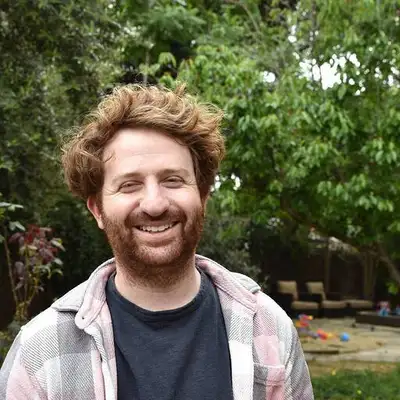
Hosted by Zach Gobst, who has spent his career working alongside clinical trial teams and patient communities, be sure to subscribe on Apple Podcasts, Spotify, or wherever else you listen.
You know, if you don't have if you don't have, like, in my opinion, like a clear vision of focus, sometimes you can get a little lost in the weeds. And I'd say, you know, when I first started out, you know, out of academia, that's kinda how it was. It was it was more just of a, you know, save the planet type deal. Not that I lost that. It's just more, you know, let's build things one step at a time to get to the stars instead of, you know, trying to jump straight into into the stars without without knowing how to how to walk basically.
Zach:Hi, Zach Gobst here. I'm the host of Leap Together where I speak with leaders in clinical trials and patient advocacy to explore how medical breakthroughs come to life. Today's episode is brought to you by Leapcure , the leader in patient engagement and recruitment for clinical trials. Leapcure's equitable and empathetic process accelerates research while empowering patient advocacy. Hundreds of studies and millions of patients across more than 50 countries have used Leapcure to average 62% of study participation.
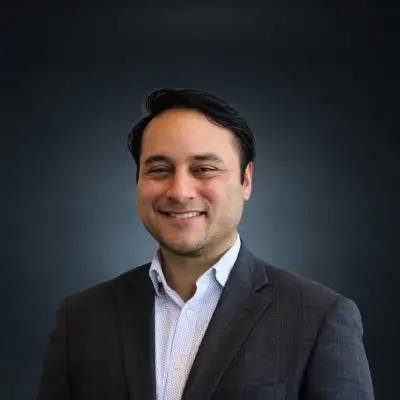
Zach:Visit leapcure.com to learn more. And today, we're excited to have Joshua Ortiz-Guzman, PhD, on with us. Joshua's a gene therapy engineer and developmental neuroscientist turned clinical research leader and industrial biotechnologist. A bit of a renaissance man. He links IRB compliant data systems, stem cell banking, longevity programs, well, to measure patient outcomes, and he designs microbial biochar technologies that restore degraded soils.
Zach:He's a principal consultant at Innos Lifetech and CEO at RM Tech. He applies the same evidence, first rigor across human health and environmental systems. Joshua, welcome to the show.
Joshua:Thank you for having me, Zach. How are you?
Zach:Yeah. I'm I'm doing great. So when we start you know, when we spoke before the podcast and even kind of reading, yeah, through your bio, like, my brain has to, like, make more space for everything you're doing. It's it's kind of like because there's a connection between kind of what we're doing with our own health and with environmental health, which is not, you know, always kind of the framing that we have around, you know, our own personal health. Where did this come from?
Zach:How did this all get started?
Joshua:Yeah. So I mainly I did my PhD on on food intake. So it was really seeing how the brain tells us when to eat, how to eat, and how emotions really kind of take over, and drive that that desire to eat. However, when I was writing my my thesis, I started asking a little bit more kind of kind of different questions instead of, you know, how the brain interacts with the world and tells us when and how to eat. I wanted to know, you know, what nutritional content of food is and and how that might influence.
Joshua:And I started going down this rabbit hole of, like, farm to table and and agriculture, and it really just blew my mind in in good and bad ways because I just started to see, you know, I I spent a lot of time, you know, studying studying the brain and also the body and trying to understand the disease. But I started to really consider, you know, how can you make something healthy in a toxic environment? And that's really where my love or or pursuit of of things in the environment came from. Because, you know, we see patients every day. We give them different drugs and and, you know, we track their outcomes, especially now that that I've been involved in aging and longevity.
Joshua:But it's really working against us if we don't take their environment into consideration. And so, you know, if you're drinking, you know, stuff that's contaminated, eating food that's, you know, polluted, what does that do into your body? You know, is especially when we talk about gene drug interactions. You know, what about gene drug interactions with the environment? How's the how are, you know, emerging contaminants influencing these drugs in our body?
Joshua:And it really started getting me down a crazy rabbit hole of looking at at how the environment is influencing everything we see even in, you know, in clinical research. And Yep. And that's that's really where where it came from.
Zach:Yeah. Yeah. I know on on my end, like, you know, the the point of having, like, sites in, you know, that are in diverse places and across the world to a degree is the environment can explain outcomes, you know Absolutely. And there's probably so much more depth to it that you've seen. It's not just like, you know, having a different provider that has, you know, different care support.
Zach:Mhmm. It can get into kind of like, you know, the the, you know, micro level and and, you know, biological level of kind of what's going on in people's environments. I think that makes sense. I'm curious about so you've you kind of went to school and what I think is also kind of fascinating is how much you've done you know, you've gone all the way up to getting a PhD, but have now kind of found yourself in in various kind of business and commercial roles, which, you know, for many people who spend that much time in academics, you know, they they kind of, you know, find their way into kind of having roles that are maybe more academic in nature or still kind of connect to that largely rather than you who's kind of, like, involved in a number of different businesses. You know, we worked with, you know, your research site.
Zach:Where do you think that comes from to kind of just kinda get out there's gotta be something going on with getting out of your comfort zone, but then also kind of how you're not afraid to just kinda take on different endeavors that are kind of unlike other things you've done. You know, where where do you think that comes from?
Joshua:I'd say it it came mainly from from a good friend of mine and also from my old mentor. My old mentor, know, he he really during my PhD, he really kinda, like, forced you to to build everything kind of on your own and also to not be afraid to to dive in. And, I'd say one of the things I really give credit to, his name's, doctor Benjamin Aaron Kiel at Baylor College of Medicine, is that he he really forced you to be a little bit risk resilient and, you know, dive down some deep paths and gave you the space for it. And so he really kind of kinda gave you the the opportunity to to succeed and fail on your own. And that that sometimes, you know, that that's tough sometimes.
Joshua:But it it really made me kind of just realize that with with time, effort, and, you know, work towards a certain topic, you can really become, you know, either an expert or or pretty pretty good at it. And, you know, during my PhD, it really just taught me how to learn, you know, like and and the way I think of it is, you know, when I started, I didn't know anything that I know now. And so that could be true for for many different topics, and it's really just action, putting in the work, and then learning from that. I mean, there's gonna be there's gonna be failures along the way. I I know I've had I've had my share of failures, but it's, you know, it's I call it the war of attrition.
Joshua:You know? You just gotta keep, you know, going waking up every day and and going back to it.
Zach:Yeah. I'm always curious about kind of the failures and inflection points. Like, I know for me, as an entrepreneur, though those you know, looking back now, this is year 10 for Leapcure , but the time, you know, in early Leap Cure and prior, a lot of those kind of failures and inflection points really helped set me off on, like, an awesome path. Curious if there's any that come to mind for you.
Joshua:Sure. I mean, I've had my I've had my my share of failures. When I first started working on on some of this environmental stuff, it was getting into the industry, starting to to meet people. And sometimes when you come from academia, you don't really understand business. And I'm not even talking about finances, just the, you know, the personality you have to have to kind of be able to work with people and work through things and not forget that at the end of the day, you know, it is a business.
Joshua:And so initially, it was very, I'd say, like, bright eyed, bushy tailed, kinda like, hey. You know, let's let's explore the world kind of kind of deal. Yep. And then, you know, if you don't have if you don't have, like, in my opinion, like, clear vision of focus, sometimes you can get a little lost in the weeds. Yeah.
Joshua:And I'd say, you know, when I first started out, you know, out of academia, that's kinda how it was. It was it was more just of a, you know, save the planet type deal. And I thought I I I've lost that. It's just more, you know, let's build things one step at a time to get to the stars instead of, you know, trying to trying to jump straight into into the stars without without knowing how to how to walk, basically.
Zach:Yeah. I mean, the way I think of it, and these are, you know, curious these are my words, not yours. I'm curious if this resonates is, like, academia largely gives you structure, like, for that vision. Like, you you kinda just follow the structure, and you might have these core values about what you're trying to do for the world. But when you're kind of thrown into business, that vision structure and clarity of, like, what you should be doing, how you should be interacting, you kinda have to go figure that out.
Zach:But Absolutely. And then, yeah, like, you know, the successes, milestones that, you know, feel impactful to you. Curious, you know, what comes to mind.
Joshua:So, you know, like I said, when I first started, I actually started a nonprofit with a with a colleague of mine. And the idea was to really look at different microbes in soil and then try to develop like a map of those microbes and see how how, you know, construction and and, you know, man driven kind of processes are degrading, like, soils and and environments. And it took us all the way to Chihuahua in in Mexico and Colombia and South America. And, you know, even though I left that group, we did make, I'd say, a pretty good impact. We we hosted workshops, classes, courses.
Joshua:We taught people, you know, how how the environment interacts with with what we're doing. We met with farmers. We met with drought groups to talk about water use and and how, you know, just some simple workshops and some simple education could, you know, increase your water yield on crops. And overall, it was, I'd say, a huge impact. I'd say the second way too is when I came to El Paso, Texas.
Joshua:El Paso is like a truly underserved community with a ton of opportunity. So when I when I first moved here, I started the clinical research program at Rio Grande Urology, and I had the incredible support of the physicians there and the providers. Because El Paso is a place that doesn't have clinic as much clinical research, but really, really needs it. Not just for the patients, but also for the groups that are making these drugs. It's a very unique area.
Joshua:It's almost fully homogeneous Mexican background, and that's unique in The United States. And so, it's a great place to carry out studies because the patients here are willing and also they need it. You know, the I've just been so impressed with the new drugs that have been coming out and the patients' willingness to to participate in the trials, not just for themselves, but also, as a whole. And the region was really, I'd say the past maybe three to four years made a huge investment in clinical research. There are groups here.
Joshua:I'm gonna specifically call one out, which is the Medical Center of Americas. Mikaela, who is the clinical research director there, has really pushed to drive clinical research training and clinical trials in the region. And there's been a ton of investment to to train people here, educate people on clinical trials, and get clinical trials started. And I'd say El Paso started to make an impact, and I'm just kind of excited to to see how that how that grows here.
Zach:Sure. That's amazing. Yeah. When you I I think, like, in theory, you know, people in the industry talk about how it's important to kinda diversify sites and kind of reach communities with unmet needs. In in practice, you know, there's typically a pretty important kind of, like, education challenge with those communities too.
Zach:Curious about what you saw, what worked, what didn't work, any any learnings trying to kind of educate communities on clinical trials, which, you know, in in concept can be pretty new. But, you know, oftentimes, the relationships that, you know, communities that have unmet needs have with, you know, health care can be a little bit fractured as well. So, you know, curious what you saw and learned from that.
Joshua:Yeah. So there's an effort here to really centralize some of that education and tackle it kinda, I'd say, one step at a time. El Paso is kind of this weird city where I mean, it's like a huge sprawling, like, urban environment, but it it has, like, a lot of mixed in rural aspects to it. It's a huge agricultural center, and every and almost everyone here speaks Spanish. And so the I'd say the challenges have really been in in trying to communicate effectively to patients and providers about the benefits of clinical research for a group that, you know, on the patient side sometimes sees it as like, you know, I don't wanna be a guinea pig.
Joshua:And then also just, I'd say, maybe fear of the unknown since you're working with a lot of rural and, you know, a much older population. It's a little difficult to sometimes tell them, like, hey. You know, we're just gonna inject you with this new stuff. But what we've noticed is so, again, I'll I'll make a call out to the Medical Center of America's. They form this group of of people, called promotoras, which that go around and educate people and and really teach them, and this is on the patient side, about clinical research.
Joshua:And they do it in a very warm way. I'd say I'd say a way I probably couldn't approach it. And they're members from the community. So they're they're community leaders. Some of them are people that didn't have background, in medical or or any science, but, took some training and and learned about clinical research, and now they take it back to their communities.
Joshua:And and there's a huge outreach for that. And on the provider side, I'd say, honestly, that one's a little bit more difficult, surprisingly, just because it's not that the groups here don't don't wanna do clinical research or don't see the benefit. It's just they're too busy. El Paso is a a region that's it's difficult to recruit providers. And sometimes you have doctors seeing, like, 70 patients a day.
Joshua:And so, you know, when it comes to distracting a provider from clinic to, you know, talk to them about this new drug, and it's a challenge to to try to, first of all, give them a a good understanding of what clinical research is going to be. Obviously, you know, from the the revenue side, it's very important. But at the same time, from the clinical care side and training because, you know, some of our providers here too don't have the clinical research training or experience, and there's nothing around that that they can kind of take in as an example either. And so building that that trust with the different providers, shareholders, I'd say it was, I'd say, more challenging than building the trust with the patients. But like I said, lately, pharma has made it a little easier just because some of these drugs that are coming out are honestly phenomenal.
Joshua:And so when you have something that is, you know, a research product that is almost like a no brainer to put your, you know, your patients on and you have, an added bonus of of a new revenue stream, you know, that makes it a lot easier. But, again, you get down to we've had groups where the provider loves it. You know, they're like, you know, this is a no brainer. We want it. But then they don't they just don't have time.
Joshua:And so how and, you know, how do you how do you how do you deal with the with the limiting factor, which is another body? Like, you need a you need a provider to lead the study. Yeah. And that makes it very, very challenging. And so there are different ways that groups here have kind of adapted to that.
Joshua:Like I said, I'm I'm a I'm a PhD. And so, you know, you have you you have new ways of of kind of addressing these challenges, but it's still a challenge. And especially in in places like El Paso because it's difficult to recruit here. The ratio of doctors to people is crazy. And so it's sometimes not even you know, once you once you get through the selling point for the docs, now it's just time.
Joshua:And and these doctors, they want it. They just don't have time sometimes.
Zach:Yeah. That was you know, that that factor and the variation that was Leapcure's rude awakening too, which was, you know, we started a company, yeah, just over ten years ago, and we thought, you know, we transform clinical trials by, you know, helping connect advocacy patients, educated, interested, motivated at you know, advocacy patients to research. We thought, you know, do that well. Job done. And, like, there are a lot of other people that have you know, peep people have challenging day jobs in in many cases, you know, on the research side side and sponsor side as well.
Zach:And, yeah. But just understanding the specifics of, you know, El Paso, I think, is quite fascinating, and it it makes sense. I think you know, I I wanna kind of tie in some of your other experience too because I think this is, you know, super interesting. Going back to what you said about kind of soil education, curious about, like, what because you're doing kind of, like, international soil education with farmers. What were some of the key things that you tried to teach when you were in that role?
Zach:Like, what were the kind of things that, you know, you you thought was important for people to kind of understand on a better level?
Joshua:So this is this is a great question. It's it's still a difficult question, honestly. It's addressing short term versus long term benefits. So we really live off of six inches of of soil that, you know, that gives us food, that gives us everything that we have. But it's difficult sometimes to communicate that because there's a ton of challenges when it comes to trying to, first of all, treat soil as a living organism and focusing on soil health.
Joshua:I mean, that sounds sometimes for someone who, you know, has no idea about, you know, any any of this or and just, you know, has very traditional farming practices where you have an an established workflow for decades and it works. And then someone, you know, comes and tells you, oh, you know, you gotta change this, change that. You know, they'll tell you, you know, get out of here. Yeah. So one challenge is really is really trying to break some of the norms, and we actually stopped trying to break them.
Joshua:We were integrating and trying to wean wean wean off of of some of these practices that work. Again, they work great in the short term. There's nothing I can say here that to tell anyone that, you know you know, pesticides, fertilizer, don't work. If someone's telling you that, they're telling you something that not true. They they absolutely do work, but it's more about short term versus long term benefits.
Joshua:They work, but they over time, they really degrade the soil. And so one challenge is is trying to tell people that a product is gonna work when that same product sometimes take months and months to to improve. And so, you know, farming and soil health is something very challenging because of the timescale. So it takes it takes a long time to see the differences, to see the benefits, to see the changes. Another thing too is working with insurance, and also FDA.
Joshua:It's like it's like I'm doing clinical research all over again when I do slow because it depends on on the treatment that you have for the soils, and that also can can affect reimbursement and insurance. You know, farmers are are also driven by insurance. And if they change their practices and for some reason, you know, they have massive crop loss, well, they changed their practice and now they fall out of out of insurance recovery. And so it's difficult for them to adopt. Again, sometimes it's they they're willing, but then, you know, there's just practical practical things that come down to to financial security for them.
Joshua:And so some of them won't change. And the way that we've we've really infiltrated, you know, farmers because farmers is one thing, and then we also do urban, like, parks and and rec and environment too for for green spaces. But with farmers specifically, it's helping them with pilots. So we start off with small plots in their land and then, you know, we know the product works and so we show we show them the changes and then they adapt slowly over time. But that takes that takes some time, but it's worth it because we're able to, you know, give these dead soils more structure, get them thriving, get them healthier, get them to retain more water.
Joshua:There's just so much involved in soils and and we keep them healthy. And one thing that we do is since we do a lot of kind of labs on the soils, we also get like a ton of environmental data. And we just see how contaminated things are, how polluted, and it's kind of it's very it's, like, really opened my eyes on the differences even within the city. Sometimes different parts of the city are just heavily gone, And then other parts are are pretty decent. But there's so many novel emerging contaminants now too.
Joshua:I mean, I don't know if you've you've heard of PFAS before or these forever chemicals. But these forever chemicals are are trapped in our water, in our food, and they're called forever chemicals because they don't leave. They go along with the water cycle. They're very difficult to destroy and they cause massive toxicity in in everything. And so we we've been studying them.
Joshua:It's a new effort too by the Department of Everything, I'd say. Department of Energy is looking for solutions, EPA, USDA, Department of Defense. It's in everything. It's kinda kinda scary sometimes.
Zach:Yeah. I've got my own habits and views on water, which I don't think are all I don't know the science very well, but I have to know there's one more thing to look out for. It's probably important. So and, you know, talk talk a little bit about, you know, biochar and kind of the implications of you know, I guess that's when you get involved in kind of pilots, you know, where what are you trying to help kind of demonstrate, and how does, you know, Biochar fit into it?
Joshua:Yeah. So Biochar was, I'd say, the last product we came in contact with while we were helping some farmers. It's Biochar is is I call it, like, simple, but it's really not. I mean, when I first was introduced to it, I thought it was super simple. I was like, oh, this is just burnt organic matter.
Joshua:Mhmm. And you put in the soil and it acts like a sponge and has like nooks and crannies for microbes and it works really well. But biochar has a ton of different properties and you can kind of change the the actual material with different temperatures. There's there's a lot of stuff that goes into it a little more engineering, but it's it's really kept simply. It's a it's a carbon substance that's made from organic matter.
Joshua:And so normally, what you'll see that's very popular is wood biochunk. So something that's a lot of mulching groups, they'll they'll get a ton of wood coming in from either a natural disaster or maybe they do some sort of forestry stewardship, where they take woody brush. They break it down, and then they they burn it. I call it a burn, but it's not a true burn. It's called pyrolysis.
Joshua:It's like a low oxygen to no oxygen burn, and it converts it into a carbon product. And that carbon product can be used as a soil amendment, and when you put it into soil, it helps retain moisture. It's like a it's like a carbon sponge completely, and you have to water less. It allows for nutrients to to stay in the soil, and then it provides a home for the workhorses, which are the microbes. And so it's like a a multiuse tool, but the way that we use it is kind of like a vehicle, really.
Joshua:It's our pill for our drugs. And in this case, our drugs are are the are the microbes. And so we we really treat it like a probiotic for soils. But yeah, biochar is this carbon substance. You can make it from from really any organic matter as depends on the organic matter.
Joshua:It has different ways that you need to treat it, but we mainly get ours from wood and pecan shell waste.
Zach:That's, yeah, fascinating. And then let's tie this back. You know? You well, you know, how you got into longevity and how you think this all connects to longevity. You know, I I think that's pretty fascinating as well.
Joshua:Sure. So, honestly, it really came from my love of space. I know this is going
Zach:Now we've added space to the next Great.
Joshua:Yeah. This is gonna be a this is gonna be a stretch, but hear me out. As we're, you know, focused on soil health, we we have developed a platform that that can transform any any dead soil. So, you know, you have sandy loam, clay, really anything to try to get a kind of, like, precision health buffer soils carried out. And it was it's for the, like, long term vision for terraforming, you know, other planet soils.
Joshua:Those those have those definitely have other challenges because there's real toxic substances in them, But, you know, that's a start. And so we do habitat restoration. And we were really thinking about kind of like colony formation, colony management. Everything we do, you know, within a circular economy is like is recycling. Like, we recycle organic matter into char, and then we also try to make the materials with with what we have.
Joshua:But the reason I started getting into longevity was because, you know, if you look at some of these these planets, you know, the closest, like, planet that's habitable or or potentially habitable is very far away. And, you know, we can get there with the tools that we have, but it'll take, you know, an eternity to get there. And so I started to focus on longevity, mainly not not so much for for how long we could live, but how long we could live robustly. And I wanted to to really see how we can maybe track resilience. Yep.
Joshua:And so, you know, this falls into maybe a different realm other than than treating patients. It's more it's more establishing the framework so that we don't have to. That still requires like supplementation, lifestyle changes, but really a focus on robustness because in space you have everything's trying to kill you. And so you have to be, you know, robust. And that's really where I started to get into aging and longevity.
Joshua:It was more for for kind of understanding aging and longevity because I feel like even today, there's not, like, a a good consensus. Some people wanna treat it aging as a disease. I don't know if if that's the right way to to approach it. Some people wanna halt aging. Others are a little bit more focused on on on kind of on what I'm talking about, which is more resilience.
Joshua:Yep. Obviously, I'm in that camp, but they but there's a lot of groups that are focusing on that now. And it really it really came down to space exploration. Most of what I do is is with eyes on on space, you know, and, like, the terraforming, the recycling, and now aging in longevity.
Zach:Yeah. I I love that kind of purpose for longevity because sometimes, like, from the outside, I always think, like, this person just, like, really wants to have good skin for however many years. And for you, the purpose is really about human exploration where we can take things, you know, where where our potential can go, you know, and that it's driven and that purpose is awesome. And I'm glad you shared that. Not not that, you know, having good skin for a long time is anything to, you know, teach his own, but it didn't doesn't resonate with me as much.
Zach:That's great. And then, yeah, I think, you know, that you connect this all to space, I I think, is super fascinating. And you're also kind of involved in, like, stem cell banking. Is how does that connect as well?
Joshua:Well, so stem cell banking came really from from an awesome partnership I had with my cofounder in in Florida for Prodigy Cells. He stem cells get a really bad bad rap. I'd say stem cells are kind of the the wild west when it comes to, like, health care and treatments because just like biochar in a way, there's like a huge spectrum. There's good biochar and there's really bad biochar. And you can make biochar even out of tires and plastic.
Joshua:And so, you know, if you just label it biochar, everyone's you know? And and and you don't really know where, like, where the source is coming from. I could say the same thing kind of about stem cells. And there's an overpromise too. So just the same with Biochar, people are like, oh, this is gonna heal the world.
Joshua:No. It has its its utility. It's a tool. Same thing with stem cells. But my business partner in Florida is a regenerative medicine doc.
Joshua:And he really just got tired of seeing kind of the same old and rushing to to, you know, get patients through and and really treat them. Unfortunately, it kinda it was almost like fast food service. And, you know, like, get these patients in as many as you can, and then he quit. And he decided to open his own practice to to give his patients more time and to really understand their pain, understand where they're coming from, and try to see how he can apply different treatments for that. That is good, I'd say, because, you know, he he really wanted to to take time and effort with his patients.
Joshua:Sometimes it's it's that's still difficult if you don't have good tracking and good, like, metrics for what you're doing. And so we met and was doing some consulting with him at the time. And then he really wanted to try to understand stem cells and how they were affecting his patients, they were affecting his body. There are, you know, a couple studies on this where they see improvements, but stem cells is very broad. You can have stem cells derived from blood, stem cells derived from fat, stem cells derived from bone marrow.
Joshua:There's there's so many things that you can derive it from. And the questions were, one, are there actual differences in what you can treat with the different, origins of these stem cells? And is it actually working or is this focus? Is this just expensive treatment for patients? And is this just, you know, is this like a placebo where they, you know, they did the process, they spent all this money, and now they're saying they feel And so we started to build a stem cell bank where we could capture the stem cells for long term treatment where we would extract stem cells from fat, bone marrow, blood.
Joshua:And then we would prepare different vials of stem cells for that patient so that they can retrieve it later on to use for, honestly, whatever they wanted. Most of the patients were, like, sports injury, and so they would use it for, you know, some sort of tear, some sort of inflammation, early arthritis, injury. And what we wanted to do, and what and what we're currently doing is tracking the outcomes. And so the, you know, the the patients come in. They get their treatment.
Joshua:And it's not just with his clinic. Now it's with other clinics as well. But we track patient outcomes. And so we look at, the very specific stem cell, vial. And this is all autologous, so it's self to self.
Joshua:It's not, you know, we use stem cell from patient one to patient 10, and we truly track the outcomes. We track the origin, and the idea is to really build a robust enough database on stem cells to really start to sort out the wheat from chaff. And I I think this the stem cell world needs some of this because right now it really is a lot of snake oil. It's people overselling. I've heard, you know, people using or claiming a stem cell can cure, you know, every single cancer.
Joshua:And that's where I start having issues because, you know, the patients are filled with hope and, you know, it's like the nontraditional drug and then they go get something that is expensive and and then they risk an infection. They're already you know, if it's a cancer patient, they're already having a weakened state, which is even worse. And you hear cases about this all the time and they and they kind of feed on on hope. And it's kinda you know, for me, it bothers me.
Zach:Yeah. It's it's sad. Before you took it there, I was gonna make a joke that I'll make now. How many injured NBA players need help right now? So I'm glad.
Zach:But, yeah, I I think, like I'm glad you told the story about kind of your business partner. I think, like, shifting away from, like, traditional business concepts and what people will tell you about kind of serving volume and, you know, that being a path to prosperity, and instead kind of taking a path where you kind of slow down, give space. And in your case, even like, yeah, I'm slowing down giving space to folks, but also kind of, you know, biobanking and understanding over time what what's going on. Yeah. I I I feel like that's really I can look at moments in lead cures last ten years where when we've kind of slowed down and taken that approach, we've been so much more impactful.
Zach:And so it's not always like, usually, you'll kinda hear business advice to kinda just, like, build something that works and and grow it as much as you can quickly, and you can lose sight of, like, what's most impactful if if you kinda don't slow down. Not not that you can't scale. Like, I think it's important to kind of with scaling offers accessibility, and I think but just relating back to kind of how you're approaching things and having to deal with kind of a marketplace that doesn't have standards yet, it it is sad. And, yeah, I I think kind of having to unwind more mistrust is is never the the place where you want science to go, but it's unfortunate kind of where we are. Yeah.
Joshua:Yeah. And, I mean, especially in, like, I'd say, emerging fields and where there's, you know, there's still not, like, good concrete data. Sometimes, unfortunately, it takes, like, one. It takes one group to kind of mess it up. And, you know, if and and then because like I said, stem cells is so broad.
Joshua:And so if someone is claiming that they're doing stem cells and, you know, it's just much harder to now say, no. Well, that's not the right stem cells. We're doing this type of stem cell. And that that becomes very troublesome. I mean, Florida, so that that's where the company is.
Joshua:Know, they recently passed a law where some people are happy, some people are not. And it, you know, it just it makes sense. I'm on I'm on the fence a little bit where they they deregulated a lot of this stem cell use and stem cell banking. And, you know, as someone who's trying to track the metrics and and do it right, it it it's great for us. You know?
Joshua:It's a you know? Because there's there's a lot more things that we can do. But then there's groups that are just gonna do it the wrong way. And I know that that law is not gonna stay like that for for long because it's, you know because at the end of the day, you know, the patients it's patients that get hurt, patients that get an infection, patients that, you know, might get worse. And, yeah, it sucks for everyone.
Zach:Yeah. Yeah. One one of our first few podcasts was with someone that that works in the CBD industry for you know, CBD is almost therapeutic. And, yeah, similar challenges with, like, how people can kind of enter the market and make claims, and then it's you're just kinda comparing words, and it's it's it's what drove him into research, which Mhmm. You know, it's it's it's unfortunate, but I I think that was kind of the path that he had to take for that.
Zach:But, yeah, it's it's interesting how these kind of life cycles play out. And, hopefully, it doesn't lead to us kind of vanishing something that can have benefit. Hopefully, there can be kind of a research driven approach.
Joshua:Yeah. And that's that's really what we're at Prodigy Cells, we're trying to do. I mean, the nice thing is it's a physician and a scientist leading the group. And, you know, we're like I said, we're really trying to it's an uphill battle sometimes, but it's worth it. I mean, some of the impact and the changes that we see in the patients, honestly, like I said, it's worth it.
Joshua:You get, like, pain relief sometimes, you know, not immediately, but pretty quickly. And, that's always encouraging.
Zach:Great conversation. I wanna be respectful of your time today too. But I I'd like to tie this all in. You know, you spoke about kind of, you know, space, but I think the concept of how, like, the environment and our health is connected. Yeah.
Zach:I wanna kind of leave the listeners with more perspective from you. What you know, is there anything they should take away from your experiences, you know, as it relates to that? What what should it be?
Joshua:This one did hit kinda close to home because I used when I lived in in Houston during my PhD, there was a time where I started feeling kind of, sick and a little inflamed. And, you know, I I would do everything I could. I tried to do more exercise. I tried to take, you know, other supplements, vitamins. I went to the doctor, and really nothing was was helping me.
Joshua:And it was a it was a decline. I just felt, not just sick, but, like, down, unmotivated. And for the longest time, I was like, oh, maybe I'm just stressed out or, you know, something's happening. It's a PhD, so sometimes it's you know, I I know a lot of people going going through the same thing, but then I I came across this post on I think it was Instagram or or Twitter, And it was talking about mold toxicity. And the list on there were like almost everything that I was kinda feeling.
Joshua:Yeah. And then I I I did like a home mold test and I I paid for it. It's actually pretty expensive. And there was like all sorts of mold in my apartment and it was making me sick. And the reason I I bring that story up is that and why it's related to the environment is because you can do like I said, you can you can do as much as you can to try to help, you know, patients.
Joshua:But sometimes if the environment is toxic, you know, these are things that sometimes we don't truly consider. We already see differences in in clinical research data between, you know, geographic regions. And, you know, the assumption sometimes is, you know, oh, you know, just a very kind of nebulous variable. You know? But but lately, you know, with some of the environmental data that I see now with my efforts in in environmental science and and terraforming, there's definitely bad contaminants out there that is getting into our food and they persist in our in our environment.
Joshua:They are difficult to remove. And the reason I got kind of a little bit, I'd say, doompilled when I first when I first was exploring this is because they're they're trapped in the environment. They're there. You know, you can eat organic. You can eat GMO.
Joshua:It can be vegan. Carnivore is there. And so, you know, this is something for me that is like, I it it it really keeps me up at all honestly. And so I I because, like, how can you keep something healthy that's in a toxic environment?
Zach:Yep.
Joshua:You know? And so that's that's that's for me, it's it's not just soil health even though that's what I'm focused on, but it's just environmental health. It is is human health.
Zach:Yeah. I know on a tangent, I I just bought a house earlier this year and I bought these, like, top of the line air quality monitors. I see, like, these, like, random spikes that I can't explain and, like, VOCs and, like, you know, different things. And, yeah, it's it's not good for my sleep. You know?
Zach:I I I bet I could sleep through it if I wasn't aware, but, like, I also, like, oh, I could be in a healthier situation than this. I'd I'd like to be able to control it more. Now I I might not I might figure this out or, you know, figure you know, there's there's ways I might be able to mitigate it. It might involve a different house, but but I think that that kind of is going on in our food supply chain. It's going on kind of, you know, universally.
Zach:Yeah. I I I understand the juxtaposition about, yeah, it being kind of a a downer, but, you know, it it's with it comes purpose to try to, you know, help people become healthier. So
Joshua:Yeah. Exactly. And and there's people you know, because because like I said before, was in the industry. I was like, oh, you know, people don't care about this stuff, but I was very wrong. There's people that really care and and they're doing their best.
Joshua:And and their best is actually pretty good. Their well-being, they're making regional changes, regional impacts here in the Southwest, in El Paso, New Mexico, Arizona, it's felt, I'd say a little bit more pressing just because of the those massive droughts that we have here. You know, the the solution of pollution is dilution and that's been true for for a long time. But now there's no, you know, the water's dwindling and so what are you gonna dilute it in? Now it's like heavily concentrated and and this is becoming like a a real problem.
Zach:Great conversation. A lot to think about. My brain feels more full. Think I don't know. You'd probably be able to tell me as a neuroscientist what's actually going on, but I don't know what.
Zach:But, yeah, we'd love to stay in touch and maybe do this again in a year or so.
Joshua:Yeah. I I would I would love that.
Zach:Alright. Thanks, Joshua.
Leapcure:That's a wrap on this episode of Leap Together. A heartfelt thank you to doctor Joshua Ortiz-Guzman for sharing his remarkable journey. From neuroscience and gene therapy to clinical research, soil health, stem cell banking, longevity. Few people draw the line between environmental health and human health as clearly as Joshua does. And this conversation is a reminder of how connected those two things really are.
Leapcure:If today's conversation sparked something for you, be sure to subscribe, share, and connect with us for future episodes. Until next time, stay informed, stay engaged, and keep pushing for better health outcomes for all.