Subscribe
Share
Share
Embed
Most small and medium businesses (SMB) struggle to sell — employee ownership is a proven exit path. Hear real stories from business owners who transitioned through employee ownership. Whether you're an owner, advisor, or investor, we dive into expert insights, practical strategies, and how technology is reshaping exit planning.
Speaker 1 (00:00.098)
I had no idea that, you know, how it worked or what employee ownership meant. And I'm very thankful that we did ultimately find this structure and found the right people to guide us through it.
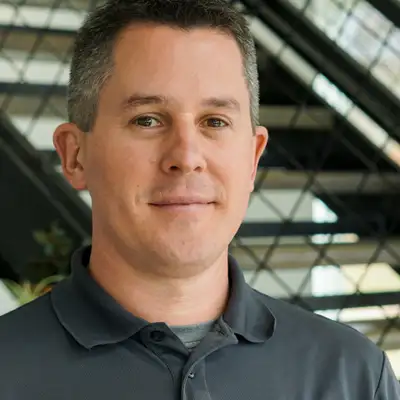
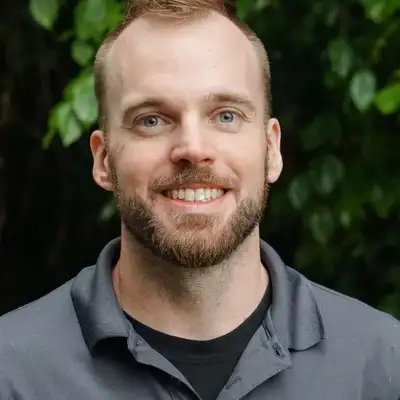
Hello and welcome to episode one of the Bicycle for the EO Mind podcast. I'm your host, Matthew Epperson. Among other things, my role at Zolidar lands me here in the recording studio creating content for our employee ownership community. That is, if I'm not on an actual bicycle. I'm so excited to introduce you to our first guests, John Newland and Mackenzie Gallagher from JOMA Construction. John is the co-founder with his wife, Marielle. And as you'll hear, the first two letters of their names, J-O-M-A,
or where the name Joma came from. I don't know about you, but in my book, an acronym is usually made up of the first letter in multiple words, not the first two letters. But maybe it's this kind of out of the box thinking that led to Joma becoming the first ESOP ever established in Athens, Georgia, where I live. So what do they do? Joma is a construction business specializing in residential remodels. They began humbly, never expecting to have employees at all, and are now heading into their 20th year of business and have around 30 employee owners.
You'll hear in this episode lots of insights about how Joma became an ESOP, such as the important role played by Michelle, their CFO, in representing the interests of the employees working alongside their ESOP trustee. It took around nine rounds of offers and counter offers. You'll also hear how their ESOP quarterback, Steve, was a crucial asset for John to understand the process of becoming employee-owned. Finally, you'll learn more about Joma's four core values. Teamwork, continuous improvement, do the right thing.
and wow customer service. Those are pretty solid core values and I'm sure another reason why Joma has been such a success story. So without further ado, let's ride.
Speaker 3 (01:54.978)
I'm so excited to have John and Mackenzie with us from JoMa Construction. How are y'all doing today?
Great, thank you.
Doing awesome.
Amazing. Well, this is our first episode. you know, we're very excited to get this whole shebang started with a bang with you all with JoMa Construction. you know, a lot of what we like, we're trying to get into at Zolladar, of course, is helping small business owners sell their business successfully. And so that's a lot of what I'd like to learn about today with you all. So maybe to kind of just set the stage, you could just tell us a little bit about JoMa. Maybe John, you can take us back.
Sure. So we actually incorporated Joma in 2005. So we're in our 20th year right now. And Joma actually stands for John and Marielle. Marielle is my wife. We actually started to, we were just gonna be flipping houses and kind of moving from house to house as we did that. And then, you know, as life certainly does things changed and.
Speaker 1 (02:55.928)
First, it was the, I guess, the great recession and we had to switch gears and go from doing stuff on our own to actually doing jobs for people. So even at that stage, it was just gonna be me. I really never intended to have employees, but as we continued to grow, needing more help, I was able to find people that could fill roles that were just necessary that I couldn't do.
Over the next 10 years or so, we got to the point where we were in about 20 employees. We actually got up to as high as about 40, almost 45. And through that time, I was just looking at ways that we could not only expand the business, but certainly get better. But I really, never intended to have employees.
But I'm very thankful that we're at the point that we are or the point that we were when we decided to go the route to form an ESOP. But here we are, we're about a year in and I want to just talk to you about how perhaps some of our experiences could help other companies who are looking to go down that same route.
Amazing. Yeah, we're so glad you're here to do that with us. Yeah, maybe Mackenzie as well, could introduce yourself a little bit by way of kind how you found yourself getting engaged with with Joma.
Yeah, actually about eight years ago, I applied to be a carpenter and they hired me to be the marketing and IT person. Some past experience made that relevant. So I got really lucky to be able to have that opportunity and through, you know, learning marketing and videography and the storytelling, I've been, you know, very involved in helping create sort of the culture around JoMa. And now with our transition into the ESOP on the management team, I've been able to have input there.
Speaker 2 (04:52.13)
which has really been an incredible experience for me, really eye-opening, and I've learned a lot. So I've even recently been invited to UGA to present about ESOPs as well. Thank you, Matthew, for that introduction to Neil. And that went really great. And it just reiterated some of the things that we already know about the transition to ESOP, but it was exciting.
Yeah, well, you know, when you have a story worth telling, people want to hear it, right? So hopefully there'll be lots more folks lining up to ask. know, John, you've given us a little bit of the background, didn't expect to have employees, but then found yourself with actually lots of them. And in fact, some could say the opposite kind of endpoint there of like, didn't think you'd have any employees now they own the business. Maybe you could just, what prompted you to consider selling?
That's right.
Speaker 1 (05:42.766)
Yeah, actually that goes back about 2017, 18, that area. And that was actually after we had moved out of kind of our last home office, even though we started doing jobs for people, my wife and I continued to buy a house, either fix it up or actually build a house and then stay there a year or two and then move on like a lot of construction folks do.
So throughout that period, we always just had a home office. But we actually got to the point where we had really outgrown it when our neighbors started to actually complain and we had a, what is it called? The code enforcement actually came by and said, well, you're probably a little bit too big to have this many people coming in and out of your house.
started looking for an actual office building or space that we can have an office building. were in a temporary little building for about a year while we were building our current office. And through that time, just kind of feeling like we had kind of grown up a little bit, just really started to think of the next steps for the business and how it could continue on and continue on past me. So.
again, kind of going back to never really intending to have employees now having a number of them, know, the number of employees trying to see how we could help those people who help grow the business. And I know that's not everybody's, you know, mindset or cup of tea, but, you know, I kind of grew up in a, dad was a dentist and he never was like, you got to be a dentist. It was actually kind of the opposite. So wanted us to kind of chart our own path. And so we kind of felt the same way for,
our two boys. it was never intending to build a company to kind of pass it on. But again, I know that that is, you know, lot of people are have that thought as they're as they're growing their own businesses. So having kind of that little bit of a background, was how we could do that in a way that, you know, could certainly benefit me, but also benefit them in the long run. So we did just start to explore
Speaker 1 (07:58.27)
the possibility of having a minority share ownership for a smaller group of people, but then what would the implications be for, you the other employees? Would it feel like them versus us? So just kept on down that path of looking for ways that we could do it in a way that actually the employees didn't have to invest their own money. You know, if we did the minority share ownership, they actually would have to do that. So they would really have to have, you know, faith that, hey, this is a
a growing business and the money that I'm putting in, I'm actually going to see a return. it can, then you start going down that path of, how would they actually benefit from that? And then you're looking at a wholesale, wholesale sale of the business for them to ever actually see a benefit from that investment. So again, kind of going down that path. And I know that we can get into how we got to
you know, finding the people that helped us put this together. it did start again, you know, seven, eight years ago, and then just kind of slowly thinking of how we could do it in the best way for everybody involved.
Can you talk about maybe like where there are other like priorities or values that were kind of foremost in your mind during that transition?
Well, I mean, we actually do have what we call our core four core four values being teamwork, like I said, that's it's actually the first one, continuous improvement, do the right thing. Wow, customer service. So as we were kind of thinking of how we could do this, we really wanted to make sure that we were really following all of those things. And like Mackenzie said, he's involved in our marketing. So he really uses those values when he's thinking of, you
Speaker 1 (09:45.152)
what he is doing and is it gonna really follow along that pathway. So again, we're just really wanting to make sure that we were following those values in whatever kind of decision making that we were going through.
One thing that stuck out to me was John seemed to desire to keep some of the good things we had going on, including his primary leadership. didn't really particularly ask to lose that. So he wanted to stay in that role. And that's that kind of helps keep us solid and stable throughout the process.
Yeah, that's such a unique thing I think about a lot of employee ownership transitions that most people might not be familiar with is that, yeah, you have that flexibility that you can remain an engaged owner. And even though it sounds like, everything must change so dramatically because you become an employee-owned company, that's really like a common myth. Maybe you could speak to that as well, John.
Yeah, and I don't know the percentages of companies that have implemented an ESOP where the owner does stay on. mean, I'm sure there are some through this process talk to different ESOP owners. All of them have stayed on with the business, but of course, there are ones that people are looking at retirement age and are looking for that to transition out. Of course, we weren't doing that.
I fully intended to stay on and continue on my role, which I very much do enjoy. And I think that that certainly helped maintain that culture. Not that I'm the end all be all, but anytime there's a big change, it can really be disruptive. So we wanted to keep that as even keel as possible and still, again, be able to not only benefit the employee, but benefit me as well.
Speaker 1 (11:42.542)
There's no doubt about that.
Yeah, mean the selling of the business already kind of feels intimidating, right? So not having to rock the boat more than you have to seems like a real advantage there.
Yeah.
I'm curious, so you mentioned a little bit of some of your process. You've touched on talking to other owners as kind of part of your diligence, you might say, as the selling owner. So who was that first person you called to reach out to when you were, and I know you'd already kind of been looking at sort of management buyout incentive, but yeah, what was that process like of who were you talking to, who were you reaching out to?
Yeah, actually the local law firm that we work with, we've been working with them for years, you know, just on a variety of different things. And so whenever I kind of have any kind of legal question, I mean, they're the first ones that I go to. And they actually had worked on at least one, you you stop transaction, but I think they were in a little bit of a different role than they would have been, you know, with me. And they basically said, hey, there's this guy in South Carolina, you got to call.
Speaker 1 (12:43.854)
His name is Steve Smith. You can just start with him, get some more information. And then if you want to continue down that path, we're here to help in any way that we can. having an advisor, somebody who's really experienced in the ESOP world is probably one of the most important things that you need to do if you're considering this.
There are all kinds of service providers. mean, an advisor is kind of the first person who would help the owner in this situation, you know, start going down that path. But once you start going down that path, the service providers are, you know, everything from the financial folks. And you can think of it like an ESOP transaction, any kind of, or like, you know, buying a house, you know, you have the buyer and you have the seller. The buyer has a real estate agent.
seller often has a real estate agent. There's the lawyer that actually does all the legal stuff to make the transaction happen. There may be a bank involved. it's very similar in that respect where both sides, the seller side and the buyer side, have those folks involved. So you do have the financial folks that do at least an initial feasibility. Well, hey, are you either big enough or do you have the resources enough in order to go through this transaction and maintain
what it needs to, what is necessary to continue on on an annual basis. So there's two teams of financial folks, two sets of lawyers, a trustee, an advisor, and then anybody else that who could possibly help. But those are kind of like the main folks who are involved in this type of transaction.
Yeah, and thanks for introducing that real estate analogy there, John. So you're kind of talking about like a buyer's, a buyer team and a seller team. I mean, that makes them sound kind of, you know, separate in a way. But of course, this feels a little different, of course, versus like a third party sale where it feels like very separate in a way. Like, of course, you'd expect like a totally sort of, you know, separate but equal sort of teams, like each working on slightly different goals. But like with your employees, I mean,
Speaker 3 (14:58.68)
Can you talk about that process of, you mentioned the trustee, how are they negotiating with you? What does that look like?
Yeah, and actually, I'll take it one step further because we did something that, I don't know, know, statistics wise or whatever, but when we started going down that path, I didn't I wanted to make sure it wasn't a, you know, me versus them, you know, kind of set up. our CFO, her name is Michelle. She's been with me the longest, you know, she started off as like, came by once a month, you know, to do the books then came by once a week and, know, and so it evolved from there. And so she's
really, she just knows all the numbers, does all of our, you know, QuickBooks stuff and all of that. So I actually had her involved in all of the discussions. Like if you want to say the seller side, you know, me as the owner seller side, she was involved in all those discussions. So, you know, we would have these different, you know, meetings with the different parties, but she was involved in everything. So, you know, it wasn't just I really think that that helped.
You know, kind of quelling any fears that, you know, what is John doing behind, you know, behind closed doors? I mean, she is a critical part of our management group. And we certainly didn't get into, as we were going through this process, we didn't get into all the details with everybody. But we did tell everybody very early on that, hey, this is the pathway that we're going. You know, there's a lot of different ways that you can do that. You know, we've heard the.
the Oprah-esque analogy, and now you're an owner and you're an owner. Everything had been done and then one day everybody finds out. But I told people literally from almost day one, or once we had made the decision within a couple of weeks that we had a meeting at the office, and we have regular weekly meetings with everybody. I said, hey, this is what we're doing. And laid it out, this is what we're working towards, this is the timeframe that we're working within.
Speaker 1 (16:56.076)
And I think that that helped give people an idea of, you know, hey, what's coming up and really kind of what's in it for them. Not that that explained everything. I mean, there's a ton to, you know, this whole process and we still have, you know, regular updates on what's going on for everybody. And yeah, so mean, it's been it's been quite a process, but I wanted to make sure that everybody kind of knew what was going on. at the same time,
they were able to continue doing their jobs so that they could keep the company going.
Yeah, thank you so much for explaining that about the announcement. I'm curious, McKinsey, from your vantage point as an employee, how much did you feel like you were able to sort of understand about the transition? What kinds of questions were going through your mind at that time?
Learning about how an ESOP works is obviously really complicated. so communication has definitely been the priority. I was really excited that John said it as early as he did. As part of the management team, I was surprised. I thought we would have to get through the feasibility and really study it more, but it already had sounded like a better option than.
you know, trying to invest some of my bonuses into this, you know, partial thing. And then again, not benefiting all employees. So when he, when we got word of how an ESOP worked, the excitement was pretty quick. John's announcement made the ball start rolling, whether we liked it or not. And, you know, we've been on board ever since. So in a way we we've been able to, you know, influence and help make the decision. And we have been a part of it, but you know, we always.
Speaker 2 (18:38.57)
like to see what John's judgment is and sort of bandwagon on that and see the results from that. So those two things were happening concurrently.
Yeah, correct me if I'm wrong, but it sounds like, McKenzie, you were aware that Michelle was also going to be very involved, right?
Yes. Yep. She's really the financial fluent person to speak to on all things that. And she's also kind of like the de facto HR person because she's involved in payroll and benefits. And so, you know, to me, she's kind of the person on my side helping make sure that this transaction makes sense for the benefit of the employees. No offense to John, but she's just an extra accountability person. And she's so knowledgeable and she's so involved.
that I think helps everyone feel more in tune. Like we're gonna get the skinny if there's any new information about this and it's gonna come from Michelle. So far so good.
Amazing. Yeah, thank you for that. know, so John, you mentioned you walked us a little bit through this deal team. You mentioned, you know, we've got attorneys, bank rep is a little bit of maybe bank representation. We'll get into that. You know, financial folks. And then you mentioned this trustee person who's obviously very important in the ESOP transaction. Could you just, yeah, say more about that? How did that relationship start? What is the trustee doing in that relationship?
Speaker 1 (20:00.206)
Yeah, so kind of going back to the real estate analogy, you you the buyer and the seller. You know, that's typically, you know, an individual or a family, you know, on both sides. And, you know, it's easy to be able to, you know, if it's husband and wife to be able to communicate, hey, this is what's going on. But in a transaction like this, you know, with us, let's just say with 30 employees, we can't have all 30 employees be involved in, you know,
in the actual transaction and getting into all those details. Like I said, the business had to keep on going. the trustee is actually the person who represents the employees best interest. And not to get too kind of technical, but they're actually the ones who hold all of the shares for the employees. And then those shares get allocated on an annual basis.
And that's why I was referring to where there's the ongoing maintenance. It's not like you just do the transaction, hey, we're done. I mean, there are annual requirements that you have to fulfill. You have to have actually a board of directors. And typically that will be inside board members and outside board members. And so we have two outside people who are involved and we actually just had our quarterly board meeting yesterday. So in addition to the trustee, have this board.
The trustee is the de facto kind of holder of the shares. And it is a person. mean, there are trust corporations. He obviously works for a trust company, which is based in Atlanta. And there are a number of them throughout the country. And they don't just do ESOP trust. If you think of somebody who has like a trust fund, mean, that's kind of false within that realm. But the trustee, like I said, they...
hold the shares, they represent the employees and they're always, they're that representative that if anything should go wrong or really they want to have the employees' best interest. So they're that kind of middleman in between the seller and those buyers being the employees.
Speaker 3 (22:17.07)
Absolutely, thanks for explaining that. you know, of course, throughout this too, so a lot of times I hear this term quarterback being used for the advisor. Would that be the term you would apply for Steve in this case?
Yeah, I mean, he was, you know, through the leading up to the actual transaction. He was kind of, yeah, the quarterback, the coordinator. You know, we had people, there were people out of state and there were people in state. So we probably, you know, on these Zoom meetings had people who were in three or four different locations, but he would always be the one that would, you know, organize, okay, this is when our next meeting is, these are the things that we have to go through.
When we were actually going through the actual negotiations of all of the different stipulations that were involved in the final transaction, he was keeping track of all of those. And I know we'll get into the technology side, but we didn't really have a lot of that. I we had like a shared Google Drive and people would be dumping documents in there and sending out emails, hey, you got to take a look at this.
I mean, we utilize what we could, but certainly having some kind of platform where you could have all that stuff and integrate the calendar and all those things that would definitely see how that could be helpful. I can only think of a couple of decades ago, really what they had to go through in order to make that happen. And I think at that, when we were talking about like timeframe, like how long was this gonna take?
My first question is like, is this going to take like a couple years, like a year? Like what are we looking at? And everybody's like, yeah, it can typically be done within a year. And I was like, okay. From once we actually made the decision to when we closed, I think it was right at eight months, which I think certainly the little bit of technology stuff that we used made that happen. But I can see how having something even more robust could make that happen or allow that to happen even quicker.
Speaker 1 (24:21.838)
speaker.
And that was with a lot of, I don't know, John communicated a lot with every party to ensure that they were moving. And so I don't think that that was necessarily a typical cycle. think, you know, they said it could be done with this within this time. And he said, well, let's do it. And then kept saying that until it was done. So you could you can see the kind of pressure that was put on the parties to just keep moving it whether
whether everything was known or not, you know?
All right.
Yeah, it's a lot to do in eight months for sure. So that was a busy time and it's already a busy business. thank you for also mentioning about the technology piece. mean, so obviously, you know, with with Solidar, we're very proud of the fact that we built this AHA planner, which is, you know, we're thinking of it as a sort of a pre feasibility analysis. We offer a number we call an indicative valuation, you know, which is sort of a pre feasibility kind of snapshot value of the business. I'm curious, could you speak specifically to like sort of the financial technology? Did you have any assistance there with getting a sense
Speaker 3 (25:25.518)
Maybe before the formal evaluation, did you have a tool for that?
You know, I'm just trying to think back. I think it was more what I could find online, know, just initially just even see. But one of the financial groups who is actually, so it was my kind of, let's just say a financial advisor, but they were a valuation company. So we had to provide, you know,
ton of different documents, historical reports and all kinds of stuff so that they could at least do that initial feasibility. So all that actually happened by somebody else. And then we got a really nice PDF of how everything was kind of breaking down. I mean, they did a wonderful job as far as explaining everything and going through those different ways that you can value a company. Because small private companies, they can be difficult to...
to actually value. you know, again, getting back to that real estate, you know, you have a number of houses, you you have the square footage, have number of bedrooms and bathrooms and all that stuff. It's kind of easy to do something like that. But when you have, you know, a small, there aren't a lot of small business transactions, like sale transactions. So having somebody who has the resources and the databases and all that stuff that they can go back in and actually
Speaker 1 (26:58.968)
put some real world numbers to it. I think that's going to be the best way rather than just Googling how much is my business worth.
Yeah, mean, such an important number, of course. Yeah. it is one that I know I've heard you mentioned previously that, you know, it did involve a certain amount of negotiation. So maybe we jump there too about sort of like that relationship with the trustee and like how that went forward.
Yeah, that in itself was almost a three month process. There were, think, you know, maybe 40 or so different stipulations that we had to agree on. So back and forth negotiating on each individual one. And there was actually it was a Google Doc and it was just, you know, columns of or, you know, these are the stipulations. This is, you know, the date that, you know, the back and forth. So we had all the different
offers and then counter offers and counter counter, counter, counter, counter. And I think it went back and forth eight or nine times just to get agreement on all those different stipulations. So it was time consuming, a lot of meetings in between those different offers and counter offers. But that's what it takes when you have something really as complex as that.
I just don't think that people realize even small businesses, the complexity that goes into coming to terms with everything that's involved.
Speaker 3 (28:34.83)
Yeah, that's super interesting. Yeah, you mentioned like just how many counter counters there really are in that whole process. I'm curious if maybe you could maybe for a moment put yourself in the shoes of that trustee and maybe like, can you talk to us about like how they're approaching representing employees and the best interest of the employees with you on the other side of that table and like, yeah, how does it they understand? don't know. Yeah, I don't know you can speak to that either, Mackenzie as well. But yeah, how does that really work?
I'm not 100 % sure Matthew. No, I mean, we did have him, you know, just as far as kind of, you know, he did come over here. Our management group met with him, you know, had some good questions. They provided, you know, information on what they were going to be doing throughout that process. But even on the trustee side, you know, trust company, have their own lawyers. They have their own financial people that were also, you know, separate from the...
party that actually did the different parts of the negotiation. they had to review everything before it went to the other law firm that then came back to the law firm that was representing me. So I mean, they have to coordinate a lot on their end just to make sure that they're complying with all of the different regulations that go into the ESOP world. The Department of Labor is probably the biggest
person that over or group that oversees ESOPs. I mean, they're really the last say they do annual audits of ESOPs. And if there are things that are not in compliant, then trustee can get in a of trouble. So they're making sure that they're not only looking out for the best interest in the employees, but they're making sure that they're doing the right thing so that they don't get in trouble.
Yeah, and that much back and forth, you know, I think really indicates to me that they must have been fighting for me because it wasn't just like, sure, that's a great deal. Sounds like they fought. And we know that this is basically highly regulated. And so that's always been in the back of our minds as employees. Whenever something was really mysterious, we know that there's just books and books of legislation on protecting us and the, you know, the
Speaker 2 (30:55.224)
previous owner and everyone involved to sort of make it work and flow. you know, we've had to put trust in it, but we always have. It's our job, you know, here to kind of ride that wave.
Yeah, and you know, with that also being such a regular, yeah, thank you for pointing out the regulated process and Department of Labor's role in this and making sure that like we're dotting all I's and crossing all T's. Here's that to me also one that makes me wonder about like roadmap, you know, the sense of like, all the steps that it might take to ultimately move. I mean, I know you said, John, that you'd asked for a timeframe, you thought it might be a year or less, something like that. But did you have a tool to kind of give you a sense of like, what are all of these steps that we're going to be going through on this journey?
Not really. mean, in a broad sense, yes. You know, we kind of, it was more of like a milestone thing where we knew what had to be accomplished to get to that next step. But really, I think having a very clear roadmap, you know, step by step by step roadmap that everybody can follow along. I mean, I can see how that would be tremendously beneficial. Because, know, most
small business owners who are going to go through all this stuff, they're probably going to be like me, where they really don't know all the ins and outs of the legal stuff, the financial stuff, of what needs to be done in order to make a transaction like this actually go through. So having a roadmap like that and having it easily accessible and follow it easily, I mean, that'd be tremendously beneficial to
really any kind of business owner who's looking into this. I wish I had it.
Speaker 3 (32:41.39)
Yeah, well, we're still building that, so it's great to hear that kind of validation. I'm curious, I know you just mentioned, John, you know, John, you're not an attorney, so you didn't know like necessarily all the ins and outs of the different types of documents that maybe were necessary to be to create or to negotiate. could you maybe touch on a couple of key documents that you, you know, had to to co-create to make this transaction successful?
Sure. Well, thankfully I didn't have to produce any of those. So that actually was our CFO, Michelle. So, but even before that, you know, our CPAs that we work with, they had to produce a lot of documentation that then we could hand off to, you know, the, the trustee and the other side. So, I mean, a lot of it is historical stuff, you know, when it comes to valuing, you know, valuing company, of course, it's a forward looking thing. Well,
what type of cash flow, kind of net margin and all that stuff moving forward, but it helps to have that historical data to see what kind of track you have been on. And so they, not that they're equally weighted, of course, because future stuff, you put out targets, you put out goals and...
but you don't know if you're gonna hit them. mean, you don't know what kind of macro economic conditions are gonna change that could affect that. So, having that historical data and those reports to be able to provide and not just, I'm not just talking about like QuickBooks, P &Ls and stuff like that, but that's certainly part of it, but previous years tax returns. And also, I mean, I don't know that we need to get into all of it, but the...
the type of, you know, a corporation that you are, know, S-Corp, C-Corp, LLC, all of that, that plays into it. We actually had to make some adjustments in that prior to the closing to allow that to happen. and if your next question is, you know, which one, please don't get into that, because I don't know all the, you know, exactly all that. It was just all like one part of everything that we had to go through, you know, to make sure that we were complying with all of the different regulations.
Speaker 2 (34:57.71)
Yeah, and on the employee side, I was aware that we had to produce all of this historical financial information for all these parties to take a look at and really expose. So that was another element of just sort of back of my mind, confidence in the process. If something had been going on historically, here's a moment that we're going to find out about it. it was all, you
free and clear and ready to go. So that was a huge confidence boost really in all the processes we'd been going through.
Awesome. Yeah, thanks for mentioning that, Mackenzie. one document I know that also is usually pretty crucial too is the trust document itself. And I'm curious, could you say anything about, were there certain provisions that you spent more time with, like how you would do allocations and distributions, that sort of thing?
Not so much on that in particular, just because a lot of that is kind of standard. mean, certainly when it comes to the number of shares and the size, you know, those kind of things and the allocations, you know, it can come down to, you know, the size of the company. You know, what we were told and just kind of what I've seen is we're actually probably on the smaller end of companies that decide to go this route. Because it
It takes a lot, not only time, like we've been talking about of actually going through the process, but you got to pay all those people, like all those people we've been talking about, all those lawyers and those financial people and the trustees and, you know, outside board of directors and all this, everybody gets paid. So you have to have the resources in order to do that. And that that's, you actually learn about that early on with the feasibility. So it's not just the, can the company, you know, afford to, or, you know, buy the company from the owner.
Speaker 1 (36:50.552)
but of having that ongoing maintenance. Everybody wants to get paid. So it's just saying, it feasible for the company to be able to do that?
Yeah, that's such a crucial question, think, in the transaction process, It's figuring out sort of debt service coverage ratios. You what could the, like you just said, John, what could the company afford? Could you say a bit more about that and specifically touching on, I know you mentioned before, bankers somehow became involved. Could you talk about that?
Yeah, so actually in our situation, we do not have a bank involved. we did, I guess for lack of better term, do seller financing. we did do it 100%. And, you know, there are ways that you can do it where, you know, you're not selling the entire company. You can do it, you know, in stages over time, like 25%, you know, now 25 % in five years and so on.
And you can do it much smaller. There's actually a huge ESOP company in Atlanta, but they only did like 3%. But it's such a huge company that, you know, that 3 % represents probably a lot more than what we are as 100%. But to the financing, so again, that kind of comes to the feasibility. you know, as a small business going to a bank and saying, hey, we're going to, the company is going to buy it, you know.
or the employees are going to buy the company from the owner, having a bank want to finance it or be able to finance that can get tricky just because banks want to have personal guarantees. They want to have assets that they can collect on, of course, just like if you stop paying your mortgage, they're going to foreclose on your house or repossess your car. So they want to have something.
Speaker 1 (38:41.474)
to do that. So in a lot of small business that doesn't have a lot of physical assets, going the bank route can be more difficult. So in our particular situation, and of course, every situation is going to be different, but because I was staying on, I wasn't retiring and going to a beach somewhere. And we wanted to make sure that the employees were going to benefit long-term. We wanted to do it in a way that as the employees benefited,
I benefited. And I just really felt that going this, the self-financing route would maintain that and encourage both parties to keep on going. Cause you know, we did the transaction and if, you know, we closed shop six months from now, or you know, from that point, they would see no benefit, but I would see no benefit. So it wasn't like a, John won and the employees are, you know, stuck with this. Like I will over time see the benefit.
just like the employees will.
And that was a distinct difference that the providers just had a reaction that gave us employees indication that that was rare and that that was probably a huge benefit to us and certainly gives us confidence knowing that in order for us to be successful, John has to help us be successful too. And yeah, it really makes it fair for us.
Yeah, all that definitely makes sense about the fairness element and the win-win aspect and the collateral and how you were thinking about that. I'm just curious, yeah, hopefully this is not too confidential to ask, but did you talk to banks and find that out or was that more so like how you were advised?
Speaker 1 (40:25.77)
I know I did talk to banks about that or a bank. mean, because we have bank that we do a lot of business with. And that was basically what he said. And part of the whole transaction or transition as a benefit that the employees probably still don't even realize is that when or before the ESOP, that all that liability ultimately fell on me.
You know, so if there was a big loss, you know, something went horribly wrong and there was a big lawsuit, they were coming after me. They weren't going after the employees. So one of the benefits of the ESOP is that now that liability is not on me, but it's also not on the employees. It's actually on the trustee. So having that trustee there, not only to be the one who, you know, does their annual evaluation,
you know, participates in our quarterly meetings and allocates the different shares, but they bear that liability. But of course, there's a cost to that. And, you know, the cost that we, or I guess the fees that we pay the trustee to, you know, basically run all of this goes towards the liability insurance that they have to carry. And not that we no longer have liability insurance. I mean, we do, and we have
workers' comp and all that stuff, but the actual liability of the company now falls on them.
And there's an awareness of liability in our industry. Obviously there's risk involved, lot of money. And so I was an early employee question to give our employees the benefit of being really smart. When someone heard, am I going to be an owner? Then, then am I liable? I think that was one of the first things that came up. And so that was answered pretty early on.
Speaker 1 (42:28.098)
From an owner's perspective, that's going to be, you know, for people who are looking at an ESOP transaction as a possible way, that liability is a huge thing that I don't think as many people take into consideration as they should.
And something I've heard too from other construction employee-owned companies, sounds like bonding can be slightly more complicated with employee-owned companies. Was that y'all's experience?
It might be. we're in, we just do residential and it is very rare, you know, to have bonding involved. That's, that is more of a commercial and industrial kind of stuff. So in our particular situation, that's not something that we're having to really worry about. But when we were in commercial, we did do, we did have bonding for, you know, for most of the jobs that were, you know, big enough to, to require it.
So I could see, mean, if that's what you heard, then that's good to know. But yeah, I mean, for us, it's just not an issue.
Yeah, and you you mentioned this, John, could you maybe speak a little bit more about the partial versus wholesale? Like, how are you thinking about the percentage of the sale?
Speaker 1 (43:40.812)
Yep. So it was basically explained to me, yes, you can do the 100%, you can do it in percentages over time, but every time you do, if you do go the percentage route, every time you do that, you basically have to redo everything. Maybe not every single stipulation and every component that goes into the final agreement, but it's pretty much you got to go back through all of that. So cost wise,
that can become a tremendous burden to do it. And so that was the primary driver. I I felt like if we were gonna do an ESOP might as well just do it 100%. But the cost definitely was a big factor in that.
Yeah, and I'm curious, could you talk a little bit about sort of like, what kinds of questions were coming up for you and how are you kind of getting advice? Was it mostly just from, like you just had a lot of conversations with Steve throughout the process?
Yeah. mean, the email chains that we had, intermediate, you know, Zoom calls and all that kind of stuff. mean, it was a lot. I mean, it definitely was because as we've been saying, you know, I'm not, still not, you know, an expert in all of these things. I really needed to lean on Steve, our advisor. And it's funny because we have Steve is all, another Steve is the trustee. So it was trustee Steve and advisor Steve.
Steve squared, if you will.
Speaker 1 (45:10.414)
Steve squared, that's right. And we also have a Steve, Joe Steve. So anyway, yeah, it's a lot. It really is. So, you know, it's really not for the faint of heart to kind of go through it. But I think for those who, you know, are considering going down that route, there are other business formations that you can go through. I don't know if you wanted to talk about those, because I don't, you know, once I kind of decided that we were going this route, I kind of blushed the
you know, details of those other structures out of my brain. But you know, there are other options, you know, out there.
Yeah, I mean, so that's really the question I definitely wanted to hit on was sort of advice you have for other small business owners who are considering their succession options based upon what you've learned in this whole process.
What were some of other options?
No, no, sorry, just the advice you would offer to other small business owners.
Speaker 1 (46:08.494)
Do your homework. Obviously, like we've been talking about, every owner is in a different position in their career, different family structure that they might want to pass on. I think that if you're like me and want to see your business continue on beyond your working years, I think having a structure like this, again, there are other structures out there. We decided that the ESOP
structure was the best for us. But really just, you we decided to go that route is just do your homework, get good advice, you know, really seek out advice like you had mentioned, I, you know, talked to other ESOP owner or owners who had gone through the ESOP transaction even before getting into all the different service providers, but then finding good service providers. And I believe that you had mentioned that the your platform is a way that
Owners can get hooked up with different service providers, but definitely having ones that have the experience, not just, yeah, I did an ESOP 10 years ago. mean, Steve, he was a ESOP attorney for I think 35 years and actually wrote some of the code that the IRS adopted. So having somebody like that is just gonna help make it all happen.
Yeah, I mean that is coming soon. just a quick plug. Yeah, community will be live very shortly and that'll be a chance for folks to get to get to know more folks like Steve. Yeah, who have been in those quarterbacking positions or valuation, finance, attorneys, CPAs, all those folks. Yep. So that's very much on our roadmap. Great. With, know, obviously like we use the term aha planner, which in some ways almost suggests like there's a single aha. But I'm curious, looking back, what were some of the aha moments for you?
Actually, for both of you, during the exploration, what were those aha moments?
Speaker 1 (48:10.291)
Maybe something surprised you.
I don't know that there were really any surprises just because I was really kind of looking at this as like a step-by-step transaction. You know, first of all, just seeing about the feasibility, you know, is this something that we could do? You know, what kind of money are we talking about? What kind of timeframe are we talking about? You know, what are the requirements that the
employees would have in order to make this happen. I mean, it really was kind of a step-by-step kind of check mark, check mark, check mark. So I don't want to say that there were no aha moments, but really it was just kind of a methodical, is this going to work? Yes, it's going to work. Keep on going down the list and over time figuring that out.
Maybe I could reframe the question slightly. So did you have any misconceptions, do you think, about how the process would go?
Speaker 1 (49:13.742)
I don't think so. Again, I think, you know, just by, I don't want to say that we're lucky that we found the people that we, you know, did because we did talk to, you know, some different folks. But I think just doing your homework and the due diligence of, you know, going through, going through it step by step. And, know, the timeframe that we talked about once we made the decision to, you know, the actual closing was about eight months. It certainly doesn't have to be like that. I mean, there was nothing.
I'm just one like, we made a decision to do this, let's get it done. Let's not drag it out any longer because it's taking some focus off of the business. And depending on what your business structure is and who you have involved, that could either bring in more people who are in the business who should be actually focused on the business or not.
Every business is so different. It's just going to depend on what your availability and resources are.
Yeah. So I know we're starting to get toward the end. So just wanted to think a little bit also post transition. So looking back, how do you feel about choosing employee ownership as your exit path?
Well, I mean, I'm very excited about it. we're, let's say October, we're about 14 months into it. And we knew that not, you know, once we got through the trends, you know, the actual transaction, like, you know, it's done. You know, we've said multiple times about how there's ongoing maintenance. There's the, you know, the annual valuation, annual share allocation. And we've actually been in a situation where our
Speaker 1 (51:03.022)
TPA, our third party advisor who does all of our benefits. And again, the actual ESOP structure is a qualified retirement benefit. So that's why the Department of Labor, you know, is involved in that, just to make sure that everything is, you know, kosher. But the, our TPA, who is actually the one who does the final
numbers after the valuation to determine the share price and the share allocation, you know, every year, they were shortly after we decided on them, they were bought out, not ESOP at all. So they were bought out by a bigger company. And then about six months after that, they were bought out again. So they've gone through three ownership or two ownership changes in the 14 months that we have them. So
Knowing that the first year or first couple of years was going to be a continuing learning experience, there have been delays on that end as far as just getting that first share allocation. And talking with the trustee yesterday at our board meeting, he's like, that's life. That's part of it. It's not going to be all smooth sailing from there. So that's just kind of one of the things that has happened in the
Post transaction.
Yeah, and you mentioned having your first board meeting for the first time. how was that? How did that feel?
Speaker 1 (52:40.302)
So actually wasn't the first board meeting. We had quarterly meetings. had a, so we closed the end of July and we had a big kickoff meeting where the trustee and the outside board members came to our location and kind of you know, a lunch and information and all of that. And then we have four virtual quarterly meetings.
throughout the year. I guess this was probably our fifth one. Yeah, I mean, they're good. It's just kind of, you know, kind of get a little bit more corporatey as far as, you know, having an agenda and going through and having the meeting minutes and voting on things that need to be voted on. But, you know, for me, it's not that different, you know, than how we've kind of had things because we've always or
for the last eight or 10 years had a really great core management group. And not that the, that management group is involved totally. They're not on the actual board. Again, we wanted to keep our board small and then look at growing over time. So our chief operating officer and our CFO are
involved in the board and then again the trustee and the two outside folks.
Yeah. And you know, as I'm curious about sort of, I know you mentioned, John, like that wasn't your aspiration to head to the beach and to retire. What kind of timeline are you looking at in terms of like your future planning, if you can share that?
Speaker 1 (54:28.814)
Sure. just from kind of the, there's basically two kind of main dates right now. One is the term of the loan, you know, is talked about the self financing. So it actually is a 15 year term. So, and, but even within that, there are ways that, you know, if the macroeconomic, you know, environment changes,
let's say interest rates come way back down, the company could actually refinance that with a bank. So that would kind of change things, but there's actually a limit on that. can't just like, know, 2025 interest rates come down 3 % and they go out and refinance. There's actually a minimum time that they have to do that. The other kind of date involved is the, or one of the stipulations that were included was a minimum
work term for me. So there's a five year work limit or minimum. And, you know, after that five years, they decide, hey, we've had enough of John, he's out of here. mean, the board could decide that I'm out of here. So those are kind of the two things.
Right. But we know they wouldn't. it's important to know. Yeah, exactly. Yeah, I'm curious, were there any maybe goals that remain unfulfilled in any way? And if so, what would you change if you were given the chance from this whole process?
Speaker 1 (56:07.244)
I know, I really don't think so. mean, even though we did it, you know, kind of on the, on the shorter end, I think with the people that we had involved with having, you know, our CFO, like I said, involved in all of the seller side stuff, know, discussions and negotiations. I mean, she was even in on, you know, the back and forth with the offers and counter offers. mean, I really wanted to make sure that
you know, not only was that trustee representative there, but one of our own, you know, was really involved in that as well. So I think because we did all of that and not that that's necessary, you know, at all, like I said, every transaction is different. But I just wanted to make sure that that was how we did it. And really, I would say no regrets and there's no real, no real way I would, you know, do it differently.
Yeah, the marketing department wants to leverage this message more, but as you guys know from this program, education is such a huge component. So, mentioned aha moments before for employees. It was probably that early announcement for someone in my position, which is specifically communication, both internally and externally. I saw that moment as actually really practical because
ESOPs are generally well accepted. you know, getting ahead of any sort of rumors and stuff like that was important, but also giving people a sense of ownership a whole year before it was really completed, I thought was also really intelligent because waiting would have just made no sense. It would have lost progress and then, you know, outwardly advertising to the community, just like internally, no one really understands what an ESOP is. So.
I can't just say employee-owned and expect that message to be enough to get new clients excited, but really trying to connect the employees and their determining of their future and how that impacts their work on a job site and how that could instill more trust or better value delivered to our customers. exploring how to communicate that, working it into our current messaging has
Speaker 2 (58:31.618)
continue to be a challenge. have to repeat things over and over again for it to sink in. So just like the transaction took an entire year, it took about a year to get employees up to speed on what this kind of meant for them. And we're still working through that. So I think that's always going to be a fun challenge, but that's what we're looking at over here.
Yeah, well, it seems like that really fits in with those four values, those core values. That makes a lot of sense. And yeah, and hopefully this presentation, I really hope, would be helpful. I'll say to you all, certainly like for you all with your employees, but also with your clients. We'll of course do our part to help the world hear it as well. Just as a last question, I was curious, is there anything that you wished I had asked that I didn't or that you'd like our listeners to know?
I think you did a great job, Anthony. Way to go. Yeah, and I think you could really get into the weeds with a lot of this. I don't think that this is quite the platform to do that. I think that at least getting people more aware of what's possible out there. mean, certainly before I knew anything about it, I had no idea how it worked or what employee ownership meant. And I'm very thankful that we did.
ultimately find this structure and found the right people to guide us through it. I mean, there's really no going it alone in the E-SOP world, having the right tools like you all have been developing and finding the right people to help make it all work. I mean, it's just absolutely necessary. And it's great, just in the year or so since we went through the transaction.
to see somebody like you all come along and say, we're developing a tool that can help other owners go through that. I mean, that's that's amazing. And that's the world that we live in. And to be able to actually see that happening is very exciting for other owners who want to look at ways that they can better leverage their time and investment in the companies that they've built if they're looking for way that they can.
Speaker 1 (01:00:43.314)
have the company keep on going on and not be totally dependent on them.
Well, that's a great closing remark there, John. Thank you so much. Yeah, anything you'd like to close with, Mackenzie?
No, I think he really summed it up and I'm just glad we're talking about it because we've entered into another industry that we weren't part of before, which is that employee ownership industry. And it's created a huge new network for us to reach. And that, as a marketing person, is really inspiring because there are so many talented marketers out there. These lawyers and these financial companies are awesome at what they do. we've enjoyed learning about the entire
sector that we've never interacted with before. It's nice to meet you and talk to you and find new apps and new technology. We're here for it.
Amazing. Well, just as a fun little way to close for us, I know we're almost at Wild Rumpus time, so nearly Halloween. Are either of you all in the business of dressing up? What are you if so?
Speaker 1 (01:01:46.55)
Yes. No. No.
I'm making, I'm hand making a giant rooster costume and my wife is going to be a hen and our friends may come into town and join us, but we don't think they're going to put nearly the effort in the costumes we have because we're sewing and hot gluing and we're going to be out there dancing and it'll be awesome.
You're playing it low key, John.
Yeah, that's just not our bag, but that's fine.
I'll take a selfie and I'll send it to John.
Speaker 3 (01:02:20.398)
All right, thank you all both so much for being here today. Thank you so much for listening. If you found this valuable, you can subscribe to the show on Apple podcasts, Spotify, or your favorite podcast app. Also, please consider giving us a rating or leaving a review, as that really helps other listeners find the podcast. You can find all past episodes or learn more about the show at solidar.com slash podcast. See you in the next episode.