Subscribe
Share
Share
Embed
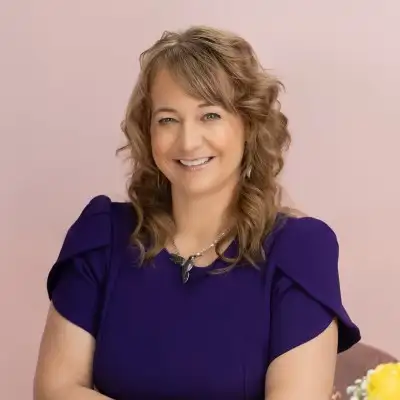
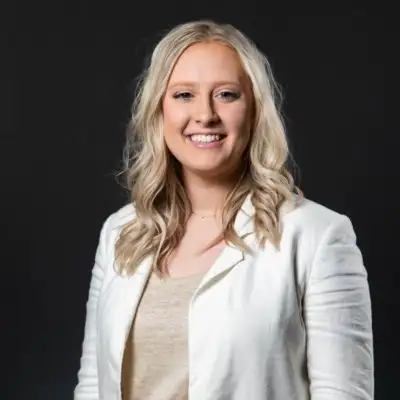
Welcome to "The Hummingbird Effect," a podcast dedicated to uncovering the subtle yet powerful ways that small innovations can transform your business. Hosted by Wendy Coulter, CEO of Hummingbird Creative Group, this show delves into the stories and strategies behind successful brand building.
For over 25 years, Wendy has helped CEOs and business leaders redefine their brands through innovation and compelling narratives. In this podcast, she shares the insights and lessons learned from her extensive experience, exploring how a strong brand orientation can significantly increase the value of your business.
Each episode features engaging conversations with industry leaders, business advisors, and innovators who have harnessed the power of branding to make a substantial impact. Discover how focusing on core values, mission, and vision can drive your brand beyond mere marketing tactics, fostering a culture that resonates with your audience and enhances your business's reputation.
Inspired by the concept of the Hummingbird Effect—where small, adaptive changes lead to remarkable outcomes—this podcast aims to help you understand and implement the incremental innovations that can elevate your brand and business.
Join Wendy Coulter on "The Hummingbird Effect" and learn how to evolve your brand, attract more customers, and ultimately enhance the value of your business through strategic branding.
riverside_jamesia_raw-synced-video-cfr_hummingbird_effect_0056
===
[00:00:00] Hi, I'm Wendy Culture and I help CEOs and marketing leaders unlock the hidden power of their brands.
Wendy Coulter: For years, business leaders have looked at marketing tactics and what they're doing each day, but what really matters is building a strong brand. Building a strong brand can lead to increased corporate culture. It can lead to the need to create a new product, all of these different things, and we call that a hummingbird effect.
A hummingbird effect is when a small change in marketing can lead to a [00:01:00] large change in another area of the business. Today I've got Hannah Jernigan with me from the Hummingbird Creative Group Office. Good morning, Hannah. Good
Hanna Jernigan: morning, Wendy. How are you today? Doing pretty good. Coming off a first beach weekend of the year, so nice, nice
Wendy Coulter: feeling refreshed.
I know you love that. I know you love that. Um, yeah, I had some time with family this weekend and worked in the yard, so I'm feeling it in the backs of my legs and my shoulders and just trying to. Loosen up today and speaking, speaking of loose, you've been not, you've just been going at it today in the office.
I,
Hanna Jernigan: yeah, I've, I feel like I've had 20 cups of coffee but also not enough sleep and I don't know what's happening, but I've done a lot.
Wendy Coulter: Well, I'm really excited about our guest today. Thank you. Her name is Jen Katzer and she is with We Fixit Garage Door and Gate Gate. Um, [00:02:00] and Jen has a fun story. I'll have her tell more about it, but it has to do with Burning Man and it's led her to work on a second business or a third business.
I don't know. You're like a serial entrepreneur, Jen. Um, so that all being said, I'm gonna let you introduce yourself and tell us about. All of your ventures that you have going on right now.
Jen Katzer: Okay, great. Well, I'm really happy to be here and my name is Jen, er, as you said. I am the co-owner of We Fixit Garage Door and Gate.
We do residential and commercial garage door repairs and installations just like it sounds. Um, starting that business, it was my husband with one van and our dog in the backseat and me in the passenger seat. Answering all the calls and we had no idea it would become what it is today, which is a franchise of Garage Door Company.
So we actually turned it into a franchise a few years back and have sold, build Up and sold off a few territories around North Carolina. So that's the two businesses, the first two businesses. Um, and then [00:03:00] the third one is I've been going to, since going to Burning Man since 2010, which is now, that's like 15 years.
15 years. That's insane. So, um, there is a lot that goes into Burning Man. It's out north of Reno in the desert and everyone needs a place to stay in the desert. So we're gonna buy a bunch of RVs and rent them to people at Burning Man, and also provide heavy equipment like scissor lifts, and it's kind of a passion project, scissor lifts and generators.
So what
Wendy Coulter: caused you to go to Burning Man the very first time, like. Where did that come from?
Jen Katzer: I was living in New York City. I actually got my master's degree in International affairs at the new school. Weird segue over there with garage doors. And I happened upon the Burner community, which is a group of people who are artists, sort of a collective of artists who also celebrate life through dance or art and also science and just really fell in love with it.
And so went with that group the first year in 2010 and have been sort of a leader and a volunteer [00:04:00] in that community forever. I need to tell you what Burning Man is. 'cause at this point, there's people going, I've heard what Burning Man is. It's a bunch of naked people doing drugs in the desert. And it's, it's so much more than just that.
No, it's not even that. It is a, it's a temporary city built by its participants, so it gets up to 80,000 people a year. Wow. And it's literally a city built from ground up, from nothing in an alkaline desert. The only thing that Burning Man as an organization provides with the ticket sales is the roads, porta Johns and medical care and some level of police control.
Mm-hmm. But then there's, everything else is volunteer. So there's also volunteer medical staff, there's volunteer rangers, and there's no money allowed on ply at Burning Man. So everybody brings a gift to contribute. Your gift could be performances or champagne, snow cones, or medical care or you know, anything.
So there's, it's a communal effort [00:05:00] to create this free
Wendy Coulter: city. That is really interesting. Um, and so you are going to provide RVs and some repair and those kinds of things? Yeah. So our business
Jen Katzer: is, in order to do all this free stuff out there, it costs a lot of money. Mm-hmm. And you need to have a place to say, so the business is gonna be nearby that people, especially coming internationally or from the East coast, it's really hard like to get there and get an RV and get into Burning Man.
So we're gonna make it really easy for burners to do that. I've just been seeing that need for years. Mm-hmm. A lot of the local RV rental places don't wanna rent to burners because it's really dusty and all that. So we can get old RVs and kind of fill the gap of that need. And our gift, though, as like my husband and I and the different people that we burn with this year, it's art.
So it's a huge art installation. Um, that's actually a replica of the shade structure from October 7th in Israel. And it's done with those Israelis who were at that event. So it's called [00:06:00] Supernova. We also have a sanctuary dome where people can come. We're gonna have cold plunges somehow, like we're trying to figure out how to do that in the desert where.
There's not much water or ice. But that's the fun thing about it is like finding these problems and creating these problems. Almost like how do you get a cold plunge in the desert and then solving them? So that's gonna be our gift is art and cold plunges.
Wendy Coulter: That's amazing. It is. That's a bigger fun fact than we might have ever had before with everything that you're doing for Burning Man.
So that's really cool. That's awesome. Um, but that's, I'm gonna rewind to, um. To the, I don't know, it's not quite as exciting in my mind is Burning Man. But, um, it is pretty amazing that you took a business idea with the garage doors and gates and I've turned it into a franchise. So talk us through that aspect as well, so we know all aspects of Jen.
Yeah,
Jen Katzer: absolutely. And. This is, it is an interesting topic because [00:07:00] franchising, I think every business owner starts to think, can I do this? Like, is this the right choice? Can I do it? So we started thinking that in 20 16, 17. So my husband and I actually started the new locations out in Wilmington and Fayetteville to see what it's like to start a location, not just expand your location.
And when we did that, we found that we really do have a system that works no matter where you drop the pin. So we ran those and built those up for years, and then we decided that that was something that we could replicate and sell. And then we became a franchise, which is a legal process that's very expensive and really not fun.
And at that point we thought, how are we gonna sell these now? And that's the trickiest part, is getting the franchise is one thing, or creating yourself as a franchisor is one thing. Selling them is really hard. Your first few are hard. We luckily focus on company culture a lot and employee joy a lot.
So our senior technician at the [00:08:00] time bought our first franchise.
Wendy Coulter: Awesome.
Jen Katzer: So it was an easy sell. It was a location that we created. He moved out to Wilmington with his family, his two sons, our two of his four technicians, and his sister-in-law runs the office. So it's like this amazing family business. We got a senior manager to replace him, and then he bought our other location three years later.
So we kind of have this funnel of sales. That's great. Lead generation that's working for us. That's awesome. Mm-hmm.
Wendy Coulter: That's awesome. So three locations in North Carolina? Yes. Mm-hmm. What's your plan from here?
Jen Katzer: The plan from here is to keep it like this, sell it to only people we know, or open a location. We might start in Charlotte, which we could do remotely.
And maybe sell 10 max. Okay. Just because we like to be happy and so we don't wanna like, you know, work with people that we don't enjoy working with or just become this big machine, or, you know, not be able to go to Burning Man. It, it can't take [00:09:00] over our life. Our work is our life. Our life is our work, and there's very little differentiation.
So our plan is to keep it kind of like this.
Wendy Coulter: I love it. Do you take the We Fix It staff to Burning Man with you, or do you keep that separate?
Jen Katzer: We have just decided that this year we're going to, anyone who wants to go in our whole company can go and like we will create the time off for them. Neat. Wow. Yes.
Yeah. We will not camp with them. They'll clean their own place. We can rent them an RV at a discounted cost, but yeah, so they'll be able to give the space to do it.
Wendy Coulter: So as a business owner who's turned your business into a franchise now and successful, by the way, if you've sold two, that's amazing. 'cause I've worked with franchisees and it's not, or franchisors and franchisees, that's not an easy thing to do by any means.
Um, my guess is that you have had. Quite a [00:10:00] few hummingbird effects as you've gone down this path. Um, and just to bring any new listeners up to speed, um, the hummingbird and the flower had like a co-evolution in the world, right? And so that's what we're talking about where marketing and sales activities have a co-evolution in a business.
With other things that are going on in the business. It can be culture, it can be operations, it can be product development, but something completely different. And by making a small change in marketing, you might have a big impact in another area of the business. So I just wanna kind of move into that and here about an instance where you have seen like a small change that has led to a big impact in another area of the business.
Jen Katzer: Yes, absolutely. As I've gotten bigger and as we've gotten bigger in the franchising, we've gotten bigger problems. And so what was required for me to operate in these sort of bigger [00:11:00] problems was a small shift in mindset. So that for me is the hummingbird effect, was I had to shift my mindset to. S saying yes almost to the problems that were coming to me and then figuring out, taking a pause and figuring out how to run with them.
The first one was the big, big first, big problem we had. Slow down for a second. The first big issue that we had that shifted this mindset for me was last February our corporate location was spammed with 51 star Google reviews overnight. Wow. So I like woke up in the morning and our five star rating, which we coveted and worked so hard for was down to 4.8, and I did not have this mindset shift then.
So I spent my time fighting this, like fighting Google, fighting that this happened, trying to [00:12:00] get them taken down, and they were actually posted on our Google Local services page. So if anyone knows anything about. Home service businesses, that's where you spend a lot of money. We spend $200,000 a year advertising on Google local services.
Wendy Coulter: Wow.
Jen Katzer: So I thought, we're a customer, you know, we're, we're a client of theirs that they're gonna wanna take care of. But I didn't read the writing on the wall. I brought in third parties. I just for months was fighting it, creating new case files, losing sleep. And the second I started to shift my mind, this was the second.
Eight months later, it was like, oh, I just need to accept this and get more Google reviews, you know? So that not only shifted the actions that I took, but also my personal health in a way, and it made for better choices in the business. The second I shifted my mindset, I looked and saw that four of our competitors were also spammed at in the same [00:13:00] month.
So if I had taken that break in the beginning and said, yes, this is what happening, what can I do? I might've looked and seen that then, and I've always thought, like, I wish that I would've reached out to them at that time and been like, what can we collectively do? Mm-hmm. So I really missed an opportunity by not having this
Wendy Coulter: mindset.
So with the Google reviews, um, I think we all know that a key to. Fixing that is getting more.
Mm-hmm.
Um, so how were you kind of innovative in that frame of mind as you were shifting your mindset to change the situation? What kind of innovation did you use for
Jen Katzer: that? Exactly. So, and soon as I was able to shift my mind, the impact of that was this, trying to find these innovative ways to get more Google reviews.
We created a residential maintenance plan that allowed us to, for the first time. See customers again and again with garage doors, [00:14:00] you only see them, you know, once every few years if you're doing a good job. So now we have a maintenance plan that allows us to have kind of constant communication with our customers and allows us to ask for more feedback and ask for more reviews.
Um, we also have a referral program that we put in place where we give our customers cards. So, you know, these new marketing. Techniques came out of this, that could have come a lot sooner if I hadn't spent my time fighting Right.
Wendy Coulter: Right. Um, well that's amazing. So this small shift in mindset made you go from a place of where you were kind of frozen, trying to fight, didn't realize this was a bigger problem to your industry and your competitors.
Mm-hmm. To seeing that and understanding, um, we need to create some new programs mm-hmm. Right. That can help us mm-hmm. Um, impact our reviews. Um, so talk about how those programs rolled out.
Jen Katzer: [00:15:00] So the referral card program was actually using a lot of chat GPT to figure out exactly how this should work because it's tricky.
You really want people to use the card, but you need to trace it back to the technician because you wanna reward the technician. So it's something that we can never really figure out how to do before. So now we have actual cards that are written that tell the customer. If you give this to someone, or you can take a picture and send it to them.
If they use this referral for a paying job, you get a $20 gift card to Amazon and your friend who has the paying job gets $25 off their job and then the technician gets a $25 bonus. Ah. So in the end, it costs us the exact same amount as a Google local service lead, but it is a word of mouth referral that engages the community.
I. So that was a very elegant solution. We went through a few different iterations that were tricky, and [00:16:00] then the technician, whenever he gives them out, you know, it's traced back to the person. Mm-hmm. Because they have to write their name on it. Right.
Wendy Coulter: So not only are you giving back to the community, but you're giving back to your team culture as well.
Mm-hmm. Exactly right. Like they're getting rewarded for it. So talk about the me the metrics of that. Right. Like, um, how much more engaged do you feel like your team is as they're going. Out into the community and handing out these cards and engaging, like has that been a big change as well?
Jen Katzer: Absolutely. It has them start the customer interaction from a different standpoint.
They're like, they're looking at the whole packages sales, and then they have a few opportunities for bonuses because they can. Get rewarded and acknowledged if they get reviews, but they can also get rewarded and acknowledged if they get these referrals. So it just gives them more inspiration and motivation to develop a relationship while they're at that garage.
And that's important to [00:17:00] us.
Wendy Coulter: I love that. I love that. I think, um, I think anything that builds culture like that is, um, is a big win. . In terms of, of that, have you seen your team engage with each other in a different way? Like what have the cultural consequences been across the board?
Jen Katzer: Um, I think they've all sort of rallied around the issue when it happened, and I think it made them inspired to spend less money on Google and more money on us.
So it became sort of a conversation about how can we shift where we put our marketing funds and they became more interested in how we do marketing. So I joined also because of this another, well, there were a lot of hummingbird effects from this. I also joined A BNI business networking international group to spend less on Google and drum up our commercial and residential customers [00:18:00] and.
Through all of that, our team got really interested in BNI and why, how these people were coming to us. And so they'll come with me to the meetings when we have a BNI customer, you know, they have a different type of conversation with them. So it's created more of, um, maybe an equally equal playing field about marketing and who's responsible for it.
Mm-hmm. You know, we're all in this together,
Wendy Coulter: so an assumption I would make that may or may not be playing out for you yet. Would be that having people out in the community that are part of your team looking more at word of mouth marketing and referrals could actually impact your Google reviews down the road in a really positive way.
Oh, sure. Okay. Yeah, absolutely. How are you able to measure that yet? Like have you seen a big increase since this program started?
Jen Katzer: Yes, absolutely. We track our KPIs religiously, and so we are tracking that. Then slippery Google. They also now have a new thing that's [00:19:00] been going on for the last five months where reviews are just disappearing.
Oh, wow. So it's hard to track in that way. Right. So they have a new algorithm using AI that's rejecting reviews that have been there for years. Interesting. And also, if your competitor flags a review, they'll just take it down automatically without looking to see if it's a real one or not. So. It's a slippery tracking slope.
That's a very
Wendy Coulter: slippery slope. Very slippery slope. Yeah. Um, what was the other thing that you said that you did? Other than the referral?
Jen Katzer: It was the residential maintenance plan. Yeah, so that is another thing that we just felt, oh, this is too big to tackle. We'll just throw more money at Google. You know, the thinking through what the maintenance plan would look like and maintenance plans are very popular and HVAC or plumbing, right, but not really in garage.
So we didn't have a role model, so we figured that out and. That is, you know, $10 a month. We'll [00:20:00] do a tuneup each year and you get a discount. So if something happens in the middle of the night, like the last three nights, we have had people run into their garage doors after 6:00 PM People don't know that with their cars, people back into their garage doors all the time.
This was the first thing I learned when I started working from here is you would never know this, and you're like, how does that even happen? But it happens all the time. This weekend was cuckoo for it. One time I had a woman call. A lot of people say the garage door fell on my car. And we go, we know that didn't happen.
You don't have to be embarrassed. You ran into it. It's okay. One woman said she was getting in the car with a back seat full of kids, and she heard the ice cream truck, and she's like, I just floored it. She's like, I didn't even think to open it. Thank you for being honest. So anyways, you get emergencies.
If you have the residential main maintenance plan, we won't charge you an emergency fee and we'll get out there at two in the morning or whenever it is, and we'll fix your car. So fix your garage and set your car [00:21:00] free. So the maintenance plan has. Enabled us to create a real relationship with the people that we go to visit.
It used to be very momentarily transactional. Mm-hmm. Your garage door spring broke, or you're backed into it. We've set you free. We're your hero. We're gone. So now we have this. We're checking in on you after a few months to do a tuneup. Also, if anything else happens, you're sure gonna remember us. 'cause you have a maintenance plan with us.
Right.
Wendy Coulter: What is the gate part of the company?
Jen Katzer: So it's the exact same as the garage doors, but sideways. Oh, okay. Electronic gates. It's only electronic gates, so it's not manual ones. And that really has gotten us into a lot more commercial spaces. I. So we do all the electronic gates for FedEx, for instance, and people run, people run into those a lot.
So yeah, that's, um, that's the gate part of it.
Wendy Coulter: Okay. Neat. So still it's, it is gonna be an entry point for your Yes. For your car. Yeah, exactly.
Jen Katzer: Like the customers that we [00:22:00] get from word of mouth are better. Because they're coming to us from an introduction. True. So they're already like, yes, they already trust us, so we That's worth more than a Google local service.
Right. And then you're also
Wendy Coulter: giving them an added value. And so when you give them the added value and they're already a better customer mm-hmm. They're gonna be a more loyal, repeat buyer. Mm-hmm. And tell their friends. Mm-hmm.
So can you talk a little bit about the shift in spend?
Hanna Jernigan: If you added, you [00:23:00] mentioned that the referral cards cost the same as the Google. Service that you used, did you add it on? Did you get rid of it? With that mind shift, what happened there?
Jen Katzer: So I am being very diligent about cutting Google's budget as the referral cards and the maintenance plans are used more.
It's my own little bit of revenge, so I actually am cutting our Google budget as we put more money and effort into those other sources, like b and i. We've made 90,000 worth of sales in the last year from, you know, a thousand dollars input there, and I'm, I am actually cutting Google because of that.
Wendy Coulter: Yeah, that's a nine to one return ratio.
Mm-hmm. It's, which I, insane. ROI, which is probably a whole lot better Yes. Than your Google spend was doing for you. Yes.
Jen Katzer: So I am actually [00:24:00] quantifiably saving more money from it.
Hanna Jernigan: Could you kind of talk to maybe someone that's starting out or established and they just want to use Google? Like some people are just like, okay, let's just use the paid services because they can send you the report that says this is going to work.
But can you talk kind of how your mind shift or what else it taught you? Like it wasn't just to keep throwing money at Google 'cause you technically I probably could have. Mm-hmm. But instead you went a different route and made it a. Non-traditional decision to give out money to your customers, to your technicians, rather than throw more money at the solutions that everyone says to use.
Jen Katzer: I think that's such a great question and what it points to is if I was just starting out, like with my new business, I'm gonna diversify marketing. I'm going to look for ways of doing word of mouth instead of just resting in my [00:25:00] laurels of one way of advertising. That worked because that worked. We were mm-hmm.
Great. On Google, we were always first ranked. We figured it out, you know, so we just thought we were the best and. Then if I had had all these other avenues of marketing in my pocket, it wouldn't have felt like such a blow. I wouldn't have fought it as much. I would've seen the writing on the wall. I would've reached out to competitors.
So from the beginning, diversify the ways that you market and recognize that word of mouth leads are more, actually generate more income for you. First of all, you're coming in the door and they trust you. Second of all, they're more likely to give you reoccurring jobs and they're more likely to refer you to other people.
So if you have a sign at your gym for your business and you get jobs that way, those are gonna be better jobs, both monetarily and just energetically than Google local services. So starting to [00:26:00] really value word of mouth and that hustle when you're first starting out of putting your name out on yard signs or whatever it is, or sponsoring events.
We do that, and those are hard to quantify. Mm-hmm. You might, no one says, I heard about you from the charity golf event. Or some people do, but not enough for you to know how much that made a difference. So I would say diversified at the beginning. Don't get too bogged down into the KPIs. You know, recognize that some of your marketing also needs to satisfy your company culture and the type of customers you want and your reputation in general.
Wendy Coulter: You know, it is so interesting, Jen. We have a lot of clients who start the opposite way. They do. They start doing word of mouth. And they think that they shouldn't spend so much on advertising. You kind of started with advertising, saw that it worked.
Mm-hmm.
And so you're further behind on the word of mouth side.
Mm-hmm. Um, and I think what that does, um, in my mind is [00:27:00] it just kind of res, solidifies the idea of multimedia, right? Like we have to be putting. Dollars, time, energy into all these different things. Mm-hmm. Because we might have a moment when one fails us, we need the others, um, as to fill those gaps. Um, do you have any intent to ever stop using Google altogether?
I can't. I can't.
Jen Katzer: Right. With ours, there's no divorce possible here because if your garage door breaks, you go to Google. Right? Right. Very few people go to their real estate agent. And ask them, who do you use? Yeah. You know, so it, because your
Hanna Jernigan: car's crushed right. You need, you need it right Then you need to get out to get that
Jen Katzer: ice cream.
So it's really, IM, it's really imperative for us to be on Google and have a good presence there. But we also know by tracking that people go to Google and then they go to your website and they go to your Facebook, they at least spend a few hops. Mm-hmm. To make sure you're legitimate. So we also make sure that those.
The [00:28:00] presence over there is solid and shows us and our reputation.
Wendy Coulter: So when we talk about Burning Man, 'cause you're starting a new business over here with the, with the RVs and, and the support for Burning Man and all of the things that you're doing. Um, and you kind of mentioned you're going to do things different this time around.
Um, so talk about what lesson you're going to learn from what's happened with your mind shift that you're going to take forward in the new venture. Um, it's a very different target market. Mm-hmm. Right. So it is a clo more closed community. It is more of a very, very distinct target market. Mm-hmm. That is going to burning man.
Rather than everyone who owns a home at a certain income level, but how do you take what you've learned in one place and put it to work in another for you?
Jen Katzer: It's interesting. What I'm going to have to do with this undertaking is [00:29:00] word of mouth is going to be more important to the beginning. But I am going to diversify because I've learned this lesson Also, I now have to sell our business before someone decides I have competition, um, before we get to the door.
So with garage doors, you don't have much competition until someone gets to the house. They might use different quotes, but you always gotta get to the house. Mm-hmm. And if we can get there the same day, which we do, we usually get it. This people are gonna shop for us and our services for months before the event.
So we're actually gonna have to be competitive on our website, in our conversations, in our emails, and we're gonna have to win quotes before you know the thing. So it's going to be very different shift and like the way we market needs to set us apart from our competitors in a really different way than we used to for garages and garage door repairs.
Our technicians need to set us apart. More [00:30:00] than our marketing, if that makes sense. Mm-hmm. Mm-hmm. Like the marketing for sure does, but now it's gonna be so much marketing is going to need to set us apart.
Wendy Coulter: How do you plan to do that?
Jen Katzer: By using what I've learned as telling a story of who we are and why you can trust us, why you would wanna choose us over the competitors, which is you're gonna have an entire experience with us, you'll be taking care of.
From renting the RV to having it repaired at Burning Man, which I've never seen another company do. It's sort of like once you're at Burning Man, you're on your own right. And that's of course when RVs wanna break down. Um, we've dealt with that for this long, so it's differentiating us from the get go.
Hanna Jernigan: Yeah, I was actually making my connections if you were creeping on me writing. Um, um, so you actually made your connections back in New York with all your Burning Man cruise and cruise crew. [00:31:00] One. Cruise. Cruise. Cruise.
Okay. Um, and then you brought that here and you opened a business. And whether you were really thinking about it or not, your business was successful. It ran into an issue and you brought that idea of coming with a solution to help others succeed into your business. And I think that that's really where your hummingbird effect was.
Of course, anyone talks bad about you, reviews hurt. Like, why'd you, why not? The two, like two stars would nicer than one, um, but you sat down and you found a solution. Hindsight. Eight months later.
Wendy Coulter: Yeah.
Hanna Jernigan: But you have solutions that have really made you stand out. You increased your, I'm assuming your revenue has increased.
Mm-hmm. You have way more customers. You're getting the word of mouth out in ways that you probably didn't think you would, and you have something that makes you stand out, which is the maintenance plan, and it's. A very small amount for you to be there very quickly. Um, and just things that you've said also [00:32:00] that weren't necessarily things we highlighted, I suppose, but just your differentiation of how you're running, which to the listener, it's just, just a garage door, but it's not, it's so much more to you and you bring that to your people.
And so I think there's a lot to learn from just. Small mindset shifts of just, okay, I can't change it, so what can I do?
Wendy Coulter: Mm-hmm.
Hanna Jernigan: And learning from it. So I, this was very fun to hear and I appreciate all that you have taught me today.
Wendy Coulter: Like Hannah said, this has been awesome. Yeah. It's so nice to have you in studio with us today, Jen. Um, any other thoughts about, um, what you've shared with us today that we haven't asked the question? ,
Jen Katzer: one thing I thought of while you were talking, another thing I'm gonna do differently is really befriend my competitors from the beginning.
Mm-hmm. It's a little easier to do in the community that we're about to go into. There's plenty of work. It's way less competitive. [00:33:00] Some of these people actually are my friends, but you know, a, a big company out there spammed myself and our com, my competitors with these one star reviews all in the same night.
So knowing my community would've been helpful in this situation, right? And not trying to be a siloed garage door business and instead one that operates within an ecosystem. A little tricky. People get pretty, you know, insular with their businesses here, but I'm not afraid of competition, so I could start to break down those walls, I think.
Wendy Coulter: I think that's a great idea. Yeah. I think especially given that you all have suffered from what happened. Mm-hmm. You know, that. I think they would welcome that call. Yeah. It might
Jen Katzer: not even be too late to call. I don't think so. I sit here, I'm like, I should have called, like the opportunities gone. You still can.
So I will
Wendy Coulter: every day's interview opport opportunity for that. Absolutely. Um, so tell our listeners how they can find you and your companies. I.
Jen Katzer: We Fixit [00:34:00] gd like garage door.com is the best way to find. We Fixit, garage Door Services and those are from High Point to Durham, down to C, and then our three franchisees.
You can find those on that website too. Cover the rest of Raleigh, Fayetteville, and the North Carolina coast. And then there's the opportunity to franchise Link there as well. And then the business in Reno, if you're interested in Burning Man and you should be interested in burning. Are you, are you gonna come?
Maybe. Okay. You should
Wendy Coulter: cold plunges there,
Jen Katzer: right? Right. Sounds hot. Very hot. Um, and for that one it's called Nomad Solutions, LLC, and I'm actually flying out on Wednesday. To get that off the
Wendy Coulter: ground. Wow. Awesome. Congratulations. Thank you. Congratulations. Well, thank you so much for giving us your time today.
This has been wonderful. It's great to hear your perspective and how just a small mind shift changes everything, [00:35:00] right? So thank you for that. Thanks. To our listeners, thank you so much for giving us your time today and take what Jen has shared today. Mm-hmm. And go find your hummingbird effect.