Subscribe
Share
Share
Embed
The top CPG podcast in the world, highlighting stories from founders, buyer spotlights, highly practical industry insights - all to give you a better chance at success.
Alex Borschow
Foreign. You don't have to be perfect because no startup is perfect and no metrics are perfect. Going back to what we talked about earlier. Accountability, self awareness, humility. Okay, look, I'm really strong here. I know I got really strong metrics here. But our roas on Amazon or other outside of Meta for DTC is not strong or our velocities weren't strong. With this retailer, we recognize that we're addressing it this way.
00:36
Hannah Dittman
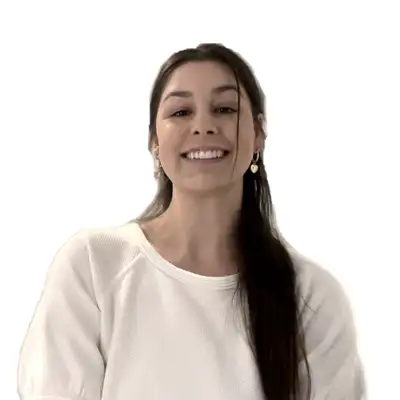
Hey everyone, I'm Hannah Dittman, operations and finance host of the Startup CPG podcast. And today I'm joined by Alex Borcheaux, a general partner at Rokana Ventures. Rocana brings a deeply mission driven approach to early stage investing in consumer backing brands that genuinely make people's lives better. While we eat what we put on our bodies and what supports our mental and emotional well being, Alex blends operational empathy with disciplined investing and a belief that great products, great founders and great impact go hand in hand. In this episode we talk about what real product market fit looks like, how to recognize traction and why it matters so much, and a general approach to diligence. Alex shares fundraising advice, traits he consistently sees in the best founders and why adopting a postmortem mindset early can change the entire trajectory of a business.
01:23
Hannah Dittman
We dig into why not every metric has to be perfect to raise capital, and how founders can prepare for the next chapter with both clarity and confidence. It's tactical, honest and packed with insight from someone who's helping shape the next generation of high impact consumer brands. Enjoy. Hey everybody, welcome back to the Startup CPG podcast. This is Hannah and today I'm here with Alex Borchau and investor from Rakana Ventures. Alex, welcome to the show.
01:52
Alex Borschow
Hey Hannah, thanks for having me on.
01:54
Hannah Dittman
We're so excited for you to be here today. I'd love to start out with you introducing yourself, your title and giving a little bit of a background from where you started and what led you to investing.
02:04
Alex Borschow
Absolutely. So as you mentioned, I'm one of the general partners, three managing partners at Rocana Ventures. We are an early stage VC focused on consumer brands in three verticals. Food and beverage, personal care, beauty and mind and body wellness. I've been investing in the better for you consumer space for the last 13 years. Started out more in food and beverage, ag, tech, and before that I grew up in Puerto Rico. I went to mit, studied chemical, biological engineering, spent six years on Wall street at a French investment bank, BNP Paribas on the sales and trading side and then went and did my MBA at MIT Sloan. And that's really where I transitioned my career into investing. I was president of the Food and Ag Club there, organized hackathons and started investing as angel alongside other VCs.
02:49
Alex Borschow
Realized I really needed some experience actually in operating business in the sector. So I was the first director of finance for Eataly for the U.S. that was a seminal experience, understanding retail food service, e commerce. And it really opened my eyes up to the power consumers and brands really saw. That was where there was more potential to drive change in the system. Consumers looking for healthy, better for you products and they were voting with their dollar with brands whose values resonated with theirs. That was back in 2014, 2015 and been investing since now. Moving up into a fund and Arkhana. Now we're investing out of our third fund. Have two great partners in Sumesh and Gurdeep. We have a great senior investment associate in Lisa and yeah, excited to be on the show.
03:31
Hannah Dittman
What an awesome background and a lot of different cool experiences. I'm sure there's a lot of Eataly fans out there that are happy with your work. In Puerto Rico. How cool. I see that you got a surfboard in the background, so I imagine that's probably where you pick that up. I'd love to also take a second to formally introduce your investment firm. I'd love to go over stage focus check size, aum your mandate, how you differentiate and really provide some good context for the rest of our conversation.
03:59
Alex Borschow
Yeah, so at Workana we really focus on companies that are raising their series A and what that means for us because I know that definition has changed. It's different for different firms and people. We look at companies that are ideally, you know, north of 7 to 25 million in revenue. We want products first of all consumer brands. We're very focused on consumer brands. We're not looking to take tech or regulatory risk. And we also look for brands that have ideally omnichannel traction in terms of revenue, especially in the food and beverage industry. We understand that personal care beauty is a little different in terms of number of doors in retail, the retail partners. So it's not one size fit all, but I would say our sweet spot. 7 to 25 million in revenue, raising your kind of first real institutional round of capital.
04:43
Alex Borschow
And we're looking for companies that have healthy gross margins. Gross margins can vary depending on category. Beverages are very different from frozen, for example, but overarching kind of screen or filter or North Star for us is our mission, which Rakan actually comes from a a Sanskrit Ayurvedic concept of better living. And Rokana's mission is to help consumers live better lives. And our metric, or I guess our way we think about that is three ways you do that, what you put in your body and what you put in your mind. And those kind of inform our three verticals. So within that we are very much focused on better health and that means democratizing access to better for you products. They have to be accessible to the mass, can't just be a niche ultra premium luxury products.
05:31
Alex Borschow
And I would say what differentiates Rakana, aside from our very strong mission focus, is also that we are pretty active partners with our brands. We don't invest in 30, 40 brands. We invest in just 15 companies typically per fund. And we look for entrepreneurs and founding teams that really see the value of Rakana's community and rakana's shareholder and LP network. We have over 60% of our capital from strategic value added LPs. And that is a real differentiator when it comes to understanding how we can bring value to procurement, supply chain distribution, brokering, marketing, packaging. And that's part of our due diligence process is understanding what are the potential areas for Rocana to leverage its community to bring value to this brand. And is there a genuine interest of this founding team, this entrepreneur to partner with a Rokana?
06:27
Alex Borschow
Is it a two way interest or is it. We're kind of pushing on a string, so that's really critical for us. We love working with founders and entrepreneurs. We don't have as much interest in just kind of being a silent partner on the capital stack. If they're just looking for a check and say write me a check and we'll Talk to you 5 years or send you maybe annual report. That's just not really the type of relationship we're looking for.
06:49
Hannah Dittman
What a great overview of your fund and you said a lot of interesting things there. I want to just highlight first the First Institutional Capital point. I think sometimes founders might have a little hesitancy of understanding fully what that means and especially what it means for you. For instance, a lot of founders that have angel investors or friends and family rounds or some prior fundraising that maybe even some debt. Do you consider that as part of First Institutional Capital? And can you explain that a little bit more?
07:21
Alex Borschow
Yeah, that's a great question and point. And I recognize a company's the nomenclature of financing rounds. You could have raised a seed round actually from a fund and that might be actually your first institutional partner. And there are some very active seed stage investors in our industries and our categories in terms of food and beverage, personal care. So we're not opposed to that at both. But we many times find that the round we invest in might be the first one where category or industry specific VC firm. Right. Is looking to lead that round and partner. Whereas in the past it might have been industry agnostic firm or also you talked about friends and family and it goes back to like what do you call that friends and family round? Is it a friends and family round? Is it was actually your seed round?
08:06
Alex Borschow
Was it a safe note? Was it a convertible note? So I guess we really look that series A, it should be somewhere a five to $10 million raise and we're looking to write initial check of a million to a million and a half. We can go higher but typically what we like to do, our strategy is to put an initial million dollar check, really build that relationship and have experience on execution with the founder, see them hit those inflection points, see them hopefully exceed budgets and then with more confidence double down with pro rata or more than our pro rata in a follow round or a bridge round. And that's a follow on investment of anywhere from 2 to 4 million. We also have very active co investors among our LP base.
08:46
Alex Borschow
So we've brought a lot of follow on capital in that series B, that series C with companies like Olipop and that's proven to be a pretty positive strategy in terms of de risking growth and bringing more capital to our winners and our fund returners.
08:59
Hannah Dittman
Yeah, it sounds like you guys have put a lot of work into a really strong LP base which is the partners that are helping you gather funds to then deploy in your fund. And yeah, what a differentiator to have such strategically focused and conscious LPs as well that can help on both some potentially operating sides and also investment side as well. And for context, I think a lot of investment firms have a very broad base of LPs. It can be very random pension funds, people you never hear from or have nothing to do with your industry or your business really. So I think as you mentioned, that is a cool differentiation point. I'd love to kind of dive in a little bit to diligence process and start out with a little bit more of a leading the witness pointed question.
09:43
Hannah Dittman
A lot of times when we're talking about investing and fundraising, investors want to see what they will call proof of traction, product, market fit. Those terms come up quite a lot. What does that mean in practical terms for A founder listening to this, if they're thinking about what they actually need to get done and show how is product market fit being evaluated? How do they know when they have it? What is traction? How do they know when they have that?
10:08
Alex Borschow
Also great questions and again, I think it's not one size fits all, depending on the category or industry. But in general we, I mentioned, we like to see omnichannel traction. And what does traction mean in retail versus D2C? And how do you break out DTC between Amazon and your own website? And then how do you think about club as a separate kind of channel from retail? So I'll start with DTC. DTC had its kind of peak moment, I would say pre2022 and that was iOS 14. And when Apple changed the privacy settings there, you could really see strong ROI on digital marketing spend attribution in terms of you knew that you were spending marketing dollars, it was acquiring customers and it was because of your spend. That changed very much after 2022 and it's changed the metrics and dynamics in that direction.
10:56
Alex Borschow
To my channel, Meta still is the dominant platform and it used to be that we looked at LTV to cac, right? So ltv lifetime value of a customer versus cac, your customer acquisition cost, that has evolved into looking more at payback, right? So if you're spending a hundred dollars, let's say to acquire a customer and the average order volume is a hundred, and your contribution margin, your gross margin is 50%, well, it takes you kind of two orders roughly to break even on that customer. That's become more interesting in terms of evaluating how valuable your customer is and how effective your marketing is in terms of acquisition of customers. And that's all to say in direct to consumer. Customer retention and profitability of your customers is kind of the key metrics we want to understand that is different now for Amazon.
11:42
Alex Borschow
Amazon is becoming a more and more important channel for brands. Looking at your rankings on Amazon, looking at your consumer reviews, we want to see at least 4, 3, ideally 4, 5 stars average reviews. That shows really strong consumer feedback. We want to see you moving up the rankings over time. That means that there's stickiness and new adoption from customers and then Tab is on his own marketing channel and metrics in terms of spend. So then we move on outside of the E commerce channels to retail. And this is where it's really important for us. When we say omnichannel, this means you have to have kind of E commerce and retail. The main reason for that Is that strategics, which are the primary exit partners for our brands, they're really not going to be acquiring brands that are just DTC or just E Com.
12:31
Alex Borschow
They depend on seeing retail traction and retail traction. It also depends on what channel within retail. Like is it in your natural organic channel, is it in your mass channel grocery, or is it in club? Now each of those has its own kind of metrics and we want to see a brand generating strong velocities, first category. So we'll pull benchmark data from spins and other sources to evaluate their velocity, which is number of units per SKU per store per week. That's our kind of gold standard. I know a lot of brands like to highlight their dollars per TDP like total distribution points, breaking it really down. We want to understand, okay, how many units are you moving in a store or SKU per week and how does that change over time.
13:17
Alex Borschow
Now it's really valuable to see when you have a product at full price and then you have a product on promo being $2 off, buy one, get one free. Every retailer has its own flavor of this. And those promos which a lot of retailers require will bump up your velocities for a short time, whatever. That's a week, two weeks, three weeks. What's really insightful for us and it kind of validates is if you see post that promotional period, the baseline velocity for your products have now increased. So they might have been here before they jumped up here on promo, they fell back down, but not all the way to where they were before. So that is for us a good sign of consumer adoption. Not just trial, promo helps drive trial. A customer tries it because it's on discount.
14:03
Alex Borschow
Everybody likes getting a deal now when they come back and buy it again at full price and that full price, that velocity is kind of maintained and then trend upwards from there. That to us indicates strong product market fit and traction in retail. And that's become much more important because on E commerce it's become easier to at least appeal to the low hanging fruit, the early adopters that would have bought your product anyway. And they're probably going to subscribe and keep on buying because they're your kind of earliest target, core customer willing to try new things in retail. When you start a natural organic channel, you look into mass, your target, Walmart, Kroger, you want to see traction there as well. Velocities tend to be lower in mass, but you really want to have real traction in mass.
14:49
Alex Borschow
If you want to eventually build a scalable company that can exit. And then last I'll mention club. The two biggest players are you have Costco, you have Sam's Club and you have BJ's. Those are kind of three club players really. I say Costco and Sam's are the dominant players there. That's changed dramatically. Costco used to have options for bringing in products full time and just kind of buying nationally. Now it's really driven through roadshows where they help you let you go on a weekend. In certain clubs they have very explicit dollars that they expect you to sell per day or per weekend. Then they might do a rotation or they'll buy for a couple clubs or region. It'll be one buy. It'll go through the inventory in a month or two, maybe three.
15:28
Alex Borschow
And you need to have several successful rotations, typically three or more, before you got start getting like a more wider distribution. Having a really strong broker partner who can tell you what these benchmarks are, what these metrics are for your category in terms of dollars that you need to move is really important because you typically don't get a second chance. And if the rotation doesn't hit those benchmark, it's unlikely to get you another call or another podcast. And Costco orders tend to be really chunky. You're talking about quarter million, half a million dollar POS for a rotation.
16:00
Hannah Dittman
That's really helpful. And I think looking at it by channel and understanding the nuance and the complexity that those metrics and analyses will be different depending on what the consumer journey is and also what the business operations dynamics are, is really thoughtful and shows what a strong investor in the space you are and how much understanding you have of it. I'd love to kind of double click a little bit more on the high level as well of just big picture. Why does this matter so much? Why does understanding and what are we understanding really? Where is it about understanding that consumers are not only purchasing once, but they're repurchasing and they really have a high affinity for your product? And if that's what we're really trying to answer with looking at all these metrics, why is that so important for you as an investor?
16:46
Alex Borschow
That is a deep fundamental like opinion or I guess outlook on what makes a company valuable. Right? And I'm sure you've heard about the toothbrush test, right? It's like what products, platforms, services, apps become such a part of your daily routine. Like most people who brush their teeth usually at least twice a day, they become so part of your habits, right? And your behaviors that it's like your toothbrush. That's the kind of the gold standard for us in terms of value for a brand. Once a brand or product becomes such a part of your ingrained daily habit, that really creates huge value and not just for us, but also an exit for an acquirer.
17:29
Alex Borschow
And going back to what, why that the attraction that I talked about is important because those are the early indicators for us that a brand or a product is on the right growth path to becoming potentially value that kind of ubiquitous product in your daily routine. There are other metrics we look at. Once you kind of get later stage, once companies are beyond 50 to 100 million revenue, you start talking about household penetration, right? You talk, start talking about metrics from brand recognition, unaided brand recognition and awareness. You start getting companies to invest more on top of funnel marketing, not just performance marketing. And that's really critical to taking that next step from being okay, you had strong initial traction, you build a brand to 10, 20 million revenue. Awesome, right?
18:13
Alex Borschow
But to go from 20 to 50 to a hundred, it's a whole nother level of okay, consumers that we have to expand into. And if you don't have the early indicators that consumers love the product that are buying it consistently, that are using it consistently. Right. That's not going to bode well to once you scale outside of your home base or your dominant channel, once you get into mass, it's not going to set you up for success if you don't have the right product market fit and validation to then investing in top of funnel marketing and PR to drive brand awareness so that when those other consumers start seeing it on the shelf in a Walmart, in a Target, right. In a Kroger or a Publix, they start grabbing. Oh, I heard that brand. Oh yeah, that's a better one. That's.
18:53
Alex Borschow
It's supposed to better for me, right? Oh yeah, I'll try that. And they try and like, oh wow, that's pretty good. I gotta get this again. Okay, maybe they sign up for Amazon for Subscribe and Save, right? Or next time they're in the grocery store, they pick up two cases instead of one. And that's kind of what we learned from our experience with some of these breakout brands like Ollie Pop, I'll mention again, were part of the journey from early to growth to then breakout. And really it's about value creation, right? So if we want to maximize value creation for our investors and the brands themselves, we know the kind of the roadmap that needs to be followed and that's kind of why we think about the commercial traction then leading to breakout and becoming a daily habit, part of your everyday use.
19:34
Hannah Dittman
Super helpful. And by value creation, I think you're meaning essentially increasing the nominal value valuation of a company to potentially have a liquidity event, mean more or be worth more over time.
19:48
Alex Borschow
Yeah, that is definitely value for our investors, our LLP's, as well as the founders. But I think there's also another level of value creation which is our North Star is better living, better free products. And if you think about brands that are bringing consumers things like fiber, like gut fiber, like Olipop. Right. For every can of Olipop that people consume versus a can of, let's say regular soda, you're adding three to five grams of fiber to their diet that they wouldn't have otherwise consumed. They would reducing the amount of sugar they're consuming. Right. And the health impacts that has on our society. We really believe that you need to have healthy people to have a healthy society and healthy societies cares about their environments and their planet.
20:28
Alex Borschow
So it's really driving a whole nother level of impact and change in terms of health in our society and our planet.
20:34
Hannah Dittman
I love the mission, mostly brand people here, so we're all on board with that. And I think it's a really unique focus as an investor to really have a conviction and belief in not just the money you're making, but also the work that you're doing with through brands and with brands. Kind of going back to some of this traction conversation that we've been having from the founder perspective, I'm thinking as founders are listening to this, they're immediately going to want to go check, well, do I have this? And I think a lot of metrics are, as you mentioned, different by channel, but also different by product. Especially if we're talking about frequency of use, for instance, or repurchase rate and things like that. I sell shampoo and conditioner. The reproach rate for that versus a soda is going to be wildly different.
21:17
Hannah Dittman
But one thing that I think is a little bit more universal and can be a little bit more universally looked at in consumer is repeat purchase rates. That's something I look at Amazon all the time. I'm downloading that very frequently and checking my cohorts and repeat rates of each buyer and that when I'm looking at that kind of information, and this is going to be a broad, hard to answer question too, but what's my target benchmark? What should my North Star be? What is a Place where I or a range where I can feel like, all right, I'm doing pretty good. An investor is going to think pretty favorably about this amount.
21:55
Alex Borschow
Yeah, repeat purchases mean that your customer is not only satisfied, they're happy. Right. With the product and they want to keep on buying it. Amazon has made it incredibly easy to have repeat purchases because you subscribe and save and that 5 or 10% savings on a product, like it's just that small oomph to get you, like, yeah, I'll sign up for it. And you might even get an extra order or two that you wouldn't have ordered otherwise because, oh, I had enough. But you know what, I'll just, maybe I'll skip the next one. But I still have it. It's easier to skip than cancel. And to your question, it depends. Right? Again, we saw and it's just changed. But we saw in 20, 21, 22, 23 D2C metrics in terms of retention and stickiness for customers.
22:41
Alex Borschow
The benchmark was if you had north of 10, 12% retention after 12 months, that was a good retention metric. Now you put that in perspective and you're losing 88 to 90% of your customers after a year. And that just seems really unsustainable. That seems like a poor retention metric. So we've seen now a much healthier retention metrics for brands that not just in D2C for the eat from their own website, but also Amazon. You see metrics more in 30 to 60% retention and reorder rate. And you gotta get kind of granular to understand as your brand evolves how different cohorts behave. Right. So if you acquired these customers, they put their first order in November. Right. Did they reorder in December? Did they reorder by January? Did they reorder by February? Kind of that three month window. Window.
23:31
Alex Borschow
It helps understand, okay, shampoo, we don't tend to buy shampoo monthly, right. But we tend to buy beverages monthly. We tend to buy milk products, dairy products monthly. Right. The consumables that are not shelf stable or I guess dry goods or they tend to have higher frequency of purchases on annual basis and it's different from shampoo or soap. So the timeframe over which you're looking for retention metrics is different for different categories and each category has different retention. I think also shampoo, I'll use shampoo because you mentioned it. Men purchase shampoo less frequently than women. Women tend to have longer hair, which requires more shampoo. So again, depending on your target demo, we Know brands that are very focused on the male demographic. Right. Their repurchase rates of shampoo and their.
24:24
Alex Borschow
When they sign up for subscribe and Save, it's not like, oh, one order once a month. It might be one order every six months or every four months. And that can affect kind of some of your metrics around. Well, my average consumer only purchases twice a year or two and a half times a year versus female consumer might purchase four times a year. Right. So this all goes back to like, you got to understand your category and what benchmarks there are in terms of purchase habits and frequency for your category and see where you rank in that. And then you take that and layer it on top of, okay, my consumer should be purchasing four times a year. I had a cohort that started purchasing in January. I saw 80% of them purchase again April. Right.
25:07
Alex Borschow
And then that same cohort after, in June or July. I saw them like another 50% of them purchase in that cohort or in that period. And you get. So you understand, why are they not repurchasing? Is it because they have too much product? Is it because the price was too high? Is it because the product wasn't providing the benefit that they were looking for? Is it because they just got bored and they just wanted some. A new scent, a new flavor? Right. Those are really insightful. Because what you want to be solving for, right, you want to be really driving so that there's always going to be some subset that's going to be like, oh, it's too expensive. What you do want to solve for is like, oh, the ones who wanted more variety, like, okay, well, how many scents do I have?
25:45
Alex Borschow
How many skis do I have to offer them so they can mix it up? How easy can I make it for them to be like, I want to switch from this tea tree, bergamot to this cedar and jasmine. You got to offer them some variety. We learned that the importance of variety in maintaining consumers interested for certain categories.
26:03
Hannah Dittman
Great summary. I love the scent creations you just made. You're already in product development.
26:07
Alex Borschow
Don't quote me on those. I don't know if anybody wants to use this.
26:11
Hannah Dittman
The creative juices are flowing. I think a really helpful way to have that conversation and to also understand how an investor thinks. Because I think the way you laid out unpacking these metrics and how you're thinking it really showcases what a hypothesis and almost scientific driven mindset investors typically have. They're on a truth hunt with data to understand the story of what's happening. And what levers can be pulled and like you mentioned, where value creation can be made and what's working and what's not and why. And these are really important things to understand about your business and when you're operating and in the day to day and you've got a million bajillion things going on and you're just trying to make sure nothing breaks down.
26:52
Hannah Dittman
Sometimes looking at things with this level of big picture thinking isn't the biggest priority, but in fundraising it's really important to be thinking about things that way. I don't want to take up our whole episode talking about diligence, but I'd love to ask one final diligence question, which is obviously there's a lot of different things you look at and a lot of companies have good metrics and there's a lot of incredible founders too. But for you all, what's the seal the deal moment? Where do you finally get such high conviction? Or is it an amalgamation of a lot of little things going right that makes you feel that where you just feel like, yeah, this is not just a good company, this is one we need to make a bet on.
27:35
Alex Borschow
You mentioned, yes, we talked about product market fit, we talked about metrics there. But fundamentally like the business we're in is investing in people, right? You can check the box on product, you can check the box on the market being big enough. And that's an important one. I think founders don't always do the math on can I actually grow this business to the size that would be attractive to an acquirer and is that going to generate a significant or amount of return or large enough return for a venture investor but me to actually raise capital? And the answer is that a billion dollar market size sounds large, but it actually isn't always often not large enough for a emerging brand to grow enough into.
28:15
Alex Borschow
I think there's a maybe illusion that a brand can grow to 10% market share and that's just not realistic for most categories. It's not impossible, but it's very difficult for us to underwrite too. And this is where it comes down to really leaving aside product market fit and category and tailwinds the category growth of the category. We want to see categories are growing well above the industry average. It really comes down to the founder and the founding team. And because these founders and the teams, they're the ones who are actually going to execute and run these companies, we don't step in and run them. We have to really be excited about and confident about having the Right. Partners and teams running and executing these strategies and these road strategies. And.
28:57
Alex Borschow
And there's metrics that we look at, there's psychographic analysis that we do, and then there's just kind of the it factor where you just kind of be like, this person's got it. Like, I want to get on this ship. I want. Like, I'm on this journey. I want to be on that boat. I want to be on that rocket ship. We know they're building the ship as it's flying, but I am excited about being with this captain on this ship. And that sometimes can take place on our first call. But one thing we definitely do is we like to get to know founders over time. And that's because we have been down the road. We know how many bumps in the road there are unexpected things you can't plan for.
29:36
Alex Borschow
And it is so insightful for us to understand how humble, accountable, coachable founders are when things don't go right. How do they ask for help or questions? How do they ask for feedback? How do they take feedback? How honest are they with when new information comes in? Do they just look for confirmation bias, only accepting information that confirms their views, or do they welcome dissonance in terms of new information and data that conflicts with their views or strategy? That really like, you have to have a certain level of internal confidence as a founder, but you also have to have your humility be like, I don't know everything. I'm not always going to be right. And my goal is to make the best decision with the information we have and adjust when new information comes in the future.
30:20
Alex Borschow
So one way that we found that helps us kind of evaluate the founder is having many interactions and data points over time. And that means getting to know them well before they're raising ideally their Series A, ideally when they're raising the seed round or before. I mean, we have founders that we got to know over three years before we wrote a check, and that gives us plenty of experience. We're always very transparent with founders about our expectations in terms of funding timelines, whether we're going to participate around or not. We don't like to lead anybody on. And that transparency and clarity helps kind of set imagine expectations or building a relationship over time.
30:56
Alex Borschow
So I would say the thing that really like does it for us and we've had companies come through that we absolutely love the products, the category, everything checked the box accepts something that came up with the founder and we've said no and they've been successful. But it's just not the kind of partnership that were willing to invest in.
31:15
Hannah Dittman
Very helpful. And I mean, I have a lot of empathy on the founder side too. It's hard because you have to really learn to not internalize your business to your own personality in a way to be able to get that objective distance enough to really think about it critically and not wishful thinking, which I think is subconscious. Sometimes the confirmation bias that you work so hard in your. You're like, see the glimmer of hope and you're like, it's going right. So, yeah, I think it takes an exceptionally special person to wear all those hats and just be so amazing on all fronts. And a lot of admiration and respect for the founders have, who have made it and have been able to achieve that. Reflecting on your career, you spent so much time in this space. You've seen a lot of things.
31:57
Hannah Dittman
You've worked in a lot of different capacities in consumer. If you could tell founders or operators one big piece of advice, what would it be and why?
32:06
Alex Borschow
I would say all most founders have a passion and they're really kind of just all in on this idea, this product. Right. I think it's really valuable for founders to kind of do a take a step back because once you kind of get in the bubble of like, this is it, this is where we are. This is amazing. This is the best thing ever. Taking a step back and having a. Maybe you need help, support from your inner circle, your partner, your spouse, your best friend, your family, to really kind of be a. In a safe space. A devil's advocate. And one of the things we do is what we call postmortem. Right? And postmortem helps you kind of think through in a safe space. If this were to fail, why would it fail? Right? And it's a very valuable exercise.
32:54
Alex Borschow
One of the things I would say is the advice is around funding, right? I know every, almost every founder is looking for funding. Being brutally honest with yourself about if this is actually such a compelling opportunity, right? Or are you. I'll put up on like putting lipstick on a pic. VCs, investors, we see hundreds, if not thousands of opportunities and pitch decks a year. If one thing I would say is we love founders that are brutally honest and not trying to blow smoke and just trying to make something look better than it is and that brutally honest, transparent, like, hey, this is where we are. This is where it's at. Like, there's a value in that for yourself and for the investor.
33:35
Alex Borschow
So doing that with your inner circle and being like, honestly, hey, this is really compelling or not be honest about where the opportunities and the challenges are. And if it really isn't, you use like, wow, there's a big hole in my argument, in my pitch. If this is not a compelling pitch to my, like, inner circle, if there's a big hole here because I did this postmortem and play devil's advocate, maybe you got to step back and be like, okay, I got to solve for that hole first before I can go try to pitch investors to put money into something that might be a sinking ship. And they're going to see the hole too. They're going to see it.
34:03
Hannah Dittman
Great advice. And I love a postmortem double echo that. And I think it's not only just the devil's advocate, it's also being able to kind of post mortem in process. And also, once something has already happened and really gather the learnings, take a step back and say, okay, we had a bad holiday season. Why did that happen? What was going on? What are we going to do differently? The most important things and sometimes the most valuable things you can get in a business is learnings to be able to apply, to get it right when you need to get it right. And so scrambling to just, like, cover up what went wrong or spin it or to let it give you anxiety and pivot your thinking away from it or anything like that. The best thing you can do is really hunker down.
34:48
Hannah Dittman
And I'm sure investors do this with investments that don't pan out as well. It's like, what's the postmortem learnings? Where did our diligence goes wrong? Why was our thesis incorrect here? It's a really great practice and I think a great highlight that you mentioned.
35:00
Alex Borschow
Yeah, I actually want to build on that because you made me. Reminded me of Ray Dalio's book Principles, and he highlights this concept of every time something goes wrong, you feel pain. A lot of people feel pain. Some people feel shame. Shame is not actually helpful emotion, but the pain, you feel it for a variety of reasons. That is a huge opportunity to learn, lean into that and be curious. Be curious and to learn. A founder should be the first one to raise his hand, his or her hand, and be accountable to your team, to your mess. Like, but I. I messed up. I didn't see that. I want to learn about this. Let's dig into it. Okay. That is so valuable. And I think you're right.
35:41
Alex Borschow
Too often we try to cover up and fix and make it look good and better and don't spend enough time learning on like, okay, what can we learn about this opportunity and this experience?
35:52
Hannah Dittman
Great point. I'd love to pivot into a Slack case study question. As you know, startup CPG has the largest Slack community in the industry with now over 30,000 members. I'd love to pull a question directly from our channel and have you answer it as a case study for any founder with a similar question. The question was, do all target metrics need to be perfect to fundraise? What if my margin is a bit lower or my sales growth is slower?
36:16
Alex Borschow
Great question. First, the answer is no, you don't have to be perfect because no startup is perfect and no metrics are perfect. Going back to what we talked about earlier, accountability, self awareness, humility. Okay, look, I'm really strong here. I know I got really strong metrics here, but our roas on Amazon or other outside of Meta for DTC is not strong or our velocities weren't strong with this retailer. We recognize that we're addressing it this way. Right? We're investing more in trade spending in shippers. We expect that to over the next six months boost velocities. You mentioned about gross margin not being ideal. Okay, what's your bridge to a healthier gross margin?
36:55
Alex Borschow
What are the specific actionable time detailed steps that you're taking over the next six to 12 months that are going to build your gross margin from where it is now to where you want it to be? Is it because you are going to be lowering your towing fees with a co packer and you already negotiated different MOQs, or is it because you've already negotiated with your supplier for better packaging costs? Are you moving from sleeves to printed cans? If you're in the beverage industry, all these things are specific, actionable items that we know they're going to hit by a certain time and even if they slip by a month or two, we can then DD and evaluate. Okay. I can see that I can have confidence in this margin improvement based on this scale, based on these purchasings to build that gross margin improvement.
37:37
Alex Borschow
And we see that often that actually we love that. We love seeing, hey, this is where we are now. This is where we're going to be in 12 months and this is how we're going to get there.
37:44
Hannah Dittman
Great answer. And just add a little baby nugget onto there. I think it's a great opportunity for founders sometimes when things aren't perfect. Also, because as was just discussed, that gives you A chance to show a lot of these traits that investors are looking for. Show your humility, show your knowledge, show your tenacity and your honesty and your intellectual integrity with your business. And I think maybe that even leaves a stronger impression, the way that you communicate and handle that with the investor than having a super sexy perfect metrics across the board. Before we wrap up, I want to take a second to make sure our audience can have an actionable next step to apply all of this amazing knowledge to. You've been so fun to chat with today, Alex.
38:25
Hannah Dittman
I feel like you have a great mindset in this space and investing in general and clearly a lot of passion and heart for the industry and the people that you work with. For founders that want to get in touch with you, where can they find you or what is the best way for them to get in contact. And then secondly, for operators or anyone looking to transition into investing or working directly with you, what advice would you have for them?
38:49
Alex Borschow
Okay, first one is easy. They can reach out to me through our website, can reach out to me on LinkedIn or you can email me directly. My email is alexandaventures.com so that should be pretty straightforward. I always will respond. I think the minimum that investors can do is always respond to any founder, any reach out. Even if it's like hey thanks for the email, not a fit for us. So please reach out. And then if you're looking to get into the industry, being an operator, being a founder and looking to get into venture, definitely it helps to have that experience. I would say venture is quite competitive. There's a lot of applicants for be it analysts or associates or venture partner roles.
39:32
Alex Borschow
I would think the first thing that an operator or a founder would do is kind of have like a venture partner role, be a scout given your network in the industry and bring interesting deals to vc. That's the number one way you can kind of get on their radar and we've guided that those kind of roles. If you want to transition to being kind of more of a GP and making investment decisions, if you're a previously successful founder with exits, it's an easier route. Otherwise it's going to be the same route that other applicants got to go through be it banking or consulting analysts and associates going through that and it's highly competitive.
40:07
Alex Borschow
If you can find a way I would say maybe one way to stand out is highlight your experience and as a case study a way to for you to highlight your thinking your differentiate really insightful thinking analysis of why a brand is interesting that could be a differentiator and that goes back to the same idea of a venture partner. Hey, you have the relationships, the insights of why something kind of stands out that could be interesting.
40:29
Hannah Dittman
Great answer and great advice. Well, thank you so much for joining us today. It was so fun chatting. I think everyone's going to learn so much from all of these insights and especially learn about the fundraising process and what they can do to better. So thank you so much for all of your help today. It was really lovely chatting with you.
40:46
Alex Borschow
Likewise Hannah. Thank you so much for having me on. It was a pleasure and looking forward to meeting everyone soon in December.
40:52
Hannah Dittman
Yes. Woohoo. Can't wait. Thanks so much for tuning in everyone. If you like this episode, show us some love with a five star review at ratethispodcast.com startup cpg I'm Hannah Ditman, podcast host and correct correspondent here at Startup cpg. I hope you'll join me again as we dig into more juicy topics like ops, finance, and all the real talk founders actually need. Come say hi on LinkedIn or ping me on Slack. I'm always eager to hear your questions or brainstorm future episode ideas. If you're a potential sponsor and want to get in on the fun and appear on the podcast, shoot us an email@partnershipstartupcpg.com and last but not least, if you haven't already, don't miss out on our free Slack community. For emerging brands and CPG lovers alike, join us@startupcpg.com we'd love to have you. See you next time.