Subscribe
Share
Share
Embed
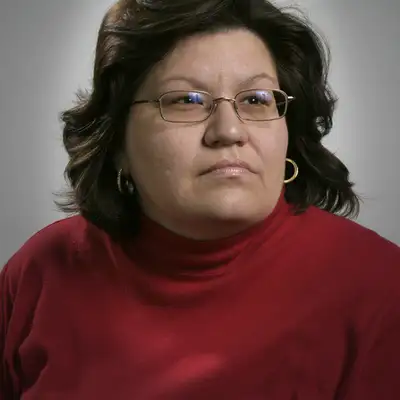
The Road To Your Name Podcast series grew out of a program started by Aboriginal Legal Services (ALS) in 2016 that helped people going through the justice system and their families to strengthen and deepen their cultural connections. Host, Lisa VanEvery, examines many aspects of Haudenosaunee culture and teachings with a wide range of guests.
pt2-lan-con
===
Lisa: [00:00:00] Greetings everyone. Welcome to our Yohatte'nikarón:sóna, The Road to Your Name podcast focusing on Haudenosaunee cultural topics recorded on Haudenosaunee territory.
Lisa: These podcasts are produced by Aboriginal Legal Services with the technical assistance of True Seed Media. My name is Lisa Vendevrie from the Mohawk Nation and the Wolf Clan. I'm the coordinator of the Yohatte'nikarón:sóna, , The Road to Healing program, and the host of the podcast
Lisa: This is the Yohá:te ne kahsén:na : The Road to Your Name podcast series[00:01:00]
Lisa: Conference Now we're being joined on the podcast by Katsia Hazatio. And, Katsia Hazatio is a student at Ohkwenonkhwa. and you're in your second year of immersion- learning Kanyen'kéha, Mohawk language. Let's talk about that. What brought you as a young person to, I- it's quite a commitment to that decision of making that commitment to go into immersion.
Lisa: What brought you there?
Katsyenhasehton: I think it was a huge, It definitely was a huge motivation to go as far as, wanting to... My own personal development, like I [00:02:00] wanted to better myself.
Katsyenhasehton: my cousin initially started there the year before, and I was kinda like a Ohkwenon groupie, and I was kinda hanging out-
Katsyenhasehton: at her study sessions and- Yeah ... seeing what it was about and picking up, a couple words here and there.
Katsyenhasehton: and eventually, I was in my first year of college for social work, and I did a placement and I thought, "This isn't what I wanna do long term," I'm seeing the route my cousin's taking and how it's, how it's bettering her life, And she's more, she's more, as we call it, a swetio. she's- ... she's become a better person because of the language and getting to know herself as not just a community member, but who she is and where she fits in as that. and I was raised up in Brantford. I had connections to the reserve and stuff through my Aunt Candy, who I lived with.
Katsyenhasehton: And, I said, "I want that for myself," So-
Katsyenhasehton: as a teenager, I was a typical young person, and [00:03:00] I carried on and did all the things, And eventually, I wanted to reconnect with that side of myself to better my own self and go down a better road. I started at Ohkwenon initially.
Katsyenhasehton: I messaged Rohio and I said... It was a week before school started, and I said, "Hey, can I do the miss- admissions test if you have any room?" And he's like, "Yeah, for sure. Come on in." I did it and, I was accepted, and I was, fricking sky high- ... with how happy I was. And then I actually got in it, and I was like, "Oh, my gosh, this is kinda hard," so it definitely helped my, my own self-discipline as far as sticking stuff out-
Katsyenhasehton: and making sure to persevere and even when... there, the language, learning the language, there comes, not just a lot of, group dynamic struggles but also internal struggles with yourself and figuring out, how committed you are to it, which also proves how committed you are to yourself in a lot of senses.
Katsyenhasehton: but yeah, I feel like that was a big [00:04:00] motivator as far as my cousin starting. This is definitely a foot in the door.
Lisa: So w- nobody knows what it's like to be in immersion of learning a, a language until you are, And what was the, most difficult, the most challenging for you?
Katsyenhasehton: definitely I'd say having- To, face the struggle of comparing yourself to others. In that kind of environment, they're really good about making sure that we're taking care of ourselves, but also supporting each other.
Katsyenhasehton: and I think it's really easy coming from somebody, somebody with no language background and, being thrown into an environment where some people come from all walks of life that have different varieties of fluencies, it's very hard to not compare yourself to others and, remember that we're there for one another and we all have a common goal,
Lisa: Yeah.
Katsyenhasehton: so I think the hardest part about, especially those days where you just wanna cry and give up, you know- is remembering [00:05:00] that you have people you can lean on and you have people that, push you no matter what, Even if it's on a day that you don't necessarily wanna be pushed, but you still need it, And truths are hard to hear sometimes-
Lisa: Yeah ...
Katsyenhasehton: but they're necessary for us to, to move forward with, connections as far as our relationships with people whose... others who speak the language.
Lisa: Now, what, has been the most rewarding for you?
Katsyenhasehton: definitely starting to go to Longhouse. Ohwana made me feel comfortable enough to start going, and I got my name, this past year, so that was pretty cool- at, Midwinter's. And, I think also the most rewarding is seeing my own family members who go to Everlasting Tree School, and I'm able to conversate with them and, Or, going home with my cousin and being able to, just conversate about our day or whatever, right? Or even being in public and saying something I'm too shy to say to her and, or [00:06:00] telling stories in the language and, in future when I'm ready to have kids or she's ready to have kids, we'll be able to still be able to carry that on, 'cause we don't have any speakers left in our family. So I think it's important to, maintain your friendships and your relationships with people in your family who do speak-
Katsyenhasehton: just to bounce off of and support o- support each other,
Lisa: And what, for, other young people who may be thinking about it or do you have any advice you'd like to share with them?
Lisa: Thinking about going to immersion.
Katsyenhasehton: Even just an intro class, learning every single word that you can is a word that you're gaining back for yourself, that your ancestors fought to, for you to say.
Katsyenhasehton: remembering that, and also I feel as though, When times get tough and you say, "I don't understand what's going on. I feel like it's going above my head. I'm being thrown in the deep end. I don't know [00:07:00] what's going on," remembering why you're there is the most important. So you're gaining back your language for yourself, and not only yourself, but the others who come after you and who you choose to share it with,
Lisa: And you're filling up your identity-
Katsyenhasehton: Yeah.
Lisa: And that is a beautiful feeling, right?
Lisa: Okay. I also wanted to talk a little bit about... maybe you could share, could you share like a short story in the language with us?
Katsyenhasehton: possibly.
Lisa: And then you'd have to translate for the listeners.
Katsyenhasehton: Yeah. Is there any specific stories or...?
Lisa: we have so many stories in our culture, don't we?
Lisa: so could you share a story with us in the lang- Like we have so many stories. we have the one where, the Anowla and the rabbit.
Katsyenhasehton: Yeah.
Lisa: I, forgot how you say rabbit.
Katsyenhasehton: It's something [00:08:00] about you're standing beside each other Yeah, Yep.
Lisa: Yeah.
Katsyenhasehton: I-- Yeah, There's,
Lisa: there's one like that. But just anything you'd like to say, as long as you can translate it after.
Katsyenhasehton: Okay, yeah. Okay. okay.
Tro: Yeah. [00:09:00]
Katsyenhasehton: So I said that, my name is ... and I study at Ogwahona. We're s- we're gathered today at Mont Hill to celebrate languages d- Six Nations, Language Day, and I'm really, I'm really excited that we get to celebrate this day because it's not often that we get to, hear all of our languages in one place, and also with as many people, Yeah.
Lisa: Yeah, I caught a few words. But yeah, that was really great. It's so nice because me, myself, as growing up, listening to my grandparents who are fluent in the language speak, I can still hear their voices s- in my ear speaking. and to, now hear young people speaking-
Lisa: it's like like a full circle.
Lisa: And I'm somewhere in between trying to learn desperately.
Katsyenhasehton: Yeah. I get it.
Lisa: Yeah. [00:10:00] Okay. Anything else you'd like to talk about? what's it like, what's it like being immersed in the language? is it, is it, something that just makes you feel good?
Katsyenhasehton: I was just talking about this today with one of the first years.
Katsyenhasehton: he-- I remember him starting on his first day, and he was the first person I got paired up with to ask why he came to study the language. His name is Malcolm. And he said, "You know what? I don't really have anything else to do, but, I just wanna see how it goes, and hopefully I don't flunk out." But I was talking to him today, and he was speaking with me in full Kanien'kéha, and I was able to understand him.
Katsyenhasehton: And he said... I was like, look at you now," That first day compared to where you are now, I'm, proud of you for persevering through that." And he had a lot of trials and challenges too, he said. But, he's able to carry on a full conversation now. And I feel as though on my [00:11:00] first day also, we weren't necessarily thrown in the deep end, but they tried to encourage us to limit our English as much as possible the first couple weeks, and then eventually it was no English.
Tro: Yeah.
Katsyenhasehton: especially at lunch. They started segments specific days of the week of our lunch periods, just pure, storytelling. So that was cool to be able to listen to, what every- what everybody had to say and what experiences they've had that was funny or, like even stories they made up or have written.
Katsyenhasehton: To see the creativity that has, been expressed through the teachers but also our peers, and to see their language growth and also know, like we've been a part of that growth for them, and we've witnessed it, so that's a really cool- thing to experience in the immersive environment.
Katsyenhasehton: I think it's really cool to see how fast the retention is- when you're fully submersed in it. It definitely is overwhelming when you're only picking up words here and there versus you're finally be-being able to contextualize what people are saying and then finally being able to [00:12:00] understand a full sentence.
Katsyenhasehton: See that jump to the-- jump to jump, that is happening at rapid speed because you're not given a choice,
Lisa: Yeah. yeah, and I think, Oh, I lost my train of thought. Stop for a minute. What was I gonna say? It was something about Rohaio. You said something to me in our interview. I was trying to recall it.
Lisa: And you were just saying so much. My mind is going crazy. not starting yet. Not starting yet, E-Eric.
Lisa: Okay. we just gotta carry on 'cause I can't remember what I was gonna say now. How long are we? We've still got about 10 minutes before we get to 20 minutes. what haven't we talked about?
Katsyenhasehton: we've gone on excursions as [00:13:00] far as actually doing land-based learning as well.
Lisa: Oh, okay. Let me,
Katsyenhasehton: let me ask about that.
Katsyenhasehton: So out of classroom learning. Okay.
Lisa: Okay. Okay, starting again. So you're in the classroom learning Kanien'kéha. do you do any other things? Do you go out of the classroom?
Katsyenhasehton: last year, every Monday of second year, Ryan Decaire has brought in his, daughter, and she-- he is raising her as a first language speaker, so it's a really cool opportunity to be able to interact with a child as well as, learning the language alongside of that.
Katsyenhasehton: whereas last year, it felt like we were the kids in that scenario. So we got to go out, and one time we went to, those thrift stores in Waterford, and we-- they sent us on a scavenger hunt during our, our unit for studying nouns, and we got to look for items that had characteristics, colors, and specific ones.
Katsyenhasehton: We had to take a picture of it and then, check it off a checklist. And then there was other, excursions as well as, like [00:14:00] we went to Dundas Falls and went hiking and talked about the, environments there, and Ryan Decaire was also there. and then there was also opportunities to, go out as groups.
Katsyenhasehton: Like a lot of the time me and my friends would go out for study excursions or even just go to the movies, or go out for dinner, and we'd just speak only in Mohawk. which was really cool. That was our own personal, studying time. But it's cool to be able to have such a close-knitted group to be able to, to be able to, pursue our own studies outside of that.
Katsyenhasehton: and also, elevate each other, But-
Lisa: Yeah. Yeah. Rohaiah was mentioning about, the young people now, writing in the language when they're on their social media. Do you do that a lot?
Katsyenhasehton: I try to do that as much as I can. on Facebook, not as much just because I have more non-speaker family on [00:15:00] my- on that social media platform.
Katsyenhasehton: And one of the trials that I have faced coming to study the language is not everybody is accepting of it, even our own people sometimes when they don't understand. it may be an internal thing. But on my Instagram, I like to, That's where a lot of my peers follow me, so I try and include as much, Mohawk commentary as I can, just so it's- Yeah
Katsyenhasehton: like a fun little thing they can do as far as translating outside, Do you do little videos? So we're trying to figure out what I'm saying.
Lisa: Do you do videos?
Katsyenhasehton: sometimes. I do have a friend who does, TikToks- Oh, yeah ... and straight, also Kanien'kéha, so it's, it was pretty cool to see and watch, the entertainment behind that.
Katsyenhasehton: Yeah. and providing other resources for- people who are beginner studiers or more s- more so advanced- to be able to watch. there's podcasts and there's other resources that exist, but I mean in the sense of what appears or what, what attracts our demographic. and [00:16:00] it's a lot of younger people who are going into, the immersion programs nowadays.
Katsyenhasehton: So it's cool to see the development of resources that are kinda inclusive to everybody, but more so niche to these specific people, Yeah.
Lisa: Now, you're going to- you finish your second year this year. do you have any plans? What are you gonna do with your l- with the language that you've learned?
Katsyenhasehton: that is a good question. Right now, I am a personal support worker, but eventually I'd like to teach, in, in any immersive environment I can for language retention. eventually I would like to teach at Everlasting Tree School or Kaweniaho, that's a very good option, but I've also come to sit with the idea that it's okay to not feel as though I have to do anything with the language.
Katsyenhasehton: I can just have it, do my own personal projects for retention. because originally the idea was I wanna study the language so by the time I have kids, they'll have an understanding and be one foot above me from where I was at. whether they [00:17:00] choose to do anything with it too, that's their own personal choice.
Katsyenhasehton: But, these are all just hypothetical situations as well. But, that was a big driver for wanting to learn Mohawk, just because there's a lack of speakers down here. it'd be, really cool to have, an environment where it's, the home, you're bringing the language into the home, right?
Katsyenhasehton: Yeah.
Lisa: Yeah.
Katsyenhasehton: and E- Everlasting Tree School does give that feeling too, so I'd like to work there for a couple years before I decide to settle down and start my own family. Yeah.
Lisa: Everlasting Tree School, that's, grades what? Grades kindergarten to-
Katsyenhasehton: Grade six, I believe. Grade six.
Lisa: Yeah. Oh, yeah.
Lisa: actually, it's, the connection there that I have is Everlasting Tree School is built on the site of where I went to elementary school. Oh,
Katsyenhasehton: that's cool.
Lisa: Yeah. Yeah. And I would just go run across the field to my grandparents' house.
Lisa: that's great that you have those ambitions and you're [00:18:00] inspired to, share what you've learned and, help others learn the language.
Lisa: What about, are you a writer at all? Do you do any writing?
Katsyenhasehton: I do prefer to write, but I don't make any writing that's for people to see necessarily quite yet. maybe in future I'd like to write poetry or maybe some short stories in Mohawk. I think a huge project for me this year, and one of my bigger things I've had to overcome is, public speaking.
Katsyenhasehton: So one of my projects Rohiio had given me for the year was to make a tutorial, a YouTube tutorial in of whatever my choosing was, he said. and, writing I'm more, I'm really good at. I, do enjoy writing. But the speaking aspect, especially public speaking, has been a big hurdle of mine,
Lisa: You could've fooled me.
Lisa: You're great.
Katsyenhasehton: Thank you. so I made a, a ribbon skirt tutorial in [00:19:00] all Mohawk. I edited the video. I haven't pub- I haven't posted it online yet or anything. But, and then I also made a brochure to go along with it. But I think I'd like to carry that on and make, YouTube tutorials in all Mohawk.
Katsyenhasehton: eventually, like starting out at a lower level for novice speakers and then advancing as I'm able to advance as well. Yeah. but I'd like to include a variety of crafts in which I'm, working on. So right now I'm, super into beading and making ribbon skirts and, recently got into basket making, so that could be another fun project.
Katsyenhasehton: Wow. And utilizing all those words that, that we were taught but didn't have much time to retain. So it gives me that extra time to be able to utilize that, to be able to remember them in future.
Lisa: wow. you're just leading such an exciting life right now in immersion. Yeah. it just must be so rewarding p- personally- Yeah.
Katsyenhasehton: Yeah ...
Lisa: to do [00:20:00] that. are you thinking in Kanien'kéha now? Are you dreaming in Kanien'kéha?
Katsyenhasehton: That is a funny thing. there has been times where I will go to sleep and I'll dream of Dale Handay doing his, doing his encouragement speech or, the one time I dreamt of working at ETS and thinking about, words I could say to the kids and simple commands and things that, I would need to speak to the younger people.
Katsyenhasehton: but as far as thinking in Mohawk, it's still a w- it's still a work in progress. No, I think it always will be to some extent, because English is my first language. I wasn't given, that's a privilege to be able to think in the language before translating to English. but eventually I hope it, becomes just muscle memory and I'm able to say it off the fly,
Lisa: Yeah. For sure. And I think it will, the more that you keep at it.
Lisa: anything else you'd like to add? Any, any [00:21:00] final words?
Katsyenhasehton: for anybody choosing to, go study their language, however that, that may look to you, if it's an in- intro course or you're jumping in the deep end, going into straight up, a straight in, immersion environment, I would say just remember, the most, useful tip that I have been able to learn throughout this process is to develop friendships.
Katsyenhasehton: And, the language is meant to bring us together and, remind us of our connection to not just, each other as Ongwehonwe people, but to who we are. So iohen:tak goti wadekwa. it's important to remember those aspects as, how connected everything i- everything is. but the language is a gateway to all that and understanding that connection.
Katsyenhasehton: so I think it's really important to lean on those who are like-minded and want the same things as you. but it's also cool if you just figure out how to say, "Hello, my name is [00:22:00] Katenhaktehta" in the language.
Lisa: I'd like to say nia:wen go:wa to Katenhaktehta and for joining us and sharing her experience in, learning the language.
Lisa: Nia:wen.
Katsyenhasehton: Onekowahe. Oneh.
Lisa: Okay. We have another guest from the language, celebration day today. And, th- and we're joined now by, Ohiló:ska. And Ohiló:ska is a part-time instructor of the year two class at Ongweonne, Ongweonneke kenjonkwa, and also a professor at the U of T in linguistics. And he's joined by his daughter, your daughter's name?
Lisa: Adewunade. Ade- Adewunade.
: Perfect.
Lisa: let me write that down. That's
: great. Adewunade
Lisa: And what does Atewonade mean?
: I, I guess it means her, words are projected.
Lisa: [00:23:00] Oh, okay.
: Yeah,
Lisa: Okay. Yeah. So she's our guest as well- ... because she is, Yeah ... a vital part of your teaching at the immersion school.
: You could say that, yeah.
Lisa: You've, you bring her to your teaching class- and, how does that work?
: so yeah, in this stage of my life, I had a child two and a half years ago, and this is her, Atewonade, and my partner Nicole and I are raising her as a first language speaker. and, also I'm teaching at Ongwehonwe.
: There aren't daycares currently or language nests, as we learned about today, in Six Nations, where we can take children her age to be around other children or around the language. So I put two, basically hitting two birds with one stone is, why don't I bring my child to adult immersion- so that these adults who are learning the language can also see what it's like to hear a second la- or a, a child speak the language. So I bring her in with me, every day. She helps, kinda helps me teach. She [00:24:00] distracts me a little bit too, but it's a lot of fun. So yeah, we go in there just for a half day and, continue on with the curriculum, and then I kinda try and include her within the lessons as much as possible, and she's gotten really close with the other students in the second-year program.
: So it's basically trying to keep her around other speakers in any way that I can, but also trying to expose my students to children who speak the language, 'cause a lot of people, when they become speakers themselves, like those students at Ongwehonwe, they s- they haven't heard little kids speak. A lot of people are...
: They find it an odd thing. They're like, "Wow, a kid actually saying sen- full-on sentences and expressing themselves through the language." So I thought it, I think it's a good thing for them to hear it. of course, I'm also thinking about my child too for, so it's a great opportunity for her to just be around other people speaking the language.
: Yeah.
Lisa: Can you converse- Yeah ... with her
: a little bit? Oh,
: the one thing about having a kid who's her age, [00:25:00] when you are at home together, all she does is talk, talk. And as soon as you try and record her, just now- Yeah ... you're really hoked that she just shuts up.
Lisa: Yeah.
: so you have to wait for another time when she's a bit older. Yeah. Yeah.
: Yeah.
Lisa: Yeah.
: It'll be cool though.
Lisa: But she's, chilling.
: Oh, yeah. Oh, yeah, exactly. It, happens all the time. I'm at home like, "Oh, she's talking so much," and then I get the recorder out, the phone, I start recording, she notices I took the phone out and just- Yeah ... just total just stops.
Lisa: Yeah. Yeah. So what- Yeah
Lisa: what does, what kind of things do they talk about with her at the school, and does she talk about with them? It, can
: be anything. It, she just hangs around in the class, right? So- it can be anything from common words that you know- you don't really realize are important to learn. "Oh, take, take your socks off," or "Put on sh- put on your shoes or your slippers," or, "We're gonna go to the bathroom right now."
: Or those kind of things that are daily, everyday words that you use that aren't necessarily part of the curriculum. Yeah. They're more naturally used. Those- [00:26:00] these are the words that she uses. She, doesn't care. She doesn't know that we're using a curriculum, right? so she's just gonna blurt out whatever she feels.
: Yeah. so that's basically the type of things that she's saying, while I'm at the same time trying to stick as close as I can to the curriculum as much as I can, yeah. Yeah. So
Lisa: did you grow up, knowing the language, learning it as a child
: yourself? No, I was very much like most people around here. my grandparents were first language speakers.
: They passed away by the time I was 10, so you grow up knowing blue, dog, cat, one, two, three. maybe a couple other words And that's it. and, just a brief story, what got me mostly into the language was my bus driver back... And Wahda's a small place- Yeah ... so it wasn't really a bus, it was a van.
: He was a first language speaker. He always seemed happier and like a different person when he spoke the language.
Lisa: Yeah.
: I wanted to get to know this guy. His name was Tommy Stock. I want- I figured-- I wanted-- I figured, if I learn the language, maybe I'll get to know the real Tommy Stock." So- Yeah
: riding with [00:27:00] him in the bus is really what inspired me, and then later on, I came to Six Nations. That's why I still have a connection here, is I took Ongweowe years ago into, I don't know, 20- 2007, something like that. long time ago now, and then I came back, here, and I met my partner, and she's from Six Nations and, yeah, now that's what we're here trying to contribute to the language community here in Six Nations.
: Yeah.
Lisa: What is, language, like in your community at Wahda? Oh, yeah. There's a lot of speakers there?
: it's a crazy place because if you go back to the early '90s, mid-'80s, about 50% of the entire community were speakers. But in the '90s and 2000s, we lost, exponentially tons of them, because they all got into their 60s and 70s, and they all really just died off.
: So now, in Wahda, it went from just about 20 years ago to having over 20 to 30 speakers. no, it would've been 30 years ago now. Wow. to two. There's only- Wow ... two [00:28:00] first language speakers left. there's no... There, it's kind of a challenge 'cause there's only 170 people who live in Wahda. same ratio amount of people who are speaking the language versus who aren't, say, compared to Six Nations, which is about 2% or less of the population.
: that means it's me, my family, and a couple other learners of the language, and then two elders, so it- Yeah ... there's not much going on in Wahda- so it's a challenge. Yeah.
Lisa: What are you, doing at the university? Are you,
: Yeah ...
Lisa: teaching the language there as well,
: p- yeah. In my job, yeah, I teach, in, in linguistics on...
: M- I teach Mohawk language to mostly non-Natives, so it's part of their degree in Indigenous studies. But then I also teach, language revitalization, so how do you revitalize languages at a the- from a theoretical basis? What do people actually do? What does it take to revitalize a language, in Indigenous communities?
: I teach that as part of linguistics and Indigenous studies. And then of course, aside [00:29:00] from teaching, I do research, and my focus- is on How do you create adult speakers, in the quick amount, quickest amount of time or s- yeah, quick- m-most quickly as possible? Because- What's the
Lisa: answer to that?
: Oh, y- honestly, we don't even...
: It's funny, we-- People from here don't realize what we have here, Kanyen'kehà:ka specifically, that we are leaders worldwide in language revitalization. We don't really realize that until we leave. So adult immersion is something that's unique, 'cause they're not really doing it any other places.
: They're starting to all around the world because they've learned from A- Kanyen'kehà:ka. Now, it's re- that's really that we, what we know is the best way to become a speaker in adulthood is to be in immersion, with an adult speaking peer group for at least 2,000 hours or two y- two years, of schooling, if not more.
: That's really what we need, in order to create a Critical mass of speakers are gonna use it every day with one another. that's [00:30:00] the, that's what we need to be doing. And the reason is because in order to, as they're talking about in a lot of the workshops today, in order to create n- a new generation of first language-speaking children like my daughter, you need to h- have speakers, amongst the generation who are shaping those children, so the parents and the teachers.
: If you don't have p- speakers at that level, then we're not gonna bring the language back into the home and back into the school. So in order to really focus on kids, you gotta focus on adults. That's the situation we're in. They call that the missing generation. We need the people who don't speak it, and they're at, childbearing age, right?
: we're... Mohawks don't realize it, but we're actually Haudenosaunee, We don't realize it how, y- how m- great of an impact we've made worldwide on that. Yeah.
Lisa: Wow. Yeah. Yeah. It's incredible. That's really interesting. Yeah. and I've always thought that, Kanien'kéha i- has, is a really complex language.
Lisa: Yeah. [00:31:00] It's like there's just so much to it. Yeah. But then it can, it be explained with the root method very simplistically- Yeah. Yeah ... you can learn the language. Agreed. Yeah. So, for a person like myself who's been learning part-time for many years, seven years, say- how can I get to that level?
Lisa: Yeah. Like, how can... It just seems like I'm at this level. I have to make the- Yeah ... transition to- Yeah, no doubt.
: I think it's a kinda misnomer to say our languages are really complex, say to compare to English. The, I would just say they're different,
Lisa: right? Different, yeah.
: And if you approach learning our languages like you would approach learning European languages, then you're not gonna do well because the languages are just different.
: Yeah. So if you understand how the languages are different and use that as a guide to learn it, it's not gonna, it's not as complicated as it's made out to be, right? As we, we think it is. So you can approach it in a certain way that's gonna help you. so if you real... So if you use French curriculum, I keep on hitting the mic.
: If you use French curriculum and translate that to try and learn Oneida or something, it's gonna be a [00:32:00] challenge 'cause it's based off French curriculum. So we've learned that with the root word method, right? In that regard. Yeah.
Oherohskon: we'll just do this.
: Oh, sorry about that.
Oherohskon: that's okay.
Oherohskon: Yeah
Oherohskon: put it closer to you-
: Yeah ... and you can speak with your hands and we'll edit. Oh, sorry about it. All right. Yeah. Good? Maybe you won't hit it. Keep going. Okay,
Lisa: starting again. Yeah.
: Yeah. So when we learn from what we've been learning with that root word method that you talked about is understanding how the language is different and using that as a guide to learn it.
: We're doing that, and that's helpful, but it's not helpful enough on its own. You need to have exposure to the language. So a lot of people who don't excel over time is it really means that they don't have the, enough hour q- quantity and quantity... Sorry, quantity and quality of language exposure, right?
: So we know that if your first language is English, it takes you, just shy of 750 hours to learn a related language in adulthood. So like Spanish, you can learn the language pretty quickly 'cause it's actually really related to English. But because Mohawk [00:33:00] and other Haudenosaunee languages are so different, we've learned through our experience in adult immersion, it takes over 2,000 hours.
: So you need at least 2,000 hours to get to a level where you can use it on an everyday basis. So if you create programs where you're only getting 500 hours, people are always gonna wonder, why am I not good enough?" Or just keep taking a night class. "Why can't I learn this language? I'm, there must be something wrong with me."
: No, there's nothing wrong with you. You learned English great. You can learn that. We l- we know it from research that you can learn languages in adulthood. It's that if you expect to become an expert speaker in 200 hours, 500 hours, 1,000 hours, nobody, most people can't do that. You need to have at least 2,000 an hour.
: So if we built our programming around that to make sure that you get that-
: that's key. Then also have opportunities to use it. 'Cause if you... Yeah, you could have speakers, you could speak on your own, but if you don't use it every day you need a- Yeah ... scale that s- that determines how many speakers are and then what's the likelihood that they're actually gonna use it.
Lisa: So [00:34:00] really, if you're trying to learn on your own, you're not in with people learning- Yeah ... you really need to make yourself flashcards and use those. Sure. Yeah, that helps. You really need to look at videos and- Yep ... you really need to widen your resource horizons- More
: strategies, yep. Sure, yeah.
: Yeah ...
Lisa: to, get more exposure to it.
: All those things will help, yeah, and at the end of the day, you need to have opportunity, a peer group to use it with who are in the same boat, right? If you're just hanging out at your home by yourself, that'll help, but at the end of the day, a language is spoken by people collectively, not b- to, not by yourself, right?
: Yeah. in many ways you could look at this as the thing is that all these things that you and I are just talking about, those are all, it's a linguistic exercise. How can we learn it faster? Those things help, but at the end of the day, it's a social exercise. We need a, it's a rebuilding community, right?
: You need to actually wanna be around each other and hang out and get to know each other, because without that, you're not gonna use the language, right?
Lisa: Yeah.
: Yeah.
Lisa: What about AI? I've never- I've never asked one of my guests today about [00:35:00] AI. yeah. How can that help, language retention?
: it's hard to say.
: me, I don't know a lot about it, but there's certain things like s-, s- text to speech, creation where I have colleagues who are say, doing that now, where you can type in M- Mohawk and the computer will speak it out to you. Bec- that, that's gonna help. Does that work?
Lisa: Does
: it sound like Mohawk? it's...
: Yeah, my colleague Agurardeko Martin in the, Cana- Canada Research Council, they're doing really good work and it's becoming better. So that's gonna be helpful for people who don't have access to first language speakers as long as it's producing authentic language, and it's getting better. That is pr- showing to be promising.
: and then other things like automatic verb generators, which we've been building, or certain colleagues of mine have, seem to be helpful. as long as we don't get distracted by the fact that people often think AI is gonna solve our problems without any effort on our own part, right? So we really do need to do the work at the end of the day and then look at AI as a tool or something to help us, not something that's gonna do the work for us.
Lisa: So [00:36:00] as we sit here today in 2025, do you think Kanien'kéha is an endangered language?
: yeah. Oh, it definitely is. If you... Depending on what metric you use to defined it, it's, define it, it's, yeah, it's beyond endangered. Like it's on the verge of, of- Of ending, if you com-- if you really look at the numbers, just because there's so few people who are passing it o-onto a new generation.
: but it's better than it was, in my opinion, 10, 15, 20 years ago because there's just a growth in a, this kinda, the renaissance, which I call it, that really started in the '70s. It's experiencing this huge n- just new interest right now. So in all of our, in all the Mohawk communities, you have a large peer group of people who are trying to become h- strong speakers, raise kids in it.
: And I think if you look ar- across the Canada and United States, most indigenous languages are in that similar boat. But Moh-Mohawk is in a better [00:37:00] situation just 'cause you see that people want it. and I can predict that it's likely going to change, to, a more, something more positive in the future.
: Yeah,
Lisa: yeah. that's hopeful- Oh, it definitely is ... and encouraging.
: Oh, heck yeah.
Lisa: Yeah. Do you have any advice for people who are listening right now s- who, who say, "I wanna learn, Kanien'kéha," or, "I wanna learn Seneca"- Yeah ... or whatever language? what would-- how would they start out?
: G- geez.
: Everybody's situation's different, right? So if they're living on the reserve or not, so some opportunities might exist in a place, one place over or another. A lot of people, if they haven't done any of it, just to get your feet wet, take a night class, see what it's like, and then know what it feels like to be constantly making mistakes 'cause that's what you're getting into.
: 'Cause a lot of people worry, they, don't realize how uncomfortable it's going to be, right? Like anything, going to the gy-gym, you need a no pain, no gain type thing.
Oherohskon: Yeah.
: so just to, get [00:38:00] into that, give it a go, and to realize that, it's going to be a challenge, but you will, really, you will experience a tremendous benefit if you stick with it at the end of the day.
Lisa: even for myself, I used to shy away from even trying to pronounce people's names- Yeah ... their traditional names, and now I make it a point to do that.
: Oh, man, it's so important. Yeah, I'm glad that you do that.
Lisa: Yeah. Yeah. And ask them, "Am I saying this right?"
: Yeah, exactly. Yeah.
Lisa: And they'll, help you.
: Yeah. "
Lisa: No, this is how the- Yeah, exactly. Yeah ... this is how you say my name."
: It's 'cause it's nerve-wracking, right? I'll just use the English, I'll just say Steve instead of whatever, right? Yeah. No, and I think if y- that's, I think all of us, even if we're not l- Language practitioners, the average Joe, let's just say, we all have a role to play.
: We kinda tend to think it's like the health department or the economic development, it's the language guy's responsibility, it's not mine. No, That's not how language works. It's a community endeavor, right? So if you use it every day as much as you have, it normalizes it, right? So the more you can normalize it, even saying "" or "" or,[00:39:00]
: what's your name, and to use that as much as possible, it normalizes it within the community.
Lisa: Yeah.
: I'd like to see that more, yeah. Yeah. Yeah.
Lisa: Any final words-
: for
Lisa: us?
: We, it's, like I said, I'll just leave it with that. It's all our responsibility whether you're doing it, you're, a pr- practitioner or not.
: So whether you, like I said, if you're in a band council or if you work in economic development or public works or you're a teacher or you're a nurse or what have you, we, the more people we have, focused on this, and you don't need to get paid to do it, the more it's gonna normalize it within our community and make it easier for everybody.
: to lift off the burden just from a f- a small few. Yeah. If we can all do that, then I'll see a brighter future ahead for our language.
Lisa: And learn to introduce yourself in the
: language. Just do it, yeah. Say "" Yeah, start off like that. Yeah, exactly. Even if you don't have an "" name, say Jenny , or say Jenny
: It's a pleasure to meet you. Yeah. yeah, or something like that,
Lisa: yeah. [00:40:00]
: Yeah, ".
Lisa: for visiting us at The Road to Your Name podcast today.
: Yeah. Yeah, good job. "". Thanks for inviting me.
Lisa: Okay. Appreciate it. ". ". Okay, we're still at the language conference. And, we have another guest joining us her name is
Gannawiyohsta': Kanawista.
Gannawiyohsta': Kanawiyosta.
Lisa: Kanawiyosta.
Lisa: and what does that mean, Kanawiyosta?
Gannawiyohsta': my mother, she was a Hollywood GwaHonwe. She told me it meant beautiful brook.
Lisa: Oh.
Gannawiyohsta': But when I asked my grandmother, she told me it meant purifying the swamp.
Lisa: Oh. Oh my God.
Gannawiyohsta': So two different takes on it.
Lisa: Yeah, so you're believing your mother,
Gannawiyohsta': no, not really. Not this time.
Lisa: Kanawiyosta.
Lisa: and you are from the Cayuga Nation, right?
Gannawiyohsta': Dogas.
Lisa: Yeah.
Gannawiyohsta': Kayacono. Kayacono. [00:41:00]
Lisa: Okay. what brought you to the language conference today?
Gannawiyohsta': I've been enrolled in the, Kayacono Gaweno:dahka' program through Polytech.
Lisa: Yeah.
Gannawiyohsta': I'm in my second year.
Gannawiyohsta': And, I just recently retired from... Actually, I retired from Public Works so that I could come to the language program. So it was a big decision for me. I'd worked all my life, and I did have opportunities in the past to do, an immersion program with, the late Marge Henry, my aunt. And I totally regretted not taking that time when the opportunity was there.
Gannawiyohsta': And so I thought, "I'm not gonna do that again." So I very quickly retired, and within two weeks jumped into the, Kayacono program at Polytech
Lisa: Was it difficult? [00:42:00] I'm in the same boat trying to learn the language at an older age.
Lisa: Was it difficult for you?
Gannawiyohsta': Yes.
Lisa: Yeah.
Gannawiyohsta': Yeah. Hands down, it's been probably the hardest thing I've ever done, and I thought I had a good base.
Gannawiyohsta': But apparently not. But I've been, studying, all my life, but more, focused in the last... Since, 2014, after my mother passed away, I enrolled in the, at the time it was called the OLD, the Onkwehonwe Language Diploma Program. And, it was a three-year program, but it took me four years to complete, with the honors as well.
Gannawiyohsta': And, only because I wasn't able to do a weekend class. But it turned out, for the better for me, because I remember my [00:43:00] student, my other, co- co-students were, co-classmates were saying at the time, "What are we gonna do when it's done?" 'cause there wasn't really anything else out there. So I wasn't, I wasn't pushing myself to get through the program quickly because then I knew I was gonna be, hearing more language longer.
Gannawiyohsta': So I, started, actively learning again, in 2014. I completed it, I believe it was 2018, and then I was away from actively studying again until 2023, and it was surprising how much I had lost- Yeah ... because I wasn't Keeping up with trying to speak all those years.
Gannawiyohsta': So it's true, if you don't use it, you lose it-
Lisa: Yeah
Gannawiyohsta': quickly.
Lisa: Yeah. So in the program that you took in when [00:44:00] you went, to study after retiring, was that just focused on language, or was it learning culture, or...?
Gannawiyohsta': It was strictly an immersion program. Mind you, we do have, some components of culture, within the program, which I'm grateful for, because I always thought, that, I knew, enough to get me by.
Gannawiyohsta': But when I, h- hear other people talk about some of the things in our culture, I realize just how much I didn't know. So it's always good to seek out and find, other people that talk about, because you always... there's always something to learn.
Lisa: Yeah.
Gannawiyohsta': Always.
Lisa: And you, grew up in the longhouse.
Lisa: So you had- a solid base.
Gannawiyohsta': I thought I did. Yeah.
Lisa: there is so mu- but there is so much to learn, right?
Gannawiyohsta': Yeah.
Lisa: Yeah.
Gannawiyohsta': I thought I had a solid base going into the program, but, there, there is a bit of an [00:45:00] interview that, you go through. they basically really it's just to see, what level you're at- Yeah
Gannawiyohsta': in the Actafil, I guess hierarchy or however you wanna, describe it. But going in, I think I was a, a novice low. I, I feel like I'm, I've, attained higher than that at this point now. but you just really never know until you get an OPI test, which ours is going to be coming up in a couple of months, so I'm a little bit nervous but, anticipating that, I'm, doing better now.
Gannawiyohsta': I feel like I am. I do.
Lisa: And as a, matriarch, Sometimes we feel those responsibilities when we get to be-
Lisa: that role. so are you teaching within your family now?
Gannawiyohsta': Yes. I was just talking with the [00:46:00] people at, the table where I was sitting, and I had just mentioned that the time that we use, language the most in my household would be when we're having supper.
Gannawiyohsta': Because that's really one of the only times where we're all together in one spot at the same time. So we try to, use as much as we can. But I notice if I initiate it, if I start to use language, my daughter, she'll, try. Her husband shall try. And, we all, stumble around, trying, "Is that how you say it?"
Gannawiyohsta': Or, is it, or, "Do you say it this way?" sort of thing, And then my partner, he speaks Onondaga, so he throws in some Onondaga twang in there, too. And then my, granddaughter, my oldest granddaughter, she's at Odihna, and she is just throwing out words left and right. It's just awesome.
Gannawiyohsta': And my youngest granddaughter, which today I [00:47:00] heard one of the girls say that she became a speaker by accident.
Gannawiyohsta': And I think that's kinda happening in our household because my youngest granddaughter is at a daycare where there is very little or zero language. But she's still picking it up because her older sister is in, the language nest.
Gannawiyohsta': So that's, a good thing, too.
Lisa: Yeah.
Lisa: Yeah. And it's difficult, but what drives you to continue even through the challenges?
Gannawiyohsta': I'm a, true believer that If you don't have your language, then how can we really say that we're Kahwäh? Because the language and the culture are all, in my mind, enmeshed.
Gannawiyohsta': I said that to someone before, I think it was, an Italian person, and I asked them, "Do you have your language?" And they said, "No." I said, "So [00:48:00] can you really say you're Italian, if you don't have your language?" And they weren't really sure how to answer that, but that's the way I feel about it- is if you don't have your language, then how can you say you're Kahwäh, Or at least be trying to learn,
Lisa: Yeah. Yeah.
Gannawiyohsta': That's, my thoughts.
Lisa: we can, learn, we can share our, what we've learned in language. do you think that we need to do more here at Six Nations as a community to promote languages?
Gannawiyohsta': Definitely. I know when I was doing the OLD program, there were a lot of, really good ideas of how to inject language into our community, and you see some of, those ideas that have, actually been, taken that step further, like the roads, put the roads in the language, business names, [00:49:00] things like that, and people using their Kahwäh name rather than their Haudenosaunee name.
Gannawiyohsta': so there, are things where, it is being done. But I think, that yes, we could take it a step further. there's-- I just wanna share something that we learned in the OLD, and it's, to me it was re- it stuck with me, that there was, a young man from the Miami tribe near in Florida.
Gannawiyohsta': And their language had gone to sleep. Really, it had almost, I think, died because there were no more first language speakers. There were no, there was no one that was speaking that language. And this young fella took it upon himself to seek out that written language. But then again, he didn't know what it sounded like 'cause he only had, the written form of it.
Gannawiyohsta': So he went to a neighboring, tribe where their language was very similar. Okay. So he applied the [00:50:00] written context that he had to, the recordings that he had of this neighboring tribe, and he brought that language back. Wow. But now, the thing was, he didn't have anyone to speak to, and you hear people say that all the time, I don't have anyone to talk to."
Gannawiyohsta': But what he did was everywhere he went, he would speak in his language first and then follow it up with English, because everyone knows English pretty well.
Gannawiyohsta': And so that way, he was still communicating. if he went into a grocery store or gas station, it didn't matter. He would use his language first, then followed up with English so he could communicate with whoever he was dealing with, but yet he was still practicing using his language.
Lisa: Yeah.
Gannawiyohsta': And then he married, a lady, and they had children, and they raised, first language speakers of that language after so many years of it being gone, [00:51:00] so- And
Lisa: that's commitment.
Gannawiyohsta': It is. so really there is... Nobody can ever say that. Yeah. knowing that, what this young person did, you can never say, "I don't have anyone to speak to," because you can always do what he did, and I just remember that.
Gannawiyohsta': And I hear that with
Lisa: language speakers today. I'll hear them do that-
Lisa: speak in the language and then speak- in English.
Lisa: Yeah.
Gannawiyohsta': Yep. Yeah. Yeah, I think that's a great way to practice if you don't have someone.
Lisa: And I'm in the habit of doing that now. Every time I go into, a group of n- non-Indigenous people, I'll say, "Greetings, everyone,"
Lisa: Like right after.
Gannawiyohsta': Yep.
Lisa: And, yeah, I got myself in the habit of doing that now.
Lisa: So do you have any, tips you can give people who wanna go back to school, learn their language?
Lisa: It's never too late.
Gannawiyohsta': No, it isn't. I'm an ex- prime example of that. I'm going to turn 65 this year, and I'm still, trying to [00:52:00] learn as much as I can.
Gannawiyohsta': when I started the OLD program, one of my teachers was Tom Deer, and he asked everyone in the class, "Why did you take this, program?" And when it came to me, I told him, "I took the program because I didn't wanna haunt houses when I die." And he said, "What do you mean?" And I said, when you pass away, the speaker comes, and he basically tells you that you've passed on, and you go through your 10 days, your funeral, rites, and then they tell you, at the end that you're to go on and not to bother anyone that's left behind."
Gannawiyohsta': my thing was if, I don't know what he's saying, I'm gonna get stuck in purgatory here, and I'll be haunting people. So he just kinda said, "Oh, okay," and he laughed about it. But to I was— I always carried a lot of shame about not being able to speak my language and, [00:53:00] being as, at the age that I'm at, and I'm still learning.
Gannawiyohsta': But I don't feel that any, that way anymore. I feel that as long as you're trying, as long as you're trying to learn and use as much as you can, even if it's just Skä·noñh or Tsegohi: or, just use what you know- and then, things will start happening. Your language will start coming to you more when people know that you're interested in, learning.
Gannawiyohsta': And I remember Lottie Key, one time she told me when I had told her that, I was ashamed that I didn't know how to speak more than what I do know, and she pointed her finger at me and she said, "Don't you give up."
Gannawiyohsta': Don't you ever give up." And so I carry that today. I'm still trying.
Lisa: That's great. And I feel the same way, I I, had four grandparents who were fluent Mohawk speakers, and- and I... They didn't teach, and we all [00:54:00] know why our grandparents didn't teach us, right? And, I just wish I w- I still had them now, and I'm like, okay, teach me now and-"
Gannawiyohsta': Yeah
Lisa: and I'll help you not feel the shame of teaching me now."
Lisa: Yeah. Anyway, let's end on a note. Say something to me in, I'm not a Cayuga speaker. My dad was Cayuga, though.
Gannawiyohsta': Oh.
Lisa: Yeah.
Gannawiyohsta': Wow. Then, and what was your mom?
Lisa: Mohawk.
Gannawiyohsta': Oh.
Gannawiyohsta': Yeah. Th- so there, there were a lot of families where there were different speakers, and that's why back in the day, a lot of could, people could speak multiple languages because, their parent was, say, Mohawk, and their dad was, Cayuga or vice versa, But, [00:55:00] Agihitaa
Gannawiyohsta': I was afraid to sit here and talk with you. And, but now I'm g- I'm happy that I did. And I don't even know if I said that right, but I tried.
Lisa: I recognize the word happy.
Gannawiyohsta': Oyá:ne.
Lisa: Okay, great. nyá:weh. Kanawiostá. Kanawiostá. Kanawiostá. I gotta practice names more. 'Cause our names are so beautiful.
Lisa: And the meaning of them are so beautiful too.
Gannawiyohsta': Yeah. Yeah. That, was the other thing when I was first learning. I was thinking, "Oh my gosh, I think I'm getting it, I'm getting it." And then they start talking about incorporated, words, nouns, and verbs, and that's what our Kahwén:ta names are.
Gannawiyohsta': They basically paint a picture-
Lisa: Yeah ...
Gannawiyohsta': in one word.
Lisa: Yeah.
Gannawiyohsta': Yeah.
Lisa: Yeah, so filled with imagery.
Lisa: the whole language, right?
Gannawiyohsta': Yeah. [00:56:00]
Lisa: nyá:weh for joining us on the Road to Your Name, podcast. And, ó:nen ki
Gannawiyohsta': wáhi. Nyá:weh. Sgó:ngà.
Lisa: Okay.
Lisa: Nyawih. Thank you for listening to this episode of the Yohá:te ne kahsén:na The Road to Your Name podcast, which has been produced by Aboriginal Legal Services and hosted by me, Lucivan Everett. There are 10 podcast episodes in each season. Let's meet again on the next episode. If you would like to learn more about our organization, Aboriginal Legal Services, and the programs and services we provide, please visit us at our website, www.aboriginallegal.ca
Lisa: And if you feel inclined and would like to make a donation, [00:57:00] you can click on the word Donate located at the top of the homepage of our website. You can also
Lisa: visit us on Facebook at Road To Your Name. This has been the Ohadi Negasana: The Road To Your Name Podcast